Brazilian Electoral Chief Warns of AI-Driven Disinformation Risks for 2026 Elections

Thumbnail Image

The information displayed in the AIM should not be reported as representing the official views of the OECD or of its member countries.

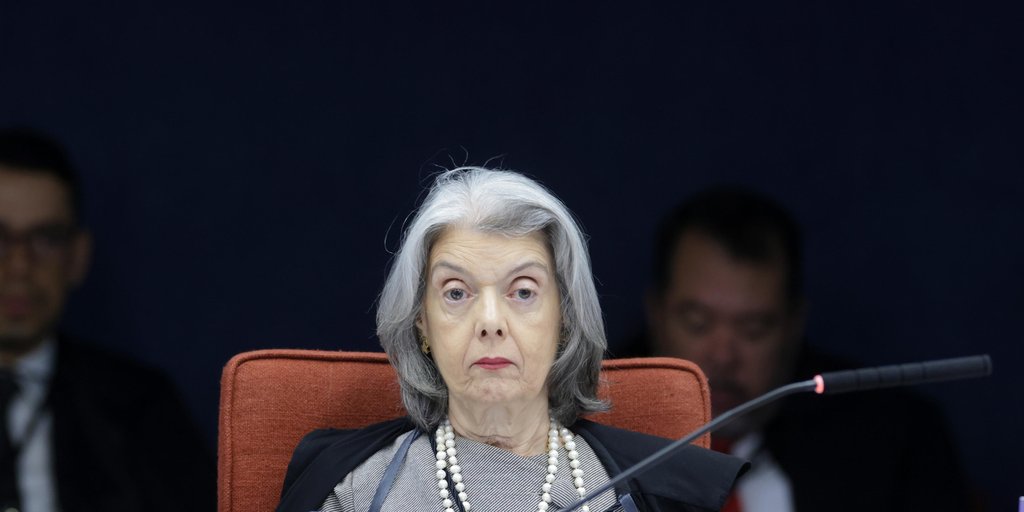
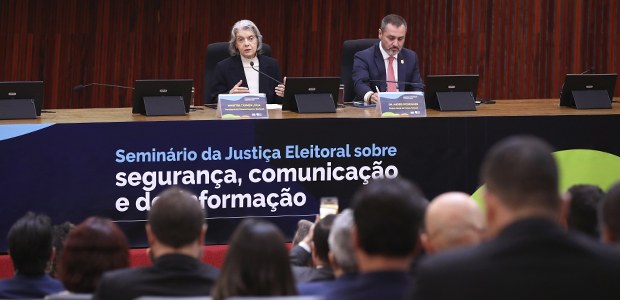
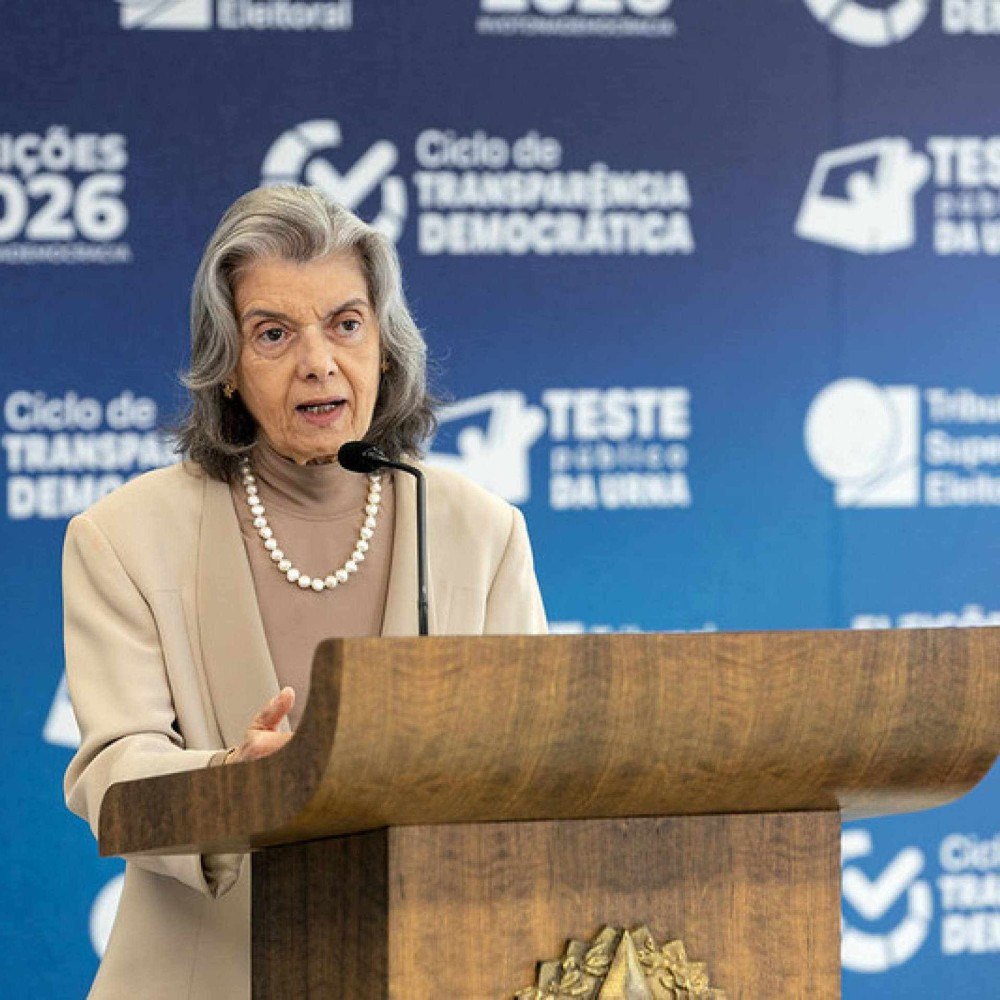
Cármen Lúcia, president of Brazil's Superior Electoral Court, warned that the misuse of AI and other technologies could increase disinformation and threaten the integrity of the 2026 elections. She emphasized the need for preventive measures to protect voters' free will and maintain trust in democratic processes.[AI generated]

Why's our monitor labelling this an incident or hazard?

The article discusses the potential risks of AI-driven disinformation in future elections, which could plausibly lead to harm to communities through misinformation. However, no actual harm or incident is reported as having occurred. The focus is on the warning and ethical considerations, making this an AI Hazard rather than an AI Incident or Complementary Information. There is no description of a realized harm or ongoing incident, only a credible risk and call for ethical use and mitigation.[AI generated]

AI principles
AccountabilityDemocracy & human autonomy

Industries
Government, security, and defenceMedia, social platforms, and marketing

Affected stakeholders
General public

Harm types
Public interest

Severity
AI hazard

Business function:
Other

AI system task:
Content generation


Articles about this incident or hazard

Thumbnail Image

Proposta liberou-geral do TSE fortalece ministros

2026-01-29
Valor Econômico
Why's our monitor labelling this an incident or hazard?
The article highlights a credible concern about AI-driven disinformation as a potential future harm in elections, but does not describe any actual incident or harm caused by AI yet. The mention of a legal proposal to regulate this threat is a governance response, not an incident or hazard itself. Therefore, this is best classified as Complementary Information, providing context and updates on societal and governance responses to AI-related risks.
Thumbnail Image

TSE alerta para riscos de desinformação e defende uso ético da tecnologia nas eleições de 2026

2026-01-27
Marcelo Bittencourt
Why's our monitor labelling this an incident or hazard?
The article discusses the potential risks of AI-driven disinformation in future elections, which could plausibly lead to harm to communities through misinformation. However, no actual harm or incident is reported as having occurred. The focus is on the warning and ethical considerations, making this an AI Hazard rather than an AI Incident or Complementary Information. There is no description of a realized harm or ongoing incident, only a credible risk and call for ethical use and mitigation.
Thumbnail Image

Presidente do TSE chama atenção para o aumento de desinformação nas eleições

2026-01-27
Correio Braziliense
Why's our monitor labelling this an incident or hazard?
The article focuses on the potential risks and societal challenges posed by the misuse of AI and other technologies in spreading disinformation during elections. It does not describe a realized harm or a specific event where AI caused or contributed to harm. The main content is a warning and a call for preventive measures, making it a discussion of potential hazards and governance responses rather than a report of an incident or hazard itself. Therefore, it fits best as Complementary Information, providing context and updates on societal and governance responses to AI-related election disinformation risks.
Thumbnail Image

Eleições 2026: Cármen Lúcia diz que mentiras divulgadas tecnologicamente capturam vontade do eleitor

2026-01-27
Terra
Why's our monitor labelling this an incident or hazard?
The article centers on the potential risks posed by AI-enabled disinformation in elections and the judicial and law enforcement responses to prevent such harms. It does not report an actual AI-related harm event but rather discusses the plausible future harm AI could cause if unregulated, as well as governance measures to address these risks. Therefore, it fits the definition of an AI Hazard, as it involves plausible future harm from AI systems used in disinformation, with no realized harm reported.
Thumbnail Image

Vera Lúcia diz que debate sobre urnas está superado e alerta para uso indevido de IA nas eleições

2026-01-27
Correio Braziliense
Why's our monitor labelling this an incident or hazard?
The article does not describe any actual AI Incident or AI Hazard but rather addresses concerns about the potential misuse of AI in elections and the measures being taken to prevent such misuse. It is primarily about governance, institutional preparedness, and societal responsibility regarding AI-related disinformation risks. Therefore, it fits the category of Complementary Information as it provides context and updates on responses to AI-related challenges in elections without reporting a specific harmful event or plausible imminent harm caused by AI.
Thumbnail Image

Cármen Lúcia diz que mentiras divulgadas tecnologicamente capturam vontade do eleitor

2026-01-27
InfoMoney
Why's our monitor labelling this an incident or hazard?
The article centers on the potential threat posed by AI-enabled misinformation and deepfakes to electoral integrity, which could plausibly lead to harm such as manipulation of voter will and erosion of democratic trust. However, it does not describe any actual incident of harm occurring due to AI misuse or malfunction. The discussion of preventive measures, legal rules, and public consultations indicates a governance and societal response to anticipated risks rather than reporting a concrete AI Incident or an immediate AI Hazard event. Therefore, the content fits best as Complementary Information, providing context and updates on AI-related governance and risk management in elections.
Thumbnail Image

Cármen Lúcia alerta: mau uso da IA pode contaminar eleições de 2026

2026-01-27
O TEMPO
Why's our monitor labelling this an incident or hazard?
The article focuses on the potential future misuse of AI in the electoral context, specifically the risk of AI-generated disinformation affecting election integrity. No actual AI-driven harm or incident has occurred yet; rather, the article highlights precautionary governance responses and the planning of rules to mitigate these risks. Therefore, this event qualifies as an AI Hazard because it plausibly could lead to harm (election contamination via disinformation) but no harm has yet materialized.
Thumbnail Image

Cármen Lúcia diz que IA será desafio central nas eleições de 2026

2026-01-27
Poder360
Why's our monitor labelling this an incident or hazard?
The article explicitly mentions AI as a factor that could manipulate voter will through false content, which is a plausible risk of harm to democratic processes and communities. No actual harm or incident is reported; the focus is on the potential challenge AI poses and the preventive measures being planned. Therefore, this qualifies as an AI Hazard, as the development and use of AI could plausibly lead to harm in the electoral context, but no realized harm is described.
Thumbnail Image

Cármen Lúcia aponta IA e desinformação como desafios para 2026 e defende eleições 'sem pressões'

2026-01-27
O Globo
Why's our monitor labelling this an incident or hazard?
The article does not describe any realized harm or incident caused by AI or misinformation but rather discusses the potential challenges and preventive strategies related to AI and disinformation in elections. It is primarily about governance, institutional preparedness, and societal responses to AI-related risks. Therefore, it fits the definition of Complementary Information, as it provides context and updates on responses to AI-related challenges without reporting a new AI Incident or AI Hazard.
Thumbnail Image

Cármen Lúcia alerta para desinformação nas eleições de 2026

2026-01-27
Jornal de Brasília
Why's our monitor labelling this an incident or hazard?
The article explicitly mentions the use and potential misuse of AI and other technologies to spread disinformation that could manipulate voters, which could plausibly lead to harm to communities and democratic rights. However, no actual harm or incident has been reported; the event is a warning and preparation for potential future misuse. Therefore, it fits the definition of an AI Hazard, as it describes a credible risk of harm stemming from AI use in elections, but no realized harm has occurred yet.
Thumbnail Image

Eleições: Cármen Lúcia diz que mentiras divulgadas tecnologicamente capturam vontade do eleitor

2026-01-27
Jornal Diário do Grande ABC
Why's our monitor labelling this an incident or hazard?
The article centers on the potential for AI-driven misinformation to influence elections and the preventive measures being planned or implemented to address these risks. There is no description of an actual AI incident causing harm, nor a specific event where AI misuse led to direct or indirect harm. The discussion of AI-related risks and regulatory responses fits the definition of Complementary Information, as it provides context and updates on governance and societal responses to AI-related election misinformation threats without reporting a realized harm event.
Thumbnail Image

Cármen Lúcia alerta para aumento de desinformação nas eleições

2026-01-27
HOME
Why's our monitor labelling this an incident or hazard?
The article involves AI in the context of potential misuse for spreading disinformation in elections, which could plausibly lead to harm to communities and democratic processes. However, no actual harm or incident is described as having occurred yet. The focus is on alerting and preparing for possible future risks related to AI-driven disinformation. Therefore, this qualifies as an AI Hazard, since it highlights a credible risk of harm from AI use in elections but does not report a realized incident.
Thumbnail Image

Cármen Lúcia alerta para risco da desinformação tecnológica nas eleições 2026

2026-01-27
Diario de Pernambuco
Why's our monitor labelling this an incident or hazard?
The article discusses the plausible future risk of AI or technology-enabled disinformation affecting elections, which could lead to harm to communities and democratic processes. However, no actual harm or incident has been reported; the event is a warning and a call for preventive measures. Therefore, it fits the definition of an AI Hazard, as it plausibly could lead to an AI Incident involving harm through disinformation in elections.
Thumbnail Image

Desinformação e IA são desafios das eleições de 2026, diz Cármen Lúcia

2026-01-27
O Antagonista
Why's our monitor labelling this an incident or hazard?
The article explicitly mentions AI as a factor that could lead to the spread of disinformation affecting elections, which is a plausible risk of harm to democratic processes and voter rights. However, no actual harm or incident has yet occurred according to the article. The focus is on anticipating and preventing such harms, making this an AI Hazard rather than an AI Incident. It is not merely complementary information because the main subject is the credible risk posed by AI-driven disinformation to election integrity, not just a response or update to a past event.
Thumbnail Image

Presidente do TSE alerta para riscos da desinformação em 2026

2026-01-27
News Rondonia
Why's our monitor labelling this an incident or hazard?
The article involves AI systems in the context of potential misuse for spreading disinformation, which could plausibly lead to harm to communities and democratic integrity. However, no actual harm or incident is reported as having occurred yet. The main focus is on warnings, regulatory planning, and preventive measures, which aligns with the definition of an AI Hazard or Complementary Information. Since the article primarily discusses governance responses and risk awareness rather than a specific AI-driven harmful event, it fits best as Complementary Information.
Thumbnail Image

Eleições: Cármen Lúcia diz que mentiras divulgadas tecnologicamente capturam vontade do eleitor

2026-01-27
UOL notícias
Why's our monitor labelling this an incident or hazard?
While the article discusses misinformation spread through technological means, it does not specify the involvement of AI systems in the dissemination or harm caused. The focus is on the potential threat and the need for preventive strategies, without describing a realized AI-related harm or a specific AI hazard event. Therefore, this is best classified as Complementary Information, providing context and governance-related response considerations regarding AI-related disinformation risks in elections.
Thumbnail Image

Quantidade de desinformação deve crescer com eleições, alerta presidente do TSE

2026-01-27
Tribuna do Sertão
Why's our monitor labelling this an incident or hazard?
The article discusses the potential for AI-driven or technology-enabled disinformation to harm democratic processes in the future. However, it does not describe any actual incident of harm occurring yet, only a credible warning about plausible future harm related to AI or related technologies. Therefore, this qualifies as an AI Hazard because the malicious use of AI or related technologies could plausibly lead to harm to communities and democratic institutions, but no harm has yet materialized according to the article.
Thumbnail Image

Mau uso da tecnologia pode levar à 'captura da vontade livre do eleitor', diz Cármen Lúcia

2026-01-27
R7 Notícias
Why's our monitor labelling this an incident or hazard?
The article discusses the potential misuse of AI and other technologies to spread disinformation that may influence voters improperly, which could plausibly lead to violations of fundamental rights and harm to communities through election contamination. However, it does not report an actual realized harm or incident but rather warns about the risks and challenges ahead. Therefore, this qualifies as an AI Hazard, reflecting a credible potential for harm stemming from AI misuse in elections.
Thumbnail Image

Cármen Lúcia pede eleições "sem pressões internas" e sinaliza desafios com a desinformação e IA

2026-01-27
GZH
Why's our monitor labelling this an incident or hazard?
The article focuses on the potential challenges and risks associated with AI and disinformation in elections, framing them as issues to be addressed proactively. There is no description of an AI system causing harm or malfunctioning, nor is there an event where AI has led to violations or disruptions. Therefore, this is a discussion of plausible future risks and governance responses rather than a realized incident or hazard. It fits best as Complementary Information, providing context and highlighting governance and societal responses to AI-related election challenges.
Thumbnail Image

O que esperar de Nunes Marques como presidente do TSE durante as eleições de 2026

2026-01-28
VEJA
Why's our monitor labelling this an incident or hazard?
The article explicitly mentions AI in the context of disinformation risks and the challenges the TSE faces in managing fake news during elections. However, it does not describe any actual harm, malfunction, or misuse of AI systems that have led to injury, rights violations, or other harms. The discussion is prospective, focusing on the potential for AI to amplify disinformation and the institutional preparations to address these challenges. This fits the definition of an AI Hazard, as it plausibly could lead to harm in the future but no incident has yet occurred.
Thumbnail Image

Cármem Lúcia: inteligência artificial será desafio para eleições 2026

2026-01-27
Agência Brasil
Why's our monitor labelling this an incident or hazard?
The article focuses on the potential misuse of AI in spreading misinformation during elections, which could plausibly lead to harm such as voter deception and undermining democratic processes. However, since no actual harm or incident has occurred yet, and the discussion is about future challenges and preventive measures, this qualifies as an AI Hazard. There is no report of a realized AI Incident or complementary information about responses to a past incident.
Thumbnail Image

- Jornal Panorama

2026-01-28
Jornal Panorama Minas
Why's our monitor labelling this an incident or hazard?
The article centers on the plausible future harm that AI-generated disinformation could cause to the integrity of the electoral process, which fits the definition of an AI Hazard. It does not describe any realized harm or incident where AI disinformation has already caused damage, so it is not an AI Incident. The discussion of regulatory and societal responses is part of the broader context but does not itself constitute Complementary Information since the main focus is on the potential risk. Therefore, the event is best classified as an AI Hazard due to the credible risk of AI-enabled disinformation impacting elections.
Thumbnail Image

Ministra Cármen Lúcia alerta para efeitos danosos da desinformação nas eleições

2026-01-28
Folha de Vilhena
Why's our monitor labelling this an incident or hazard?
The article explicitly mentions AI as part of the technologies that could be misused to spread disinformation affecting elections, which is a plausible risk. However, no actual AI-driven disinformation incident or harm is reported. The focus is on warnings, preventive measures, and institutional coordination to address these risks. This fits the definition of Complementary Information, as it provides context and governance-related responses to AI-related risks without describing a new AI Incident or AI Hazard.
Thumbnail Image

TSE atento à inteligência artificial na campanha

2026-01-28
Correio Braziliense
Why's our monitor labelling this an incident or hazard?
The article centers on the potential risks posed by AI technologies, such as deepfakes and coordinated disinformation campaigns, in the electoral context. It emphasizes the need for rules and oversight to prevent abuse but does not describe any actual harm or incident caused by AI systems. Therefore, it fits the definition of Complementary Information, as it provides context, governance responses, and preparatory measures related to AI's role in elections without reporting a concrete AI Incident or Hazard.
Thumbnail Image

TSE atento à inteligência artificial na campanha

2026-01-28
Jornal Estado de Minas | Not�cias Online
Why's our monitor labelling this an incident or hazard?
The article explicitly mentions AI systems (e.g., deep fakes, synthetic content) and their potential misuse in election campaigns, which could plausibly lead to harm such as misinformation affecting voter decisions and undermining democracy. However, no actual harm or incident is described as having occurred yet. The focus is on warnings, legal obligations, and institutional preparedness to address these risks. Therefore, this qualifies as an AI Hazard, since the development and use of AI in election campaigns could plausibly lead to significant harm, but no direct or indirect harm has yet materialized according to the article.
Thumbnail Image

Eleições e Inteligência Artificial

2026-01-29
Folha de Londrina
Why's our monitor labelling this an incident or hazard?
The article explicitly mentions AI systems generating and adapting false content (texts, images, audio, video) to manipulate voters, which fits the definition of an AI system. The harms described—manipulation of voter will, erosion of trust in democratic institutions, and dissemination of misinformation—constitute harm to communities and violation of democratic rights. However, the article does not report that these harms have already materialized; it focuses on the plausible risk and the need for preventive measures. Therefore, this event is best classified as an AI Hazard, as the AI system's use could plausibly lead to significant harm in the near future, especially in the context of the 2026 elections.
Thumbnail Image

Eleições e Inteligência Artificial: legislação branda e alerta institucional

2026-01-29
VTV News | Notícias do Interior e Litoral de São Paulo
Why's our monitor labelling this an incident or hazard?
The article explicitly mentions AI-generated deepfakes and false content as a threat to democracy, indicating the involvement of AI systems in generating misleading electoral content. However, it does not report a specific incident where such AI-generated misinformation has already caused harm. The concerns raised about the difficulty in detecting AI-generated falsehoods, regulatory shortcomings, and the potential for erosion of democratic trust point to a credible risk of future harm. Hence, the event fits the definition of an AI Hazard rather than an AI Incident or Complementary Information.