Indian Army Procures Autonomous V-BAT Drones with AI Software for Border Defense

Thumbnail Image

The information displayed in the AIM should not be reported as representing the official views of the OECD or of its member countries.

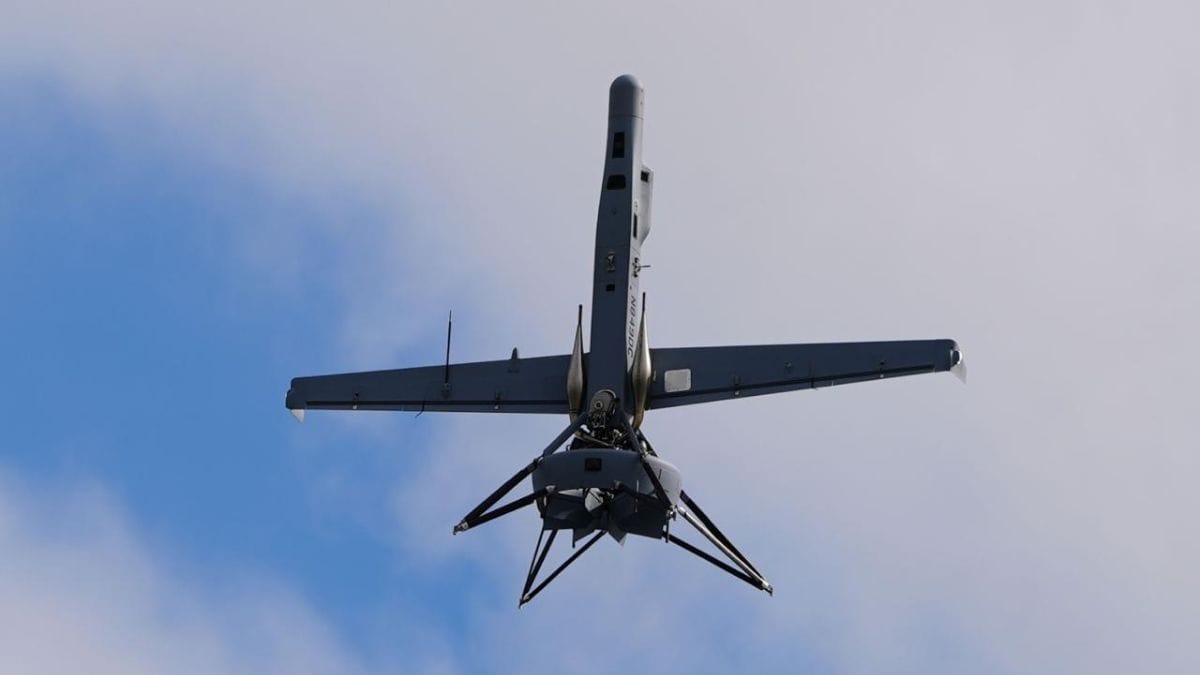
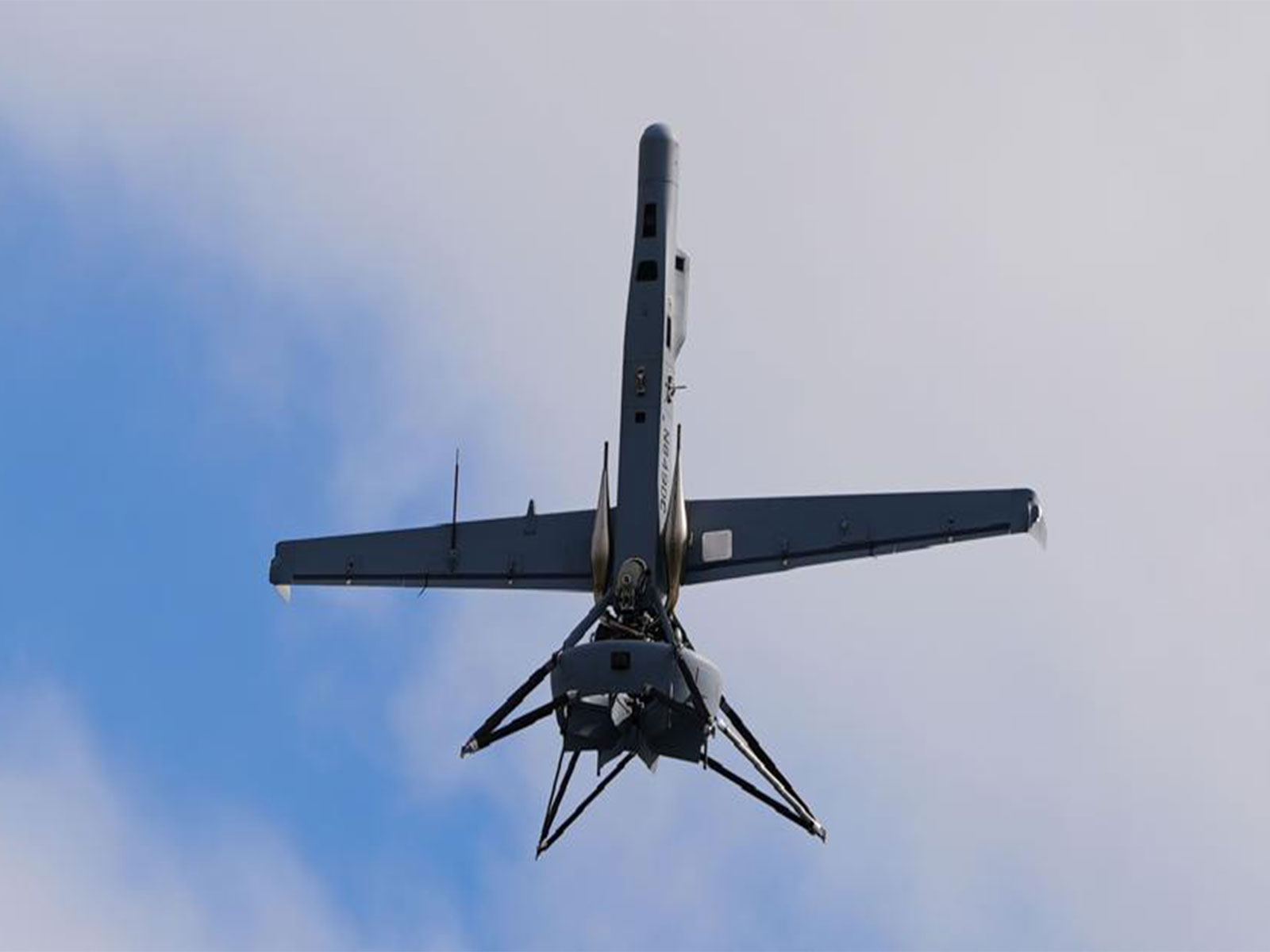
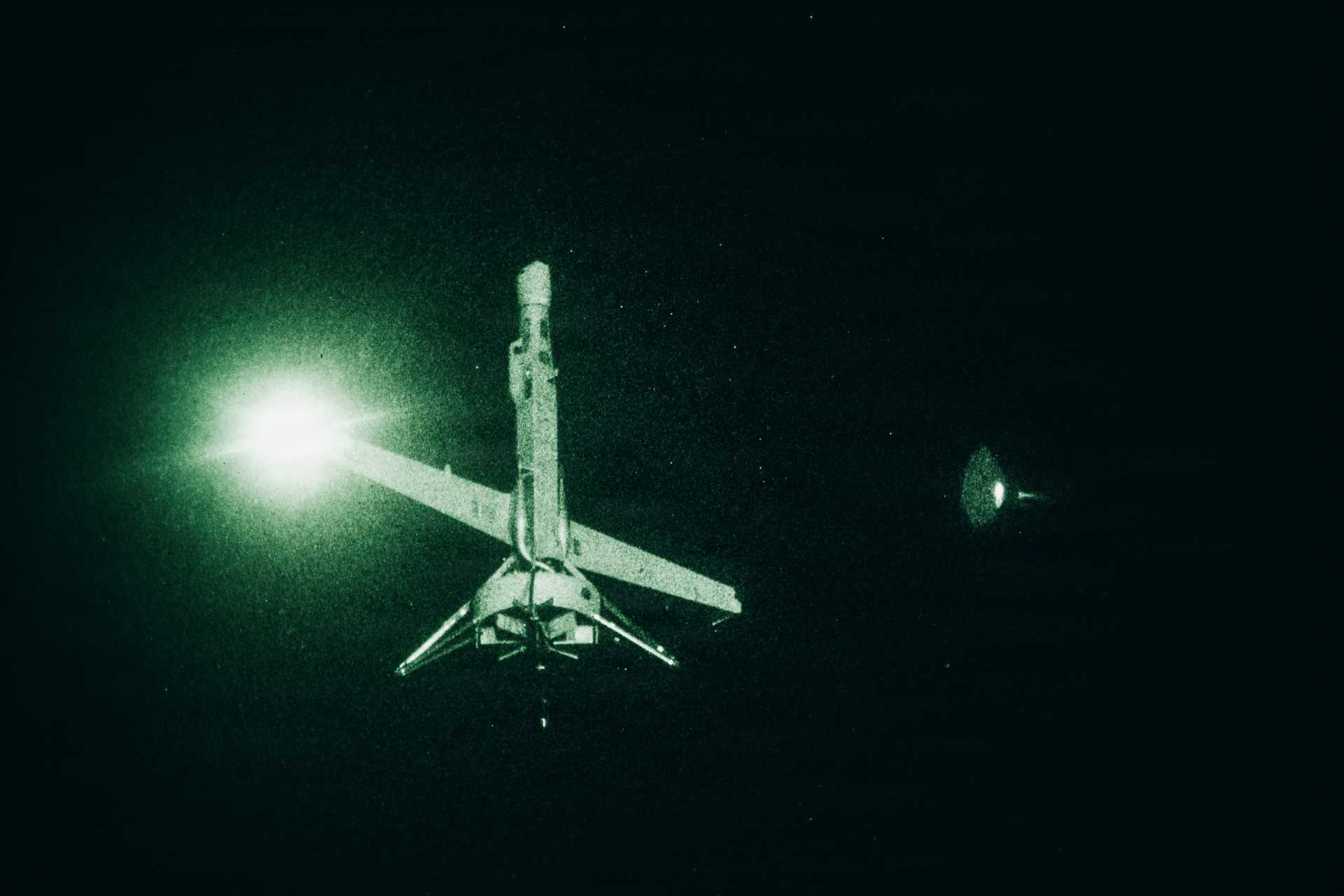
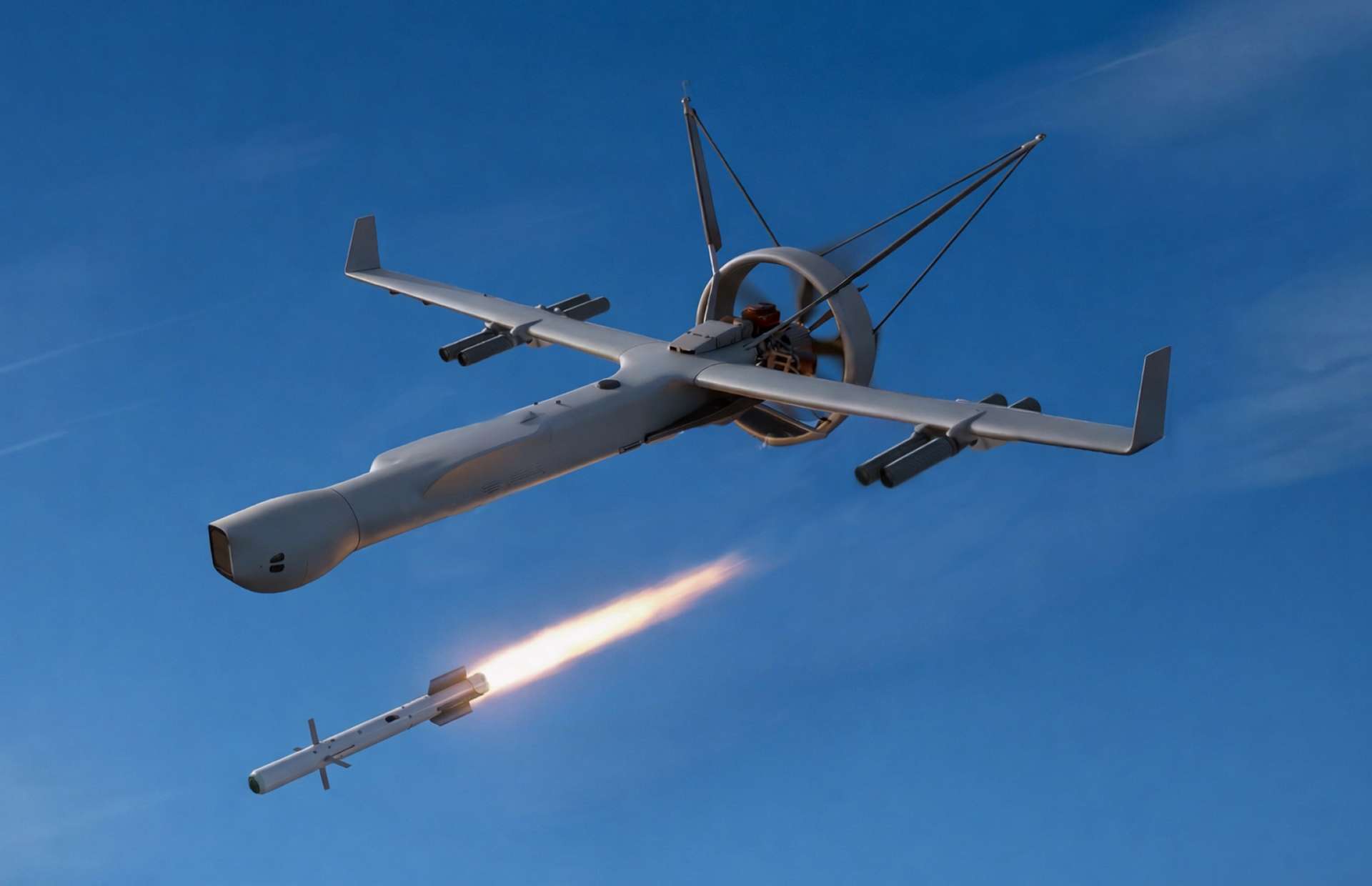
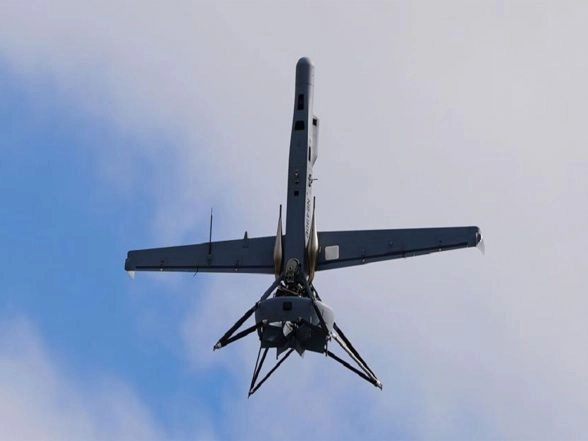
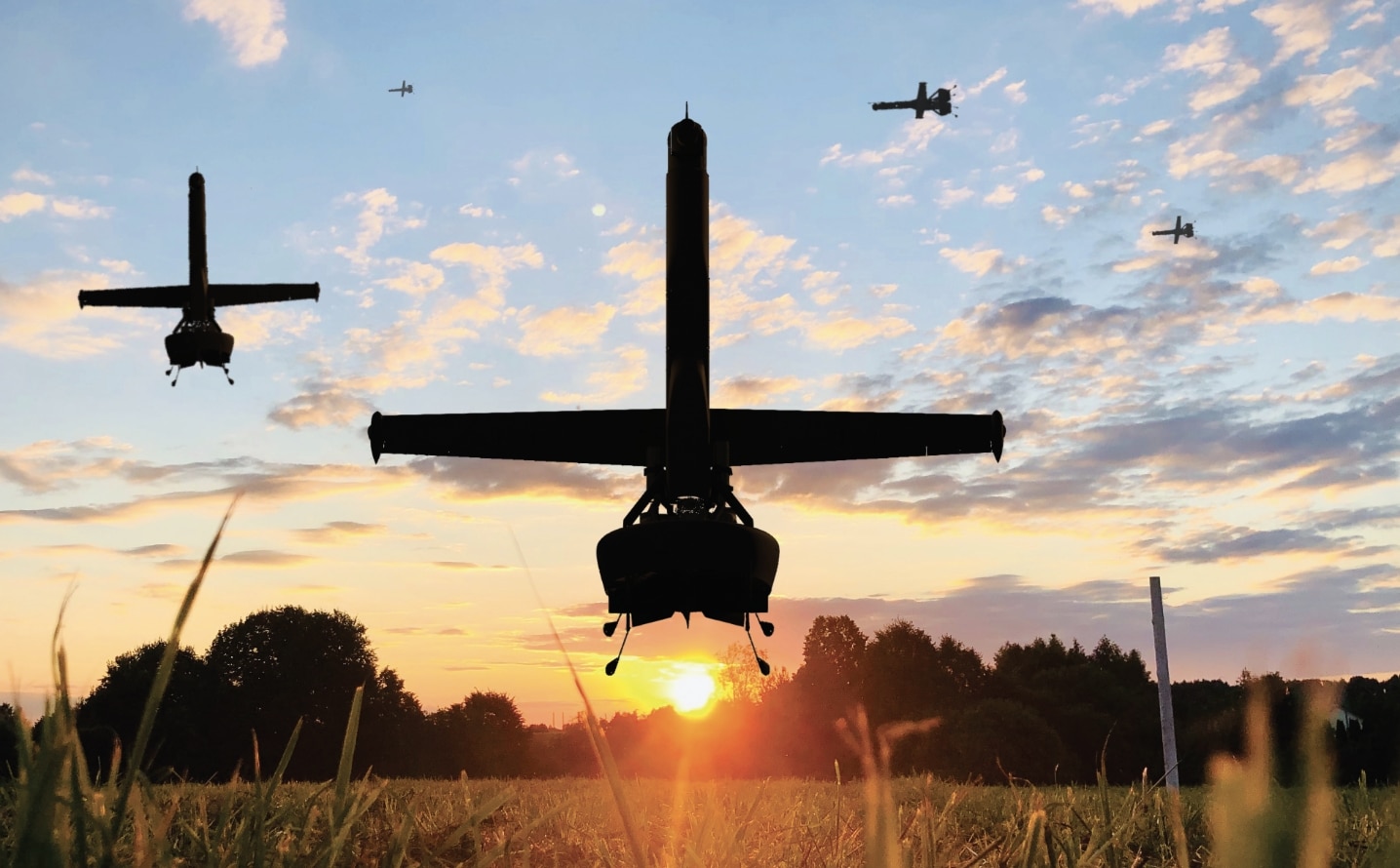
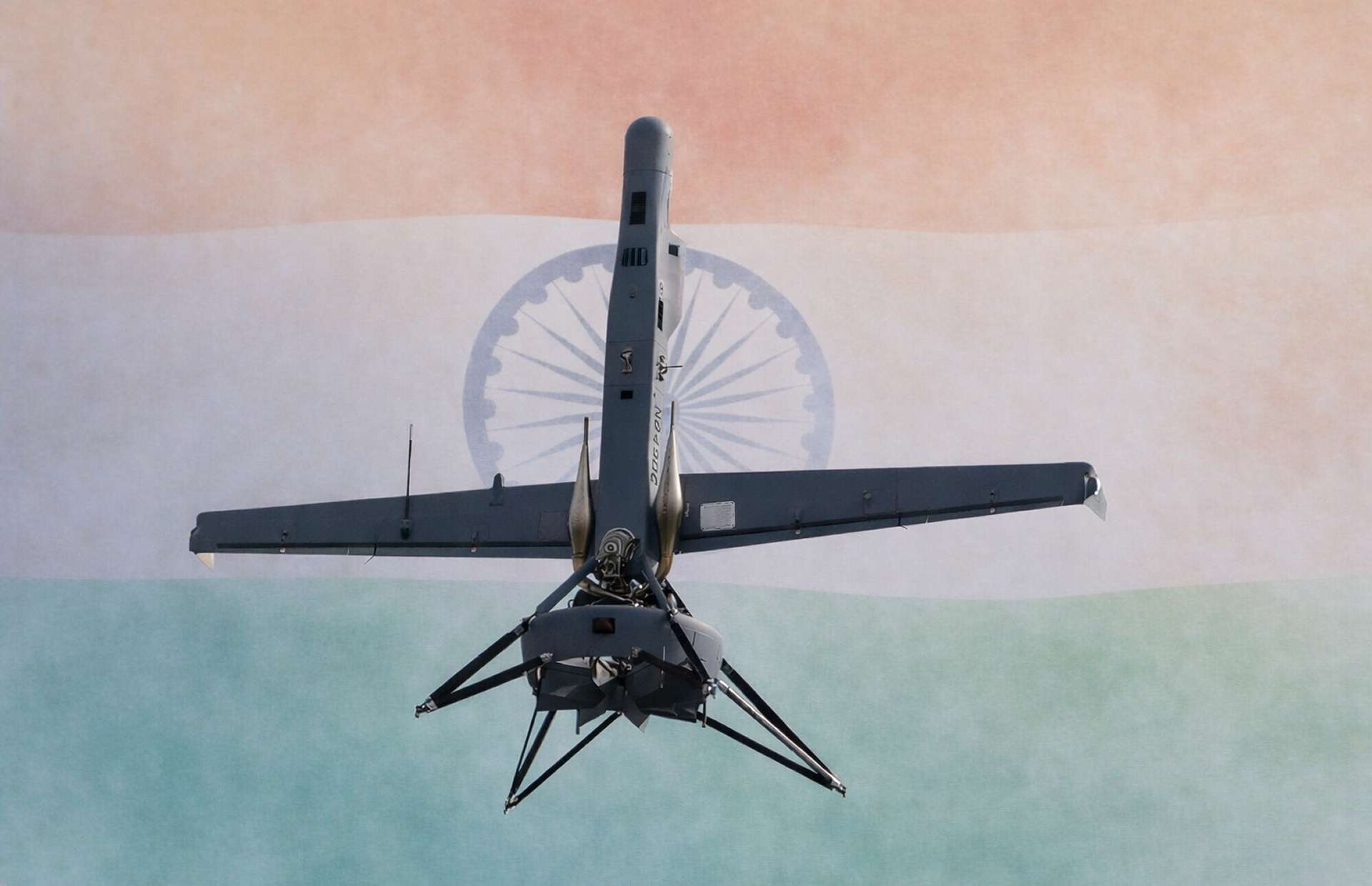
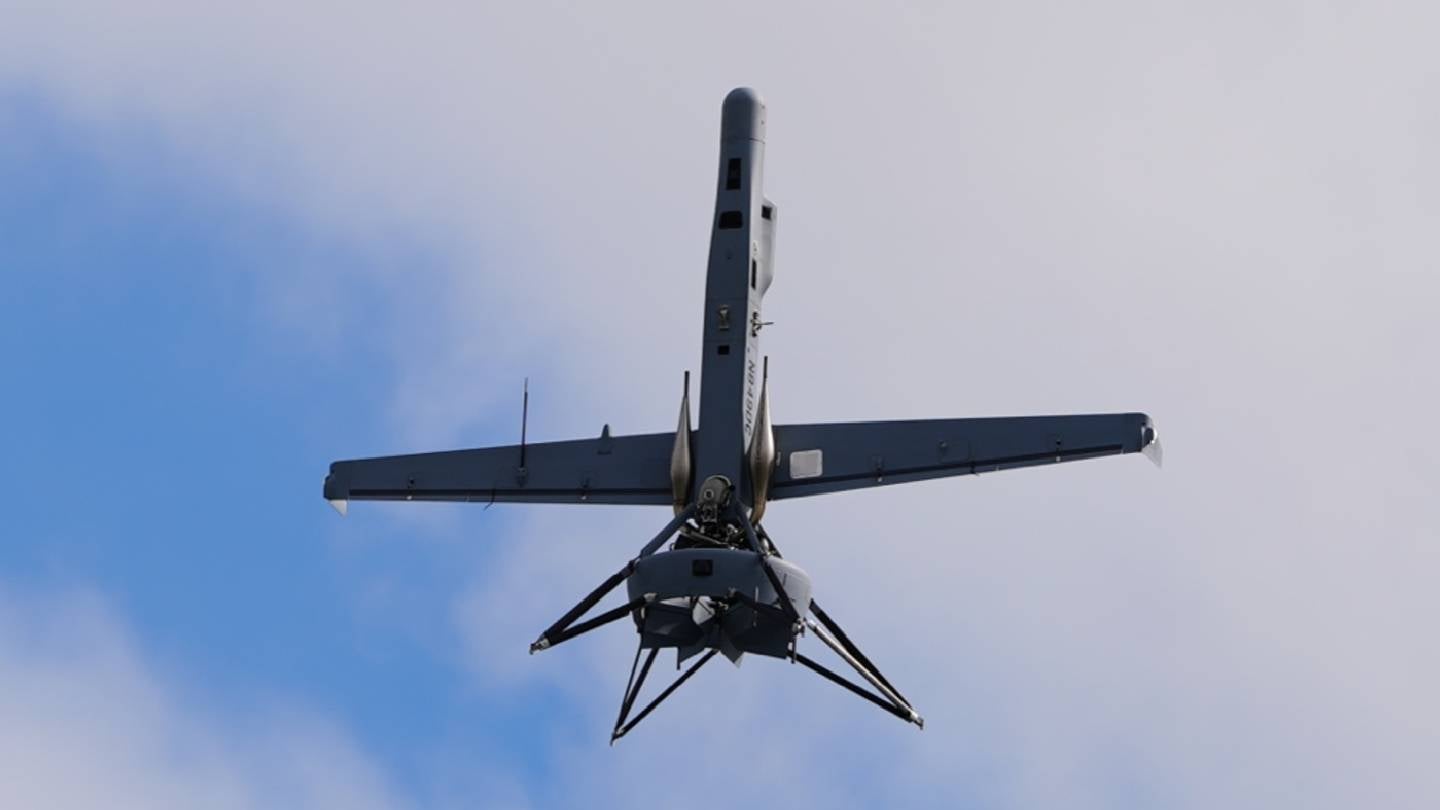
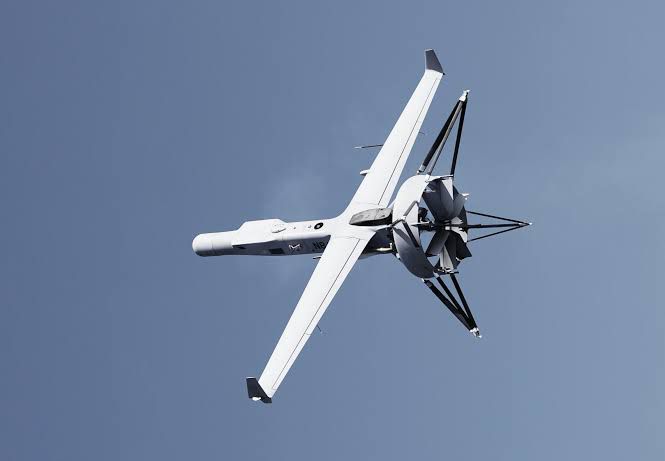
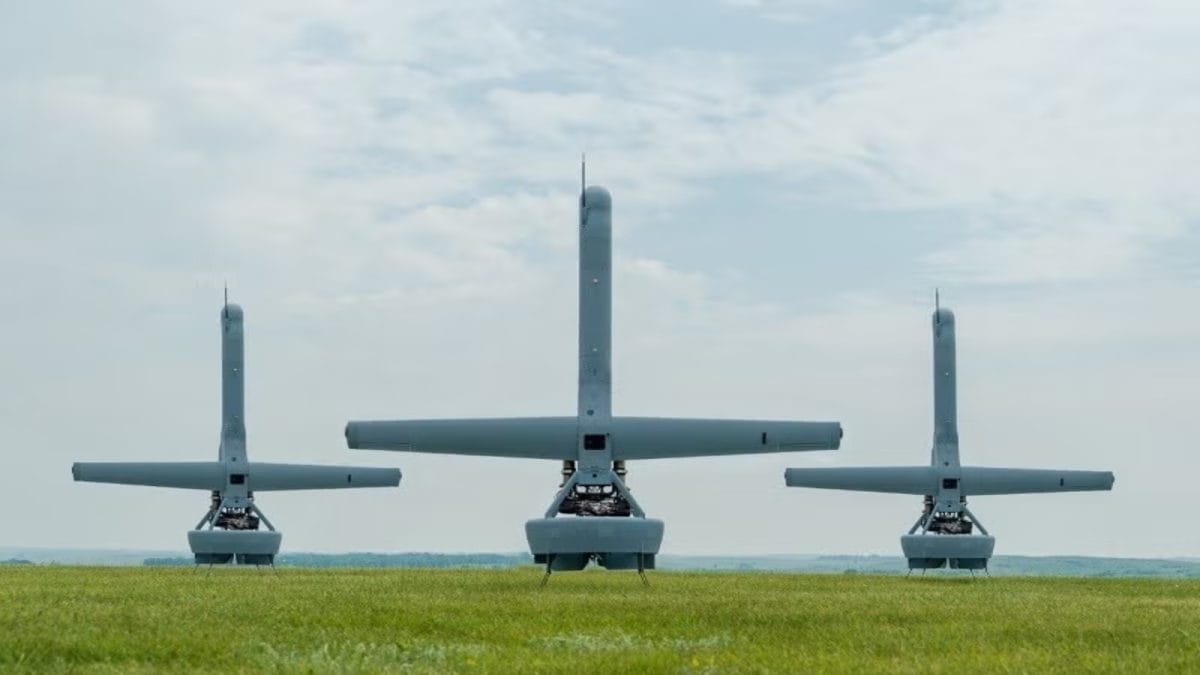
The Indian Army has procured V-BAT unmanned aircraft systems from US firm Shield AI, integrating the Hivemind autonomy software for deployment on sensitive borders. The AI-enabled drones can sense, decide, and act autonomously in complex environments, raising credible future risks of harm if misused or malfunctioning.[AI generated]

Why's our monitor labelling this an incident or hazard?

The event involves the development and use of an AI system (Hivemind autonomy software) integrated into autonomous drones (V-BAT) that are intended for military use, including surveillance and targeting. The autonomous capabilities enable the drones to operate independently, which directly relates to AI system use. The deployment of such autonomous weapon systems has a clear potential to cause harm, including injury or death in conflict situations, disruption of security environments, and broader human rights concerns. Although the article does not report a specific incident of harm occurring from these drones in India yet, the nature of the AI system and its intended military use plausibly could lead to significant harm. Therefore, this event qualifies as an AI Hazard due to the credible risk posed by the autonomous weapon systems being supplied and deployed.[AI generated]
AI principles
SafetyRespect of human rights

Industries
Government, security, and defence

Affected stakeholders
General public

Harm types
Physical (injury)Physical (death)Human or fundamental rights

Severity
AI hazard

AI system task:
Recognition/object detectionGoal-driven organisation


Articles about this incident or hazard

Thumbnail Image

US Firm Shield AI, Whose Weapons Helped Israel Against Hamas, To Supply V-BAT Drones To Indian Army

2026-01-28
News18
Why's our monitor labelling this an incident or hazard?
The event involves the development and use of an AI system (Hivemind autonomy software) integrated into autonomous drones (V-BAT) that are intended for military use, including surveillance and targeting. The autonomous capabilities enable the drones to operate independently, which directly relates to AI system use. The deployment of such autonomous weapon systems has a clear potential to cause harm, including injury or death in conflict situations, disruption of security environments, and broader human rights concerns. Although the article does not report a specific incident of harm occurring from these drones in India yet, the nature of the AI system and its intended military use plausibly could lead to significant harm. Therefore, this event qualifies as an AI Hazard due to the credible risk posed by the autonomous weapon systems being supplied and deployed.
Thumbnail Image

Indian Army to procure US firm's autonomous V-BAT drones | India News - The Times of India

2026-01-28
The Times of India
Why's our monitor labelling this an incident or hazard?
The event involves the use and development of AI systems (autonomous drones with advanced autonomy software) intended for military operations. Although no harm has yet occurred, the deployment of autonomous armed drones inherently carries credible risks of injury, harm to persons, or other significant harms if used in conflict or operational scenarios. Therefore, this event represents a plausible future risk of harm stemming from AI system use, qualifying it as an AI Hazard rather than an Incident or Complementary Information. It is not unrelated because the AI system and its autonomous capabilities are central to the event.
Thumbnail Image

Army to equip unmanned systems, autonomous software for future warfare

2026-01-28
Business Standard
Why's our monitor labelling this an incident or hazard?
The article explicitly mentions the use of an AI system (Hivemind autonomy software) integrated into unmanned aerial systems for military operations. The AI system's development and intended use in autonomous decision-making for complex missions in contested environments imply a credible risk of harm, such as injury or disruption, if deployed in warfare. However, the article does not report any actual harm or incident resulting from the AI system's use so far. Thus, it does not meet the criteria for an AI Incident but fits the definition of an AI Hazard, as the AI system's use could plausibly lead to harm in the future.
Thumbnail Image

Indian Army ties up with US drone company that made its name in the Ukraine conflict

2026-01-28
ThePrint
Why's our monitor labelling this an incident or hazard?
The article explicitly mentions the use of an AI system (Hivemind autonomy software) integrated into drones that have been actively used in the Ukraine conflict to identify military targets, which constitutes direct involvement of AI in causing harm (military harm and harm to communities). The Indian Army's acquisition and local production of these AI-enabled autonomous drones implies the continuation and expansion of such use. The AI system's role in enabling autonomous decision-making in contested environments and its operational use in warfare meets the criteria for an AI Incident, as it directly leads to harm through military operations. This is not merely a potential hazard or complementary information but a clear case of AI use causing harm.
Thumbnail Image

Shield AI selected to provide V-Bat unmanned aircraft systems and hivemind autonomy software to the Indian Army

2026-01-28
Asian News International (ANI)
Why's our monitor labelling this an incident or hazard?
The article explicitly mentions the use of AI autonomy software (Hivemind) integrated into unmanned aerial systems (V-BAT) for military purposes. The AI system's development and deployment are central to the event. Although no harm or incident is reported, the autonomous military drones' capabilities could plausibly lead to harms such as injury, disruption, or violations of rights if misused or malfunctioning. The event is about the procurement and deployment of AI-enabled autonomous weapons systems, which is a recognized AI Hazard due to the credible risk of future harm. It is not an AI Incident because no harm has occurred yet, nor is it Complementary Information or Unrelated.
Thumbnail Image

U.S. Marines Test V-BAT Drone From Warship in Nighttime Intelligence Operations

2026-01-26
Army Recognition
Why's our monitor labelling this an incident or hazard?
The V-BAT drone is an AI system due to its autonomous navigation and target recognition software. However, the article only discusses successful testing and operational integration without any mention of malfunctions, misuse, or harm. There is no direct or indirect harm reported, nor is there a credible risk of harm described as imminent or plausible from this event. The focus is on the system's capabilities and strategic implications, which fits the definition of Complementary Information rather than an Incident or Hazard.
Thumbnail Image

U.S. V-BAT Vertical-Takeoff Drone Armed With South Korean Guided Missiles

2026-01-28
Army Recognition
Why's our monitor labelling this an incident or hazard?
The V-BAT drone equipped with autonomous mission systems and laser-guided missiles qualifies as an AI system due to its autonomy stack and autonomous operations. The article focuses on the development and operational deployment of this armed autonomous drone system, which could plausibly lead to harms such as injury or death in conflict, disruption of critical infrastructure, or violations of human rights. However, no specific incident or harm is reported as having occurred yet. Therefore, this event is best classified as an AI Hazard, reflecting the credible potential for harm from the autonomous weapon system's use in contested environments.
Thumbnail Image

India News | Shield AI Selected to Provide V-Bat Unmanned Aircraft Systems and Hivemind Autonomy Software to the Indian Army

2026-01-28
LatestLY
Why's our monitor labelling this an incident or hazard?
The article explicitly mentions the use of AI autonomy software (Hivemind) integrated into unmanned aerial systems (V-BAT) for military use. While the AI system is being deployed and has significant capabilities, the article does not report any realized harm or incidents resulting from its use. Instead, it focuses on the procurement, licensing, and manufacturing plans, which indicate potential future use. Given the military context and autonomous capabilities, there is a plausible risk that such AI systems could lead to harms such as injury, disruption, or violations if misused or malfunctioning. However, since no harm or incident is reported, this event is best classified as an AI Hazard, reflecting the credible potential for future harm from the deployment of autonomous military AI systems.
Thumbnail Image

Indian Army Deploys Shield AI's V-BAT Drones on Borders

2026-01-28
Defence.Capital
Why's our monitor labelling this an incident or hazard?
The article explicitly mentions the use of AI autonomy software (Hivemind) integrated into military drones (V-BAT) deployed on sensitive borders. The AI system's role in autonomous sensing, decision-making, and acting in contested environments implies a significant potential for harm if malfunctions or misuse occur. No actual harm or incident is reported, so it is not an AI Incident. The event is more than a general product announcement because it involves deployment in a high-risk military context with autonomous capabilities, which plausibly could lead to harm. Hence, it fits the definition of an AI Hazard.
Thumbnail Image

Battle-Tested in Ukraine War -- Indian Army To Acquire V-BAT VTOL Drones That Outfoxed Russian EW Jamming

2026-01-29
Latest Asian, Middle-East, EurAsian, Indian News
Why's our monitor labelling this an incident or hazard?
The event involves an AI system (the V-BAT drone with Hivemind AI autonomy software) used in military operations, with demonstrated operational success in contested environments. However, the article does not describe any realized harm or incident caused by the AI system. Instead, it reports on the acquisition and capabilities of the AI system, including its combat testing and strategic value. This fits the definition of Complementary Information, as it provides supporting data and context about AI system deployment and military use without describing an AI Incident or AI Hazard. There is no direct or indirect harm reported, nor a plausible future harm scenario presented as a risk or warning. Therefore, the classification is Complementary Information.
Thumbnail Image

India Selects U.S. V-BAT VTOL Drone With Combat-Proven Hivemind Autonomy for ISR Missions

2026-01-29
Army Recognition
Why's our monitor labelling this an incident or hazard?
The article clearly involves an AI system (the Hivemind autonomy software) integrated into a military drone system. The AI is used for autonomous ISR and targeting support, which could plausibly lead to harms such as injury, disruption, or violations of rights if misused or malfunctioning in combat. However, the article only discusses the selection, capabilities, and planned production of the system without any mention of actual harm, malfunction, or misuse. Thus, it fits the definition of an AI Hazard, as the AI system's deployment in military operations could plausibly lead to incidents in the future, but no incident has yet occurred or been reported.
Thumbnail Image

Indian Army to acquire V-BAT UAVs

2026-01-29
Janes.com
Why's our monitor labelling this an incident or hazard?
The article explicitly mentions the integration of AI autonomy software (Hivemind) into military UAVs, which qualifies as an AI system. Although no harm has yet occurred, the nature of autonomous military drones implies a credible risk of future harm, such as injury or violations of human rights, if these systems malfunction or are misused. Since the event concerns the acquisition and deployment of AI-enabled autonomous weapons systems without any reported incident, it fits the definition of an AI Hazard rather than an AI Incident or Complementary Information.
Thumbnail Image

India Adds Shield AI V-BAT Drones With AI Autonomy Software to Army Fleet

2026-01-29
The Defense Post
Why's our monitor labelling this an incident or hazard?
The article explicitly mentions the integration of AI autonomy software (Hivemind) into the V-BAT drones, which are autonomous unmanned aerial systems used by the military. The AI system's use is in autonomous piloting and mission execution without human intervention, which fits the definition of an AI system. Although no direct harm or incident is described, the deployment of autonomous military drones with AI autonomy software inherently carries plausible risks of harm, including injury, disruption, or violations of rights, especially given their military application. The event does not describe an actual incident or realized harm but highlights the acquisition and deployment of AI-enabled autonomous weapon systems, which is a credible AI Hazard.
Thumbnail Image

Shield AI to supply V-BAT drones to Indian Army

2026-01-29
Army Technology
Why's our monitor labelling this an incident or hazard?
The article explicitly mentions the use of an AI system (Hivemind autonomy software) integrated into military drones (V-BAT) that operate autonomously for ISR and targeting tasks. Although no harm or incident is reported, the nature of the AI system's use in military autonomous drones inherently carries plausible risks of harm, including injury or violations of rights, if misused or malfunctioning. The event focuses on the development and deployment of AI-enabled autonomous drones for military use, which aligns with the definition of an AI Hazard as it could plausibly lead to an AI Incident in the future. There is no indication of realized harm or incident, so it is not an AI Incident. It is not merely complementary information because the main focus is on the procurement and deployment of AI-enabled autonomous drones with potential risks, not on responses or updates to past incidents.
Thumbnail Image

Dual-use tech: the Shield AI example

2026-01-29
Privacy International
Why's our monitor labelling this an incident or hazard?
The article explicitly involves AI systems (Hivemind AI pilots and autonomous drones) used in military and civilian contexts. While the AI systems have been deployed in combat zones and surveillance operations, the article does not document a specific incident where the AI system directly or indirectly caused harm or malfunction. Instead, it focuses on the development, deployment, and dual-use nature of the technology, emphasizing the potential for future harm given its military applications and autonomous capabilities. This aligns with the definition of an AI Hazard, where the AI system's use could plausibly lead to harm, especially considering the autonomous weapons context and geopolitical tensions. There is no description of an actual AI Incident or complementary information about responses or governance measures, nor is it unrelated news. Hence, AI Hazard is the appropriate classification.
Thumbnail Image

Indian Army to Procure US Firm's Autonomous V-BAT Drones with AI Software for Surveillance Missions

2026-01-29
TFIPOST
Why's our monitor labelling this an incident or hazard?
The event involves the development and use of AI systems (autonomous drones with AI autonomy software) intended for military surveillance missions. While no harm has yet occurred, the deployment of autonomous armed drones with AI software in defense contexts plausibly leads to potential harms such as injury to persons, disruption, or other significant harms due to the nature of autonomous military platforms. Therefore, this event represents an AI Hazard, as it plausibly could lead to AI Incidents involving harm in the future, but no direct harm is reported at this time.
Thumbnail Image

Indian Army Picks Shield AI's V-BAT Drones With Hivemind Tech As Hyderabad Plant Ramps Up Local Production

2026-01-29
indiandefensenews.in
Why's our monitor labelling this an incident or hazard?
The article clearly involves AI systems, specifically the Hivemind autonomy software integrated into the V-BAT drones, which perform autonomous mission operations. However, there is no indication of any harm, malfunction, or misuse that has occurred or is occurring. The content centers on procurement, production, and strategic collaboration, which are developments in the AI ecosystem but do not constitute an incident or hazard. Therefore, this is best classified as Complementary Information, providing context and updates on AI system deployment and defense industry developments without describing an AI Incident or AI Hazard.