Microsoft's AI Data Centers Drive Sharp Increase in Water Consumption, Raising Environmental Concerns

Thumbnail Image

The information displayed in the AIM should not be reported as representing the official views of the OECD or of its member countries.

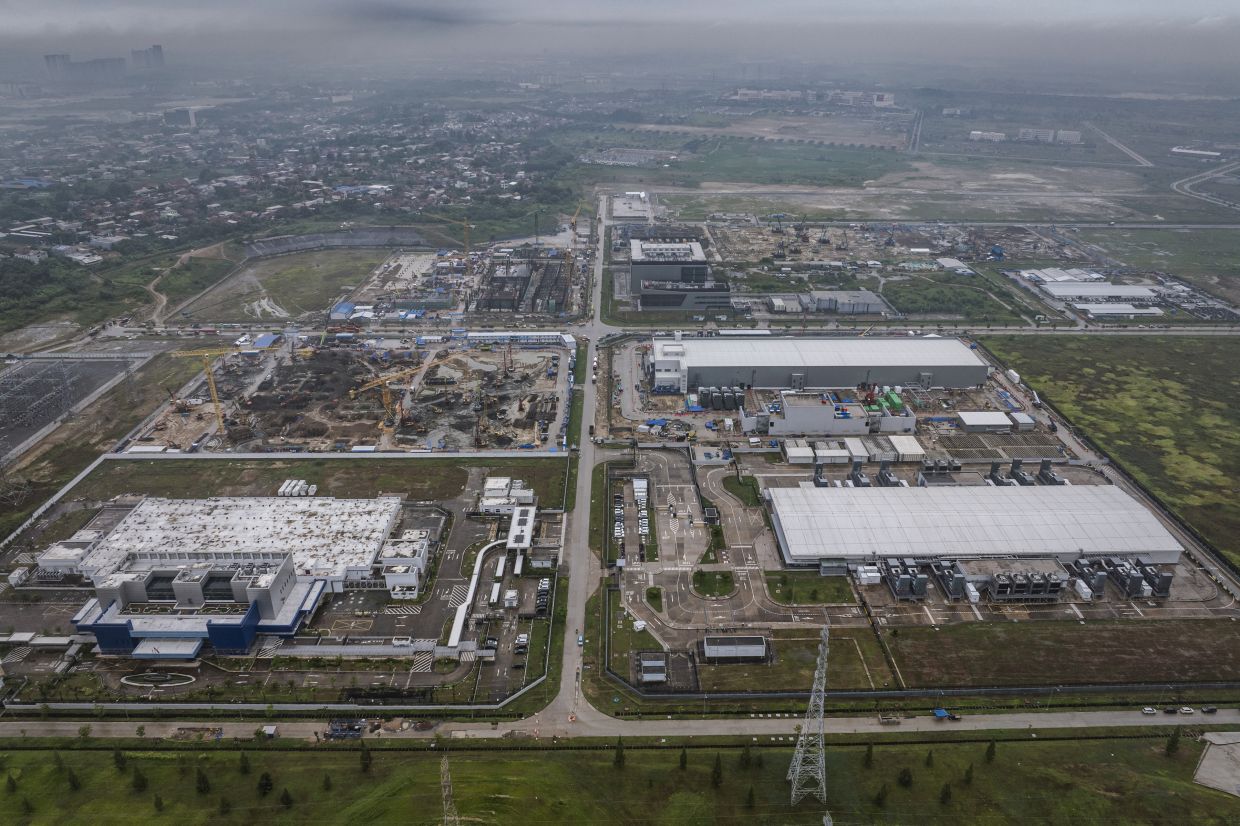
Microsoft's rapid expansion of AI-driven data centers is projected to more than double the company's water consumption by 2030, raising significant environmental concerns, especially in water-stressed areas. Despite previous pledges to replenish water use, experts question the feasibility amid ongoing AI infrastructure growth.[AI generated]

Why's our monitor labelling this an incident or hazard?

The article clearly involves AI systems as the driver of increased data center construction and water use, which is causing or could plausibly cause harm to communities through water resource depletion, especially in water-stressed areas. The harm is indirect and systemic rather than a discrete incident caused by AI malfunction or misuse. The article does not describe a specific AI system failure or misuse event causing direct harm but rather highlights a credible and ongoing risk of environmental harm due to AI infrastructure growth. This fits the definition of an AI Hazard, as the AI system's development and use could plausibly lead to significant harm to communities and the environment if current trends continue.[AI generated]
AI principles
Sustainability

Industries
IT infrastructure and hostingEnvironmental services

Affected stakeholders
General public

Harm types
Environmental

Severity
AI hazard

AI system task:
Other


Articles about this incident or hazard

Thumbnail Image

Microsoft pledged to save water. In the AI era, it expects water use to soar.

2026-01-29
The Star
Why's our monitor labelling this an incident or hazard?
The article clearly involves AI systems as the driver of increased data center construction and water use, which is causing or could plausibly cause harm to communities through water resource depletion, especially in water-stressed areas. The harm is indirect and systemic rather than a discrete incident caused by AI malfunction or misuse. The article does not describe a specific AI system failure or misuse event causing direct harm but rather highlights a credible and ongoing risk of environmental harm due to AI infrastructure growth. This fits the definition of an AI Hazard, as the AI system's development and use could plausibly lead to significant harm to communities and the environment if current trends continue.
Thumbnail Image

Microsoft is in hot water for, well ... water abuse -- data center water use expected 'to more than double' by 2030

2026-01-28
Windows Central
Why's our monitor labelling this an incident or hazard?
The article explicitly links AI-driven data center growth to increased water consumption, which could plausibly lead to harm to communities and the environment, especially in drought-affected areas. However, it does not describe any actual injury, violation of rights, or environmental damage that has already occurred. The harm is potential and foreseeable, fitting the definition of an AI Hazard rather than an AI Incident. The article also includes some corporate responses and efficiency improvements, but these do not negate the plausible future harm. Hence, the classification is AI Hazard.
Thumbnail Image

Microsoft plans more server farms, despite water worries

2026-01-28
TheRegister.com
Why's our monitor labelling this an incident or hazard?
Microsoft's datacenter expansions are explicitly tied to AI workloads, indicating AI system involvement. The article focuses on environmental concerns, particularly water usage and emissions, which could plausibly lead to harm to communities and the environment in the future. However, no direct or indirect harm has yet occurred or been reported as a result of AI system malfunction or use. The article also discusses corporate initiatives to address these concerns, which aligns with complementary information about governance and mitigation efforts. Since the primary focus is on potential environmental impact and ongoing expansion rather than an actual harmful event, this qualifies as an AI Hazard rather than an AI Incident or Complementary Information.
Thumbnail Image

Microsoft Criticized Over Rising Water Consumption From AI Data Centers

2026-01-28
Windows Report | Error-free Tech Life
Why's our monitor labelling this an incident or hazard?
While the article involves AI systems in the form of data centers supporting AI workloads, the reported issue is about increased water consumption and sustainability challenges, which are potential environmental concerns but not yet realized harms directly caused by AI system malfunction or misuse. The article does not report any incident of harm but rather discusses the plausible environmental impact and corporate sustainability efforts. Therefore, this fits best as Complementary Information, providing context and updates on AI infrastructure's environmental implications without describing a specific AI Incident or AI Hazard.
Thumbnail Image

Microsoft pledged to save water. In the AI era, it expects water use to soar

2026-01-30
NZ Herald
Why's our monitor labelling this an incident or hazard?
The article clearly involves AI systems as it focuses on data centres powering AI technologies and their resource demands. The harm discussed is environmental and community water stress, which is a recognized harm category. However, the article does not describe a realized harm event directly caused by AI system malfunction or misuse, nor does it describe a specific event where AI use has led to injury, rights violations, or property/community/environmental damage. Instead, it discusses projected water use increases, corporate sustainability pledges, and the broader implications of AI infrastructure growth. This fits the definition of Complementary Information, as it provides supporting data and context about AI's environmental impact and corporate responses without reporting a new AI Incident or AI Hazard.