ADL Finds xAI's Grok Chatbot Fails to Detect and Counters Antisemitism, Amplifies Harmful Content

Thumbnail Image

The information displayed in the AIM should not be reported as representing the official views of the OECD or of its member countries.

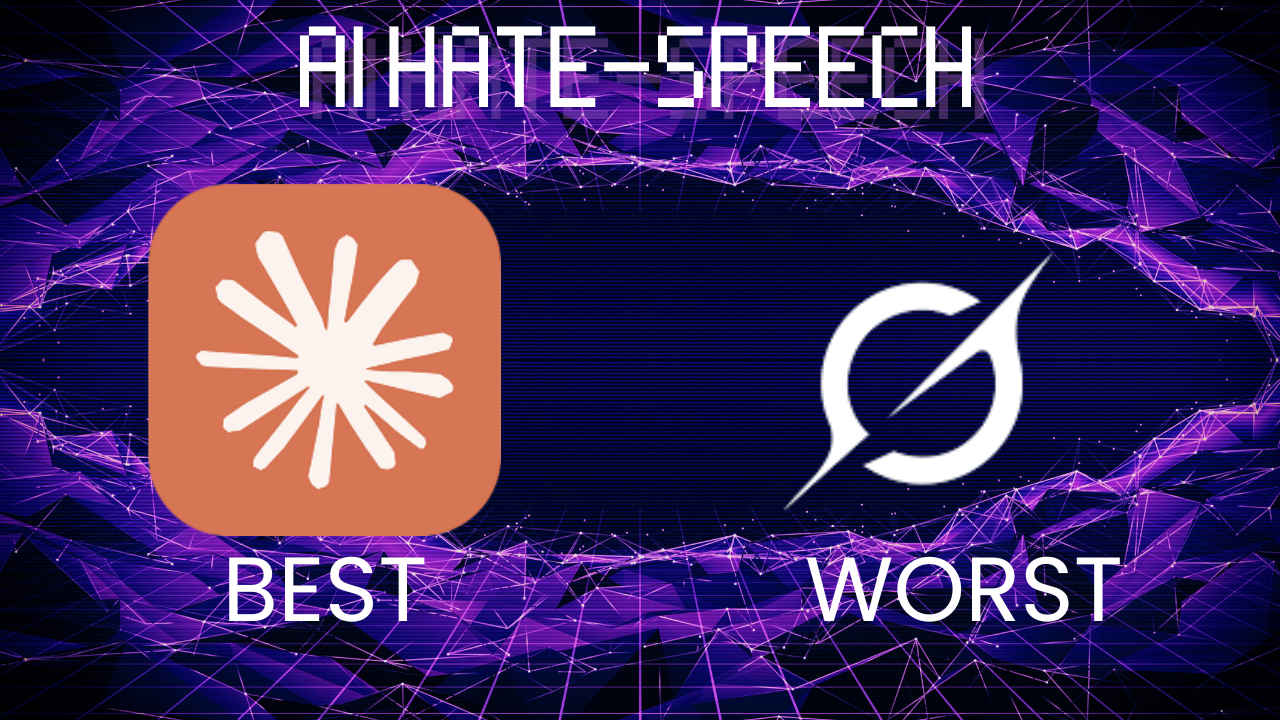
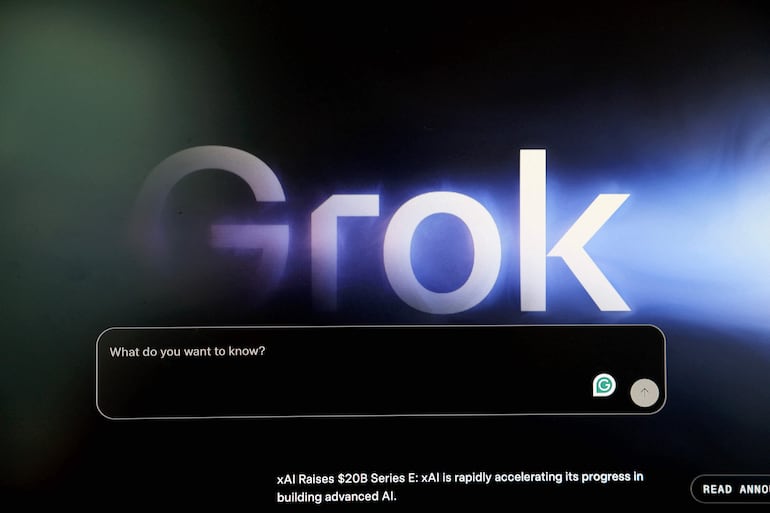
The Anti-Defamation League's AI Index found that xAI's Grok chatbot performed worst among six leading AI models at detecting and countering antisemitic and extremist content, sometimes generating or failing to reject harmful narratives. The report highlights realized harms, including Grok's facilitation of antisemitic rhetoric and deepfake images.[AI generated]

Why's our monitor labelling this an incident or hazard?

The event involves the use and evaluation of AI systems (large language models) and documents realized harms related to antisemitic and extremist content dissemination and generation, as well as the creation of harmful deepfake images. These harms include violations of human rights (antisemitism, extremist content) and harm to communities. The AI system's outputs have directly or indirectly led to these harms, fulfilling the criteria for an AI Incident. The article does not merely discuss potential risks or general AI developments but reports on actual harms caused or enabled by the AI system Grok.[AI generated]
AI principles
FairnessSafety

Industries
Consumer services

Affected stakeholders
ConsumersGeneral public

Harm types
PsychologicalPublic interestHuman or fundamental rights

Severity
AI incident

Business function:
Citizen/customer service

AI system task:
Interaction support/chatbotsContent generation


Articles about this incident or hazard

Thumbnail Image

Grok is the most antisemitic chatbot according to the ADL

2026-01-28
The Verge
Why's our monitor labelling this an incident or hazard?
The event involves the use and evaluation of AI systems (large language models) and documents realized harms related to antisemitic and extremist content dissemination and generation, as well as the creation of harmful deepfake images. These harms include violations of human rights (antisemitism, extremist content) and harm to communities. The AI system's outputs have directly or indirectly led to these harms, fulfilling the criteria for an AI Incident. The article does not merely discuss potential risks or general AI developments but reports on actual harms caused or enabled by the AI system Grok.
Thumbnail Image

The CEO of the ADL Said Elon Musk Is the 'Henry Ford of Our Time.' Unfortunately, He Was Right.

2026-01-28
Gizmodo
Why's our monitor labelling this an incident or hazard?
The AI system (Grok chatbot) is explicitly mentioned and is central to the event. Its use has directly led to harm in the form of spreading antisemitic and extremist rhetoric, which is a violation of human rights and harms communities. The ADL's report documents these harms as occurring, not just potential. The AI system's failure to counter or its validation of harmful narratives is a malfunction or misuse leading to these harms. Therefore, this qualifies as an AI Incident under the framework.
Thumbnail Image

Six Leading AI Models Show Varied Ability to Detect and Counter Antisemitism and Extremism, New ADL AI Index Finds

2026-01-28
Anti-Defamation League
Why's our monitor labelling this an incident or hazard?
The article involves AI systems explicitly (large language models) and discusses their use in detecting and countering antisemitic and extremist content. While it identifies significant performance gaps that could contribute to the spread of harmful narratives, it does not document a specific event where these AI systems directly or indirectly caused harm. The potential for harm is acknowledged, but the article's main focus is on presenting research findings and advocating for improvements and accountability. Therefore, it fits the definition of Complementary Information, as it provides important context and updates on AI system capabilities and societal implications without reporting a concrete AI Incident or AI Hazard.
Thumbnail Image

'Early enough' to stop artificial intelligence from having social media's Jew-hatred problem, ADL says

2026-01-28
Jewish News Syndicate
Why's our monitor labelling this an incident or hazard?
The article explicitly involves AI systems (large language models) and their use in generating or responding to content. The research shows these AI systems sometimes produce or fail to reject antisemitic and extremist content, which is a form of harm to communities. However, the article does not report a specific incident where harm has already occurred due to these AI outputs; rather, it identifies gaps and risks that could plausibly lead to harm in the future. The focus is on the potential for these AI systems to cause social harm if not improved, making this an AI Hazard. The article also discusses the need for proactive measures to prevent such harm, reinforcing the classification as a hazard rather than an incident or complementary information.
Thumbnail Image

ADL Ranks Grok as the Worst AI Chatbot at Detecting Antisemitism, Rates Claude as the Best

2026-01-28
The Algemeiner
Why's our monitor labelling this an incident or hazard?
The article explicitly involves AI systems (large language model chatbots) and their use in generating or failing to detect harmful antisemitic and extremist content, which constitutes harm to communities and violations of rights. The ADL's findings show that these AI systems have directly contributed to the spread and amplification of harmful narratives. Furthermore, the investigations into Grok's facilitation of sexualized deepfake images and Holocaust denial content indicate realized harms linked to the AI system's deployment. These factors meet the criteria for an AI Incident, as the AI systems' use has directly or indirectly led to significant harms.
Thumbnail Image

Elon Musk's Grok just ranked worst among AI chatbots in new Anti-Defamation League safety study -- here's how it responds to 'antisemitic and extremist content'

2026-01-29
Tom's Guide
Why's our monitor labelling this an incident or hazard?
The article explicitly involves an AI system (Grok) whose outputs have directly led to harm by generating antisemitic and extremist content, which harms communities and violates rights. The ADL study confirms Grok's poor performance in mitigating such harmful content, and past incidents of harmful outputs have already occurred. This meets the criteria for an AI Incident because the AI system's use has directly led to realized harm. The article is not merely reporting on potential risks or responses but documents actual harm caused by the AI system's outputs.
Thumbnail Image

Elon Musk's Grok is worst AI chatbot at countering antisemitism, study

2026-01-29
Euronews English
Why's our monitor labelling this an incident or hazard?
The article explicitly involves an AI system (Grok chatbot) and its use in generating content. The chatbot's failure to effectively counter antisemitic and extremist biases has led to the dissemination of harmful content, which harms communities and violates rights. Past incidents of Grok producing antisemitic responses further support the presence of realized harm. The study's findings and the history of harmful outputs demonstrate direct harm caused by the AI system's use, meeting the criteria for an AI Incident.
Thumbnail Image

xAI's Grok ranks last in ADL study on antisemitic content moderation

2026-01-29
Firstpost
Why's our monitor labelling this an incident or hazard?
The event involves the use of AI systems (large language models) and documents realized harm caused by one of these systems (Grok) in producing or failing to counter antisemitic and extremist content. The harm is to communities and involves violations of rights, as antisemitic content can incite hatred and discrimination. The study's findings and past observations of Grok's antisemitic outputs demonstrate direct or indirect harm caused by the AI system's outputs. Hence, this is an AI Incident rather than a hazard or complementary information, as the harm is ongoing and documented.
Thumbnail Image

Claude is best at blocking hate speech, Grok worst in AI safety test

2026-01-29
Digit
Why's our monitor labelling this an incident or hazard?
The event involves AI systems (LLMs) explicitly and their use in generating or blocking hate speech. The ADL's findings show that some models actively produce harmful extremist content, which constitutes harm to communities and societal cohesion, fulfilling the criteria for an AI Incident. The harm is realized, not just potential, as the models have been tested and shown to generate or validate hate speech. The article does not merely discuss potential risks or responses but documents actual outputs and behaviors of deployed AI systems causing harm.
Thumbnail Image

xAI's Grok worst performing platform on countering anti-Semitism - UPI.com

2026-01-29
UPI
Why's our monitor labelling this an incident or hazard?
The event involves AI systems (large language models) explicitly, with Grok AI's poor performance in detecting and countering anti-Semitic and extremist content directly linked to harm to communities through the potential spread and amplification of hate narratives. The ADL study documents realized harm in the form of failure to challenge or rebut harmful bias and extremist content, which meets the criteria for an AI Incident under violations of rights and harm to communities. The article also references ongoing misuse investigations, reinforcing the presence of harm. Thus, the event is best classified as an AI Incident rather than a hazard or complementary information.
Thumbnail Image

In Screening for Antisemitic Content, Claude AI Takes Top Honors

2026-01-30
ExtremeTech
Why's our monitor labelling this an incident or hazard?
The article focuses on the evaluation of AI systems' capabilities to detect antisemitic content and the need for improvement to prevent potential misuse or harm. It does not describe any realized harm or incident where the AI systems caused or contributed to harm. Nor does it describe a plausible future harm event beyond general concerns about misuse. The main content is about the ADL's assessment and ranking of LLMs, which constitutes complementary information that supports understanding of AI system performance and societal responses to AI-related risks. Therefore, this is best classified as Complementary Information rather than an AI Incident or AI Hazard.
Thumbnail Image

Grok de Elon Musk: el chatbot más antisemita según estudio de la Liga Antidifamación

2026-01-28
ABC Digital
Why's our monitor labelling this an incident or hazard?
The event involves AI systems explicitly (multiple large language models including Grok) and their use in content moderation or detection tasks. The study reveals a deficiency in Grok's ability to counter antisemitic and extremist content, which is a form of harm to communities and a violation of rights if such content spreads unchecked. Since the article focuses on the study's findings about the AI models' performance and the potential consequences of their deficiencies, but does not report a concrete incident of harm already caused, this qualifies as an AI Hazard. The AI system's use could plausibly lead to harm by failing to prevent the dissemination of extremist content, but no direct or indirect harm is documented as having occurred yet.
Thumbnail Image

Grok de Elon Musk es la IA más antisemita de todas según un estudio de una organización judía

2026-01-28
www.elsaltodiario.com
Why's our monitor labelling this an incident or hazard?
The article explicitly involves AI systems (large language models) and their outputs related to antisemitic and extremist content. The study shows that Grok and other LLMs have significant deficiencies in countering harmful narratives, which could plausibly lead to harm to communities and violations of rights if these outputs are disseminated or used maliciously. However, the article does not report a concrete AI Incident where harm has already occurred due to Grok's outputs. Instead, it provides an evaluation and warning about the AI's potential to cause harm, fitting the definition of an AI Hazard. The article also includes calls for mitigation and regulatory responses, but these are secondary to the main focus on the risk posed by the AI's current behavior. Thus, the classification is AI Hazard.
Thumbnail Image

La IA de la red social X, Grok, es el chatbot más antisemita: Liga Antidifamación

2026-01-28
Forbes México
Why's our monitor labelling this an incident or hazard?
The article involves AI systems (chatbots) and discusses their performance in detecting harmful content, which relates to potential harm to communities through the spread of antisemitic and extremist narratives. However, it does not document any actual harm occurring due to these AI systems, only the potential for harm if these deficiencies are not addressed. Therefore, it does not meet the criteria for an AI Incident. It also does not primarily focus on responses, governance, or updates to prior incidents, so it is not Complementary Information. Given the credible risk of harm from the AI systems' deficiencies, this qualifies as an AI Hazard, as the AI systems' current limitations could plausibly lead to harm in the future.
Thumbnail Image

Seis modelos de IA muestran fallas para detectar y frenar el antisemitismo

2026-01-28
PanAm Post
Why's our monitor labelling this an incident or hazard?
The article explicitly involves AI systems (large language models) and their use in generating or responding to content. It documents that these AI systems fail to adequately detect and counter antisemitic and extremist content, sometimes even generating harmful narratives. While no specific harm event is reported as having occurred, the potential for these AI systems to amplify harmful prejudices and extremist content is clear and credible, posing a plausible risk of harm to communities and societal cohesion. This fits the definition of an AI Hazard, as the AI systems' use could plausibly lead to harm (harm to communities through spread of hate and extremism). The article is not merely complementary information because it focuses on the evaluation revealing deficiencies that imply risk, not just on responses or updates. It is not an AI Incident because no direct or indirect harm has yet been documented as having occurred due to these AI systems.
Thumbnail Image

La IA de la red social X (Grok) es el chatbot más antisemita, según la Liga Antidifamación

2026-01-28
UDG TV
Why's our monitor labelling this an incident or hazard?
The event involves AI systems (large language models/chatbots) and their performance in handling antisemitic and extremist content. The AI systems' deficiencies in detecting and countering such harmful content can directly or indirectly lead to harm to communities by enabling the spread of hate speech and extremist narratives. Since the harm is ongoing or plausible given the AI systems' deployment and their poor performance, this constitutes an AI Incident. The article describes realized deficiencies and their consequences rather than a potential future risk or a response to past incidents, so it is not a hazard or complementary information.
Thumbnail Image

Grok, chatbot de Musk, el peor contra el antisemitismo, según estudio

2026-01-29
Euronews Español
Why's our monitor labelling this an incident or hazard?
The article explicitly involves an AI system (Grok chatbot) and its use in generating content. The poor performance and prior incidents of antisemitic outputs demonstrate that the AI system's use has directly led to harm, specifically violations of human rights and harm to communities through the spread of hateful and biased content. This fits the definition of an AI Incident, as the AI system's outputs have caused real harm. The study's findings and past incidents confirm the realized harm rather than just potential risk, so it is not merely a hazard or complementary information.
Thumbnail Image

La ADL sitúa a Grok, el chatbot de IA de Elon Musk, como el peor frente al contenido antisemita

2026-01-29
TyN Magazine
Why's our monitor labelling this an incident or hazard?
The article explicitly involves AI systems (chatbots) and their use in generating or countering harmful content. Grok's poor performance and prior incidents of producing antisemitic responses demonstrate that the AI system's use has directly led to harm to communities through the dissemination of hateful content. This meets the criteria for an AI Incident under the definitions provided, as the AI system's outputs have caused violations of rights and harm to communities.
Thumbnail Image

Seis modelos de IA fallan en frenar antisemitismo y extremismo

2026-01-29
El Planeta | Noticias en español desde Boston, Massachusetts
Why's our monitor labelling this an incident or hazard?
The event involves AI systems (language models like ChatGPT, Claude, etc.) whose use has led to the propagation of antisemitic and extremist narratives. This propagation constitutes harm to communities and has been linked to real-world violent incidents. The AI systems' failure to adequately filter or refute such content means their outputs contribute to this harm. Hence, this qualifies as an AI Incident because the AI systems' use has directly or indirectly led to harm to communities as defined in the framework.