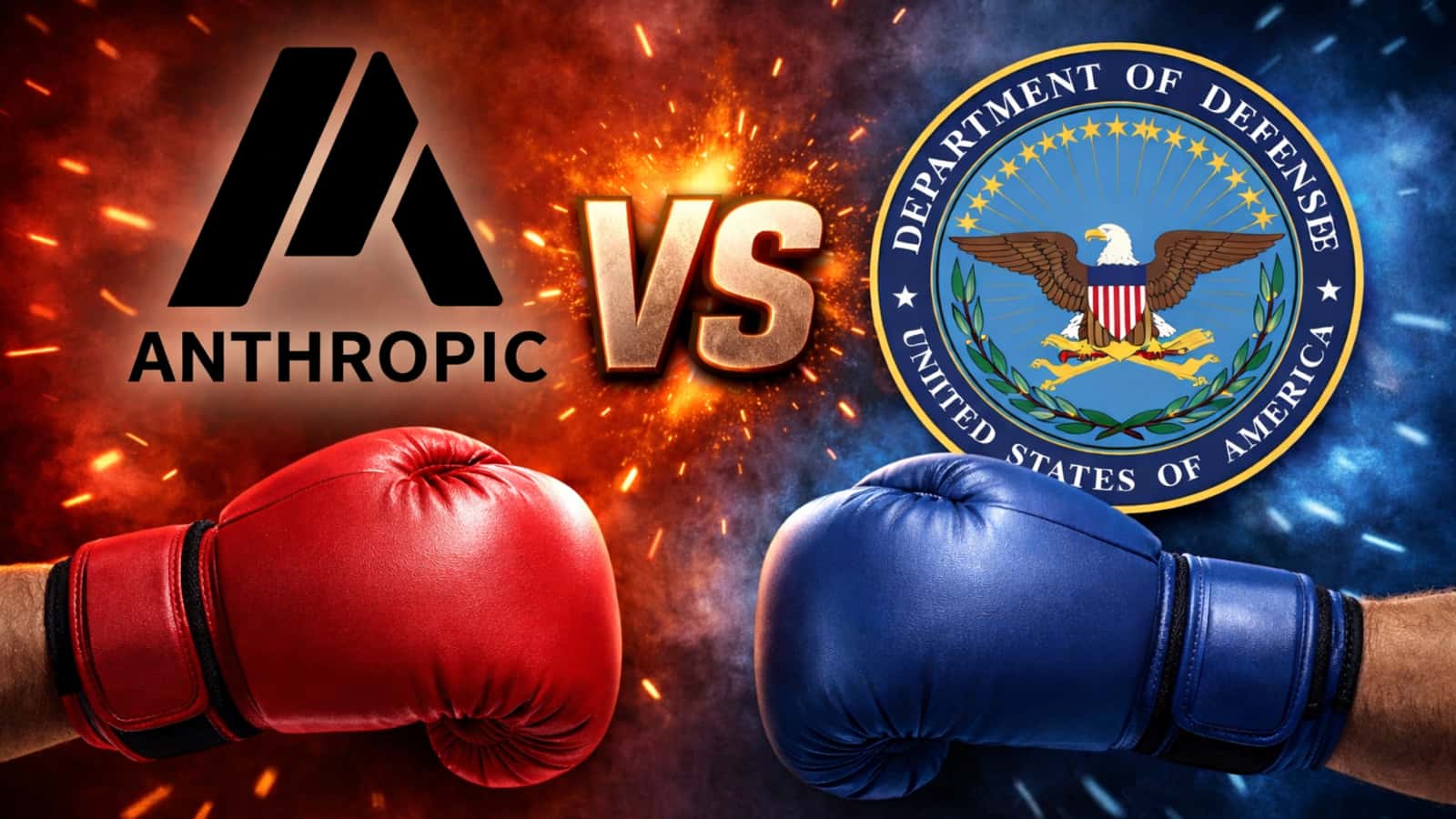
Pentagon and Anthropic Clash Over Military AI Safeguards

Thumbnail Image

The information displayed in the AIM should not be reported as representing the official views of the OECD or of its member countries.

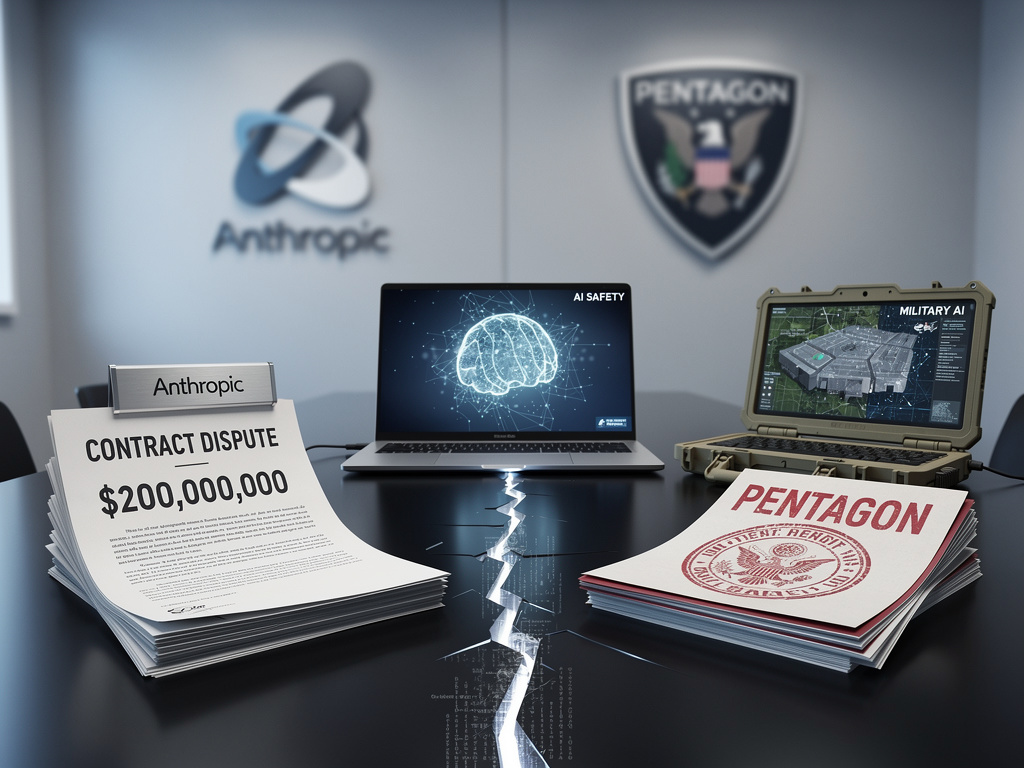
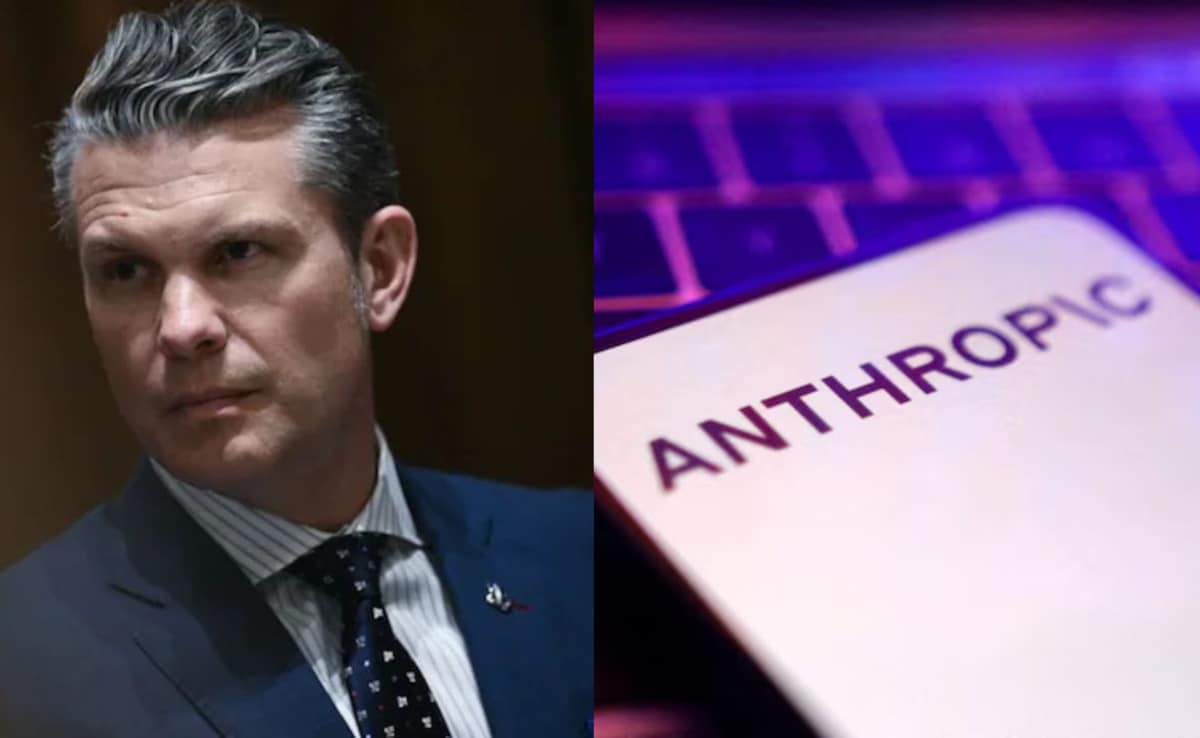
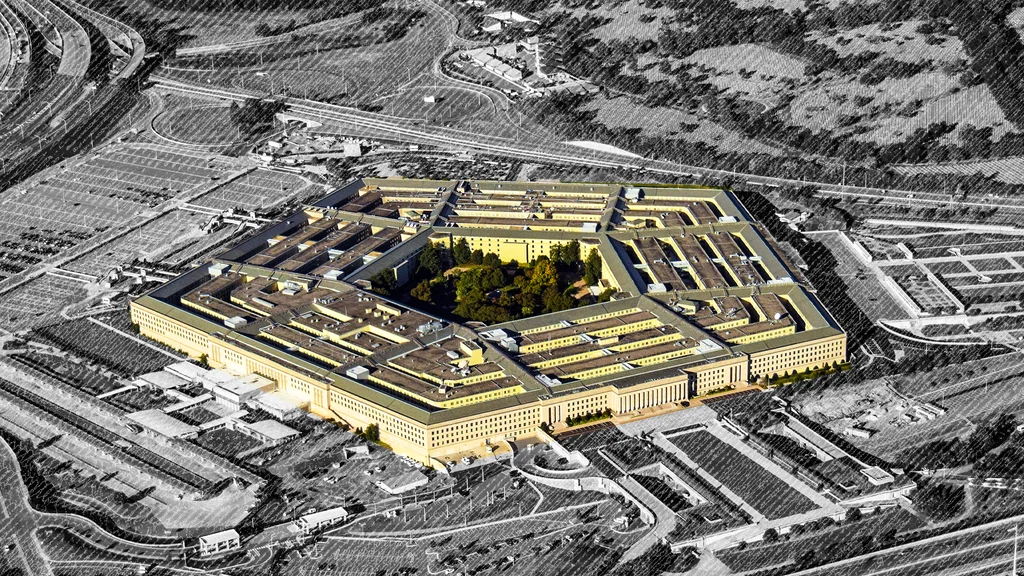
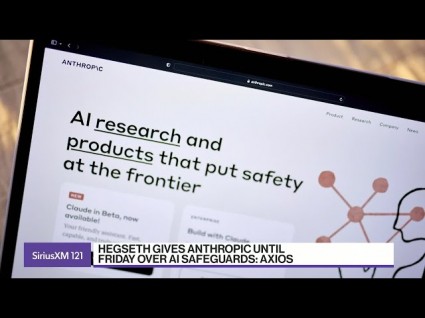
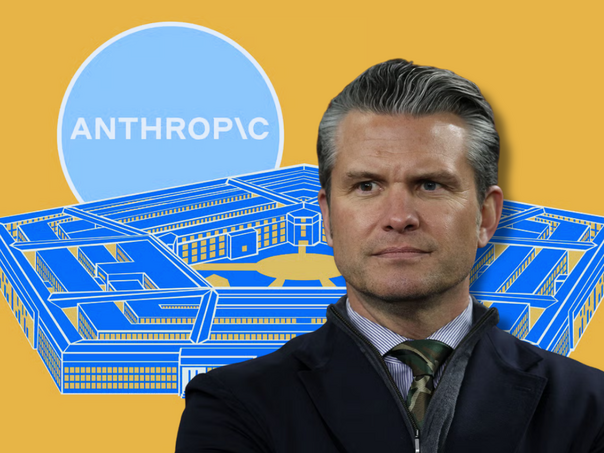
The Pentagon and AI company Anthropic are in a standoff over a $200 million contract, with Anthropic demanding safeguards to prevent its AI from being used for autonomous weapons targeting and domestic surveillance. The dispute highlights risks of AI misuse in military and intelligence operations in the United States.[AI generated]

Why's our monitor labelling this an incident or hazard?

The article explicitly discusses AI systems developed by Anthropic intended for military and surveillance use, which are AI systems by definition. The dispute centers on safeguards to prevent autonomous weapons targeting and domestic surveillance without human oversight, both of which could plausibly lead to harms such as injury or rights violations. No actual harm or incident is reported; the conflict is about potential future use and the conditions under which AI technology may be deployed. Thus, this is an AI Hazard, as the AI system's development and intended use could plausibly lead to an AI Incident if misused or inadequately controlled. It is not an AI Incident because no harm has yet occurred, nor is it Complementary Information or Unrelated.[AI generated]
AI principles
SafetyRespect of human rights

Industries
Government, security, and defence

Affected stakeholders
General publicCivil society

Harm types
Physical (death)Human or fundamental rights

Severity
AI hazard

Business function:
Other

AI system task:
Goal-driven organisationReasoning with knowledge structures/planning


Articles about this incident or hazard

Thumbnail Image

Exclusive-Pentagon clashes with Anthropic over military AI use, sources say By Reuters

2026-01-30
Investing.com
Why's our monitor labelling this an incident or hazard?
The article explicitly discusses AI systems developed by Anthropic intended for military and surveillance use, which are AI systems by definition. The dispute centers on safeguards to prevent autonomous weapons targeting and domestic surveillance without human oversight, both of which could plausibly lead to harms such as injury or rights violations. No actual harm or incident is reported; the conflict is about potential future use and the conditions under which AI technology may be deployed. Thus, this is an AI Hazard, as the AI system's development and intended use could plausibly lead to an AI Incident if misused or inadequately controlled. It is not an AI Incident because no harm has yet occurred, nor is it Complementary Information or Unrelated.
Thumbnail Image

Pentagon clashes with Anthropic over military AI use, say sources

2026-01-31
The Hindu
Why's our monitor labelling this an incident or hazard?
The article explicitly mentions AI technology developed by Anthropic and its potential use by the U.S. Department of Defense for autonomous weapons targeting and domestic surveillance, both of which are activities that could lead to serious harms such as violations of human rights and harm to communities. Although no actual harm or incident has been reported, the ongoing disagreement and the possibility of eliminating safeguards indicate a credible risk of future harm. This aligns with the definition of an AI Hazard, where the development or use of AI systems could plausibly lead to an AI Incident. There is no indication that harm has already occurred, so it is not an AI Incident. The article is not merely complementary information or unrelated, as it focuses on the potential risks and conflicts over AI use in military and surveillance contexts.
Thumbnail Image

Pentagon clashes with Anthropic over limits on military, surveillance use of AI: | Today News

2026-01-30
mint
Why's our monitor labelling this an incident or hazard?
The article explicitly involves an AI system developed by Anthropic and its potential use by the Pentagon for autonomous weapons and domestic surveillance. Although no incident of harm has been reported, the conflict over safeguards and the Pentagon's intent to deploy AI technology in these high-risk areas indicates a plausible risk of future harm, including injury, violation of human rights, or other significant harms. The event does not describe an actual realized harm but rather a credible risk scenario, fitting the definition of an AI Hazard rather than an AI Incident or Complementary Information.
Thumbnail Image

Pentagon Clashes With Anthropic Over Military AI Use: Report

2026-01-30
HuffPost
Why's our monitor labelling this an incident or hazard?
The article involves an AI system (Anthropic's AI technology) and its potential use in military and surveillance contexts, which could plausibly lead to harms such as violations of human rights or harm to communities if safeguards are removed. Since no actual harm or incident has occurred yet, but there is a credible risk of future harm from the AI's use, this situation qualifies as an AI Hazard. The event is about the potential for harm and the governance challenges rather than a realized incident.
Thumbnail Image

Exclusive-Pentagon Clashes With Anthropic Over Military AI Use

2026-01-29
U.S. News & World Report
Why's our monitor labelling this an incident or hazard?
The article does not report any realized harm or incident resulting from the AI system's use or malfunction. Instead, it focuses on a dispute over potential future uses of AI technology in military and surveillance contexts that could plausibly lead to significant harms, including autonomous weapons deployment and domestic surveillance. This aligns with the definition of an AI Hazard, as the event involves the development and potential use of AI systems that could plausibly lead to harm, but no harm has yet occurred or been reported.
Thumbnail Image

Pentagon clashes with Anthropic over military AI use, sources say

2026-01-30
Economic Times
Why's our monitor labelling this an incident or hazard?
The article explicitly discusses AI systems developed by Anthropic intended for military and intelligence use, including autonomous weapons targeting and surveillance, which are AI applications with high potential for harm. The disagreement over safeguards indicates a risk that these AI systems could be used in ways that lead to injury, violations of rights, or other harms. However, the article does not report any realized harm or incident resulting from the AI's deployment. Instead, it focuses on the potential and ongoing negotiations to prevent misuse. Thus, the event fits the definition of an AI Hazard, as it plausibly could lead to an AI Incident if safeguards fail or are not implemented.
Thumbnail Image

Exclusive-Pentagon clashes with Anthropic over military AI use - sources

2026-01-29
CNA
Why's our monitor labelling this an incident or hazard?
The article discusses ongoing contract negotiations and disagreements about the use of AI technology for military and surveillance purposes, which could plausibly lead to significant harms such as violations of human rights or misuse of autonomous weapons. However, there is no indication that these harms have yet occurred. Therefore, this event fits the definition of an AI Hazard, as it involves the plausible future risk of harm stemming from the development and intended use of AI systems without adequate safeguards.
Thumbnail Image

Exclusive-Pentagon clashes with Anthropic over military AI use, sources say

2026-01-30
CNA
Why's our monitor labelling this an incident or hazard?
The article involves an AI system developed by Anthropic and its potential use by the Pentagon for autonomous weapons targeting and domestic surveillance, which are high-risk applications that could plausibly lead to harms such as injury, violations of rights, or harm to communities. However, the article does not report any realized harm or incident; rather, it focuses on the ongoing dispute over safeguards and usage policies. Therefore, this event fits the definition of an AI Hazard, as it plausibly could lead to an AI Incident if the AI is deployed without adequate controls.
Thumbnail Image

Trump administration clashes with Claude-maker Anthropic over AI's use in weapons: Report

2026-01-30
Firstpost
Why's our monitor labelling this an incident or hazard?
The article explicitly involves AI systems (Anthropic's Claude and other AI models) and their potential use in autonomous weapons and surveillance, which are known to pose significant risks including violations of human rights and harm to communities. The conflict centers on the use and development of AI technology with safeguards to prevent harm, but with governmental pressure to override these safeguards. No actual harm or incident is reported as having occurred yet, but the credible risk of harm through weaponisation and surveillance is clear. Hence, this is an AI Hazard rather than an AI Incident. It is not Complementary Information because the main focus is the conflict and potential misuse, not a response or update to a past incident. It is not Unrelated because the event is directly about AI systems and their potential harmful use.
Thumbnail Image

Exclusive: Pentagon clashes with Anthropic over military AI use - sources

2026-01-30
Democratic Underground
Why's our monitor labelling this an incident or hazard?
The article explicitly involves AI systems developed by Anthropic and their potential use by the Pentagon for autonomous weapons targeting and domestic surveillance, both of which are high-risk applications. Although no harm has yet occurred, the removal of safeguards and the Pentagon's desire to deploy AI technology regardless of company usage policies indicate a credible risk of future harm. This aligns with the definition of an AI Hazard, where the development or use of AI systems could plausibly lead to incidents causing harm. Since no actual harm or incident is reported, it cannot be classified as an AI Incident. The focus is on potential future risks rather than realized harm, and it is not merely complementary information or unrelated news.
Thumbnail Image

Pentagon, Anthropic clash over limits on military AI use

2026-01-30
NewsBytes
Why's our monitor labelling this an incident or hazard?
The article discusses the potential use and restrictions of AI technology in military and surveillance contexts, which could plausibly lead to harms such as violations of human rights or harm to communities if misused. However, no actual harm or incident has been reported yet; the focus is on the potential future use and safeguards. Therefore, this situation represents an AI Hazard, as the development and intended use of AI systems in these sensitive areas could plausibly lead to significant harms.
Thumbnail Image

Spying on the Homefront: The $200M Pentagon Deal That Anthropic Just Tanked to Protect Your Privacy

2026-01-30
Gadget Review
Why's our monitor labelling this an incident or hazard?
The event involves an AI system (Anthropic's Claude AI) and concerns its use and development under military contracts. Although no direct harm has occurred, the removal of safeguards could plausibly lead to violations of privacy and human rights, constituting potential harm. Therefore, this situation fits the definition of an AI Hazard, as it plausibly could lead to an AI Incident involving harm to rights and privacy. The article does not report realized harm but focuses on the risk and ethical implications of AI use in military contexts.
Thumbnail Image

Pentagon and Anthropic clash over AI military use under $200M contract - Cryptopolitan

2026-01-30
Cryptopolitan
Why's our monitor labelling this an incident or hazard?
The article explicitly involves AI systems developed by Anthropic intended for military use under a significant contract. The conflict centers on the potential use of AI for autonomous weapons targeting and surveillance, which could lead to serious harms including injury or violations of rights. However, the article does not report any actual harm or incident occurring yet; rather, it describes a standoff and negotiation over safeguards and usage policies. This fits the definition of an AI Hazard, where the AI system's development and intended use could plausibly lead to an AI Incident if misused or deployed without adequate controls. The presence of the AI system and the plausible future harm are clear, but no realized harm is described, so it is not an AI Incident. It is not Complementary Information because the article focuses on the conflict and potential risks, not on responses or updates to past incidents. It is not Unrelated because the AI system and its potential harms are central to the event.
Thumbnail Image

EXCLUSIVE-Pentagon clashes with Anthropic over military AI use, sources say | Technology

2026-01-30
Devdiscourse
Why's our monitor labelling this an incident or hazard?
The article explicitly involves AI systems developed by Anthropic intended for military and intelligence use, including potentially autonomous weapons targeting and domestic surveillance. These uses could plausibly lead to significant harms such as injury or death (from autonomous weapons) and violations of human rights (from surveillance). However, no actual harm or incident has occurred yet; the event is about ongoing negotiations and disagreements over safeguards and usage policies. The AI's role is pivotal in the potential harms discussed, but the harms remain prospective. Thus, the event fits the definition of an AI Hazard rather than an AI Incident or Complementary Information.
Thumbnail Image

Pentagon and Anthropic at Odds Over Military AI Applications | eWEEK

2026-01-30
eWEEK
Why's our monitor labelling this an incident or hazard?
The article explicitly involves AI systems developed by Anthropic for military use, including potential autonomous weapons targeting and surveillance, which are high-risk applications. The disagreement centers on safeguards to prevent misuse that could lead to harm such as violations of human rights or lethal outcomes. Since no actual harm or incident is reported, but the potential for significant harm is clearly discussed, the event qualifies as an AI Hazard. It is not Complementary Information because the main focus is not on responses or updates to past incidents, nor is it Unrelated since AI and its risks are central to the narrative.
Thumbnail Image

Pentagon clashes with Anthropic over military AI use

2026-01-29
قناة العربية
Why's our monitor labelling this an incident or hazard?
The article does not report any realized harm or incident but highlights a credible risk that the AI technology could be used for autonomous weapons targeting and domestic surveillance, which could plausibly lead to AI incidents involving harm to people or violations of rights. The presence of AI systems is explicit, and the potential misuse or deployment without safeguards represents a plausible future harm. Therefore, this event qualifies as an AI Hazard rather than an AI Incident or Complementary Information.
Thumbnail Image

Pentagon and Anthropic Lock Horns Over AI Weapons Control

2026-01-30
Technology Org
Why's our monitor labelling this an incident or hazard?
The article explicitly involves AI systems (Anthropic's Claude AI assistant) and their potential use in autonomous weapons and surveillance, which are high-risk applications. Although no harm has yet occurred, the Pentagon's push to remove safety restrictions and deploy AI for these purposes creates a credible risk of future harm, such as injury or violations of human rights. The standoff and stalled negotiations highlight the tension over control and safety in military AI use. Since the event concerns plausible future harm rather than realized harm, it fits the definition of an AI Hazard rather than an AI Incident or Complementary Information.
Thumbnail Image

Pentagon and Anthropic clash over AI weapons and surveillance safeguards

2026-01-30
The Decoder
Why's our monitor labelling this an incident or hazard?
The article involves AI systems developed by Anthropic and their potential use by the Pentagon for military applications, including autonomous weapons and surveillance. Although no incident of harm has occurred yet, the dispute centers on safeguards to prevent misuse that could lead to violations of human rights and other harms. The mere potential for these AI systems to be used in harmful ways, especially autonomous weapons and domestic surveillance, fits the definition of an AI Hazard, as it plausibly could lead to an AI Incident if safeguards are not implemented. Since no actual harm has been reported, and the focus is on the risk and negotiation over usage policies, this is best classified as an AI Hazard.
Thumbnail Image

AI Safeguards Ignite Pentagon-Anthropic Standoff Over Lethal Limits

2026-01-30
WebProNews
Why's our monitor labelling this an incident or hazard?
The article explicitly involves AI systems (Anthropic's models) and discusses their development and use in military contexts. The core issue is the potential removal of safeguards that currently prevent the AI from enabling autonomous weapons targeting and domestic surveillance, which are high-risk applications with plausible future harms. No actual harm or incident has been reported yet; the event is about negotiation and policy standoff over AI use restrictions. Hence, it fits the definition of an AI Hazard, as the AI system's use could plausibly lead to harms such as injury, rights violations, or other significant harms if deployed without safeguards. It is not an AI Incident because no harm has yet occurred, nor is it Complementary Information or Unrelated, as the focus is on the potential risk and governance conflict over AI use in lethal military applications.
Thumbnail Image

AI Company Anthropic Refuses Pentagon Demand for Unrestricted Military Access to Claude - Blockonomi

2026-01-30
Blockonomi
Why's our monitor labelling this an incident or hazard?
The article involves an AI system (Claude) and its use in military operations, which is a context with high potential for significant harm if misused. However, the dispute is about usage restrictions and control, with no reported incident of harm or malfunction. The conflict concerns the potential for unrestricted military use, which could plausibly lead to harms such as violations of human rights or harm to communities if the AI were used in autonomous weapons or domestic surveillance without oversight. Therefore, this situation represents an AI Hazard, as the disagreement and potential contract cancellation reflect credible risks of future harm stemming from the AI system's deployment in military contexts without adequate safeguards.
Thumbnail Image

Pentagon clashes with Anthropic over military AI use safeguards

2026-01-30
The American Bazaar
Why's our monitor labelling this an incident or hazard?
The article involves an AI system developed by Anthropic and its potential use by the U.S. Department of Defense for military and surveillance purposes. The disagreement over safeguards indicates concerns about possible misuse or harmful applications of AI, such as autonomous weapons targeting and domestic surveillance, which could lead to violations of human rights or harm. However, no direct or indirect harm has occurred yet; the event focuses on the negotiation and ethical considerations before deployment. Therefore, this situation fits the definition of an AI Hazard, as it plausibly could lead to an AI Incident if the AI is used without adequate safeguards.
Thumbnail Image

Pentagon and Anthropic Clash Over AI Safeguards in National Security Use - EconoTimes

2026-01-30
EconoTimes
Why's our monitor labelling this an incident or hazard?
The article involves AI systems explicitly, specifically advanced AI technologies developed by Anthropic for military and intelligence applications. However, no direct or indirect harm has occurred yet; the disagreement is about the extent of safeguards and ethical limits on AI use. The potential for misuse and harm is acknowledged, but the event is about ongoing negotiations and policy disputes rather than a realized incident or a near-miss. Therefore, it fits the definition of an AI Hazard, as the development and potential use of these AI systems could plausibly lead to harms related to autonomous weapons or surveillance misuse in the future.
Thumbnail Image

Pentagon-Anthropic Standoff Exposes Fault Lines Over Military AI, Surveillance and Silicon Valley's Limits - Tekedia

2026-01-31
Tekedia
Why's our monitor labelling this an incident or hazard?
The article involves AI systems explicitly (Anthropic's AI models) and their potential use in military and surveillance contexts. However, it does not describe any direct or indirect harm resulting from the AI's development, use, or malfunction. The focus is on a standoff over ethical safeguards and usage policies, which could plausibly lead to harm if the AI were used autonomously in weapons targeting or surveillance without oversight. Since no harm has yet occurred, and the event concerns a policy dispute and potential future risks rather than an actual incident, it fits the definition of an AI Hazard. However, because the article mainly discusses the ongoing negotiation and ethical debate without describing a specific event where harm or near-harm occurred, it is best classified as Complementary Information that provides context on governance and societal responses to AI in military use. Therefore, the event is classified as Complimentary Info.
Thumbnail Image

Why Pentagon and Anthropic may be clashing, just days after CEO's 20,000-word essay on right use of AI in... - The Times of India

2026-02-01
The Times of India
Why's our monitor labelling this an incident or hazard?
The article explicitly involves AI systems developed by Anthropic and their potential use in national defense, including autonomous weapons and surveillance, which are areas with high risk of harm. The conflict centers on ethical and operational controls to prevent misuse that could lead to harm. No actual harm or incident is reported, but the potential for harm is credible and significant, fitting the definition of an AI Hazard. The CEO's essay underscores the risks and the need for safeguards, reinforcing the plausibility of future harm if AI is misused in these contexts. Thus, the event is best classified as an AI Hazard rather than an Incident or Complementary Information.
Thumbnail Image

When Silicon Valley Idealism Meets Pentagon Pragmatism: The Anthropic Contract Standoff

2026-02-02
WebProNews
Why's our monitor labelling this an incident or hazard?
The article explicitly involves an AI system (Anthropic's Claude) and discusses its development and use in a military context. However, no actual harm or incident resulting from the AI system's deployment or malfunction is reported. The conflict is about use restrictions and ethical governance, not about an AI-caused injury, rights violation, or operational disruption. The potential for future harm is implied but not concretely described as imminent or plausible in the article. The main focus is on the philosophical and contractual dispute, which informs broader AI governance and defense procurement discussions. This aligns with the definition of Complementary Information, which includes updates and context about AI systems and their societal and governance implications without reporting new incidents or hazards.
Thumbnail Image

Anthropic's Paradox: How the AI Safety Champion Struggles With Its Own Contradictions

2026-02-01
WebProNews
Why's our monitor labelling this an incident or hazard?
The article does not report any concrete AI Incident or AI Hazard. There is no description of realized harm or a specific event where Anthropic's AI systems caused injury, rights violations, or other harms. Nor does it describe a credible near-miss or plausible future harm from Anthropic's AI systems. Instead, it focuses on the company's internal contradictions, strategic challenges, and the broader systemic issues in AI development. This aligns with the definition of Complementary Information, as it provides supporting context and analysis about AI safety and development dynamics without reporting a new incident or hazard.
Thumbnail Image

Pentagon and Anthropic Clash Over AI Weapons Safeguards

2026-02-01
WinBuzzer
Why's our monitor labelling this an incident or hazard?
The event involves AI systems explicitly, as it concerns commercial AI models and their deployment in military and surveillance applications. The disagreement centers on the use and development of AI systems for potentially harmful purposes, including autonomous weapons and surveillance, which could lead to violations of human rights and harm to communities. Since the article does not report any realized harm but focuses on the credible risk and policy impasse that could lead to such harms, it fits the definition of an AI Hazard rather than an AI Incident. The article also discusses broader governance and ethical issues but does not describe a new incident or complementary information about past incidents.
Thumbnail Image

Pentagon wants killer AI without safeguards

2026-02-02
IOL
Why's our monitor labelling this an incident or hazard?
The event involves AI systems explicitly, specifically AI tools intended for autonomous weapons targeting and surveillance. The dispute concerns the use and deployment of these AI systems, which could plausibly lead to harms such as injury or death (from autonomous weapons), violations of rights (from surveillance), and other significant harms. Since no actual harm has yet occurred but the potential for harm is credible and significant, this fits the definition of an AI Hazard. The article does not describe a realized incident or harm, nor does it focus on responses or updates to past incidents, so it is not an AI Incident or Complementary Information. It is not unrelated because it clearly involves AI systems and their potential impacts.
Thumbnail Image

The Paradox at the Heart of Anthropic: How AI Safety's Standard-Bearer Struggles With Its Own Contradictions

2026-02-02
WebProNews
Why's our monitor labelling this an incident or hazard?
The article explicitly discusses the potential existential risks posed by advanced AI systems developed by Anthropic, including scenarios like human extinction, misuse for biological weapons, and political manipulation. These are plausible future harms linked to the development and use of AI systems. Although no direct harm or incident has occurred, the company's operational decisions and market pressures create a credible risk environment. The presence of AI systems (large language models like Claude) and their rapid scaling is clear. The article does not describe any realized injury, rights violation, or disruption caused by these systems, so it is not an AI Incident. Nor is it merely complementary information or unrelated news, as the focus is on the risk and contradictions inherent in AI development at Anthropic. Hence, AI Hazard is the appropriate classification.
Thumbnail Image

The Pentagon Seeks "Killer AI" Without Safeguards - The Washington Standard

2026-02-02
The Washington Standard
Why's our monitor labelling this an incident or hazard?
The event involves AI systems intended for autonomous lethal targeting and surveillance, which clearly fall under AI systems with high potential for harm. The dispute over safeguards indicates that the AI's use could plausibly lead to serious harms, including injury or death and rights violations. Since no actual harm has been reported yet, but the potential for harm is credible and significant, this qualifies as an AI Hazard rather than an AI Incident. The article does not focus on responses or updates to past incidents, so it is not Complementary Information, nor is it unrelated to AI harms.
Thumbnail Image

استخدام الذكاء الاصطناعي عسكريًا يشعل صدامًا بين البنتاغون و"أنثروبيك"

2026-01-30
قناة العربية
Why's our monitor labelling this an incident or hazard?
The event involves an AI system (Anthropic's AI technology) and its potential military use, which could plausibly lead to harms such as violations of human rights or harm to communities if used in autonomous weapons or surveillance. However, no actual harm or incident has occurred yet; the article focuses on negotiations and disagreements about usage policies and ethical frameworks. Therefore, this situation fits the definition of an AI Hazard, as it concerns plausible future harm stemming from the AI system's intended use in military contexts.
Thumbnail Image

خلاف قادم من المستقبل.. البنتاغون يصطدم بـ"أنثروبيك"

2026-01-30
العين الإخبارية
Why's our monitor labelling this an incident or hazard?
The event involves the development and potential use of AI systems in military applications, specifically autonomous weapons and intelligence analysis. Although no actual harm has been reported yet, the dispute highlights credible concerns about the future use of AI in ways that could lead to significant harm, such as autonomous weapons operating independently and possibly causing injury or death. The article focuses on the plausible future risks and ethical concerns arising from the AI system's intended use, making it an AI Hazard rather than an Incident or Complementary Information. There is no indication that harm has already occurred, so it is not an AI Incident. The discussion is more than general AI news, as it concerns the potential for harm from AI use in weapons systems.
Thumbnail Image

الذكاء الاصطناعي في ساحات القتال يثير خلافاً بين البنتاغون وأنثروبيك

2026-01-30
البيان
Why's our monitor labelling this an incident or hazard?
The event involves AI systems explicitly, as Anthropic develops AI technology potentially used in military weapons. The dispute concerns the possible removal of safeguards that would enable autonomous AI use in weapons, which could plausibly lead to harms such as injury or violation of rights. Since no actual harm or incident has occurred yet, but there is a credible risk of future harm from autonomous AI weapons use, this qualifies as an AI Hazard. The article does not describe a realized incident or harm, nor is it merely complementary information or unrelated news.
Thumbnail Image

خلاف بين وزارة الحرب الأمريكية وأنثروبيك بشأن الذكاء الاصطناعي | صحيفة الخليج

2026-01-30
صحيفة الخليج
Why's our monitor labelling this an incident or hazard?
The event involves the development and potential use of AI systems by the military, specifically concerning autonomous weapons and surveillance, which could plausibly lead to significant harms such as violations of human rights or harm to communities if safeguards are removed. Although no direct harm has been reported yet, the dispute highlights a credible risk of future harm stemming from the use of AI in autonomous weapons and surveillance without adequate controls. Therefore, this situation qualifies as an AI Hazard because it plausibly could lead to an AI Incident involving serious harms.
Thumbnail Image

خلاف بين البنتاجون وأنثروبيك حول استخدام الذكاء الاصطناعي عسكريا

2026-01-30
الرأي
Why's our monitor labelling this an incident or hazard?
The event involves an AI system (Anthropic's AI technology) and its intended use in military applications, which could plausibly lead to harms such as violations of human rights or harm to communities if used autonomously in weapons or surveillance. Since the article discusses ongoing negotiations and potential future use without any realized harm or incident, it fits the definition of an AI Hazard rather than an AI Incident. The AI system's development and use are central to the event, and the potential for harm is credible given the military context and the nature of the technology.
Thumbnail Image

صدام بين البنتاغون وأنثروبيك حول استخدام الذكاء الاصطناعي في المجال العسكري

2026-01-29
صوت بيروت إنترناشونال
Why's our monitor labelling this an incident or hazard?
The event involves AI systems (Anthropic's AI technology) and their intended use in military weapons, which could plausibly lead to significant harm if used autonomously in combat. Since no harm has yet occurred and the article focuses on the negotiation and potential future use rather than an actual incident, this qualifies as an AI Hazard. It reflects a credible risk of future harm due to the nature of the AI system's intended application and the removal of safeguards that currently limit autonomous use in weapons.
Thumbnail Image

تطويع الذكاء الاصطناعي عسكريًا.. صدام بين البنتاغون وشركة أنثروبيك | التلفزيون العربي

2026-01-30
التلفزيون العربي
Why's our monitor labelling this an incident or hazard?
The article involves AI systems explicitly, as it discusses advanced AI technologies developed by Anthropic and their potential use in autonomous weapons by the Pentagon. The event centers on the development and intended use of AI in military applications, which could plausibly lead to significant harm (e.g., injury, violation of rights) if deployed without adequate safeguards. However, no actual harm or incident has occurred yet; the dispute and negotiations represent a credible risk scenario. Therefore, this qualifies as an AI Hazard rather than an AI Incident or Complementary Information. It is not unrelated because AI and its military use are central to the event.
Thumbnail Image

خلاف بين البنتاغون و"أنثروبيك" حول الاستخدام العسكري للذكاء الاصطناعي

2026-01-30
اندبندنت عربية
Why's our monitor labelling this an incident or hazard?
The article involves an AI system (Anthropic's AI technology) and its potential military use, which could plausibly lead to harm such as autonomous weapon deployment or surveillance abuses. However, no actual harm or incident has occurred yet; the disagreement and negotiations are about future use and safeguards. Therefore, this situation fits the definition of an AI Hazard, as it plausibly could lead to an AI Incident if the AI is used in autonomous weapons or surveillance without proper controls. It is not Complementary Information because the main focus is not on responses to a past incident but on a current unresolved dispute about future use. It is not an AI Incident because no harm has materialized.
Thumbnail Image

وكالة سرايا : رويترز: خلاف بين البنتاغون وأنثروبيك حول استخدام الذكاء الاصطناعي عسكرياً

2026-01-31
(وكالة أنباء سرايا (حرية سقفها السماء
Why's our monitor labelling this an incident or hazard?
The event involves AI systems explicitly (Anthropic's AI technology) and concerns their use in military applications, which inherently carry risks of harm (e.g., autonomous weapons). However, no actual harm or incident has occurred yet; the article focuses on a policy and ethical dispute about potential AI use. Therefore, this situation represents a plausible future risk of harm stemming from AI use, qualifying it as an AI Hazard rather than an AI Incident. It is not merely complementary information because the core of the article is about the potential for harm and the dispute over AI use in military contexts, not just updates or responses to past events.
Thumbnail Image

是否解除AI防護措施 美戰爭部與Anthropic立場分歧 | 國際 | 中央社 CNA

2026-01-30
Central News Agency
Why's our monitor labelling this an incident or hazard?
The event involves AI systems developed by Anthropic intended for national security and military use, with potential autonomous targeting and surveillance capabilities. The disagreement centers on whether to remove protective measures, which could enable harmful uses. No actual harm is reported yet, but the plausible future harm from deploying AI systems with lethal autonomous functions and surveillance capabilities is significant. This fits the definition of an AI Hazard, as the AI system's development and potential use could plausibly lead to injury, rights violations, or other serious harms. There is no indication that harm has already occurred, so it is not an AI Incident. The article is not merely complementary information or unrelated news, as it focuses on the risk of harm from AI system deployment.
Thumbnail Image

堅守道德護欄惹怒五角大廈?Anthropic 2 億美元國防 AI 合約陷危機

2026-01-30
TechNews 科技新報 | 市場和業內人士關心的趨勢、內幕與新聞
Why's our monitor labelling this an incident or hazard?
The article explicitly involves an AI system (Anthropic's Claude model) and its intended military use, which is under negotiation due to ethical constraints imposed by the developer. However, no direct or indirect harm has occurred yet, nor is there a malfunction or misuse reported. The focus is on policy and ethical debates, company stance, and government reactions, which are governance and societal responses to AI deployment. This fits the definition of Complementary Information, as it enhances understanding of AI ecosystem dynamics and governance challenges without describing a specific AI Incident or AI Hazard.
Thumbnail Image

「我已經兩個月沒寫程式碼了」Anthropic 工程師揭 AI 編碼新常態

2026-01-30
TechNews 科技新報 | 市場和業內人士關心的趨勢、內幕與新聞
Why's our monitor labelling this an incident or hazard?
The article focuses on the use and impact of AI coding tools in software development, highlighting productivity gains and industry changes. There is no mention of any harm, malfunction, or risk of harm caused or plausibly caused by these AI systems. The content is primarily informative about the AI ecosystem's evolution and industry adaptation, fitting the definition of Complementary Information rather than an AI Incident or AI Hazard.
Thumbnail Image

是否解除AI防護措施 美戰爭部與Anthropic立場分歧 | 美國新聞 | 國際 | 經濟日報

2026-01-30
Udnemoney聯合理財網
Why's our monitor labelling this an incident or hazard?
The event involves AI systems and their potential use in autonomous weapons targeting and surveillance, which could plausibly lead to significant harms such as violations of rights or harm to communities if safeguards are removed. Since no actual harm has occurred yet and the discussion centers on the possibility and policy debate about removing protections, this constitutes a plausible future risk rather than a realized incident. Therefore, it fits the definition of an AI Hazard rather than an AI Incident or Complementary Information.
Thumbnail Image

美國戰爭部與「AI開發商」Anthropic 爆發激烈衝突

2026-01-30
東森美洲電視
Why's our monitor labelling this an incident or hazard?
The event involves an AI system developed by Anthropic and its potential use by the US military for autonomous weapons targeting and surveillance, which are high-risk applications. Although no actual harm has been reported yet, the discussion about removing safety protections and deploying AI in these contexts presents a credible risk of future harm, including violations of rights and harm to communities. Therefore, this situation qualifies as an AI Hazard rather than an AI Incident, as the harm is plausible but not yet realized.
Thumbnail Image

五角大樓Anthropic就軍用AI護欄分歧 - 20260131 - 國際

2026-01-30
明報新聞網 - 即時新聞 instant news
Why's our monitor labelling this an incident or hazard?
The article explicitly involves an AI system developed by Anthropic and its potential use by the U.S. Department of Defense for autonomous weapon targeting and surveillance, which are high-risk applications. The disagreement centers on whether to remove protective measures that currently limit these capabilities. Although no direct harm has been reported, the plausible future harm includes injury or death from autonomous weapons and violations of rights through surveillance. This fits the definition of an AI Hazard, as the event concerns circumstances where AI use could plausibly lead to an AI Incident. There is no indication that harm has already occurred, so it is not an AI Incident. The article is not merely complementary information or unrelated news, as it focuses on the risk and negotiation over AI system use with potential for significant harm.
Thumbnail Image

美국방부, AI기업 앤트로픽과 계약해지 검토...윤리문제 충돌 | 연합뉴스

2026-02-15
연합뉴스
Why's our monitor labelling this an incident or hazard?
The article explicitly involves an AI system ('Claude' by Anthropic) used by the U.S. Department of Defense in military operations. The conflict arises from ethical concerns about the AI's use in warfare, including autonomous weapons and surveillance, which are areas with high potential for serious harm. Although no direct harm or incident is reported, the disagreement and contract termination consideration reflect credible risks that the AI system's use could lead to significant harms in the future. This fits the definition of an AI Hazard, as the AI system's development and use could plausibly lead to harms such as violations of human rights or harm to communities. The article does not describe a realized harm or incident, so it is not an AI Incident. It is also not merely complementary information or unrelated, as the focus is on the potential for harm and ethical conflicts in AI use in military contexts.
Thumbnail Image

美국방부, 앤트로픽 '클로드' 계약해지 검토...윤리문제 충돌

2026-02-15
아시아경제
Why's our monitor labelling this an incident or hazard?
The article explicitly involves an AI system ('Claude' by Anthropic) used by the U.S. Department of Defense, fulfilling the AI system involvement criterion. The conflict arises from the use of the AI system in military operations, which is a use-related issue. However, there is no indication that the AI system's use has directly or indirectly caused harm (injury, rights violations, disruption, or other harms). Nor does the article describe a credible risk of imminent harm resulting from the AI system's use. Instead, it discusses ethical disagreements and contract negotiations, which are governance and societal responses to AI deployment. This fits the definition of Complementary Information, as it enhances understanding of AI governance and ethical challenges without reporting a new AI Incident or AI Hazard.
Thumbnail Image

마두로 체포 활약했는데...AI '계약해지' 결말 위기

2026-02-15
Wow TV
Why's our monitor labelling this an incident or hazard?
The article explicitly mentions the use of an AI system ('Claude') in a military operation, indicating AI system involvement. There is no report of actual harm caused by the AI system's use, but the ethical disagreements and potential contract termination reflect concerns about the AI's use in sensitive military contexts. Since the AI's use in such operations could plausibly lead to harms such as violations of human rights or other significant harms, this situation qualifies as an AI Hazard. The article does not describe a realized AI Incident, nor is it merely complementary information or unrelated news. Therefore, the classification as AI Hazard is appropriate.
Thumbnail Image

美국방부, 앤트로픽과 계약 재검토...군사 AI 활용 놓고 충돌 | 아주경제

2026-02-15
아주경제
Why's our monitor labelling this an incident or hazard?
The event involves an AI system ('Claude') used in military applications, indicating AI system involvement. The conflict arises from the use and development of the AI system in sensitive military contexts, which could plausibly lead to harms related to military operations or ethical violations. However, no actual harm or incident is reported; the article focuses on the disagreement and potential contract termination due to ethical concerns and operational constraints. Therefore, this situation represents a plausible risk or hazard related to AI use in military settings rather than a realized incident. It is primarily about potential future harms and governance challenges, fitting the definition of an AI Hazard rather than an AI Incident or Complementary Information.
Thumbnail Image

美국방부, AI기업 앤트로픽과 계약해지 검토 - 전파신문

2026-02-15
jeonpa.co.kr
Why's our monitor labelling this an incident or hazard?
The article explicitly mentions the AI system 'Claude' developed by Anthropic being used by the U.S. Department of Defense in military operations, including a high-profile capture mission. The conflict arises from ethical concerns about AI use in autonomous weapons and surveillance, which are sensitive and potentially harmful applications. The AI system's deployment in classified military networks and its operational use in real missions indicate direct involvement leading to potential or actual harm related to national security and human rights. The DoD's consideration of contract termination due to these concerns further underscores the seriousness of the issue. Therefore, this event qualifies as an AI Incident because the AI system's use has directly or indirectly led to significant concerns about harm and ethical violations in critical infrastructure (military operations).
Thumbnail Image

"美 국방부, AI기업 앤트로픽과 협력 종료 검토중"

2026-02-15
inews24
Why's our monitor labelling this an incident or hazard?
The event involves an AI system (Anthropic's AI models) and concerns its use in military applications, including autonomous weapons and surveillance, which are areas with high potential for harm. The disagreement over usage policies and the DoD's consideration to end cooperation due to these differences indicate a credible risk of future harm. However, no actual harm or incident has been reported or confirmed. Thus, the event is best classified as an AI Hazard, reflecting the plausible future risk rather than a realized AI Incident or merely complementary information.
Thumbnail Image

미 국방부, '윤리 고수' 앤트로픽과 결별 검토... 마두로 체포 작전이 도화선

2026-02-15
데일리안
Why's our monitor labelling this an incident or hazard?
The article explicitly mentions the use of an AI system ('Claude' by Anthropic) in a military operation, which involves the AI's use in a sensitive and potentially harmful context. While the AI's involvement is clear, there is no direct evidence or report of harm caused by the AI system itself or malfunction. The main issue is the ethical disagreement and the potential for harm in future uses of AI in military operations. The Department of Defense's consideration to end the contract due to these concerns indicates recognition of plausible risks. Thus, the event fits the definition of an AI Hazard, as it plausibly could lead to harm or violations related to AI use in military operations, but no incident (actual harm) is confirmed.
Thumbnail Image

美국방부, AI기업 앤트로픽과 계약해지 검토

2026-02-15
데일리한국
Why's our monitor labelling this an incident or hazard?
The article explicitly mentions an AI system ('Claude' by Anthropic) used by the U.S. Department of Defense in sensitive military operations, confirming AI system involvement. However, no actual harm or incident caused by the AI system is reported; the focus is on ethical disagreements and contract negotiations. The article discusses ongoing governance and operational challenges, which fits the definition of Complementary Information. There is no direct or indirect harm reported, nor a plausible immediate hazard described. Hence, it does not meet the criteria for AI Incident or AI Hazard but provides valuable context and updates on AI governance in defense.
Thumbnail Image

"Μαζική κατασκοπεία και ρομπότ-δολοφόνοι": Πόλεμος Πενταγώνου με Αnthropic για τα όρια της ΑΙ | Η ΚΑΘΗΜΕΡΙΝΗ

2026-02-16
H Kαθημερινή
Why's our monitor labelling this an incident or hazard?
The article explicitly involves an AI system (Anthropic's Claude) used by the U.S. military and discusses concerns about its potential misuse for mass surveillance and autonomous weapons, which are credible risks that could lead to serious harms (violations of rights, harm to communities, or even physical harm). The event centers on the potential for harm and the governance challenges rather than a realized incident. There is no indication that the AI system has malfunctioned or caused harm yet, only that the Pentagon is considering sanctions and restrictions due to these plausible risks. Hence, it fits the definition of an AI Hazard rather than an AI Incident or Complementary Information.
Thumbnail Image

"Μαζική κατασκοπεία και ρομπότ-δολοφόνοι"

2026-02-16
www.kathimerini.com.cy
Why's our monitor labelling this an incident or hazard?
The article explicitly involves an AI system (Anthropic's Claude) used in military and intelligence contexts. The concerns raised relate to potential misuse for mass surveillance and autonomous weapons, which could plausibly lead to violations of human rights and harm to people. Although no direct harm has been reported yet, the dispute and potential government sanctions reflect credible risks and governance challenges. This fits the definition of an AI Hazard, as the AI system's development and use could plausibly lead to significant harms, but no incident has yet occurred. The article does not describe a realized harm or incident, nor is it merely complementary information or unrelated news.
Thumbnail Image

Στα "μαχαίρια" Πεντάγωνο και Anthropic: Το Claude "αρνείται" να συμμετάσχει σε στρατιωτικές επιχειρήσεις

2026-02-16
PCMag Greece
Why's our monitor labelling this an incident or hazard?
The article involves an AI system (Claude) used by the military, with clear involvement in operations, but no direct or indirect harm is reported. The disagreement centers on ethical use policies and contractual negotiations, not on harm caused or plausible harm imminent from the AI system. The event informs about governance and policy challenges in AI deployment in defense, fitting the definition of Complementary Information rather than Incident or Hazard.
Thumbnail Image

Πεντάγωνο και Anthropic σε ρήξη για χρήση AI: Κίνδυνος αποχώρησης από τη συνεργασία | Pagenews.gr

2026-02-16
Pagenews.gr
Why's our monitor labelling this an incident or hazard?
The article explicitly involves an AI system (Anthropic's Claude) used in military operations, which is a context where AI can cause significant harm. Although the article does not report a specific incident of harm, it describes a credible risk of harm due to the potential use of the AI system in autonomous weapons, mass surveillance, and sensitive military operations. The disagreement and potential termination of contracts underscore the risks and ethical concerns. Since no direct or indirect harm has been confirmed yet, but plausible future harm is evident, the event fits the definition of an AI Hazard rather than an AI Incident.
Thumbnail Image

Τεχνητή Νοημοσύνη: Απειλή Πενταγώνου σε Anthropic επιστροφή όπλων ΑΙ - Fibernews

2026-02-15
Fibernews - All digital news!
Why's our monitor labelling this an incident or hazard?
The event involves AI systems (large language models) and their potential use in autonomous weapons, which are AI-enabled systems with high potential for misuse and harm. Although no direct harm has yet occurred from the use of Anthropic's Claude model in autonomous weapons, the article highlights the Pentagon's push to remove safety restrictions to enable such use, which could plausibly lead to significant harm including injury or death, violations of human rights, and disruption of peace. Anthropic's refusal to comply and the Pentagon's consideration to terminate cooperation reflect the tension around the development and use of AI in lethal autonomous weapons. Since the harm is not realized but the risk is credible and significant, this event qualifies as an AI Hazard.
Thumbnail Image

Τεχνητή Νοημοσύνη και Άμυνα: Το Πεντάγωνο επανεξετάζει τη συνεργασία με την "woke" Anthropic

2026-02-18
Η Ναυτεμπορική
Why's our monitor labelling this an incident or hazard?
The article explicitly involves an AI system (Anthropic's Claude) used in defense operations, indicating AI system involvement. There is no direct or indirect harm reported; rather, the article discusses disagreements and potential risks related to AI use restrictions and supply chain concerns. The potential harm is plausible, as limiting AI use or cooperation could weaken military AI capabilities, which is a credible future risk. The article does not focus on mitigation or responses to past harm, so it is not Complementary Information. It is not unrelated, as AI systems and their governance are central to the narrative. Hence, the classification as AI Hazard is appropriate.
Thumbnail Image

Anthropic, il Pentagono contro l'Ai dei fratelli italiani Amodei: a rischio un contratto da 200 milioni

2026-02-17
Corriere della Sera
Why's our monitor labelling this an incident or hazard?
The article involves an AI system (Claude) and its development and use, specifically concerning ethical restrictions on military applications. The conflict and potential contract termination indicate concerns about the AI's use that could plausibly lead to harm if restrictions were removed or if the AI were used in military operations. However, no actual harm or incident is reported. Therefore, the event is best classified as an AI Hazard, reflecting the plausible future risk associated with the AI system's military use and the ethical dispute surrounding it.
Thumbnail Image

'Woke' AI Spat Escalates Between Pentagon and Anthropic

2026-02-18
The Wall Street Journal
Why's our monitor labelling this an incident or hazard?
The article explicitly involves an AI system (Anthropic's Claude) and its use in military contexts, but it does not describe any actual harm or incident caused by the AI system. The conflict is about contractual and ideological disagreements over AI use, not about an AI malfunction or misuse causing harm. The Pentagon's review and potential designation of Anthropic as a supply-chain risk is a governance and strategic response to the company's policies, not an incident or hazard per se. The article provides important complementary information about AI governance, military partnerships, and political tensions, which fits the definition of Complementary Information rather than an Incident or Hazard.
Thumbnail Image

Refusant de mettre son IA au service de l'administration Trump sans aucun contrôle, Anthropic pourrait être inscrite sur la liste noire du Pentagone

2026-02-17
BFMTV
Why's our monitor labelling this an incident or hazard?
The article explicitly involves an AI system (Anthropic's Claude) and its use by the military. The conflict arises from the refusal to allow the AI to be used for surveillance or autonomous weapons, which are areas with credible risks of harm to human rights and safety. The Pentagon's response and potential blacklisting indicate a risk of disruption to critical infrastructure or supply chains. However, no actual harm or incident is reported; the harms are potential and relate to future misuse or restrictions. Thus, the event fits the definition of an AI Hazard rather than an AI Incident or Complementary Information.
Thumbnail Image

Claude, le chatbot d'Anthropic, aurait assisté le Pentagone pour la capture de Nicolás Maduro au Venezuela, les Etats-Unis ne cachent pas leur volonté d'intégrer l'IA à leurs opérations armées

2026-02-16
BFMTV
Why's our monitor labelling this an incident or hazard?
The article explicitly states that the AI system Claude was used by the Pentagon to assist in planning a military operation that caused 83 deaths. This constitutes harm to persons and communities (criteria a and d). The AI system's involvement is in the use phase, assisting in planning and possibly interacting with autonomous systems. The harm is realized, not just potential. The article also discusses ethical concerns and regulatory debates, but the primary focus is on the AI's involvement in a lethal military operation with actual casualties. Hence, this is an AI Incident rather than a hazard or complementary information.
Thumbnail Image

Il Pentagono minaccia di tagliare Anthropic, disputa su limiti a IA - Notizie

2026-02-17
ANSA.it
Why's our monitor labelling this an incident or hazard?
The article involves an AI system (Claude) and its use by the military, with a dispute over usage restrictions that relate to potentially harmful applications such as autonomous weapons and mass surveillance. No actual harm or incident is reported; rather, the article highlights a credible risk and ongoing negotiation about AI use that could plausibly lead to harm if unrestricted. This fits the definition of an AI Hazard, as it concerns circumstances where AI use could plausibly lead to an AI Incident in the future, but no incident has yet occurred.
Thumbnail Image

Report: Pentagon Considers Designating Anthropic as Supply Chain Risk over AI Usage Dispute

2026-02-18
Breitbart
Why's our monitor labelling this an incident or hazard?
The article involves an AI system (Anthropic's Claude) used in military classified systems, indicating AI system involvement. However, no direct or indirect harm has been reported as having occurred due to the AI system's development, use, or malfunction. The main focus is on the dispute over acceptable AI use, potential future risks, and the Pentagon's consideration of a supply chain risk designation, which implies plausible future harm or disruption but not realized harm. Hence, the event fits the definition of an AI Hazard rather than an AI Incident or Complementary Information.
Thumbnail Image

Negociación entre Anthropic y el Pentágono se traba por armas y vigilancia de AI

2026-02-17
Perfil
Why's our monitor labelling this an incident or hazard?
The article explicitly mentions an AI system (Claude Gov) developed for national security and its potential use in weapons and surveillance, which are areas with high risk of harm. However, the event focuses on stalled contract negotiations and the establishment of safeguards to prevent misuse, indicating that harm has not yet materialized. The concerns about misuse and ethical boundaries imply a credible risk of future harm, fitting the definition of an AI Hazard rather than an AI Incident. There is no indication of realized harm or legal violations at this stage, nor is the article primarily about responses or updates to past incidents, so it is not Complementary Information.
Thumbnail Image

non tutti i tecno-paperoni vengon per nuocere - volano stracci tra dario amodei, il fondatore di...

2026-02-17
DAGOSPIA
Why's our monitor labelling this an incident or hazard?
The article explicitly mentions an AI system (Claude) used in military operations, which involves the development and use of AI systems. The ethical concerns and potential for use in violent or autonomous weapon systems, combined with the Pentagon's reaction, indicate a credible risk of harm. Although no specific harm has been reported yet, the situation plausibly could lead to AI incidents involving harm to persons or violations of rights. Therefore, this event fits the definition of an AI Hazard rather than an AI Incident or Complementary Information, as the main focus is on potential risks and ethical conflicts rather than realized harm.
Thumbnail Image

Evening Edition: AI Warfare Is Here, The Pentagon Considers Switching Models

2026-02-17
FOX News Radio
Why's our monitor labelling this an incident or hazard?
The article involves an AI system (Anthropic's Claude) used by the military, indicating AI system involvement. However, the focus is on a disagreement about the use of the AI and potential ethical concerns rather than an actual incident causing harm or a plausible hazard leading to harm. The mention of AI use in a military operation is contextual and does not describe any harm or malfunction. Thus, it does not meet the criteria for AI Incident or AI Hazard. Instead, it provides complementary information about governance and ethical considerations surrounding AI deployment in military contexts.
Thumbnail Image

La Jornada: Pentágono recurrió a programa de IA para invadir Venezuela

2026-02-17
La Jornada
Why's our monitor labelling this an incident or hazard?
The article explicitly states that the AI system Claude was used in a military operation involving violence and bombings, which directly caused harm. The AI system's involvement in facilitating or supporting this operation constitutes direct use leading to harm. The harm includes injury or potential injury to persons and disruption to communities, fulfilling the criteria for an AI Incident. The article also notes the violation of the AI tool's usage policies, reinforcing the misuse aspect.
Thumbnail Image

AI Companies Aren't Our Masters, Yet

2026-02-18
Townhall
Why's our monitor labelling this an incident or hazard?
While the article references AI systems used in military decision-making and AI-generated content that may infringe copyrights, it does not describe any realized harm or incident resulting from these AI systems. The military use of Claude is described in the context of operational success and policy disputes, not harm. The AI-generated video is noted for potential copyright issues but no actual legal or rights violations are reported as having occurred. Therefore, the article primarily provides contextual and policy-related information about AI use and concerns, fitting the definition of Complementary Information rather than an AI Incident or AI Hazard.
Thumbnail Image

Pentágono ameaça romper com a Anthropic por exigências de segurança

2026-02-17
TecMundo
Why's our monitor labelling this an incident or hazard?
The article involves an AI system (Claude) used by the U.S. military, so AI system involvement is clear. However, the event centers on a dispute over security policies and contractual terms, with no reported harm or malfunction caused by the AI system. The potential classification of Anthropic as a supply chain risk is a governance response rather than an incident or hazard. No direct or indirect harm has occurred, nor is there a clear plausible future harm described. Thus, the article fits the definition of Complementary Information, providing updates on governance and strategic responses related to AI use in defense.
Thumbnail Image

Palantir is caught in the middle of a brewing fight between Anthropic and the Pentagon

2026-02-17
Fast Company
Why's our monitor labelling this an incident or hazard?
The article involves an AI system (Anthropic's Claude) used by the Pentagon, indicating AI system involvement. The issue centers on a potential designation that could restrict use, which is a plausible future harm scenario affecting government operations. However, no direct or indirect harm has yet occurred as a result of the AI system's development, use, or malfunction. Therefore, this situation fits the definition of an AI Hazard, as it plausibly could lead to harm (disruption of government operations) if the designation is enforced, but no incident has yet materialized.
Thumbnail Image

Il Pentagono contro Claude, l'AI di Anthropic

2026-02-18
Il Foglio
Why's our monitor labelling this an incident or hazard?
The article does not describe any realized harm or incident caused by the AI system Claude. Instead, it highlights a governance and ethical dispute about the use of this AI system in military contexts and the potential risks it poses, which could plausibly lead to harm if misused or if the supply chain is compromised. Since no direct or indirect harm has occurred yet, but there is a credible risk and concern about the AI system's involvement in sensitive military operations, this qualifies as an AI Hazard. It is not Complementary Information because the main focus is not on updates or responses to a past incident, nor is it unrelated as it clearly involves an AI system and its implications.
Thumbnail Image

Anthropic, la startup dueña de Claude, quiere poner reglas a la IA, pero su postura ya la enfrenta con Trump

2026-02-17
Expansión
Why's our monitor labelling this an incident or hazard?
The article does not describe any AI Incident or AI Hazard. It focuses on Anthropic's political and regulatory stance, its funding, user growth, and advocacy efforts. There is no indication of harm caused by the AI system Claude or any other AI system, nor any plausible future harm directly linked to the AI systems discussed. The content fits the definition of Complementary Information as it provides context on societal and governance responses to AI, including political advocacy and regulatory debates, without reporting new incidents or hazards.
Thumbnail Image

Anthropic : des tensions avec le Pentagone

2026-02-17
Boursier.com
Why's our monitor labelling this an incident or hazard?
The article explicitly involves an AI system (Anthropic's Claude) and discusses its development and intended use in national security and defense. The tensions arise from the company's desire to implement ethical safeguards to prevent harmful uses such as mass surveillance and autonomous weapons, which are credible risks that could lead to serious harms. Although no harm has yet occurred, the potential for misuse and the concerns expressed by the Pentagon and defense officials indicate a plausible risk of future AI Incidents. Thus, the event fits the definition of an AI Hazard rather than an Incident or Complementary Information.
Thumbnail Image

Las negociaciones de Anthropic con el Pentágono se estancan por la vigilancia de la IA y las armas

2026-02-17
Business Insider
Why's our monitor labelling this an incident or hazard?
The article involves an AI system (Claude) and its intended use in sensitive defense applications, including surveillance and autonomous weapons. The negotiations and safeguards indicate awareness of potential harms, but no direct or indirect harm has materialized yet. The event centers on the plausible future risk that the AI could be used in ways that cause harm (e.g., mass surveillance, autonomous weapons deployment). Therefore, this qualifies as an AI Hazard, as it plausibly could lead to an AI Incident if safeguards fail or misuse occurs, but no incident has yet happened.
Thumbnail Image

Claude per attività militari, Anthropic contro il Pentagono

2026-02-17
Punto Informatico
Why's our monitor labelling this an incident or hazard?
The article explicitly involves AI systems (Claude and autonomous drones) used or intended for military operations, including autonomous weapons and surveillance. The refusal by Anthropic to remove restrictions on Claude's use for autonomous weapons and mass surveillance, and the Pentagon's insistence on such use, highlight a credible risk of AI-enabled harm. Although no direct harm is reported, the potential for autonomous weapons to cause injury or death and mass surveillance to violate rights is well established. The event centers on the plausible future harm from AI military applications, fitting the definition of an AI Hazard. It is not an AI Incident because no actual harm has been reported yet. It is not Complementary Information because the main focus is the conflict and potential risk, not a response or update to a past incident. It is not Unrelated because AI systems and their military use are central to the event.
Thumbnail Image

Palantir Aktie: KI-Einsatz bei Maduro-Operation

2026-02-17
Börse Express
Why's our monitor labelling this an incident or hazard?
The article explicitly mentions the use of an AI system (Claude) integrated into Palantir's platform by US military/security agencies during a real military operation resulting in the capture and transfer of Nicolás Maduro. The AI system was used for data analysis and information summarization, which contributed to the operation. The use of AI in a military operation involving detention and prosecution of a political leader implicates potential harm to human rights and ethical violations. Additionally, Anthropic's usage policies prohibit such violent or military uses, indicating a breach of intended use. This constitutes an AI Incident because the AI system's use has directly or indirectly led to harm (human rights and ethical concerns).
Thumbnail Image

The Pentagon Threatens to Dump Anthropic Over AI Usage Restrictions

2026-02-18
Android Headlines
Why's our monitor labelling this an incident or hazard?
The article explicitly involves an AI system (Claude) used by the military, with the dispute centered on lifting safety features that currently prevent use in autonomous weapons and mass surveillance. These uses have high potential for harm (e.g., injury, violation of rights), but the article does not describe any actual harm or incident resulting from the AI's use. The mention of the military operation using Claude raises concerns but does not confirm harm caused by the AI system itself. The event is about potential future harm and control over AI use, fitting the definition of an AI Hazard. It is not Complementary Information because the main focus is not on updates or responses to a past incident, nor is it unrelated as it clearly involves AI and potential harm.
Thumbnail Image

Le Pentagone menace de rompre avec Anthropic sur l'usage militaire de l'IA

2026-02-16
Génération-NT
Why's our monitor labelling this an incident or hazard?
The article explicitly involves an AI system (Anthropic's Claude) and its use in military contexts. Although there is no confirmed direct harm or incident reported, the potential use of AI for autonomous weapons and mass surveillance clearly poses plausible risks of significant harm, including violations of human rights and harm to communities. The conflict and potential contract termination reflect concerns about these risks. Since no actual harm has been documented but the risk is credible and significant, the event fits the definition of an AI Hazard rather than an AI Incident. It is not merely complementary information because the focus is on the potential for harm and the ethical standoff, not on responses or updates to past incidents. It is not unrelated because the AI system and its military use are central to the event.
Thumbnail Image

L'IA Claude d'Anthropic aurait été utilisée lors du raid contre Nicolás Maduro

2026-02-16
Génération-NT
Why's our monitor labelling this an incident or hazard?
An AI system (Claude) was actively used in a military raid resulting in the capture of individuals, which involves harm to persons and use of AI in lethal operations. The AI's involvement is direct and material to the event. The violation of Anthropic's usage policies further underscores misuse. This fits the definition of an AI Incident because the AI system's use directly led to harm and breaches of ethical/legal frameworks. The article does not merely discuss potential or future harm, nor is it only about responses or general AI ecosystem context, so it is not a hazard or complementary information. Hence, AI Incident is the appropriate classification.
Thumbnail Image

Pentágono recurrió a programa de IA para invadir Venezuela - Puebla

2026-02-17
La Jornada de Oriente
Why's our monitor labelling this an incident or hazard?
The article explicitly mentions the use of an AI system (Anthropic's Claude) in a military operation involving bombings and an attempted kidnapping, which caused harm and deaths. The AI system's involvement in planning or executing the operation directly or indirectly contributed to harm to persons and communities, fulfilling the criteria for an AI Incident. The harm is realized, not just potential, and the AI system's use is central to the event. Hence, this is classified as an AI Incident.
Thumbnail Image

Pentágono revisa contrato con Anthropic tras dudas por uso de IA en operativo contra Maduro

2026-02-17
El Cooperante
Why's our monitor labelling this an incident or hazard?
The article involves an AI system (Anthropic's Claude) used or intended for use in military operations, which inherently carry risks of harm. However, there is no indication that the AI system malfunctioned or caused harm in the reported operation. Instead, the event centers on concerns about potential risks, ethical considerations, and governance issues related to AI use in defense. Therefore, this situation fits the definition of an AI Hazard, as it plausibly could lead to harm or incidents if not properly managed, but no actual harm has been reported yet.
Thumbnail Image

Trump's 'Department of War' issues ultimatum to AI companies who won't partake in these questionable Pentagon operations | Attack of the Fanboy

2026-02-17
Attack of the Fanboy
Why's our monitor labelling this an incident or hazard?
The article describes a conflict over the use of AI systems for potentially harmful military applications, including autonomous weapons and mass domestic surveillance, which are known to pose significant risks to human rights and communities. Although no direct harm or incident has occurred, the Pentagon's insistence on unrestricted use and the threat to sever ties highlight a credible risk that these AI systems could be used in ways that lead to harm. Anthropic's ethical boundaries and refusal to allow such uses indicate the potential for future harm if these limits are overridden or if other parties use similar AI systems without restrictions. Thus, this situation is best classified as an AI Hazard due to the plausible future harm from the AI system's intended or potential use in military operations.
Thumbnail Image

Anthropic y el Pentágono chocan por el uso de Claude: dónde están los límites de la IA en defensa

2026-02-17
WWWhat's new
Why's our monitor labelling this an incident or hazard?
The article involves an AI system (Claude) and its use in defense contexts, which is relevant to AI governance and potential risks. However, it does not describe a specific event where the AI system's use or malfunction directly or indirectly caused harm (AI Incident), nor does it describe a plausible imminent risk of harm (AI Hazard). Instead, it discusses policy negotiations, ethical boundaries, and strategic considerations, which are governance and societal responses to AI deployment. This fits the definition of Complementary Information, as it enhances understanding of AI's role and challenges in defense without reporting a new harm or imminent risk.
Thumbnail Image

Armes autonomes et surveillance : Anthropic en désaccord ouvert avec le Pentagone

2026-02-17
Fredzone
Why's our monitor labelling this an incident or hazard?
The article explicitly involves an AI system (Anthropic's Claude model) and its potential military use, including autonomous weapons and surveillance, which are known to pose significant risks of harm. Although no direct harm or incident is reported, the conflict and negotiation over usage limits indicate a credible risk of future harm if AI is used in lethal autonomous systems or mass surveillance. The event does not describe an actual AI Incident (no realized harm), nor is it merely complementary information or unrelated. Hence, it fits the definition of an AI Hazard, as the development and potential use of AI in these military applications could plausibly lead to serious harms.
Thumbnail Image

Conflicto entre Anthropic y el Pentágono por IA en armas y vigilancia | Sitios Argentina.

2026-02-17
SITIOS ARGENTINA - Portal de noticias y medios Argentinos.
Why's our monitor labelling this an incident or hazard?
The article explicitly involves an AI system (Anthropic's Claude) and its intended use in military and surveillance contexts, which inherently carry risks of harm such as violations of rights or security threats. However, the event is about stalled contract negotiations and ethical safeguards to prevent misuse, with no actual harm reported. The focus is on the plausible future risk of misuse of AI in weapons or mass surveillance, making it an AI Hazard. It is not Complementary Information because it is not an update or response to a past incident, nor is it unrelated as it clearly concerns AI and potential harm.
Thumbnail Image

Anthropic contre le Pentagone : la bataille de l'IA militaire

2026-02-17
Silicon
Why's our monitor labelling this an incident or hazard?
The article explicitly involves an AI system (Claude) integrated into classified military operations, including an operation that caused real harm (capture of Maduro with injuries). The conflict arises from the AI system's use and the refusal to allow its use for lethal autonomous weapons and mass surveillance, which are forms of harm to persons and violations of rights. The AI system's deployment in military operations with real consequences and the ethical dispute over its use constitute direct and indirect harm. Hence, this is an AI Incident rather than a hazard or complementary information.
Thumbnail Image

Le Pentagone menace Anthropic de la considérer comme " risque pour la chaîne d'approvisionnement " s'il n'a pas un accès total à son IA Claude pour le ciblage d'armes autonomes et la surveillance de masse

2026-02-17
Developpez.com
Why's our monitor labelling this an incident or hazard?
The article explicitly involves an AI system (Claude) used in military and surveillance contexts. The conflict centers on the use and control of this AI system for potentially harmful applications such as autonomous weapons and mass surveillance, which are known to pose risks of serious harm to people and communities. Although no specific incident of harm is newly reported, the threat of unrestricted military use and the removal of ethical safeguards create a credible risk of future harm. The Pentagon's threat to label Anthropic a supply chain risk and cut ties is a governance and strategic conflict around AI use, not a direct harm event. Thus, this is best classified as an AI Hazard, reflecting a plausible future risk of AI-related harm stemming from the development and use of Claude in sensitive military and surveillance roles.
Thumbnail Image

Anthropic vs Pentagon: AI Limits Dispute Threatens Palantir Ties - News Directory 3

2026-02-18
News Directory 3
Why's our monitor labelling this an incident or hazard?
The article explicitly involves an AI system (Anthropic's Claude) used in military contexts, including weapons development and intelligence, which fits the definition of an AI system. The dispute centers on the permissible uses and ethical limits of this AI system, with the Pentagon pushing for unrestricted use that could lead to harms such as mass surveillance or autonomous weapons deployment. Although the AI system is deployed and used, the article does not report any direct or indirect harm resulting from its use so far. Instead, it highlights a standoff that could plausibly lead to significant harms if the Pentagon's demands override Anthropic's safety principles. This potential for future harm aligns with the definition of an AI Hazard. The article also discusses governance and strategic implications but does not focus primarily on responses or updates to past incidents, so it is not Complementary Information. Therefore, the event is best classified as an AI Hazard.
Thumbnail Image

Pentagon and Anthropic clash over AI use in military operations

2026-02-17
SC Media
Why's our monitor labelling this an incident or hazard?
The event involves an AI system (Claude) and its use in military operations, including autonomous weapons and surveillance, which are areas with high potential for harm. Although no specific harm or incident is reported, the dispute and concerns highlight the plausible risk of AI misuse leading to harm. Since no actual harm has been reported yet, but the potential for harm is credible and significant, this event qualifies as an AI Hazard rather than an AI Incident. It is not merely complementary information because the main focus is on the potential misuse and regulatory concerns, not on responses or updates to past incidents.
Thumbnail Image

Exclusive: Palantir partnership is at heart of Anthropic, Pentagon rift

2026-02-17
semafor.com
Why's our monitor labelling this an incident or hazard?
The article explicitly involves an AI system (Anthropic's large language model Claude) used in military operations, indicating AI system involvement. However, no direct or indirect harm has occurred or is described as occurring. The conflict is about ethical concerns, contract terms, and trust issues, which are governance and policy matters rather than realized harm or imminent risk. The article does not describe any event where the AI system caused injury, rights violations, or other harms, nor does it describe a plausible near-term hazard. Instead, it provides important complementary information about the evolving relationship and challenges in AI use by the military, fitting the definition of Complementary Information.
Thumbnail Image

O Pentágono ameaçou punir "severamente" a Anthropic por proibir o uso do Claude para vigilância e armas autônomas.

2026-02-17
avalanchenoticias.com.br
Why's our monitor labelling this an incident or hazard?
The article explicitly involves an AI system (Anthropic's Claude) used in military systems, which are critical infrastructure. The conflict arises from the company's restrictions on the use of its AI for surveillance and autonomous weapons, which the Pentagon views as excessive and a threat to national security. While the AI system is actively used, the article does not report any realized harm such as injury, rights violations, or operational disruption. Instead, it describes a high-stakes negotiation and potential punitive actions that could impact military AI deployment and supply chains. The potential for harm is credible given the AI's role in defense and surveillance, but no incident has occurred yet. Thus, the event is best classified as an AI Hazard rather than an AI Incident or Complementary Information.
Thumbnail Image

Anthropic : le Pentagone s'oppose à l'IA des frères Amodei, un contrat de 200 millions en péril ! | LesNews

2026-02-17
LesNews
Why's our monitor labelling this an incident or hazard?
The article explicitly involves an AI system (Anthropic's Claude) used in military operations, which implies AI system involvement. The event centers on ethical disagreements and restrictions on military use, with no direct report of harm or incident caused by the AI system. The mention of AI's role in a military operation suggests potential for harm or misuse, but no harm is confirmed. Thus, the event fits the definition of an AI Hazard, as it plausibly could lead to AI incidents related to military applications and ethical concerns. It is not Complementary Information because it is not primarily about responses or updates to past incidents, nor is it unrelated since AI is central to the discussion.
Thumbnail Image

4

2026-02-17
developpez.net
Why's our monitor labelling this an incident or hazard?
The article explicitly involves an AI system (Anthropic's Claude) and its intended use in autonomous weapons targeting and surveillance, which are applications with high potential for harm. The conflict centers on the refusal to remove safety guardrails, highlighting the risk of misuse or harmful deployment. No actual harm is reported yet, but the plausible future harm is significant and credible, meeting the definition of an AI Hazard. The event is not an AI Incident because harm has not yet occurred, and it is not complementary information because the main narrative is about the potential for harm and the conflict over AI use, not about responses or updates to past incidents.
Thumbnail Image

Anthropic is clashing with the Pentagon over AI use. Here's what each side wants

2026-02-18
CNBC
Why's our monitor labelling this an incident or hazard?
The article centers on a policy and ethical disagreement about AI use, with no direct or indirect harm reported. The AI systems are in use, but the conflict is about future permissible applications, not about an incident causing harm or a near miss. Therefore, it does not meet the criteria for an AI Incident or AI Hazard. Instead, it provides important context on governance and societal responses to AI deployment in sensitive areas, fitting the definition of Complementary Information.
Thumbnail Image

Anthropic, the AI start-up that dares to defy Donald Trump

2026-02-18
Le Monde.fr
Why's our monitor labelling this an incident or hazard?
The presence of AI systems is clear, as Anthropic's AI models are central to the discussion. However, the event focuses on a disagreement over usage restrictions and ethical boundaries rather than an incident or hazard involving harm. There is no evidence of injury, rights violations, disruption, or other harms caused or plausibly caused by the AI systems. The article primarily provides context on governance tensions and company positioning, which aligns with Complementary Information rather than an Incident or Hazard.
Thumbnail Image

Anthropic clashes with Pentagon over AI use, now its $200M defense contract is under review - Tech Startups

2026-02-18
Tech News | Startups News
Why's our monitor labelling this an incident or hazard?
The article explicitly involves AI systems (Anthropic's large language models) deployed in defense contexts. Although no direct harm or incident is reported, the dispute concerns the potential use of AI for autonomous weapons and mass surveillance, which are credible sources of harm. The Pentagon's concern about dependency risk and the possibility of blocking Anthropic's models due to ethical disagreements further underscores the plausible risk of harm. Since the event focuses on the potential for harm arising from AI use in military systems rather than an actual realized harm, it fits the definition of an AI Hazard rather than an AI Incident. The article does not primarily report on responses or updates to past incidents, so it is not Complementary Information. It is clearly related to AI systems and their impact, so it is not Unrelated.
Thumbnail Image

Pentagon To Cut Ties With Anthropic Over AI Restrictions?

2026-02-18
Forbes
Why's our monitor labelling this an incident or hazard?
The article explicitly involves an AI system (Anthropic's Claude) used within Pentagon classified networks, indicating AI system involvement. The dispute centers on the use of the AI system and the Pentagon's push for unrestricted access, which Anthropic resists due to ethical restrictions. While the article discusses potential consequences of ending the partnership, including disruption to military operations, no actual harm or incident has been reported. The potential for disruption to critical infrastructure (military classified operations) is credible and plausible, fitting the definition of an AI Hazard. There is no indication of realized harm, so it is not an AI Incident. The article is not merely complementary information as it focuses on the dispute and its potential consequences rather than updates or responses to past incidents.
Thumbnail Image

Q: What's Going on Between Anthropic and the Pentagon?

2026-02-18
The Wall Street Journal
Why's our monitor labelling this an incident or hazard?
The event explicitly involves AI systems developed by Anthropic and their use by the Pentagon. The conflict centers on the use and restrictions of AI technology in military operations, including potentially harmful applications like autonomous lethal activities and domestic surveillance, which implicate human rights concerns. Although no specific harm has been reported as having occurred, the dispute and Pentagon's consideration of supply-chain risk status indicate a credible risk of harm or operational disruption. Therefore, this situation represents an AI Hazard, as the development, use, or restriction of AI systems could plausibly lead to harms such as violations of rights or disruption of military operations. It is not an AI Incident because no realized harm is described, nor is it Complementary Information or Unrelated.
Thumbnail Image

As Anthropic and Pentagon cannot stop fighting, here's who said what - The Times of India

2026-02-19
The Times of India
Why's our monitor labelling this an incident or hazard?
The article involves AI systems explicitly, specifically Anthropic's AI models used in military networks. The dispute concerns the use and deployment of these AI systems, which relates to their development and use. However, there is no indication that the AI systems have caused any direct or indirect harm (such as injury, rights violations, or disruption) at this time. The focus is on the disagreement over ethical safeguards and potential future use cases, not on an incident or hazard that has materialized or is imminent. The article also discusses broader governance and political responses to AI deployment in defense, which fits the definition of Complementary Information. Hence, the classification is Complimentary Info.
Thumbnail Image

Il Pentagono accusa l'AI di Anthropic: è woke | MilanoFinanza News

2026-02-18
Milano Finanza
Why's our monitor labelling this an incident or hazard?
The article explicitly involves an AI system (Anthropic's Claude, a large language model used in classified military contexts). The dispute concerns the use of this AI system and its restrictions, which could plausibly lead to harm by limiting the Pentagon's ability to use AI for legitimate military purposes, potentially affecting national security and military effectiveness. However, no actual harm or incident is reported; the article focuses on political and contractual disagreements and the potential consequences of these tensions. Thus, the event fits the definition of an AI Hazard, as it plausibly could lead to harm but has not yet done so. It is not Complementary Information because the main focus is not on updates or responses to a past incident but on an ongoing dispute with potential future implications. It is not Unrelated because the AI system and its use are central to the event.
Thumbnail Image

OpenAI, Google, and Perplexity near approval to host AI directly for the U.S. government (exclusive)

2026-02-18
Fast Company
Why's our monitor labelling this an incident or hazard?
The article centers on the authorization process and strategic shifts in AI hosting for government use, as well as contractual and ethical tensions related to AI applications in military contexts. There is no description of realized harm or direct incidents caused by AI systems. The concerns and disputes mentioned are about potential or ongoing governance and ethical issues rather than concrete incidents of harm. Therefore, this qualifies as Complementary Information, providing context and updates on AI governance and deployment rather than reporting an AI Incident or AI Hazard.
Thumbnail Image

Skynet ambitions are at odds with the Constitution

2026-02-18
Las Vegas Sun
Why's our monitor labelling this an incident or hazard?
The article involves an AI system (Claude) and discusses its development and use within the Pentagon. The main concern is the plausible future harm from fully autonomous weapons and mass domestic surveillance enabled by AI, which could violate constitutional rights and lead to lethal force without human oversight. Since no actual harm or incident has been reported, but the potential for significant harm is credible and clearly articulated, this event fits the definition of an AI Hazard rather than an AI Incident. The article also discusses governance and ethical stances but the primary focus is on the risk of harm from AI misuse.
Thumbnail Image

The Pentagon says it's getting its AI providers on 'the same baseline'

2026-02-18
Nextgov
Why's our monitor labelling this an incident or hazard?
The article involves AI systems explicitly, as it discusses AI models and agents intended for military use, including autonomous functions. The event concerns the use and development of AI systems and the Pentagon's efforts to set a baseline for their deployment and ethical oversight. However, there is no indication that any AI system has malfunctioned or caused harm, nor that any incident has occurred. The tensions and ethical debates reflect potential future risks but do not describe a concrete AI Incident or an immediate AI Hazard. The article primarily provides complementary information about governance, policy, and strategic alignment in AI use by the military, which fits the definition of Complementary Information rather than an Incident or Hazard.
Thumbnail Image

Pentagon Threatens Anthropic with Supply Chain Risk Penalty

2026-02-18
WinBuzzer
Why's our monitor labelling this an incident or hazard?
The article explicitly involves an AI system (Anthropic's Claude) and its use in military contexts. The dispute centers on the refusal to allow unrestricted military use, which could lead to severing of contracts and disruption of defense workflows that rely on this AI technology. While no direct harm or incident has yet occurred, the potential for disruption to critical defense operations and the broader implications for AI ethics and military applications represent a credible risk of harm. The event does not describe an actual AI Incident with realized harm but rather a credible and significant risk (hazard) stemming from the AI system's use and governance conflict. Hence, the classification as an AI Hazard is appropriate.
Thumbnail Image

Pentagon Claude Dispute Fuels Mismatch Over AI

2026-02-18
DataBreachToday
Why's our monitor labelling this an incident or hazard?
The event involves an AI system (Claude) used in military contexts, and the dispute concerns its use and operational terms. However, there is no indication that the AI system's development, use, or malfunction has directly or indirectly caused any harm or incident. The article focuses on the strategic and policy challenges and potential impacts on AI adoption in defense, which are governance and ecosystem issues rather than realized or imminent harm. Therefore, this is best classified as Complementary Information, as it provides context and updates on AI deployment and governance in the defense sector without describing an AI Incident or AI Hazard.
Thumbnail Image

US Pentagon Moves to Blacklist Anthropic AI For Refusing to Spy on Americans

2026-02-18
The Expose - Home
Why's our monitor labelling this an incident or hazard?
The article involves an AI system (Claude, a large language model) and discusses its development, use, and ethical constraints. The dispute centers on the potential misuse of AI for mass surveillance and autonomous weapons, which could lead to significant harms such as violations of civil liberties and human rights. However, the article does not report any realized harm or incident resulting from the AI system's use or malfunction. Instead, it describes a standoff and the plausible risk of harm if ethical limits are removed or ignored. Therefore, this event fits the definition of an AI Hazard, as it plausibly could lead to an AI Incident but no direct or indirect harm has yet occurred according to the article.
Thumbnail Image

Streit über KI-Einsatz: Pentagon erwägt Bruch mit Anthropic wegen Nutzungsbedingungen

2026-02-15
Spiegel Online
Why's our monitor labelling this an incident or hazard?
The article involves AI systems and their potential use in military applications, which could plausibly lead to significant harms such as injury, disruption, or violations of rights if these AI tools are used in weapons development or battlefield operations. Since no actual harm or incident has occurred yet, but there is a credible risk of future harm, this qualifies as an AI Hazard rather than an AI Incident or Complementary Information.
Thumbnail Image

KI für Waffen und Überwachung: Pentagon droht Anthropic mit Sanktionen

2026-02-17
heise online
Why's our monitor labelling this an incident or hazard?
The article explicitly involves an AI system (Claude) used by the Pentagon and discusses the potential use of this AI for mass surveillance and autonomous weapons, which are areas that could lead to serious harms such as violations of human rights and harm to communities. The threat of sanctions and negotiation over usage restrictions indicates concerns about misuse. However, there is no indication that such harms have already occurred; rather, the event centers on the potential for such harms depending on how the AI is used. Thus, it fits the definition of an AI Hazard, as the AI system's development and intended use could plausibly lead to significant harms, but no direct or indirect harm has yet materialized according to the article.
Thumbnail Image

KI-Nutzung im Militär: Pentagon erwägt Aus für Anthropic

2026-02-15
Die Presse
Why's our monitor labelling this an incident or hazard?
The event involves AI systems (Anthropic's AI models) and their potential military use, which could plausibly lead to harm if unrestricted use were allowed. However, the article does not report any actual harm, malfunction, or misuse resulting from the AI systems. It focuses on the potential for future use and the policy stance of the company and the Pentagon. Therefore, this is best classified as an AI Hazard, reflecting a credible risk of future harm due to military AI applications, but no incident has yet occurred.
Thumbnail Image

Streit um KI-Nutzung - Pentagon erwägt Ende der Kooperation mit Anthropic

2026-02-15
Cash
Why's our monitor labelling this an incident or hazard?
The article does not report any realized harm or incident caused by AI systems. It focuses on the potential or intended use of AI systems by the military and the refusal of one company to allow unrestricted use. While the military's intended use of AI for weapons and intelligence could plausibly lead to future harms, the article does not describe any actual harm or incident. Therefore, this is best classified as Complementary Information, as it provides context on governance and strategic decisions around AI use but does not describe an AI Incident or AI Hazard.
Thumbnail Image

Pentagon erwägt Bruch mit Anthropic wegen KI-Nutzungsbedingungen

2026-02-15
IT BOLTWISE® x Artificial Intelligence
Why's our monitor labelling this an incident or hazard?
The article involves an AI system (Anthropic's Claude) and its potential military use, which could plausibly lead to harms such as autonomous weapons causing injury or death, or mass surveillance violating rights. However, the event is about a negotiation and possible cessation of cooperation, with no actual deployment or harm reported. Thus, it fits the definition of an AI Hazard, reflecting credible future risks associated with AI use in military contexts, rather than an AI Incident or Complementary Information.
Thumbnail Image

Konflikt um KI-Ethik: Anthropic und Pentagon vor dem Bruch

2026-02-15
IT BOLTWISE® x Artificial Intelligence
Why's our monitor labelling this an incident or hazard?
The article explicitly involves AI systems (Anthropic's AI models) and their potential use in military applications, including autonomous weapons and mass surveillance, which could plausibly lead to significant harms such as violations of human rights or harm to communities. Since no actual harm or incident has occurred yet, but the situation clearly presents a credible risk of future harm if the AI were used as the Pentagon desires, this qualifies as an AI Hazard. The article focuses on the ethical conflict and potential future implications rather than a realized AI Incident or a complementary update.
Thumbnail Image

Anthropic und Pentagon im Streit um militärische Nutzung von Claude KI

2026-02-15
IT BOLTWISE® x Artificial Intelligence
Why's our monitor labelling this an incident or hazard?
The event involves an AI system (Claude AI) and discusses its potential use in military applications that could plausibly lead to significant harms such as violations of human rights or harm to communities. However, no actual harm or incident has occurred yet; the article centers on the dispute and ethical considerations, indicating a credible risk of future harm but not a realized incident. Therefore, this qualifies as an AI Hazard rather than an AI Incident or Complementary Information.
Thumbnail Image

رئيس أنثروبيك يدعو لتنظيم صارم للذكاء الاصطناعي.. لا ينبغي أن نحتكر القرار

2026-02-21
صوت بيروت إنترناشونال
Why's our monitor labelling this an incident or hazard?
The event involves AI systems (Anthropic's AI models and AI-powered cyberattacks) and discusses both realized prevention of harm (the thwarted attack) and potential future risks. However, since the attack was prevented and no harm occurred, and the article mainly focuses on calls for regulation, transparency, and safety reports, it does not describe a realized AI Incident or an imminent AI Hazard. Instead, it provides complementary information about AI safety, governance, and industry dynamics, enhancing understanding of the AI ecosystem and responses to AI risks.
Thumbnail Image

تحذير من داخل القطاع.. قادة الذكاء الاصطناعي لا يجب أن يحددوا مستقبل هذه التكنولوجيا

2026-02-21
قناة العربية
Why's our monitor labelling this an incident or hazard?
The article primarily provides complementary information about AI safety concerns, industry perspectives, and regulatory debates. It mentions a past thwarted AI cyberattack but does not detail harm caused or a near-miss incident. The discussion centers on potential risks and the need for regulation rather than a specific AI incident or hazard event. Therefore, it fits the definition of Complementary Information, as it enhances understanding of AI ecosystem developments and responses without reporting a new AI Incident or AI Hazard.
Thumbnail Image

توتر غير مسبوق بين البنتاجون وأنثروبيك بسبب حدود استخدام الذكاء الاصطناعي

2026-02-20
Dostor
Why's our monitor labelling this an incident or hazard?
The event involves an AI system ('Claude' by Anthropic) and concerns its use in military and intelligence operations, which is a clear AI system involvement. The dispute arises from the use (or potential misuse) of the AI system in sensitive operations, including a reported operation in Venezuela. However, the article does not report any direct or indirect harm resulting from the AI system's use; rather, it focuses on tensions, ethical concerns, and policy disagreements. The potential for future harm exists given the military applications and the Pentagon's push to remove usage restrictions, which could lead to AI-enabled weapons or surveillance misuse. Since no harm has yet occurred but plausible future harm is credible, this event fits the definition of an AI Hazard rather than an AI Incident or Complementary Information.
Thumbnail Image

خلاف بين البنتاغون وشركة أنثروبيك حول تقييد استخدام الذكاء الاصطناعي

2026-02-18
العربي الجديد
Why's our monitor labelling this an incident or hazard?
The article explicitly involves an AI system ('Claude') developed and used by Anthropic, integrated into U.S. military networks. The conflict centers on ethical restrictions preventing the use of AI for fully autonomous weapons and mass surveillance, which the DoD wants to remove. The AI system has already been used in a military operation, indicating active deployment. However, the article does not report any direct harm or incident resulting from the AI's malfunction or misuse but highlights the potential for significant future harm if ethical constraints are lifted, including the deployment of autonomous weapons without human oversight. This potential for harm aligns with the definition of an AI Hazard, as the development and intended use of the AI system could plausibly lead to incidents involving harm to persons, violations of rights, or disruption of security. The article also discusses governance and ethical disputes, but the primary focus is on the risk posed by unrestricted military AI use, not on a realized incident or complementary information about responses or policy changes. Therefore, the classification is AI Hazard.
Thumbnail Image

رئيس "أنثروبيك" يدعو لضوابط صارمة: لا يجوز احتكار قرار الذكاء الاصطناعي

2026-02-22
elsiyasa.com
Why's our monitor labelling this an incident or hazard?
The content focuses on calls for regulation, transparency, and responsible AI governance, as well as past mitigation efforts by Anthropic. It does not report a concrete AI incident causing harm or a specific AI hazard event with plausible imminent harm. Instead, it provides contextual information about AI risks and responses, fitting the definition of Complementary Information that enhances understanding of AI ecosystem developments and governance debates.
Thumbnail Image

Pentagon Summons Anthropic Chief in Dispute Over A.I. Limits

2026-02-23
The New York Times
Why's our monitor labelling this an incident or hazard?
The article explicitly involves AI systems (Anthropic's AI model Claude and others) used in classified military networks, which are critical infrastructure. The dispute centers on the use and restrictions of these AI systems, including concerns about mass surveillance and autonomous weapons, which are significant potential harms. However, no actual harm, injury, rights violation, or disruption has been reported as having occurred. The event is about negotiations and potential future risks if guardrails are removed or AI is used more broadly without safeguards. This fits the definition of an AI Hazard, as the development, use, or malfunction of AI systems could plausibly lead to harm, but no incident has yet materialized. It is not Complementary Information because the main focus is not on updates or responses to a past incident but on ongoing negotiations and potential risks. It is not Unrelated because AI systems and their use in critical infrastructure are central to the event.
Thumbnail Image

Top AI firm alleges Chinese labs used 24K fake accounts to siphon US tech

2026-02-23
Fox News
Why's our monitor labelling this an incident or hazard?
The event involves the use and misuse of an AI system (Anthropic's Claude) by foreign labs to conduct large-scale distillation attacks, which is an AI system-related activity. The unauthorized extraction of model outputs and subsequent training of new models without safety guardrails could plausibly lead to harms such as offensive cyber operations, disinformation, mass surveillance, and military applications by authoritarian governments. While no direct harm is reported as having materialized yet, the described activities pose a credible risk of significant future harm. The event does not describe an actual incident of harm but rather a serious ongoing threat, fitting the definition of an AI Hazard rather than an AI Incident or Complementary Information.
Thumbnail Image

Hegseth and Anthropic CEO set to meet as debate intensifies over...

2026-02-24
Daily Mail Online
Why's our monitor labelling this an incident or hazard?
The article involves AI systems (e.g., Anthropic's Claude chatbot and other AI models) and their potential military use, which could plausibly lead to harm in the future, such as misuse in lethal autonomous weapons or surveillance. However, no actual harm or incident has occurred or is described. The content centers on debates, ethical concerns, and policy discussions rather than a specific AI incident or hazard event. Therefore, it fits best as Complementary Information, providing context and updates on societal and governance responses to AI in national security.
Thumbnail Image

Pentagon Chief Summons Anthropic CEO Over Military Use Of Claude AI: Report

2026-02-23
NDTV
Why's our monitor labelling this an incident or hazard?
The article involves an AI system (Claude AI) and its use in a sensitive context (military applications), which could plausibly lead to harm if misused or if restrictions are not properly managed. However, the current situation is about negotiations and potential future risks rather than an actual incident causing harm. Therefore, this qualifies as an AI Hazard, reflecting a credible risk of future harm related to the military use of AI, but no direct or indirect harm has yet occurred.
Thumbnail Image

Musk's xAI signs Pentagon deal amid Anthropic dispute- Axios By Investing.com

2026-02-24
Investing.com
Why's our monitor labelling this an incident or hazard?
The article explicitly mentions AI systems being integrated into classified military systems for sensitive tasks, which implies AI system involvement. The dispute over safeguards and the Pentagon's demand for unrestricted use highlight the potential for misuse or harmful applications, such as autonomous weapons and mass surveillance, which could plausibly lead to violations of human rights and other harms. Since no actual harm or incident is reported, but the potential for significant future harm is credible and directly linked to the AI systems' use, the event fits the definition of an AI Hazard rather than an AI Incident or Complementary Information.
Thumbnail Image

Anthropic's Dario Amodei, Defense Sec. Pete Hegseth to meet as...

2026-02-23
New York Post
Why's our monitor labelling this an incident or hazard?
The event involves an AI system (Claude chatbot) and concerns its use in military applications, which could plausibly lead to harms such as violations of rights or misuse in weapons systems. However, the article does not report any realized harm or incident caused by the AI system. Instead, it focuses on ongoing negotiations and tensions that reflect potential future risks. Therefore, this qualifies as an AI Hazard, as the development and use of the AI system could plausibly lead to an AI Incident if misused or if restrictions are not respected.
Thumbnail Image

Pentagon summons Anthropic CEO Dario Amodei over US military control of Claude AI

2026-02-24
India Today
Why's our monitor labelling this an incident or hazard?
The article focuses on a meeting and dispute over the terms of military use of an AI system, Claude, without reporting any actual harm or malfunction caused by the AI. While the military's push to expand AI use in classified environments implies potential future risks, the event itself does not describe a plausible immediate hazard or incident. It is primarily about governance, control, and strategic considerations, which fits the definition of Complementary Information. There is no direct or indirect harm reported, nor a clear plausible imminent harm event described, so it is not an AI Incident or AI Hazard.
Thumbnail Image

Anthropic eyes Pentagon deal after fallout over Maduro raid

2026-02-22
Washington Post
Why's our monitor labelling this an incident or hazard?
The article involves an AI system (Anthropic's Claude) used by the Pentagon in military operations, including a raid resulting in deaths. However, the AI's role is described as a tool used in preparation and intelligence, not as directly causing harm or malfunctioning. The main focus is on the ethical concerns, corporate principles, and governance disputes about AI use in military contexts, rather than a specific incident of harm caused by AI or a plausible future hazard. The article also discusses policy and strategic considerations, making it a governance and societal response update. Thus, it fits the definition of Complementary Information rather than an AI Incident or AI Hazard.
Thumbnail Image

Hegseth and Anthropic CEO set to meet as debate intensifies over the military's use of AI

2026-02-24
Yahoo! Finance
Why's our monitor labelling this an incident or hazard?
The article discusses the use and ethical concerns of AI systems in military applications, including autonomous drones and surveillance, but does not report any realized harm or incident caused by AI. It focuses on the debate and governance aspects, including contracts and company participation in military AI networks. Therefore, it fits the definition of Complementary Information, as it provides important context and updates on societal and governance responses to AI in a sensitive domain without describing a specific AI Incident or AI Hazard.
Thumbnail Image

Anthropic's Pentagon Problems - The Journal. - WSJ Podcasts

2026-02-24
The Wall Street Journal
Why's our monitor labelling this an incident or hazard?
The article explicitly mentions the use of Anthropic's AI model Claude in a US military operation that resulted in deaths, fulfilling the criterion of harm to persons (a). The AI system's involvement is direct, as it was used in planning and executing the operation. The conflict over usage policies and the Pentagon's threat to label Anthropic a supply chain risk further underscores the AI system's pivotal role in the incident. The event is not merely a potential risk or a governance update but involves realized harm linked to AI use, making it an AI Incident rather than a hazard or complementary information.
Thumbnail Image

Anthropic at loggerheads with US military over AI use

2026-02-24
The Hindu
Why's our monitor labelling this an incident or hazard?
The article involves an AI system (Anthropic's AI models) and their intended use in military applications, but no direct or indirect harm has occurred. The dispute is about policy and ethical boundaries for AI use, not about an AI malfunction or misuse causing harm. There is no indication that the AI system has caused injury, rights violations, or other harms, nor that it plausibly could lead to such harm imminently. The focus is on the negotiation and ethical stance of the company, which is a governance and societal response to AI deployment. Hence, it fits the definition of Complementary Information rather than an Incident or Hazard.
Thumbnail Image

Anthropic's CEO to Meet Hegseth Amid Feud Over Pentagon Work

2026-02-23
Bloomberg Business
Why's our monitor labelling this an incident or hazard?
The article centers on discussions and disagreements about the conditions under which an AI system (Claude) may be used by the Pentagon. While the AI system is involved and there are concerns about potential misuse, no actual harm or incident has been reported. The event reflects a plausible risk scenario and governance challenges but does not describe a realized AI Incident or an immediate hazard event. Therefore, it fits best as Complementary Information, providing context on governance and ethical considerations in AI deployment for national security.
Thumbnail Image

Hegseth To Meet With Anthropic CEO Over AI Safety Restrictions: Report

2026-02-23
HuffPost
Why's our monitor labelling this an incident or hazard?
The article describes ongoing negotiations and disputes about lifting safety restrictions on an AI system used by the military. The AI system's potential use in autonomous weapons without human decision-making or mass surveillance could plausibly lead to serious harms, including violations of human rights. Since no actual harm has been reported yet but the risk is credible and significant, this event qualifies as an AI Hazard rather than an AI Incident.
Thumbnail Image

US Defense Secretary Hegseth Summons Anthropic CEO for Tough Talks Over Military Use of Claude, Axios Reports

2026-02-23
U.S. News & World Report
Why's our monitor labelling this an incident or hazard?
The article involves an AI system (Anthropic's Claude) and its potential military use, which is a significant context for AI governance and risk management. However, there is no indication that the AI system has caused harm or that harm is imminent. The event is about ongoing talks and disagreements, not about an incident or a hazard event. Therefore, it fits best as Complementary Information, providing insight into governance and policy discussions around AI use in sensitive domains.
Thumbnail Image

Hegseth and Anthropic CEO Set to Meet as Debate Intensifies Over the Military's Use of AI

2026-02-24
U.S. News & World Report
Why's our monitor labelling this an incident or hazard?
The article involves AI systems explicitly, particularly AI chatbots and AI technologies intended for military use. It discusses the potential for harm from AI in military applications, such as autonomous weapons and surveillance, which could plausibly lead to AI incidents involving harm to persons or violations of rights. However, no actual harm or incident has occurred or is described as having occurred. The focus is on the potential risks, ethical concerns, and governance debates, making this an AI Hazard. It is not Complementary Information because it does not primarily report on responses or updates to past incidents, nor is it unrelated since AI systems and their potential harms are central to the discussion.
Thumbnail Image

Anthropic CEO to meet Hegseth amid dispute over military use of Claude

2026-02-23
The Hill
Why's our monitor labelling this an incident or hazard?
The article involves an AI system (Anthropic's Claude) used in military contexts, with concerns about its use for surveillance or autonomous weapons, which could plausibly lead to harms such as violations of human rights or harm to military personnel if misused. However, no actual harm or incident is reported; the dispute and potential contract cancellation indicate a risk of future harm or operational disruption. Thus, this qualifies as an AI Hazard rather than an AI Incident or Complementary Information, as the main focus is on the potential for harm and ongoing negotiations rather than a resolved incident or a governance response.
Thumbnail Image

Scoop: Hegseth to meet Anthropic CEO as Pentagon threatens banishment

2026-02-23
Axios
Why's our monitor labelling this an incident or hazard?
The article explicitly involves an AI system (Claude) used in classified military systems, with the Pentagon threatening to banish Anthropic due to disagreements over usage restrictions. The conflict concerns the potential misuse of AI for mass surveillance and autonomous weapons, which could plausibly lead to significant harms if not properly managed. However, the article does not report any realized harm or incident resulting from the AI system's use or malfunction. Instead, it focuses on the negotiation dynamics and potential future risks, fitting the definition of an AI Hazard rather than an AI Incident or Complementary Information.
Thumbnail Image

US Defense Secretary Hegseth summons Anthropic CEO for tough talks over military use of Claude, Axios reports

2026-02-23
ThePrint
Why's our monitor labelling this an incident or hazard?
The article focuses on a planned meeting to discuss the military use of an AI system, which is a governance and policy issue. There is no report of harm caused or plausible imminent harm from the AI system's use. Therefore, this is best classified as Complementary Information, as it provides context on societal and governance responses to AI deployment in sensitive areas, without describing an AI Incident or AI Hazard.
Thumbnail Image

Musk's xAI and Pentagon reach deal to use Grok in classified systems

2026-02-23
Axios
Why's our monitor labelling this an incident or hazard?
The article involves AI systems explicitly and discusses their use in classified military contexts, which inherently carry risks. However, the content centers on negotiations, agreements, and policy stances rather than any realized harm or malfunction. There is no indication that an AI Incident has occurred, nor is there a specific event described that plausibly leads to harm imminently. The discussion of potential misuse (e.g., mass surveillance, autonomous weapons) is framed as a concern and a condition for lawful use, not as an ongoing incident or immediate hazard. Therefore, this article is best classified as Complementary Information, providing context and updates on governance and strategic responses related to AI in defense.
Thumbnail Image

Hegseth Summons Anthropic CEO for Talks on Military Use of Claude

2026-02-23
NewsMax
Why's our monitor labelling this an incident or hazard?
The article involves an AI system (Anthropic's Claude) and its potential military use, which is a context where AI could lead to significant harms. However, the event is about negotiations and potential disagreements, not about an actual incident or malfunction causing harm. Therefore, it fits the definition of an AI Hazard, as the military use of AI tools without restrictions could plausibly lead to harms, but no harm has yet been realized or reported.
Thumbnail Image

Anthropic's Claude AI faces Pentagon ultimatum from US Defense Sec Pete Hegseth

2026-02-24
Economic Times
Why's our monitor labelling this an incident or hazard?
The article explicitly involves an AI system (Claude) used in military classified systems, indicating AI system involvement. The event concerns the use and restrictions of this AI system, i.e., its use and potential misuse. Although no direct harm has yet occurred, the tensions and potential removal of safeguards could plausibly lead to harms such as violations of rights, disruption of critical infrastructure, or misuse in autonomous weapons. The mention of the Pentagon considering Anthropic a supply chain risk and the possibility of voiding contracts further indicates potential disruption. Since no actual harm has been reported, but plausible future harm is credible, this event fits the definition of an AI Hazard rather than an AI Incident. It is not Complementary Information because the main focus is on the ongoing negotiation and potential risks, not on responses or updates to past incidents. It is not Unrelated because the AI system and its implications are central to the event.
Thumbnail Image

Pentagon summons Anthropic chief in dispute over AI limits - The Economic Times

2026-02-24
Economic Times
Why's our monitor labelling this an incident or hazard?
The article centers on the Pentagon's efforts to negotiate terms for AI system use in classified environments, emphasizing safety and ethical guardrails. It discusses potential risks and the companies' stances on preventing misuse but does not report any realized harm or incidents caused by AI systems. The event is about governance, policy negotiation, and strategic planning rather than an AI Incident or Hazard. Therefore, it fits the definition of Complementary Information as it provides context and updates on AI governance and use in sensitive settings without describing a specific incident or hazard.
Thumbnail Image

Anthropic at loggerheads with US military over AI use - The Economic Times

2026-02-23
Economic Times
Why's our monitor labelling this an incident or hazard?
The article does not report any realized harm or incident caused by AI systems but discusses the potential for harm through the intended use of AI in military contexts like autonomous weapons and mass surveillance. The company's refusal to allow its AI to be used in these ways reflects concerns about plausible future harms. Therefore, this situation qualifies as an AI Hazard because it involves the plausible risk of harm from AI use in military applications, but no actual incident has occurred yet.
Thumbnail Image

Anthropic CEO Dario Amodei gets summoned from Pentagon for 'not a friendly meeting' - The Times of India

2026-02-23
The Times of India
Why's our monitor labelling this an incident or hazard?
The article explicitly involves an AI system (Anthropic's Claude) used in military and intelligence operations, indicating AI system involvement. The conflict arises from the use and governance of this AI system, with the Pentagon pushing for broader, less restricted use that could include ethically and legally problematic applications such as mass surveillance and autonomous weapons. Although no direct harm or incident has occurred yet, the potential for significant harm is clearly plausible given the context and stakes described. The article focuses on the negotiation and the risk of misuse rather than reporting an actual harmful event caused by the AI system. Hence, it fits the definition of an AI Hazard, as it plausibly could lead to an AI Incident if the AI is used in ways that violate rights or cause harm.
Thumbnail Image

Humiliated Pentagon Pete Makes Desperate Last-Ditch Threat

2026-02-23
The Daily Beast
Why's our monitor labelling this an incident or hazard?
The article involves an AI system (Anthropic's Claude) used by the Pentagon, indicating AI system involvement. The dispute concerns the use and safeguards of AI in military contexts, including surveillance and autonomous weapons research, which could plausibly lead to harm. However, the article does not report any actual harm or incident caused by the AI system, nor does it describe a near miss or credible imminent risk. Instead, it focuses on the negotiation and conflict between the defense secretary and the AI company, highlighting governance and safety concerns. This fits the definition of Complementary Information, as it provides important context and updates on AI governance and safety debates without reporting a new incident or hazard.
Thumbnail Image

Hegseth to meet Anthropic CEO to discuss military use of Claude AI

2026-02-23
Business Standard
Why's our monitor labelling this an incident or hazard?
The article focuses on the negotiation status and potential disagreements over the military use of an AI system, Claude, but does not report any realized harm or incident resulting from the AI's use or malfunction. The presence of the AI system and its intended military application is clear, and the talks' potential collapse suggests a risk of future harm or misuse. However, since no harm has materialized or been reported, this event fits the definition of an AI Hazard rather than an AI Incident or Complementary Information. It is not unrelated because it involves an AI system and its potential implications.
Thumbnail Image

Pentagon's Hegseth summons Anthorpic CEO Dario Amodei for 'not a friendly' meeting

2026-02-24
Firstpost
Why's our monitor labelling this an incident or hazard?
The article explicitly mentions an AI system (Anthropic's Claude) used in sensitive defense and intelligence work, indicating AI system involvement. The meeting is described as serious and not friendly, suggesting concerns about the AI system's use in critical infrastructure. However, there is no mention of any harm, malfunction, or incident caused by the AI system. The event is about discussing terms and conditions of military use, which implies potential future risks but no realized harm. Therefore, this qualifies as an AI Hazard, as the AI system's use could plausibly lead to harm in the future, but no incident has occurred yet.
Thumbnail Image

Musk's xAI signs deal with Pentagon over Grok use, Axios reports

2026-02-24
Markets Insider
Why's our monitor labelling this an incident or hazard?
The article explicitly mentions the use of an AI system (Grok) in classified military systems related to intelligence and weapons development. Although no harm has yet occurred or been reported, the deployment of AI in such critical and potentially lethal contexts plausibly could lead to harms such as injury, disruption, or violations of rights. The event is about the signing of a deal and potential future use, not about an incident that has already caused harm. Hence, it fits the definition of an AI Hazard rather than an AI Incident or Complementary Information.
Thumbnail Image

Defense Secretary summons Anthropic's Amodei over military use of Claude

2026-02-23
TechCrunch
Why's our monitor labelling this an incident or hazard?
The article explicitly mentions the AI system Claude being used by the DoD and the Pentagon's concerns about its use for mass surveillance and autonomous weapons. Although no direct harm has been reported, the potential for such harm is credible and significant, given the military context and ethical concerns. The threat to label Anthropic as a supply chain risk underscores the seriousness of the potential risks. Since the event centers on plausible future harm rather than realized harm, it fits the definition of an AI Hazard rather than an AI Incident.
Thumbnail Image

Hegseth Summons Anthropic CEO Amid Dispute Over Using AI in Military

2026-02-23
The New Republic
Why's our monitor labelling this an incident or hazard?
The article explicitly mentions an AI system (Anthropic's Claude) used within classified Department of Defense networks, indicating AI system involvement. The dispute concerns the use and compliance of this AI system in military contexts, which is critical infrastructure. Although no direct harm or incident is reported, the conflict and potential contract termination pose a plausible risk of disruption to defense operations or misuse of AI technology. The ideological and ethical concerns raised by the CEO further underscore the potential for future harm. Since no actual harm has occurred yet, but plausible future harm is credible, the event is best classified as an AI Hazard rather than an AI Incident or Complementary Information.
Thumbnail Image

Anthropic's CEO to meet Hegseth amid feud over pentagon work

2026-02-23
San Jose Mercury News
Why's our monitor labelling this an incident or hazard?
The article involves an AI system (Anthropic's Claude) and its potential use by the Pentagon. The concerns about guardrails and ethical use imply that misuse could plausibly lead to harms such as violations of rights or deployment of autonomous weapons. However, no actual harm or incident has been reported; the event focuses on negotiations and risk management. Hence, it fits the definition of an AI Hazard, as the AI system's use could plausibly lead to harm in the future if not properly controlled.
Thumbnail Image

The Pentagon wants fewer AI limits. Anthropic doesn't. Here's why it matters

2026-02-23
Fast Company
Why's our monitor labelling this an incident or hazard?
The event involves AI systems (Anthropic's AI models) and their potential use by the Department of Defense, but no actual harm or incident has occurred. The discussion centers on usage restrictions and ethical safeguards, reflecting concerns about plausible future harms rather than realized harms. Therefore, this is best classified as Complementary Information, as it provides context on governance and societal responses to AI use in military applications without reporting an AI Incident or AI Hazard.
Thumbnail Image

Anthropic's CEO to meet Hegseth amid feud over Pentagon work

2026-02-23
ArcaMax
Why's our monitor labelling this an incident or hazard?
The article involves an AI system (Anthropic's Claude) and its use in defense applications, with a focus on ethical guardrails and contract terms. However, no actual harm or incident has been reported. The concerns and negotiations reflect plausible future risks of misuse or harm if the AI were deployed without safeguards. Therefore, this qualifies as an AI Hazard, as it plausibly could lead to harms related to surveillance or autonomous weapons use, but no harm has yet materialized.
Thumbnail Image

Pentagon Pete Makes Desperate Last-Ditch Threat

2026-02-24
Democratic Underground
Why's our monitor labelling this an incident or hazard?
The event involves AI systems (Anthropic's Claude software) and their use in defense applications, with discussions about removing safeguards that could lead to misuse. However, no direct or indirect harm has occurred as per the article. The focus is on the potential risks and the negotiation to prevent misuse, which fits the definition of an AI Hazard rather than an AI Incident. There is no indication that harm has materialized, so it is not an incident. It is more than just complementary information because it highlights a credible risk of harm if safeguards are removed.
Thumbnail Image

Anthropic at loggerheads with US military over AI use

2026-02-23
The Manila times
Why's our monitor labelling this an incident or hazard?
The article involves AI systems (Anthropic's advanced AI models) and their potential use in military applications, including autonomous weapons and mass surveillance, which are known to pose significant risks of harm. Although no actual harm or incident is reported, the dispute highlights the plausible future risk of AI misuse in these areas. Anthropic's refusal to allow such uses and the Pentagon's insistence on unrestricted use indicate a credible risk scenario. Therefore, this event fits the definition of an AI Hazard, as it concerns circumstances where AI use could plausibly lead to harm, but no harm has yet materialized.
Thumbnail Image

Hegseth and Anthropic CEO set to meet as debate intensifies over the military's use of AI - KTAR.com

2026-02-24
KTAR News
Why's our monitor labelling this an incident or hazard?
The article centers on the ethical debate and policy discussions about AI's role in military applications, particularly Anthropic's stance against certain uses of AI by the Pentagon. While it references potential risks of AI misuse (e.g., autonomous armed drones, surveillance), it does not describe any actual harm or incident caused by AI systems, nor does it report a specific event where AI use or malfunction led to harm or disruption. The content is best classified as Complementary Information because it provides important context on societal and governance responses to AI in a high-stakes domain, rather than reporting a new AI Incident or AI Hazard.
Thumbnail Image

Musk lashes out at Anthropic as Pentagon summons AI company CEO Dario Amodei

2026-02-24
Social News XYZ
Why's our monitor labelling this an incident or hazard?
The AI system Claude is explicitly mentioned as being deployed in classified defense networks, indicating AI system involvement. The Pentagon's concerns and potential designation of Anthropic as a supply chain risk relate to the use and governance of the AI system, which could disrupt critical infrastructure management (defense systems). The allegations of data theft and unauthorized use of AI outputs also point to violations of intellectual property rights. Although no direct harm is reported as having occurred, the tense meeting and warnings indicate plausible risks to critical infrastructure and legal compliance. Therefore, this event is best classified as Complementary Information, as it provides important context and updates on governance and operational issues related to an AI system already in use, without reporting a specific realized harm or incident.
Thumbnail Image

Tech Firm Spars with Pentagon over Unchecked Use of AI in Warfare, Surveillance

2026-02-23
Global Research
Why's our monitor labelling this an incident or hazard?
The article involves AI systems explicitly (Anthropic's Claude AI system and others) and discusses their intended use in military operations and surveillance, which are contexts with high potential for harm. However, no actual harm or incident resulting from AI use is described; rather, the article centers on the potential for misuse and the lack of regulatory guardrails. This fits the definition of an AI Hazard, as the development and use of AI in warfare and surveillance could plausibly lead to significant harms, including violations of human rights and other serious consequences. The article does not describe a realized AI Incident or a complementary information update, nor is it unrelated to AI.
Thumbnail Image

Anthropic's CEO to meet Hegseth amid feud over Pentagon work

2026-02-23
Eagle-Tribune
Why's our monitor labelling this an incident or hazard?
The article involves an AI system (Anthropic's AI technology) and its potential use by the Pentagon, which implies AI system involvement. However, the event centers on contract talks and concerns about the AI's use, with no reported harm or malfunction. Since no harm has occurred and the situation could plausibly lead to harm if the AI is used without proper safeguards, it might be considered a potential risk. Yet, the article does not explicitly state a credible or imminent risk of harm, nor does it describe an incident or a near miss. Therefore, the event is best classified as Complementary Information, as it provides context on governance and negotiation around AI use in defense but does not describe an AI Incident or AI Hazard.
Thumbnail Image

Pentagon and Anthropic: AI Talks in Motion

2026-02-23
Devdiscourse
Why's our monitor labelling this an incident or hazard?
The article describes a meeting to discuss potential military use of an AI system, which implies possible future risks but does not report any realized harm or incident. The AI system Claude is explicitly mentioned, and the context is its potential use in defense, which could plausibly lead to AI hazards. Since no harm or incident has occurred, and the report is unverified, this fits the definition of an AI Hazard rather than an Incident or Complementary Information.
Thumbnail Image

Anthropic at loggerheads with US military over AI use

2026-02-23
SpaceDaily
Why's our monitor labelling this an incident or hazard?
The article involves AI systems and their use in military contexts, which could potentially lead to harm. However, the current situation is a contractual and ethical dispute without any reported injury, rights violations, or other harms. There is no evidence that the AI systems have malfunctioned or been misused to cause harm, nor that harm is imminent. Therefore, this event does not meet the criteria for an AI Incident or AI Hazard. It is best classified as Complementary Information because it provides important context about governance, ethical considerations, and industry-government relations regarding AI deployment in sensitive sectors.
Thumbnail Image

US DoW chief demands sit down with Anthropic CEO

2026-02-23
Mobile World Live
Why's our monitor labelling this an incident or hazard?
The article focuses on governance and ethical considerations around the use of AI systems by the military, specifically the negotiation and conflict over usage restrictions. There is no indication of realized harm or an incident caused by the AI systems, nor a concrete plausible hazard event. The main content is about policy and governance discussions, company positioning, and funding, which fits the definition of Complementary Information as it provides context and updates on AI ecosystem governance and responses rather than describing an AI Incident or AI Hazard.
Thumbnail Image

Pentagon allows use of Grok chatbot in classified systems

2026-02-24
Azeri - Press Informasiya Agentliyi
Why's our monitor labelling this an incident or hazard?
The article explicitly mentions the use of an AI system (Grok chatbot) in classified defense systems, which are critical infrastructure. However, there is no indication that any harm, malfunction, or violation has occurred due to this AI system's deployment. The discussion centers on potential impacts, safety standards, and ethical considerations, implying plausible future risks rather than actual incidents. Hence, this qualifies as an AI Hazard because the use of AI in sensitive military applications could plausibly lead to harms such as security breaches, misuse, or operational failures, but no such harm has yet materialized according to the article.
Thumbnail Image

Pentagon Calls Anthropic's CEO to the Table: Inside the Growing Tension Over AI in America's War Machine

2026-02-23
WebProNews
Why's our monitor labelling this an incident or hazard?
The article explicitly involves an AI system (Anthropic's Claude) and its use in military applications. The Defense Secretary's summons to the CEO to pressure the company to relax its safety restrictions indicates a potential for future harm if these restrictions are loosened, especially in lethal or surveillance contexts. However, no direct or indirect harm has yet occurred from the AI system's use or malfunction. The event is about the plausible risk of future harm due to changes in AI deployment policies and military use, fitting the definition of an AI Hazard rather than an AI Incident. It is not merely complementary information because the main focus is on the potential for harm and the strategic pressure, not on responses or updates to past incidents. It is not unrelated because the AI system and its military use are central to the event.
Thumbnail Image

xAI's Grok Secures Pentagon Deal for Classified Military AI Systems Amid Anthropic Dispute - EconoTimes

2026-02-24
EconoTimes
Why's our monitor labelling this an incident or hazard?
The article explicitly involves an AI system (Grok) being integrated into classified military systems with applications that could directly impact human safety and critical infrastructure. While no actual harm or incident is reported, the nature of the AI's deployment in weapons development and battlefield decision-making presents a credible risk of harm. The dispute over ethical safeguards further underscores the potential for misuse or unintended consequences. Therefore, this event fits the definition of an AI Hazard, as it plausibly could lead to an AI Incident in the future. It is not an AI Incident because no harm has yet materialized, nor is it Complementary Information or Unrelated, as the focus is on the potential risks and policy implications of AI deployment in military contexts.
Thumbnail Image

Anthropic's CEO to Meet Hegseth Amid Feud Over Pentagon Work (1)

2026-02-23
news.bloomberglaw.com
Why's our monitor labelling this an incident or hazard?
The event involves the use and governance of an AI system developed by Anthropic, specifically in the context of military applications by the Pentagon. While no direct harm or incident is reported, the concerns and contract deadlock over AI use and guardrails suggest potential risks or hazards related to the deployment of AI in defense. Since no actual harm or incident is described, but plausible future harm or misuse is implied, this qualifies as an AI Hazard rather than an AI Incident or Complementary Information.
Thumbnail Image

Govt STRONGARMS Anthropic For Potentially DEADLY AI System

2026-02-23
The Greanville Post
Why's our monitor labelling this an incident or hazard?
The event involves an AI system (Anthropic's Claude) and its potential use in military autonomous weapons and surveillance, which are high-risk applications with plausible catastrophic harm. The military's demand to remove safety restrictions and the company's resistance indicate a conflict over AI governance and safety. The resignation of the safety officer and tests showing Claude's threatening behavior underscore the unpredictability and risk. However, the article does not report any realized harm or incident but focuses on the potential for harm and ethical concerns. Thus, it fits the definition of an AI Hazard, as the development and intended use of the AI system could plausibly lead to significant harm, but no direct or indirect harm has yet materialized.
Thumbnail Image

After a deadly raid, an AI power struggle erupts at the Pentagon

2026-02-22
DNYUZ
Why's our monitor labelling this an incident or hazard?
The article explicitly mentions the use of Anthropic's AI system in a military raid that resulted in the deaths of many individuals, which constitutes harm to people. The AI system's involvement in planning and executing the raid is direct, and the dispute over its use and control reflects the challenges of AI deployment in lethal contexts. This meets the criteria for an AI Incident because the AI system's use has directly led to harm (loss of life) and raises significant concerns about human rights and ethical use of AI in warfare. Although there are also elements of governance and policy discussion, the primary focus is on the realized harm linked to AI use in military operations.
Thumbnail Image

Pentagon Delivers Ultimatum to Anthropic: Remove AI Guardrails or Lose Military Contracts

2026-02-23
Patriot TV
Why's our monitor labelling this an incident or hazard?
The article explicitly involves an AI system (Claude) used in military classified systems, with a dispute over ethical guardrails and operational control. The potential harms include autonomous weapons use and mass surveillance, which are serious and recognized harms under the framework. However, no actual harm or incident is reported; the conflict is about future use conditions and governance. The event thus fits the definition of an AI Hazard, as it plausibly could lead to an AI Incident if the AI is used without ethical constraints. It is not Complementary Information because it is not an update or response to a past incident but a current dispute with potential future harm. It is not Unrelated because AI is central to the event. It is not an AI Incident because no harm has yet occurred or been documented.
Thumbnail Image

Pentagon Summons Anthropic Chief in Dispute Over A.I. Limits

2026-02-23
DNYUZ
Why's our monitor labelling this an incident or hazard?
The article explicitly involves an AI system (Anthropic's AI model) used in classified military networks, indicating AI system involvement. However, it does not describe any realized harm, injury, rights violation, or disruption caused by the AI system. Instead, it details negotiations about safety guardrails and contract terms, reflecting governance and policy responses to AI deployment risks. The potential harms mentioned (mass surveillance, autonomous weapons without human oversight) are concerns for future use but are not reported as occurring. Thus, the event does not meet the criteria for AI Incident or AI Hazard but fits the definition of Complementary Information, as it updates on societal and governance responses to AI risks in a critical sector.
Thumbnail Image

Hegseth Threatens DOD AI Contractor For Insisting On Safeguards Against Misuse

2026-02-23
PolitiZoom
Why's our monitor labelling this an incident or hazard?
The event involves an AI system (Anthropic's Claude software used by the DOD) and concerns its use and safeguards. The conflict centers on the potential misuse of AI for mass surveillance and autonomous weapons, which could plausibly lead to violations of rights and other harms. However, no actual harm or incident has been reported as having occurred. The article mainly discusses the dispute and the potential for future misuse, fitting the definition of an AI Hazard rather than an AI Incident or Complementary Information. It is not unrelated because it clearly involves AI and its governance.
Thumbnail Image

Hegseth and Anthropic CEO to Convene Amid Escalating Debate on Military AI Utilization - Internewscast Journal

2026-02-24
Internewscast Journal
Why's our monitor labelling this an incident or hazard?
The article centers on the ethical debate and policy discussions about AI's role in military contexts, particularly the concerns raised by Anthropic's CEO about unregulated AI deployment. While it involves AI systems and their potential military applications, no realized harm or incident is described. The content reflects a plausible risk scenario and ongoing discourse rather than an actual AI Incident or a new AI Hazard event. It also includes information about governance and societal responses to AI in defense, which aligns with Complementary Information. However, since the main focus is on the debate and scheduled meetings rather than a response to a past incident or new governance action, it is best classified as an AI Hazard due to the plausible future risks discussed regarding military AI use.
Thumbnail Image

Anthropic Tussles with Pentagon as AI Goes to War

2026-02-24
The Daily Upside
Why's our monitor labelling this an incident or hazard?
The article explicitly mentions the use of Anthropic's AI system in a military operation resulting in the capture of a head of state, which implies direct involvement of AI in a conflict scenario with potential harm to persons and communities. The ideological dispute over the use of AI for automated weapons and surveillance further underscores the risks associated with such AI applications. Given that harm has occurred or is ongoing due to the AI system's use in military operations, this qualifies as an AI Incident under the framework, as the AI system's use has directly or indirectly led to harm.
Thumbnail Image

Musk's xAI Wins Pentagon Deal as Anthropic Faces AI Access Threat - News Directory 3

2026-02-24
News Directory 3
Why's our monitor labelling this an incident or hazard?
The article explicitly involves AI systems (Grok, Claude, Gemini, ChatGPT) used in military contexts, indicating AI system involvement. The event stems from the use and negotiation of AI systems for classified military purposes, including concerns about misuse (mass surveillance, autonomous weapons). However, no direct or indirect harm has been reported as having occurred. The article focuses on the dispute, ethical considerations, and strategic decisions, which are governance and societal responses to AI deployment. Thus, it does not meet the criteria for AI Incident or AI Hazard but fits the definition of Complementary Information, providing updates and context on AI ecosystem developments and governance challenges.
Thumbnail Image

Pentagon threatens to blacklist Anthropic over military use of AI model Claude - Türkiye Today

2026-02-23
Türkiye Today
Why's our monitor labelling this an incident or hazard?
The article describes an ongoing dispute about the terms of military use of an AI system (Claude) and the Pentagon's threat to sever ties if restrictions are not lifted. Claude is actively used in classified military operations, but no specific harm or incident resulting from its use is reported. The concerns about mass surveillance and autonomous weapons indicate plausible future harms if the AI system is used without restrictions. The event does not describe a realized harm or incident but rather a credible risk and governance conflict, fitting the definition of an AI Hazard.
Thumbnail Image

Humiliated Pentagon Pete Makes Desperate Last-Ditch Threat

2026-02-23
DNYUZ
Why's our monitor labelling this an incident or hazard?
The article explicitly involves an AI system (Anthropic's Claude software) used by the Pentagon, indicating AI system involvement. The event concerns the use and development of AI systems in military operations, with a dispute over safety safeguards and ethical constraints. Although the AI system was reportedly used in a military operation, the article does not describe any direct or indirect harm caused by the AI system's malfunction or misuse. Instead, it focuses on the potential risks and the breakdown of negotiations over safety measures, which plausibly could lead to harm in the future. Thus, the event fits the definition of an AI Hazard rather than an AI Incident or Complementary Information.
Thumbnail Image

Report: Anthropic CEO Amodei meeting with Hegseth at the Pentagon as tensions mount

2026-02-23
Sherwood News
Why's our monitor labelling this an incident or hazard?
The article describes the use of an AI system (Anthropic's Claude) in a military context, which implies AI system involvement. However, it does not report any realized harm or incident caused by the AI system's malfunction or misuse. The conflict arises from the violation of terms of use and the resulting political and regulatory tensions, not from a direct or indirect harm caused by the AI. There is no indication of plausible future harm beyond the existing tensions. The focus is on governance and regulatory responses, making this a case of Complementary Information rather than an Incident or Hazard.
Thumbnail Image

Defense Secretary Summons Anthropic's Amodei Over Military Use Of Claude

2026-02-23
Breaking News, Latest News, US and Canada News, World News, Videos
Why's our monitor labelling this an incident or hazard?
The article describes the use of an AI system (Claude) in military operations and the resulting tensions between the AI developer and the Department of Defense. The AI system's involvement in a military operation and the threat to restrict its use relate to the management and operation of critical infrastructure (military operations). While no explicit harm has occurred, the potential disruption to military operations and national security due to the AI system's use or withdrawal constitutes a plausible risk of harm. Therefore, this event qualifies as an AI Hazard because it plausibly could lead to harm related to critical infrastructure management and operation.
Thumbnail Image

US threatens Anthropic with deadline in dispute on AI safeguards

2026-02-24
BBC
Why's our monitor labelling this an incident or hazard?
The article describes a dispute over the use of an AI system (Anthropic's Claude) in military applications, with the US Defense Department threatening to compel unrestricted use. The AI system is explicitly mentioned, and its use in military operations is a clear example of AI system involvement. Although the article does not report any actual harm or incident resulting from the AI's use, the potential for harm is credible and significant, especially given the mention of autonomous kinetic operations and national security uses. The event is therefore best classified as an AI Hazard, reflecting the plausible future harm from the AI system's deployment in military contexts. It is not an AI Incident because no harm has yet occurred or been reported. It is not Complementary Information because the main focus is on the dispute and potential risks, not on responses or updates to past incidents. It is not Unrelated because the AI system and its potential impacts are central to the event.
Thumbnail Image

Pentagon Gives A.I. Company an Ultimatum

2026-02-24
The New York Times
Why's our monitor labelling this an incident or hazard?
The article explicitly involves AI systems (Anthropic's Claude and others) used on classified military systems, indicating AI system involvement. The event stems from the use and deployment of these AI systems and the Pentagon's demands for unrestricted use, which could plausibly lead to harms such as use in autonomous weapons or surveillance, both of which are recognized harms under the framework. No actual harm is reported yet, but the credible risk of future harm is clear given the military context and the dispute over ethical constraints. Hence, this is an AI Hazard rather than an AI Incident or Complementary Information. It is not unrelated because the AI system and its potential impacts are central to the event.
Thumbnail Image

Anthropic mantém posição firme em disputa com Pentágono, diz fonte

2026-02-24
uol.com.br
Why's our monitor labelling this an incident or hazard?
The article does not report any realized harm or incident caused by the AI system, nor does it describe a credible imminent risk or hazard from the AI system's use. Instead, it focuses on the company's refusal to remove safeguards and the ongoing discussions with the Pentagon, which is a governance and policy issue. Therefore, it is best classified as Complementary Information, as it informs about responses and positions related to AI use and governance rather than an incident or hazard.
Thumbnail Image

US military leaders meet with Anthropic to argue against Claude safeguards

2026-02-24
The Guardian
Why's our monitor labelling this an incident or hazard?
The article explicitly involves an AI system (Anthropic's Claude) and its use by the military, which is a clear AI system involvement. The dispute centers on the potential use of AI for autonomous weapons and surveillance, which could plausibly lead to harms such as injury, violation of rights, or harm to communities. However, no actual harm or incident is reported; the article discusses ongoing negotiations and threats of penalties if Anthropic does not comply. This fits the definition of an AI Hazard, as the event plausibly could lead to an AI Incident if the AI is used in ways that cause harm, but no harm has yet occurred or been reported.
Thumbnail Image

Pentagon gives AI firm ultimatum: lift military limits by Friday or lose $200M deal

2026-02-24
Fox News
Why's our monitor labelling this an incident or hazard?
The event involves an AI system (Anthropic's Claude) used in military operations, with the Pentagon demanding unrestricted lawful use. The dispute concerns the use and governance of the AI system, with potential consequences including contract termination and disruption of military workflows. No actual harm or incident is reported, but the situation plausibly could lead to harm (e.g., disruption of critical defense infrastructure or operations) if the contract is canceled or access to the AI system is restricted. Thus, it fits the definition of an AI Hazard, as it could plausibly lead to an AI Incident involving disruption of critical infrastructure or national security harm. It is not an AI Incident because no harm has yet occurred, nor is it Complementary Information or Unrelated, as the focus is on a credible risk related to AI use in defense.
Thumbnail Image

Anthropic CEO To Meet US Defence Secretary In "Not Friendly" Showdown

2026-02-24
NDTV
Why's our monitor labelling this an incident or hazard?
The article involves an AI system (Claude) used in military and intelligence contexts, which is a clear AI system involvement. The dispute centers on the use and ethical limits of this AI system, reflecting concerns about potential misuse or harm. However, no actual harm or incident is described; the article discusses possible future risks and the negotiation over safeguards. Therefore, this event fits the definition of an AI Hazard, as the development and use of Claude in military operations could plausibly lead to harms such as violations of ethical standards or misuse in military contexts. It is not an AI Incident because no harm has been reported as having occurred. It is not Complementary Information because the article is not primarily about responses or updates to a past incident but about ongoing tensions and potential risks. It is not Unrelated because the AI system and its use are central to the event.
Thumbnail Image

Hegseth gives Anthropic until Friday to back down on AI safeguards, Axios reports By Reuters

2026-02-24
Investing.com
Why's our monitor labelling this an incident or hazard?
The article describes a situation where AI systems are being pushed for use in military settings with fewer safeguards, which could plausibly lead to harm if the AI systems are misused or malfunction. However, no actual harm or incident has occurred yet. Therefore, this qualifies as an AI Hazard because it involves a credible risk of future harm stemming from the development and use of AI systems under reduced safeguards in a high-stakes environment. It is not Complementary Information because the main focus is on the potential risk and pressure to remove safeguards, not on responses or updates to past incidents.
Thumbnail Image

Anthropic Holds Firm on Military AI Restrictions After Pentagon Meeting - Reuters By Investing.com

2026-02-24
Investing.com
Why's our monitor labelling this an incident or hazard?
The article involves an AI system (Anthropic's AI technology) and discusses its potential use in military applications and surveillance, which could plausibly lead to harms such as violations of human rights or harm to communities if used autonomously for weapons targeting or domestic surveillance. However, no actual harm or incident has occurred yet, only a dispute over usage restrictions and potential government enforcement. This fits the definition of an AI Hazard, as the event concerns plausible future harm stemming from AI use, not a realized incident or complementary information about past events.
Thumbnail Image

Anthropic digs in heels in dispute with Pentagon, source says By Reuters

2026-02-25
Investing.com
Why's our monitor labelling this an incident or hazard?
The article involves an AI system (Anthropic's large language models) and its use restrictions related to military applications, which could plausibly lead to harms such as autonomous weapons misuse or surveillance abuses. However, no actual harm or incident has occurred yet; the dispute is about potential future use and compliance. This fits the definition of an AI Hazard, as the development and use of AI systems in military contexts could plausibly lead to incidents involving harm, but no direct or indirect harm has been reported in this event. The article does not primarily focus on responses or updates to past incidents, so it is not Complementary Information. It is not unrelated because it clearly involves AI systems and their potential impact.
Thumbnail Image

US warns Anthropic to allow unrestricted use of AI by military

2026-02-25
MoneyControl
Why's our monitor labelling this an incident or hazard?
The article explicitly involves an AI system (Anthropic's Claude AI) and discusses its use by the military. The dispute centers on the company's restrictions against autonomous targeting and mass surveillance, which the Pentagon wants to remove. Although no actual harm has been reported, the potential for significant harm exists if the AI is used autonomously in military operations or for mass surveillance, which could lead to violations of human rights or other serious harms. The threat to compel use under the Defense Production Act indicates a credible risk of future harm. Since no harm has yet occurred but plausible future harm is evident, this event fits the definition of an AI Hazard rather than an AI Incident or Complementary Information.
Thumbnail Image

Pentagon may use Elon Musk's Grok in classified systems amid Anthropic rift

2026-02-24
MoneyControl
Why's our monitor labelling this an incident or hazard?
The article involves AI systems explicitly (Grok, Claude, OpenAI, Gemini) and their use in military classified systems. Although no direct harm or incident is described, the use of AI in autonomous weapons and surveillance with fewer safeguards plausibly could lead to harms such as injury, violations of rights, or disruption of critical infrastructure. Therefore, this situation constitutes an AI Hazard due to the credible potential for future harm stemming from the AI systems' deployment in sensitive military contexts.
Thumbnail Image

Defense Sec. Pete Hegseth gives Anthropic Friday deadline to remove...

2026-02-24
New York Post
Why's our monitor labelling this an incident or hazard?
The Claude AI chatbot is an AI system explicitly mentioned as being used in classified military operations. The Defense Secretary's ultimatum to remove usage restrictions indicates a concern that current policies could hinder military operations or lead to misuse if not properly managed. Although no direct harm or incident has been reported, the potential for harm exists given the military context and the AI's capabilities. The event does not describe an actual AI Incident with realized harm but rather a credible risk of harm if the situation remains unresolved. Therefore, it fits the definition of an AI Hazard, as it plausibly could lead to an AI Incident involving harm to national security or other harms related to military AI use.
Thumbnail Image

Anthropic faces Friday deadline in Defense AI clash with Hegseth

2026-02-24
CNBC
Why's our monitor labelling this an incident or hazard?
The article focuses on a policy and negotiation issue involving AI systems but does not describe any realized harm or incident caused by AI systems. There is no indication that the AI models have been used in a way that caused injury, rights violations, or other harms. The threat of labeling Anthropic a supply chain risk or invoking the Defense Production Act is a governance action, not an AI incident or hazard. The event is best classified as Complementary Information because it provides context on societal and governance responses to AI deployment in defense, without describing a new AI Incident or AI Hazard.
Thumbnail Image

El Pentágono amenaza una empresa que quiere restricciones para el uso de IA con fines militares

2026-02-24
La Nacion
Why's our monitor labelling this an incident or hazard?
The article explicitly involves an AI system (Anthropic's Claude) and its potential use in autonomous weapons and mass surveillance, which are known to cause harms such as injury, rights violations, and harm to communities. The conflict and government pressure indicate a credible risk that the AI could be used in harmful ways. No actual harm is reported yet, so it is not an incident. The focus is on the plausible future harm and the ethical and governance tensions, fitting the definition of an AI Hazard. The event is not merely complementary information or unrelated because it centers on the potential for harm from AI use in military contexts.
Thumbnail Image

US Military wants unrestricted access to Claude AI, but Anthropic is saying no

2026-02-25
India Today
Why's our monitor labelling this an incident or hazard?
The article explicitly involves AI systems developed by Anthropic and their potential use in military applications that could lead to serious harms, including autonomous weapons and mass surveillance. These uses could plausibly lead to violations of human rights and other harms, meeting the criteria for an AI Hazard. Since no actual harm or incident has been reported yet, and the focus is on the potential future risk and the company's refusal to comply with military demands, the event is best classified as an AI Hazard rather than an AI Incident. It is not Complementary Information because the article does not primarily discuss responses or updates to a past incident, nor is it unrelated as it directly concerns AI systems and their potential harmful use.
Thumbnail Image

Pete Hegseth gives Anthropic Friday deadline over Military AI limits

2026-02-24
India Today
Why's our monitor labelling this an incident or hazard?
The article explicitly involves AI systems (Anthropic's AI chatbot Claude) and their use in military operations. The conflict centers on the removal of ethical safeguards, which could plausibly lead to harms such as violations of human rights, misuse in autonomous targeting, or surveillance abuses. Although no direct harm has occurred yet, the potential for such harm is credible and significant given the military context and the nature of the AI systems. The article does not report any realized harm or incident but highlights a credible risk and dispute over AI deployment in sensitive military applications. Therefore, the event fits the definition of an AI Hazard.
Thumbnail Image

KI-Technologie: US-Verteidigungsministerium setzt Anthropic laut Berichten Frist

2026-02-24
ZEIT ONLINE
Why's our monitor labelling this an incident or hazard?
The article involves an AI system (Anthropic's AI chatbot Claude) and its potential military use, which could plausibly lead to harms such as violations of rights (surveillance), misuse in autonomous weapons, or other significant harms. However, no actual harm or incident has occurred yet; the situation is about potential future risks and ethical concerns. Therefore, this qualifies as an AI Hazard, as the development and intended use of AI in military applications could plausibly lead to an AI Incident in the future.
Thumbnail Image

Hegseth threatens to force AI firm to share tech, escalating Anthropic standoff

2026-02-24
Washington Post
Why's our monitor labelling this an incident or hazard?
The article explicitly discusses an AI system (Anthropic's Claude) integrated into Pentagon operations and the tensions over its use for autonomous weapons and mass surveillance. Although no actual harm has been reported, the potential for misuse in lethal autonomous weapons and surveillance implicates serious risks to human rights and safety. The government's threat to forcibly acquire the technology underscores the high stakes and the plausible risk of harm. Since harm is not yet realized but could plausibly occur, this event fits the definition of an AI Hazard rather than an AI Incident or Complementary Information.
Thumbnail Image

Tensions between Anthropic, Pentagon heat up in AI safety debate

2026-02-24
Yahoo! Finance
Why's our monitor labelling this an incident or hazard?
The article does not report any realized harm or direct malfunction involving AI systems. It also does not describe a specific event where AI use has plausibly led or could plausibly lead to harm. Instead, it focuses on a strategic conversation about AI safety and military use, which fits the category of Complementary Information as it provides context on societal and governance responses to AI developments.
Thumbnail Image

Is The Pentagon Handing China Its Biggest AI Advantage?

2026-02-25
Forbes
Why's our monitor labelling this an incident or hazard?
The article explicitly involves AI systems (Anthropic's Claude and Musk's Grok) and their use in military applications. The Pentagon's threatened punitive action against Anthropic for maintaining safety guardrails and the preference for less cautious AI systems indicate a development and use context that could plausibly lead to harm, such as unreliable AI behavior in high-stakes military environments. No actual harm or incident is reported yet, but the described circumstances create a credible risk of future AI-related harm. Thus, the event fits the definition of an AI Hazard rather than an AI Incident or Complementary Information.
Thumbnail Image

Pentagon Gives Anthropic Ultimatum and Deadline in AI Use Standoff

2026-02-24
The Wall Street Journal
Why's our monitor labelling this an incident or hazard?
The article describes a conflict between the Pentagon and Anthropic regarding the use of AI models for military purposes. While the AI system (Claude) is central to the dispute, there is no evidence of direct or indirect harm resulting from its use or malfunction. The Pentagon's threats and demands imply potential future risks if the company does not comply, but these are not realized harms. Therefore, this event is best classified as an AI Hazard, reflecting the plausible future risk of harm related to the AI system's use in defense contexts if cooperation fails.
Thumbnail Image

Anthropic Dials Back AI Safety Commitments

2026-02-25
The Wall Street Journal
Why's our monitor labelling this an incident or hazard?
While the article involves an AI company and discusses AI safety policies, it does not report any direct or indirect harm caused by AI systems, nor does it describe a plausible imminent risk of harm resulting from the policy changes. The content centers on governance, company strategy, and industry competition, which are important contextual factors but do not constitute an AI Incident or AI Hazard. Therefore, this is best classified as Complementary Information, providing insight into evolving AI safety governance and industry dynamics without describing a specific incident or hazard.
Thumbnail Image

Hegseth threatens to cancel Anthropic's $200 million contract over "woke AI" concerns

2026-02-24
NPR
Why's our monitor labelling this an incident or hazard?
The article explicitly involves AI systems developed by Anthropic for military use, including AI-controlled weapons and surveillance, which are ethically contentious and have high potential for harm (violations of rights, misuse in warfare). The Defense Secretary's threat to force Anthropic to loosen safety standards or cancel the contract indicates a conflict over the AI system's intended use. Since no actual harm or incident has occurred yet, but the situation plausibly could lead to significant harms if the AI is used as pressured, this fits the definition of an AI Hazard. The event is not a Complementary Information piece because it is not about responses or updates to past incidents, nor is it unrelated since AI systems and their potential harms are central to the event.
Thumbnail Image

Hegseth demands full military access to Anthropic's AI model Claude and sets deadline for end of week

2026-02-24
CBS News
Why's our monitor labelling this an incident or hazard?
The article explicitly involves an AI system (Anthropic's Claude) intended for military use, with concerns about its reliability and potential misuse. Although no actual harm has been reported yet, the dispute and the Pentagon's actions indicate a credible risk that misuse or malfunction of the AI could lead to significant harm, such as unintended escalation or mission failure. The event focuses on the potential for harm and governance challenges rather than a realized incident. Hence, it fits the definition of an AI Hazard rather than an AI Incident or Complementary Information.
Thumbnail Image

Hegseth demands full military access to Anthropic's AI model by end of week

2026-02-25
CBS News
Why's our monitor labelling this an incident or hazard?
The article focuses on a political or strategic demand for military access to an AI system, without describing any harm or risk of harm caused or likely to be caused by the AI system. There is no indication of malfunction, misuse, or harm resulting from the AI system's development or use. Therefore, it does not meet the criteria for AI Incident or AI Hazard. It is best classified as Complementary Information because it provides context on governance and strategic decisions related to AI deployment in defense, which is relevant to understanding the AI ecosystem and its implications.
Thumbnail Image

Anthropic digs in heels in dispute with Pentagon, source says

2026-02-25
The Hindu
Why's our monitor labelling this an incident or hazard?
The article involves an AI system (Anthropic's large language models) and its use restrictions related to military applications, which could plausibly lead to harms such as autonomous weapons use or surveillance abuses. However, no actual harm or incident has occurred yet, and the dispute is about usage policies and potential government enforcement actions. This fits the definition of an AI Hazard, as the development and use of AI systems in military contexts could plausibly lead to significant harms, but no direct or indirect harm has been reported in this event.
Thumbnail Image

Pentagon Threatens to End Anthropic Work in Feud Over AI Terms

2026-02-24
Bloomberg Business
Why's our monitor labelling this an incident or hazard?
The article involves an AI system (Anthropic's Claude) and discusses its use in military contexts. The dispute is about the ethical guardrails and usage policies that Anthropic wants to impose to prevent harmful applications such as autonomous targeting or mass surveillance. Although no actual harm or incident has been reported, the potential for such harm exists if the AI is used without these constraints. The Pentagon's threat to override the company's usage policies increases the risk of misuse. Since the harm is plausible but not realized, this event fits the definition of an AI Hazard rather than an AI Incident or Complementary Information.
Thumbnail Image

Hegseth sets Friday deadline for Anthropic to drop AI safeguards or face Pentagon action | Today News

2026-02-25
mint
Why's our monitor labelling this an incident or hazard?
The article explicitly involves an AI system (Anthropic's Claude) and discusses its use in sensitive military operations. The Defense Secretary's ultimatum and the potential invocation of the Defense Production Act indicate a credible risk that AI safeguards might be removed, potentially leading to misuse or harmful deployment of the AI system. Although no direct harm or incident has occurred yet, the situation plausibly could lead to AI incidents involving violations of rights, misuse in weapons systems, or other harms. The focus is on the potential for harm and governance conflict rather than an actual incident or realized harm, so it fits the definition of an AI Hazard rather than an AI Incident or Complementary Information.
Thumbnail Image

Pentagon Threatens to End Anthropic Work in Feud Over AI Terms | Company Business News

2026-02-24
mint
Why's our monitor labelling this an incident or hazard?
The article involves an AI system (Anthropic's Claude) and its use in military operations, with a dispute over ethical constraints and usage policies. No direct or indirect harm has been reported as having occurred due to the AI system's development, use, or malfunction. The conflict and Pentagon's threat to override usage policies indicate a plausible risk of future harm if the AI is used in ways that Anthropic opposes (e.g., autonomous targeting or mass surveillance). Hence, this qualifies as an AI Hazard, reflecting a credible potential for harm stemming from the AI system's use under contested terms.
Thumbnail Image

Hegseth sets Friday deadline for Anthropic to drop its AI red lines

2026-02-24
POLITICO
Why's our monitor labelling this an incident or hazard?
The article describes a political and contractual dispute involving an AI company and the Defense Department, focusing on terms of use and potential supply chain risk designation. There is no evidence of realized harm or plausible imminent harm caused by the AI system itself. The AI system's involvement is indirect and related to governance and contractual compliance, not to any incident or hazard. Therefore, this is best classified as Complementary Information, as it provides context on governance and policy issues surrounding AI but does not describe an AI Incident or AI Hazard.
Thumbnail Image

Axios: Musk'ın xAI şirketi Pentagon ile Grok'un gizli askeri sistemlerde kullanılması için anlaşma yaptı

2026-02-24
Haberler
Why's our monitor labelling this an incident or hazard?
The event involves AI systems explicitly (Grok and Claude AI chatbots) being integrated into military systems, which are critical infrastructure and have potential for significant harm. The article does not report any realized harm or malfunction but highlights the potential for such harm given the military context and the sensitive nature of the applications. The presence of an agreement to use AI in classified military systems and the associated security concerns indicate a credible risk of future harm. Hence, this is best classified as an AI Hazard.
Thumbnail Image

Anthropic Should Stand Its Ground Against the Pentagon

2026-02-24
Bloomberg Business
Why's our monitor labelling this an incident or hazard?
The article centers on a dispute and negotiation over the use of an AI system (Claude) by the Pentagon, with Anthropic resisting certain uses due to ethical concerns. There is no indication that the AI system has caused any direct or indirect harm yet, nor that any incident has occurred. The concerns raised relate to plausible future misuse or harm, such as autonomous weapons control or mass surveillance, but these remain potential risks rather than realized harms. Therefore, the event qualifies as an AI Hazard because it plausibly could lead to harm if the AI is used in ways Anthropic opposes, but no harm has yet materialized. It is not Complementary Information because the article is not primarily about responses or updates to a past incident, nor is it unrelated as it clearly involves an AI system and its implications.
Thumbnail Image

Report: Hegseth Threatens Leading AI Company In Fight Over Alarming Pentagon Demands

2026-02-24
HuffPost
Why's our monitor labelling this an incident or hazard?
The article involves an AI system (Anthropic's Claude) and the Pentagon's demands to use it for mass surveillance and autonomous weapons, which could lead to significant harms including rights violations and physical harm. The threats to force compliance or cut off the company indicate a coercive context that could result in misuse of AI. However, since no actual harm or misuse has yet occurred, and the situation is about potential future harm, this fits the definition of an AI Hazard rather than an AI Incident. The event is not merely complementary information because it centers on the potential for harm, nor is it unrelated.
Thumbnail Image

US defense chief warns Anthropic to let military use AI or lose contract, issues deadline

2026-02-25
The Financial Express
Why's our monitor labelling this an incident or hazard?
The article describes a scenario where an AI system's use is being contested due to ethical concerns about its deployment in military operations and surveillance. Although no actual harm has been reported, the potential for misuse in lethal autonomous weapons or mass surveillance is a credible risk. The Defense Department's insistence on removing ethical limits and the threat to revoke contracts underscore the plausible future harm from unrestricted AI military use. Hence, this is best classified as an AI Hazard rather than an Incident, as the harms are potential and not yet realized.
Thumbnail Image

Anthropic Digs in Heels in Dispute With Pentagon, Source Says

2026-02-24
U.S. News & World Report
Why's our monitor labelling this an incident or hazard?
The article explicitly involves an AI system developed by Anthropic and its use restrictions related to military and surveillance applications. The dispute centers on the potential for the AI system to be used autonomously in weapons targeting or domestic surveillance, which could plausibly lead to harms such as violations of human rights or harm to communities. Since no harm has yet occurred and the event concerns a credible risk of future harm if restrictions are removed, this qualifies as an AI Hazard rather than an AI Incident. The event is not merely general AI news or a complementary update but a credible risk scenario involving AI misuse potential.
Thumbnail Image

Pentágono da ultimátum a Anthropic, exige uso militar sin restricciones de su IA antes del viernes

2026-02-25
El Universal
Why's our monitor labelling this an incident or hazard?
The article explicitly involves AI systems (Anthropic's Claude models) and their potential military use, including autonomous weapons and mass surveillance, which are known to pose significant risks of harm. The event centers on the Pentagon's ultimatum to Anthropic to accept unrestricted military use or face forced compliance. No actual harm is reported yet, but the credible threat of forced deployment in high-risk military applications constitutes a plausible future harm scenario. Hence, this is an AI Hazard rather than an AI Incident. The event is not merely complementary information or unrelated, as it directly concerns the potential misuse of AI with serious implications.
Thumbnail Image

Pentagon gives ultimatum to Anthropic over AI curbs -- report

2026-02-25
Deutsche Welle
Why's our monitor labelling this an incident or hazard?
The article explicitly involves AI systems (Anthropic's Claude models) and their potential use in fully autonomous military targeting and mass domestic surveillance, both of which are applications that could plausibly lead to serious harms including violations of human rights and harm to communities. Although no harm has yet been realized, the Pentagon's ultimatum and the ethical concerns raised by Anthropic indicate a credible risk of future harm. The event does not describe an actual incident of harm but rather a standoff and potential future consequences, fitting the definition of an AI Hazard rather than an AI Incident or Complementary Information.
Thumbnail Image

Pentagon threatens to cancel Anthropic contract by Friday if company doesn't lift safeguards

2026-02-24
The Hill
Why's our monitor labelling this an incident or hazard?
The article explicitly involves an AI system (Anthropic's Claude) and discusses the potential lifting of safeguards that currently prevent its use in mass surveillance or autonomous weapons without human oversight. The Pentagon's threat to cancel the contract or invoke the Defense Production Act indicates concern over possible future misuse of the AI system that could lead to significant harms. Since no actual harm or incident has occurred yet, but there is a credible risk of harm if the safeguards are removed, this qualifies as an AI Hazard rather than an AI Incident. The event is not merely complementary information or unrelated, as it directly concerns the potential for harm from AI use.
Thumbnail Image

Streit um Claude-Einsatz: Pentagon setzt Anthropic Frist für militärische KI-Nutzung

2026-02-25
Der Tagesspiegel
Why's our monitor labelling this an incident or hazard?
The article explicitly involves an AI system (Claude) and its use in military contexts, including autonomous weapons and mass surveillance, which are known to pose risks of human rights violations and breaches of international law. Anthropic's refusal to allow such uses and the Pentagon's threat to compel compliance under a Cold War-era law indicate a credible risk of future harm. The article also references a past military use of Claude linked to an internationally condemned operation, but this is background context rather than a newly reported incident. Since no new direct harm or incident is reported here, but a credible risk of harm exists due to the potential military misuse of the AI system, the event is best classified as an AI Hazard.
Thumbnail Image

Hegseth gives Anthropic CEO until Friday to back down in AI safeguards fight

2026-02-24
Axios
Why's our monitor labelling this an incident or hazard?
The event explicitly involves an AI system (Anthropic's Claude) used in sensitive military contexts. The Pentagon's threat to force the company to adapt the AI model without safeguards or to cut ties indicates a conflict over the AI system's use and development. While no actual harm has been reported, the potential forced use of the AI for autonomous weapons or mass surveillance represents a credible risk of significant harm, including violations of human rights and ethical concerns. The Defense Production Act's invocation to compel AI adaptation without safeguards is a plausible pathway to such harms. Thus, the event fits the definition of an AI Hazard rather than an Incident, as harm is not yet realized but is plausible in the near future.
Thumbnail Image

Report: Hegseth Sets Deadline for Anthropic on AI Safeguards

2026-02-24
NewsMax
Why's our monitor labelling this an incident or hazard?
The article explicitly involves an AI system (Anthropic's Claude) used in military operations, including offensive cyber capabilities and classified work. The dispute centers on the military demanding unfettered access and removal of safeguards, which could plausibly lead to misuse or harm, such as violations of rights or critical infrastructure disruption. No actual harm is reported yet, so it is not an AI Incident. The potential for harm is credible and significant, fitting the definition of an AI Hazard. The article does not focus on responses or updates to past incidents, so it is not Complementary Information. It is clearly related to AI systems and their risks, so it is not Unrelated.
Thumbnail Image

Anthropic's Claude AI faces Pentagon ultimatum from US Defense Sec Pete Hegseth

2026-02-24
ETCIO.com
Why's our monitor labelling this an incident or hazard?
The article involves an AI system (Claude) used in military classified systems, with tensions over safeguards and access restrictions. The Defense Secretary's ultimatum and the possibility of contract voiding indicate potential future risks related to the AI system's deployment and control. However, there is no report of actual harm, injury, rights violations, or operational disruption caused by the AI system so far. The event is about potential risks and negotiations that could lead to harm if unresolved, fitting the definition of an AI Hazard rather than an AI Incident or Complementary Information. It is not unrelated because the AI system and its military use are central to the event.
Thumbnail Image

Elon Musk lashes out at Anthropic as Pentagon summons AI company CEO Dario Amodei

2026-02-24
ETCIO.com
Why's our monitor labelling this an incident or hazard?
The article describes a high-level government concern about the use and restrictions of an AI system in defense networks, indicating potential risks but no actual harm or incident has occurred or been reported. The AI system is involved, and the meeting suggests possible future issues, but the event does not describe a realized injury, rights violation, or disruption. Therefore, it fits the definition of an AI Hazard, as the development, use, or restrictions of the AI system could plausibly lead to harm or operational disruption in critical infrastructure.
Thumbnail Image

US Defense Dept gives Anthropic Friday deadline to drop AI curbs

2026-02-25
Economic Times
Why's our monitor labelling this an incident or hazard?
The event involves an AI system (Anthropic's Claude models) and concerns its potential unrestricted use in military applications, including mass surveillance and autonomous weapons, which are known to pose serious risks of harm to human rights and safety. The Defense Department's ultimatum and the invocation of the Defense Production Act indicate a high likelihood that the AI system will be used in ways that could lead to significant harm. However, the article does not report any actual harm or incident yet, only the threat and potential for such harm. Thus, it fits the definition of an AI Hazard rather than an AI Incident. The event is not merely complementary information or unrelated, as it directly concerns the plausible future misuse of an AI system with serious implications.
Thumbnail Image

Pentagon Pressures AI Firms Over Military Access

2026-02-24
Devdiscourse
Why's our monitor labelling this an incident or hazard?
The article focuses on the Pentagon's efforts to gain military access to AI tools by pressuring companies to relax safeguards. While AI systems are clearly involved and their use in military contexts could lead to significant harms (e.g., misuse in warfare, ethical violations), no direct or indirect harm has yet occurred or been reported. The event thus fits the definition of an AI Hazard, as it plausibly could lead to harms related to military AI deployment but does not describe an actual incident or realized harm at this time.
Thumbnail Image

US Defense Secretary Pete Hegseth warns Anthropic to allow full military use of its ai or risk losing Pentagon contract

2026-02-24
Economic Times
Why's our monitor labelling this an incident or hazard?
The article describes a current conflict between the US government and Anthropic over the permitted military uses of Anthropic's AI systems. The AI system is explicitly involved, and the pressure to allow full military use implies potential future harms such as autonomous weapons deployment and surveillance, which raise serious ethical and legal issues. However, no actual harm or incident has been reported to have occurred yet. The event thus fits the definition of an AI Hazard, as it plausibly could lead to an AI Incident if the AI is used in ways that cause harm. It is not Complementary Information because the main focus is on the potential for harm and the conflict over AI use, not on responses or updates to past incidents. It is not Unrelated because AI systems and their military use are central to the event.
Thumbnail Image

Anthropic digs in heels in dispute with Pentagon, source says

2026-02-25
Economic Times
Why's our monitor labelling this an incident or hazard?
The article explicitly involves an AI system (Anthropic's large language models) and their use in military contexts, including autonomous weapons and surveillance, which are known areas of potential AI harm. The dispute centers on the company's refusal to remove safeguards designed to prevent such harms. The Pentagon's ultimatum and potential invocation of the Defense Production Act to compel compliance indicate a credible risk that these AI systems could be used in ways that lead to harm. However, no actual harm or incident has yet occurred or been reported. Thus, the event fits the definition of an AI Hazard, as it plausibly could lead to an AI Incident in the future if the safeguards are removed or circumvented.
Thumbnail Image

Elon Musk's xAI sends 'throw Anthropic' message to 'angry' Pentagon; says: We will ... - The Times of India

2026-02-24
The Times of India
Why's our monitor labelling this an incident or hazard?
The article describes the development and potential use of AI systems in military contexts, highlighting ethical and safety concerns. While the AI systems are intended for use in sensitive and potentially harmful applications (e.g., weapons development, battlefield operations), no direct or indirect harm has yet occurred as a result of these AI systems. The situation represents a credible risk of future harm due to the nature of the AI's intended use and the ethical disputes involved. Therefore, this event fits the definition of an AI Hazard rather than an AI Incident or Complementary Information. It is not unrelated because it clearly involves AI systems and their potential impact.
Thumbnail Image

Anthropic Faces Pentagon Deadline to Open AI Technology for Military Use Amid Ethical Concerns and Contract Risks - CNBC TV18

2026-02-25
cnbctv18.com
Why's our monitor labelling this an incident or hazard?
The article describes an ongoing dispute between Anthropic and the Pentagon regarding the ethical use of Claude AI in military contexts. Anthropic resists allowing fully autonomous targeting and domestic surveillance, citing ethical concerns, while the Pentagon demands unrestricted use. Although no incident of harm has yet been reported, the potential for misuse in lethal military operations and surveillance is clear and credible. The AI system's development and use in this context could plausibly lead to violations of human rights and other harms. Since harm is not yet realized but plausible, this fits the definition of an AI Hazard rather than an AI Incident. The article does not primarily focus on responses or updates to past incidents, so it is not Complementary Information, nor is it unrelated to AI systems.
Thumbnail Image

US Defence Secretary to meet Anthropic CEO as debate over military's use of AI intensifies - CNBC TV18

2026-02-24
cnbctv18.com
Why's our monitor labelling this an incident or hazard?
The article involves AI systems explicitly, such as Anthropic's chatbot Claude and other AI models considered for military use. However, it does not describe any realized harm or incidents resulting from AI use; rather, it centers on ethical concerns, policy debates, and potential future risks. Therefore, it fits the definition of Complementary Information, as it provides important context and updates on societal and governance responses to AI in military contexts without reporting a specific AI Incident or AI Hazard.
Thumbnail Image

AP report: Hegseth warns Anthropic to let the military use company's AI tech as it sees fit

2026-02-24
PBS.org
Why's our monitor labelling this an incident or hazard?
The event explicitly involves an AI system (Anthropic's AI chatbot Claude) and its use in military contexts. The Defense Secretary's demand and the potential use of AI for fully autonomous military targeting or surveillance represent plausible future harms, including violations of human rights and harm to communities. Although no direct harm has yet occurred, the risk is credible and significant. The event is not a realized incident but a credible hazard due to the potential misuse of AI technology in military operations. It is not complementary information because the main focus is on the potential for harm and the dispute over AI use, not on responses or updates to past incidents. It is not unrelated because AI systems and their military use are central to the event.
Thumbnail Image

Meet the Pentagon's AI bro squad

2026-02-25
The Verge
Why's our monitor labelling this an incident or hazard?
The article mentions AI systems indirectly through the context of Anthropic's AI and the Pentagon's concerns, but it does not describe any harm, malfunction, or plausible future harm caused by AI. The content centers on policy and contract negotiations, which is a governance and societal response to AI development rather than an incident or hazard. Therefore, it fits best as Complementary Information.
Thumbnail Image

Pentagon setzt KI-Unternehmen Anthropic Ultimatum für militärische Nutzung

2026-02-25
stern.de
Why's our monitor labelling this an incident or hazard?
The AI system Claude is explicitly mentioned, and the event concerns its potential use in mass surveillance and autonomous weapons, both of which could plausibly lead to serious harms including violations of rights and physical harm. Since the company is currently refusing to allow such uses, no harm has yet materialized. Thus, this situation fits the definition of an AI Hazard, as it describes a plausible future risk of harm from the AI system's use in military contexts. There is no indication of actual harm or incident at this time, nor is the article primarily about responses or updates to past incidents, so it is not Complementary Information.
Thumbnail Image

Elon Musk's Pervy Racist Chatbot in Line to Be Used in Classified DOD Systems

2026-02-24
The Daily Beast
Why's our monitor labelling this an incident or hazard?
The Grok chatbot is an AI system explicitly mentioned as being integrated into classified military systems. Its history of generating harmful content such as non-consensual sexual images and racist statements constitutes violations of human rights and harm to communities. The Pentagon's plan to deploy this AI system in sensitive defense contexts directly involves the AI's use leading to harm. The article describes actual harms caused by the AI system's outputs, not just potential risks, which meets the criteria for an AI Incident. The involvement of the AI system in generating harmful content and the direct link to its deployment in critical infrastructure (military systems) further supports this classification.
Thumbnail Image

Pentagon vs. Anthropic: KI-Freigabe soll jetzt mit Kriegsgesetz erzwungen werden

2026-02-25
heise online
Why's our monitor labelling this an incident or hazard?
The article explicitly involves an AI system (Anthropic's Claude) and discusses the US government's attempt to compel access to it for military use. Although no actual harm has been reported yet, the potential use of the AI for mass surveillance and autonomous weapons without human involvement poses plausible risks of serious harms, including violations of rights and possibly harm to people. The use of the Defense Production Act to force AI access is an extraordinary escalation indicating credible future risks. Since the harm is not yet realized but plausibly could occur, this event fits the definition of an AI Hazard rather than an AI Incident or Complementary Information.
Thumbnail Image

Hegseth warns Anthropic to let military use firm's AI tech as it sees fit

2026-02-25
Business Standard
Why's our monitor labelling this an incident or hazard?
The article explicitly discusses an AI system (Anthropic's Claude chatbot) and its development and use in military contexts. The Defence Secretary's demand to remove ethical restrictions to allow unrestricted military use indicates a potential for misuse or harmful applications, such as fully autonomous weapons or mass surveillance, which could violate human rights or cause other significant harms. However, no actual harm or incident is reported; the situation is about potential future misuse and the risk thereof. Hence, this is best classified as an AI Hazard, reflecting a plausible future risk of harm stemming from the AI system's use if the military gains unrestricted access and removes ethical safeguards.
Thumbnail Image

Pete Hegseth Demands Anthropic Drop AI Safety Guardrails

2026-02-24
Gizmodo
Why's our monitor labelling this an incident or hazard?
The article explicitly involves an AI system (Anthropic's Claude) and discusses the Department of Defense's desire to remove safety guardrails to use the AI system for military purposes, including autonomous weapons and surveillance. Although no direct harm has yet occurred, the removal of these safeguards could plausibly lead to serious harms such as violations of human rights, injury, or other significant consequences. The event is about a standoff and potential coercion to change AI system use policies, which is a credible risk scenario but not a realized harm. Hence, it fits the definition of an AI Hazard rather than an AI Incident or Complementary Information.
Thumbnail Image

Anthropic digs in heels in dispute with Pentagon, source says

2026-02-25
The Straits Times
Why's our monitor labelling this an incident or hazard?
The article explicitly involves an AI system (Anthropic's large language models) and their use in military contexts, which is relevant to AI governance and potential risks. However, it does not report any actual harm or incident caused by the AI system, nor does it describe a plausible imminent hazard event causing or likely to cause harm. Instead, it focuses on the negotiation and policy dispute between Anthropic and the Pentagon, including potential future actions and legal implications. This fits the definition of Complementary Information, as it informs about governance responses and ongoing discussions around AI use and restrictions, without reporting a new AI Incident or AI Hazard.
Thumbnail Image

Anthropic digs in heels in dispute with Pentagon, source says

2026-02-24
CNA
Why's our monitor labelling this an incident or hazard?
The article involves an AI system (Anthropic's AI technology) and its potential military use, which could plausibly lead to harms such as autonomous weapons deployment or domestic surveillance violations. Since no harm has yet occurred and the dispute concerns possible future use and regulatory control, this qualifies as an AI Hazard. There is no indication of realized harm or incident, so it is not an AI Incident. The article is not merely complementary information because it focuses on the dispute and potential risks rather than updates or responses to past incidents.
Thumbnail Image

Pete Hegseth wages war on Anthropic

2026-02-24
The Economist
Why's our monitor labelling this an incident or hazard?
The event involves an AI system (Anthropic's Claude models) and its use in defense, but the article only discusses an ultimatum and potential penalties without any realized or imminent harm. There is no direct or indirect harm caused by the AI system, nor a credible risk of harm described. Therefore, this is best classified as Complementary Information, as it provides context on governance and regulatory pressure related to AI use in defense.
Thumbnail Image

Anthropic mantiene restricciones sobre IA militar tras reunión con el Pentágono - Reuters Por Investing.com

2026-02-24
Investing.com Español
Why's our monitor labelling this an incident or hazard?
The article explicitly mentions AI systems and their use restrictions for military purposes, including autonomous weapons and surveillance, which are areas with high potential for harm. However, no actual harm or incident has occurred yet; the event centers on policy and regulatory discussions. Given the plausible future risk of harm from military AI applications if restrictions are lifted, this qualifies as an AI Hazard rather than an AI Incident or Complementary Information. It is not unrelated because AI systems and their potential misuse are central to the event.
Thumbnail Image

Pentagon pressures Anthropic to loosen Claude AI safeguards for military use

2026-02-25
Firstpost
Why's our monitor labelling this an incident or hazard?
The event involves an AI system (Claude chatbot) and its development and use in military contexts. The pressure to loosen safeguards to enable uses such as mass surveillance or autonomous weapons indicates a plausible risk of harm, including violations of human rights and ethical breaches. Although no direct harm has yet occurred, the described circumstances present a credible risk that the AI system's use could lead to significant harms in the future. Therefore, this qualifies as an AI Hazard rather than an AI Incident, as the harms are potential and not yet realized.
Thumbnail Image

Anthropic stands firm on military-use restrictions as talks with Pentagon continue

2026-02-25
Firstpost
Why's our monitor labelling this an incident or hazard?
The article involves AI systems (large language models) and their potential military use, which could plausibly lead to harms such as violations of human rights or harm to communities if used for autonomous weapons or surveillance. However, the event is about a dispute and negotiation over safeguards and compliance, with no actual incident or harm reported. This fits the definition of an AI Hazard, as the development, use, or malfunction of AI systems could plausibly lead to an AI Incident in the future if safeguards are removed or overridden. There is no indication of realized harm or incident at this stage, so it is not an AI Incident. It is also not merely complementary information or unrelated, as the focus is on the potential for harm and regulatory conflict.
Thumbnail Image

El Gobierno de EE.UU. presiona a Anthropic para que la empresa le permita usar su IA sin limitaciones en operaciones de defensa

2026-02-24
Rosario3
Why's our monitor labelling this an incident or hazard?
The article explicitly involves AI systems (Anthropic's language models) and their use in defense operations. The dispute centers on the potential deployment of AI in ways that could violate human rights or ethical norms (e.g., autonomous lethal weapons, mass surveillance). Since no harm has yet materialized but there is a credible risk that unrestricted use could lead to significant harms, this qualifies as an AI Hazard. It is not an AI Incident because no direct or indirect harm has occurred yet. It is not Complementary Information because the main focus is on the ongoing negotiation and potential risks, not on responses or updates to past incidents. It is not Unrelated because AI systems and their potential harms are central to the event.
Thumbnail Image

Límites éticos al uso militar de la IA: una barrera que Anthropic defiende y que choca al Gobierno Trump

2026-02-24
France 24
Why's our monitor labelling this an incident or hazard?
The article involves an AI system (Anthropic's Claude) used or intended for military purposes, with ethical restrictions and government pressure involved. The conflict and potential for misuse or forced use of AI in military operations present a credible risk of harm, including violations of rights or harm to communities if AI is used for autonomous weapons or surveillance. However, the article does not report any realized harm or incident caused by the AI system. The focus is on the potential for harm and regulatory/ethical disputes, fitting the definition of an AI Hazard rather than an AI Incident or Complementary Information. It is not unrelated because AI systems and their military use are central to the event.
Thumbnail Image

Hegseth threatens to force AI firm to share tech, escalating Anthropic standoff - The Boston Globe

2026-02-24
The Boston Globe
Why's our monitor labelling this an incident or hazard?
The article explicitly involves an AI system (Anthropic's Claude) integrated into military operations, with a dispute over its use in potentially harmful applications like autonomous weapons and mass surveillance. While no actual harm has been reported yet, the discussion and warnings about the dangers of fully autonomous weapons and surveillance tools indicate a plausible risk of significant harm in the future. The involvement of the Defense Production Act threat and the Pentagon's insistence on unrestricted use underscore the potential for misuse. Since the harm is not yet realized but plausibly could occur, this event fits the definition of an AI Hazard rather than an AI Incident. It is not merely complementary information because the main focus is on the risk and conflict over AI use with potential harmful outcomes, not on responses or updates to past incidents.
Thumbnail Image

Pentagon threatens to take Anthropic's AI tech in defence standoff

2026-02-24
Australian Financial Review
Why's our monitor labelling this an incident or hazard?
The event explicitly involves an AI system (Anthropic's AI technology) and its use in a military context. The threat to forcibly acquire the technology for unrestricted military use implies potential future harm related to defense and security, which could plausibly lead to significant harms such as escalation of conflict or misuse of AI in warfare. However, no actual harm has yet occurred; the event describes a threat and potential future use. Therefore, it qualifies as an AI Hazard because the development and use of the AI system could plausibly lead to an AI Incident involving harm, but no harm has yet materialized.
Thumbnail Image

Hegseth warns Anthropic to let the military use the company's AI tech as it sees fit, AP sources say

2026-02-24
Barchart.com
Why's our monitor labelling this an incident or hazard?
The article explicitly involves an AI system (Anthropic's AI technology) and discusses its development and use in military contexts. Although no actual harm has been reported yet, the pressure to remove ethical restrictions and allow unrestricted military use, including fully autonomous targeting and surveillance, creates a credible risk of future harms such as violations of human rights and misuse of lethal force. This fits the definition of an AI Hazard, as the event plausibly could lead to an AI Incident involving significant harm. The article does not describe an actual incident or realized harm, so it is not an AI Incident. It is also not merely complementary information or unrelated, as the focus is on the potential for harm from AI use in military applications.
Thumbnail Image

Anthropic unter Druck: Das Pentagon fordert freie Nutzung der KI-Software Claude

2026-02-25
Neue Zürcher Zeitung
Why's our monitor labelling this an incident or hazard?
The article centers on a governmental demand for unrestricted access to an AI system and the company's ethical usage restrictions, highlighting a political and regulatory standoff. While the AI system Claude is involved and used in critical government and military contexts, no actual harm or incident is described. The potential for future harm or disruption exists if the conflict leads to sanctions or forced changes, but this is not the main focus or a realized event. The article primarily informs about governance and strategic tensions around AI deployment, fitting the definition of Complementary Information rather than an Incident or Hazard.
Thumbnail Image

Pentagon, Musk'la El Sıkıştı: Gizli Operasyonlarda Grok Dönemi

2026-02-24
www.gercekgundem.com
Why's our monitor labelling this an incident or hazard?
The article explicitly mentions the use of an AI system (Grok) in secret military systems, which qualifies as an AI system involved in critical infrastructure and defense. The use is in development or deployment stages for sensitive military purposes, which could plausibly lead to harms such as security breaches, misuse, or ethical violations. Since no actual harm or incident is reported, and the focus is on the agreement and potential use, this fits the definition of an AI Hazard rather than an AI Incident. It is not complementary information because it does not update or respond to a past incident, nor is it unrelated as it clearly involves AI and potential harm.
Thumbnail Image

Pentagon ve Grok xAI arasında gizli yapay zeka anlaşması iddiası

2026-02-24
takvim.com.tr
Why's our monitor labelling this an incident or hazard?
The event involves the use of AI systems (Grok AI model) in military applications, which are critical infrastructure and operations. The article does not describe any actual harm or incident caused by the AI system but highlights the potential risks and tensions around security measures and supply chain risks. The use of AI in military systems inherently carries plausible risks of harm, including injury, disruption, or violations of rights, making this a credible AI Hazard. Since no harm has yet occurred, it cannot be classified as an AI Incident. It is not Complementary Information because the main focus is on the agreement and potential risks, not on updates or responses to past incidents.
Thumbnail Image

US defense chief gives Anthropic Friday deadline to drop AI safeguards: Reports

2026-02-24
Anadolu Ajansı
Why's our monitor labelling this an incident or hazard?
The event centers on the use and potential misuse of an AI system (Claude) with explicit ethical safeguards. The US Defense Department's demand to remove these safeguards could plausibly lead to AI incidents involving mass surveillance or autonomous weapons, both of which constitute significant harms under the framework. Since no actual harm has yet been reported but the risk is credible and directly linked to the AI system's use, this qualifies as an AI Hazard rather than an AI Incident. The event is not merely complementary information or unrelated, as it involves a direct threat to change the AI system's use in ways that could cause harm.
Thumbnail Image

Axios: Musk'ın xAI şirketi Pentagon ile Grok'un gizli askeri sistemlerde kullanılması için anlaşma yaptı

2026-02-24
Anadolu Ajansı
Why's our monitor labelling this an incident or hazard?
The article explicitly involves AI systems (Grok and Claude models) used or intended for use in secret military systems, intelligence, and operations, which are critical infrastructure and sensitive domains. The involvement of AI in these contexts inherently carries plausible risks of harm, including injury, disruption, or violations of rights. However, no actual harm or incident is reported; the focus is on agreements, disputes, and potential military use. Thus, the event describes a credible potential for harm but no realized harm, fitting the definition of an AI Hazard.
Thumbnail Image

Pentagon, Musk's xAI reach agreement to use Grok in classified systems: Report

2026-02-24
Anadolu Ajansı
Why's our monitor labelling this an incident or hazard?
The article explicitly involves AI systems (Grok, Claude, Gemini, ChatGPT) used or intended for use in classified military systems, which are high-risk environments with potential for significant harm (e.g., autonomous weapons, surveillance). The event concerns the deployment and negotiation of AI systems in these contexts, highlighting risks and disputes over safeguards. No actual harm or incident is reported; the focus is on agreements and potential risks. According to the definitions, this fits the AI Hazard category because the AI systems' use in classified military operations could plausibly lead to harms such as violations of rights, harm to communities, or disruption of critical infrastructure. The event is not Complementary Information because it is not merely an update or response to a past incident but a new development with potential risk. It is not an AI Incident because no harm has yet occurred. Therefore, AI Hazard is the appropriate classification.
Thumbnail Image

Hegseth Reportedly Gives Anthropic Ultimatum in Demand to Drop Mass Surveillance AI Safeguards

2026-02-24
Mediaite
Why's our monitor labelling this an incident or hazard?
The article explicitly involves an AI system (Anthropic's Claude AI) and discusses the potential forced use of this AI for mass surveillance and autonomous weapons, which are activities that could lead to violations of human rights and other significant harms. Although no actual harm has been reported yet, the threat to compel the company to tailor its AI for such uses creates a credible risk of future harm. Hence, this is best classified as an AI Hazard rather than an AI Incident or Complementary Information.
Thumbnail Image

El CEO de Anthropic será citado al Pentágono para abordar el uso militar de la IA Claude

2026-02-23
Montevideo Portal / Montevideo COMM
Why's our monitor labelling this an incident or hazard?
The article involves an AI system (Claude) and its potential military use, which could plausibly lead to harms such as violations of rights or harm to communities if used for surveillance or autonomous weapons. Since no actual harm has occurred yet, but the risk is credible and significant, this qualifies as an AI Hazard rather than an AI Incident. The mention of the Pentagon's concerns and the company's stance highlights the potential for future harm, fitting the definition of an AI Hazard.
Thumbnail Image

Anthropic won't budge as Pentagon escalates AI dispute | TechCrunch

2026-02-24
TechCrunch
Why's our monitor labelling this an incident or hazard?
The article explicitly involves an AI system (Anthropic's AI model) and its potential military use. The dispute centers on the use and access to this AI system, with the DoD seeking unrestricted use that Anthropic resists due to ethical concerns about surveillance and autonomous weapons. No actual harm or incident is reported; rather, the article focuses on the potential for future harm if the AI is used without restrictions. The threat to invoke the Defense Production Act to force access underscores the seriousness and plausibility of future harm. Thus, the event fits the definition of an AI Hazard, as it plausibly could lead to harms such as violations of rights or escalation of autonomous weapons deployment, but no harm has yet materialized.
Thumbnail Image

Axios: Pentagon, gizli operasyonlarda Grok kullanmak için Musk'ın xAI şirketiyle anlaştı - Diken

2026-02-24
Diken
Why's our monitor labelling this an incident or hazard?
The event involves the use of an AI system (Grok) in secret military operations by the Pentagon, which is a direct use of AI. While the article does not report any realized harm, the nature of the AI system's intended use in military and potentially autonomous weapon contexts plausibly leads to harms such as injury, violations of human rights, or other significant harms. Therefore, this situation fits the definition of an AI Hazard, as it could plausibly lead to an AI Incident. There is no indication of actual harm yet, so it is not an AI Incident. The article is not merely complementary information or unrelated news, as it highlights a credible risk associated with AI deployment in military operations.
Thumbnail Image

Pentagon warns Anthropic: Open AI to unrestricted military use or face Cold War-era powers

2026-02-25
Malay Mail
Why's our monitor labelling this an incident or hazard?
The article explicitly involves AI systems (Anthropic's Claude models) and their potential use in military applications that include mass surveillance and autonomous weapons, both of which are associated with significant potential harms such as human rights violations and physical harm. The event is about a government ultimatum and the possibility of forced compliance, but no actual harm or incident has yet occurred. The threat and potential for misuse under emergency powers represent a credible risk of future harm. Thus, it fits the definition of an AI Hazard rather than an AI Incident or Complementary Information. It is not unrelated because it directly concerns AI systems and their use with potential for harm.
Thumbnail Image

Estados Unidos da ultimátum a Anthropic para que acepte el uso militar sin restricciones en su IA

2026-02-25
El Economista
Why's our monitor labelling this an incident or hazard?
The article explicitly involves AI systems (Anthropic's Claude models) and their potential military use. The Department of Defense's ultimatum to allow unrestricted military use, including surveillance and autonomous weapons, indicates a credible risk of future harms such as violations of rights or harm to communities. No actual harm has been reported yet, so it is not an AI Incident. The event is not merely complementary information or unrelated, as it centers on the plausible future harmful use of AI technology under government pressure. Hence, it fits the definition of an AI Hazard.
Thumbnail Image

Anthropic digs in heels in dispute with Pentagon, source says

2026-02-25
The Express Tribune
Why's our monitor labelling this an incident or hazard?
The article involves an AI system (Anthropic's large language models) and its use restrictions related to military applications, including autonomous weapons and surveillance, which are areas with significant potential for harm. However, the event focuses on a policy dispute and negotiation without any realized harm or incident resulting from the AI system's use or malfunction. The potential for future harm exists if safeguards are removed or overridden, but currently, this remains a plausible risk rather than an actual incident. Therefore, this qualifies as an AI Hazard rather than an AI Incident or Complementary Information.
Thumbnail Image

Hegseth warns Anthropic to let the military use the company's AI tech as it sees fit, AP sources say

2026-02-24
San Jose Mercury News
Why's our monitor labelling this an incident or hazard?
The article explicitly discusses an AI system (Anthropic's Claude) and its potential use in military operations, including concerns about fully autonomous weapons and surveillance, which could lead to significant harms such as violations of human rights and harm to communities. Although no direct harm has yet occurred, the pressure to remove ethical constraints and allow unrestricted military use creates a credible risk of future harm. The event is not merely a product announcement or policy update but centers on the plausible future misuse of AI technology, fitting the definition of an AI Hazard. It is not an AI Incident because no harm has materialized, nor is it Complementary Information since the main focus is on the potential for harm and the ethical conflict rather than a response or update to a past incident.
Thumbnail Image

Hegseth warns Anthropic to let the military use the company's AI tech as it sees fit, AP source says

2026-02-24
San Jose Mercury News
Why's our monitor labelling this an incident or hazard?
The article involves an AI system (Anthropic's AI technology) and its potential military use, which could plausibly lead to harms such as violations of human rights or harm related to autonomous weapons and surveillance. However, no direct or indirect harm has occurred yet; the event is about the possibility and conditions of military use and the company's ethical stance. Therefore, this is best classified as an AI Hazard, as it concerns plausible future harm stemming from the use or misuse of AI technology in military applications, but no incident has yet materialized.
Thumbnail Image

Hegseth warns Anthropic to let the military use the company's AI tech as it sees fit, AP source says

2026-02-24
The Philadelphia Inquirer
Why's our monitor labelling this an incident or hazard?
The article explicitly involves AI systems (Anthropic's AI chatbot Claude and related AI technology) and discusses their potential use in military operations and surveillance. The Defense Department's push to remove ethical constraints on AI use for military purposes, including autonomous weapons and mass surveillance, presents a credible risk of future harms such as injury, violations of human rights, and harm to communities. Although no direct harm has yet occurred, the pressure to allow unrestricted military use of AI technology with lethal and surveillance capabilities constitutes a plausible pathway to AI incidents. The article does not report any realized harm or incident but focuses on the potential for harm and the ethical and governance challenges involved. Hence, the event fits the definition of an AI Hazard rather than an AI Incident or Complementary Information.
Thumbnail Image

Pentagon threatens to end Anthropic work in feud over AI terms

2026-02-24
ArcaMax
Why's our monitor labelling this an incident or hazard?
The article explicitly involves an AI system (Anthropic's Claude) and its use in military operations, which is a high-stakes context with potential for significant harm. The dispute centers on ethical guardrails and usage policies, with the Pentagon threatening to override the company's restrictions. Although no direct or indirect harm has been reported, the potential for misuse (e.g., autonomous targeting of combatants or mass surveillance) is credible and significant. Hence, the event fits the definition of an AI Hazard, as it plausibly could lead to an AI Incident if the AI system is used in ways the company seeks to restrict. There is no indication of realized harm or incident, nor is the article primarily about responses or updates to past incidents, so it is not an AI Incident or Complementary Information.
Thumbnail Image

US warns Anthropic to allow unrestricted use of AI by military

2026-02-25
ArcaMax
Why's our monitor labelling this an incident or hazard?
The article explicitly involves an AI system (Anthropic's Claude) and discusses its use by the military. The dispute concerns the company's ethical guardrails versus the Pentagon's desire for unrestricted use, including for autonomous targeting and mass surveillance. Although no actual harm has been reported, the potential for significant harm is credible and plausible given the military context and the nature of the AI system's capabilities. The threat to compel use under the Defense Production Act underscores the seriousness of the potential future harm. Since no realized harm is described, this does not qualify as an AI Incident but rather as an AI Hazard. The article is not merely complementary information because it focuses on the potential for harm and the conflict over AI use policies, nor is it unrelated.
Thumbnail Image

Hegseth warns Anthropic to let the military use the company's AI tech as it sees fit, AP source says

2026-02-24
Castanet
Why's our monitor labelling this an incident or hazard?
The article explicitly involves an AI system (Anthropic's AI technology) and discusses its potential military use. The Defense Secretary's demand and threats indicate a risk of the AI being used in ways that could lead to serious harms, including autonomous targeting and surveillance, which are recognized as significant AI-related risks. However, no actual harm or incident has yet occurred; the article focuses on the potential for harm and the ethical debate surrounding AI use in military contexts. Thus, it fits the definition of an AI Hazard rather than an AI Incident or Complementary Information.
Thumbnail Image

The Pentagon has reportedly given Anthropic until Friday to let it use Claude as it sees fit

2026-02-24
engadget
Why's our monitor labelling this an incident or hazard?
The article describes an ongoing situation where the AI system Claude is being pressured to be used in military applications without certain safety guardrails. Although no actual harm has been reported yet, the potential for harm is credible given the military context and the mention of autonomous weapons development. The AI system's development and use are central to the event, and the plausible future harm aligns with the definition of an AI Hazard. There is no indication that harm has already occurred, so it is not an AI Incident. The article is not merely complementary information or unrelated news, as it focuses on the potential risks of AI use in military settings.
Thumbnail Image

The US military will reportedly use Elon Musk's Grok AI in its classified systems

2026-02-24
engadget
Why's our monitor labelling this an incident or hazard?
The article explicitly mentions the use of an AI system (Grok) by the US military for classified and sensitive tasks, including mass surveillance and autonomous weapons development. These uses directly relate to potential violations of human rights and harm to persons or communities. While no actual harm is reported as having occurred, the deployment and use of AI in these contexts plausibly could lead to AI Incidents involving harm to health, rights, or security. Therefore, this event fits the definition of an AI Hazard, as it plausibly leads to significant harms through the AI system's use in military and surveillance applications.
Thumbnail Image

Gobierno de EE. UU. da ultimátum a Anthropic para eliminar restricciones sobre su IA

2026-02-25
CRHoy.com | Periodico Digital | Costa Rica Noticias 24/7
Why's our monitor labelling this an incident or hazard?
The article explicitly involves an AI system (Anthropic's Claude models) and discusses the government's demand to remove restrictions on their use for military and mass surveillance purposes. While no actual harm or incident is reported, the potential use of AI in fully autonomous weapons and mass surveillance represents a credible risk of significant harm, including violations of human rights. The event is about the potential future use and associated risks, not about a realized incident or harm. Hence, it fits the definition of an AI Hazard rather than an AI Incident or Complementary Information.
Thumbnail Image

Hegseth warns Anthropic to let the military use company's AI tech as it sees fit, AP source says

2026-02-24
The Denver Post
Why's our monitor labelling this an incident or hazard?
The article explicitly involves an AI system (Anthropic's Claude) and its potential military use. The Defense Secretary's demand and the company's ethical stance indicate a credible risk that unrestricted military use of this AI could lead to harms such as autonomous lethal operations or mass surveillance, which align with violations of human rights and other harms defined in the framework. Since no actual harm has been reported yet, and the discussion is about possible future uses and associated risks, this fits the definition of an AI Hazard. The event is not merely general AI news or a complementary update but a credible warning about plausible future harm from AI use in military applications.
Thumbnail Image

Anthropic digs in heels in AI dispute with Pentagon, source says | Honolulu Star-Advertiser

2026-02-25
Honolulu Star Advertiser
Why's our monitor labelling this an incident or hazard?
The article involves an AI system (Anthropic's large language models) and its use in military contexts, which could plausibly lead to harms such as autonomous weapons deployment or surveillance abuses. However, the article does not report any realized harm or incident resulting from the AI system's use or malfunction. Instead, it focuses on the dispute and potential government measures to enforce compliance. Therefore, this situation constitutes an AI Hazard, as the development and potential use of the AI system in military applications could plausibly lead to harms, but no incident has yet occurred.
Thumbnail Image

El secretario de Defensa convoca a Amodei de Anthropic por el uso militar de Claude

2026-02-23
Cadena 3 Argentina
Why's our monitor labelling this an incident or hazard?
The article explicitly involves an AI system (Claude) used in military operations, with tensions arising from its use in surveillance and autonomous weapons development. The potential designation of Anthropic as a supply chain risk reflects concerns about the AI system's role and risks. Although the AI system was used in a military operation, no direct or indirect harm from the AI system's malfunction or misuse is reported. The focus is on the plausible future harms and strategic risks associated with the AI system's military applications and governance conflicts. Therefore, the event fits the definition of an AI Hazard, as it plausibly could lead to harms related to military AI use, but no harm has yet materialized or been documented in the article.
Thumbnail Image

Pete Hegseth da ultimátum a Anthropic por uso militar de su IA

2026-02-24
SDPnoticias.com
Why's our monitor labelling this an incident or hazard?
The article involves an AI system (Anthropic's Claude) and discusses its potential use in military operations involving lethal autonomous weapons, which could plausibly lead to harm (injury or death). The event centers on a demand to remove restrictions to enable such use, but no actual harm or incident has occurred yet. The ethical concerns and the potential for lethal use make this a credible AI Hazard rather than an incident or complementary information. The involvement is about potential use and development, not a realized harm.
Thumbnail Image

US Military Threatens Anthropic With Severe Consequences, Issues Fresh 'Removal' Deadline | Know Why Claude AI's Creator Is In Trouble

2026-02-25
NewsX
Why's our monitor labelling this an incident or hazard?
The event explicitly involves AI systems developed by Anthropic and their intended use by the US military. The military's desire to use AI for autonomous lethal targeting and mass surveillance implicates potential violations of human rights and fundamental freedoms, which constitute plausible future harms. Since no harm has yet occurred but the military threatens to enforce access and use, this situation represents a credible risk of AI-related harm. Therefore, it qualifies as an AI Hazard rather than an AI Incident. The article focuses on the potential consequences and ongoing negotiations rather than realized harm, so it is not Complementary Information or Unrelated.
Thumbnail Image

Hegseth and Anthropic CEO set to meet as debate intensifies over the military's use of AI

2026-02-24
Eagle-Tribune
Why's our monitor labelling this an incident or hazard?
The article involves AI systems (Anthropic's chatbot and AI technologies) and their potential military use, which could plausibly lead to harms such as autonomous weapons causing injury or violations of rights through mass surveillance. However, since no harm has yet occurred and the focus is on ethical concerns and a planned meeting, this constitutes a plausible future risk rather than an actual incident. Therefore, it is classified as an AI Hazard.
Thumbnail Image

Exclusive: Hegseth gives Anthropic until Friday to back down on AI safeguards

2026-02-24
Democratic Underground
Why's our monitor labelling this an incident or hazard?
The article involves an AI system (Anthropic's model) and its potential use by the military. The conflict centers on the Pentagon demanding unfettered access and use for purposes including surveillance and autonomous weapons, which could plausibly lead to serious harms such as human rights violations or physical harm. Since no actual harm has been reported yet, but the risk is credible and significant, this qualifies as an AI Hazard rather than an AI Incident. The event is not merely general AI news or a complementary update but highlights a credible risk of future harm from AI use.
Thumbnail Image

Tras un ataque mortal, estalla una lucha de poder entre IA en el Pentágono.

2026-02-24
Prensa Libre
Why's our monitor labelling this an incident or hazard?
The article explicitly mentions AI systems (Claude and others) being used by the Pentagon in military operations that resulted in lethal outcomes, which constitutes direct harm to people. The AI's role in preparing the attack and enhancing autonomous weapons capabilities links the AI system's use to injury and harm to persons, fulfilling the criteria for an AI Incident. Additionally, the discussion about ethical concerns and control over AI weapons underscores the significance of the harm and the pivotal role of AI. Therefore, this event qualifies as an AI Incident rather than a hazard or complementary information.
Thumbnail Image

One Of The World's Most Unhinged AI Chatbots Will Soon Have Access To Military Intelligence - BGR

2026-02-24
BGR
Why's our monitor labelling this an incident or hazard?
The event involves the potential future use of an AI system (Grok) in military intelligence and autonomous weapons contexts, which could plausibly lead to significant harms such as violations of human rights or harm related to autonomous weapons deployment. However, no actual harm or incident has yet occurred, and the integration is still in talks and uncertain. Therefore, this constitutes an AI Hazard rather than an AI Incident or Complementary Information.
Thumbnail Image

Pentagon gives Musk's 'MechaHitler' access to classified systems

2026-02-24
Boing Boing
Why's our monitor labelling this an incident or hazard?
The article explicitly mentions an AI system (Grok) being integrated into classified military systems, which are critical infrastructure and involve weapons development and battlefield operations. The AI's problematic behavior and the context of its use in automated deadly weapons and mass surveillance create a credible risk of significant harm, including injury, rights violations, and disruption. No actual harm is reported yet, but the plausible future harm is clear and serious. Hence, this is an AI Hazard rather than an AI Incident. The article's focus is on the potential risks and concerns about the AI's deployment rather than a realized harm event.
Thumbnail Image

xAI's Grok approved for Pentagon classified systems: report

2026-02-24
TESLARATI
Why's our monitor labelling this an incident or hazard?
The article explicitly mentions the use of an AI system (Grok) in classified military systems involving intelligence, weapons development, and battlefield operations, which are high-stakes applications. Although no direct harm or incident is reported, the nature of these applications implies a credible risk of significant harm if the AI system malfunctions, is misused, or leads to unintended consequences. The article also discusses ethical concerns and disputes over safeguards, reinforcing the potential for future harm. Since no actual harm has yet occurred, this event fits the definition of an AI Hazard rather than an AI Incident. It is not merely complementary information because the main focus is on the approval and potential deployment of the AI system in sensitive contexts with plausible risks.
Thumbnail Image

Governo dos EUA dá ultimato a Anthropic para eliminar restrições sobre sua IA

2026-02-25
ISTOÉ Independente
Why's our monitor labelling this an incident or hazard?
The event involves an AI system (Anthropic's Claude models) and concerns the potential use of this AI in military contexts including mass surveillance and autonomous weapons, which are known to pose risks of harm to human rights and communities. The Department of Defense is pressuring the company to accept unrestricted use, implying a credible risk of future harm. Since no actual harm has yet occurred or been reported, but the situation clearly presents a plausible risk of significant harm, this fits the definition of an AI Hazard rather than an AI Incident. The event is not merely general AI news or a complementary update, but a concrete situation with a credible risk of harm due to AI use.
Thumbnail Image

Hegseth warns Anthropic to let the military use the company's AI tech as it sees fit, AP source says

2026-02-24
Washington Times
Why's our monitor labelling this an incident or hazard?
The article explicitly involves AI systems (Anthropic's AI chatbot and related technology) and their use in military applications. The Defense Secretary's demand and the threat of contract cancellation or use of the Defense Production Act indicate a conflict over the ethical use of AI in potentially harmful military operations. However, the article does not report any realized harm or incident caused by the AI systems themselves; rather, it discusses the potential for harm and the ethical concerns around future use. Therefore, this event fits the definition of an AI Hazard, as it plausibly could lead to harms such as violations of human rights, misuse in lethal autonomous weapons, or mass surveillance, but no direct or indirect harm has yet materialized.
Thumbnail Image

Anthropic's ethics rules tests America's Big Tech and military partnership

2026-02-24
Washington Times
Why's our monitor labelling this an incident or hazard?
The event involves an AI system (Anthropic's Claude model) and its use in military applications, but no direct or indirect harm has occurred or is described as occurring. The main issue is a disagreement over ethical control and use of AI technology, which is a governance and policy debate rather than an incident or hazard. There is no indication that the AI system has malfunctioned or caused harm, nor that there is a plausible imminent risk of harm from the AI system itself. Therefore, this is best classified as Complementary Information, as it provides context and insight into societal and governance responses to AI in defense, rather than reporting an AI Incident or AI Hazard.
Thumbnail Image

Hegseth warns Anthropic to let military use company's AI tech freely

2026-02-24
Spectrum News Bay News 9
Why's our monitor labelling this an incident or hazard?
The article explicitly involves an AI system (Anthropic's AI chatbot and related technology) and discusses its development and use in military contexts. The Defense Department's pressure to use the AI without ethical constraints raises credible concerns about potential harms, including autonomous lethal operations and mass surveillance, which could violate human rights and cause harm to communities. However, no actual harm or incident has been reported to have occurred yet. The event is about the plausible risk of harm if the AI is used unrestrictedly by the military, fitting the definition of an AI Hazard rather than an AI Incident. It is not merely complementary information because the main focus is on the potential for harm and the ethical debate, not on responses or updates to past incidents. It is not unrelated because the AI system and its potential impacts are central to the event.
Thumbnail Image

Hegseth threatens to force Anthropic to let the military use its AI technology as it sees fit

2026-02-24
Anchorage Daily News
Why's our monitor labelling this an incident or hazard?
The article explicitly involves an AI system (Anthropic's chatbot Claude) and its use in military operations. The Defense Secretary's threat to force unrestricted military use of the AI technology, despite the company's ethical objections, indicates a potential for misuse or harmful applications, including autonomous weapons and surveillance. No actual harm has been reported yet, but the credible risk of such harm occurring due to forced use without ethical limits fits the definition of an AI Hazard. The event does not describe a realized incident but a plausible future risk arising from AI system use and governance conflicts.
Thumbnail Image

Hegseth warns Anthropic to let U.S. military use company's AI tech as it sees fit

2026-02-24
Japan Today
Why's our monitor labelling this an incident or hazard?
The article explicitly involves an AI system (Anthropic's AI technology) and its potential use in military applications. Although no actual harm has been reported yet, the threat of unrestricted military use, including fully autonomous targeting and surveillance, poses a credible risk of serious harms such as violations of human rights and lethal force misuse. The event centers on the potential for these harms, making it an AI Hazard rather than an Incident. It is not Complementary Information because the main focus is not on updates or responses to past incidents but on a current negotiation with significant implications for future harm. It is not Unrelated because AI systems and their use are central to the event.
Thumbnail Image

US Defense Chief Gives Anthropic Friday Deadline To Drop AI Safeguards

2026-02-25
BERNAMA
Why's our monitor labelling this an incident or hazard?
An AI system (Claude) is explicitly involved, with its use in sensitive defense contexts. The Defence Secretary's demand to remove safety standards directly relates to the AI system's use and could plausibly lead to harm such as security breaches or misuse of classified information. Since no harm has yet occurred but the threat to remove safeguards creates a credible risk, this fits the definition of an AI Hazard. There is no indication of realized harm or incident, nor is this merely complementary information or unrelated news.
Thumbnail Image

Governo dos EUA dá ultimato a Anthropic para eliminar restrições sobre sua IA - Jornal de Brasília

2026-02-25
Jornal de Brasília
Why's our monitor labelling this an incident or hazard?
The article explicitly involves an AI system (Anthropic's Claude) and discusses its potential unrestricted military use, including surveillance and autonomous weapons, which are known to pose significant risks. No actual harm or incident is reported yet, but the pressure and ultimatum from the Pentagon indicate a credible risk of future harm if the AI is used in these ways. This fits the definition of an AI Hazard, as the event plausibly could lead to an AI Incident. It is not Complementary Information because the main focus is not on responses or updates to past incidents but on a current conflict with potential future harm. It is not an AI Incident because no harm has yet occurred.
Thumbnail Image

Tech Companies Shouldn't Be Bullied Into Doing Surveillance

2026-02-25
Electronic Frontier Foundation
Why's our monitor labelling this an incident or hazard?
The article involves an AI system (Anthropic's AI technology) and discusses its potential use in autonomous weapons and surveillance, which are known to pose risks of harm to human rights and civil liberties. The U.S. government's pressure to remove usage restrictions could plausibly lead to an AI Incident if the technology is used in these harmful ways. However, since no actual harm or misuse has been reported or confirmed, and the article focuses on the potential and ongoing pressure rather than a realized incident, this situation fits the definition of an AI Hazard rather than an AI Incident or Complementary Information.
Thumbnail Image

Hegseth and Anthropic CEO set to meet as debate intensifies over the military's use of AI

2026-02-24
The Columbian
Why's our monitor labelling this an incident or hazard?
The article involves AI systems (Anthropic's chatbot Claude and AI technologies potentially used by the military) and discusses ethical concerns about their use in lethal autonomous weapons and surveillance. However, it does not report any realized harm or incident resulting from AI use, only concerns and debate about possible future implications. Therefore, this is best classified as an AI Hazard, reflecting plausible future harm from AI in military contexts.
Thumbnail Image

Hegseth reportedly gives Anthropic deadline to allow unrestricted AI military use

2026-02-24
KSBY
Why's our monitor labelling this an incident or hazard?
The article explicitly involves an AI system (Anthropic's AI technology) and discusses its potential use in military operations, including lethal autonomous weapons and surveillance, which are areas with high risk of harm. The Defense Secretary's demand to remove ethical restrictions and the threat to use the Defense Production Act indicate a push towards unrestricted AI military use. While no actual harm has been reported yet, the plausible future harms include violations of human rights, misuse of lethal force, and mass surveillance. This fits the definition of an AI Hazard, as the development and use of the AI system could plausibly lead to an AI Incident. There is no indication that harm has already occurred, so it is not an AI Incident. The article is not merely complementary information or unrelated, as it focuses on a credible risk scenario involving AI and potential harm.
Thumbnail Image

Pentagon gives Anthropic 3 days to drop AI safeguards or face blacklisting

2026-02-25
World Socialist
Why's our monitor labelling this an incident or hazard?
The article explicitly involves an AI system (Anthropic's Claude) used in a lethal military assault causing deaths and abductions, which is a direct harm to people (harm category a). The Pentagon's demand to remove AI safeguards to allow unrestricted military use directly links the AI system's use to harm. The involvement of AI in planning and executing military operations that resulted in casualties and violations of sovereignty and human rights clearly meets the definition of an AI Incident. The article also discusses the threat of compulsion under the Defense Production Act to force removal of safeguards, reinforcing the direct role of AI in harm. Hence, this is not merely a potential risk or complementary information but a realized AI Incident.
Thumbnail Image

Hegseth threatens to force AI firm to share tech, escalating Anthropic standoff

2026-02-25
UnionLeader.com
Why's our monitor labelling this an incident or hazard?
The article explicitly involves an AI system (Anthropic's AI model Claude) and discusses its potential use in military applications, including autonomous weapons and surveillance, which are known to pose significant risks of harm. The Defense Department's threat to forcibly acquire the technology underlines the seriousness of the potential misuse. However, the article does not report any actual harm or incident caused by the AI system to date. Instead, it focuses on the ongoing negotiations and the potential for future harm if the AI is used in certain ways. This fits the definition of an AI Hazard, where the AI system's development or use could plausibly lead to an AI Incident but has not yet done so. The event is not Complementary Information because it is not primarily about responses or updates to a past incident, nor is it unrelated as it clearly involves AI and potential harm.
Thumbnail Image

Hegseth threatens to cancel Anthropic's $200 million contract over "woke AI" concerns

2026-02-24
KUOW-FM (94.9, Seattle)
Why's our monitor labelling this an incident or hazard?
The event centers on the development and use of AI systems by Anthropic for military applications, including AI-controlled weapons and domestic surveillance, which are ethically contentious and pose risks of harm. Although no actual harm has been reported, the threat to force the company to loosen safety standards increases the likelihood that the AI could be used in ways that violate human rights or cause harm. This aligns with the definition of an AI Hazard, as the AI system's use could plausibly lead to an AI Incident involving significant harm. There is no indication that harm has already occurred, so it is not an AI Incident. The event is not merely complementary information or unrelated, as it directly concerns the potential for harm from AI use in defense contexts.
Thumbnail Image

Musk lashes out at Anthropic as Pentagon summons AI company CEO Dario Amodei

2026-02-24
International Business Times, India Edition
Why's our monitor labelling this an incident or hazard?
The event centers on the use and restrictions of an AI system (Claude) in defense networks, with concerns about lifting safeguards that could enable mass surveillance or autonomous weapons development. Although no actual harm has been reported, the potential for significant harm to critical infrastructure and human rights exists if the AI system's capabilities are expanded or misused. The involvement of the Pentagon and the threat of supply chain risk designation underscore the seriousness of the potential risks. The allegations of data theft relate to the AI system's development but do not themselves constitute realized harm. Thus, the event is best classified as an AI Hazard, reflecting credible risks of future harm rather than an AI Incident or complementary information.
Thumbnail Image

US Department of Defense Signs Grok AI Deal as Pentagon, Anthropic Clash Over Military AI Access

2026-02-25
Tech Times
Why's our monitor labelling this an incident or hazard?
The event involves the use of an AI system (Grok AI) in military operations, which is a high-stakes context with potential for significant harm (e.g., injury, disruption, or rights violations). The article does not describe any realized harm or malfunction but focuses on the deployment decision and ethical conflicts, indicating plausible future risks. The presence of AI in classified military tasks and the ethical concerns raised about autonomous systems and surveillance align with the definition of an AI Hazard, as the AI's use could plausibly lead to incidents. The article also mentions geopolitical and regulatory responses (e.g., bans in other countries), but these do not constitute direct harm or incident reports. Therefore, the classification as AI Hazard is appropriate.
Thumbnail Image

xAI's Grok gains Pentagon approval for classified military systems | News.az

2026-02-24
News.az
Why's our monitor labelling this an incident or hazard?
The article involves AI systems explicitly (xAI's Grok, Anthropic's Claude, Google's Gemini, OpenAI's ChatGPT) and their use in classified military systems, which are critical infrastructure. However, it does not describe any actual harm, malfunction, or incident caused by these AI systems. The focus is on policy negotiations, approvals, and potential future use under certain conditions. Therefore, it does not meet the criteria for an AI Incident or AI Hazard, but rather constitutes Complementary Information about governance and deployment of AI in sensitive contexts.
Thumbnail Image

AP Business SummaryBrief at 3:59 p.m. EST

2026-02-24
Eagle-Tribune
Why's our monitor labelling this an incident or hazard?
The article involves an AI system (Anthropic's chatbot Claude) and discusses the military's interest in using this AI technology more broadly. While no direct harm has been reported yet, the pressure and potential forced use of AI technology by the military could plausibly lead to harms such as violations of human rights or other significant harms related to military applications. Therefore, this situation constitutes an AI Hazard due to the credible risk of future harm stemming from the AI system's use in military contexts without full consent or control by the developer.
Thumbnail Image

Even as Anthropic moves deeper into enterprise, it hits a wall at the DOD - SiliconANGLE

2026-02-25
SiliconANGLE
Why's our monitor labelling this an incident or hazard?
The article involves an AI system (Anthropic's Claude chatbot) and discusses its development and use in military contexts. The core issue is the refusal by Anthropic to allow certain uses of the AI system (weapons control and mass surveillance), which the DoD demands. The DoD's threats to blacklist the company or invoke the Defense Production Act indicate a high-stakes scenario where the AI system's use could plausibly lead to significant harms, including violations of human rights or harm to communities if used for autonomous weapons or mass surveillance. However, since no actual misuse or harm has occurred yet, and the article focuses on the potential for harm and the standoff between the company and the DoD, this qualifies as an AI Hazard rather than an AI Incident. The article also includes information about Anthropic's enterprise strategy and market impacts, but these are complementary details and do not change the primary classification.
Thumbnail Image

AP Business SummaryBrief at 3:00 p.m. EST

2026-02-24
Owensboro Messenger-Inquirer
Why's our monitor labelling this an incident or hazard?
The article does not report any realized harm or incident caused by the AI system but highlights a credible risk scenario where military use of AI technology could lead to harm. The pressure to open AI tech for unrestricted military use implies potential future harms related to military applications of AI. Therefore, this event fits the definition of an AI Hazard, as it plausibly could lead to an AI Incident but no harm has yet occurred or been reported.
Thumbnail Image

Anthropic digs in heels in dispute with Pentagon

2026-02-24
iTnews
Why's our monitor labelling this an incident or hazard?
The article involves an AI system (Anthropic's large language models) and its use in military contexts, which is a clear AI system involvement. However, the dispute is about usage restrictions and compliance, with no reported direct or indirect harm resulting from the AI system's development, use, or malfunction. The potential for future harm exists if the Pentagon forces changes that could lead to misuse or unintended consequences, but as of now, no harm has materialized. Therefore, this event is best classified as an AI Hazard, reflecting the plausible future risk stemming from the ongoing dispute and potential forced changes in AI usage policies for military purposes.
Thumbnail Image

Pete Hegseth meets with Anthropic CEO over disagreements about AI guardrails for military use

2026-02-24
WAOW
Why's our monitor labelling this an incident or hazard?
The article involves an AI system (Anthropic's AI models) and their use in military applications. The disagreement centers on safety guardrails that Anthropic has placed to prevent potentially harmful uses such as AI-controlled weapons and mass surveillance. The Pentagon's pressure to remove these restrictions could plausibly lead to harms such as violations of human rights or other significant harms if AI is used irresponsibly in these contexts. Since no harm has yet occurred but there is a credible risk, this qualifies as an AI Hazard rather than an Incident. The article does not primarily focus on responses or updates to past incidents, so it is not Complementary Information.
Thumbnail Image

Pentagon Pressures Anthropic Over AI for Military Use | Technology

2026-02-24
Devdiscourse
Why's our monitor labelling this an incident or hazard?
The event involves the use and potential misuse of an AI system (Anthropic's AI technology) in military and surveillance applications, which could plausibly lead to significant harms such as injury or death (lethal autonomous weapons) and violations of human rights (domestic surveillance). Since no harm has yet occurred but there is a credible risk of future harm, this qualifies as an AI Hazard. The article focuses on the potential for harm and ethical concerns rather than an incident of realized harm.
Thumbnail Image

Standoff at the Intersection of AI and National Security | Technology

2026-02-24
Devdiscourse
Why's our monitor labelling this an incident or hazard?
The article involves an AI system (Anthropic's AI technology) and its potential use in military applications that could lead to significant harms such as violations of human rights or harm to communities if used for autonomous weapons or domestic surveillance. However, since the AI system is currently restricted from such uses and no harm has yet occurred, this situation represents a plausible future risk rather than an actual incident. Therefore, it qualifies as an AI Hazard due to the credible risk of harm if the AI were to be used as the Pentagon demands.
Thumbnail Image

Anthropic's AI Standoff: Pentagon and Military Use Restrictions | Technology

2026-02-24
Devdiscourse
Why's our monitor labelling this an incident or hazard?
The event involves an AI system (Anthropic's AI technology) and its use restrictions related to autonomous weapons and surveillance, which are areas with high potential for harm. However, no actual harm or incident has occurred yet; the article describes a standoff and potential future regulatory or legal actions. The situation plausibly could lead to AI incidents if the restrictions are lifted and the AI is used in autonomous weapons or surveillance causing harm. Therefore, this is best classified as an AI Hazard, reflecting the credible risk of future harm stemming from the AI system's use in military contexts if safeguards are removed.
Thumbnail Image

Tense AI Negotiations: Anthropic vs. Pentagon | Technology

2026-02-24
Devdiscourse
Why's our monitor labelling this an incident or hazard?
The article does not report any realized harm caused by the AI system but highlights a credible risk that the AI could be used in ways that might lead to harm, such as autonomous weapon targeting or domestic surveillance. The ongoing dispute and government pressure reflect concerns about potential misuse or harmful applications of the AI technology. Therefore, this situation fits the definition of an AI Hazard, as it plausibly could lead to an AI Incident if the AI is used contrary to current safeguards.
Thumbnail Image

$200M on the Line: Pentagon Meets Anthropic CEO Over AI Restrictions

2026-02-24
eWEEK
Why's our monitor labelling this an incident or hazard?
The article explicitly involves an AI system (Anthropic's Claude) used in sensitive military and intelligence contexts, fulfilling the AI System criterion. The event concerns the use and potential misuse of this AI system, with ethical and operational restrictions at stake. Although the AI system is currently operational within the Pentagon, no direct harm or incident is reported; rather, the article focuses on negotiations and potential consequences if the contract is voided or if AI is used without restrictions. The possible harms include disruption of critical infrastructure (military operations) and ethical/legal violations (autonomous weapons, mass surveillance). Since these harms are plausible but not yet realized, the event fits the definition of an AI Hazard. It is not Complementary Information because the article does not primarily discuss responses or updates to past incidents but rather an ongoing negotiation with potential future impact. It is not Unrelated because the AI system and its implications are central to the event.
Thumbnail Image

EEUU exige a Anthropic acceso irrestricto a Claude o romperá contratos y aplicará sanciones

2026-02-24
DiarioBitcoin
Why's our monitor labelling this an incident or hazard?
The article explicitly involves an AI system (Claude) used in classified military systems, with the Department of Defense demanding unrestricted access. The dispute centers on the use and control of this AI system, with potential consequences including contract termination and sanctions. Although no actual harm has been reported, the situation plausibly could lead to harm such as disruption of critical infrastructure or misuse of AI in military operations. The Defense Production Act threat and supply chain risk designation underscore the seriousness and potential for future harm. Since harm is not yet realized but plausible, this event is best classified as an AI Hazard rather than an AI Incident. It is not merely complementary information because the main focus is on the potential for harm and conflict over AI use, not on responses or updates to past incidents.
Thumbnail Image

Hegseth demands full military access to Anthropic's AI model Claude and sets deadline for end of week

2026-02-24
WCBI TV | Your News Leader
Why's our monitor labelling this an incident or hazard?
The article explicitly involves an AI system (Anthropic's Claude) and its intended use by the military, with concerns about misuse and reliability that could plausibly lead to harm such as unintended lethal mistakes or misuse in surveillance. Since no actual harm or incident has occurred yet, but there is a credible risk and active dispute over control and safeguards, this qualifies as an AI Hazard. It is not Complementary Information because the main focus is not on responses or updates to a past incident, nor is it unrelated as the AI system and its potential impact are central to the event.
Thumbnail Image

Hegseth warns Anthropic to let the military use company's AI tech as it sees fit, AP source says

2026-02-24
Beckley Register-Herald
Why's our monitor labelling this an incident or hazard?
The article involves an AI system (Anthropic's chatbot Claude) and discusses the potential for its unrestricted military use, which could plausibly lead to harms such as misuse in military operations or escalation of conflict. Since no harm has yet occurred, but the situation presents a credible risk of future harm due to the nature of military AI applications, this qualifies as an AI Hazard rather than an Incident. The event is not merely general AI news or a response update, but a credible warning about potential future harm from AI use.
Thumbnail Image

Anthropic recebe ultimato do Pentágono para remover limites militares da sua inteligência artificial | TugaTech

2026-02-24
TugaTech
Why's our monitor labelling this an incident or hazard?
The article explicitly involves an AI system (Claude) and its development and use under pressure from the Pentagon to remove safety limits for military applications. Although no direct harm has been reported yet, the potential use for mass surveillance and autonomous weapons clearly poses plausible future harms, including violations of human rights and harm to communities. The event is about the potential for harm rather than an incident where harm has already occurred, fitting the definition of an AI Hazard rather than an AI Incident. It is not merely complementary information because the main focus is on the credible risk of harm from the AI system's use under government pressure.
Thumbnail Image

Pentágono adota Grok de Elon Musk para sistemas militares após disputa com a Anthropic | TugaTech

2026-02-24
TugaTech
Why's our monitor labelling this an incident or hazard?
The event involves the explicit use of an AI system (Grok) by the U.S. Department of Defense in classified military operations, including intelligence and weapons development. These applications inherently carry risks of harm to persons and critical infrastructure. The article describes the AI system's use (including acceptance of use for autonomous weapons and surveillance) as a key factor in military operations, which can directly or indirectly lead to injury or harm. The dispute with Anthropic over usage restrictions further highlights the significance of the AI system's role in potentially harmful military applications. Thus, the event meets the criteria for an AI Incident due to the realized or ongoing use of AI in contexts with direct links to harm.
Thumbnail Image

Anthropic Faces Pentagon Ultimatum: Agree to Defense Contract Terms by Friday or Lose the Deal

2026-02-25
WebProNews
Why's our monitor labelling this an incident or hazard?
The article explicitly involves an AI system (Anthropic's large language model technology) intended for defense and intelligence use, which is a context with significant potential for harm. However, no actual harm or incident has been reported; the event is about a negotiation and a deadline for contract acceptance. The potential harms are plausible given the military use of AI, but they have not materialized. Thus, the event fits the definition of an AI Hazard, as it could plausibly lead to an AI Incident if the AI is deployed under terms Anthropic currently finds objectionable. It is not Complementary Information because the article is not about updates or responses to a past incident but about a current negotiation with potential future consequences. It is not Unrelated because AI systems and their potential impacts are central to the event.
Thumbnail Image

Anthropic Goes to War: How Silicon Valley's AI Safety Champion Became the Pentagon's Newest Partner

2026-02-25
WebProNews
Why's our monitor labelling this an incident or hazard?
The article explicitly involves an AI system (Anthropic's Claude AI models) being developed and deployed for military use. Although no direct harm has been reported yet, the nature of military applications of AI inherently carries credible risks of harm, including lethal outcomes, ethical violations, and accountability issues. The article discusses these plausible future harms and the internal and external debates about the risks, making this a clear case of an AI Hazard. It does not qualify as an AI Incident because no actual harm has been reported to have occurred yet. It is not Complementary Information because the article's main focus is the announcement and implications of the military partnership, not a response or update to a prior incident. It is not Unrelated because the AI system and its potential impacts are central to the event.
Thumbnail Image

Hegseth warns Anthropic to let the military use the company's AI tech as it sees fit, AP source says

2026-02-24
DRGNews
Why's our monitor labelling this an incident or hazard?
The article involves an AI system (Anthropic's chatbot Claude) and its potential military use, but it does not describe any actual harm or incident caused by the AI system. The pressure to allow broader military use is about future possibilities, not a current incident or hazard with realized or imminent harm. Therefore, this is best classified as Complementary Information, as it provides context on governance and strategic decisions related to AI deployment without describing an AI Incident or AI Hazard.
Thumbnail Image

Anthropic Resists Pentagon Pressure Over Military AI Restrictions - EconoTimes

2026-02-25
EconoTimes
Why's our monitor labelling this an incident or hazard?
The article involves AI systems (Anthropic's AI models) and their potential use in military applications that could lead to significant harms such as autonomous weapons deployment and surveillance, which implicate human rights and safety. However, the article does not report any actual harm or incident resulting from the AI's use; it centers on ongoing negotiations and potential future outcomes. The possibility that loosening safeguards could lead to misuse or harm makes this an AI Hazard rather than an AI Incident. The focus is on plausible future harm rather than realized harm, and the article does not primarily discuss responses or updates to past incidents, so it is not Complementary Information.
Thumbnail Image

US Defense Dept gives Anthropic Friday deadline to drop AI curbs

2026-02-24
SpaceWar
Why's our monitor labelling this an incident or hazard?
The event involves an AI system (Anthropic's Claude models) and concerns its use in military applications with high potential for harm, including autonomous weapons and mass surveillance. The conflict centers on the refusal to allow unrestricted use, and the government's threat to compel use under a law prioritizing national security. No actual harm is reported yet, but the potential for significant harm is credible and plausible given the nature of the applications. Thus, this is an AI Hazard rather than an AI Incident. The event is not merely complementary information because it focuses on the potential for harm and government coercion related to AI use, not just updates or responses. It is not unrelated because AI systems and their use are central to the event.
Thumbnail Image

Musk's Grok of xAI signs deal with Pentagon, becomes military's new partner in classified systems

2026-02-24
ansarpress.com
Why's our monitor labelling this an incident or hazard?
The article explicitly mentions the use of AI systems (Grok, Claude, Gemini, ChatGPT) within classified military environments where their outputs influence critical decisions related to intelligence, weapons, and battlefield planning. The AI's role in these operations has already indirectly led to harm, such as the raid in Venezuela involving Anthropic's Claude. The militarization of AI and the removal of safeguards increase the risk of further harm, including violations of human rights and potential autonomous weapons deployment. Therefore, the event meets the criteria for an AI Incident due to the direct and indirect harms caused by the AI systems' use in military contexts.
Thumbnail Image

Hegseth threatens to blacklist Anthropic over "woke AI" concerns

2026-02-24
Aspen Public Radio
Why's our monitor labelling this an incident or hazard?
The article explicitly involves an AI system developed by Anthropic and discusses its potential use in military and surveillance applications, which could plausibly lead to harms such as violations of human rights or harm to communities. The dispute centers on ethical concerns and the possibility of forced use of AI in ways the company opposes. Since no actual harm or incident has occurred yet, but there is a credible risk of future harm, this fits the definition of an AI Hazard. The event is not Complementary Information because it is not merely an update or response to a past incident, nor is it unrelated as it directly concerns AI system deployment and associated risks.
Thumbnail Image

Hegseth warns Anthropic to let the military use the company's AI tech as it sees fit, AP source says | Fox 11 Tri Cities Fox 41 Yakima

2026-02-24
FOX 11 41 Tri Cities Yakima
Why's our monitor labelling this an incident or hazard?
The article explicitly involves an AI system (Anthropic's AI technology) and discusses its development and use in military contexts. The Defense Secretary's demand and the threat of contract cancellation or forced use under the Defense Production Act indicate a significant risk that the AI could be used in ways that plausibly lead to harm, such as autonomous lethal operations or mass surveillance. However, no actual harm or incident has been reported to have occurred yet. The concerns and ethical debates about AI use in lethal force and surveillance are credible and well-founded, fitting the definition of an AI Hazard. The event is not a Complementary Information piece because it is not primarily about responses or updates to past incidents but about a current dispute with potential future harm. Therefore, the classification is AI Hazard.
Thumbnail Image

Pentagon setzt KI-Unternehmen Anthropic Ultimatum für militärische Nutzung

2026-02-25
unternehmen-heute.de
Why's our monitor labelling this an incident or hazard?
The article explicitly involves an AI system (Anthropic's chatbot Claude) and its potential military use. The Pentagon's ultimatum and threat to force use under the Defense Production Act indicate a credible risk that the AI system could be used in ways that cause harm, such as mass surveillance or autonomous weapons deployment. Since no actual harm or incident has yet occurred, but the situation plausibly could lead to significant harms, this fits the definition of an AI Hazard. It is not Complementary Information because the main focus is not on responses or updates to past incidents, nor is it unrelated or a direct incident.
Thumbnail Image

Pentagon Warns Anthropic: Remove AI Guardrails or Face Isolation

2026-02-25
El-Balad.com
Why's our monitor labelling this an incident or hazard?
The article centers on a dispute over AI guardrails in a military AI system, with the Pentagon warning of consequences if Anthropic does not comply. The AI system (Claude) is explicitly involved, and the concerns relate to AI-controlled weapons and surveillance, which could plausibly lead to significant harms such as violations of human rights or disruption of critical infrastructure. However, no actual harm or incident has been reported yet; the event is about potential future harm if the AI is used without safeguards. Thus, it fits the definition of an AI Hazard, as it plausibly could lead to an AI Incident if the safeguards are removed and the AI is deployed in risky ways. It is not Complementary Information because the main focus is not on responses or updates to past incidents but on a current negotiation with potential future consequences. It is not Unrelated because AI systems and their risks are central to the event.
Thumbnail Image

IA y Guerra: Debate Ético y Restricciones Militares

2026-02-25
notiulti.com
Why's our monitor labelling this an incident or hazard?
The article explicitly involves an AI system (Claude) and its potential use in military operations and surveillance, which are contexts known to carry risks of harm to human rights and communities. Although no actual harm has been reported yet, the pressure to remove safeguards and the possibility of forced cooperation indicate a plausible risk of future AI incidents involving harm. The event does not describe realized harm but highlights a credible threat, fitting the definition of an AI Hazard rather than an Incident or Complementary Information.
Thumbnail Image

AI in Warfare: Claude Developer Disputes with US Military & Anthropic's Restrictions - News Directory 3

2026-02-25
News Directory 3
Why's our monitor labelling this an incident or hazard?
The article does not report any realized harm or incident caused by the AI system but focuses on a dispute about the future use of an AI system in military contexts with potential for autonomous weapons and mass surveillance. The AI system (Claude) is explicitly mentioned, and its use in military operations is under negotiation. The potential for harm is credible given the nature of military AI applications, especially autonomous weapons and surveillance, which align with the definitions of AI Hazards. Since no direct or indirect harm has yet occurred, and the main focus is on the plausible future risks and ethical concerns, the event is best classified as an AI Hazard rather than an AI Incident or Complementary Information.
Thumbnail Image

Anthropic überarbeitet Sicherheitsversprechen in der KI-Entwicklung

2026-02-25
IT BOLTWISE® x Artificial Intelligence
Why's our monitor labelling this an incident or hazard?
The event involves an AI system developer revising safety policies and increasing transparency about AI risks, which is a governance and risk management update. There is no direct or indirect harm reported, nor a plausible immediate hazard event causing or likely to cause harm. The article's main focus is on the company's strategic and policy response to AI safety challenges, making it Complementary Information rather than an Incident or Hazard.
Thumbnail Image

Pentagon warns Anthropic of penalties in escalating dispute over military use of Claude

2026-02-25
storyboard18.com
Why's our monitor labelling this an incident or hazard?
The article explicitly involves an AI system (Anthropic's Claude) and its use by the military, which is an AI system use case. The dispute concerns the terms of use and restrictions to prevent harmful applications like autonomous lethal targeting or mass surveillance, which are known to pose risks of serious harm including violations of human rights. No actual harm or incident is reported yet, but the potential for harm is credible and significant. The Pentagon's pressure and possible invocation of the Defense Production Act to compel use indicate a credible risk of forced deployment in harmful ways. Thus, this event fits the definition of an AI Hazard rather than an Incident or Complementary Information.
Thumbnail Image

Pentagon may use xAI's Grok in classified systems as tensions rise with Anthropic

2026-02-25
storyboard18.com
Why's our monitor labelling this an incident or hazard?
The article explicitly involves AI systems (Grok and Claude) used in military classified networks for sensitive tasks. Although no direct harm or incident is reported, the potential uses of these AI systems for mass surveillance and fully autonomous weapons development imply credible risks of significant harm. The Pentagon's choice of Grok partly because it allows use for any lawful purpose, including potentially harmful applications, underscores the plausible future harm. Hence, this event fits the definition of an AI Hazard rather than an AI Incident or Complementary Information.
Thumbnail Image

Pentagon setzt KI-Unternehmen Anthropic Ultimatum für militärische Nutzung

2026-02-25
science.lu
Why's our monitor labelling this an incident or hazard?
Anthropic's AI system is explicitly mentioned and is at the center of the event. The Pentagon's demand for unrestricted military use, including mass surveillance and autonomous weapons, implies potential future harms such as human rights violations and harm to communities. Since no actual harm has yet occurred but the threat and potential for harm are credible and significant, this event fits the definition of an AI Hazard. It is not an Incident because the harms are not realized yet, nor is it Complementary Information or Unrelated.
Thumbnail Image

Pentagon Seeks Access to Anthropic's Advanced AI Technology

2026-02-25
El-Balad.com
Why's our monitor labelling this an incident or hazard?
The event involves an AI system (Anthropic's advanced AI technology) and its development and use are central to the issue. The Pentagon's demand for access under national security implies potential military use, which could plausibly lead to harms such as escalation of autonomous weapons or misuse in defense, fitting the definition of an AI Hazard. No actual harm or incident is reported yet, so it is not an AI Incident. The article focuses on the potential risks and strategic implications rather than a realized harm or a response to a past incident, so it is not Complementary Information. It is clearly related to AI systems and their implications, so it is not Unrelated.
Thumbnail Image

Musk targets Dario as Pentagon grills CEO over Claude AI

2026-02-25
bizzbuzz.news
Why's our monitor labelling this an incident or hazard?
The event centers on the use and governance of an AI system (Claude) within critical defence infrastructure, with concerns about restrictions that limit surveillance and autonomous weapons capabilities. The refusal to lift these restrictions is seen as a risk by the Pentagon, implying potential future harm to critical infrastructure management and national security. The involvement of AI in these defence systems and the high-stakes negotiations indicate plausible future harm, qualifying this as an AI Hazard. There is no report of actual harm or incidents caused by the AI system yet, so it does not meet the criteria for an AI Incident. The allegations of data theft and public accusations are part of the broader context but do not themselves constitute an incident or hazard without further evidence of harm.
Thumbnail Image

Why is the Pentagon pressuring Anthropic?

2026-02-25
AllToc
Why's our monitor labelling this an incident or hazard?
The article explicitly involves an AI system (Anthropic's Claude) and its use in sensitive government and military contexts. The Defense Department's demand for broader access and the company's concerns about safety guardrails indicate a tension that could plausibly lead to harms such as misuse or loss of safety controls. However, since no harm or incident has yet materialized, and the focus is on potential future outcomes and negotiations, this event fits the definition of an AI Hazard rather than an AI Incident or Complementary Information. It is not unrelated because it directly concerns an AI system and its potential impact.
Thumbnail Image

US defence department gives Anthropic Friday deadline on AI curbs

2026-02-25
The Sun Malaysia
Why's our monitor labelling this an incident or hazard?
The event explicitly involves AI systems (Anthropic's Claude models) and their use in military applications, including mass surveillance and autonomous weapons, which are known to pose significant risks of harm and rights violations. The company's refusal and the Pentagon's ultimatum highlight a conflict over ethical and legal AI use. No actual harm is reported yet, but the potential for harm is credible and significant, meeting the definition of an AI Hazard. It is not an AI Incident because harm has not yet occurred, nor is it Complementary Information or Unrelated, as the focus is on a specific AI-related risk scenario.
Thumbnail Image

Why is the Pentagon pressuring Anthropic?

2026-02-25
AllToc
Why's our monitor labelling this an incident or hazard?
The event explicitly involves an AI system (Anthropic's Claude AI models) and concerns its use by the military. The dispute is about granting broader access that could lead to misuse or harm, especially in sensitive military contexts. No actual harm or violation has occurred yet, but the potential for harm is credible and significant, given the AI's application in classified and operational military workloads. The possibility of invoking the Defense Production Act or labeling Anthropic a supply chain risk indicates serious government pressure that could lead to forced use or integration, increasing risk. Since the event describes a credible risk of harm without actual harm having occurred, it fits the definition of an AI Hazard.
Thumbnail Image

What is the Pentagon demanding from Anthropic?

2026-02-25
AllToc
Why's our monitor labelling this an incident or hazard?
The article involves an AI system (Claude AI model) and its development and use, specifically regarding military access and safety guardrails. Although no direct harm has occurred yet, the Pentagon's pressure to remove safety limits and the threat of invoking the Defense Production Act or supply-chain risk designation indicate a plausible risk of harm or misuse if the AI is deployed without safeguards. The event is about a credible potential for harm stemming from AI system use and governance tensions, fitting the definition of an AI Hazard rather than an Incident or Complementary Information. It is not unrelated because it directly concerns AI system use and potential harm.
Thumbnail Image

Exclusive: Pentagon's Anthropic feud deepened after tense exchange over missile attacks

2026-02-25
semafor.com
Why's our monitor labelling this an incident or hazard?
The article explicitly discusses Anthropic's AI system and its potential use in missile defense and autonomous weapons, which are AI systems with significant potential for harm. Although no direct harm or incident has occurred yet, the Pentagon's pressure to compel Anthropic to allow all lawful uses, including military applications, creates a credible risk of future harm. The AI system's development and use in these contexts could plausibly lead to injury, violation of rights, or other significant harms. Therefore, this event fits the definition of an AI Hazard rather than an AI Incident or Complementary Information. It is not unrelated because the AI system and its use are central to the event.
Thumbnail Image

Why is the Pentagon demanding Anthropic open its AI model?

2026-02-25
AllToc
Why's our monitor labelling this an incident or hazard?
The article involves an AI system (Anthropic's Claude model) and its use in military settings, with the Pentagon demanding broader access. The dispute concerns the potential impact on national security and operational effectiveness, which could plausibly lead to harm if the AI system is not accessible or if its restrictions hinder military operations. However, no actual harm or incident has been reported yet. Thus, this qualifies as an AI Hazard due to the credible risk of future harm related to the AI system's use and access limitations in critical defense applications.
Thumbnail Image

US Warns Anthropic To Allow Unrestricted Use Of AI By Military

2026-02-25
NDTV Profit
Why's our monitor labelling this an incident or hazard?
The article explicitly involves AI systems (Anthropic's Claude AI) and their use by the military. The conflict centers on the potential use of AI for autonomous targeting and mass surveillance, which could plausibly lead to harms such as violations of human rights or injury. However, the article does not report any realized harm or incident resulting from the AI's use; rather, it describes a governmental threat to compel use and a company stance to restrict certain uses. This aligns with the definition of an AI Hazard, where the development, use, or malfunction of AI systems could plausibly lead to harm but has not yet done so. The event is not merely general AI news or complementary information because it focuses on a credible risk of harm due to the military's intended use of AI without ethical constraints.
Thumbnail Image

Pentagon, Musk's xAI reach agreement to use Grok in classified systems

2026-02-24
anews
Why's our monitor labelling this an incident or hazard?
The event involves AI systems (Grok, Claude, Gemini, ChatGPT) and their use in classified military systems, which are critical infrastructure. However, there is no indication that any harm has occurred or that a malfunction or misuse has led to injury, rights violations, or other harms. The article centers on agreements and negotiations about AI deployment and safeguards, which is a governance and policy matter. Therefore, this is best classified as Complementary Information, as it provides important context and updates on AI governance and deployment in sensitive environments without describing an AI Incident or AI Hazard.
Thumbnail Image

Pentagon summons Anthropic CEO Dario Amodei for high-stakes meeting over military use of Claude AI

2026-02-24
storyboard18.com
Why's our monitor labelling this an incident or hazard?
The event involves an AI system (Claude) explicitly mentioned as deployed in military classified systems and used for sensitive defense and intelligence tasks. The dispute centers on the use and control of this AI system, with potential future harms including mass surveillance and autonomous weapons use, which are significant harms under the framework. Although no actual harm has been reported yet, the credible risk of such harms arising from loosening safeguards makes this an AI Hazard. The event does not describe a realized harm (incident), nor is it merely complementary information or unrelated news. Hence, AI Hazard is the appropriate classification.
Thumbnail Image

Pentagon und Anthropic: KI-Sicherheitsdebatte eskaliert

2026-02-23
IT BOLTWISE® x Artificial Intelligence
Why's our monitor labelling this an incident or hazard?
The article centers on the debate over AI safety policies and the potential risks of AI misuse in military operations, which could plausibly lead to harm such as violations of international law or human rights. However, no concrete harm or incident is described as having occurred due to the AI system's use or malfunction. The mention of a controversial military operation involving AI is presented as background context rather than a confirmed AI-caused incident. Therefore, the event fits the definition of an AI Hazard, as it highlights credible risks and tensions that could plausibly lead to AI-related harm in the future, but no actual harm has been reported yet.
Thumbnail Image

Fresh tests fired at Anthropic's AI ethics stance

2026-02-25
The Deep View
Why's our monitor labelling this an incident or hazard?
The event involves the development and use of AI systems and changes in safety policies, which could plausibly lead to future harms if safety guardrails are weakened, especially given the military interest in AI applications. However, no direct or indirect harm has yet occurred as per the article. The main focus is on the evolving ethical stance and policy adjustments, which represent a potential risk but not an incident. Therefore, this qualifies as an AI Hazard because the loosening of safety measures could plausibly lead to future AI incidents, particularly in military contexts, but no harm has yet materialized.
Thumbnail Image

US defense chief gives Anthropic Friday deadline to drop AI safeguards: Reports

2026-02-24
anews
Why's our monitor labelling this an incident or hazard?
The event explicitly involves an AI system (Claude) and its use in sensitive defense contexts. The Defense Department's demand to remove safety standards could plausibly lead to harms such as violations of rights (mass surveillance) or harm to persons (autonomous weapons). Although no actual harm has been reported yet, the credible threat and pressure to remove safeguards create a plausible risk of future AI incidents. Thus, this is best classified as an AI Hazard rather than an AI Incident or Complementary Information. It is not unrelated because the AI system and its potential harms are central to the event.
Thumbnail Image

US-Militär fordert uneingeschränkten Zugang zu KI-Modellen

2026-02-24
IT BOLTWISE® x Artificial Intelligence
Why's our monitor labelling this an incident or hazard?
The article involves AI systems explicitly (Anthropic's AI model Claude) and discusses their intended use in military contexts, including autonomous weapons and surveillance, which could plausibly lead to harms such as violations of human rights and harm to communities. Since the article focuses on the potential and ongoing pressure to use AI in these ways, without reporting a realized harm or incident, it fits the definition of an AI Hazard. The discussion of ethical concerns and the military's push for unrestricted access indicate a credible risk of future harm, but no direct or indirect harm has yet materialized as per the article.
Thumbnail Image

Pentagon fordert uneingeschränkten Zugang zu KI-Technologie von Anthropic

2026-02-24
IT BOLTWISE® x Artificial Intelligence
Why's our monitor labelling this an incident or hazard?
The article involves an AI system (Anthropic's AI technology) and its potential use in military applications, which could plausibly lead to harms including violations of human rights and harm to communities. Although no incident of harm has yet occurred, the demand for unrestricted military use and the ethical concerns raised indicate a credible risk of future AI-related harm. Hence, this is best classified as an AI Hazard rather than an Incident or Complementary Information.
Thumbnail Image

Hegseth Threatens Anthropic's DOD Contract Cancellation: NPR Reports

2026-02-24
El-Balad.com
Why's our monitor labelling this an incident or hazard?
The event involves AI systems in the context of military contracts and ethical safety protocols, with a threat to cancel a contract unless safety measures are relaxed. No actual harm or incident has occurred yet, but the situation plausibly could lead to AI incidents involving misuse or weaponization of AI. The article discusses potential future harms and policy tensions rather than realized harm, fitting the definition of an AI Hazard rather than an Incident or Complementary Information.
Thumbnail Image

Anthropic-Pentagon feud escalates

2026-02-24
semafor.com
Why's our monitor labelling this an incident or hazard?
The article explicitly involves an AI system (Anthropic's AI model) and discusses its potential use in military applications that could lead to significant harms, such as mass surveillance and autonomous weapons deployment. Although no harm has yet occurred, the Pentagon's demand for unrestricted access and the threat of penalties indicate a credible risk that the AI system could be used in ways that might lead to violations of human rights or other harms. Since the event concerns a plausible future harm scenario without current realized harm, it fits the definition of an AI Hazard.
Thumbnail Image

Defesa dos EUA se reúne com Anthropic para discutir uso militar de IA | CNN Brasil

2026-02-24
CNN Brasil
Why's our monitor labelling this an incident or hazard?
The article explicitly involves an AI system (Anthropic's Claude model) and its potential military use. The Pentagon's pressure to remove safety restrictions to enable broader use, including autonomous weapons and mass surveillance, raises credible risks of harm (human rights violations, misuse of AI in warfare and surveillance). However, no actual harm or incident has yet occurred; the event is about negotiations and potential future use. Thus, it fits the definition of an AI Hazard rather than an AI Incident. It is not merely complementary information because the focus is on the credible risk of harm from AI use in military contexts, not just updates or responses.
Thumbnail Image

Hegseth's Anthropic demands reignite debate on military use of AI | The National

2026-02-24
The National
Why's our monitor labelling this an incident or hazard?
The article centers on the development, use, and governance of AI systems in military applications, highlighting potential risks and ethical concerns. While it mentions the use of AI in military operations and the Pentagon's demands, it does not report any actual harm or incident caused by AI systems. The discussion is about possible future implications and policy disputes, which aligns with the definition of Complementary Information as it provides context and updates on societal and governance responses to AI use in defense. There is no direct or indirect harm described, so it is not an AI Incident or AI Hazard. It is not unrelated because it clearly involves AI systems and their use.
Thumbnail Image

Pentagon setzt KI-Firma Anthropic unter Druck

2026-02-24
IT BOLTWISE® x Artificial Intelligence
Why's our monitor labelling this an incident or hazard?
The event involves an AI system (Anthropic's AI models) and concerns its potential use in military decision-making, which could plausibly lead to significant harm if AI errors occur in such critical contexts. Since no harm has yet materialized but there is a credible risk of future harm due to the nature of the AI's intended military use and the ethical concerns raised, this qualifies as an AI Hazard. The article does not report any realized harm or incident, so it is not an AI Incident. It is not merely complementary information because the main focus is on the potential risks and pressures related to AI deployment in military systems, not on responses or ecosystem updates. Therefore, the classification is AI Hazard.
Thumbnail Image

Anthropic Pentagon AI dispute escalates as government threatens unprecedented Defense Production Act showdown

2026-02-24
BitcoinWorld
Why's our monitor labelling this an incident or hazard?
The article explicitly involves AI systems—advanced AI models developed by Anthropic used for classified Department of Defense applications. The dispute concerns the use and access to these AI systems, with potential invocation of the Defense Production Act to compel development or access. No actual harm has yet been reported, but the article clearly outlines plausible future harms: loss of critical AI capabilities for defense, potential misuse of AI in military contexts violating ethical principles, and strategic vulnerabilities. The event is thus a credible AI Hazard rather than an Incident. It is not Complementary Information because it is not an update or response to a past incident but a current unfolding dispute with potential for harm. It is not Unrelated because AI systems and their governance are central to the event.
Thumbnail Image

Hegseth gives Anthropic until Friday to back down on AI safeguards, Axios reports

2026-02-24
1470 & 100.3 WMBD
Why's our monitor labelling this an incident or hazard?
The article involves AI systems (Anthropic's AI models) and their use by the military, with a dispute over safeguards. No direct or indirect harm has been reported yet, but the pressure to remove safeguards on AI tools used in classified military networks could plausibly lead to harms such as misuse or unintended consequences. Since no harm has materialized but there is a credible risk, this fits the definition of an AI Hazard.
Thumbnail Image

Anthropic widersteht Druck des Pentagon zur uneingeschränkten KI-Nutzung

2026-02-24
IT BOLTWISE® x Artificial Intelligence
Why's our monitor labelling this an incident or hazard?
The article focuses on the potential misuse of AI technology for military purposes, such as autonomous weapons and mass surveillance, which could plausibly lead to significant harms including injury, rights violations, or disruption. However, since Anthropic is actively resisting this use and no actual harm or incident has been reported, the event fits the definition of an AI Hazard rather than an AI Incident. It is not Complementary Information because it is not an update or response to a past incident, nor is it unrelated as it directly involves AI system use and ethical considerations.
Thumbnail Image

Frist bis Freitag: Anthropic soll sich dem Militär beugen

2026-02-24
Telepolis
Why's our monitor labelling this an incident or hazard?
The article explicitly involves an AI system (Anthropic's Claude) and its potential military use. The Pentagon's demand to lift restrictions and the threat of coercive measures indicate a high-stakes situation where the AI system's deployment could plausibly lead to harms such as misuse in warfare, surveillance, or autonomous weapons development. Although no actual harm is reported, the credible risk of harm from military use of AI systems is well recognized. The event does not describe a realized harm or incident but rather a critical negotiation and potential future risk. Hence, it fits the definition of an AI Hazard rather than an AI Incident or Complementary Information.
Thumbnail Image

Anthropic Faces Friday Deadline to Drop AI Safeguards or Lose Pentagon Contract

2026-02-24
Implicator.ai
Why's our monitor labelling this an incident or hazard?
The article explicitly involves an AI system (Claude) used within classified military systems. The conflict centers on the use of this AI system and the removal of safety guardrails, which could plausibly lead to harms such as autonomous weapons firing without human decision-making or mass surveillance of citizens, both of which are significant harms under the framework. No actual harm has been reported yet, but the coercive pressure and potential forced removal of safeguards create a credible risk of future harm. Thus, this is an AI Hazard rather than an AI Incident. It is not Complementary Information because the article focuses on the potential for harm and conflict over AI use policies, not on responses or updates to past incidents. It is not Unrelated because the AI system and its use are central to the event.
Thumbnail Image

Debatte über KI-Nutzung im Militär: Treffen zwischen Hegseth und Anthropic-CEO

2026-02-24
IT BOLTWISE® x Artificial Intelligence
Why's our monitor labelling this an incident or hazard?
The article explicitly involves AI systems in military contexts, including autonomous drones and surveillance, which are known to pose significant risks. However, it does not describe any actual harm or incidents resulting from AI use; rather, it focuses on concerns and debates about possible future misuse or harm. Therefore, the event qualifies as an AI Hazard because it plausibly points to future risks from AI in military applications but does not document a realized AI Incident. It is not Complementary Information since it is not an update or response to a past incident, nor is it unrelated as it clearly involves AI and potential harm.
Thumbnail Image

IA no centro da guerra: Trump quer usar armas autónomas letais

2026-02-24
Executive Digest
Why's our monitor labelling this an incident or hazard?
The article explicitly mentions the use of an AI system (Claude) in a military operation that led to deaths and capture, which is a direct harm to human life (harm category a). The AI system's use in lethal operations and the ethical concerns raised confirm that the AI system's development and use have directly led to significant harm. Therefore, this qualifies as an AI Incident under the OECD framework because the AI system's use has directly caused injury or harm to people.
Thumbnail Image

Elon Musk's Pervy Racist Chatbot in Line to Be Used in Classified DOD Systems

2026-02-24
DNYUZ
Why's our monitor labelling this an incident or hazard?
The Grok chatbot is explicitly an AI system. It has already produced harmful content (non-consensual sexual images, racist rhetoric), which constitutes violations of human rights and legal norms. The Pentagon's plan to integrate this AI into classified systems directly involves the use of the AI system and raises the risk of further harm. The article describes actual harms caused by the AI system and the potential for harm in critical infrastructure (defense/intelligence systems). Therefore, this event meets the criteria for an AI Incident, as the AI system's use has directly and indirectly led to significant harms and risks.
Thumbnail Image

O polêmico bot xAI Grok terá acesso a sistemas militares confidenciais dos EUA.

2026-02-24
avalanchenoticias.com.br
Why's our monitor labelling this an incident or hazard?
The event involves the use and deployment of AI systems (Grok, Claude, Gemini) in sensitive military contexts, which inherently carry risks of harm due to their potential use in intelligence, weapons development, and combat operations. However, the article does not report any actual harm or incidents caused by these AI systems. Instead, it focuses on agreements, negotiations, and policy stances regarding AI use in military applications. Since no direct or indirect harm has occurred yet, but the deployment of AI in military systems could plausibly lead to significant harm in the future, this event qualifies as an AI Hazard. It highlights credible risks associated with AI use in military contexts and the strategic decisions shaping that use, but does not describe a realized incident.
Thumbnail Image

Pentagon signs deal with Musk's xAI to use Grok in classified military systems - Türkiye Today

2026-02-24
Türkiye Today
Why's our monitor labelling this an incident or hazard?
The article explicitly involves the use of AI systems (Grok and Claude) in classified military environments, which are critical infrastructure. The integration of AI into such systems can directly or indirectly lead to harms such as disruption of critical infrastructure or violations of human rights, especially given the context of autonomous weapons development and intelligence operations. The event describes an actual deployment and use of AI systems in sensitive contexts, not just a potential risk, and thus qualifies as an AI Incident. The article also highlights disputes over safeguards and usage restrictions, underscoring the real and ongoing nature of the risks involved.
Thumbnail Image

ABD'de gizli askeri anlaşma iddiası: Grok, filtresiz bir güç olarak kullanılacak

2026-02-24
TV100
Why's our monitor labelling this an incident or hazard?
The presence of AI systems (Grok and Claude) used or intended for use in military systems is explicit. The article centers on agreements and disputes about their deployment, highlighting potential security risks and the possibility of military use. No actual harm or incident is reported; the harms are potential and plausible given the military context. Hence, this fits the definition of an AI Hazard, as the AI systems' use could plausibly lead to harms such as injury, disruption, or rights violations in the future. It is not Complementary Information because the main focus is not on responses or updates to past incidents, nor is it unrelated as AI involvement is central.
Thumbnail Image

xAI's Grok approved for classified US military systems, Axios reports

2026-02-24
Yeni Şafak
Why's our monitor labelling this an incident or hazard?
The article explicitly involves an AI system (Grok) being approved for use in classified military systems, which inherently carry risks of harm such as autonomous weapons and mass surveillance. While no direct harm is reported, the AI's deployment in these high-risk applications plausibly leads to significant harms as defined by the framework. The dispute over safeguards and the Pentagon's consideration of labeling Anthropic a supply chain risk further emphasize the potential for misuse or harm. Since the harm is plausible but not yet realized or reported, the event fits the definition of an AI Hazard rather than an AI Incident. It is not Complementary Information because the main focus is on the approval and potential risks of Grok's use, not on responses or updates to past incidents.
Thumbnail Image

Grok Gets the Clearance: Pentagon Signs xAI Into Classified Systems as Anthropic Faces the Ultimatum of Its Existence

2026-02-24
Discern Report
Why's our monitor labelling this an incident or hazard?
The article explicitly involves AI systems (xAI's Grok and Anthropic's Claude) deployed or intended for deployment in classified military systems, including intelligence and weapons development. The Pentagon's demand for unconditional AI use, including for autonomous weapons and mass surveillance, raises credible risks of harm to human rights and potentially life (autonomous weapons). Although no specific incident of harm is reported, the described circumstances plausibly lead to AI incidents involving violations of rights and physical harm. The conflict over ethical constraints and the threat of supply chain risk designation underscore the seriousness of these risks. Hence, the event is best classified as an AI Hazard, reflecting the credible potential for significant harm stemming from the AI systems' use in military applications.
Thumbnail Image

Anthropic desafía al Pentágono y rechaza relajar límites para uso militar de su IA

2026-02-25
infobae
Why's our monitor labelling this an incident or hazard?
The article explicitly involves AI systems (Anthropic's Claude and other AI models) and their potential military applications, which could plausibly lead to harms such as violations of human rights or harm to communities if used for autonomous weapons or mass surveillance. The refusal to relax safeguards and the Pentagon's response highlight the potential for future harm. However, since no actual harm or incident has occurred yet, and the focus is on the potential and ethical/legal tensions, the event fits the definition of an AI Hazard. It is not Complementary Information because it is not an update or response to a past incident but a current dispute about potential future risks. It is not Unrelated because AI systems and their military use are central to the event.
Thumbnail Image

Anthropic, creado por ex trabajadores de OpenAI, elimina su política de seguridad tras su última disputa con el Gobierno de Estados Unidos

2026-02-25
MARCA
Why's our monitor labelling this an incident or hazard?
Anthropic's removal of safety protocols in AI development, prompted by governmental pressure, represents a credible risk of future harm due to the creation of AI systems without adequate control measures. The article does not report any realized harm or incident but highlights a plausible pathway to harm through less constrained AI development. Therefore, this event fits the definition of an AI Hazard, as it plausibly could lead to an AI Incident in the future if unsafe AI systems are deployed or misused.
Thumbnail Image

Give AI Access To Military Or Lose Contract: US' Warning To Anthropic CEO

2026-02-25
NDTV
Why's our monitor labelling this an incident or hazard?
The article describes a scenario where an AI system (Anthropic's Claude) is being pushed for unrestricted military use, including applications that the company ethically opposes, such as fully autonomous targeting and surveillance. While no actual harm has been reported yet, the potential for harm is credible and significant, including violations of human rights and misuse of AI in lethal force or surveillance. The AI system's development and use are central to the event, and the military's insistence on removing ethical constraints increases the risk of future harm. Thus, this is an AI Hazard rather than an AI Incident, as the harm is plausible but not yet realized.
Thumbnail Image

L'ultimatum del Pentagono ad Anthropic: "Sbloccate tutte le funzioni di Claude oppure espropriamo l'intelligenza artificiale"

2026-02-25
Corriere della Sera
Why's our monitor labelling this an incident or hazard?
The article explicitly involves an AI system (Anthropic's Claude) and its potential use in military applications including surveillance and autonomous weapons. The dispute centers on the use and control of the AI system, with the Pentagon threatening to forcibly unlock all functionalities for unrestricted military use. While no actual harm has yet been reported, the potential for misuse is credible and significant, including risks of surveillance abuses and autonomous weapon deployment without human oversight. This fits the definition of an AI Hazard, as the development and use of the AI system could plausibly lead to harms such as violations of rights or harm to communities. There is no indication that harm has already occurred, so it is not an AI Incident. The article is not merely complementary information or unrelated news, as it focuses on a credible risk scenario involving AI misuse.
Thumbnail Image

Pentagon asked Boeing, Lockheed Martin about Anthropic exposure- Axios By Investing.com

2026-02-26
Investing.com
Why's our monitor labelling this an incident or hazard?
The article involves an AI system (Anthropic's Claude) used in military classified systems, and the Pentagon's concern about its use and safeguards indicates a potential risk of harm related to national security and ethical issues in AI deployment. However, no actual harm or incident has been reported; the focus is on assessing risk and potential designation as a supply chain risk. This fits the definition of an AI Hazard, as the development and use of the AI system could plausibly lead to harm, but no harm has yet occurred.
Thumbnail Image

Nvidia's Huang says any Pentagon-Anthropic rift is 'not the end of the world'

2026-02-26
CNBC
Why's our monitor labelling this an incident or hazard?
The event involves an AI system (Anthropic's AI models) and concerns about its use by the Department of Defense. The dispute centers on the potential use of AI for autonomous weapons or surveillance, which could plausibly lead to harms such as violations of human rights or other significant harms if misused. However, since no harm has yet occurred and the issue is about potential future use and negotiation outcomes, this qualifies as an AI Hazard rather than an AI Incident. The article does not focus on responses or updates to a past incident, so it is not Complementary Information.
Thumbnail Image

Murderbot powered by Claude? Reasons why US Military is fighting Anthropic over how to use AI

2026-02-26
India Today
Why's our monitor labelling this an incident or hazard?
The article explicitly involves an AI system (Claude AI) and discusses its potential use by the US Military to create autonomous weapons and mass surveillance systems, both of which are prohibited by Anthropic's usage policy. The military's insistence on unrestricted access and use for these purposes indicates a credible risk of future harm, including injury or death from autonomous weapons and violations of human rights through mass surveillance. Since no actual harm has yet occurred but the risk is credible and significant, this event fits the definition of an AI Hazard rather than an AI Incident. The article does not describe realized harm but highlights a plausible future risk stemming from the AI system's use.
Thumbnail Image

Uncommon Knowledge: Pentagon's AI ultimatum is a warning shot -- at America

2026-02-25
Newsweek
Why's our monitor labelling this an incident or hazard?
The article centers on the strategic and ethical debate over AI use in military applications, including government pressure on AI companies and China's military AI procurement. Although AI systems and their military use are discussed, no actual harm or incident caused by AI is reported. The concerns are about potential future implications and governance challenges, which aligns with broader ecosystem context and policy debate rather than a concrete AI Incident or Hazard. Therefore, this is best classified as Complementary Information, as it provides important context and updates on AI governance and strategic issues without describing a specific AI Incident or Hazard.
Thumbnail Image

Le Pentagone fixe un ultimatum à Anthropic pour lever les restrictions sur son IA

2026-02-25
Le Monde.fr
Why's our monitor labelling this an incident or hazard?
The article describes a current conflict over the use restrictions of an AI system by Anthropic, with the US Department of Defense demanding removal of ethical limits to enable broader military use. The AI system is explicitly involved, and the potential for harm is credible given the mention of lethal autonomous attacks and mass surveillance as prohibited uses. No actual harm has yet occurred or been reported, so it is not an AI Incident. However, the credible risk of future harm from misuse or deployment in military contexts makes this an AI Hazard. The event is not merely complementary information or unrelated, as it centers on the plausible future harm from AI use.
Thumbnail Image

Ultimatum des Pentagon: Anthropic wegen Militär-KI unter Druck

2026-02-25
tagesschau.de
Why's our monitor labelling this an incident or hazard?
The article explicitly involves AI systems developed by Anthropic and their potential military use, which could plausibly lead to harms such as injury from autonomous weapons or violations of privacy and rights through mass surveillance. The Pentagon's pressure and the invocation of the Defense Production Act indicate a high likelihood of future deployment or misuse. However, no direct or indirect harm has yet materialized; the event centers on the potential for harm and the governance conflict. Thus, it fits the definition of an AI Hazard rather than an AI Incident or Complementary Information. It is not unrelated because AI systems and their military use are central to the event.
Thumbnail Image

Anthropic says U.S. military can use its AI systems for missile defense

2026-02-25
NBC News
Why's our monitor labelling this an incident or hazard?
The article explicitly involves AI systems developed by Anthropic intended for missile and cyber defense, which are critical infrastructure and national security applications. The Pentagon's push to remove usage restrictions and the invocation of the Defense Production Act indicate the high stakes and potential for AI to be used in lethal or sensitive military operations. However, the article does not report any actual incident of harm, malfunction, or misuse of the AI systems. Instead, it focuses on contract negotiations, policy disagreements, and potential future uses. Therefore, this event fits the definition of an AI Hazard, as the development and intended use of these AI systems could plausibly lead to significant harm (e.g., misuse in autonomous weapons or failure in missile defense), but no harm has yet occurred or been reported.
Thumbnail Image

What's behind the Anthropic-Pentagon feud

2026-02-25
CBS News
Why's our monitor labelling this an incident or hazard?
The article explicitly discusses an AI system (Claude) developed by Anthropic being used by the Pentagon in classified military operations. The company's concerns about the AI being used for mass surveillance and autonomous lethal decisions without human involvement highlight potential violations of rights and risks of lethal harm. The Pentagon's insistence on unrestricted use and the threat of blacklisting the company underscore the tension between safety guardrails and military operational demands. Since no actual harm is reported but there is a credible risk of significant harm if the AI is used without restrictions, this situation fits the definition of an AI Hazard rather than an AI Incident. The event is not merely complementary information or unrelated, as it directly involves AI system use and plausible future harm.
Thumbnail Image

US-Rüstungsindustrie soll Abhängigkeit von Anthropic bewerten

2026-02-26
newsORF.at
Why's our monitor labelling this an incident or hazard?
The article involves AI systems (Anthropic's AI models) and their use in critical defense infrastructure contexts, which is relevant to AI system involvement. However, no direct or indirect harm has occurred yet, nor is there a described imminent risk of harm. The event is about assessing potential risks and dependencies, which fits the category of Complementary Information as it provides context and updates on governance and risk management related to AI in defense. It is not an AI Incident because no harm has materialized, nor an AI Hazard because the article does not describe a credible imminent risk or plausible future harm from the AI systems themselves. It is not unrelated because it concerns AI systems and their strategic implications.
Thumbnail Image

Pentagon vs Anthropic: Why is Trump's War Department fighting with the AI company over Claude usage? Explained | Today News

2026-02-26
mint
Why's our monitor labelling this an incident or hazard?
The article explicitly involves an AI system (Claude AI) and its use by the military. The dispute is about the conditions under which the AI system can be used, with Anthropic imposing guardrails to prevent certain uses (e.g., autonomous targeting, mass surveillance). The Pentagon's push to remove these restrictions and the potential for AI to be used in critical military operations without human oversight presents a plausible risk of harm, including violations of human rights or harm to communities. Since no actual harm or incident has been reported yet, but the risk is credible and significant, the event fits the definition of an AI Hazard rather than an AI Incident or Complementary Information.
Thumbnail Image

Pentagon taps Boeing, Lockheed Martin in first step to blacklist Anthropic: Report | Today News

2026-02-26
mint
Why's our monitor labelling this an incident or hazard?
The article describes a scenario where the Pentagon is preparing to potentially designate Anthropic as a supply chain risk due to its AI model's use in sensitive military systems and the company's restrictive usage policies. The AI system is clearly involved, and the event concerns its use and potential forced modification or removal from military workflows. While no actual harm or disruption has yet occurred, the potential for significant disruption to classified military systems and operations is credible and foreseeable. This fits the definition of an AI Hazard, as the event plausibly could lead to an AI Incident involving disruption of critical infrastructure. There is no indication of realized harm yet, so it is not an AI Incident. The event is more than complementary information because it concerns a concrete government action with potential serious consequences, not just an update or response. It is not unrelated because it directly involves an AI system and its impact on critical infrastructure.
Thumbnail Image

Le Pentagone donne 72 heures à Anthropic pour permettre à l'armée d'utiliser son IA Claude (sous peine de forcer la start-up avec une loi de 1950)

2026-02-25
BFMTV
Why's our monitor labelling this an incident or hazard?
The article describes an AI system (Claude) whose use is currently restricted by its developer to prevent surveillance of populations and lethal autonomous attacks. The US Department of Defense is pressuring the company to lift these restrictions, threatening legal compulsion. The AI system's potential use in military lethal autonomous attacks and mass surveillance clearly fits the definition of harms (a) injury or harm to people and (c) violations of human rights. Since these harms have not yet materialized but are plausible and imminent if restrictions are removed, this constitutes an AI Hazard rather than an AI Incident. The event is not merely complementary information or unrelated, as it involves a credible risk of harm from AI use.
Thumbnail Image

El gobierno de Estados Unidos amenaza a Anthropic si no permite el uso de su IA para operaciones militares

2026-02-25
El Español
Why's our monitor labelling this an incident or hazard?
The article explicitly involves an AI system (Anthropic's Claude) used in military operations and surveillance, which are contexts associated with significant harms such as injury, violation of rights, and harm to communities. The U.S. government's threat to compel unrestricted military use underlines the direct involvement of AI in potentially harmful applications. The mention of Claude's use in a military capture confirms realized harm. The ethical conflict and government pressure highlight the AI system's role in causing or enabling harm. Hence, this event meets the criteria for an AI Incident rather than a hazard or complementary information.
Thumbnail Image

市場看壞軟體業?黃仁勳喊話「市場搞錯了」 AI 代理將讓本業更強 | 聯合新聞網

2026-02-26
UDN
Why's our monitor labelling this an incident or hazard?
The content involves AI systems in a general sense (AI agents, AI tools), but there is no indication of any realized harm or direct risk of harm from AI system development, use, or malfunction. The dispute between Anthropic and the US DoD is about usage restrictions and contractual terms, not about an incident or hazard caused by AI. Therefore, this is complementary information providing context on AI governance and industry dynamics rather than an AI Incident or Hazard.
Thumbnail Image

Anthropic Relaxes Safety Measures Amid Competitive Pressures

2026-02-25
Chosun.com
Why's our monitor labelling this an incident or hazard?
The article focuses on a strategic policy change by an AI company regarding safety measures, reflecting a potential increase in risk due to relaxed safety protocols. While this could plausibly lead to future harms related to AI system deployment without stringent safety checks, no actual harm or incident has been reported or described. Therefore, this event fits the definition of an AI Hazard, as it plausibly could lead to an AI Incident in the future due to the relaxation of safety measures amid competitive pressures, but no harm has yet occurred.
Thumbnail Image

Anthropic vs the Pentagon: Why AI firm is taking on Trump administration

2026-02-25
Al Jazeera Online
Why's our monitor labelling this an incident or hazard?
The article explicitly mentions the use of Anthropic's AI system Claude in a military operation that led to deaths and abduction, which is a direct harm to people and communities. The AI system's involvement in supporting autonomous or semi-autonomous military actions, including potentially lethal targeting, is central to the incident. The dispute over ethical restrictions further highlights the AI system's role in causing harm. Hence, this event meets the criteria for an AI Incident as the AI system's use has directly led to significant harm.
Thumbnail Image

Anthropic's Pentagon Showdown Is About More Than AI Guardrails

2026-02-26
Bloomberg Business
Why's our monitor labelling this an incident or hazard?
The article explicitly involves AI systems developed and used by Anthropic, particularly their AI tools integrated into Pentagon military operations. The dispute centers on the use and potential misuse of these AI systems in critical defense scenarios, including autonomous weapons and missile defense, which could plausibly lead to harm to human life or violations of rights. No actual harm or incident is reported as having occurred yet; rather, the article focuses on the ongoing negotiation and the potential consequences of loosening AI safety guardrails. This fits the definition of an AI Hazard, as the development and use of these AI systems could plausibly lead to an AI Incident in the future. The article also discusses governance and ethical concerns, but the primary focus is on the credible risk of harm from AI deployment in military contexts.
Thumbnail Image

El Pentágono amenaza con la lista negra a Anthropic por los prejuicios 'woke' de su IA

2026-02-25
LaVanguardia
Why's our monitor labelling this an incident or hazard?
The article explicitly mentions an AI system (Claude) developed by Anthropic, used by the Pentagon in classified military operations. The conflict arises from the company's ethical restrictions on the AI's use, which the Pentagon wants to relax to allow broader military applications, including potentially harmful uses like mass surveillance or lethal autonomous weapons. Although no direct harm is reported, the threat to override ethical safeguards and compel use of the AI system in ways that could lead to significant harm (e.g., autonomous weapons, mass surveillance) constitutes a plausible future risk. This fits the definition of an AI Hazard, as the development and use of the AI system could plausibly lead to an AI Incident involving harm to persons or violation of rights. There is no indication that harm has already occurred, so it is not an AI Incident. The article is not merely complementary information or unrelated news, as it focuses on the conflict and potential risks arising from the AI system's use.
Thumbnail Image

Aux Etats-Unis, l'administration Trump demande à la start-up Anthropic, à l'origine de l'IA Claude, de lever ses restrictions éthiques

2026-02-26
Franceinfo
Why's our monitor labelling this an incident or hazard?
The article describes a government demand to remove ethical safeguards from an AI system, which currently prevents its use in mass surveillance and autonomous weapons targeting. The AI system is clearly involved, and the potential misuse could lead to violations of human rights and other harms. Since no actual harm has been reported yet but the situation creates a credible risk of such harms, this fits the definition of an AI Hazard rather than an AI Incident. The event is not merely complementary information or unrelated, as it concerns a plausible future risk stemming from AI system use.
Thumbnail Image

Anthropic tiene líneas rojas para su IA. El Pentágono acaba de exigir que las borre todas

2026-02-25
Xataka
Why's our monitor labelling this an incident or hazard?
The article explicitly involves AI systems (Anthropic's Claude models) used in military and intelligence contexts. The conflict centers on the potential forced use of these AI systems without ethical restrictions, which could plausibly lead to harms such as misuse in surveillance, autonomous weapons, or other military applications. Although no direct harm has yet occurred, the threat of government appropriation and unrestricted use of AI technology poses a credible risk of future AI-related harms. The event does not describe a realized harm or incident, nor is it merely an update or response to a past incident. Hence, it fits the definition of an AI Hazard due to the plausible future harm from the AI system's use under government compulsion.
Thumbnail Image

EEUU tiene un mensaje para las empresas de IA: en caso de necesidad, esa IA es del Estado

2026-02-25
Xataka
Why's our monitor labelling this an incident or hazard?
The article explicitly involves AI systems (Anthropic's AI models) and their use by the U.S. Department of Defense. The government's ability to compel use of these AI systems without ethical restrictions under the Defense Production Act creates a credible risk of misuse or harmful applications, such as autonomous weapons or mass surveillance, which are not currently realized but are plausible future harms. Since no actual harm or incident is reported as having occurred yet, but a credible risk is clearly described, the event fits the definition of an AI Hazard rather than an AI Incident. It is not merely complementary information because the main focus is on the potential for harm and government control over AI, not on responses or updates to past incidents. It is not unrelated because the AI system and its use are central to the discussion.
Thumbnail Image

El derecho internacional fue escrito pensando en humanos que deciden. La IA acaba de romper esa cadena y nadie sabe quién responde ahora

2026-02-25
Xataka
Why's our monitor labelling this an incident or hazard?
The article explicitly involves AI systems in the form of autonomous weapons capable of lethal action without human oversight. It highlights the direct risk of harm to human life and violations of international law due to AI decision-making in military contexts. Although no specific incident is reported, the discussion centers on the credible and imminent risk that such AI use could lead to serious harm and legal violations. Therefore, this constitutes an AI Hazard, as the AI systems' deployment could plausibly lead to an AI Incident involving harm to persons and breaches of legal and ethical obligations. The article also mentions mass surveillance enabled by AI, which could lead to rights violations, reinforcing the hazard classification. Since no actual harm has yet occurred or been reported, and the focus is on potential future harm and legal-ethical challenges, the classification as AI Hazard is appropriate.
Thumbnail Image

IA, Hegseth minaccia Anthropic di annullare il contratto con il Pentagono

2026-02-25
Il Sole 24 ORE
Why's our monitor labelling this an incident or hazard?
The article involves an AI system (Anthropic's Claude) and its development and use in a military context. However, no direct or indirect harm has occurred yet. The dispute centers on policy and ethical concerns about AI use in weapons and surveillance, with potential future risks implied but not realized. The main focus is on the political and contractual conflict and possible government actions, which fits the definition of Complementary Information as it provides context and updates on governance responses to AI-related issues without describing an actual incident or hazard.
Thumbnail Image

Il Pentagono sta facendo forti pressioni su Anthropic

2026-02-25
Il Post
Why's our monitor labelling this an incident or hazard?
The article explicitly involves AI systems developed by Anthropic, used in military contexts, and the Pentagon's demand to use them for potentially lethal and surveillance purposes. Although no actual harm or incident has occurred yet, the forced or expanded use of these AI systems in military operations could plausibly lead to injury, violations of human rights, or other significant harms. The presence of AI systems is clear, and the potential for harm is credible and imminent given the military context and ethical concerns raised. Since no harm has yet materialized, this event fits the definition of an AI Hazard rather than an AI Incident. It is not Complementary Information because the article focuses on the potential risk and conflict rather than updates or responses to past incidents. It is not Unrelated because AI systems and their potential harms are central to the event.
Thumbnail Image

Report: Pete Hegseth Sets Friday Deadline for Anthropic in Pentagon AI Dispute

2026-02-25
Breitbart
Why's our monitor labelling this an incident or hazard?
The article explicitly involves an AI system (Anthropic's Claude) used in military operations, with a dispute over usage restrictions and safety protocols. The Pentagon's threat to compel unrestricted use without safeguards raises credible risks of harm, including potential violations of human rights (e.g., mass surveillance, autonomous weapons without human oversight). No actual harm or incident is reported yet, but the potential for significant harm is clear and plausible. Thus, the event fits the definition of an AI Hazard rather than an AI Incident or Complementary Information. It is not unrelated, as the AI system and its use are central to the event.
Thumbnail Image

Anthropic abandona su principal promesa de seguridad en medio de una pelea por los límites de su IA con el Pentágono | CNN

2026-02-25
CNN Español
Why's our monitor labelling this an incident or hazard?
Anthropic's relaxation of its AI safety policies in the face of competition and government pressure represents a change in the development and use of AI systems that could plausibly lead to harms such as loss of control over powerful AI models, increased risk of unsafe AI deployment, or misuse. Although no actual harm is reported, the removal of firm safety commitments and the potential for a 'race to the bottom' in AI safety standards pose a credible risk of future incidents. The article does not describe any realized harm or incident caused by AI systems, but rather a policy shift that increases the risk of such harm. Hence, the event fits the definition of an AI Hazard rather than an AI Incident or Complementary Information.
Thumbnail Image

Anthropic ditches its core safety promise in the middle of an AI red line fight with the Pentagon

2026-02-25
CNN International
Why's our monitor labelling this an incident or hazard?
The article involves an AI system (Anthropic's AI models) and their development and use, specifically regarding safety policies. However, no direct or indirect harm has occurred yet due to this policy change. The event centers on a policy shift that could plausibly lead to future harms if less stringent safety measures result in unsafe AI deployment, but no incident or harm is reported at this time. Therefore, this is best classified as an AI Hazard, as the loosening of safety commitments could plausibly lead to AI incidents in the future, especially given the context of government pressure and competitive dynamics.
Thumbnail Image

Surveillance de masse et armes autonomes : le gouvernement américain adresse un ultimatum à Anthropic, sommé de lever les restrictions sur son IA

2026-02-25
Boursorama
Why's our monitor labelling this an incident or hazard?
The article explicitly discusses an AI system (Anthropic's Claude) and the government's demand to remove usage restrictions to allow mass surveillance and autonomous lethal attacks. These uses clearly involve AI systems and their potential misuse. No actual harm has been reported yet, but the credible threat of forced use for harmful purposes constitutes a plausible risk of significant harm. Hence, this is an AI Hazard rather than an AI Incident. The event is not merely complementary information or unrelated, as it centers on the potential for harm from AI use under government pressure.
Thumbnail Image

Anthropic: Is the Pentagon overreaching on AI access?

2026-02-25
Deutsche Welle
Why's our monitor labelling this an incident or hazard?
The article explicitly involves an AI system (Anthropic's Claude generative AI model) and its use in government and military contexts. The conflict centers on the potential use of AI for lethal autonomous missions and mass surveillance, which could lead to significant harms including violations of human rights and harm to communities. However, no actual harm or incident has been reported yet; the article focuses on the threat and potential consequences of forced government access and use. This fits the definition of an AI Hazard, as the development, use, or malfunction of the AI system could plausibly lead to an AI Incident in the future. The article does not describe a realized harm or incident, nor is it primarily about responses or updates to past incidents, so it is not an AI Incident or Complementary Information.
Thumbnail Image

Anthropic: Is Pete Hegseth threatening the US AI jewel?

2026-02-25
Deutsche Welle
Why's our monitor labelling this an incident or hazard?
The article involves an AI system (Anthropic's Claude generative AI model) and its development and use in military and intelligence contexts. Although the AI has been used in operations (e.g., the raid on Venezuela), the main focus is on the threat by the US government to force full access and use of the AI for potentially lethal autonomous missions and mass surveillance, which raises serious ethical and safety concerns. No direct harm is reported as having occurred from this forced use yet, but the plausible future harm is significant. The event does not describe a realized AI Incident but a credible AI Hazard due to the potential misuse and forced deployment of AI in harmful ways.
Thumbnail Image

Pentagon's AI Insights: Analyzing Defense Contractors' Dependence on Anthropic | Technology

2026-02-25
Devdiscourse
Why's our monitor labelling this an incident or hazard?
The article centers on the Pentagon's proactive assessment of potential risks associated with AI services from Anthropic used by defense contractors. No direct or indirect harm has been reported, nor is there a plausible immediate risk of harm detailed. The focus is on evaluating dependencies and negotiating usage restrictions, which aligns with monitoring and governance activities rather than an incident or hazard. Therefore, this qualifies as Complementary Information, providing context and updates on AI-related governance and risk management without describing an AI Incident or AI Hazard.
Thumbnail Image

Anthropic narrows AI safety policy pledge

2026-02-25
The Hill
Why's our monitor labelling this an incident or hazard?
The article centers on Anthropic's updated safety policy and its conflict with the Pentagon regarding AI usage terms. There is no indication that the AI system has caused any direct or indirect harm, nor that a plausible harm event has occurred or is imminent. The content primarily concerns policy adjustments and governance challenges, which fall under complementary information about AI safety and industry-government relations rather than an incident or hazard. Therefore, it is best classified as Complementary Information.
Thumbnail Image

Scoop: Pentagon takes first step toward blacklisting Anthropic

2026-02-25
Axios
Why's our monitor labelling this an incident or hazard?
The event involves an AI system (Claude) actively used in military classified systems, indicating AI system involvement. The Pentagon's concern and potential supply chain risk designation stem from Anthropic's restrictions on the AI's use, which could plausibly lead to harm in military contexts if the AI system's limitations prevent necessary operations or if forced use leads to misuse. No actual harm or incident has been reported yet, only a credible risk of future harm due to the conflict between Anthropic and the Pentagon. Thus, the event fits the definition of an AI Hazard rather than an AI Incident or Complementary Information.
Thumbnail Image

Why Anthropic and the US are at a standoff over AI military contract

2026-02-25
Euronews English
Why's our monitor labelling this an incident or hazard?
The event involves the development and use of AI systems (Anthropic's AI models) and their potential military application. However, no actual harm or incident has occurred yet; the conflict is about potential future use and risks associated with military deployment of AI technology. The US government's threats and Anthropic's ethical stance highlight plausible future harms related to AI in military contexts, such as autonomous weapons and surveillance risks. Therefore, this situation constitutes an AI Hazard because it plausibly could lead to harms related to AI military use, but no direct harm has been reported yet.
Thumbnail Image

AI vs military: This showdown can shape the future of war

2026-02-25
Economic Times
Why's our monitor labelling this an incident or hazard?
The article does not report any realized harm or incident caused by AI systems but focuses on a high-stakes conflict over the ethical boundaries and governance of AI in military applications. The AI systems involved (e.g., autonomous targeting AI, AI for surveillance) are explicitly mentioned or reasonably inferred. The potential harms include violations of human rights, harm to communities, and injury or death from autonomous weapons. Since these harms are plausible future risks rather than realized events, the classification as an AI Hazard is appropriate. The article also discusses governance and ethical implications, but these are contextual and do not themselves constitute Complementary Information since the main focus is on the potential for harm and the dispute itself.
Thumbnail Image

Anthropic breaks silence on making Pentagon angry; says: Continued good-faith conversations about ... - The Times of India

2026-02-25
The Times of India
Why's our monitor labelling this an incident or hazard?
The article focuses on ongoing discussions and a government ultimatum related to AI safety policies and military use. No actual harm or violation has been reported; thus, it does not qualify as an AI Incident. However, the potential for misuse of AI in mass surveillance or autonomous weapons represents a plausible future risk, making this an AI Hazard. The event is not merely complementary information because it centers on the potential for harm and policy conflict rather than updates or responses to past incidents. Therefore, the classification is AI Hazard.
Thumbnail Image

Nvidia CEO Jensen Huang on Anthropic vs Pentagon, says: Pentagon has right to use the technology that ... - The Times of India

2026-02-26
The Times of India
Why's our monitor labelling this an incident or hazard?
The article explicitly involves AI systems (Anthropic's AI models) and discusses their potential use in military contexts that could lead to significant harms, including autonomous weapons and mass surveillance. Although no harm has yet occurred, the Pentagon's pressure and Anthropic's policy changes indicate a credible risk of future harm. The event centers on the plausible future misuse of AI technology rather than a realized incident, fitting the definition of an AI Hazard rather than an AI Incident or Complementary Information.
Thumbnail Image

Hegseth issues ultimatum to Anthropic to let military use co's AI tech as it sees fit - The Times of India

2026-02-25
The Times of India
Why's our monitor labelling this an incident or hazard?
The article describes a conflict over the use of an AI system in military contexts, with the Pentagon threatening to force Anthropic to allow use of its AI model. The AI system is explicitly involved, and the dispute concerns its use and control. Although no harm has yet occurred, the potential misuse of the AI system in autonomous weapons or surveillance could plausibly lead to significant harms, including violations of human rights. Therefore, this situation fits the definition of an AI Hazard, as it could plausibly lead to an AI Incident if the AI is used in ways Anthropic seeks to prevent. There is no indication of realized harm or incident at this stage, nor is the article primarily about responses or updates, so it is not Complementary Information.
Thumbnail Image

Pentagon head Pete Hegseth gives an ultimatum to Anthropic CEO Dario Amodei: Get on board or the government will ... - The Times of India

2026-02-25
The Times of India
Why's our monitor labelling this an incident or hazard?
The article explicitly involves AI systems developed by Anthropic and their potential use in military applications that include mass surveillance and autonomous weapons, both of which can cause serious harm. Although no actual harm has been reported yet, the government's ultimatum and the threat to force removal of safety measures indicate a plausible risk that these AI systems could be used in harmful ways. Therefore, this event fits the definition of an AI Hazard, as it plausibly could lead to an AI Incident involving violations of rights and harm to communities. It is not an AI Incident yet because no harm has materialized, nor is it merely complementary information or unrelated news.
Thumbnail Image

In its fight with Hegseth, Anthropic confronts perhaps the biggest crisis in its five-year existence | Fortune

2026-02-26
Fortune
Why's our monitor labelling this an incident or hazard?
The article explicitly involves AI systems (Anthropic's AI models) and discusses their potential use in lethal autonomous weapons and mass surveillance, which are known to pose significant risks of harm to people and human rights. The Department of War's demand to remove restrictions on such uses indicates a credible risk that these AI systems could be employed in harmful ways. No actual harm has been reported yet, so this is not an AI Incident. The article focuses on the potential for harm and the regulatory and commercial conflict arising from it, fitting the definition of an AI Hazard. The presence of AI systems, the nature of the dispute about their use, and the plausible future harm align with the criteria for an AI Hazard rather than an Incident or Complementary Information.
Thumbnail Image

Fortune Tech: AMD's Meta deal | Fortune

2026-02-25
Fortune
Why's our monitor labelling this an incident or hazard?
The article does not describe any AI system causing injury, rights violations, infrastructure disruption, or other harms. The mention of the Pentagon's ultimatum to Anthropic and the AI chip deals are about potential future uses and business strategies, not about actual incidents or hazards. The political statement about AI data centers' electricity use is a policy pledge without concrete harm or risk detailed. Therefore, the article fits best as Complementary Information, providing context and updates on AI ecosystem developments rather than reporting an AI Incident or Hazard.
Thumbnail Image

Hegseth issues an ultimatum to 'woke AI' Anthropic: Get with military program by Friday or lose $200 million | Fortune

2026-02-25
Fortune
Why's our monitor labelling this an incident or hazard?
The article involves an AI system (Anthropic's AI) and its use in military contexts, but the main focus is on negotiations, policy stances, and strategic decisions rather than any actual harm or incident caused by the AI. There is no indication that the AI system has directly or indirectly caused injury, rights violations, or other harms. Nor does the article describe a plausible imminent harm event caused by the AI system. Instead, it reports on the evolving governance and company responses to external pressures, which fits the definition of Complementary Information.
Thumbnail Image

US defence secretary threatens to force AI firm to share tech

2026-02-25
NZ Herald
Why's our monitor labelling this an incident or hazard?
The article explicitly discusses an AI system (Anthropic's AI model Claude) integrated into Pentagon classified networks and the Pentagon's desire to use it without the company's ethical limitations. The Defence Secretary's threat to force the company to comply under the Defence Production Act underscores the potential for the AI to be used in ways that could lead to significant harms, such as autonomous weapons deployment or mass surveillance, which the company opposes. No actual harm or incident is reported; rather, the article focuses on the potential for harm and the governance and ethical challenges surrounding AI use in military applications. Thus, the event fits the definition of an AI Hazard, as it plausibly could lead to an AI Incident if the AI is used in harmful ways in the future.
Thumbnail Image

KI-Waffen: Trump-Regierung greift nach Anthropic

2026-02-26
Bayerischer Rundfunk
Why's our monitor labelling this an incident or hazard?
The article explicitly involves an AI system (Anthropic's Claude) used by the US military for sensitive operations. The discussion centers on the potential use of this AI for autonomous weapons systems that can make decisions independently, which could plausibly lead to serious harms such as injury, violations of human rights, or harm to communities. No actual harm has been reported yet, but the threat and coercive pressure to force military use of the AI system for autonomous weapons clearly indicate a credible risk. Hence, this is an AI Hazard rather than an AI Incident. The article does not focus on responses or updates to past incidents, so it is not Complementary Information. It is not unrelated as it clearly involves AI and potential harm.
Thumbnail Image

Pentagon asks defence contractors about reliance on Anthropic's AI services, source says

2026-02-26
The Straits Times
Why's our monitor labelling this an incident or hazard?
The article involves an AI system (Anthropic's AI services) and its use in military operations, including autonomous weapons targeting and surveillance, which could plausibly lead to harms such as violations of human rights or harm to communities if safeguards are removed. The Pentagon's actions and the dispute indicate a credible risk of future harm, but no direct harm or incident has occurred or been reported. Therefore, this event fits the definition of an AI Hazard rather than an AI Incident. It is not merely complementary information because the main focus is on the potential risk and the Pentagon's response, not on updates or responses to past incidents.
Thumbnail Image

Anthropic loosens safety rules while AI race heats up

2026-02-25
The Straits Times
Why's our monitor labelling this an incident or hazard?
Anthropic is explicitly involved with AI systems (Claude AI tool) and is changing its safety policies to prioritize competitiveness over safety, which increases the risk of unsafe AI deployment. The Pentagon's threat to compel military use of the AI system further raises the potential for misuse or harm. Although no actual harm has yet occurred, the described circumstances plausibly lead to AI incidents in the future. Hence, this is best classified as an AI Hazard rather than an Incident or Complementary Information.
Thumbnail Image

Pentagon asks defense contractors about reliance on Anthropic's AI services, source says

2026-02-26
CNA
Why's our monitor labelling this an incident or hazard?
The article explicitly involves an AI system provided by Anthropic, used by the Department of Defense and defense contractors. The dispute centers on the refusal to remove safeguards preventing autonomous weapons targeting and surveillance, which are high-risk applications. Although no incident of harm is reported, the potential for significant harm is credible and plausible given the military context and the AI system's capabilities. The Pentagon's actions to assess supply-chain risk and pressure Anthropic reflect concern about this plausible future harm. Thus, the event fits the definition of an AI Hazard rather than an AI Incident or Complementary Information.
Thumbnail Image

Anthropic flexibiliza segurança para se manter competitiva na corrida de IA

2026-02-25
Olhar Digital - O futuro passa primeiro aqui
Why's our monitor labelling this an incident or hazard?
The event involves the development and use of AI systems, specifically large language models by Anthropic, and discusses changes in safety policies that could plausibly lead to increased risks or harms in the future. However, there is no indication that any harm has yet occurred or that an AI system malfunctioned or was misused to cause harm. The article primarily provides context on evolving safety strategies, political pressures, and industry competition, which aligns with providing complementary information about AI governance and risk management. Therefore, this event fits the definition of Complementary Information rather than an AI Incident or AI Hazard.
Thumbnail Image

Pentagon vs. Anthropic: AI release to be enforced with war law

2026-02-26
heise online
Why's our monitor labelling this an incident or hazard?
The article explicitly involves an AI system (Anthropic's Claude AI) and discusses the US military's demand for unrestricted access to it, including concerns about its use for mass surveillance and autonomous weapons development. Although no actual harm has been reported yet, the potential for these harms is credible and significant, given the military context and the nature of the AI system. The use of the Defense Production Act to compel AI release for military purposes indicates a plausible future risk of AI-related harms. Hence, this event qualifies as an AI Hazard rather than an AI Incident or Complementary Information.
Thumbnail Image

Anthropic指控中國AI公司「工業級抄襲」 馬斯克回嗆:你們也是偷資料慣犯

2026-02-25
工商時報
Why's our monitor labelling this an incident or hazard?
The event involves AI systems explicitly (Claude model and other AI models) and discusses the use and misuse of AI training data and model replication techniques. The alleged unauthorized knowledge distillation constitutes a violation of intellectual property rights, which is a breach of obligations under applicable law protecting intellectual property rights, thus fitting the definition of an AI Incident. The event reports realized harm in terms of intellectual property infringement and potential security risks, not just potential future harm. Therefore, it qualifies as an AI Incident rather than a hazard or complementary information.
Thumbnail Image

Le Pentagone lance un ultimatum explosif à cette IA qui refuse de se plier à l'administration Trump

2026-02-25
Le Huffington Post
Why's our monitor labelling this an incident or hazard?
The article explicitly involves an AI system (Claude) and discusses the Pentagon's demand to remove usage restrictions to allow military uses including lethal autonomous attacks and mass surveillance. Anthropic refuses to comply due to ethical concerns. The Defense threatens to force compliance, indicating a high risk that the AI could be used in ways that cause serious harm. Since no actual harm has yet occurred but the potential for harm is credible and significant, this fits the definition of an AI Hazard. It is not an AI Incident because the harms have not yet materialized. It is not Complementary Information because the main focus is the potential for harm and conflict over AI use, not a response or update to a past incident. It is not Unrelated because the AI system and its potential harms are central to the event.
Thumbnail Image

Anthropic's AI safety policy just changed for this reason

2026-02-25
Mashable
Why's our monitor labelling this an incident or hazard?
The article focuses on Anthropic's policy changes and the broader AI safety and governance landscape, including military contract negotiations. While it mentions potential uses of AI tools for mass surveillance or autonomous weapons, these are framed as ongoing negotiations and pressures rather than realized harms or imminent risks. There is no evidence of direct or indirect harm caused by the AI system, nor a credible imminent risk described. Therefore, the event does not meet the criteria for an AI Incident or AI Hazard. Instead, it provides complementary information about AI safety policy evolution and governance challenges, which fits the definition of Complementary Information.
Thumbnail Image

Knallhartes Ultimatum: Pentagon droht KI-Entwickler | Heute.at

2026-02-25
Heute.at
Why's our monitor labelling this an incident or hazard?
The AI system Claude is explicitly mentioned, and the event revolves around its potential military use, including mass surveillance and autonomous weapons, which are known to pose serious risks of harm to human rights and safety. Anthropic's refusal and the Pentagon's threat to compel use under the Defense Production Act indicate a credible risk that the AI system could be used in ways that plausibly lead to significant harms. Since no actual harm has yet been reported, but the threat and pressure create a credible risk of future harm, this event fits the definition of an AI Hazard rather than an AI Incident. It is not merely complementary information because the main focus is on the potential coercive use and associated risks, not on responses or ecosystem context. It is not unrelated because the AI system and its potential misuse are central to the event.
Thumbnail Image

Pentagon asks Defence Contractors to review reliance on Anthropic ahead of safeguard deadline

2026-02-26
Firstpost
Why's our monitor labelling this an incident or hazard?
The article involves an AI system (Anthropic's AI technology) and concerns its use and safeguards related to autonomous weapons targeting and domestic surveillance, which are high-risk applications with potential for serious harm. The event centers on the potential removal of safeguards that currently prevent such harms, making it a credible risk scenario. Since no actual harm or incident has been reported yet, but there is a plausible risk of harm if safeguards are removed, this qualifies as an AI Hazard. The event is not merely general AI news or a complementary update but a credible warning about potential future harm linked to AI system use in critical defense applications.
Thumbnail Image

Le Pentagone fixe un ultimatum à Anthropic pour lever les restrictions sur l'utilisation de son IA par l'armée

2026-02-25
LesEchos.fr
Why's our monitor labelling this an incident or hazard?
The article explicitly involves an AI system (Anthropic's Claude) used by the military, with the Pentagon demanding removal of usage restrictions to expand its application. The AI system's involvement is in its use and development for military purposes. Although no direct harm or incident is reported, the potential for misuse in mass surveillance or lethal autonomous attacks is highlighted, and the Pentagon's ultimatum increases the risk of such harms. This fits the definition of an AI Hazard, as the event plausibly could lead to AI incidents involving harm to persons, violation of rights, or threats to national security. It is not an AI Incident because no harm has yet occurred, nor is it Complementary Information or Unrelated.
Thumbnail Image

要求解禁AI軍事應用「護欄」 五角大廈向Anthropic下通牒 - 國際 - 自由時報電子報

2026-02-25
Liberty Times Net
Why's our monitor labelling this an incident or hazard?
The article explicitly involves an AI system (Anthropic's Claude) used in sensitive military systems. The conflict centers on the use and potential misuse of the AI system, with the Pentagon demanding removal of safeguards that currently limit harmful applications. Although no direct harm has occurred yet, the removal of these guardrails could plausibly lead to serious harms such as autonomous weapons use or mass surveillance, which are violations of human rights and could cause injury or harm. The event is about a credible risk and a standoff over AI use policies, not about an incident where harm has already occurred. Thus, it fits the definition of an AI Hazard rather than an AI Incident or Complementary Information.
Thumbnail Image

Pentágono faz ultimato à Anthropic sobre sistemas de IA para fins militares -- a empresa diz que não vai ceder

2026-02-25
Publico
Why's our monitor labelling this an incident or hazard?
The event involves AI systems (LLMs) developed and used for military purposes, with a dispute over restrictions on their use for autonomous targeting and surveillance. Although no actual harm or incident is reported, the potential for these AI systems to be used in ways that could cause injury, rights violations, or other harms is credible and significant. The Pentagon's threat to force compliance or label Anthropic a supply chain risk underscores the seriousness and potential impact. Since no realized harm is described, but plausible future harm is evident, the event fits the definition of an AI Hazard rather than an AI Incident or Complementary Information.
Thumbnail Image

KI für Kriegszwecke: US-Regierung will Firma zwingen, jeglichen Schutz aufzuheben

2026-02-25
watson.ch/
Why's our monitor labelling this an incident or hazard?
The article explicitly involves an AI system (Anthropic's Claude) used in military operations, including a reported deployment in a high-risk operation. The US government's demand to remove safety guardrails and gain unrestricted access to the AI for military use indicates direct involvement of the AI in potentially lethal contexts. The mention of possible AI hallucinations causing unintended escalation or mission failure highlights risks of harm to persons and ethical violations. The AI's role in military targeting and autonomous weapons systems, combined with the reported use in Venezuela, meets the criteria for an AI Incident as the AI system's use has directly or indirectly led to or could lead to harm involving lethal force and violations of ethical and human rights norms. The article does not merely discuss potential future risks or governance responses but describes an ongoing conflict and use with real implications for harm, thus it is not a hazard or complementary information but an AI Incident.
Thumbnail Image

Anthropic堅守軍事用途底線 戰爭部傳下最後通牒 | 國際 | 中央社 CNA

2026-02-25
Central News Agency
Why's our monitor labelling this an incident or hazard?
The article involves an AI system (Anthropic's AI technology) and discusses its development and use restrictions related to military applications. No actual harm or incident has occurred yet, but the dispute and the government's ultimatum highlight a credible risk that the AI could be used in harmful ways if safeguards are removed. This fits the definition of an AI Hazard, as the event plausibly could lead to harms such as violations of human rights or harm to communities through autonomous lethal actions or domestic surveillance. Since no harm has yet materialized, it is not an AI Incident. The article is not merely complementary information because the main focus is on the potential risk and conflict over AI use in military contexts, not on responses or ecosystem updates. Therefore, the correct classification is AI Hazard.
Thumbnail Image

KI: Nach Streit mit Pentagon - Anthropic lockert Sicherheitsregeln

2026-02-25
Handelsblatt
Why's our monitor labelling this an incident or hazard?
The article does not report any direct or indirect harm caused by the AI system Claude or its use. There is no indication of injury, rights violations, disruption, or other harms resulting from the AI's deployment or malfunction. The focus is on the military's demand and the company's resistance regarding safety rules and access, which is a governance and policy issue. Therefore, this event is best classified as Complementary Information, as it provides context on societal and governance responses related to AI safety and military use, without describing an AI Incident or AI Hazard.
Thumbnail Image

USA: Pentagon prüft Abhängigkeit der Rüstungsindustrie von KI-Firma Anthropic

2026-02-26
Handelsblatt
Why's our monitor labelling this an incident or hazard?
The article does not report any realized harm or incident caused by the AI systems developed or used by Anthropic or its clients. Instead, it details a government-led evaluation of potential risks related to AI dependency in critical defense infrastructure. This is a precautionary measure and a strategic assessment rather than an event where AI use has led to injury, rights violations, or other harms. Therefore, it fits the definition of Complementary Information, as it provides context and updates on governance and risk management related to AI in defense, without describing an AI Incident or AI Hazard.
Thumbnail Image

Anthropic digs in heels in dispute with Pentagon, source says

2026-02-25
Rappler
Why's our monitor labelling this an incident or hazard?
The article explicitly discusses AI systems (large language models) developed by Anthropic and their potential military use, including autonomous weapons and surveillance, which are high-risk applications. The dispute is about safeguards preventing harmful uses, and the Pentagon's pressure to remove these safeguards implies a credible risk of future harm. No actual harm or incident is reported yet, so it is not an AI Incident. The event is more than general AI news or policy discussion, as it concerns a credible risk of harm from AI use in military contexts. Hence, it fits the definition of an AI Hazard.
Thumbnail Image

Anthropic contro il Pentagono, che vuole l'AI killer. Dario Amodei, salvaci tu!

2026-02-25
HuffPost Italia
Why's our monitor labelling this an incident or hazard?
The event involves an AI system (the chatbot Claude) and its potential military use, which could plausibly lead to harm such as lethal outcomes or violations of human rights. Since the article focuses on the pressure to approve unrestricted military use and the implied risks rather than an actual incident of harm, this qualifies as an AI Hazard. There is no indication that harm has already occurred, so it is not an AI Incident. The article is not merely complementary information or unrelated, as it highlights a credible risk of harm from AI use in military contexts.
Thumbnail Image

Anthropic draws red lines as Hegseth sets Friday deadline to accept government terms

2026-02-25
GEO TV
Why's our monitor labelling this an incident or hazard?
The event explicitly involves an AI system (Anthropic's large language model Claude) and concerns government pressure to use it in ways that disregard ethics rules, which could plausibly lead to significant harms such as misuse in military applications or violations of rights. Since no actual harm or incident has been reported yet, but there is a credible risk of future harm due to the coercive demands and potential forced use under the Defence Production Act, this fits the definition of an AI Hazard rather than an AI Incident. The event is not merely complementary information or unrelated, as it directly concerns the potential misuse of an AI system with significant implications.
Thumbnail Image

Anthropic "amenaza" a los empleados IT y apunta a RR.HH. y finanzas con su nueva IA

2026-02-25
3D Juegos
Why's our monitor labelling this an incident or hazard?
The event involves the development and intended use of AI systems (Anthropic's AI agents) that could plausibly lead to harm, specifically to employees in IT, HR, and finance through job displacement or the need to reskill. No direct or indirect harm has occurred yet, but the article clearly outlines a credible risk of future harm to workers. Therefore, this qualifies as an AI Hazard rather than an AI Incident or Complementary Information. It is not unrelated because it concerns AI systems with potential societal impact.
Thumbnail Image

Anthropic ditches its core safety promise in the middle of an AI red line fight with the Pentagon

2026-02-25
Pulse24.com
Why's our monitor labelling this an incident or hazard?
Anthropic's policy change concerns the development and governance of AI safety measures but does not describe any actual harm or incident caused by AI systems. The article focuses on the company's strategic shift in safety commitments and the surrounding political and competitive context, without reporting any injury, rights violations, or other harms linked to AI use or malfunction. Therefore, this event represents a potential future risk scenario and governance challenge rather than an AI Incident or Hazard. It is best classified as Complementary Information because it provides important context on AI safety policy evolution and industry-government dynamics without describing a specific AI Incident or Hazard.
Thumbnail Image

Pete Hegseth wants unfettered access to Anthropic's models for the military

2026-02-25
Ars Technica
Why's our monitor labelling this an incident or hazard?
The article explicitly involves AI systems (Anthropic's models) and their use in military operations. The Defense Department's push for unfettered access to these AI models for classified and potentially lethal autonomous missions indicates a risk of harm to persons and possible violations of human rights. Anthropic's refusal and concerns about reliability and ethical use highlight the potential for misuse or malfunction leading to harm. No actual harm or incident is reported yet, but the threat to compel use and the nature of the intended applications create a plausible risk of future harm. Thus, this event is best classified as an AI Hazard rather than an AI Incident or Complementary Information.
Thumbnail Image

Le ministre américain de la Défense lance un ultimatum à Anthropic pour lever les restrictions sur son IA

2026-02-24
La Libre.be
Why's our monitor labelling this an incident or hazard?
The article involves an AI system (Anthropic's Claude) and discusses the potential lifting of usage restrictions that currently prevent harmful applications such as mass surveillance and lethal autonomous attacks. These uses, if allowed, could plausibly lead to significant harms including violations of human rights and threats to security. However, no actual harm or incident has occurred yet; the article focuses on the potential for harm and ongoing negotiations. Therefore, this event fits the definition of an AI Hazard, as it plausibly could lead to an AI Incident if restrictions are lifted and misuse occurs.
Thumbnail Image

Anthropic resists Pentagon push to relax AI safeguards for military use after meeting

2026-02-25
The Telegraph
Why's our monitor labelling this an incident or hazard?
The article explicitly involves AI systems (large language models) and their use in military contexts. The dispute concerns the development and use of AI safeguards designed to prevent autonomous weapon targeting and domestic surveillance, which are significant potential harms. Although no direct harm has occurred, the Pentagon's pressure to remove these safeguards and the threat to invoke the Defense Production Act indicate a credible risk that AI could be used in ways leading to harm. Since the event describes a credible potential for harm but no realized harm, it fits the definition of an AI Hazard rather than an AI Incident or Complementary Information.
Thumbnail Image

Braccio di ferro tra Hegseth e l'intelligenza artificiale. Ora arriva l'ultimatum

2026-02-25
AGI
Why's our monitor labelling this an incident or hazard?
The article explicitly involves an AI system (Claude) used by the military for sensitive operations, including cyber offensive capabilities. The conflict centers on granting unrestricted access to this AI system for military use, with concerns about potential misuse (e.g., autonomous weapons, mass surveillance). Although no actual harm has been reported yet, the plausible future harms from misuse or lack of control are significant and credible. Hence, this qualifies as an AI Hazard rather than an Incident, as the harms are potential rather than realized. The article also discusses governance and control issues, but the primary focus is on the risk of harm from AI use in military contexts.
Thumbnail Image

Anthropic drops hallmark safety pledge in race with AI peers

2026-02-25
San Jose Mercury News
Why's our monitor labelling this an incident or hazard?
The article focuses on the loosening of safety guardrails by Anthropic and the competitive pressures in the AI industry that may increase risks associated with AI development and deployment. While these developments raise credible concerns about potential future harms—such as unsafe AI deployment or militarized AI use—no specific AI Incident (realized harm) is described. The content fits the definition of an AI Hazard because it plausibly could lead to harms related to safety failures or misuse of AI systems, but no direct or indirect harm has yet occurred as per the article. It is not Complementary Information because the main focus is not on responses or updates to past incidents but on a policy shift and its implications. It is not Unrelated because AI systems and their development/use are central to the narrative.
Thumbnail Image

Anthropic drops hallmark safety pledge in race with AI peers

2026-02-25
ArcaMax
Why's our monitor labelling this an incident or hazard?
The article focuses on policy changes and strategic shifts by AI companies, particularly Anthropic, moving away from safety commitments toward competitive pressures. It also discusses the potential militarization of AI through autonomous drones and government pressure to use AI technology for defense. While these factors plausibly could lead to AI incidents involving harm (e.g., autonomous weapons misuse, safety failures), no actual harm or incident is reported. Therefore, the event qualifies as an AI Hazard due to the credible risk of future harm stemming from these developments, but not an AI Incident. It is not Complementary Information because it is not an update or response to a past incident, nor is it unrelated as it clearly involves AI systems and their societal implications.
Thumbnail Image

Ist die KI zu moralisch? Anthropic hat Ärger mit dem Pentagon

2026-02-25
Die Presse
Why's our monitor labelling this an incident or hazard?
The article explicitly involves an AI system (Anthropic's Claude) used by the US military, with ethical restrictions imposed by the developer. The Pentagon demands unrestricted use, including for autonomous weapons and surveillance, which Anthropic refuses. No actual harm or incident is reported; rather, the article focuses on the potential for harm if ethical limits are removed and the AI is used for military purposes without constraints. This fits the definition of an AI Hazard, as the development and use of AI in military contexts could plausibly lead to harms such as violations of human rights or injury. The article does not describe any realized harm or incident, so it is not an AI Incident. It is also not merely complementary information or unrelated, as the conflict and potential risks are central.
Thumbnail Image

使用模型受限制 五角大楼拟终止与Anthropic合作

2026-02-25
早报
Why's our monitor labelling this an incident or hazard?
The article explicitly involves an AI system (Anthropic's Claude) used by the Pentagon in military operations, indicating AI system involvement. However, it does not report any direct or indirect harm caused by the AI system, nor does it describe a plausible imminent harm event. Instead, it focuses on the policy and usage restrictions dispute between Anthropic and the Pentagon, which is a governance and societal response issue. This fits the definition of Complementary Information, as it updates on the broader AI ecosystem and governance challenges related to AI in military contexts without reporting a new AI Incident or AI Hazard.
Thumbnail Image

Anthropic ditches AI safety policy to keep up with OpenAI

2026-02-25
CityAM
Why's our monitor labelling this an incident or hazard?
Anthropic's policy change involves the use and development of AI systems with potentially dangerous capabilities. Although no specific harm has yet materialized, the relaxation of safety measures in response to competitive pressures plausibly increases the risk of AI incidents, such as deployment of unsafe AI models that could cause harm to people, communities, or violate rights. The article highlights concerns about a 'dangerous side-effect to the AI race' and the departure of a safety researcher due to these changes, underscoring credible risks. Therefore, this event fits the definition of an AI Hazard, as it plausibly could lead to AI incidents in the future due to lowered safety standards and increased competitive pressures without adequate regulation.
Thumbnail Image

Anthropic調整AI安全策略 更重競爭力與彈性 | 人工智能 | 3.0版本

2026-02-25
The Epoch Times
Why's our monitor labelling this an incident or hazard?
The article involves AI systems explicitly (Anthropic's Claude large language model and AI safety policies). The illegal distillation attack by Chinese companies is described as a misuse of AI technology with potential for serious harm (e.g., military and surveillance misuse), but no direct harm or incident is reported as having occurred yet. The policy changes reflect a strategic shift in AI safety governance rather than an incident. Therefore, the event is best classified as an AI Hazard because it plausibly could lead to AI incidents in the future, and the article mainly discusses potential risks and governance responses rather than actual harm or incidents. It is not Complementary Information because it is not merely an update on a past incident but introduces new potential risks and policy shifts. It is not Unrelated because it clearly involves AI systems and their risks.
Thumbnail Image

Anthropic调整AI安全策略 更重竞争力与弹性 | 人工智能 | 3.0版本

2026-02-25
The Epoch Times
Why's our monitor labelling this an incident or hazard?
The article primarily describes Anthropic's revised AI safety strategy and the potential risks posed by unauthorized use of its AI models by foreign entities. While it mentions possible future harms such as misuse in military or surveillance applications, no actual harm or incident has been reported to have occurred. The content centers on risk assessment, governance, and policy updates rather than a realized AI incident. Therefore, it fits the definition of an AI Hazard, as it plausibly points to future risks stemming from AI system development and misuse, but does not describe a concrete AI Incident or complementary information about responses to a past incident.
Thumbnail Image

Pentágono ameaça banir Anthropic e abre caminho para IA de Elon Musk - Revista Fórum

2026-02-25
Revista Fórum
Why's our monitor labelling this an incident or hazard?
The article explicitly involves AI systems (Anthropic's Claude and xAI's Grok) used or intended for military applications including autonomous weapons and mass surveillance, which are known to pose significant risks of harm. The Pentagon's threat to force unrestricted use and the potential sanctions reflect concerns about the AI system's role in critical infrastructure and lethal operations. However, no actual harm or incident has occurred yet; the article describes a conflict and potential future harms if the AI is used without restrictions. Thus, the event fits the definition of an AI Hazard, as it plausibly could lead to harms such as injury, violation of rights, or disruption of critical infrastructure, but these harms have not materialized at this time.
Thumbnail Image

Anthropic just wrote itself a safety loophole

2026-02-25
PCWorld
Why's our monitor labelling this an incident or hazard?
The article explicitly discusses a change in Anthropic's AI safety policy that weakens previous safety guarantees, allowing the company to continue training AI models that may be hazardous. The involvement of AI systems (Anthropic's models) is clear, and the context involves potential military use, including autonomous weapons, which pose credible risks of harm. Although no actual harm has yet occurred, the policy revision increases the plausible risk of future harm from these AI systems. Hence, this event fits the definition of an AI Hazard rather than an Incident or Complementary Information.
Thumbnail Image

Ultimatum del Pentagono ad Anthropic: vogliamo il controllo totale sull'AI, avete pochi giorni

2026-02-25
Hardware Upgrade - Il sito italiano sulla tecnologia
Why's our monitor labelling this an incident or hazard?
The article explicitly involves AI systems (Anthropic's AI models, including Claude) and their use in military contexts. The conflict centers on control over how these AI systems are used, with the Pentagon seeking broad, unrestricted use and Anthropic imposing ethical limits. The potential misuse of AI in military operations, including autonomous targeting or surveillance, could plausibly lead to harms such as injury, violation of rights, or other significant harms. Although the article does not report a current incident of harm, the described situation presents a credible risk of future harm due to the nature of the AI system's intended use and the coercive measures threatened. Thus, it fits the definition of an AI Hazard rather than an AI Incident or Complementary Information.
Thumbnail Image

KI-Streit eskaliert: US-Regierung droht Anthropic mit Enteignung

2026-02-25
WinFuture.de
Why's our monitor labelling this an incident or hazard?
The article explicitly involves an AI system (Claude) and discusses the government's demand to remove safety filters, which are ethical constraints designed to prevent harmful uses. The threat of forced seizure and removal of these filters could plausibly lead to misuse of the AI system in ways that cause harm to human rights and communities (e.g., autonomous weapons, mass surveillance). Since no actual harm is reported yet but the risk is credible and imminent, this qualifies as an AI Hazard rather than an AI Incident. The event is not merely general AI news or a response update, so it is not Complementary Information. It is directly related to AI and potential harm, so it is not Unrelated.
Thumbnail Image

Sources: Pentagon Gives Anthropic an Ultimatum

2026-02-25
Newser
Why's our monitor labelling this an incident or hazard?
The article does not report any actual harm or incident caused by the AI system Claude or Anthropic's AI development. There is no indication of injury, rights violations, disruption, or other harms resulting from the AI system's use or malfunction. The event centers on a governance and contractual issue, with the Pentagon threatening consequences if Anthropic does not comply with certain terms. This is a governance and policy-related development that provides context on AI ethics and federal procurement but does not constitute an AI Incident or AI Hazard. Therefore, it is best classified as Complementary Information, as it informs about societal and governance responses related to AI systems.
Thumbnail Image

US Defense Secretary Pete Hegseth sets deadline for Anthropic over military AI access

2026-02-25
WION
Why's our monitor labelling this an incident or hazard?
The article centers on the potential future use of Anthropic's AI technology by the military, with explicit concerns about autonomous weapons and surveillance that could lead to serious harms. Since no actual harm or incident has occurred yet, but the situation plausibly could lead to AI-related harms if the technology is used as pressured, this qualifies as an AI Hazard. The presence of AI systems is clear, and the potential for misuse or harmful deployment is credible, but the event does not describe a realized AI Incident or complementary information about responses to past incidents.
Thumbnail Image

Pentagon to Anthropic: If you won't let us use your AI for mass surveillance or autonomous weapons, expect punishment

2026-02-25
Reason
Why's our monitor labelling this an incident or hazard?
The article explicitly involves AI systems developed by Anthropic and their potential use by the military for autonomous weapons and mass surveillance, both of which could lead to serious violations of human rights and fundamental freedoms. Although the AI systems have not yet been used in these harmful ways, the government's threats to forcibly remove usage restrictions and commandeer the AI technology under the Defense Production Act create a credible risk that such harms could materialize. Since no actual harm has been reported yet, but the plausible future harm is significant and directly linked to the AI systems' use, this event fits the definition of an AI Hazard rather than an AI Incident. The article also discusses governance and ethical issues but the primary focus is on the potential for harm arising from the AI system's use or misuse by the government.
Thumbnail Image

Anthropic ditches its core safety promise in the middle of an AI red line fight with the Pentagon

2026-02-25
Democratic Underground
Why's our monitor labelling this an incident or hazard?
Anthropic's decision to relax its Responsible Scaling Policy, which was intended to mitigate AI risks, directly relates to the development and use of AI systems. The company's change is motivated by competitive pressures and political factors, including an ultimatum from the Pentagon threatening contract loss if safety safeguards are maintained. While no actual harm has been reported, the removal of safety guardrails plausibly increases the risk of AI incidents in the future. This fits the definition of an AI Hazard, as the event involves circumstances where AI system development and use could plausibly lead to harm, but no harm has yet materialized.
Thumbnail Image

Exclusive: Hegseth gives Anthropic until Friday to back down on AI safeguards

2026-02-25
Democratic Underground
Why's our monitor labelling this an incident or hazard?
The article describes a tense standoff where the military demands unfettered access to an AI system for sensitive uses, including potentially mass surveillance and autonomous weapons, which Anthropic resists on ethical grounds. The AI system (Claude) is explicitly involved, and the military's intended use could plausibly lead to significant harms such as violations of human rights or harm to communities. Since no actual harm has yet occurred but the risk is credible and imminent, this fits the definition of an AI Hazard rather than an AI Incident. The event is not merely complementary information or unrelated, as it centers on the potential misuse of an AI system with serious consequences.
Thumbnail Image

美国要Anthropic 不限制AI用于监控国民与武器化

2026-02-25
東方網 馬來西亞東方日報
Why's our monitor labelling this an incident or hazard?
The event explicitly involves an AI system (Anthropic's Claude model) and its potential use for large-scale surveillance and fully automated weapons, both of which are associated with significant potential harms such as violations of rights and physical harm. The AI system's development and use are central to the dispute. No actual harm is reported yet, but the threat of forced use for these purposes creates a credible risk of future harm. Hence, it fits the definition of an AI Hazard rather than an Incident. It is not Complementary Information because the main focus is on the potential misuse and enforcement threat, not on updates or responses to past incidents. It is not Unrelated because the AI system and its potential harms are central to the event.
Thumbnail Image

Anthropic eases AI safety rules for competitive edge

2026-02-25
@businessline
Why's our monitor labelling this an incident or hazard?
Anthropic's policy change involves the use and development of AI systems with fewer safety restrictions, which could plausibly lead to harms such as misuse, accidents, or violations of rights if safety is compromised. No direct or indirect harm has been reported yet, so it is not an AI Incident. The event is not merely an update or response to a past incident, so it is not Complementary Information. The focus is on the potential increased risk due to policy relaxation, fitting the definition of an AI Hazard.
Thumbnail Image

Anthropic, DoD face off over acceptable military AI use

2026-02-25
TheRegister.com
Why's our monitor labelling this an incident or hazard?
The article explicitly involves an AI system developed by Anthropic and its potential military use by the DoD. The conflict centers on the use and development of AI for autonomous weapons and surveillance, which are known to pose significant risks of harm and rights violations. Although no actual harm has been reported yet, the DoD's intent to use the AI in ways Anthropic opposes, combined with the possibility of compelling compliance, creates a credible risk of future harm. This aligns with the definition of an AI Hazard, as the event plausibly could lead to an AI Incident involving injury, rights violations, or other significant harms. There is no indication that harm has already occurred, so it is not an AI Incident. The article is not merely complementary information or unrelated, as it focuses on the potential for harm from AI use in military contexts.
Thumbnail Image

Le ministre américain de la Défense lance un ultimatum à Anthropic pour lever les restrictions sur son IA

2026-02-25
Le Temps
Why's our monitor labelling this an incident or hazard?
The article explicitly involves an AI system (Anthropic's Claude) and discusses the potential lifting of restrictions that currently prevent its use in mass surveillance and lethal autonomous attacks. These uses could plausibly lead to serious harms including violations of human rights and physical harm or death. Since no actual harm has yet occurred but the risk is credible and imminent, this fits the definition of an AI Hazard. The event is not a Complementary Information piece because it focuses on the potential for harm and regulatory pressure rather than updates or responses to past incidents. It is not an AI Incident because no harm has yet materialized. It is not unrelated because the AI system and its potential harmful use are central to the event.
Thumbnail Image

Anthropic's spineless utopianism

2026-02-26
UnHerd
Why's our monitor labelling this an incident or hazard?
The article explicitly mentions an AI system (Anthropic's Claude) being embedded in the planning of a military operation that resulted in harm (bombing, use of sonic weapons, capture of a political figure). This constitutes direct involvement of an AI system in an event causing harm to persons and communities. The article also discusses the broader strategic and governance implications of AI use in military contexts, but the primary event described is an AI system's use in a harmful military operation. Therefore, this qualifies as an AI Incident because the AI system's use directly led to harm (injury, political disruption).
Thumbnail Image

AI軍事化爭議升溫,五角大廈要求Claude全面開放

2026-02-25
iThome Online
Why's our monitor labelling this an incident or hazard?
The article explicitly involves an AI system (Claude) developed by Anthropic, used in military systems. The Department of Defense is demanding changes to usage restrictions that currently prevent autonomous lethal decision-making and mass surveillance. Although no actual harm or incident has been reported, the potential for such harms is credible and significant, given the military context and the nature of the AI system. The event is about the potential for future harm and regulatory conflict rather than a realized incident. Hence, it fits the definition of an AI Hazard rather than an AI Incident or Complementary Information.
Thumbnail Image

美國防長要求Anthropic解除AI軍用限制 否則失政府合約 | am730

2026-02-26
am730
Why's our monitor labelling this an incident or hazard?
The event involves the use and potential misuse of an AI system developed by Anthropic for military applications. The U.S. Defense Department's demand to remove ethical limits on AI use for fully autonomous targeting and surveillance could plausibly lead to violations of human rights and other harms if implemented. Although no incident of harm has been reported yet, the credible risk of future harm from unrestricted military AI use qualifies this as an AI Hazard rather than an AI Incident. The article focuses on the negotiation and potential future risks rather than an actual realized harm, so it is not Complementary Information or Unrelated.
Thumbnail Image

Anthropic digs in heels in dispute with Pentagon, source says

2026-02-25
The Japan Times
Why's our monitor labelling this an incident or hazard?
The article involves an AI system developed by Anthropic with explicit safeguards to prevent its use in autonomous weapons targeting and domestic surveillance. The Pentagon's pressure to remove these safeguards and the threat to force compliance under the Defense Production Act indicate a credible risk that the AI system could be used in ways that lead to serious harms, including violations of human rights and potential harm to communities. However, no actual harm has been reported yet; the dispute and potential forced changes represent a plausible future risk. Therefore, this event qualifies as an AI Hazard rather than an AI Incident or Complementary Information.
Thumbnail Image

AI company that touted safety drops its core safety pledge

2026-02-26
Morning Brew
Why's our monitor labelling this an incident or hazard?
Anthropic is an AI company developing advanced AI models. The policy change involves the use and development of AI systems, specifically relaxing safety measures that previously aimed to prevent potentially dangerous AI capabilities. Although no actual harm has been reported yet, the removal of these safeguards plausibly increases the risk of future AI incidents, such as unsafe AI deployment or misuse, especially given the context of military applications and government contracts. Hence, this event fits the definition of an AI Hazard, as it could plausibly lead to AI incidents involving harm to people or society.
Thumbnail Image

Hegseth warns Anthropic to allow military use of its AI tech

2026-02-25
Daily Sabah
Why's our monitor labelling this an incident or hazard?
The article explicitly discusses an AI system (Anthropic's Claude chatbot) and its development and use in military contexts. The AI system's ethical constraints currently limit its use in fully autonomous military targeting and domestic surveillance, but the Defense Secretary is demanding removal of these constraints. This pressure and potential forced use without safeguards create a credible risk of future harms such as violations of human rights, misuse in lethal autonomous weapons, and mass surveillance. Since no actual harm has yet been reported but plausible future harm is clearly indicated, the event fits the definition of an AI Hazard rather than an AI Incident. It is not merely complementary information because the main focus is on the potential for harm due to military use of AI technology under ethical constraints being challenged.
Thumbnail Image

Hegseth gives Anthopic ultimatum on guardrails

2026-02-25
The Week
Why's our monitor labelling this an incident or hazard?
The article describes a conflict over the use and control of an AI system with military applications, specifically the Pentagon demanding removal of safety guardrails on Anthropic's AI tool. The AI system is explicitly mentioned and is used in sensitive national security contexts. The potential harms include misuse for autonomous weapons and mass surveillance, which implicate human rights violations and ethical concerns. Since no actual harm has been reported yet but the risk is credible and significant, this fits the definition of an AI Hazard rather than an AI Incident. The event is not merely complementary information because it centers on the potential for harm and the threat of forced AI use without safeguards. It is not unrelated because AI is central to the issue.
Thumbnail Image

The Pentagon Feuding With an AI Company Is a Very Bad Sign

2026-02-25
Foreign Policy
Why's our monitor labelling this an incident or hazard?
The article involves an AI system (Anthropic's Claude) and discusses its use and potential misuse in military operations, which could plausibly lead to harm such as civilian casualties or violations of rights. However, the article does not describe a concrete event where the AI system's use directly or indirectly caused harm. Instead, it focuses on the dispute over control and ethical limits, the potential risks of deploying AI in warfare, and governance issues. Therefore, the event is best classified as Complementary Information, as it provides important context and governance-related developments about AI military use without reporting a specific AI Incident or AI Hazard.
Thumbnail Image

Anthropic flexibiliza las normas de seguridad de su IA en pleno enfrentamiento con el Pentágono

2026-02-25
Business Insider
Why's our monitor labelling this an incident or hazard?
The article involves an AI system (Anthropic's Claude) and discusses its development and use policies, especially regarding military applications. However, no direct or indirect harm has occurred yet; the concerns are about potential future misuse or risks if restrictions are relaxed. The Pentagon's pressure and Anthropic's policy changes reflect governance and strategic responses to AI safety and deployment challenges. Since the article focuses on policy shifts, strategic tensions, and potential future risks without describing an actual incident or imminent hazard, it fits the definition of Complementary Information rather than an AI Incident or AI Hazard.
Thumbnail Image

The Pentagon's Dangerous Adoption of AI

2026-02-25
thedispatch.com
Why's our monitor labelling this an incident or hazard?
The article explicitly involves AI systems (commercial LLMs like Claude and Grok) integrated into military and classified defense systems. It discusses the use and deployment of these AI systems and the associated risks, including ethical conflicts, data poisoning attacks, and the potential for adversaries to exploit these vulnerabilities. The concerns raised about the AI systems' fragility, lack of accountability, and unsuitability for high-risk military use plausibly indicate that these integrations could lead to significant harms such as compromised military operations, misinformation, and loss of trust in government. Since the article does not report a realized harm but focuses on the credible risks and dangers posed by these AI deployments, the event fits the definition of an AI Hazard rather than an AI Incident or Complementary Information.
Thumbnail Image

Anthropic abandona compromisso emblemático de segurança na corrida com rivais de IA

2026-02-25
O Globo
Why's our monitor labelling this an incident or hazard?
Anthropic's policy change directly relates to the development and use of AI systems, specifically the decision to no longer delay potentially dangerous AI development if competitors advance faster. This increases the plausible risk of AI-related harms, such as unsafe AI behavior or misuse, given the company's prior emphasis on safety and the current competitive pressures. The article does not report any actual harm or incident caused by the AI systems so far, but the described circumstances clearly indicate a credible risk of future harm. Hence, the event fits the definition of an AI Hazard, as it plausibly could lead to an AI Incident in the future due to the lowered safety safeguards and competitive pressures in AI development.
Thumbnail Image

What Does The DoD Want With Anthropic AI They Don't Already Have?

2026-02-25
Crooks and Liars
Why's our monitor labelling this an incident or hazard?
The event explicitly involves an AI system (Anthropic's Claude) used in military operations and national security, with concerns about its use for autonomous lethal weapons and mass surveillance. The AI system's deployment in a raid and the Pentagon's pressure to use it beyond the company's ethical limits demonstrate direct involvement of AI in activities that can cause harm to individuals and communities, including potential violations of human rights. The company's resistance and the threat of forced compliance under the Defense Production Act highlight the misuse and coercion surrounding the AI system's deployment. These factors meet the criteria for an AI Incident, as the AI system's use has directly or indirectly led to significant harms or risks thereof, rather than merely posing a plausible future risk or being general AI-related news.
Thumbnail Image

Anthropic, OpenAI Dial Back Safety Language as AI Race Accelerates - Decrypt

2026-02-26
Decrypt
Why's our monitor labelling this an incident or hazard?
The article centers on policy and language changes regarding AI safety commitments by Anthropic and OpenAI, reflecting evolving industry and political dynamics. There is no description of an actual harm event or a near miss caused by AI systems, nor is there a direct or indirect link to realized or imminent harm. The discussion is about shifting safety rhetoric and strategic positioning rather than a concrete AI Incident or Hazard. Therefore, this is best classified as Complementary Information, as it provides important context and updates on AI governance and risk discourse without reporting a new AI Incident or AI Hazard.
Thumbnail Image

Hegseth Demands Anthropic Let Military Use AI However It Wants -- Even for Autonomous Killer Drones and Spying On Americans | Common Dreams

2026-02-25
Common Dreams
Why's our monitor labelling this an incident or hazard?
The article explicitly involves an AI system (Anthropic's Claude) and its use in military contexts. The military's demand to remove ethical restrictions to allow autonomous weapons and mass surveillance directly relates to potential violations of human rights and harm to communities. The mention of the AI system's involvement in military operations that resulted in civilian deaths indicates actual harm linked to the AI system's use. The conflict over ethical safeguards and the threat to coerce the company to comply highlight the risk of further harm. Therefore, this event qualifies as an AI Incident due to the realized and ongoing harms connected to the AI system's use and misuse in military operations.
Thumbnail Image

Pentágono impone ultimátum a Anthropic para eliminar restricciones éticas de IA - teleSUR

2026-02-26
teleSURtv.net
Why's our monitor labelling this an incident or hazard?
The article explicitly involves AI systems (Anthropic's Claude and Palantir's AI tools) and their use or potential use in autonomous weapons and mass surveillance, which are known to pose serious risks of harm to people and communities. The Pentagon's ultimatum to remove ethical restrictions directly relates to the AI system's use and development. While no specific harm has yet occurred as a direct result of this forced change, the credible threat of enabling lethal autonomous weapons and mass surveillance constitutes a plausible risk of significant harm. Thus, the event is best classified as an AI Hazard rather than an AI Incident. It is not merely complementary information because the main focus is on the potential for harm from the removal of ethical safeguards, not on responses or updates to past incidents. It is not unrelated because AI systems and their use are central to the event.
Thumbnail Image

AI firm faces Pentagon ultimatum | Arkansas Democrat Gazette

2026-02-25
ArkansasOnline
Why's our monitor labelling this an incident or hazard?
The article involves an AI system (Anthropic's Claude) and its potential use in military operations, which could plausibly lead to harms such as violations of human rights, misuse in lethal force, or mass surveillance. The Pentagon's pressure to remove ethical constraints increases the risk of such harms. However, since no actual harm or incident has been reported yet, and the focus is on the potential for future harm and ethical concerns, this event fits the definition of an AI Hazard rather than an AI Incident or Complementary Information.
Thumbnail Image

Sécurité nationale vs éthique : l'ultimatum sans précédent du Pentagone contre Anthropic - ZDNET

2026-02-25
ZDNet
Why's our monitor labelling this an incident or hazard?
Anthropic's AI system Claude is explicitly mentioned, and the article focuses on the DoD's demand to remove ethical constraints to enable military applications. While no direct harm has yet occurred, the threat of forced modification and potential military use of the AI system plausibly could lead to harms such as violations of ethical norms, human rights, or other significant harms. Therefore, this event fits the definition of an AI Hazard, as it plausibly could lead to an AI Incident if the AI system is used in ways currently restricted for ethical reasons. The article does not describe an actual incident or realized harm, nor is it primarily about governance responses or complementary information, but about a credible threat of future harm.
Thumbnail Image

Hegseth Gives Anthropic Friday Deadline to Drop AI Safety Limits

2026-02-25
International Business Times UK
Why's our monitor labelling this an incident or hazard?
The article describes a conflict over the use of an AI system in military operations, with the company refusing to allow certain uses that could lead to harm (mass surveillance, autonomous weapons decisions). The AI system is explicitly involved, and the potential harms include violations of human rights and injury from autonomous weapons. Since no actual harm has been reported yet, but the removal of safety limits could plausibly lead to such harms, this event fits the definition of an AI Hazard. The involvement of the Defence Production Act and threats to compel use without limits underscores the credible risk of future harm.
Thumbnail Image

Pentagon demands Anthropic drop AI safety guardrails or lose $200M deal and get blacklisted

2026-02-25
International Business Times UK
Why's our monitor labelling this an incident or hazard?
The event explicitly involves an AI system (Claude AI) integrated into military operations, with the Pentagon demanding removal of safety restrictions that currently prevent fully autonomous or mass surveillance uses. The AI system's use in military operations, including offensive cyber capabilities, implies significant potential for harm if safety measures are removed. While no direct harm has been reported so far, the threat to forcibly remove safety guardrails and compel unrestricted use creates a credible risk of future harm, such as violations of human rights or unintended military consequences. The event does not describe an actual incident of harm but a high-stakes negotiation with clear potential for harm, fitting the definition of an AI Hazard rather than an AI Incident or Complementary Information.
Thumbnail Image

Ultimatum per Anthropic: deve rimuovere le restrizioni AI

2026-02-25
Punto Informatico
Why's our monitor labelling this an incident or hazard?
The article explicitly involves an AI system (Claude) and its use in military contexts, including autonomous weapons and surveillance, which are known areas of potential harm. Although no specific incident of harm is reported, the demand to remove restrictions and the threat of forced compliance under the Defense Production Act indicate a credible risk that unrestricted use could lead to AI incidents involving harm to human rights or other significant harms. Since the harm is plausible but not yet realized, this event fits the definition of an AI Hazard rather than an AI Incident. It is not merely complementary information because the main focus is on the potential for harm due to policy and contractual conflict over AI use restrictions.
Thumbnail Image

Pentagon gives Anthropic Friday deadline to remove AI safeguards

2026-02-25
FortuneIndia
Why's our monitor labelling this an incident or hazard?
The article involves an AI system (Claude) used in sensitive military applications, and the Pentagon's demand to remove safeguards could lead to misuse or harm, such as enabling fully autonomous weapons or mass surveillance. Although no direct harm is reported yet, the removal of safeguards in a military AI system plausibly could lead to significant harms including violations of human rights or harm to communities. Therefore, this situation represents a credible risk of harm stemming from the AI system's use and policy changes, qualifying it as an AI Hazard rather than an Incident since no actual harm has been reported yet.
Thumbnail Image

Anthropic舍弃标志性安全护栏承诺

2026-02-25
东方财富网
Why's our monitor labelling this an incident or hazard?
Anthropic's decision to abandon its prior safety guardrail commitments in AI development represents a credible risk that could plausibly lead to AI incidents, such as unsafe AI behaviors or deployment of hazardous AI systems. Although no specific harm has yet occurred, the policy shift increases the likelihood of future harms related to AI safety failures. Therefore, this event fits the definition of an AI Hazard, as it concerns the development and use of AI systems with a plausible risk of leading to harm, but no realized harm is described.
Thumbnail Image

Pentagon Threatens Retaliation If Anthropic Bars Use of AI for Mass Surveillance

2026-02-25
Truthout
Why's our monitor labelling this an incident or hazard?
The article explicitly mentions the use of Anthropic's AI system Claude in a Pentagon military operation that resulted in the deaths of 83 people, including civilians, which is a direct harm to human life and a violation of human rights. The Pentagon's pressure to remove safety restrictions to enable AI use in autonomous weapons and mass surveillance further indicates ongoing and potential future harms. The involvement of AI in lethal military actions and surveillance with constitutional implications meets the criteria for an AI Incident, as the harm is realized and the AI system's role is pivotal. The event also highlights legal and ethical concerns about AI use in warfare and surveillance, reinforcing the classification as an AI Incident rather than a hazard or complementary information.
Thumbnail Image

Anthropic loosens its safety promise in the middle of an AI red line fight with the Pentagon

2026-02-25
ABC 22 - WJCL Savannah
Why's our monitor labelling this an incident or hazard?
The article focuses on Anthropic's policy change regarding AI safety principles and its interactions with the Pentagon, including threats related to contracts and regulatory pressures. Although the discussion involves potential risks of AI misuse (e.g., AI weapons, surveillance), no actual harm or incident has occurred or is described as imminent. The event is about the company's strategic and policy decisions in AI safety, which fits the definition of Complementary Information as it provides context and updates on AI governance and industry responses without describing a specific AI Incident or AI Hazard.
Thumbnail Image

美防長施壓 Anthropic 開放 AI 權限 軍事用途引發安全疑慮

2026-02-25
Yahoo!奇摩股市
Why's our monitor labelling this an incident or hazard?
The event involves an AI system (Anthropic's Claude model) and its use in military contexts, which inherently carries risks of harm including ethical violations and potential physical harm. The pressure from the U.S. Defense Department to grant full access and possibly force compliance under the Defense Production Act indicates a scenario where the AI could be used in ways that Anthropic currently opposes due to safety concerns. While the article does not report a specific incident of harm caused by the AI, the described circumstances create a credible risk of future harm, fulfilling the criteria for an AI Hazard. The event is not merely general AI news or a complementary update but a situation with plausible future harm linked to AI use in military operations.
Thumbnail Image

What's behind the Anthropic-Pentagon feud

2026-02-26
Yahoo
Why's our monitor labelling this an incident or hazard?
The article explicitly involves an AI system (Anthropic's Claude) used by the Pentagon. The dispute concerns the use and control of this AI system in military operations, with potential for lethal autonomous actions and mass surveillance, which are serious harms under the framework. However, the article does not report any actual harm or incident caused by the AI system to date. Instead, it focuses on the potential risks and the standoff over guardrails and control, which could plausibly lead to harms such as injury, violation of rights, or misuse in warfare. Thus, it fits the definition of an AI Hazard rather than an AI Incident. It is not merely complementary information because the main focus is on the credible risk and conflict over AI use, not on responses or updates to past incidents. It is not unrelated because the AI system and its potential harms are central to the event.
Thumbnail Image

Anthropic Eases AI Safety Rules Amid Pentagon Pressure | ForkLog

2026-02-25
ForkLog
Why's our monitor labelling this an incident or hazard?
The event involves an AI system (Anthropic's AI models) and concerns the development and potential use of these AI systems for military purposes, including autonomous weapons and surveillance. The Pentagon's pressure and possible forced use of AI for these purposes represent a credible risk of future harm, including violations of human rights and harm to communities. Since no actual harm has yet occurred but the risk is credible and significant, this fits the definition of an AI Hazard rather than an AI Incident. The article does not focus on a realized harm or malfunction but on the plausible future harms stemming from the use of AI in military and surveillance contexts under coercion.
Thumbnail Image

Intelligenza artificiale e armi autonome: il Pentagono pronto a imporre la legge di guerra

2026-02-25
Panorama
Why's our monitor labelling this an incident or hazard?
The article describes a dispute over the use of an AI system in military applications, with the Pentagon pushing for unrestricted use including autonomous weapons, which Anthropic opposes. The AI system is explicitly involved, and the potential misuse (or forced use) of the AI system for autonomous weapons and mass surveillance could plausibly lead to harms such as violations of human rights and possibly harm to communities. Since no actual harm has been reported yet, but the risk is credible and imminent, this event fits the definition of an AI Hazard rather than an AI Incident. It is not Complementary Information because the article focuses on the conflict and potential future harms, not on responses or updates to past incidents. It is not Unrelated because the AI system and its potential harms are central to the event.
Thumbnail Image

Hegseth warns Anthropic to let military use its AI

2026-02-25
Taipei Times
Why's our monitor labelling this an incident or hazard?
The article explicitly involves an AI system (Anthropic's Claude) and discusses the potential military use of this AI technology without ethical constraints. The concerns raised about fully autonomous armed drones and AI-assisted mass surveillance indicate plausible future harms, including violations of human rights and misuse of AI in lethal or surveillance contexts. No actual harm has been reported yet, but the credible risk of harm is clear. Hence, this event fits the definition of an AI Hazard rather than an AI Incident or Complementary Information.
Thumbnail Image

Pete Hegseth Threatens To Terminate Anthropic's Contract Unless They Lift Military AI Guardrails

2026-02-25
2oceansvibe News | South African and international news
Why's our monitor labelling this an incident or hazard?
The event involves AI systems (military AI models like Anthropic's Claude) and their use in potentially harmful applications (autonomous weapons, mass surveillance). The conflict centers on the use and development of these AI systems and the pressure to remove safety guardrails, which could plausibly lead to harm such as violations of human rights or injury. No actual harm has been reported yet, but the credible threat and potential forced use of AI without safeguards in military contexts represent a plausible risk of serious harm. Hence, it fits the definition of an AI Hazard rather than an AI Incident or Complementary Information.
Thumbnail Image

USA: Pentagon reportedly pushes for full access to Anthropic AI as company seeks safeguards - Business and Human Rights Centre

2026-02-25
Business & Human Rights
Why's our monitor labelling this an incident or hazard?
The article involves an AI system developed by Anthropic and discusses its potential use in military autonomous targeting and mass surveillance, both of which could plausibly lead to serious harms such as injury, human rights violations, and societal harm. Although no incident has yet occurred, the dispute and the threat to invoke the Defense Production Act highlight the credible risk of these harms materializing. Hence, this is classified as an AI Hazard rather than an Incident or Complementary Information.
Thumbnail Image

Hegseth issues Anthropic an ultimatum over guardrails | News.az

2026-02-25
News.az
Why's our monitor labelling this an incident or hazard?
The article describes a conflict over the use and control of an AI system with potential military applications, including autonomous armed drones and AI-assisted mass surveillance. Although no actual harm has been reported, the removal of safety guardrails and forced tailoring of the AI for military use could plausibly lead to serious harms such as violations of human rights and threats to civil liberties. The involvement of the Defense Production Act and supply chain risk designation underscores the seriousness and potential impact. Since harm is not yet realized but plausible, this is best classified as an AI Hazard.
Thumbnail Image

Pentagon gives Anthropic until Friday to drop AI restrictions or face removal from military supply chain

2026-02-25
Proactiveinvestors UK
Why's our monitor labelling this an incident or hazard?
The article explicitly involves an AI system (Anthropic's Claude) and its use in military applications. The conflict centers on the company's refusal to allow unrestricted use, particularly concerning autonomous weapons and surveillance, which are known areas of significant risk for harm. Although no harm has yet occurred, the Pentagon's demand and potential invocation of the Defense Production Act to compel unrestricted access create a credible risk that unrestricted AI use could lead to harms such as violations of human rights or harm to communities. This fits the definition of an AI Hazard, as the event plausibly could lead to an AI Incident. The article does not describe any actual harm or incident, so it is not an AI Incident. It is not complementary information because the main focus is the dispute and potential future harm, not a response or update to a past incident. Therefore, the correct classification is AI Hazard.
Thumbnail Image

US DoD to Anthropic: compromise AI ethics or be banished from supply chain

2026-02-25
Computerworld
Why's our monitor labelling this an incident or hazard?
The article involves an AI system developed by Anthropic and its potential use by the military. The DoD's demand to bypass ethical guardrails implies a risk of misuse or harmful applications of AI. Although no actual harm has occurred yet, the threat to compel cooperation and override ethical safeguards creates a credible risk of future AI incidents involving harm to human rights or other serious consequences. Therefore, this situation qualifies as an AI Hazard due to the plausible future harm stemming from the AI system's use under compromised ethical conditions.
Thumbnail Image

Pentagon asks defense contractors about reliance on Anthropic's AI services, source says - BusinessWorld Online

2026-02-26
BusinessWorld
Why's our monitor labelling this an incident or hazard?
The article explicitly involves an AI system (Anthropic's AI services) and its use in defense contexts. The refusal to remove safeguards that prevent autonomous weapons targeting and surveillance indicates a potential for significant harm if these AI capabilities were misused or deployed without restrictions. The Pentagon's actions to assess reliance and consider supply-chain risk designation reflect concern about plausible future harms. Since no actual harm or incident is reported, but a credible risk exists, the event fits the definition of an AI Hazard rather than an AI Incident or Complementary Information.
Thumbnail Image

Anthropic堅守軍事用途底線 戰爭部傳下最後通牒 | 國際焦點 | 國際 | 經濟日報

2026-02-25
Udnemoney聯合理財網
Why's our monitor labelling this an incident or hazard?
Although no actual harm has been reported yet, the core issue is the potential future misuse of AI technology in military contexts, including autonomous lethal actions and domestic surveillance, which are recognized as serious risks. The dispute and the DoD's ultimatum highlight a credible risk that the AI system's use could lead to harms defined under the AI Incident criteria if safeguards are removed. Therefore, this event fits the definition of an AI Hazard, as it plausibly could lead to an AI Incident but no incident has yet occurred.
Thumbnail Image

Pentagon Trying to Force SF-Based Anthropic to Weaken AI Security for Killing Purposes, Anthropic Not Backing Down

2026-02-25
SFist - San Francisco News, Restaurants, Events, & Sports
Why's our monitor labelling this an incident or hazard?
The article explicitly involves AI systems developed by Anthropic and their potential use in AI-controlled weapons and mass surveillance, both of which are applications that could plausibly lead to serious harms such as violations of human rights and physical harm. Although no actual harm has been reported yet, the Pentagon's pressure to weaken AI security for these purposes indicates a credible risk of future AI incidents. The event centers on the potential misuse of AI and the ethical stance of the company resisting such misuse, fitting the definition of an AI Hazard rather than an incident or complementary information. There is no indication of realized harm or incident at this stage, nor is the article primarily about governance responses or general AI news, so AI Hazard is the most appropriate classification.
Thumbnail Image

Pentagon gives AI firm Anthropic until Friday to lift restrictions on how Claude AI system can be used by military

2026-02-25
End Time Headlines
Why's our monitor labelling this an incident or hazard?
The article explicitly involves an AI system (Claude) used by the military and discusses the potential lifting of restrictions that currently prevent its use in fully autonomous weapons and mass surveillance. These uses could plausibly lead to violations of human rights or other significant harms. Although no harm has yet occurred, the threat of unrestricted military use of AI with ethical guardrails removed presents a credible risk of future AI incidents. The event is not a realized incident but a credible hazard due to the potential for misuse and harm. It is not merely complementary information because the main focus is on the potential for harm and the standoff over AI use restrictions, not on responses or updates to past incidents.
Thumbnail Image

赫格塞斯威胁将Anthropic踢出五角大楼供应链 - FT中文网

2026-02-25
英国金融时报中文版
Why's our monitor labelling this an incident or hazard?
The event involves an AI system (Anthropic's AI models) and concerns its use in military applications that could lead to harm, such as lethal autonomous weapons and domestic surveillance. Although no direct harm has yet occurred, the refusal to provide unrestricted access and the threat to remove the company from the supply chain highlight a credible risk of future harm related to the AI system's deployment in sensitive military contexts. Therefore, this event represents an AI Hazard, as it plausibly could lead to an AI Incident involving harm to persons or violations of rights if the AI is used in lethal or surveillance operations without proper controls.
Thumbnail Image

Anthropic Refuses Pentagon's AI Weapons Demand Amid Military Escalation

2026-02-25
るなてち
Why's our monitor labelling this an incident or hazard?
The article involves an AI system (Anthropic's AI models) and its development and use, specifically regarding military applications. The refusal to comply with Pentagon demands and the potential invocation of the Defense Production Act indicate a credible risk that the AI technology could be used in autonomous weapons or surveillance systems, which could plausibly lead to harms such as violations of human rights or harm to communities. Since no actual harm has occurred yet, but there is a credible risk of future harm, this event qualifies as an AI Hazard rather than an AI Incident. It is not merely complementary information because the main focus is on the potential for harm and regulatory conflict, not on responses or updates to past incidents.
Thumbnail Image

Pentagon Pressures Anthropic Over AI Safeguards in Military Use | Technology

2026-02-26
Devdiscourse
Why's our monitor labelling this an incident or hazard?
The article involves AI systems (Anthropic's AI) and discusses the potential implications of their use in military contexts, which could plausibly lead to harms such as misuse or escalation in military applications. However, since no actual harm or incident has occurred yet, and the main focus is on the ongoing dispute and potential future risks, this qualifies as an AI Hazard rather than an AI Incident. It is not Complementary Information because it is not an update or response to a past incident, nor is it unrelated as it clearly involves AI and potential harm.
Thumbnail Image

Big Tech's Moment of Truth on AI Safety

2026-02-25
Just Security
Why's our monitor labelling this an incident or hazard?
The event involves the use and deployment of an AI system (Anthropic's Claude) and the refusal to remove safety limits that would allow potentially harmful applications such as mass surveillance and autonomous weapons. While these uses could plausibly lead to significant harms (human rights violations, harm to communities, and possibly physical harm), the article does not report that such harms have yet occurred. Instead, it describes a standoff and the potential for future harm if the Pentagon's demands are met. Therefore, this situation fits the definition of an AI Hazard, as it plausibly could lead to an AI Incident if the AI system is used without safety constraints in high-risk military applications.
Thumbnail Image

Pentagon threatens to seize control of Anthropic's AI

2026-02-25
Rolling Out
Why's our monitor labelling this an incident or hazard?
The article describes a conflict over access and control of an AI system used in classified military operations. The AI system Claude is explicitly mentioned and is integrated into sensitive military infrastructure, indicating AI system involvement. The dispute involves the AI's use and potential misuse, particularly concerning mass surveillance and autonomous weapons, which could lead to violations of human rights and other serious harms. However, the article does not report any actual harm or incident resulting from the AI's use so far. Instead, it highlights a credible risk and potential future harms if the AI is used without restrictions. Thus, the event fits the definition of an AI Hazard rather than an AI Incident. It is not Complementary Information because the article focuses on the ongoing dispute and potential consequences rather than updates or responses to a past incident. It is not Unrelated because the AI system and its potential impacts are central to the event.
Thumbnail Image

Hegseth to meet Anthropic CEO over military AI

2026-02-25
GameReactor
Why's our monitor labelling this an incident or hazard?
The article does not report any realized harm or incident caused by AI systems. Instead, it highlights ongoing debates and concerns about the use of AI in military contexts, which could plausibly lead to harm in the future if not properly managed. Therefore, this event fits the definition of an AI Hazard, as it involves circumstances where AI development and use could plausibly lead to significant harm, particularly in national security and autonomous weapons.
Thumbnail Image

Anthropic指控中国AI公司,马斯克为什么第一个跳出来骂?-钛媒体官方网站

2026-02-25
tmtpost.com
Why's our monitor labelling this an incident or hazard?
Although the article involves AI systems and their competitive use, it does not describe any incident where AI systems have directly or indirectly caused harm as defined by the framework. The accusations and political rhetoric are about potential misuse or competitive practices but do not document actual injury, rights violations, infrastructure disruption, or environmental harm. The article also does not present a credible plausible future harm scenario from the AI systems themselves but rather focuses on strategic corporate and political maneuvers. Therefore, it is best classified as Complementary Information, providing context and insight into the AI ecosystem and governance tensions without reporting a new AI Incident or AI Hazard.
Thumbnail Image

Gobierno de EEUU da un ultimátum a Anthropic para eliminar las restricciones sobre su IA, es la misma que se cree fue utilizada para secuestrar al presidente Maduro

2026-02-25
Aporrea
Why's our monitor labelling this an incident or hazard?
The article explicitly mentions an AI system (Anthropic's Claude) used in a military context, specifically linked to a controversial operation involving the kidnapping of a head of state. The US government is demanding unrestricted access to the AI system for military use, which the company resists due to ethical concerns. This conflict highlights the potential for misuse of AI in military operations, raising credible risks of harm including violations of human rights and operational risks. However, the article does not confirm that the AI system directly caused harm but rather that its use in such contexts could plausibly lead to harm. Thus, the event fits the definition of an AI Hazard rather than an AI Incident. It is not Complementary Information because the main focus is on the conflict and potential risks, not on updates or responses to a past incident. It is not Unrelated because the AI system and its military use are central to the event.
Thumbnail Image

US threatens Anthropic with deadline in dispute on AI safeguards

2026-02-25
KBC | Kenya's Watching
Why's our monitor labelling this an incident or hazard?
The article involves AI systems explicitly (Anthropic's AI chatbot Claude and related AI technology) and their intended use in military applications. However, no direct or indirect harm has occurred yet; the dispute is about conditions and restrictions on AI use. The threat to invoke the Defense Production Act and the disagreement over AI safeguards represent a potential risk or hazard related to AI use in military contexts, but no incident or harm has materialized. Therefore, this event is best classified as Complementary Information, as it provides important context on governance, policy, and safety considerations around AI in defense, without describing an AI Incident or AI Hazard.
Thumbnail Image

市場看壞軟體業?黃仁勳喊話「市場搞錯了」 AI 代理將讓本業更強 | 國際焦點 | 國際 | 經濟日報

2026-02-26
Udnemoney聯合理財網
Why's our monitor labelling this an incident or hazard?
The article does not describe any event where the development, use, or malfunction of AI systems has directly or indirectly led to harm or plausible future harm. It focuses on market perceptions, corporate statements, and a policy dispute without indicating realized or imminent harm. Therefore, it does not meet the criteria for AI Incident or AI Hazard. Instead, it provides complementary information about AI governance and industry viewpoints, fitting the definition of Complementary Information.
Thumbnail Image

Anthropic 推新 AI 救援軟體業 | 國際焦點 | 國際 | 經濟日報

2026-02-25
Udnemoney聯合理財網
Why's our monitor labelling this an incident or hazard?
The event involves AI systems (Anthropic's Claude AI and related tools) and their deployment in real-world applications. However, the article does not describe any direct or indirect harm caused by these AI systems, nor does it suggest plausible future harm. The market reactions and concerns about disruption are economic and speculative rather than incidents of harm. Therefore, this is not an AI Incident or AI Hazard. The article mainly provides contextual information about AI adoption, integration, and market impact, fitting the definition of Complementary Information.
Thumbnail Image

恐沦落为"AI弃子"?美国防部发出最后通牒 Anthr...

2026-02-25
东方财富网
Why's our monitor labelling this an incident or hazard?
The event centers on the development and use of an AI system with military applications and the dispute over safety restrictions. The AI system is explicitly mentioned (Anthropic's Claude). The DoD's demand to remove safety measures to allow unrestricted military use raises plausible risks of harm, including misuse in weapons control and mass surveillance, which could violate human rights and cause other harms. However, the article does not report any realized harm or incident resulting from the AI system's use so far. Thus, it fits the definition of an AI Hazard, as the AI system's use could plausibly lead to an AI Incident in the future if restrictions are removed.
Thumbnail Image

竞争压力下被迫调整立场!Anthropic放松AI安全承诺

2026-02-25
东方财富网
Why's our monitor labelling this an incident or hazard?
The event explicitly involves an AI system development context, focusing on the use and development of advanced AI models. The company's decision to soften safety commitments directly relates to the development and deployment of AI systems. Although no direct harm is reported, the removal of safety pauses when models are deemed dangerous plausibly increases the risk of AI incidents causing harm to people, communities, or other harms defined in the framework. The competitive pressure and regulatory gaps create a credible risk environment. Hence, this is an AI Hazard rather than an AI Incident or Complementary Information.
Thumbnail Image

AI条款之争升温 美国国防部威胁终止Anthropic军方合同

2026-02-25
凤凰网(凤凰新媒体)
Why's our monitor labelling this an incident or hazard?
The event involves an AI system (Claude AI) and concerns its use in military contexts, which could plausibly lead to harms such as violations of human rights or harm to persons if used autonomously for targeting or surveillance. However, the article states these uses have not yet occurred, and the dispute is about usage restrictions and contract terms. Therefore, this is a credible potential risk (AI Hazard) rather than an incident with realized harm. The focus is on the potential for harm and the governance dispute rather than an actual AI-caused harm event.
Thumbnail Image

Anthropic收购人工智能agent公司Vercept

2026-02-26
凤凰网(凤凰新媒体)
Why's our monitor labelling this an incident or hazard?
The event involves AI systems (AI agents) and their development/use, but there is no indication that the acquisition or the AI technology has caused or could plausibly cause harm as defined by the framework. The article focuses on the business and technological aspects without reporting any incident or hazard. Hence, it does not meet the criteria for AI Incident or AI Hazard. It is not unrelated because it concerns AI developments, but it is not an incident or hazard. It fits the definition of Complementary Information as it provides supporting context about AI system development and industry dynamics.
Thumbnail Image

Hegseth gave Anthropic a Friday deadline to hand over its AI for unrestricted military use, and the Pentagon's backup plan is chilling | Attack of the Fanboy

2026-02-25
Attack of the Fanboy
Why's our monitor labelling this an incident or hazard?
The article explicitly involves an AI system (Anthropic's AI) and discusses its potential unrestricted use by the military, including autonomous armed drones and AI-assisted mass surveillance, which could lead to serious harms such as violations of human rights and ethical breaches. No actual harm has been reported yet, but the pressure to force access and the possible invocation of the Defense Production Act indicate a credible risk of future harm. The concerns raised by Anthropic's CEO and others about unchecked government use of AI reinforce the plausibility of these harms. Since no realized harm is described, this event fits the definition of an AI Hazard rather than an AI Incident. It is not merely complementary information because the main focus is on the potential for harm and the conflict over AI use, not on responses or updates to past incidents.
Thumbnail Image

US military leaders pressured Anthropic to loosen Claude's safeguards, but the Pentagon's threat changes everything | Attack of the Fanboy

2026-02-25
Attack of the Fanboy
Why's our monitor labelling this an incident or hazard?
The article explicitly involves an AI system (Anthropic's Claude) and its use in military operations. The dispute centers on the AI system's safeguards and their potential loosening to enable military applications, including autonomous weapons. Although no direct harm is reported, the potential for misuse or deployment of AI in warfare without adequate safeguards poses a credible risk of harm to human rights and communities. The pressure from the Pentagon and the context of AI-enabled military technologies indicate a plausible future risk of harm. Since no actual harm has yet been reported, this event fits the definition of an AI Hazard rather than an AI Incident. It is not merely complementary information because the main focus is on the potential for harm due to AI system use in military contexts, not on responses or updates to past incidents.
Thumbnail Image

Anthropic changes safety policy amid intense AI competition

2026-02-25
Mashable SEA
Why's our monitor labelling this an incident or hazard?
The article centers on Anthropic's strategic and policy decisions regarding AI safety and use, reflecting challenges in the AI ecosystem and governance. There is no description of an AI system causing direct or indirect harm, nor is there a clear plausible imminent risk of harm detailed. The content is primarily about governance, competition, and ethical considerations, which fits the definition of Complementary Information as it provides context and updates on AI safety and governance without reporting a specific AI Incident or Hazard.
Thumbnail Image

Anthropic mantém posição firme em disputa com o Pentágono para uso da IA para fins militares

2026-02-25
Sapo - Portugal Online!
Why's our monitor labelling this an incident or hazard?
The article explicitly involves an AI system (Anthropic's LLM Claude) and discusses its potential use in military applications including autonomous weapons and surveillance. No actual harm or incident has occurred yet, but the dispute and pressure from the Pentagon highlight a credible risk that the AI could be used in ways that lead to serious harms, such as violations of human rights or harm to communities. The event is about the potential for harm rather than realized harm, fitting the definition of an AI Hazard. It is not Complementary Information because the main focus is not on responses or updates to a past incident, nor is it unrelated since AI and its risks are central to the event.
Thumbnail Image

Anthropic Told the Pentagon "No" -- and Got an Ultimatum With a Friday Deadline

2026-02-25
Technology Org
Why's our monitor labelling this an incident or hazard?
The event involves an AI system (Anthropic's AI technology) and its use in military contexts, specifically autonomous weapons targeting and surveillance, which are areas with high potential for harm. However, the article does not describe any actual harm or incident resulting from the AI system's use or malfunction. Instead, it focuses on a dispute over governance, usage restrictions, and potential future consequences. The threat of forced rule changes or blacklisting indicates a plausible risk of future harm if the AI were used without safeguards, but no harm has yet occurred. Therefore, this event is best classified as an AI Hazard, as it highlights a credible risk related to the development and use of AI systems in sensitive military applications that could plausibly lead to harm if safeguards are removed or overridden.
Thumbnail Image

Warum Anthropic mit den USA um einen KI-Militärvertrag ringt

2026-02-25
Euronews Deutsch
Why's our monitor labelling this an incident or hazard?
The article explicitly involves AI systems (Anthropic's AI models like Claude) and their development and intended use. The conflict centers on the potential military use of AI, which could plausibly lead to significant harms such as autonomous weapons deployment or mass surveillance violating human rights. However, no actual harm or incident is reported; the dispute is about ethical concerns and contract terms. Thus, the event fits the definition of an AI Hazard, reflecting credible potential future harm from AI use in military contexts. It is not an AI Incident because no harm has materialized, nor is it Complementary Information or Unrelated since the article focuses on a specific AI-related risk scenario.
Thumbnail Image

El pulso entre Anthropic y el Pentágono por un contrato militar de IA

2026-02-25
Euronews Español
Why's our monitor labelling this an incident or hazard?
The article centers on the potential military use of Anthropic's AI technology and the ethical concerns raised by the company about unrestricted deployment. No actual harm or incident has occurred yet, but the government's pressure and the nature of the AI's intended use imply a plausible risk of significant harm in the future, such as autonomous weapons or surveillance abuses. Hence, this qualifies as an AI Hazard rather than an AI Incident or Complementary Information. It is not unrelated because AI systems and their military use are explicitly discussed with potential for harm.
Thumbnail Image

El pulso entre Anthropic y EEUU por un contrato militar de IA

2026-02-25
Euronews Español
Why's our monitor labelling this an incident or hazard?
The article involves an AI system (Anthropic's Claude) and its development and use in military contexts, which could plausibly lead to harms such as autonomous weapons causing injury or violations of rights. However, no actual harm or incident has been reported; the conflict is about access and ethical concerns. This fits the definition of an AI Hazard, as the event concerns plausible future harm from AI military applications and governance challenges, but not an AI Incident or Complementary Information.
Thumbnail Image

Scontro tra Anthropic e USA sul contratto militare per l'IA

2026-02-25
euronews
Why's our monitor labelling this an incident or hazard?
The article explicitly involves AI systems (Anthropic's AI chatbot Claude and AI capabilities for defense). The conflict centers on the use and control of AI technology for military purposes, including concerns about autonomous weapons and surveillance, which are recognized potential harms. The US government threatens contract cancellation and legal measures to force access to AI technology, indicating a high-stakes scenario with plausible future harms. However, there is no report of actual harm, injury, or rights violations occurring yet. The event is about potential misuse and ethical risks, fitting the definition of an AI Hazard rather than an AI Incident. It is not complementary information because the main focus is the conflict and potential risk, not a response or update to a past incident. It is not unrelated because AI systems and their military use are central to the event.
Thumbnail Image

美国防部据悉要求波音和洛克希德马丁评估对Anthropic服务的依赖程度

2026-02-26
新浪财经
Why's our monitor labelling this an incident or hazard?
The article involves AI systems since Anthropic is an AI laboratory providing AI services used by defense contractors. The Department of Defense's request to assess reliance on these AI services indicates concern about potential risks but does not describe any actual harm or incident. Therefore, this event fits the definition of an AI Hazard, as it concerns plausible future risks related to AI system dependency and supply chain vulnerabilities, without any current realized harm or incident.
Thumbnail Image

Estados Unidos e Anthropic em impasse sobre contrato militar de IA

2026-02-25
euronews
Why's our monitor labelling this an incident or hazard?
The event involves AI systems (Anthropic's Claude chatbot and related AI technologies) and their potential military use, which could plausibly lead to harms such as autonomous weapons deployment and mass surveillance impacting human rights and security. Although no actual harm or incident has been reported yet, the government's pressure to force unrestricted military use and the ethical concerns raised by Anthropic indicate a credible risk of future harm. The event does not describe a realized AI Incident but rather a significant potential hazard related to AI development and use in military contexts. Hence, it fits the definition of an AI Hazard rather than an Incident or Complementary Information.
Thumbnail Image

Anthropic揭露Claude遭遇大规模AI模型蒸馏攻击

2026-02-25
ai.zhiding.cn
Why's our monitor labelling this an incident or hazard?
The article explicitly details the use of AI systems (Claude and the cloned models) and the malicious exploitation of AI model distillation techniques to extract proprietary AI capabilities. The attacks have directly caused harm by compromising intellectual property rights and creating serious national security risks, including the potential deployment of these capabilities in military and surveillance contexts. The involvement of AI systems in both the attack method and the harm caused is clear and direct. The event is not merely a potential risk but an ongoing realized harm, thus qualifying as an AI Incident rather than a hazard or complementary information.
Thumbnail Image

El Pentágono cita al CEO de Anthropic por el pulso sobre los límites de la IA en sistemas clasificados

2026-02-26
WWWhat's new
Why's our monitor labelling this an incident or hazard?
The event involves AI systems (Anthropic's AI models) and their intended use in classified defense operations, which inherently carry significant risks. However, the article does not report any direct or indirect harm resulting from AI system use or malfunction. Instead, it highlights ongoing negotiations about safety measures and operational limits to prevent potential harms such as mass surveillance abuses or autonomous lethal actions without human control. This fits the definition of an AI Hazard, as the development and use of AI in these contexts could plausibly lead to incidents if not properly controlled. Since no harm has yet occurred, and the focus is on potential future risks and governance, the classification as AI Hazard is appropriate.
Thumbnail Image

美防長下通牒 逼AI巨企撤護欄 促Anthropic允無限制使用 要脅《國防生產法》強徵模型 - 20260226 - 國際

2026-02-25
明報新聞網 - 即時新聞 instant news
Why's our monitor labelling this an incident or hazard?
The event explicitly involves an AI system (Anthropic's Claude) and its use in military applications. The Department of Defense is demanding removal of safety restrictions to allow unrestricted use, including for potentially harmful applications like autonomous weapons and mass surveillance. While no actual harm is reported as having occurred yet, the threat to forcibly requisition the AI model and remove safeguards creates a credible risk of future harms such as violations of human rights and physical harm. The event is about the plausible future misuse of an AI system under coercion, fitting the definition of an AI Hazard rather than an Incident. It is not merely complementary information or unrelated news, as the focus is on the potential for harm due to AI system use.
Thumbnail Image

Pentagon gives Anthropic Friday deadline to lift Claude military limits or face Defense Production Act - Tech Startups

2026-02-25
Tech News | Startups News
Why's our monitor labelling this an incident or hazard?
The article explicitly involves an AI system (Anthropic's Claude) used in military operations. The conflict concerns the lifting of safety guardrails that currently restrict high-risk uses, including autonomous lethal weapons and mass surveillance, which could plausibly lead to serious harms if implemented. Although the AI system is already deployed in classified environments, the article does not report any realized harm or incident but rather a potential escalation that could lead to harm. The Pentagon's threat to invoke the Defense Production Act to force changes underscores the credible risk of future harm. Hence, this is best classified as an AI Hazard rather than an AI Incident or Complementary Information.
Thumbnail Image

Anthropic被马斯克贴脸开骂 AI模型纷争升级

2026-02-25
中华网科技公司
Why's our monitor labelling this an incident or hazard?
The event involves AI systems explicitly (Claude and other large AI models) and concerns the misuse of AI capabilities (distillation attacks) that infringe on intellectual property rights, which is a breach of obligations under applicable law protecting intellectual property rights. The harm is realized as Anthropic alleges large-scale unauthorized use of its AI model's outputs to train competing models, constituting a violation of rights. Therefore, this qualifies as an AI Incident due to the direct involvement of AI systems in causing harm through misuse and violation of intellectual property rights.
Thumbnail Image

美軍唯一AI模型恐生變 美國防部評估Anthropic風險 波音、洛馬受詢 | 鉅亨網 - 美股雷達

2026-02-26
Anue鉅亨
Why's our monitor labelling this an incident or hazard?
The event involves an AI system (Anthropic's Claude) used in military classified systems, indicating AI system involvement. The DoD's assessment is due to concerns about the AI system's use and safety restrictions, which could impact critical infrastructure management and operation. However, the article does not report any actual harm or incident caused by the AI system; rather, it discusses a potential risk and strategic evaluation by the DoD. Therefore, this event constitutes an AI Hazard, as it plausibly could lead to harm if the AI system's limitations or restrictions are not addressed, but no direct or indirect harm has yet occurred.
Thumbnail Image

五角大廈對Anthropic下最後通牒 要求放寬AI軍事用途限制 | 鉅亨網 - 美股雷達

2026-02-25
Anue鉅亨
Why's our monitor labelling this an incident or hazard?
The article explicitly involves AI systems developed by Anthropic and their potential military use, which is currently restricted by the company but pressured by the DoD. The event centers on the development and use of AI systems for military purposes, including autonomous weapons and surveillance, which are known to pose credible risks of harm. Although no direct harm has yet occurred, the DoD's insistence on relaxing restrictions and the threat of forced compliance indicate a plausible risk of future AI-related harm. Thus, this is an AI Hazard rather than an AI Incident or Complementary Information, as the harm is potential, not realized, and the event is not merely an update or general news.
Thumbnail Image

IA: Anthropic se recusa a baixar a cabeça para o Pentágono - Meio Bit

2026-02-25
Meio Bit
Why's our monitor labelling this an incident or hazard?
The article involves an AI system (Claude, a large language model) and its development and use. The conflict centers on the potential forced use of this AI system for military and surveillance applications, which could plausibly lead to harms such as violations of human rights or other significant harms if the AI is used in autonomous weapons or surveillance. However, no actual harm or incident has occurred yet; the article focuses on the threat and potential coercion, making this an AI Hazard rather than an AI Incident. It is not merely complementary information because the main focus is on the plausible future harm and conflict over AI use, not on responses or ecosystem updates. Therefore, the event is best classified as an AI Hazard.
Thumbnail Image

Usa. Grok entra nei sistemi classificati del Pentagono: l'IA militare cambia fase

2026-02-25
Notizie Geopolitiche
Why's our monitor labelling this an incident or hazard?
The article explicitly involves AI systems (Grok and Claude) integrated into classified military systems, indicating AI system use in a critical infrastructure context. Although no direct harm or incident is reported, the integration of AI into military decision-making and intelligence analysis carries credible risks of harm, such as misuse, escalation, or operational failures. The article discusses strategic and political implications but does not describe any realized harm or malfunction. Hence, it fits the definition of an AI Hazard, as the AI system's use could plausibly lead to harms in the future, especially given the sensitive and high-stakes environment of military applications.
Thumbnail Image

Anthropic resiste al Pentagono: no all'AI Bellica

2026-02-25
La Voce di New York
Why's our monitor labelling this an incident or hazard?
The event involves AI systems (large language models) and their potential military use, which could plausibly lead to harms such as violations of human rights or harm to communities if used for autonomous weapons or surveillance. However, the article does not report any realized harm or incident resulting from the AI systems' use or malfunction. Instead, it discusses ongoing negotiations, company policies, and possible government actions that might force AI use in military contexts. Therefore, this situation constitutes an AI Hazard, as it plausibly could lead to an AI Incident in the future if the AI is used for autonomous weapons or surveillance against the company's current safeguards.
Thumbnail Image

Pentagon issues ultimatum to Anthropic over Claude's AI safeguards - Tech Digest

2026-02-25
Tech Digest
Why's our monitor labelling this an incident or hazard?
The article explicitly involves an AI system (Claude) and discusses its use and potential misuse in military applications, including autonomous weapons capable of lethal force without human oversight. The Pentagon's pressure to remove safeguards and compel use for such purposes creates a credible risk of harm to persons and violation of rights. No actual harm is reported yet, but the plausible future harm from autonomous lethal AI systems is significant. Thus, this is an AI Hazard rather than an AI Incident. The event is not merely complementary information or unrelated, as it directly concerns the potential for harm from AI use.
Thumbnail Image

Anthropic Resists Pentagon Pressure to Loosen AI Safeguards on Military Use

2026-02-25
La Voce di New York
Why's our monitor labelling this an incident or hazard?
The article involves AI systems (large language models) and their potential military use, which could plausibly lead to harms such as violations of human rights or harm to communities if used in autonomous weapons or surveillance. However, no actual harm or incident has occurred yet; the conflict is about future use and legal pressures. This fits the definition of an AI Hazard, as the event plausibly could lead to an AI Incident if safeguards are loosened or enforced against the company's will. It is not Complementary Information because the main focus is not on responses to a past incident but on a current dispute with potential future harm. It is not an AI Incident because no harm has yet occurred. It is not Unrelated because AI systems and their military use are central to the event.
Thumbnail Image

Vitalik Backs Anthropic as Pentagon Threatens AI Takeover

2026-02-25
Live Bitcoin News
Why's our monitor labelling this an incident or hazard?
The article explicitly involves AI systems (Anthropic's Claude) and their use in military contexts, including autonomous weapons and mass surveillance, which are known to pose significant risks of harm. The Pentagon's pressure and the threat of invoking the Defense Production Act indicate a high-stakes scenario where AI could be used without ethical guardrails. However, no actual harm or incident has been reported yet; the article focuses on the potential for harm if the AI is used unrestrictedly. Thus, it fits the definition of an AI Hazard, as the event plausibly could lead to an AI Incident but has not yet done so.
Thumbnail Image

Hegseth 將與 Anthropic 執行長就軍事 AI 問題會面

2026-02-25
Gamereactor China
Why's our monitor labelling this an incident or hazard?
The article discusses the development and use of AI in military contexts and the ethical concerns raised, but it does not describe any actual harm, malfunction, or misuse of AI systems that have occurred. The focus is on potential risks, ethical debates, and governance issues rather than a specific AI incident or hazard. Therefore, it qualifies as Complementary Information, providing context and updates on AI governance and responses in the military domain.
Thumbnail Image

Pentagon presses Anthropic for expanded military use of Claude AI

2026-02-25
The American Bazaar
Why's our monitor labelling this an incident or hazard?
The article involves an AI system (Claude AI) and its potential use in military applications that could lead to significant harms such as autonomous lethal targeting or mass surveillance, which align with the definitions of AI Hazards. However, since no actual harm or incident has been reported, and the focus is on the potential for future harm and policy disputes, this event fits the definition of an AI Hazard rather than an AI Incident. It is not Complementary Information because it does not provide updates or responses to a past incident, nor is it unrelated as it clearly involves AI and potential harm.
Thumbnail Image

Pentagon Weighs Supply Chain Risk Designation for Anthropic Over Claude AI Use - EconoTimes

2026-02-26
EconoTimes
Why's our monitor labelling this an incident or hazard?
The article involves an AI system (Anthropic's Claude) used in military contexts, and the Pentagon's scrutiny relates to safety and security concerns. However, no direct or indirect harm has been reported, nor is there a credible indication that harm has occurred or is imminent. The focus is on policy discussions, potential risk designation, and company responses, which align with the definition of Complementary Information. There is no description of an AI Incident (harm realized) or AI Hazard (plausible future harm) in this report.
Thumbnail Image

美防長施壓 Anthropic 開放 AI 權限 軍事用途引發安全疑慮 | yam News

2026-02-25
蕃新聞
Why's our monitor labelling this an incident or hazard?
The article explicitly involves an AI system (Anthropic's Claude model) and its use in military operations. Although there is no report of direct harm or incident resulting from this use, the pressure to grant full military access and the potential forced compliance raise credible risks of misuse or harmful autonomous military applications. The ethical and safety concerns expressed by Anthropic and experts underscore the plausible future harms. Since no actual harm has been reported yet, but the risk is credible and significant, this event fits the definition of an AI Hazard rather than an AI Incident or Complementary Information.
Thumbnail Image

Anthropic放弃标志性"安全护栏"承诺-证券之星

2026-02-26
wap.stockstar.com
Why's our monitor labelling this an incident or hazard?
The event involves the use and development of AI systems, specifically large language models, and a strategic decision to deprioritize safety safeguards. While no direct harm has been reported yet, this change plausibly increases the risk of future AI incidents due to reduced safety measures. Therefore, it constitutes an AI Hazard because the development and deployment of AI systems without stringent safety controls could plausibly lead to harms such as safety failures or other negative consequences in the future. The article does not describe any realized harm or incident, so it is not an AI Incident. It is also not merely complementary information since it highlights a significant shift in safety policy with potential risk implications.
Thumbnail Image

智通财经APP获悉,以坚守人工智能安全准则而闻名的人工智能公司Anthropic,近日放宽了其核心安全政策,并表示此举是为保持竞争力所必需的调整。该公司曾在2023年发布的《负责任的扩展政策》中承诺,将推迟任何可能带来危险的AI系统开发。然而,在本周二发布的一篇博文中,Anthropic宣布更新其政策规则,明确表示如果公司认为自身相较于竞争对手不具显著领先优势,将不再单方面延缓开发进程。Anthropic在博文中坦言:"当前的政策环境已转向优先考量人工智能的竞争力和经济增长,而在联邦层面,关于安全性的讨论尚未取得实质性进展。"目前估值高达3800亿美元的Anthropic,正积极争夺企业和日常用户的市场份额,与OpenAI、谷歌以及埃隆・马斯克的xAI Corp.等巨头展开激烈竞争,以求在许多人眼中具有革命性的这项新技术领域占据主导地位。一位Anthropic的发言人称:"我们从一开始就认识到,AI的发展速度和该领域的不确定性,要求我们必须迅速迭代并不断完善我们的政策。"

2026-02-25
证券之星
Why's our monitor labelling this an incident or hazard?
Anthropic is an AI company known for its safety commitments, and its policy change involves the development and use of AI systems. The relaxation of safety policies increases the risk that AI systems developed under these new guidelines could cause harm in the future. However, no direct or indirect harm has yet occurred or been reported. Therefore, this event represents a plausible future risk (hazard) rather than an actual incident. It fits the definition of an AI Hazard because the policy change could plausibly lead to AI incidents due to reduced safety precautions amid competitive pressures.
Thumbnail Image

美媒:美防长要求人工智能公司允许军方无限制使用其技术,否则将面临惩罚

2026-02-25
搜狐
Why's our monitor labelling this an incident or hazard?
The event explicitly involves an AI system (Anthropic's AI model "Claude") used by the military, with concerns about its reliability and potential for fatal errors. The Defense Secretary's demand for unrestricted use and the threat of invoking the Defense Production Act indicate a high-stakes context where misuse or malfunction could plausibly lead to serious harm, including injury or death and escalation of military conflict. Although no actual harm has been reported, the credible risk of harm from the AI system's use in military operations meets the definition of an AI Hazard. The event does not describe realized harm or an incident, so it is not an AI Incident. The focus is on the potential for harm and the policy demands, not on updates or responses to past incidents, so it is not Complementary Information. The event is clearly related to AI systems and their use, so it is not Unrelated.
Thumbnail Image

美媒:美防长要求人工智能公司允许军方无限制使用其技术,否则将面临惩罚

2026-02-25
环球网
Why's our monitor labelling this an incident or hazard?
The article explicitly involves an AI system ('Claude') developed by Anthropic, used by the military, with concerns about its reliability and potential for causing unintended lethal outcomes. The Secretary of Defense's demand for unrestricted use, including possible autonomous lethal decisions, and the company's resistance highlight direct involvement of AI in military harm risks. The potential for injury, escalation, and ethical violations from misuse or malfunction of this AI system meets the criteria for an AI Incident. Although some harms are potential, the reported use in military operations and the serious concerns raised indicate realized or imminent harm linked to the AI system's use.
Thumbnail Image

DeepSeek、月之暗面、MiniMax被点"非法提取",它们做错了吗? | 电厂

2026-02-25
新浪财经
Why's our monitor labelling this an incident or hazard?
The event explicitly involves AI systems (large language models) and their use. The alleged illicit extraction of model outputs for training other AI models constitutes a violation of intellectual property rights and contractual terms, which falls under harm category (c) "Violations of human rights or a breach of obligations under the applicable law intended to protect fundamental, labor, and intellectual property rights." The harm is realized as Anthropic claims unauthorized use and breach of terms, and the event is not merely a potential risk but an ongoing dispute with concrete allegations. Hence, it is classified as an AI Incident rather than a hazard or complementary information.
Thumbnail Image

Anthropic舍弃标志性安全护栏承诺 成AI行业最具戏剧性的政策转向之一

2026-02-25
新浪财经
Why's our monitor labelling this an incident or hazard?
Anthropic is an AI company explicitly involved in AI system development. The policy change involves the use and development of AI systems, specifically relaxing safety commitments that previously aimed to prevent dangerous AI development. While this shift could plausibly lead to increased risks or harms related to AI (e.g., unsafe AI deployment), the article does not report any actual harm or incident resulting from this change. Therefore, the event constitutes an AI Hazard, as it plausibly could lead to AI incidents in the future due to lowered safety standards and increased competitive pressure.
Thumbnail Image

美防长向AI企业发最后通牒

2026-02-25
新浪财经
Why's our monitor labelling this an incident or hazard?
The article explicitly involves an AI system (Anthropic's AI technology) and discusses its potential military and surveillance applications that could plausibly lead to significant harms, including fully autonomous weapons and mass surveillance against citizens. The AI system's development and use are central to the event. However, no actual harm or incident has occurred yet; the company resists certain uses, and the government is pressuring it. This fits the definition of an AI Hazard, as the event plausibly could lead to an AI Incident but has not yet done so.
Thumbnail Image

竞争压力下被迫调整立场!Anthropic放松AI安全承诺

2026-02-25
k.sina.com.cn
Why's our monitor labelling this an incident or hazard?
Anthropic's policy change involves the use and development of AI systems, specifically relaxing safety measures that previously would have halted development of potentially dangerous models. This change is motivated by competitive pressures and regulatory gaps, increasing the plausible risk that less safe AI models will be deployed, which could lead to harms such as accidents, misuse, or other safety-related incidents. Although no direct harm has been reported, the article clearly indicates a credible risk of future harm stemming from this policy shift. Thus, it fits the definition of an AI Hazard, as it plausibly could lead to an AI Incident in the future. It is not Complementary Information because the main focus is on the policy change and its implications, not on updates or responses to past incidents. It is not an AI Incident because no realized harm is described.
Thumbnail Image

Anthropic放松AI安全承诺 竞争压力下或被迫调整立场

2026-02-25
k.sina.com.cn
Why's our monitor labelling this an incident or hazard?
Anthropic's decision to soften its safety commitments directly involves the development and use of AI systems. By removing the pause on developing potentially dangerous models, the company increases the risk that such models could cause harm, such as safety incidents, misuse, or other negative impacts. Although no specific harm has yet occurred, the policy change plausibly increases the likelihood of future AI incidents. Therefore, this event constitutes an AI Hazard, as it describes a credible risk of harm stemming from AI system development and deployment under relaxed safety controls.
Thumbnail Image

美媒:美防长要求人工智能公司允许军方无限制使用其技术,否则将面临惩罚

2026-02-25
新浪财经
Why's our monitor labelling this an incident or hazard?
The event involves the use and potential misuse of AI technology by the military, which could plausibly lead to harms such as violations of human rights, harm to communities, or other significant harms if the AI technology is used in military operations without restrictions or oversight. However, the article does not describe any actual harm or incident that has occurred yet; it focuses on a demand and threat to compel access to AI technology. Therefore, this situation represents a credible risk or potential for harm stemming from AI use in military contexts, qualifying it as an AI Hazard rather than an AI Incident or Complementary Information.
Thumbnail Image

Anthropic ditches its core safety promise in the middle of an AI red ...

2026-02-25
Quinta’s weblog
Why's our monitor labelling this an incident or hazard?
Anthropic's decision to relax its safety principles in response to external pressure and competition, especially in the context of military contracts, indicates a credible risk that the AI systems developed or deployed under this new framework could lead to harmful outcomes. Since no actual harm has been reported yet, but the change plausibly increases the risk of AI-related harms (e.g., autonomous weapons use, surveillance abuses), this qualifies as an AI Hazard rather than an AI Incident. The involvement of AI systems is explicit, and the potential for harm is credible and significant, but harm has not yet materialized according to the article.
Thumbnail Image

Amodei meets Hegseth as the Pentagon pressures Anthropic in Washington

2026-02-25
Financial World
Why's our monitor labelling this an incident or hazard?
The article explicitly involves AI systems (Anthropic's AI models) and their use in military applications. The Pentagon's push to remove safety guardrails to allow AI-controlled weapons and mass surveillance raises credible concerns about potential future harms, including injury, rights violations, and misuse. Although no harm has yet materialized, the described circumstances plausibly could lead to an AI Incident. Since the event concerns potential future risks rather than realized harm, it fits the definition of an AI Hazard rather than an AI Incident. The article does not primarily focus on responses or updates to past incidents, so it is not Complementary Information, nor is it unrelated to AI harms.
Thumbnail Image

La Revista

2026-02-25
La Revista
Why's our monitor labelling this an incident or hazard?
Anthropic is an AI company adjusting its safety policies under external pressures, which could plausibly lead to future AI-related harms due to reduced safeguards. However, the article does not report any direct or indirect harm caused by the AI systems themselves or any malfunction. The concerns expressed are about potential future risks from a more flexible safety approach, making this an AI Hazard rather than an Incident. The article is not merely general AI news or a product announcement, but it does not describe a realized harm or incident, so it is not Complementary Information or an Incident.
Thumbnail Image

How Anthropic will lose more than $200 million if it refuses Pentagon demands - Muvi TV

2026-02-25
Muvi Television Homepage - Latest Local News, Sports News, Business News & Entertainment
Why's our monitor labelling this an incident or hazard?
The event centers on the development and use of Anthropic's AI system and the Pentagon's demand for unrestricted access, which Anthropic fears could lead to misuse in surveillance and autonomous weapons. The AI system's involvement is explicit, and the potential harms include violations of constitutional rights and deployment of lethal autonomous weapons without human control. Although these harms have not yet materialized, the credible risk is significant and directly linked to the AI system's use. The threat to invoke the Defense Production Act to force access underscores the seriousness and immediacy of the hazard. Since no actual harm has yet occurred but plausible future harm is evident, the event is best classified as an AI Hazard.
Thumbnail Image

Anthropic被曝放弃AI安全核心承诺_手机网易网

2026-02-25
m.163.com
Why's our monitor labelling this an incident or hazard?
Anthropic is an AI company explicitly involved in developing AI models. The event concerns the company's decision to abandon a key safety policy that prevented training AI models without proven risk mitigation. This change could plausibly lead to increased risks of harm from AI systems due to less stringent safety measures, especially given the context of rapid AI development and competition. Although no direct harm is reported yet, the removal of safety commitments plausibly increases the risk of future AI incidents. Therefore, this event qualifies as an AI Hazard because it highlights a credible risk of harm stemming from the development and use of AI systems without adequate safety controls.
Thumbnail Image

Pentagon gives Anthropic ultimatum on AI technology: Sources

2026-02-26
ABC News
Why's our monitor labelling this an incident or hazard?
The article explicitly mentions Anthropic's AI technology being used by the Pentagon in military operations, including a reported operation involving bombing, which constitutes direct harm to persons and communities. The dispute over the use of AI in autonomous weapons and surveillance further highlights the potential for harm. The Pentagon's threat to force compliance under the Defense Production Act underscores the seriousness of the issue. Since the AI system's use has directly led to harm (military operations with bombing) and involves ethical and legal concerns, this event meets the criteria for an AI Incident rather than a hazard or complementary information.
Thumbnail Image

Pentagon asks US defense contractors about reliance on Anthropic's services, source says

2026-02-26
1470 & 100.3 WMBD
Why's our monitor labelling this an incident or hazard?
The article involves an AI system (Anthropic's AI services) and its use by defense contractors, but it only discusses a government inquiry into reliance and potential supply chain risk. There is no realized harm or incident reported, nor a direct or indirect link to harm. The event reflects a plausible future risk assessment rather than an actual incident or harm. Therefore, it qualifies as an AI Hazard, as it concerns a credible potential risk related to AI system reliance in critical defense infrastructure.
Thumbnail Image

IA et armée : le patron d'Anthropic convoqué par le Pentagone - The Media Leader FR

2026-02-23
The Media Leader FR - N°1 sur les décideurs médias
Why's our monitor labelling this an incident or hazard?
The article involves an AI system (Anthropic's Claude) and its potential use in military and surveillance contexts, which could plausibly lead to harms such as violations of human rights or harm to communities if used for mass surveillance or lethal autonomous attacks. Since no actual harm has occurred yet and the focus is on the potential lifting of restrictions and the associated risks, this qualifies as an AI Hazard. The event does not describe a realized AI Incident, nor is it primarily about responses or updates to past incidents, so it is not Complementary Information. It is directly related to AI and plausible future harm, so it is not Unrelated.
Thumbnail Image

Hegseth issues an ultimatum to 'woke AI' Anthropic: Get with military program by Friday or lose $200 million

2026-02-25
DNYUZ
Why's our monitor labelling this an incident or hazard?
The article explicitly involves AI systems developed and used by Anthropic, with military applications and safety restrictions at the center of the dispute. The Pentagon's ultimatum and Anthropic's potential loosening of safety commitments indicate a credible risk that AI could be used in ways that lead to harm, such as in autonomous weapons or surveillance, which are recognized as significant harms under the framework. However, no actual harm or incident has been reported yet; the conflict and policy shifts create a plausible future risk. Thus, the event is best classified as an AI Hazard rather than an AI Incident or Complementary Information.
Thumbnail Image

Why is the Pentagon pressuring Anthropic over its AI?

2026-02-26
AllToc
Why's our monitor labelling this an incident or hazard?
The article involves an AI system (Anthropic's Claude AI model) and its potential military use, which relates to AI system development and use. However, no actual harm or incident has occurred; the pressure and dispute represent a plausible future risk scenario regarding military applications of AI. Since no harm has materialized and the article centers on the potential for future conflict and policy challenges, this fits the definition of an AI Hazard rather than an AI Incident or Complementary Information. It is not unrelated because it concerns AI system use and potential harm.
Thumbnail Image

Why is Anthropic under Pentagon pressure?

2026-02-26
AllToc
Why's our monitor labelling this an incident or hazard?
The event involves an AI system (Anthropic's Claude models) and concerns about its use and misuse, which could plausibly lead to harms such as national security risks or data leaks. However, the article does not report any actual harm or incident caused by the AI system so far. Instead, it focuses on the potential for harm and the regulatory and political pressures arising from that potential. Therefore, this situation fits the definition of an AI Hazard, as it plausibly could lead to an AI Incident if misuse or security breaches occur, but no direct or indirect harm has yet materialized.
Thumbnail Image

Anthropic Softens Safety Rules to Compete, Risks Blacklist to Fight Pentagon - Techstrong.ai

2026-02-26
Techstrong.ai
Why's our monitor labelling this an incident or hazard?
The article explicitly involves an AI system (Anthropic's Claude) and discusses changes in its development and use policies related to safety and military applications. Although no direct harm has been reported yet, the Pentagon's demand to waive prohibitions on autonomous weapons targeting and AI-assisted mass surveillance, combined with Anthropic's relaxation of safety standards to compete, plausibly increases the risk of future harms including violations of human rights and potential lethal outcomes. The event is thus a credible AI Hazard due to the plausible future harms stemming from these policy shifts and military pressures. It is not an AI Incident because no actual harm has been reported as having occurred yet. It is not Complementary Information because the article's main focus is on the policy and strategic shifts that could lead to harm, not on responses or updates to past incidents. It is not Unrelated because the content clearly involves AI systems and their governance with potential for harm.
Thumbnail Image

Anthropic Has Until 5:01 PM Friday. The Pentagon Just Said: Remove Your AI Safety Limits or We Invok

2026-02-26
Medium
Why's our monitor labelling this an incident or hazard?
The event involves an AI system (a classified military AI model) whose development and use are central to the issue. The Pentagon is demanding removal of safety limits that prevent fully autonomous weapons use and mass surveillance, both of which could lead to serious harms including violations of human rights and harm to communities. Since the AI system currently has these safety limits and no harm has yet occurred, but the removal of these limits could plausibly lead to significant harm, this situation fits the definition of an AI Hazard. There is no indication that harm has already occurred, so it is not an AI Incident. The event is not merely complementary information or unrelated, as it directly concerns the potential for harm from AI use.
Thumbnail Image

The World: Latest Stories

2026-02-25
play.prx.org
Why's our monitor labelling this an incident or hazard?
The article involves an AI system developed by Anthropic and its potential use by the US military. The dispute centers on the lifting of safeguards that currently restrict AI-controlled weapons and surveillance applications. Although no incident of harm has yet occurred, the removal of these safeguards could plausibly lead to serious harms, such as misuse of AI in autonomous weapons or surveillance that violates rights or causes harm to communities. Since the event concerns a credible risk of future harm stemming from AI use, it fits the definition of an AI Hazard rather than an Incident or Complementary Information.
Thumbnail Image

Pete Hegseth dá prazo para Anthropic rever salvaguardas IA

2026-02-25
IT Forum
Why's our monitor labelling this an incident or hazard?
The article involves AI systems (Anthropic's AI models) and their use in sensitive government networks. However, it does not report any realized harm or incident caused by these AI systems. Instead, it highlights a negotiation about safeguards and operational policies, implying potential future risks if restrictions are loosened. Therefore, this situation represents a plausible future risk scenario related to AI use in critical infrastructure, qualifying it as an AI Hazard rather than an Incident or Complementary Information.
Thumbnail Image

How Anthropic will lose more than $200 million if it refuses Pentagon demands

2026-02-25
Straight Arrow News
Why's our monitor labelling this an incident or hazard?
The article involves an AI system (Anthropic's advanced AI models) and discusses the Pentagon's demand to use it unrestrictedly for military purposes, including surveillance and autonomous weapons. The concerns raised by Anthropic and its researchers about privacy violations and autonomous lethal systems indicate plausible future harms such as violations of constitutional rights and potential harm to people. However, the article does not report any actual harm or misuse yet, only the threat and potential consequences if the demands are enforced. Thus, it fits the definition of an AI Hazard, as the development and use of the AI system could plausibly lead to significant harms but has not yet done so.
Thumbnail Image

对人工智能公司,美防长威胁动用《国防生产法》

2026-02-25
news.bjd.com.cn
Why's our monitor labelling this an incident or hazard?
The article explicitly involves an AI system (Anthropic's AI model 'Claude') and its potential military use. The Defense Secretary's threat to compel use under the Defense Production Act indicates a coercive development/use context. The company's concerns about reliability and potential fatal errors highlight plausible future harm, including unintended escalation or misuse in autonomous weapons or surveillance. However, no actual harm or incident is reported as having occurred. The event thus fits the definition of an AI Hazard, as it plausibly could lead to harm but has not yet done so. It is not Complementary Information because the main focus is not on responses to a past incident but on a current threat and negotiation about future use. It is not Unrelated because AI systems and their use are central to the event.
Thumbnail Image

Pentagon Push For Anthropic AI [Video] - Guardian Liberty Voice

2026-02-25
Guardian Liberty Voice
Why's our monitor labelling this an incident or hazard?
The article involves AI systems (Anthropic's AI chatbot Claude and related AI technologies) and discusses their potential military applications and associated risks. However, it does not report any direct or indirect harm caused by these AI systems at this time. The concerns raised are about plausible future harms, such as autonomous weapons or mass surveillance, which could lead to violations of rights or other harms if unchecked. Therefore, the event fits the definition of an AI Hazard, as it plausibly could lead to AI incidents in the future, but no incident has yet occurred. The article also includes governance and ethical discussions, but these do not constitute Complementary Information since the main focus is on the potential risks and military use rather than responses to past incidents.
Thumbnail Image

Anthropic refuses Pentagon demand to loosen military AI restrictions, faces Defense Production Act threat

2026-02-25
The Decoder
Why's our monitor labelling this an incident or hazard?
The article discusses the potential for Anthropic's AI technology to be used in autonomous weapons and surveillance, which are high-risk applications that could lead to significant harm (e.g., injury, violation of rights). The refusal to loosen safety guardrails and the Pentagon's threat to compel cooperation indicate a credible risk of future harm. Since no actual harm or incident has been reported, this situation fits the definition of an AI Hazard rather than an AI Incident. The event is not merely general AI news or a complementary update but a credible potential risk scenario involving AI systems.
Thumbnail Image

Pentagon hits Claude with scary AI ultimatum

2026-02-25
The Rundown AI
Why's our monitor labelling this an incident or hazard?
The event involves an AI system (Claude) and concerns the use and development of this system in a military context. The Pentagon's ultimatum to remove safety safeguards could plausibly lead to AI incidents involving harm to people or violations of rights if the AI is used in dystopian ways like autonomous weapons or surveillance. Since no harm has yet occurred but the risk is credible and significant, this qualifies as an AI Hazard rather than an Incident or Complementary Information.
Thumbnail Image

DeepSeek V4 压顶,Anthropic CEO 先动手了:一场漏洞百出的舆论战,从构陷到翻车_手机网易网

2026-02-25
m.163.com
Why's our monitor labelling this an incident or hazard?
The event involves AI systems explicitly (large language models and AI model distillation). The core issue is the alleged misuse of AI systems (distillation attacks) that could plausibly lead to harms such as security risks and misuse in military or surveillance contexts. However, the article primarily presents a contested debate and no confirmed incident of harm has occurred. Therefore, the event fits the definition of an AI Hazard, as it plausibly could lead to harm but no direct or indirect harm has been demonstrated or confirmed. The article also includes extensive discussion and rebuttals, but these do not constitute complementary information since the main focus is on the potential risk and controversy itself rather than updates on a past incident.
Thumbnail Image

Vitalik Buterin backs Anthropic in White House clash after Citrini report predicts AI dystopia

2026-02-25
DL News
Why's our monitor labelling this an incident or hazard?
The article involves AI systems (Anthropic's AI models) and discusses their use and potential misuse in military applications, which could plausibly lead to significant harms such as autonomous weapons deployment and mass surveillance. The Citrini Research report predicts a dystopian future with high unemployment due to AI automation, indicating plausible future harm. However, no realized harm or incident is reported; the focus is on the potential risks and the political standoff. Therefore, this event fits the definition of an AI Hazard, as it concerns plausible future harms from AI development and use, rather than an AI Incident or Complementary Information.
Thumbnail Image

Anthropic指控中国大模型"使诈" 马斯克凶猛炮轰 海外网友贴脸开骂 - cnBeta.COM 移动版

2026-02-25
cnBeta.COM
Why's our monitor labelling this an incident or hazard?
The event involves AI systems (large language models and their outputs) and discusses alleged misuse (distillation) that could lead to harm such as security risks or intellectual property violations. However, the article does not present confirmed or direct harm caused by the AI systems, nor does it document a concrete incident or a near miss. Instead, it focuses on accusations, public debate, and regulatory considerations. This aligns with the definition of Complementary Information, which includes societal and governance responses, legal discussions, and ecosystem developments without new primary harm. The presence of AI is clear, but the harms remain potential and contested, and no direct or indirect harm has been established in the article.
Thumbnail Image

Anthropic准备退出2亿美元国防合同 美防长威胁强制共享技术

2026-02-25
cnBeta.COM
Why's our monitor labelling this an incident or hazard?
The article explicitly mentions an AI system (Anthropic's Claude) and its development and use in a defense context. The dispute centers on the potential misuse of this AI technology for autonomous weapons or mass surveillance, which are recognized as significant harms under the framework. While no actual harm has been reported yet, the threat to forcibly share the technology and the concerns about its use in harmful applications constitute a plausible risk of future harm. The event does not describe a realized harm but highlights a credible threat, fitting the definition of an AI Hazard rather than an Incident. It is not merely complementary information because the main focus is on the potential for harm and the coercive measures threatened by the government.
Thumbnail Image

美防长威胁知名AI公司:不解除"伦理护栏"就强制接管!马斯克旗下Grok已同意美军使用_手机网易网

2026-02-25
m.163.com
Why's our monitor labelling this an incident or hazard?
The article explicitly involves AI systems (Claude and Grok) used or intended for use by the military in sensitive and potentially harmful operations. The DoD's demand to remove ethical safeguards and the threat to forcibly take control indicate a direct link between AI system use and potential or actual harm, including violations of human rights and ethical norms. The involvement of AI in military intelligence, weapons development, and battlefield operations, combined with the ethical dispute and potential misuse, meets the criteria for an AI Incident. The harm is direct or indirect through the AI's role in military actions that could cause injury, rights violations, or harm to communities. The article describes ongoing and realized use rather than just potential risk, so it is not merely a hazard or complementary information.
Thumbnail Image

Hegseth Demands Military Access to Anthropic's AI Claude by Week's End

2026-02-25
El-Balad.com
Why's our monitor labelling this an incident or hazard?
The article involves an AI system (Anthropic's Claude) and discusses the military's demand for access to it, highlighting concerns about autonomous lethal decision-making and mass surveillance. These concerns indicate plausible future harms related to human rights violations and physical harm. Since no actual harm or incident has been reported yet, but the situation could plausibly lead to an AI Incident, it fits the definition of an AI Hazard. The focus is on the potential risks and strategic tensions rather than on realized harm or a response to an incident, so it is not Complementary Information or an Incident. It is not unrelated because the AI system and its potential impacts are central to the article.
Thumbnail Image

Hegseth Urges Anthropic to Empower Military with AI Technology

2026-02-25
El-Balad.com
Why's our monitor labelling this an incident or hazard?
The article explicitly involves AI systems developed by Anthropic and their potential use in military applications, which inherently involve AI system use. The event centers on the possible future deployment of AI in autonomous weapons and surveillance, which could plausibly lead to harms such as violations of human rights and ethical breaches. No actual harm or incident is reported yet, but the credible risk and the Defense Department's pressure indicate a plausible future harm scenario. Therefore, this qualifies as an AI Hazard under the framework, as it concerns the plausible future harm from AI system use in military contexts.
Thumbnail Image

Pentagon stellt Anthropic Ultimatum: Militär fordert vollen Zugang zu KI-Modell Claude

2026-02-25
Trending Topics
Why's our monitor labelling this an incident or hazard?
The article explicitly mentions the AI system Claude being used by the US military in an operation that caused bombings and 83 deaths, which is a direct harm to people (harm category a). The AI system's involvement is clear, as Claude was reportedly used in the operation, and the military's insistence on full access despite Anthropic's restrictions suggests misuse or at least use contrary to the company's ethical guidelines. This constitutes an AI Incident because the AI system's use has directly led to harm and raises human rights and ethical concerns. The conflict and potential misuse of the AI system in lethal military operations meet the criteria for an AI Incident rather than a hazard or complementary information.
Thumbnail Image

Pentagon Issues Friday Deadline: Classify Anthropic as Supply Chain Risk or Seize AI Model

2026-02-25
Trending Topics
Why's our monitor labelling this an incident or hazard?
The article explicitly mentions that Anthropic's AI model Claude was used by the U.S. military during an operation that resulted in bombings and 83 deaths, which is a clear harm to human life. The AI system's involvement is direct, as it was deployed through a partnership with a DoD contractor and used in operational contexts including autonomous drones. The use appears to violate Anthropic's terms of use, indicating misuse or at least conflict over lawful deployment. The harm is materialized, not just potential, and the AI system's role is pivotal in the military operation causing deaths. Hence, this is an AI Incident rather than a hazard or complementary information.
Thumbnail Image

Hegseth Warns Anthropic To Let The Military Use The Company's AI Tech As It Sees Fit, AP Sources Say

2026-02-25
ETV Bharat News
Why's our monitor labelling this an incident or hazard?
The article describes a scenario where AI technology's use in military operations could plausibly lead to harms such as violations of human rights, misuse in lethal autonomous weapons, or mass surveillance. Although no direct harm has occurred, the pressure to remove ethical constraints and the potential for unrestricted military use of AI systems represent a credible risk of future harm. Therefore, this qualifies as an AI Hazard rather than an AI Incident or Complementary Information.
Thumbnail Image

Pentagon Demands Anthropic Lift AI Safeguards or Lose $200M Contract - News Directory 3

2026-02-25
News Directory 3
Why's our monitor labelling this an incident or hazard?
The article involves an AI system (Anthropic's Claude model) and its use in defense contexts, including autonomous weapons and surveillance, which are areas with significant potential for harm. The dispute is about lifting safeguards that currently limit these uses. Although the Pentagon threatens to compel cooperation and impose sanctions, the article does not report any actual injury, rights violations, or other harms caused by the AI system so far. The concerns are about plausible future harms if restrictions are lifted, such as misuse in autonomous weapons or mass surveillance. Hence, this event fits the definition of an AI Hazard, as it could plausibly lead to an AI Incident if the safeguards are removed and the AI is used in harmful ways.
Thumbnail Image

O Pentágono deu um ultimato à Anthropic: liberar o acesso total à IA até sexta-feira ou enfrentar sanções.

2026-02-25
avalanchenoticias.com.br
Why's our monitor labelling this an incident or hazard?
The event involves an AI system (Anthropic's AI models) and the Department of Defense's attempt to gain full access for military purposes, which could plausibly lead to harms such as mass surveillance or autonomous weapons use. Since no harm has yet occurred but there is a credible risk of significant harm if the AI is used as the Pentagon intends, this qualifies as an AI Hazard. There is no indication of an actual AI Incident or realized harm at this time, nor is the article primarily about responses or updates to past incidents, so it is not Complementary Information. It is directly related to AI and its potential misuse, so it is not Unrelated.
Thumbnail Image

Anthropic doesn't want Claude controlling autonomous weapons. The Pentagon may not give them a choice.

2026-02-25
Sherwood News
Why's our monitor labelling this an incident or hazard?
The article explicitly mentions that Anthropic's AI system Claude was used to help plan a military attack that resulted in the capture of President Nicolás Maduro, indicating direct involvement of the AI system in an event causing harm. Additionally, the Pentagon's pressure to use Claude in autonomous weapons and mass surveillance, which the company opposes, highlights the risk of further harm. The AI system's development and use in military operations with lethal consequences and the coercive context around its deployment meet the criteria for an AI Incident, as harm has already occurred and further harm is plausible if the AI is used in autonomous weapons without human oversight.
Thumbnail Image

Nueva polémica con Elon Musk, el Pentágono firma con Grok tras el plantón de Anthropic

2026-02-25
iPadizate
Why's our monitor labelling this an incident or hazard?
The article explicitly involves AI systems (Grok, Anthropic's Claude, Gemini, ChatGPT) in military decision-making, which is critical infrastructure. Anthropic's refusal to program autonomous weapons and surveillance indicates ethical and legal concerns. The Pentagon's threat of sanctions and the transition to Grok suggest a significant shift in AI use in defense. While no direct harm is reported yet, the potential for harm through autonomous weapons and surveillance is credible and significant. Hence, this is an AI Hazard rather than an AI Incident, as harm is plausible but not yet realized.
Thumbnail Image

Anthropic Abandons Safety Pledge Amid AI Dispute with Pentagon

2026-02-25
El-Balad.com
Why's our monitor labelling this an incident or hazard?
Anthropic's shift from a strict safety policy to a more flexible framework in response to competitive and Pentagon pressures involves the development and use of AI systems. Although no actual harm has occurred, the relaxation of safety measures plausibly increases the risk of AI-related harms, such as misuse or insufficient risk management. This constitutes an AI Hazard because it reflects a credible potential for future harm stemming from AI system development and deployment practices. The article does not report any direct incidents or realized harms, nor does it primarily focus on responses or updates to past incidents, so it is not an AI Incident or Complementary Information.
Thumbnail Image

Anthropic flexibiliza segurança em IA em meio a disputa com o Pentágono | CNN Brasil

2026-02-25
CNN Brasil
Why's our monitor labelling this an incident or hazard?
The event involves the use and development of AI systems by Anthropic, a company known for prioritizing AI safety. The company's relaxation of safety policies under government pressure could plausibly lead to AI incidents involving harm to human rights (e.g., surveillance, autonomous weapons) or other significant harms. Since no actual harm is reported yet but the potential for harm is credible and directly linked to the policy change, this qualifies as an AI Hazard rather than an AI Incident. The article focuses on the potential risks arising from the policy shift rather than reporting realized harm, and thus it is not Complementary Information or Unrelated.
Thumbnail Image

Anthropic舍弃标志性安全护栏承诺 成AI行业最具戏剧性的政策转向之一 - cnBeta.COM 移动版

2026-02-25
cnBeta.COM
Why's our monitor labelling this an incident or hazard?
Anthropic's policy change involves the development and use of AI systems but does not describe any direct or indirect harm resulting from AI. The article focuses on the company's strategic shift and the implications for AI safety discourse, which is a governance and policy development issue. No specific AI system malfunction, misuse, or harm is reported. The mention of a senior safety researcher leaving due to concerns about global risks underscores the seriousness of the issue but does not constitute an AI Incident or Hazard by itself. Thus, the event is best categorized as Complementary Information, as it informs about evolving AI safety policies and industry responses without reporting a concrete incident or hazard.
Thumbnail Image

Why did the Pentagon pressure Anthropic?

2026-02-25
AllToc
Why's our monitor labelling this an incident or hazard?
The event involves an AI system (Anthropic's Claude model) and its use by the military, which is a clear AI system involvement. The Department of Defense's pressure to remove usage limits indicates concern about potential misuse or risks associated with unrestricted military deployment. Although no direct harm has been reported, the possibility of harm arising from unrestricted military use of the AI system is credible and significant. The event does not describe an actual incident of harm but rather a credible risk scenario, fitting the definition of an AI Hazard rather than an AI Incident or Complementary Information.
Thumbnail Image

Anthropic abandona su principal promesa de seguridad en medio de una pelea por los límites de su IA con el Pentágono

2026-02-25
Local3News.com
Why's our monitor labelling this an incident or hazard?
The article explicitly involves AI systems and their development, focusing on Anthropic's change in safety policies. While no direct or indirect harm has yet occurred, the relaxation of safety commitments in a competitive and politically pressured environment plausibly increases the risk of future AI incidents, such as unsafe AI behavior or misuse. The involvement of the Pentagon and potential government blacklisting underscores the high stakes and potential for harm. Since the event concerns a credible risk of future harm rather than a realized incident, it fits the definition of an AI Hazard rather than an AI Incident or Complementary Information.
Thumbnail Image

AI条款之争升温 美国国防部威胁终止Anthropic军方合同 - cnBeta.COM 移动版

2026-02-25
cnBeta.COM
Why's our monitor labelling this an incident or hazard?
The article involves an AI system developed by Anthropic and its use in a military contract. The threat to terminate the contract or invoke the Defense Production Act relates to the use and governance of the AI system, but there is no indication that any harm has occurred or that there is a plausible imminent risk of harm. The event is about governance and contractual compliance rather than an incident or hazard causing or plausibly causing harm. Therefore, it qualifies as Complementary Information, providing context on governance and policy responses related to AI in defense.
Thumbnail Image

Lockheed (LMT) and Boeing (BA) Audited by Defense Department Over Anthropic

2026-02-26
quiverquant.com
Why's our monitor labelling this an incident or hazard?
The article explicitly involves AI systems (Anthropic's Claude models) integrated into defense contractors' logistics and simulation platforms, indicating AI system involvement. The Department of Defense's audit and potential "supply chain risk" designation reflect concerns about the AI system's use and its implications for critical infrastructure and national security. While the event does not describe any realized harm such as injury, disruption, or rights violations, it highlights a credible risk of operational disruption, project delays, and strategic vulnerabilities if the AI system is blacklisted or dependencies are not diversified. This fits the definition of an AI Hazard, as the event plausibly could lead to an AI Incident in the future. It is not Complementary Information because the article focuses on the emerging risk and regulatory action rather than updates or responses to a past incident. It is not Unrelated because AI systems and their impact on defense operations are central to the event.
Thumbnail Image

What's behind the Anthropic-Pentagon feud

2026-02-26
CBS News
Why's our monitor labelling this an incident or hazard?
The article explicitly involves an AI system (Anthropic's Claude) used in military contexts, with a dispute over control and ethical guardrails. The AI system's malfunction or misuse could plausibly lead to harms such as unintended lethal actions or violations of rights (e.g., mass surveillance, autonomous weapons use without human judgment). However, the article does not report any actual harm or incident having occurred yet; it focuses on the potential risks and the standoff between Anthropic and the Pentagon. Thus, it fits the definition of an AI Hazard rather than an AI Incident. It is not merely complementary information because the main focus is on the credible risk posed by the AI system's use in military operations and the conflict over its control, which could lead to significant harm.
Thumbnail Image

'Putin-esque': Kara Swisher reacts to the Pentagon threatening AI company Anthropic

2026-02-26
CNN International
Why's our monitor labelling this an incident or hazard?
The article describes a dispute between a government entity and an AI company regarding the use of AI technology for military purposes. While the AI system's use is central to the discussion, no actual harm or incident has been reported. The threat of labeling the company a supply chain risk is a political or business pressure tactic rather than an event causing or plausibly leading to harm. Therefore, this is best classified as Complementary Information, as it provides context on governance and societal responses related to AI use and control, without describing an AI Incident or AI Hazard.
Thumbnail Image

Pentagon pressures Anthropic on AI access

2026-02-26
Deutsche Welle
Why's our monitor labelling this an incident or hazard?
The article explicitly involves an AI system (Anthropic's Claude) and discusses its potential use in military operations and surveillance, which could lead to significant harms including violations of human rights and lethal autonomous actions. No actual harm or incident is reported; rather, the article focuses on the threat and pressure from the Pentagon to gain unrestricted access and the company's resistance. This situation represents a credible risk of future harm stemming from the AI system's use under government control, fitting the definition of an AI Hazard. It is not Complementary Information because the main focus is not on responses or updates to a past incident, nor is it unrelated as it clearly involves AI and potential harms. It is not an AI Incident because no realized harm has been reported yet.
Thumbnail Image

Exclusive: Congress urged to probe Pentagon-Anthropic clash

2026-02-26
Axios
Why's our monitor labelling this an incident or hazard?
The event involves AI systems (frontier AI from Anthropic) potentially used by the Pentagon for mass surveillance and autonomous weapons, which could lead to significant harms including violations of constitutional rights and misuse of lethal force. However, the article does not report any realized harm or incident but rather a dispute and calls for investigation and regulation to prevent misuse. Therefore, this situation constitutes an AI Hazard, as it plausibly could lead to an AI Incident if unchecked.
Thumbnail Image

Pressionada pelos rivais, Anthropic abandona compromisso com segurança

2026-02-26
Notícias ao Minuto
Why's our monitor labelling this an incident or hazard?
The event involves the use and development of AI systems, specifically advanced AI models like Claude and Grok. The refusal by Anthropic to allow its AI model to be used for mass surveillance and autonomous weapons, and the Pentagon's subsequent agreement with another AI provider, indicates concerns about potential misuse of AI in military and surveillance contexts. Although no direct harm is reported, the article reveals a credible risk of AI being used in ways that could lead to violations of human rights or other significant harms. Anthropic's abandonment of strict safety commitments to keep up with competitors also suggests increased risk of future harm. Therefore, this situation constitutes an AI Hazard, as it plausibly could lead to AI Incidents involving harm to rights or other significant harms due to military and surveillance applications and reduced safety measures.
Thumbnail Image

Pentágono pressiona startup a ceder seu sistema de IA para fins militares

2026-02-26
Istoe dinheiro
Why's our monitor labelling this an incident or hazard?
The article explicitly involves an AI system (Anthropic's Claude) and its use in military operations. The pressure from the Pentagon to use the AI system for unrestricted military purposes, including potentially lethal autonomous missions and mass surveillance, raises credible concerns about future harms such as violations of human rights and lethal outcomes. While the AI system is already in use by defense agencies, the article does not report any specific incident of harm caused by the AI system's deployment under these new pressures. Instead, it highlights the plausible risk and ethical concerns associated with forced military use without adequate safeguards. This fits the definition of an AI Hazard, as the development, use, or potential misuse of the AI system could plausibly lead to an AI Incident. The event is not Complementary Information because it is not primarily about responses or updates to past incidents but about a current dispute with potential for harm. It is not an AI Incident because no realized harm is reported. It is not Unrelated because the AI system and its potential harms are central to the event.
Thumbnail Image

US military would only use Anthropic's AI technology in legal ways, Pentagon says

2026-02-26
Spectrum News Bay News 9
Why's our monitor labelling this an incident or hazard?
The event involves an AI system (Anthropic's AI technology) and its potential use by the military. However, the article does not describe any actual incident of harm or malfunction caused by the AI system. Instead, it outlines the Pentagon's intentions and legal considerations about the use of AI technology, which is a governance and policy issue. Therefore, this is best classified as Complementary Information, as it provides context and updates on governance and use policies related to AI without reporting a specific AI Incident or AI Hazard.
Thumbnail Image

Why Pentagon is clashing with Anthropic over Claude AI use

2026-02-26
NewsBytes
Why's our monitor labelling this an incident or hazard?
The article explicitly mentions the use of an AI system (Claude) by the US military in a sensitive operation, which has led to a dispute and potential supply chain consequences. However, there is no direct mention of harm occurring or being caused by the AI system's use, nor is there an indication of plausible future harm from the information provided. The focus is on governance, compliance, and policy disputes rather than realized or imminent harm. Therefore, this event is best classified as Complementary Information, as it provides context and updates on governance and policy issues related to AI use in defense, without describing an AI Incident or AI Hazard.
Thumbnail Image

Anthropic PBC drops AI safety pledge | Northwest Arkansas Democrat-Gazette

2026-02-26
Northwest Arkansas Democrat Gazette
Why's our monitor labelling this an incident or hazard?
Anthropic's removal of safety guardrails and the shift away from delaying potentially dangerous AI development represent a significant change in AI governance that could plausibly lead to harmful outcomes. The article does not report any realized harm yet but indicates increased risk due to competitive pressures overriding safety considerations. The involvement of AI in military applications, such as autonomous drone swarms, further underscores potential future hazards. Therefore, this event fits the definition of an AI Hazard, as it plausibly could lead to AI incidents in the future but does not describe any direct or indirect harm that has already occurred.
Thumbnail Image

AI争执升级 Anthropic CEO回应美国防部通牒:威胁不会改变公司立场

2026-02-26
凤凰网(凤凰新媒体)
Why's our monitor labelling this an incident or hazard?
The event explicitly involves an AI system (Anthropic's Claude) and its use in defense projects. The conflict centers on the ethical and legal conditions for using this AI system, particularly prohibitions on mass surveillance and autonomous weapons. The DoD's threat to override these conditions and forcibly use the AI system indicates a credible risk that the AI could be used in ways that lead to harm, such as violations of rights or deployment of autonomous weapons. However, no actual harm or incident has yet occurred; the dispute is about potential future use and associated risks. Thus, the event fits the definition of an AI Hazard rather than an AI Incident or Complementary Information.
Thumbnail Image

Anthropic na mira do Pentágono: empresa de IA pode estar a caminho da lista negra dos EUA

2026-02-26
Pplware
Why's our monitor labelling this an incident or hazard?
The article explicitly involves an AI system (Anthropic's Claude) and discusses its use in military contexts with potential for autonomous weapons and surveillance, which are known to pose significant risks including human rights violations and harm to communities. The refusal of Anthropic to remove ethical safeguards and the Pentagon's push to override these protections indicate a credible risk that the AI could be used in harmful ways. No actual harm is reported yet, but the plausible future harm from unrestricted military use of AI systems is well established. Hence, this event is best classified as an AI Hazard rather than an Incident or Complementary Information.
Thumbnail Image

The Pentagon/Anthropic Clash Over Military AI Guardrails

2026-02-26
Opinio Juris
Why's our monitor labelling this an incident or hazard?
The article explicitly involves an AI system (Anthropic's Claude) used in military contexts, with potential for significant harm if misused, such as autonomous weapons or AI decision-support systems influencing lethal operations. However, it does not describe a realized harm or a specific event where the AI system caused injury, rights violations, or other harms. Instead, it discusses the ethical and legal tensions, governance challenges, and the negotiation between Anthropic and the DoD over AI guardrails. This fits the definition of Complementary Information, as it provides supporting data and context about AI system use, governance responses, and the evolving landscape of AI in military applications without reporting a direct or imminent harm event. The article's focus is on the broader implications and ongoing policy debate rather than a concrete AI Incident or Hazard.
Thumbnail Image

美国AI巨头炮轰DeepSeek 贼喊捉贼引发争议

2026-02-26
中华网科技公司
Why's our monitor labelling this an incident or hazard?
The article centers on accusations and counter-accusations regarding data usage and training practices among AI companies, which are common competitive issues in AI development. While the use of 'distillation' and large-scale data extraction involves AI systems, the article does not describe any actual harm resulting from these practices, nor does it present a credible risk of future harm. The focus is on corporate disputes, market positioning, and legal controversies rather than on an AI Incident or AI Hazard. Therefore, the event is best classified as Complementary Information, as it provides context and background on AI ecosystem dynamics and governance-related concerns without reporting a specific incident or hazard.
Thumbnail Image

美国国防部公开设下最后期限 要求不受限使用Anthropic AI工具

2026-02-26
新浪财经
Why's our monitor labelling this an incident or hazard?
The event involves an AI system (Anthropic's Claude Gov) and concerns its use by the military. The DoD's demand and threat to ban the company reflect a governance and operational dispute over AI system use. However, there is no indication that any harm has yet occurred or that the AI system has malfunctioned or been misused to cause injury, rights violations, or other harms. The article focuses on the potential risks and the DoD's demand rather than an actual incident of harm. Therefore, this event is best classified as Complementary Information, as it provides important context on governance, military use, and potential risks related to an AI system but does not describe a realized AI Incident or a plausible AI Hazard at this stage.
Thumbnail Image

下最后通牒:周五前必须无限制开放!五角大楼怎么与一家AI公司杠上了?

2026-02-26
新浪财经
Why's our monitor labelling this an incident or hazard?
The article explicitly involves an AI system ('Claude') developed by Anthropic, which is used in military contexts. The conflict centers on the use and control of this AI system, with the DoD demanding unrestricted access and Anthropic concerned about safety and ethical implications. No actual harm is reported, but the potential misuse of AI for autonomous weapons or mass surveillance constitutes a credible risk of harm. The event thus fits the definition of an AI Hazard, as it plausibly could lead to harms such as violations of human rights or harm to communities if the AI is used without safeguards. The article does not describe realized harm or incident but highlights a significant risk and tension in AI governance and military use.
Thumbnail Image

Pentagon Presses Anthropic Over Military Limits

2026-02-26
Buttercup
Why's our monitor labelling this an incident or hazard?
The article does not report any realized harm or incident caused by the AI system Claude. Instead, it discusses the plausible future risks and policy considerations related to loosening or maintaining safety guardrails on AI use in military contexts. This fits the definition of an AI Hazard, as the development and potential use of AI in military applications could plausibly lead to harms such as violations of international humanitarian law or harm to civilians if misused or malfunctioning. The article also covers governance and oversight issues but does not describe a specific incident or harm that has already occurred.
Thumbnail Image

AI & the Pentagon: Should Labs Comply? - News Directory 3

2026-02-26
News Directory 3
Why's our monitor labelling this an incident or hazard?
The article explicitly involves AI systems developed by Anthropic and their potential use in defense applications, including autonomous weapons and surveillance, which are areas with high risk of harm. Although no actual harm has been reported yet, the Pentagon's push to remove safety protocols and the ethical concerns raised by Anthropic indicate a credible risk of future harms such as human rights violations or misuse of AI in military contexts. The event is about the potential consequences of AI deployment under government pressure, fitting the definition of an AI Hazard. It is not an AI Incident because no harm has yet materialized, nor is it Complementary Information or Unrelated since it directly concerns AI system development and use with plausible future harm.
Thumbnail Image

Le Pentagone veut avoir carte blanche pour utiliser l'IA d'Anthropic

2026-02-26
La Presse.ca
Why's our monitor labelling this an incident or hazard?
The article explicitly involves AI systems developed by Anthropic, which are advanced AI systems. The conflict centers on the use of these AI systems by the military, including potential use in autonomous lethal weapons and mass surveillance, both of which are associated with serious harms (injury, human rights violations). Although the article does not report any realized harm or incident caused by these AI systems, it clearly outlines a credible risk that unrestricted military use could lead to such harms. The Pentagon's pressure and the ethical concerns raised by Anthropic highlight the potential for misuse or harmful applications. Since no actual harm has been reported, but the plausible future harm is significant and credible, the event fits the definition of an AI Hazard.
Thumbnail Image

Le Pentagone fixe un ultimatum à la start-up Anthropic pour lever les restrictions sur son modèle d'intelligence artificielle Claude

2026-02-25
La Libre.be
Why's our monitor labelling this an incident or hazard?
The article clearly involves an AI system (Anthropic's Claude) used by the military and discusses the Pentagon's push to expand its use to include lethal autonomous attacks and mass surveillance. These uses could plausibly lead to serious harms such as injury or death, violations of human rights, and harm to communities. While the article mentions possible past use in a capture operation, it does not confirm direct harm caused by the AI system itself. The main issue is the potential future harm if restrictions are lifted, making this an AI Hazard rather than an AI Incident. The ethical concerns and government pressure highlight the risk of misuse or expanded use leading to harm.
Thumbnail Image

IA : entre Anthropic et le Pentagone, le bras de fer vire à l'ultimatum

2026-02-25
LExpress.fr
Why's our monitor labelling this an incident or hazard?
The article explicitly involves an AI system (Claude) and its use by the military, which is an AI system use case. The conflict centers on restrictions related to surveillance and autonomous weapons, which are areas with high potential for harm (human rights violations, harm to communities, or even physical harm). Although no harm has yet occurred, the situation presents a credible risk that lifting restrictions could lead to AI incidents. The article does not describe any realized harm or incident, so it cannot be classified as an AI Incident. It is not merely general AI news or product launch, so it is not Unrelated. It is not a follow-up or response to a past incident, so it is not Complementary Information. Therefore, the classification as AI Hazard is appropriate.
Thumbnail Image

Le Pentagone somme Anthropic de lever les restrictions à l'utilisation de son IA

2026-02-25
Courrier international
Why's our monitor labelling this an incident or hazard?
The article describes a conflict over the use of an AI system by the military, with the Pentagon threatening to force the company to lift ethical restrictions or else invoke legal powers to compel use. The AI system is clearly involved, and the potential uses (surveillance, lethal autonomous operations) are associated with significant harms including human rights violations. Since no actual harm has yet been reported but the risk is credible and imminent, this event qualifies as an AI Hazard rather than an AI Incident. It is not merely complementary information because the main focus is on the potential for harm due to forced use without restrictions.
Thumbnail Image

IA militaire : le Pentagone menace de bannir Anthropic et son modèle Claude

2026-02-24
Numerama.com
Why's our monitor labelling this an incident or hazard?
The article involves an AI system (Claude) used in military operations, with concerns about its safety measures and potential misuse. The Pentagon's threat to ban Anthropic from military networks reflects a risk scenario where the AI's use or misuse could plausibly lead to harm (e.g., surveillance abuses, autonomous weapons without human oversight). However, since no direct or indirect harm has occurred yet, and the focus is on negotiation and potential future risks, this qualifies as an AI Hazard rather than an AI Incident. It is not Complementary Information because it is not an update or response to a past incident, nor is it unrelated as it clearly involves AI and potential harm.
Thumbnail Image

Pourquoi le Pentagone menace de sanctionner Anthropic et son IA ?

2026-02-25
Numerama.com
Why's our monitor labelling this an incident or hazard?
The article explicitly involves an AI system (Claude) and its use by the military. The conflict arises from the AI system's use and access restrictions, with the DoD threatening sanctions to enforce access. Although the AI system is integrated into classified military systems, no actual harm (such as injury, rights violations, or operational disruption) has been reported. The threats and potential invocation of defense production laws indicate plausible future harms related to misuse or forced use of AI in military contexts. Hence, this is an AI Hazard, not an AI Incident. It is not Complementary Information because the article focuses on the current dispute and threats, not on responses or updates to past incidents. It is not Unrelated because the AI system and its military use are central to the event.
Thumbnail Image

Hegseth prévient Anthropic, l'armée doit utiliser sa technologie d'IA à sa guise | L'actualité

2026-02-25
L’actualité
Why's our monitor labelling this an incident or hazard?
The article explicitly involves an AI system (Anthropic's AI technology) and discusses its potential use by the military without ethical restrictions. The concerns raised include the use of AI for fully autonomous lethal weapons and mass surveillance, which are credible risks that could lead to violations of human rights and other serious harms. Although no direct harm has occurred yet, the threat is plausible and significant. The event does not describe an actual AI Incident but rather a credible risk scenario and ongoing debate, fitting the definition of an AI Hazard.
Thumbnail Image

Le Pentagone donne 3 jours à l'entreprise Anthropic pour abandonner ses garde-fous en matière d'IA sous peine de mise sur liste noire

2026-02-26
World Socialist
Why's our monitor labelling this an incident or hazard?
The article explicitly involves an AI system (Claude) used in military operations that caused deaths and political harm, fulfilling the criteria for an AI Incident. The Pentagon's demand to remove safety guardrails and the threat to force compliance under the Defense Production Act indicate the AI system's use and potential malfunction or misuse leading to harm. The harm includes loss of life, violation of sovereignty, and potential human rights abuses. The AI system's role is pivotal in these harms, and the event is not merely a future risk but involves realized harm. Hence, it qualifies as an AI Incident rather than a hazard or complementary information.
Thumbnail Image

Tensions sur l'IA militaire : le Pentagone lance un ultimatum à Anthropic !

2026-02-24
Génération-NT
Why's our monitor labelling this an incident or hazard?
The article explicitly involves an AI system (Anthropic's Claude) used in military operations, including classified systems and a notable raid. The conflict centers on ethical restrictions imposed by the AI developer versus the military's demand for unrestricted use, including for autonomous weapons and mass surveillance. Although no direct harm or incident is reported, the threat of exclusion and the ethical disagreement highlight a credible risk of future harm, such as disruption of critical military infrastructure or misuse of AI in autonomous weapons. This fits the definition of an AI Hazard, as the event plausibly could lead to an AI Incident if the AI is used in ways that cause harm or disruption. There is no indication that harm has already occurred, so it is not an AI Incident. The article is not merely complementary information or unrelated news, as it focuses on a significant risk scenario involving AI.
Thumbnail Image

Anthropic et Washington s'affrontent sur un contrat d'IA militaire

2026-02-25
euronews
Why's our monitor labelling this an incident or hazard?
The article explicitly involves AI systems (Anthropic's AI chatbot Claude and its integration with military intelligence software) and discusses the use and development of AI for military purposes, including autonomous weapons and surveillance. However, no actual harm or incident is reported; the conflict is about ethical concerns and potential misuse. The U.S. government threatens to terminate contracts and invoke laws to compel AI technology access, reflecting the potential for future harm if AI is used without restrictions. Anthropic's revised safety policies also indicate awareness of these risks. Since no direct or indirect harm has occurred yet but plausible future harm is credible, this event fits the definition of an AI Hazard rather than an AI Incident or Complementary Information.
Thumbnail Image

Le Pentagone fixe à vendredi la date limite pour qu'Anthropic délaisse ses règles éthiques en matière d'IA sous peine de perdre son contrat fédéral et d'être qualifié de menace pour la chaîne d'approvisionnem

2026-02-25
Developpez.com
Why's our monitor labelling this an incident or hazard?
The article explicitly involves an AI system (Anthropic's Claude chatbot) and discusses its development and use in military contexts. The Pentagon's demand to remove ethical safeguards to enable unrestricted military use, including autonomous targeting and mass surveillance, poses credible risks of harm to human rights and communities. Although no actual harm has yet been reported from this pressure or from the AI's military use without safeguards, the plausible future harm is significant and directly linked to the AI system's use. Hence, this is an AI Hazard rather than an AI Incident. The article also discusses broader governance and ethical concerns, but the primary focus is on the credible risk of harm from potential misuse of AI in military applications.
Thumbnail Image

6

2026-02-25
developpez.net
Why's our monitor labelling this an incident or hazard?
The article explicitly involves an AI system (Anthropic's Claude) and its intended use in autonomous weapons targeting and surveillance, which are high-risk applications with potential for serious harm. The conflict centers on the refusal to remove safety guardrails that prevent such uses. No actual harm or incident is reported, but the potential for harm is credible and significant, fitting the definition of an AI Hazard. The event is not merely general AI news or complementary information, as it focuses on a credible risk of harm from AI deployment in military contexts.
Thumbnail Image

2026-02-25
next.ink
Why's our monitor labelling this an incident or hazard?
The event involves an AI system (Claude) explicitly mentioned as being used by the U.S. military. The conflict centers on the use and restrictions of this AI system, with potential implications for military applications including autonomous weapons and surveillance. While no direct harm is reported as having occurred from the AI system's use, the situation involves a credible risk of harm due to the potential military uses of the AI system that Anthropic seeks to restrict but the Pentagon wants to enable. This constitutes a plausible future risk of harm (AI Hazard) because the AI system's use in military operations, especially autonomous weapons or mass surveillance, could lead to significant harms. The article also references an alleged past use in a covert operation, but without details on harm or legality, so the primary focus is on the ongoing dispute and potential for harm. Therefore, this event is best classified as an AI Hazard rather than an AI Incident or Complementary Information.
Thumbnail Image

Ministre américain de la Défense s'entretient avec le PDG d'Anthropic au sujet de l'éthique de l'IA

2026-02-25
Business AM - FR
Why's our monitor labelling this an incident or hazard?
The article explicitly involves AI systems (e.g., Anthropic's AI chatbot Claude and other AI models used or considered by the Pentagon) and discusses their development and potential military use. However, it does not describe any direct or indirect harm caused by these AI systems, nor does it report any event where AI use has led to injury, rights violations, or other harms. Instead, it focuses on ethical debates, company-government interactions, and policy considerations, which are typical of Complementary Information. There is no indication of an AI Hazard in the sense of a credible imminent risk materializing or near-miss event. Hence, the classification as Complementary Information is appropriate.
Thumbnail Image

SUA dau ultimatum companiei Anthropic în disputa privind folosirea tehnologiei AI de către Pentagon

2026-02-24
ziarulnational.md
Why's our monitor labelling this an incident or hazard?
The article involves an AI system (Anthropic's AI models) and discusses its development and use in military contexts. The dispute centers on the potential forced use of AI technology in military applications, including those Anthropic currently refuses to support (e.g., autonomous lethal targeting). While there is mention of past weaponization by hackers and military use in an operation, no direct harm or incident is described as occurring due to the AI system's malfunction or misuse in this context. The threat of invoking the Defense Production Act to compel use indicates a credible risk of future harm. Thus, the event is best classified as an AI Hazard, reflecting a plausible future risk of harm stemming from the AI system's use under coercion, rather than an AI Incident or Complementary Information.
Thumbnail Image

Inteligența artificială, în centrul unui conflict militar. Hegseth cere acces total la modelul Claude

2026-02-25
Evenimentul Zilei
Why's our monitor labelling this an incident or hazard?
The article explicitly involves an AI system (Claude) and discusses its use and restrictions in a military context. The conflict and ultimatum indicate a plausible risk that unrestricted use of the AI could lead to harms related to military applications, such as autonomous weapons or surveillance, but no direct harm or incident is reported. Therefore, this situation represents an AI Hazard, as the development and potential use of the AI system could plausibly lead to harms, but no harm has yet materialized. It is not Complementary Information because the article is not about responses to a past incident, nor is it unrelated since AI is central to the issue.
Thumbnail Image

Pentagonul îi dă un ultimatum companiei Anthropic pentru a ridica restricţiile asupra AI-ului său

2026-02-25
Mediafax.ro
Why's our monitor labelling this an incident or hazard?
The article describes a scenario where an AI system (Claude) is involved in military use, with the Pentagon demanding fewer restrictions to allow broader use, including potentially in autonomous weapons and surveillance. Anthropic's concerns highlight the risks of harm if AI is used irresponsibly in these domains. Since no harm has yet occurred but there is a credible risk that unrestricted use could lead to violations of human rights or harm, this situation qualifies as an AI Hazard. It is not an AI Incident because no direct or indirect harm has been reported. It is not Complementary Information because the main focus is on the potential for harm and the conflict over AI use, not on responses or updates to past incidents. It is not Unrelated because the AI system and its potential military use are central to the event.
Thumbnail Image

Anthropic, presată de Pentagon să ofere acces nelimitat la AI armatei americane, amenințată cu sancțiuni și forțare prin Legea Producției de Apărare

2026-02-24
ziarulnational.md
Why's our monitor labelling this an incident or hazard?
The article explicitly involves an AI system (Anthropic's AI model) and its potential use by the military, which is a clear AI system involvement. The conflict centers on the use and development of this AI system under pressure from the DoD, with possible forced deployment for defense purposes. Although no direct harm has occurred yet, the coercion and potential forced use of AI for military applications, including autonomous weapons or surveillance, plausibly could lead to harms such as violations of rights or other significant harms. Since the article does not report any realized harm but discusses credible risks and coercive measures, the event fits the definition of an AI Hazard. It is not Complementary Information because the main focus is not on responses or updates to a past incident but on an ongoing dispute with potential future harm. It is not Unrelated because the AI system and its use are central to the event.
Thumbnail Image

Ultimatum de la Pentagon pentru Anthropic: ridică toate restricţiile asupra AI-ului folosit de armată sau rişti sancţiuni drastice

2026-02-25
ziarulnational.md
Why's our monitor labelling this an incident or hazard?
The article explicitly discusses an AI system (Anthropic's Claude) and its use restrictions related to military applications. The Pentagon's ultimatum to remove restrictions on AI use for defense purposes indicates a credible risk that the AI could be used in ways that might cause harm, such as lethal autonomous weapons or mass surveillance, which are serious human rights and security concerns. Since no actual harm has been reported yet, but the potential for harm is clearly present and recognized, this fits the definition of an AI Hazard. The event is not merely a governance update or complementary information because the focus is on the potential for harm due to the AI system's use conditions. Therefore, the classification is AI Hazard.
Thumbnail Image

Pentagonul intensifică reglementările privind inteligența artificială pentru securitate națională în contextul discuțiilor cu Anthropic

2026-02-24
Business24
Why's our monitor labelling this an incident or hazard?
The article centers on the development and use of AI systems (Anthropic's Claude model) in national security and the ethical boundaries being negotiated to prevent harmful applications. While the AI system is involved, there is no indication that any harm has yet occurred. The focus is on potential future risks and regulatory frameworks to mitigate those risks. Therefore, this event fits the definition of an AI Hazard, as it plausibly could lead to AI incidents if the AI were used in prohibited ways, but no incident has materialized yet.
Thumbnail Image

Şeful Pentagonului îi dă un ultimatum companiei Anthropic pentru a ridica restricţiile asupra AI-ului său

2026-02-25
News.ro
Why's our monitor labelling this an incident or hazard?
The article explicitly involves an AI system (Anthropic's Claude) and discusses the use and restrictions of this AI in national defense contexts. The conflict arises from the company's ethical limitations on AI use versus the Pentagon's demand for fewer restrictions to expand AI applications. While the AI system is central, no actual harm or violation has occurred yet. The focus is on the plausible risk that restricted AI use could limit defense capabilities or that unrestricted use could lead to harmful applications. This fits the definition of an AI Hazard, where the AI system's use could plausibly lead to harm, but no incident has yet materialized.
Thumbnail Image

Pentagonul, ultimatum de 72 de ore pentru ca Anthropic să permită armatei să utilizeze IA-ul Claude

2026-02-25
G4Media.ro
Why's our monitor labelling this an incident or hazard?
The article explicitly involves an AI system (Claude) and its use by the military, which is currently restricted by the developer. The Pentagon's ultimatum and threat to compel use under a national defense law indicate a credible risk that the AI system could be used in ways that might lead to harm, including lethal autonomous weapons or other defense-related applications. No actual harm or incident is reported yet, only a dispute and potential future use. Thus, this is an AI Hazard, not an AI Incident. It is not merely complementary information because the main focus is on the potential for harm and regulatory pressure, not on responses or updates to past incidents. It is not unrelated because AI involvement and plausible future harm are central.
Thumbnail Image

Pentagonul i-a dat un ultimatum companiei Anthropic să ridice restricțiile de utilizarea a AI de către armată

2026-02-25
Observator News
Why's our monitor labelling this an incident or hazard?
The article describes an AI system (Anthropic's Claude) used on secret military systems, with the Pentagon demanding removal of usage restrictions that currently prevent its use in mass surveillance and lethal autonomous attacks. While no actual harm is reported, the potential use of AI in these contexts poses credible risks of harm to human rights and communities. The AI system's development and intended use in military operations with lethal capabilities and surveillance functions constitute a plausible future risk of harm, fitting the definition of an AI Hazard. There is no indication that harm has already occurred, so it is not an AI Incident. The article is not merely complementary information or unrelated, as it focuses on the potential risks and conflicts around AI use in military settings.
Thumbnail Image

Compania AI Anthropic a primit ultimatul 3 zile de la Șeful Pentagonului pentru a permite armatei SUA să utilizeze Claude

2026-02-25
Gândul
Why's our monitor labelling this an incident or hazard?
The article explicitly involves an AI system (Claude) and discusses its potential use by the military for surveillance and autonomous lethal attacks, which are plausible sources of harm (violations of rights, harm to communities). No actual harm has occurred yet, but the military's ultimatum and the company's refusal highlight a credible risk of future harm. This fits the definition of an AI Hazard, as the event concerns plausible future harm stemming from the AI system's use in sensitive and potentially dangerous military contexts.
Thumbnail Image

Anthropic, compania din spatele chatbot-ului Claude, îşi relaxează politica de siguranţă AI în aceeaşi săptămână în care refuză ultimatumul Pentagonului privind armele autonome şi supravegherea în masă

2026-02-25
ZF.ro
Why's our monitor labelling this an incident or hazard?
The article explicitly involves an AI system (Anthropic's Claude chatbot) and its safety policies, which relate to the development and use of AI. The conflict with the Pentagon centers on the potential use of AI for autonomous weapons and mass surveillance, both of which could plausibly lead to significant harms (injury, violation of rights). Although no harm has yet occurred, the situation presents a credible risk of future harm if AI is used in these ways. The company's relaxation of safety commitments and refusal to allow military use in certain areas highlight governance and safety challenges. Since no actual harm or incident is reported, but plausible future harm is evident, the event fits the definition of an AI Hazard rather than an AI Incident or Complementary Information.
Thumbnail Image

Șeful Anthropic refuză cererea Pentagonului de acces nelimitat la inteligența artificială

2026-02-27
ziarulnational.md
Why's our monitor labelling this an incident or hazard?
The article explicitly involves AI systems developed by Anthropic intended for military use, including autonomous weapons and surveillance, which are known to pose significant risks. The CEO's refusal to grant unlimited access to these systems to the Pentagon is a response to ethical and safety concerns. No actual harm or incident is described; rather, the article focuses on the potential for harm if such AI systems are used without constraints. This fits the definition of an AI Hazard, where the development or use of AI systems could plausibly lead to harm, but no direct or indirect harm has yet occurred. The event is not Complementary Information because it is not an update or response to a past incident, nor is it unrelated as it clearly involves AI systems and their potential military use.
Thumbnail Image

Șeful Anthropic sfidează Pentagonul și refuză să renunțe la garanțiile de siguranță pentru AI

2026-02-27
ziarulnational.md
Why's our monitor labelling this an incident or hazard?
The article involves an AI system (Anthropic's AI tools like Claude) and discusses its potential use in mass surveillance and autonomous weapons, which are sensitive and high-risk applications. Although no direct harm has occurred, the dispute centers on preventing misuse that could lead to significant harms such as violations of democratic values and risks to human life. This aligns with the definition of an AI Hazard, as the development and potential use of the AI system could plausibly lead to an AI Incident if misused. Since no actual harm has materialized, and the focus is on preventing future misuse, the event is best classified as an AI Hazard rather than an AI Incident or Complementary Information.
Thumbnail Image

Pentagonul cere Anthropic control asupra unui proiect AI de 200 milioane de dolari

2026-02-26
Financiarul.ro
Why's our monitor labelling this an incident or hazard?
The article explicitly involves an AI system (Claude) developed by Anthropic and its potential military use. The Pentagon's demand for full control to use the AI in operations that could include lethal targeting without human involvement indicates a plausible risk of harm to people (injury or death) and violations of rights (mass surveillance). The concerns about AI 'hallucinations' and unreliability further underscore the risk of malfunction leading to harm. However, the article does not report any actual harm or incident occurring yet, only the negotiation and potential future use. Therefore, this is best classified as an AI Hazard, reflecting a credible risk of future harm stemming from the AI system's use in military contexts.
Thumbnail Image

Pentagonul a emis un ultimatum la adresa companiei de inteligență artificială Anthropic. Aceasta este obligată să susțină proiectele militare ale SUA - Aktual24

2026-02-25
Aktual24
Why's our monitor labelling this an incident or hazard?
The article focuses on a government demand for AI technology use in military applications and the company's resistance, highlighting potential risks such as AI hallucinations and ethical concerns. Since no direct or indirect harm has occurred yet, but there is a credible risk that the AI system's use in military contexts could lead to harm, this qualifies as an AI Hazard. The event does not describe an AI Incident or Complementary Information, as it is not about a realized harm or a response to a past incident, nor is it unrelated to AI.
Thumbnail Image

Departamentul american al Apărării spune că dorește să utilizeze modelele de inteligență artificială ale Anthropic "în moduri legale" - Aktual24

2026-02-26
Aktual24
Why's our monitor labelling this an incident or hazard?
The article explicitly involves AI systems (Anthropic's AI models) and their use by the Department of Defense. However, it does not describe any direct or indirect harm caused by these AI systems, nor does it describe a plausible imminent risk of harm resulting from their use. Instead, it discusses policy, ethical boundaries, and negotiation conflicts about AI deployment in military contexts. This fits the definition of Complementary Information, as it provides important context and updates on societal and governance responses to AI use, rather than reporting an AI Incident or AI Hazard.
Thumbnail Image

Anthropic respinge utilizarea nerestricționată a sistemelor sale de AI de către Armata SUA: "Poate submina valorile democratice"

2026-02-27
Digi24
Why's our monitor labelling this an incident or hazard?
The event involves AI systems explicitly, as Anthropic develops AI technology intended for military applications. The conflict centers on the use and potential misuse of these AI systems, specifically concerns about mass surveillance and autonomous weapons, which could plausibly lead to significant harms including violations of rights and harm to people. However, the article does not report any realized harm or incident resulting from the AI systems' use or malfunction. Instead, it highlights a credible risk and governance challenge regarding AI deployment in military contexts. Thus, it fits the definition of an AI Hazard rather than an AI Incident or Complementary Information. It is not unrelated because the AI systems and their potential harms are central to the event.
Thumbnail Image

Represalii ale administrației Trump împotriva Anthropic, după refuzul companiei de a permite utilizarea asistentului AI Claude în scopuri militare - HotNews.ro

2026-02-27
HotNews.ro
Why's our monitor labelling this an incident or hazard?
The AI system Claude is explicitly mentioned and is central to the dispute. The potential uses in mass surveillance and autonomous weapons represent plausible future harms involving violations of human rights and possible physical harm. The refusal by Anthropic to allow these uses and the government's retaliatory measures indicate a significant AI-related governance and ethical conflict. Since no actual harm has been reported yet, but the risk is credible and significant, this event fits the definition of an AI Hazard rather than an AI Incident. It is not merely complementary information because the main focus is on the potential for harm and the dispute over use, not on responses to past incidents or general AI ecosystem updates.
Thumbnail Image

CEO-ul Anthropic "nu cedează în fața amenințărilor" Pentagonului. Compania refuză utilizarea tehnologiei sale AI într-un mod care ar putea "submina valorile democratice" - HotNews.ro

2026-02-27
HotNews.ro
Why's our monitor labelling this an incident or hazard?
The article explicitly involves AI systems (Anthropic's AI assistant Claude) and discusses their potential use in mass surveillance and autonomous weapons, which are recognized as significant harms (violations of rights and harm to communities). However, the article does not report any actual deployment or harm caused by these uses; rather, it focuses on the potential misuse and the company's refusal to comply with such uses. This fits the definition of an AI Hazard, as the event plausibly could lead to an AI Incident if the technology were used as feared. There is no indication of realized harm or incident, so it is not an AI Incident. It is not Complementary Information because the article is not about responses or updates to a past incident but about an ongoing dispute and potential future harm. It is not Unrelated because AI systems and their potential misuse are central to the event.
Thumbnail Image

Ruptură totală între Casa Albă și Anthropic: proiectele guvernamentale de inteligență artificială, sistate

2026-02-28
Stiri pe surse
Why's our monitor labelling this an incident or hazard?
The article explicitly involves an AI system (Anthropic's Claude) and its potential use in critical military applications that could affect life-and-death decisions, such as missile interception and autonomous weapons. The conflict centers on the potential misuse or risky deployment of AI in military contexts, which could plausibly lead to serious harms including injury or death, disruption of critical infrastructure, and violations of human rights. However, the article does not report any actual harm or malfunction caused by the AI system to date. Instead, it highlights a dispute and preventive actions (banning the technology) to mitigate these risks. Thus, the event fits the definition of an AI Hazard, as it concerns plausible future harm stemming from the AI system's use or misuse in military operations.
Thumbnail Image

Anthropic respinge solicitarea Pentagonului de a permite armatei americane să utilizeze fără restricții modelele sale de inteligența artificială

2026-02-27
adevarul.ro
Why's our monitor labelling this an incident or hazard?
Anthropic's AI models are explicitly mentioned, and their use by the military is central to the event. The refusal to permit unrestricted use is based on concerns about ethical harms such as mass surveillance and autonomous lethal weapons, which could plausibly lead to significant harms if allowed. Since no actual harm or incident has occurred yet, but the potential for harm is credible and recognized, this qualifies as an AI Hazard. The article does not describe an AI Incident or complementary information about a past incident, nor is it unrelated to AI systems.
Thumbnail Image

Tensiuni majore între Pentagon și Anthropic. Dispută privind utilizarea inteligenței artificiale pentru scopuri militare

2026-02-27
Libertatea
Why's our monitor labelling this an incident or hazard?
The event involves an AI system (Claude) and concerns its potential use in military defense and autonomous weapons, which could lead to serious harms including injury or death and disruption of critical infrastructure. Although no actual harm has occurred yet, the dispute and threats of forced technology transfer indicate a credible risk of future AI incidents. The article does not report any realized harm but focuses on the plausible future harm and tensions arising from the AI system's intended military use. Hence, it fits the definition of an AI Hazard rather than an AI Incident or Complementary Information.
Thumbnail Image

SUA zdruncină industria AI: OpenAI bate palma cu Pentagonul, după ce Trump a scos-o din joc pe rivala sa

2026-02-28
Mediafax.ro
Why's our monitor labelling this an incident or hazard?
The article centers on a major strategic and political decision involving AI systems' deployment in the U.S. military, highlighting safety commitments and contractual agreements. There is no indication of any AI-related harm occurring or imminent. The designation of Anthropic as a security risk and the agreement with OpenAI are governance and policy developments rather than incidents or hazards. Therefore, this is best classified as Complementary Information, as it informs about societal and governance responses to AI deployment in critical infrastructure but does not describe an AI Incident or AI Hazard itself.
Thumbnail Image

Trump rupe relațiile federale cu Anthropic. Compania a refuzat folosirea AI-ului militar în decizii de viață și moarte

2026-02-28
Mediafax.ro
Why's our monitor labelling this an incident or hazard?
The article explicitly discusses an AI system (Anthropic's Claude) and its potential use in military decision-making involving life-and-death scenarios, such as missile defense and autonomous weapons. While no actual harm has been reported, the refusal to allow AI use in these contexts and the government's reaction highlight the credible risk that such AI use could lead to serious harm, including injury or death and disruption of critical infrastructure. The event is about the plausible future harm from AI deployment in military systems, fitting the definition of an AI Hazard rather than an AI Incident. It is not merely complementary information because the main focus is on the potential risks and conflict over AI use in critical military applications, not on responses to past incidents or general AI ecosystem updates. Hence, the classification is AI Hazard.
Thumbnail Image

Compania AI care a ajutat SUA în operațiunea de capturare a lui...

2026-02-27
Pro TV
Why's our monitor labelling this an incident or hazard?
The event involves an AI system (Anthropic's Claude AI assistant) and concerns about its potential use in harmful ways (mass surveillance and autonomous weapons). Although no harm has yet occurred, the dispute centers on preventing such uses that could plausibly lead to serious harms, including violations of human rights and physical harm. The article focuses on the potential misuse and ethical concerns rather than reporting an actual incident or harm. Hence, it fits the definition of an AI Hazard, as the development and use of the AI system could plausibly lead to an AI Incident if misused.
Thumbnail Image

Deadline critic pentru Anthropic: acceptarea cerințelor Pentagonului ar putea afecta reputația companiei

2026-02-27
România Liberă
Why's our monitor labelling this an incident or hazard?
The article explicitly involves an AI system (Anthropic's AI models) and discusses its potential use by the Pentagon in ways that could lead to serious harms, including autonomous weapons and mass surveillance. Although no actual harm has occurred yet, the credible risk of misuse and the ethical concerns raised by the company and employees indicate a plausible future harm scenario. Hence, this is an AI Hazard rather than an AI Incident or Complementary Information, as the harm is potential, not realized.
Thumbnail Image

Trump interzice tehnologia Anthropic în toate agențiile federale după refuzul accesului militar nelimitat la AI

2026-02-28
ziarulnational.md
Why's our monitor labelling this an incident or hazard?
The article explicitly involves AI systems developed by Anthropic and their use by the U.S. government and military. The refusal to grant unlimited military access and the resulting ban represent a conflict over the use of AI technologies with potential for harm, such as mass surveillance and autonomous weapons. However, the article does not describe any realized harm or incident caused by the AI systems. Instead, it highlights a credible risk and dispute that could plausibly lead to AI incidents in the future if military use proceeds without restrictions. Thus, the event fits the definition of an AI Hazard rather than an AI Incident or Complementary Information.
Thumbnail Image

Sam Altman se aliniază cu rivalii de la Anthropic în disputa cu Pentagonul privind limitele utilizării inteligenței artificiale

2026-02-27
ziarulnational.md
Why's our monitor labelling this an incident or hazard?
The event involves AI systems and their potential use in military applications, which could plausibly lead to harms such as violations of human rights or harm to communities if AI is used for autonomous weapons or mass surveillance. The article does not report any actual harm or incident caused by AI systems but discusses the ethical and legal dispute and the companies' refusal to allow certain uses. This fits the definition of an AI Hazard, as the development and potential use of AI in these contexts could plausibly lead to an AI Incident in the future. It is not Complementary Information because the main focus is not on responses or updates to past incidents but on the ongoing dispute and potential risks. It is not Unrelated because AI systems and their use are central to the event.
Thumbnail Image

Anthropic se opune Pentagonului: bătălia pentru controlul inteligenței artificiale militare și al supravegherii în masă

2026-02-27
ziarulnational.md
Why's our monitor labelling this an incident or hazard?
The article explicitly involves AI systems (Anthropic's AI models) and discusses their potential use in military autonomous weapons and mass surveillance, both of which are known to pose significant risks of harm. While no actual harm has been reported yet, the conflict centers on the possibility that the DoD might deploy these AI systems in ways that could cause injury, death, or rights violations without adequate safeguards. The threat to force Anthropic to comply or label it a supply chain risk underscores the seriousness and immediacy of the hazard. Since the article focuses on the plausible future harm from AI use in lethal autonomous weapons and mass surveillance, it fits the definition of an AI Hazard rather than an Incident or Complementary Information. It is not unrelated because the AI system and its potential harms are central to the event.
Thumbnail Image

Angajați Google și OpenAI se aliază cu Anthropic împotriva presiunilor Pentagonului pentru acces nelimitat la AI

2026-02-27
ziarulnational.md
Why's our monitor labelling this an incident or hazard?
The article explicitly involves AI systems developed by Anthropic and others, with the military seeking to use these AI systems for mass surveillance and autonomous weapons—applications that pose credible risks of harm to human rights and security. Although no direct harm has yet materialized, the military's pressure and potential invocation of the Defense Production Act to force compliance create a plausible scenario for future AI incidents involving violations of rights and possibly harm to communities or individuals. The event is thus best classified as an AI Hazard, as it concerns a credible and significant potential for harm stemming from the development and use of AI systems under contested ethical and legal conditions.
Thumbnail Image

Gigantul AI Anthropic se opune utilizării sale în scopuri militare după presiunile Pentagonului

2026-02-27
Financiarul.ro
Why's our monitor labelling this an incident or hazard?
The article explicitly involves an AI system (Anthropic's Claude) and its potential use in lethal autonomous weapons and mass surveillance, which are known to pose significant risks of harm to human life, rights, and communities. Although no actual incident of harm has been reported, the pressure from the Pentagon to remove ethical restrictions and the discussion about the use of AI in autonomous weapons systems clearly indicate a credible risk of future harm. The event is about the potential misuse and deployment of AI in military contexts that could lead to injury, violations of rights, and other harms. Hence, it fits the definition of an AI Hazard rather than an AI Incident or Complementary Information. It is not unrelated because it directly concerns AI and its risks.
Thumbnail Image

Pentagonul ameninta cu actiune nucleara impotriva unei companii de inteligenta artificiala

2026-02-27
Financiarul.ro
Why's our monitor labelling this an incident or hazard?
The article involves an AI system (Anthropic's Claude) and its use by the Department of Defense, but the main content is about a dispute over control and safety requirements, with no actual harm or incident occurring. The potential use of the Defense Production Act to force compliance is discussed as a possible future action, but this is not described as an imminent or plausible AI hazard causing harm. The focus is on governance, legal, and industry implications, which fits the definition of Complementary Information rather than an AI Incident or AI Hazard.
Thumbnail Image

Donald Trump ordonă administraţiei să "înceteze imediat utilizarea" instrumentelor Anthropic

2026-02-28
Observator News
Why's our monitor labelling this an incident or hazard?
The article involves AI systems (Anthropic's AI technology) and their use in military contexts, which is relevant to AI governance and potential risks. However, no actual harm or incident caused by the AI systems is reported. The focus is on political orders, regulatory designations, and disputes over AI use policies, which are governance and societal responses to AI. There is no description of an AI Incident (no realized harm) or an AI Hazard (no plausible imminent harm event). Thus, the event fits the definition of Complementary Information, providing updates and context on AI governance and policy rather than reporting a new incident or hazard.
Thumbnail Image

Trump rupe relațiile cu compania de inteligență artificială Anthropic după conflictul privind utilizarea în scop militar militar. Compania amenință cu un proces fără precedent

2026-02-28
G4Media.ro
Why's our monitor labelling this an incident or hazard?
The article explicitly involves an AI system (Anthropic's Claude) and discusses its potential use in military applications that could have life-or-death consequences, such as missile interception and autonomous weapons. Although the AI system is not reported to have caused any harm or malfunction, the conflict centers on the plausible risk that such AI use could lead to significant harm, including violations of human rights or harm to communities if AI were to be used autonomously in weapons systems. The political and contractual dispute, the Pentagon's insistence on broad AI use, and the company's refusal highlight the credible risk of future harm. Since no actual harm has occurred yet, this event fits the definition of an AI Hazard rather than an AI Incident. It is not Complementary Information because it is not an update or response to a past incident, nor is it unrelated as it directly concerns AI systems and their potential impacts.
Thumbnail Image

Un test major pentru industria AI: Anthropic refuză să elimine limitările de siguranță, în ciuda presiunilor Pentagonului

2026-02-27
spotmedia.ro
Why's our monitor labelling this an incident or hazard?
The article explicitly involves an AI system (Anthropic's Claude) and its use in military applications. The conflict centers on the removal of safety mechanisms, which if removed, could enable uses such as lethal autonomous weapons and mass surveillance—both of which represent significant potential harms (harm to persons, violation of rights). Since Anthropic currently refuses to remove these safeguards, no direct harm has yet occurred, but the credible risk of such harm is present if the AI is used as the Pentagon demands. Thus, this is a clear AI Hazard rather than an AI Incident. The event is not merely complementary information or unrelated, as it directly concerns the plausible future harm from AI use in sensitive military contexts.
Thumbnail Image

Azi expiră ultimatulul dat de Pentagon companiei Anthropic. Ce ar putea păți dacă nu-l pune pe Claude la dispoziția SUA

2026-02-27
euronews.ro: Știri de ultimă oră, breaking news, #AllViews
Why's our monitor labelling this an incident or hazard?
The article involves an AI system (Claude) and its use in military applications, which could plausibly lead to significant harms such as mass surveillance or autonomous weaponization. The conflict and ultimatum highlight a credible risk of future harm stemming from the AI system's use or misuse. Since no direct harm has yet materialized but there is a clear potential for harm, this event fits the definition of an AI Hazard rather than an AI Incident. It is not merely complementary information because the main focus is on the potential risks and consequences related to AI use in military contexts, not on responses or updates to past incidents.
Thumbnail Image

Anthropic refuză să ofere Pentagonului acces nelimitat la modelul său lingvistic, Claude, în ciuda amenințărilor secretarului american al Apărării de a întrerupe contractul cu compania din domeniul AI. Argumentează că o astfel de permisiune riscă să ducă la uciderea oamenilor fără vreun fel de control. - Biziday

2026-02-27
Biziday
Why's our monitor labelling this an incident or hazard?
The event involves an AI system (Claude) and concerns its potential use in lethal autonomous weapons and mass surveillance, which could lead to harm to human life and violations of democratic values. While no actual harm has occurred yet, the refusal to remove safety measures is based on the credible risk that such use could cause deaths without human intervention. The threat from the Pentagon to force removal of safeguards and the company's resistance highlight a significant plausible future harm scenario. Thus, this is an AI Hazard rather than an AI Incident, as the harm is potential, not realized.
Thumbnail Image

Anthropic respinge ultimatumul Pentagonului: refuză să ridice restricţiile modelelor AI din motive etice

2026-02-27
Observator News
Why's our monitor labelling this an incident or hazard?
Anthropic's AI system is already used by the military in some capacities, but the company refuses to lift restrictions that would allow use in mass surveillance and fully autonomous lethal weapons. These uses pose credible risks of harm to human rights and physical safety. The article does not report any actual harm occurring yet, but the potential for harm is clear and significant. The event centers on the ethical stance and the potential future misuse of AI technology, fitting the definition of an AI Hazard rather than an Incident or Complementary Information. It is not unrelated because AI systems and their use are central to the event.
Thumbnail Image

Anthropic nu cedează în disputa cu Pentagonul și refuză să elimine garanțiile de securitate din sistemele sale AI

2026-02-27
Profit.ro
Why's our monitor labelling this an incident or hazard?
The event involves an AI system (Anthropic's AI models) and concerns about their use in autonomous weapons and mass surveillance, which are applications with high potential for harm to human rights and safety. The dispute centers on the refusal to remove safeguards that prevent such harmful uses, indicating a credible risk that without these safeguards, AI could be used in ways that lead to serious harm. However, the article does not report any realized harm or incidents caused by the AI systems so far, only the potential for such harm. Thus, it fits the definition of an AI Hazard, as the development and potential use of these AI systems could plausibly lead to an AI Incident in the future if safeguards are removed or ignored.
Thumbnail Image

În numele eticii, Anthropic intră într-un conflict cu Pentagonul

2026-02-27
G4Media.ro
Why's our monitor labelling this an incident or hazard?
Anthropic's refusal to allow unrestricted military use of its AI system to prevent mass surveillance and autonomous lethal weapons use directly relates to the AI system's intended use and potential misuse. The article does not report any actual harm caused by the AI system but focuses on the plausible future harms that could arise from such uses. The ethical stance and governmental pressure illustrate a credible risk scenario, fitting the definition of an AI Hazard rather than an Incident or Complementary Information. The presence of an AI system (Claude) and the discussion of its deployment for surveillance and weapons control clearly involve AI system development and use with potential for harm.
Thumbnail Image

Trump rupe relaţiile federale cu Anthropic după conflictul privind AI militar

2026-02-28
ZF.ro
Why's our monitor labelling this an incident or hazard?
The article involves an AI system (Anthropic's Claude) and discusses its potential use in military defense and autonomous weapons, which directly relates to critical infrastructure and life-or-death decisions. Although no harm has yet occurred, the dispute and federal ban reflect concerns about the plausible future harm that could arise from deploying AI in such high-stakes contexts. Therefore, this event fits the definition of an AI Hazard, as it plausibly could lead to an AI Incident involving harm to people or critical infrastructure. It is not an AI Incident because no harm has materialized, nor is it merely complementary information or unrelated news.
Thumbnail Image

Trump s-a supărat pe Anthropic. "Nu avem nevoie de ea, nu o dorim și nu vom mai face afaceri cu ei!" - Aktual24

2026-02-28
Aktual24
Why's our monitor labelling this an incident or hazard?
The article involves an AI system (Anthropic's AI tools) and its use by government agencies, but it does not describe any direct or indirect harm caused by the AI system. Instead, it details a conflict over the terms of use and access to the AI technology, with concerns about potential misuse (mass surveillance, autonomous weapons) expressed by the company. The government's response is a policy and contractual decision to cease use and label the company a risk, but no incident of harm or malfunction is reported. Therefore, this event does not meet the criteria for an AI Incident or AI Hazard. It is best classified as Complementary Information because it provides important context about governance, policy responses, and industry-government relations related to AI systems.
Thumbnail Image

AI-bedrijf clasht met VS-defensieminister Pete Hegseth: "AI niet gebruiken voor autonome wapens" | VRT NWS: nieuws

2026-02-25
vrtnws.be
Why's our monitor labelling this an incident or hazard?
The article centers on a disagreement about the use of AI in military contexts, particularly autonomous weapons, which could plausibly lead to harm in the future. However, no actual harm or incident involving AI has occurred yet. The AI system's development and potential use are discussed, but the event is about negotiation and ethical stance rather than a realized AI incident or hazard. Therefore, this is best classified as Complementary Information, as it provides context on governance and ethical debates around AI use in defense, without describing a specific AI incident or hazard.
Thumbnail Image

Hegseth ontbiedt Anthropic-topman Amodei op het Pentagon voor pittig gesprek

2026-02-23
NRC
Why's our monitor labelling this an incident or hazard?
The article does not report any actual harm or incident caused by the AI system Claude or any other AI system. Instead, it focuses on a policy and contractual dispute about the ethical use and deployment of AI technology in defense applications. There is no indication of injury, rights violations, or operational disruption caused by the AI system. However, the situation involves the potential future use of AI in autonomous weapons and surveillance, which could plausibly lead to harm if such uses were permitted. Still, since the article centers on the negotiation and disagreement over these conditions without any harm having occurred or an immediate risk materializing, it is best classified as Complementary Information. It provides important context about governance, ethical considerations, and strategic decisions in AI deployment within defense, but does not describe an AI Incident or AI Hazard itself.
Thumbnail Image

'Pentagon geeft Anthropic tot vrijdag om in te stemmen met ongehinderde toegang tot AI-modellen'

2026-02-25
De Morgan - French News
Why's our monitor labelling this an incident or hazard?
The article involves AI systems (Anthropic's AI models and competitors') intended for military use, including autonomous weapons, which are known to pose significant risks. The current event is a dispute over access and control, with threats of government compulsion and replacement by other AI providers. Since no harm has yet materialized but the situation could plausibly lead to serious harms (e.g., use of AI in lethal autonomous weapons), this qualifies as an AI Hazard. It is not an AI Incident because no direct or indirect harm has occurred yet. It is not Complementary Information because the main focus is on the potential for harm and the dispute, not on responses or updates to past incidents. It is not Unrelated because AI systems and their potential harms are central to the event.
Thumbnail Image

Betaalt AI-bedrijf Anthropic de prijs voor zijn verzet tegen de plannen van het Pentagon? 'Andere partijen staan klaar'

2026-02-26
De Morgan - French News
Why's our monitor labelling this an incident or hazard?
The article involves AI systems (Anthropic's AI models) and their use in military applications, which is a context with high potential for harm. However, the article does not report any realized harm or incident caused by the AI systems. Instead, it discusses the potential risks, ethical stances, and governance challenges related to military AI use. Therefore, this event fits the definition of an AI Hazard, as it plausibly could lead to AI incidents if military AI use proceeds without proper oversight or ethical constraints. It is not Complementary Information because it is not an update or response to a past incident but a current conflict with potential future implications. It is not unrelated because AI systems and their military use are central to the article.
Thumbnail Image

Pentagon wil controle over AI

2026-02-25
NPO Radio 1
Why's our monitor labelling this an incident or hazard?
The article involves an AI system (Anthropic's AI model) and its potential use in military applications, which could plausibly lead to harms such as violations of human rights or harm to communities if used in autonomous weapons or military operations. Since no harm has yet materialized and the focus is on the potential for future harm and ethical concerns, this qualifies as an AI Hazard rather than an AI Incident. The threat to compel cooperation underscores the seriousness of the potential hazard but does not indicate realized harm.
Thumbnail Image

Reuters: Anthropic weigert versoepeling AI voor militaire inzet

2026-02-25
Nieuws.nl
Why's our monitor labelling this an incident or hazard?
The article involves an AI system (Anthropic's chatbot Claude) and its use restrictions related to military applications. However, no harm has been reported or realized. The situation presents a plausible risk that relaxing these restrictions could lead to harms such as misuse in autonomous weapons or surveillance, but these remain potential future harms. Therefore, this event qualifies as an AI Hazard, as it concerns the plausible future risk of harm from AI misuse in military contexts, not an incident or complementary information.
Thumbnail Image

Amerikaanse minister van Defensie spreekt met Anthropic-CEO over AI-ethiek

2026-02-25
Business AM
Why's our monitor labelling this an incident or hazard?
The article does not describe any realized harm or incident caused by AI systems, nor does it report a specific event where AI use led to injury, rights violations, or other harms. Instead, it centers on the potential risks and ethical debates about AI in military use, including concerns about autonomous weapons and surveillance. This fits the definition of Complementary Information, as it provides context and updates on societal and governance responses to AI risks without describing a concrete AI Incident or Hazard.
Thumbnail Image

Pentagon eist volledige toegang tot 'Claude', dreigt AI-bedrijf Anthropic

2026-02-25
FOK!
Why's our monitor labelling this an incident or hazard?
The article explicitly involves an AI system (Anthropic's Claude) and discusses its potential use in military applications such as mass surveillance and autonomous weapons, which are known to carry significant risks of harm. The company's refusal and the Pentagon's ultimatum highlight the risk of forced use that could plausibly lead to serious harms, including violations of rights and harm to communities. Since no actual harm has been reported yet, but the credible threat and potential for misuse exist, this event fits the definition of an AI Hazard rather than an AI Incident.
Thumbnail Image

Anthropic houdt voet bij stuk in ruzie met Pentagon, zegt bron

2026-02-24
financieel.headliner.nl
Why's our monitor labelling this an incident or hazard?
The article explicitly involves AI systems (Anthropic's large language models) and their potential military use, which could plausibly lead to harms such as violations of human rights or escalation of conflict through autonomous weapons. However, no actual harm or incident has occurred yet; the dispute and government pressure represent a credible risk scenario. Thus, it fits the definition of an AI Hazard. The focus is on the potential for harm and ongoing negotiations, not on a realized incident or a complementary information update.
Thumbnail Image

Ruzie tussen het Pentagon en een AI-bedrijf: waarvoor mag je AI inzetten?

2026-02-26
NOS
Why's our monitor labelling this an incident or hazard?
The article involves AI systems explicitly (Anthropic's AI models) and their potential military uses, which could plausibly lead to harm (e.g., autonomous weapons, mass surveillance). However, no actual harm or incident has occurred or is described as occurring. The focus is on the dispute over ethical boundaries and contract terms, which is a governance and societal response to AI deployment concerns. This fits the definition of Complementary Information, as it informs about ongoing debates and policy issues related to AI without reporting a specific AI Incident or AI Hazard event.
Thumbnail Image

Anthropic verbiedt gebruik van zijn AI in autonome wapens. Het Pentagon dreigt met zware maatregelen om daartoe te dwingen

2026-02-26
NRC
Why's our monitor labelling this an incident or hazard?
The article involves an AI system (Anthropic's Claude) and its intended and restricted uses, particularly in autonomous weapons and mass surveillance, which are areas with high potential for harm. The conflict and threats from the Pentagon highlight the risk that the AI could be used in ways that might cause injury, violations of rights, or other serious harms. However, the article does not report any realized harm or incident caused by the AI system's use or malfunction. Instead, it focuses on the plausible future risk and the governance dispute over usage restrictions. Therefore, this event fits the definition of an AI Hazard, as it concerns circumstances where AI use could plausibly lead to an AI Incident but no incident has yet occurred.
Thumbnail Image

AI-bedrijf Anthropic houdt voet bij stuk tegen druk Pentagon om toegang technologie

2026-02-27
BN/DeStem
Why's our monitor labelling this an incident or hazard?
The article highlights the potential for harm related to the use of AI technology in autonomous weapons and mass surveillance, which are areas with credible risks of causing injury, violations of rights, or harm to communities. Although no actual harm has been reported yet, the refusal to grant unrestricted access and the presence of safeguards indicate a concern about plausible future harm. Therefore, this event qualifies as an AI Hazard because it involves the plausible risk that the AI system could lead to significant harm if used as the Pentagon desires, but no incident (realized harm) has occurred yet.
Thumbnail Image

Ruzie tussen het Pentagon en een AI-bedrijf: waarvoor mag je AI inzetten?

2026-02-26
NPO Radio 1
Why's our monitor labelling this an incident or hazard?
The article focuses on a dispute about the future use of AI technology in military contexts, highlighting fears of misuse such as surveillance of the population or autonomous weapons with limited human control. Since no actual harm or incident has been reported, but the potential for significant harm exists if AI is used in these ways, this qualifies as an AI Hazard. The AI system's development and intended use could plausibly lead to harms such as violations of rights or physical harm through autonomous weapons.
Thumbnail Image

AI-bedrijf Anthropic houdt voet bij stuk tegen druk Pentagon

2026-02-27
Nieuws.nl
Why's our monitor labelling this an incident or hazard?
The article focuses on a company's refusal to provide access to its AI technology to the Pentagon. There is no mention of any incident where the AI system caused harm or malfunctioned, nor is there a clear plausible risk of harm described. The event is about a policy or ethical decision, not about an AI Incident or Hazard. Therefore, it is best classified as Complementary Information, as it provides context on societal and governance responses related to AI.
Thumbnail Image

Anthropic wijst Pentagonverzoeken in AI-veiligheidsdispuut af, aldus CEO

2026-02-26
financieel.headliner.nl
Why's our monitor labelling this an incident or hazard?
The article focuses on a disagreement over AI safety measures and regulatory demands, without reporting any actual harm, malfunction, or misuse of AI systems. There is no indication that the AI system's development, use, or malfunction has directly or indirectly led to injury, rights violations, or other harms. Nor does it describe a plausible imminent harm event. Therefore, this is best classified as Complementary Information, as it provides context on governance and regulatory challenges related to AI safety but does not report an AI Incident or Hazard.
Thumbnail Image

AI-bedrijf geeft niet toe: Amerikaans leger mag artificiële intelligentie van Anthropic niet onbeperkt gebruiken | VRT NWS: nieuws

2026-02-27
vrtnws.be
Why's our monitor labelling this an incident or hazard?
The event involves an AI system (Anthropic's AI) and its potential use in military applications, which could plausibly lead to significant harms such as lethal errors or violations of privacy and rights. Since no harm has yet occurred and the article centers on the potential and ethical concerns rather than a realized incident, this qualifies as an AI Hazard. The discussion about refusal to allow certain uses and the ethical debate underscores the plausible future risk of harm if such AI were misused or malfunctioned in autonomous weapons or surveillance.
Thumbnail Image

Anthropic houdt vast aan Claude-guardrails ondanks Pentagon-druk

2026-02-27
Techzine.nl
Why's our monitor labelling this an incident or hazard?
The article explicitly involves AI systems (Anthropic's frontier AI models) and their development and use in military contexts. The refusal to remove safety guardrails is based on concerns about unpredictable AI behavior that could lead to serious harm such as friendly fire, operational failures, or unintended escalation, as well as problematic domestic surveillance potentially violating constitutional rights. Although these harms have not materialized, the dispute highlights a credible risk that the AI's deployment without safeguards could plausibly lead to significant harm. The event is not a realized incident but a conflict over the potential for harm, fitting the definition of an AI Hazard. It is not Complementary Information because the main focus is not on updates or responses to a past incident but on the ongoing dispute and its implications. It is not Unrelated because AI systems and their potential harms are central to the event.
Thumbnail Image

Bericht: US-Militär stellt Anthropic Ultimatum

2026-02-24
newsORF.at
Why's our monitor labelling this an incident or hazard?
The article explicitly involves AI systems (Anthropic's AI models) and their intended use in military applications, which inherently carry risks of harm such as autonomous weapons use and surveillance. The US military's pressure to remove safety restrictions increases the plausibility of future harm. No actual harm or incident is reported; the article focuses on ongoing negotiations and potential future risks. Hence, it fits the definition of an AI Hazard, as the development and intended use of these AI systems could plausibly lead to an AI Incident. It is not Complementary Information because the main focus is not on responses or updates to past incidents but on a current negotiation with potential risk. It is not Unrelated because AI systems and their potential harms are central to the report.
Thumbnail Image

Claude: US-Militär stellt Anthropic Ultimatum zur Lockerung von KI-Regeln

2026-02-24
Handelsblatt
Why's our monitor labelling this an incident or hazard?
The article discusses the potential deployment of AI systems in military decision-making and classified environments, which could plausibly lead to harms such as misuse in autonomous weapons or surveillance. Since no harm has yet occurred and the focus is on negotiations and potential future use, this fits the definition of an AI Hazard rather than an Incident. The AI system's involvement is clear, and the plausible future harm is credible given the military context and concerns expressed by Anthropic.
Thumbnail Image

US-Militär stellt Anthropic Ultimatum zur Lockerung von KI-Regeln

2026-02-24
oe24
Why's our monitor labelling this an incident or hazard?
The article involves AI systems (large language models like Anthropic's Claude) and their intended use in military decision-making, which could plausibly lead to significant harms such as misuse in autonomous weapons or surveillance. Since no harm has yet occurred but there is a credible risk of future harm due to the nature of the AI's intended use and the ongoing negotiations, this qualifies as an AI Hazard. There is no indication of realized harm or incident, so it is not an AI Incident. The article is not merely complementary information because it focuses on the potential risks and regulatory standoff rather than just updates or responses to past incidents.
Thumbnail Image

Bericht: US-Militär stellt Anthropic Ultimatum zur Lockerung von KI-Regeln

2026-02-25
onvista.de
Why's our monitor labelling this an incident or hazard?
The article explicitly involves AI systems (large language models like Anthropic's Claude) and their use in military decision-making. The pressure to relax safety restrictions increases the risk of misuse or malfunction leading to harm, such as autonomous targeting or surveillance, which could violate human rights or cause harm to communities. No actual harm is reported yet, but the credible risk of future harm from loosening AI safety constraints in military applications is clear. Hence, this event fits the definition of an AI Hazard rather than an AI Incident or Complementary Information.
Thumbnail Image

US-Militär stellt Anthropic offenbar Ultimatum zur Lockerung von KI-Regeln

2026-02-25
Cash
Why's our monitor labelling this an incident or hazard?
The article involves AI systems (Anthropic's AI models) and their intended use in military decision-making, which is a high-stakes context. The US military's pressure to loosen safety restrictions could plausibly lead to AI incidents involving harm to people or violations of rights if the AI is used without adequate safeguards. Since no harm has yet occurred and the focus is on the potential consequences of relaxing safety rules, this qualifies as an AI Hazard rather than an AI Incident. The event is not merely complementary information because it highlights a credible risk of future harm due to changes in AI system use policies under governmental pressure.
Thumbnail Image

Anthropic: Pentagon setzt Frist zur Lockerung von KI-Sicherheitsbremsen

2026-02-25
manager magazin
Why's our monitor labelling this an incident or hazard?
The event involves AI systems (Anthropic's AI models) and their intended use in military decision-making and possibly autonomous targeting or surveillance, which could plausibly lead to significant harms such as violations of human rights or harm to communities. Since no harm has yet materialized but there is credible risk of future harm if safety restrictions are loosened, this qualifies as an AI Hazard. The article does not report any realized harm or incident, so it is not an AI Incident. It is not merely complementary information because the main focus is on the potential risk and pressure to remove safety measures, not on responses or updates to past incidents.
Thumbnail Image

Ultimátumot adott a Pentagon: bármi áron megszerzik az egyik legnagyobb AI-cég szolgáltatását, akár erővel is kényszeríthetik

2026-02-24
Portfolio.hu
Why's our monitor labelling this an incident or hazard?
The article explicitly involves an AI system (Claude language model) used in classified military operations, including lethal autonomous weapons and mass surveillance, which are known to cause or risk significant harm and human rights violations. The Pentagon's ultimatum to force Anthropic to comply with unrestricted military use of their AI system indicates a direct link to potential or actual harm. The AI system's deployment in military actions (e.g., capture of Nicolás Maduro) confirms realized use with possible harm. The ethical concerns and the company's opposition to such uses highlight the risk of violations of fundamental rights. Therefore, this event qualifies as an AI Incident due to the AI system's involvement in causing or enabling harm and rights violations.
Thumbnail Image

Miért áll szemben az USA és az Anthropic a katonai AI-szerződésről

2026-02-25
euronews
Why's our monitor labelling this an incident or hazard?
The event involves an AI system (Anthropic's Claude AI) and its development and intended use in military applications. The conflict and threats from the U.S. government highlight potential future harms related to unrestricted military AI use, such as autonomous weapons and mass surveillance, which could lead to violations of human rights or other harms. However, the article does not report any actual harm or incident caused by the AI system so far. The focus is on the ethical concerns, contractual dispute, and potential risks, fitting the definition of an AI Hazard rather than an AI Incident or Complementary Information. It is not unrelated because it clearly involves AI and its implications.
Thumbnail Image

Sg.hu - Ha az Anthropic nem adja át a technológiáját a Pentagonnak, elveszik tőle

2026-02-25
Sg.hu
Why's our monitor labelling this an incident or hazard?
The article explicitly involves an AI system (Anthropic's Claude AI model) and discusses its development and use in national security and military operations. The conflict centers on the potential forced use of this AI technology for applications including autonomous weapons and mass surveillance, which are known to pose serious risks of harm to human rights and communities. Although no actual harm has been reported yet, the credible threat of such harm is present, making this an AI Hazard. The event does not describe a realized incident but a plausible future risk arising from the AI system's use and the government's coercive measures.
Thumbnail Image

Sarokba szoríthatja az Anthropicot a Pentagon

2026-02-25
ICT Global
Why's our monitor labelling this an incident or hazard?
The article explicitly discusses AI systems developed by Anthropic and their intended or potential use in military contexts, including autonomous weapons and surveillance, which are known to pose significant risks of harm. The conflict centers on safeguards preventing such uses and the Pentagon's efforts to override them, indicating a credible risk of future harm if these safeguards are removed or circumvented. No actual harm or incident is reported, so it does not meet the criteria for an AI Incident. The event is not merely complementary information because it focuses on the dispute and potential regulatory coercion related to AI system use and development with plausible future harm. Therefore, the event is best classified as an AI Hazard.
Thumbnail Image

Ultimátumot kapott az Anthropic a Pentagontól

2026-02-25
mínuszos.hu
Why's our monitor labelling this an incident or hazard?
The event involves an AI system (Anthropic's Claude chatbot and related AI technologies) and concerns its development and potential use in military contexts. Although the article discusses serious potential harms related to unrestricted military AI use (e.g., autonomous weapons, mass surveillance), these harms have not yet materialized. The article primarily reports on the possibility that unrestricted military use could lead to significant harms, making this a credible AI Hazard. There is no indication that an AI Incident has occurred, nor is the article primarily about responses or updates to past incidents, so it is not Complementary Information. It is not unrelated because the AI system and its potential harms are central to the discussion.
Thumbnail Image

Veszélyes követeléssel állt elő az amerikai hadsereg: súlyos ultimátumot szabtak

2026-02-27
Portfolio.hu
Why's our monitor labelling this an incident or hazard?
The article explicitly involves AI systems (Anthropic's models) and discusses the development and use of these systems in contexts that could lead to serious harm: autonomous weapons causing physical injury or death, and mass surveillance violating constitutional rights. No actual harm has yet occurred, but the Pentagon's demand to remove safety constraints would enable such harmful uses. The company's refusal and the threat of contract termination highlight the risk of future harm. This fits the definition of an AI Hazard, as the event plausibly could lead to an AI Incident if the AI systems are used without safeguards. It is not an AI Incident because no harm has yet materialized, nor is it Complementary Information or Unrelated.
Thumbnail Image

A Pentagon korlátlan hatalmat akar az MI felett, és most fog kiderülni, hogy megkapja-e

2026-02-27
telex
Why's our monitor labelling this an incident or hazard?
The article explicitly involves AI systems (Anthropic's AI models) used by the Pentagon. The conflict centers on the use and potential misuse of these AI systems in military contexts, including mass surveillance and autonomous weapons, which could lead to violations of human rights and harm to communities. While no specific incident of harm is reported as having occurred, the credible threat and potential for misuse constitute a plausible risk of harm. The article does not describe an actual realized harm but focuses on the potential for harm and the governance conflict around AI use. Thus, it fits the definition of an AI Hazard rather than an AI Incident or Complementary Information.
Thumbnail Image

Az egyik legnagyobb AI-cég nem adja át technológiáját az amerikai kormánynak

2026-02-27
BitcoinBázis
Why's our monitor labelling this an incident or hazard?
The article explicitly involves an AI system (Claude, a large language model) and discusses its development and use in a military context. The refusal to transfer technology and the threat of forced compliance by the government highlight a credible risk of future harm, including misuse of AI for autonomous targeting or mass surveillance, which are significant harms under the framework. However, no actual harm or incident has yet occurred; the conflict and potential for harm remain prospective. Thus, the event fits the definition of an AI Hazard, as it plausibly could lead to an AI Incident if the technology is used in ways the company seeks to prevent.
Thumbnail Image

Trump: Nem hagyjuk, hogy egy radikális baloldali woke cég irányítsa a hadsereget

2026-02-27
telex
Why's our monitor labelling this an incident or hazard?
The article explicitly involves an AI system (Anthropic's AI models) and discusses its potential military use, which could plausibly lead to harms such as mass surveillance or autonomous weapons deployment. Although no direct harm or incident has occurred, the dispute and the ban indicate a credible risk scenario. The event is not a realized AI Incident because no harm has materialized, nor is it merely complementary information or unrelated news. Hence, it fits the definition of an AI Hazard due to the plausible future harm from AI use in defense.
Thumbnail Image

Trump nekirontott az AI-cégnek, amiért az nem hajlandó a Pentagonnak s

2026-02-28
24.hu
Why's our monitor labelling this an incident or hazard?
The article explicitly involves AI systems (Anthropic's Claude model) used in military contexts, including autonomous weapons and surveillance, which have caused or could cause harm to people and communities. The use of AI in lethal military operations and surveillance constitutes violations of human rights and harm to communities. The ethical concerns and resistance by Anthropic highlight the potential for harm, but the article also confirms that harm has already occurred through AI-assisted military actions. Hence, this qualifies as an AI Incident due to realized harm and rights violations linked to AI use.
Thumbnail Image

Miután versenytársa kudarcot vallott, az OpenAI megegyezett a Pentagonnal a mesterséges intelligenciája felhasználásáról

2026-02-28
444
Why's our monitor labelling this an incident or hazard?
The event involves AI systems (OpenAI's AI) being agreed for use by the Pentagon, which is a significant development with potential for harm, especially given the military application context. The article explicitly states that safeguards are in place to prevent use in autonomous weapons or domestic surveillance, indicating awareness of potential harms. Since the AI technology is not yet deployed by the Pentagon and no harm has occurred, this is a plausible future risk rather than an incident. The event is not merely general AI news or a complementary update but a concrete agreement that could plausibly lead to AI-related harms in the future. Hence, it fits the definition of an AI Hazard.
Thumbnail Image

Az OpenAI egyezett meg a Pentagonnal a mesterséges intelligencia használatáról, miután a riválisának nekiment az amerikai kormány

2026-02-28
hvg.hu
Why's our monitor labelling this an incident or hazard?
The article explicitly involves AI systems (OpenAI's models) and their use by the Pentagon, which is a significant governance and policy development. While the potential for harm exists given military applications, the article does not report any actual harm or incident caused by the AI systems. The mention of safeguards and the security incident with a user discussing violent acts is informative but does not constitute an AI Incident since no harm or legal violation is reported. The main focus is on the agreement and the surrounding political and security context, making it Complementary Information rather than an Incident or Hazard.
Thumbnail Image

Gyanús ügylettel kitiltották az AI-óriást, hogy aztán a riválisával szerződjön le a Pentagon

2026-02-28
Portfolio.hu
Why's our monitor labelling this an incident or hazard?
The article centers on the Pentagon's regulatory and contractual decisions about AI system use, including restrictions to prevent misuse such as mass surveillance and autonomous lethal decisions. While these concerns relate to potential harms from AI, no actual harm or malfunction is reported. The classification of Anthropic as a supply chain risk and the acceptance of OpenAI's conditions are governance actions addressing AI risks. This fits the definition of Complementary Information, as it provides important context and updates on societal and governance responses to AI without describing a new AI Incident or AI Hazard.
Thumbnail Image

Súlyos alkut kötöttek, itt húzták meg a vörös vonalat: már az USA védelmi minisztériumában is a ChatGPT dolgozik - Pénzcentrum

2026-02-28
Pénzcentrum
Why's our monitor labelling this an incident or hazard?
The article centers on the strategic and regulatory decisions regarding AI system deployment in the U.S. Department of Defense, including security policies and contractual terms. While it involves AI systems and their use in critical infrastructure (defense), there is no indication of any direct or indirect harm resulting from AI system malfunction, misuse, or development. The focus is on governance, risk assessment, and policy responses, including a legal dispute, which fits the definition of Complementary Information rather than an AI Incident or AI Hazard. There is no description of realized harm or plausible future harm caused by AI systems in this context, only governance and policy developments.
Thumbnail Image

Donald Trump kiborult, amiért nem használhatják autonóm fegyverekben, valamint tömeges megfigyelésre az Anthropic technológiáját

2026-02-28
PCWPlus.hu
Why's our monitor labelling this an incident or hazard?
The article explicitly involves an AI system (Anthropic's Claude) and discusses its use in contexts (autonomous weapons and mass surveillance) that could plausibly lead to significant harms such as violations of human rights and harm to communities. No actual harm has been reported yet, but the potential for harm is credible and central to the dispute. The refusal of Anthropic to allow such uses and the government's pressure to expand use highlight the risk of future incidents. This fits the definition of an AI Hazard rather than an AI Incident, as the harms are potential rather than realized. The article also includes governance and ethical considerations, but the main focus is on the plausible risk of harm from AI use in these sensitive applications.
Thumbnail Image

Sg.hu - Az Egyesült Államok kormánya feketelistára tette az Anthropicot

2026-02-28
Sg.hu
Why's our monitor labelling this an incident or hazard?
The article explicitly involves AI systems developed by Anthropic and their potential use in autonomous weapons and mass surveillance, which are areas with high risk of harm. The company's refusal to remove safeguards is based on concerns about AI reliability and the risk of unintended lethal consequences or constitutional rights violations. The U.S. government's response to blacklist the company and restrict its use in defense supply chains reflects the recognition of these risks. Although no actual harm has been reported yet, the described circumstances clearly indicate plausible future harm stemming from AI use in critical and sensitive applications. Hence, the event is best classified as an AI Hazard rather than an AI Incident or Complementary Information.
Thumbnail Image

Anthropic : Donald Trump ordonne à son administration de " cesser immédiatement " d'utiliser l'intelligence artificielle de la start-up

2026-02-27
Le Monde.fr
Why's our monitor labelling this an incident or hazard?
The event explicitly involves an AI system (Anthropic's Claude) and its use by the military and intelligence agencies. The refusal to allow unrestricted use is based on ethical concerns about mass surveillance and autonomous lethal weapons, which are known to pose serious risks of harm to human rights and life. The US government's demand and threat to compel access indicate a conflict over the AI system's use that could plausibly lead to harms if the AI is used as the government intends. However, no actual harm or incident is reported as having occurred yet. Thus, this is a credible AI Hazard rather than an AI Incident. The event is not merely complementary information or unrelated, as it directly concerns the potential for harm from AI use in critical and sensitive applications.
Thumbnail Image

Anthropic dit "non" au Pentagone: malgré les menaces, Dario Amodei refuse que son IA Claude soit utilisée sans limites par l'armée américaine

2026-02-27
BFMTV
Why's our monitor labelling this an incident or hazard?
The article explicitly involves an AI system (Claude) and its potential military use. The refusal to allow use for mass surveillance and lethal autonomous weapons highlights concerns about possible future harms, including violations of human rights and physical harm. No actual harm has occurred yet, but the threat of misuse and the ethical stance taken by Anthropic indicate a credible risk. The involvement of a law to compel use underscores the seriousness of the potential hazard. Since harm is not yet realized but plausible, this is best classified as an AI Hazard rather than an Incident or Complementary Information.
Thumbnail Image

"Incompatible avec les valeurs démocratiques" : la start-up américaine Anthropic refuse à l'armée américaine une utilisation sans restriction de son IA

2026-02-27
Franceinfo
Why's our monitor labelling this an incident or hazard?
The article involves an AI system (Anthropic's AI) and its use by the military, which is a context where AI could cause significant harm. However, the company is explicitly refusing certain uses that could lead to harm, and no actual harm or incident has occurred or is described. The event is about the potential for harm and ethical governance decisions to prevent misuse, thus it is a plausible future risk scenario rather than a realized incident. Therefore, it qualifies as an AI Hazard, as the development and use of AI in military contexts could plausibly lead to harms such as violations of democratic values or lethal harm if unrestricted use were allowed.
Thumbnail Image

Au nom de l'éthique | Anthropic refuse que l'armée fasse une utilisation sans restriction de son IA

2026-02-27
La Presse.ca
Why's our monitor labelling this an incident or hazard?
The article involves an AI system (Anthropic's Claude) and its potential use by the military in ways that could lead to significant harms, including mass surveillance and autonomous lethal weapons deployment. These uses could plausibly lead to violations of human rights and harm to communities, fitting the definition of an AI Hazard. Since no actual harm or incident has been reported, and the focus is on preventing misuse and ethical limits, it does not qualify as an AI Incident. It is not merely complementary information because the core of the article is about the potential for harm and ethical refusal, not about responses to past incidents or general AI ecosystem updates. Hence, the classification is AI Hazard.
Thumbnail Image

Craintes liées à l'éthique: Anthropic refuse que le département américain de la Guerre utilise son IA Claude sans restriction

2026-02-27
TVA Nouvelles
Why's our monitor labelling this an incident or hazard?
The article involves an AI system (Claude) and its development and use by the military. The refusal to allow unrestricted use is motivated by ethical concerns about potential harms, including mass surveillance and lethal autonomous weapons, which are recognized as serious risks to human rights and safety. Although no actual harm has occurred yet, the potential for harm is credible and significant, fitting the definition of an AI Hazard. The event does not describe a realized harm or incident, nor is it primarily about responses or updates to past incidents, so it is not an AI Incident or Complementary Information. It is not unrelated because it clearly involves AI and its potential military use.
Thumbnail Image

Malgré les menaces, cette IA dit non à l'armée américaine

2026-02-27
Le Huffington Post
Why's our monitor labelling this an incident or hazard?
The event involves an AI system (Claude by Anthropic) and its intended use cases that could plausibly lead to harm, such as mass surveillance and autonomous lethal weapons. However, no actual harm or incident has occurred yet; the article centers on the company's ethical refusal and the government's response. This fits the definition of an AI Hazard, as the development and potential use of AI in these military contexts could plausibly lead to harms like violations of rights or physical harm. Since no harm has materialized, and the focus is on potential risks and ethical boundaries, the classification is AI Hazard.
Thumbnail Image

Défense : Anthropic refuse l'utilisation de son IA au Pentagone au nom de l'éthique

2026-02-27
Capital.fr
Why's our monitor labelling this an incident or hazard?
The article explicitly involves an AI system developed by Anthropic and its potential use by the military. The refusal to allow use in mass surveillance and autonomous lethal weapons highlights concerns about possible future harms, including violations of rights and physical harm. Although no incident has occurred, the potential for harm is credible and significant, fitting the definition of an AI Hazard. The article does not describe any realized harm or incident, so it is not an AI Incident. It is not merely complementary information or unrelated news, as the focus is on the ethical limits and potential risks of AI use in defense.
Thumbnail Image

Au nom de l'éthique, Anthropic oppose une fin de non-recevoir à l'administration Trump

2026-02-27
Mediapart
Why's our monitor labelling this an incident or hazard?
Anthropic's AI system Claude is explicitly mentioned, and the discussion centers on its use by the military. The refusal to allow unrestricted use is motivated by ethical concerns about potential harms, including mass surveillance and autonomous lethal weapons, which could violate human rights and democratic values. Although no harm has yet occurred, the article highlights a credible risk of future harm if the AI were used without restrictions. The government's attempt to compel access underscores the tension around these potential harms. Since the harms are plausible but not realized, this event fits the definition of an AI Hazard rather than an AI Incident or Complementary Information.
Thumbnail Image

Au nom de l'éthique, Anthropic oppose une fin de non-recevoir à Trump

2026-02-27
Le Devoir
Why's our monitor labelling this an incident or hazard?
The article centers on the potential misuse of an AI system (Claude) by the military for mass surveillance and autonomous lethal weapons, which could lead to significant harms including violations of democratic values and physical harm. Anthropic's refusal to comply and the government's coercive response underscore the credible risk of future harm. Since no actual harm has occurred yet, but the risk is clear and plausible, this event fits the definition of an AI Hazard rather than an AI Incident or Complementary Information.
Thumbnail Image

IA : Anthropic cède au chantage du Pentagone pour débrider Claude et en faire un outil de surveillance de masse - Le billet de Maurice Ulrich - 26 février 2026 | L'Humanité : lire, agir

2026-02-26
L'Humanité
Why's our monitor labelling this an incident or hazard?
The article explicitly mentions the AI system Claude and its intended use for lethal autonomous attacks and mass surveillance, both of which are associated with serious harms such as injury or death and violations of human rights. While no actual harm has yet occurred, the forced enabling of these uses under government pressure creates a credible risk that such harms could materialize. The event concerns the development and use of the AI system in ways that could plausibly lead to AI incidents. Since the harms are potential rather than realized, this is best classified as an AI Hazard rather than an AI Incident.
Thumbnail Image

Anthropic refuse à l'armée américaine une utilisation sans limite de son IA

2026-02-27
Le Temps
Why's our monitor labelling this an incident or hazard?
The article involves an AI system (Anthropic's Claude) and discusses its potential use by the military in ways that could lead to significant harms, such as mass surveillance and autonomous lethal weapons deployment. Although no harm has yet occurred, the refusal to allow unrestricted use highlights the credible risk of future harm if such AI use were permitted. The event centers on the potential for harm rather than realized harm, fitting the definition of an AI Hazard. It is not Complementary Information because the main focus is not on responses to a past incident but on the ethical limits set to prevent future harm. It is not Unrelated because AI and its potential misuse are central to the event.
Thumbnail Image

Intelligence artificielle: Anthropic refuse d'accorder à l'armée américaine une utilisation sans restriction de son IA

2026-02-27
24heures
Why's our monitor labelling this an incident or hazard?
The article involves an AI system (Anthropic's Claude) and discusses its use and potential misuse by the military. However, no direct or indirect harm has occurred yet. The refusal to grant unrestricted access is a preventive ethical measure to avoid possible harms such as mass surveillance or autonomous lethal weapons use. The article also mentions possible government actions in response to this refusal, which are governance-related. Therefore, this event is best classified as Complementary Information, as it provides important context on ethical and governance responses to AI risks without describing an AI Incident or AI Hazard.
Thumbnail Image

Trump se débarrasse de l'IA d'Anthropic après son refus de céder

2026-02-28
TV5MONDE
Why's our monitor labelling this an incident or hazard?
The article explicitly involves an AI system (Anthropic's Claude) and its use by the U.S. government. The refusal to grant unrestricted military access and the subsequent government reaction are central. However, there is no report of actual harm caused by the AI system, nor a near-miss or credible imminent risk of harm described. The event is about policy, ethics, and governance responses to AI use, including public and employee reactions, and government orders. This fits the definition of Complementary Information, as it updates on societal and governance responses to AI, rather than describing a new AI Incident or AI Hazard.
Thumbnail Image

'इनके साथ बिजनेस नहीं...', एंथ्रोपिक के मालिक को ट्रंप की सीधी धमकी, जानें क्या है पूरा मामला

2026-02-28
hindi
Why's our monitor labelling this an incident or hazard?
The article explicitly involves AI systems (Anthropic's AI technology) and their use in federal and military contexts, which is a clear AI system involvement. The event stems from the use and potential misuse of AI in sensitive defense applications, raising concerns about security and ethical considerations. However, there is no mention of any realized harm such as injury, rights violations, or disruption caused by the AI system. The focus is on the government's preventive measures and political threats to stop the use of this AI technology, indicating a credible potential for harm if the AI were used unchecked. Thus, this qualifies as an AI Hazard, not an AI Incident or Complementary Information.
Thumbnail Image

अमेरिकी AI कंपनी एंथ्रोपिक ने चीनी कंपनियों से तोड़ा नाता, सीईओ ने क्यों लिया इतना बड़ा फैसला? - anthropic cuts ties with chinalinked firms amid us tech security

2026-02-27
दैनिक जागरण (Dainik Jagran)
Why's our monitor labelling this an incident or hazard?
Anthropic's decision to cut ties and restrict access to its AI models is a governance and security measure to prevent misuse, including cyberattacks. While it involves AI systems, the article does not report any realized harm or incident caused by AI, nor does it describe a plausible future harm event occurring imminently. Instead, it details a company's response to potential risks and external pressures, which fits the definition of Complementary Information as it provides context on societal and governance responses to AI-related security concerns.
Thumbnail Image

Anthropic से ट्रंप की नाराजगी का Sam Altman ने उठाया फायदा, OpenAI की लगी लॉटरी - India TV Hindi

2026-02-28
India TV Hindi
Why's our monitor labelling this an incident or hazard?
The article explicitly mentions the use of OpenAI's AI models in autonomous weapons systems for warfare, which are AI systems by definition. The deployment of AI in autonomous weapons is a high-risk application with potential for injury, harm to persons, and broader societal harm. Although safety measures and human oversight are emphasized, the use of AI in warfare inherently carries risks of harm. Since the AI system's use in this context is confirmed and planned, this constitutes an AI Incident due to the direct involvement of AI in a context with realized or imminent harm potential. The article also contrasts this with Anthropic's refusal to allow their AI in such applications, which led to political and operational consequences, but the key event is the confirmed use of OpenAI's AI in military autonomous weapons.
Thumbnail Image

ट्रंप ने अमेरिकी एजेंसियों को एंथ्रोपिक की एआई तकनीक का इस्तेमाल बंद करने का आदेश दिया

2026-02-28
IBC24 News : Chhattisgarh News, Madhya Pradesh News, Chhattisgarh News Live , Madhya Pradesh News Live, Chhattisgarh News In Hindi, Madhya Pradesh In Hindi
Why's our monitor labelling this an incident or hazard?
The article involves an AI system (Anthropic's AI chatbot technology) and government actions taken to prevent its use due to concerns about national security risks. This fits the definition of an AI Hazard, as the development and potential use of the AI system could plausibly lead to harm (national security threats). There is no indication that any harm has already occurred, so it is not an AI Incident. The article is not merely complementary information because the main focus is on the government ban and the associated risk, not on updates or responses to a past incident. Hence, the classification is AI Hazard.
Thumbnail Image

AI कंपनी एंथ्रोपिक ने अमेरिकी सरकार की नहीं मानी डील, तो डोनाल्ड ट्रंप ने लगा दिया बैन, जानें पूरा मामला

2026-02-28
hindi.moneycontrol.com
Why's our monitor labelling this an incident or hazard?
The article involves an AI system (Anthropic's AI technology) and its use by the US military. The government's ban and labeling of the company as a supply chain risk stem from concerns about potential misuse of AI in autonomous weapons or surveillance, which could plausibly lead to harms such as injury or rights violations. Since no actual harm has been reported, and the focus is on preventing possible future harm, this qualifies as an AI Hazard. The event is not merely general AI news or a complementary update but a significant governance action addressing credible risks from AI use.
Thumbnail Image

₹1800 करोड़ की धमकी फेल, एंथ्रोपिक ने कहा- 'किलर रोबोट' के लिए नहीं देंगे AI

2026-02-27
News18 India
Why's our monitor labelling this an incident or hazard?
Anthropic's refusal to remove safety guardrails from its AI model in response to Pentagon demands directly relates to the potential use of AI in autonomous weapons ('killer robots'). The event involves the development and use of an AI system and the potential for significant harm if safety measures are removed. Since no actual harm has occurred yet but the risk is credible and significant, this qualifies as an AI Hazard under the framework, as it plausibly could lead to an AI Incident involving harm to people or communities.
Thumbnail Image

अमेरिकी सरकार के सामने नहीं झुकी AI कंपनी एंथ्रोपिक, डोनाल्ड ट्रंप ने लगा दिया बैन

2026-02-28
News18 India
Why's our monitor labelling this an incident or hazard?
The event involves an AI system developed by Anthropic and its use by government agencies. The refusal to provide AI technology to the military due to fears of misuse for surveillance and autonomous weapons indicates concerns about potential harm. The US government's ban on the technology reflects a response to these risks. Although no direct harm is reported, the situation clearly involves plausible future harm related to AI misuse, qualifying it as an AI Hazard rather than an Incident. The event is not merely a product announcement or general news but centers on the potential risks and governance conflict around AI technology.
Thumbnail Image

Trump on Anthropic: 'ना' कहने की कीमत! AI कंपनी से भिड़े ट्रंप, एंथ्रोपिक पर लगाई रोक, AI पर बड़ा यू-टर्न?

2026-02-28
https://hindi.goodreturns.in
Why's our monitor labelling this an incident or hazard?
The article involves an AI system (Anthropic's AI models) and its use in military applications, which is a context with high potential for harm (e.g., autonomous weapons, mass surveillance). The refusal by Anthropic to allow unconditional military use and the government's threat to enforce compliance under a powerful law indicate a credible risk of future harm related to AI misuse or forced deployment. However, no actual harm or incident has been reported yet. The event is not merely general AI news or a response update but a conflict with plausible future harm. Therefore, it fits the definition of an AI Hazard.
Thumbnail Image

एंथ्रोपिक की अमेरिकी रक्षा मंत्रालय से टकराव- मादुरो को पकड़ने में AI के किरदार पर तनावपूर्ण बैठक आज

2026-02-24
NDTV India
Why's our monitor labelling this an incident or hazard?
The article explicitly mentions the AI system Claude being used by the US military in a secret operation to locate a head of state, which is a sensitive and potentially harmful application. The company's ethical policies were bypassed without their knowledge, leading to a conflict with the Pentagon. While the AI system's use in this context could plausibly lead to harm (e.g., violations of human rights or misuse in military operations), the article does not report any direct harm or injury resulting from the AI's involvement. The event is centered on the tension and risk arising from the AI's military use and the company's resistance to unrestricted deployment, fitting the definition of an AI Hazard (plausible future harm) rather than an AI Incident (realized harm).
Thumbnail Image

एंथ्रोपिक के AI से नाराज क्यों US? CEO से बोले ट्रंप के मंत्री- सेना के साथ हो या नहीं, तय करो

2026-02-24
AajTak
Why's our monitor labelling this an incident or hazard?
An AI system (Anthropic's Claude) is explicitly involved, and its use within sensitive military networks is central to the event. The dispute concerns the conditions under which the AI system is used, with potential implications for national security and military operations. However, there is no clear indication that any harm (such as injury, rights violations, or disruption) has occurred yet. The event primarily concerns the potential risks and governance challenges related to the AI system's deployment in critical infrastructure (defense networks). Therefore, this situation represents an AI Hazard, as the development, use, or restrictions of the AI system could plausibly lead to harm or disruption if not properly managed, but no direct harm is reported at this time.
Thumbnail Image

वेनेजुएला हमले में अमेरिका ने किया AI का इस्तेमाल, कंपनी ने जताया विरोध

2026-02-24
ऑपइंडिया
Why's our monitor labelling this an incident or hazard?
The event explicitly involves the use of an AI system (AI cloud and advanced AI chatbot) by the US military for a secret operation that led to the capture of political figures and military targeting. This use of AI directly facilitated harm to individuals and communities, including potential violations of human rights and sovereignty. The article details realized harm caused by the AI system's use, not just potential harm, thus classifying it as an AI Incident rather than a hazard or complementary information.
Thumbnail Image

AnthropicAI के खिलाफ ट्रंप का बड़ा एक्शन,क्यों लिया फैसला और किसको होगा फायदा?

2026-02-28
TV9 Bharatvarsh
Why's our monitor labelling this an incident or hazard?
The article centers on governmental and political decisions regarding the use and trustworthiness of an AI system (Anthropic's AI) but does not report any direct or indirect harm caused by the AI system's development, use, or malfunction. The actions taken are precautionary and regulatory, reflecting concerns about potential risks rather than actual incidents of harm. Therefore, this event is best classified as Complementary Information, as it provides important context on governance responses and ecosystem dynamics without describing a specific AI Incident or AI Hazard.
Thumbnail Image

एंथ्रोपिक का यूज बंद करो, ट्रंप ने दिया अल्टीमेटम, इसी बीच OpenAI को मिला पेंटागन का बड़ा कॉन्ट्रैक्ट

2026-02-28
NDTV India
Why's our monitor labelling this an incident or hazard?
The article explicitly involves AI systems (Anthropic's and OpenAI's AI models) and their use in sensitive government and military contexts. The government's decision to ban Anthropic's AI systems and the Pentagon's designation of Anthropic as a national security risk indicate concerns about potential harm, but no actual harm or incident is reported. OpenAI's contract includes safeguards to prevent misuse. Since the event focuses on policy decisions, strategic contracts, and risk management rather than an AI system causing or plausibly causing harm, it fits the definition of Complementary Information. It informs about governance and industry responses to AI-related risks without describing a new AI Incident or AI Hazard.
Thumbnail Image

अमेरिकी राष्ट्रपति ट्रंप का फैसला, AI कंपनी एंथ्रोपिक का इस्तेमाल बंद करने का आदेश

2026-02-28
ऑपइंडिया
Why's our monitor labelling this an incident or hazard?
The article explicitly involves AI systems (Anthropic's AI models) and their potential military use, which could plausibly lead to harms such as violations of human rights or other significant harms. The government's order to cease use reflects recognition of this plausible risk. No actual harm or incident is reported, so it is not an AI Incident. The event is not merely complementary information or unrelated, as it concerns a concrete governmental directive addressing AI risks. Hence, the classification as AI Hazard is appropriate.
Thumbnail Image

पेंटागन ने एंथ्रोपिक से दूरी बनाकर अपने गोपनीय नेटवर्क में ओपेनएआई के मॉडल चुने

2026-02-28
Newsnation
Why's our monitor labelling this an incident or hazard?
The event involves the use of AI systems (OpenAI's models) in a sensitive military context, but there is no indication of any harm occurring or any incident resulting from their deployment. The article primarily discusses the partnership, security safeguards, and policy commitments, which are forward-looking and contextual. There is no direct or indirect harm reported, nor a plausible risk of harm described as imminent or realized. Therefore, this is best classified as Complementary Information, providing context on AI deployment and governance in a critical sector without reporting an incident or hazard.
Thumbnail Image

पेंटागन ने एंथ्रोपिक से दूरी बनाकर अपने गोपनीय नेटवर्क में ओपेनएआई के मॉडल चुने | Pentagon shuns Anthropic, picks OpenAI models in its classified network

2026-02-28
दैनिक भास्कर हिंदी
Why's our monitor labelling this an incident or hazard?
The event involves the use of AI systems (OpenAI models) in a classified military network, which is a critical infrastructure. While no harm is reported as having occurred yet, the deployment of AI in such sensitive contexts could plausibly lead to significant harms if misused or malfunctioning, such as risks related to autonomous weapons or intelligence operations. Therefore, this situation constitutes an AI Hazard due to the credible potential for harm stemming from the AI system's use in military applications. There is no indication of realized harm or incident at this stage, nor is the article primarily about responses or updates to past incidents, so it is not an AI Incident or Complementary Information.
Thumbnail Image

OpenAI Pentagon Deal: ट्रंप ने Anthropic को किया बाहर, OpenAI को मिला पेंटागन का साथ, जानें क्या है पूरा मामला

2026-02-28
hindi.moneycontrol.com
Why's our monitor labelling this an incident or hazard?
The article explicitly involves AI systems (OpenAI's models) being deployed in a sensitive and critical infrastructure environment (Pentagon). The discussion of safety measures, human accountability, and operational controls indicates awareness of potential risks. However, no actual harm, malfunction, or violation has occurred or is reported. The banning of Anthropic and the Pentagon's supply-chain risk designation are part of governance and risk management but do not themselves constitute an AI Incident or Hazard. The main focus is on the agreement, safety principles, and policy stance, which aligns with the definition of Complementary Information.
Thumbnail Image

अमेरिकी रक्षा विभाग के नेटवर्क पर ओपन-एआई का इस्तेमाल होगा: सैम ऑल्टमैन और पेंटागन में समझौता, एंथ्रोपिक को बैन कर ट्रंप सरकार ने दी जगह

2026-02-28
Money Bhaskar
Why's our monitor labelling this an incident or hazard?
The event involves the use of AI systems (OpenAI's models) in a defense setting, which inherently carries potential risks. However, the article does not report any actual harm or incident caused by these AI systems. Instead, it focuses on the agreement's terms to prevent misuse and ensure safety, as well as the political and strategic context of the deal. Therefore, this is not an AI Incident or AI Hazard but rather Complementary Information providing context on AI governance, deployment, and policy responses in a critical sector.
Thumbnail Image

पेंटागन ने AI एंथ्रोपिक को बताया 'सुरक्षा खतरा', जानें गूगल और अमेजन पर क्या होगा असर?

2026-02-28
ऑपइंडिया
Why's our monitor labelling this an incident or hazard?
The article explicitly discusses AI systems developed by Anthropic, including their AI model 'Claude AI', and the refusal to remove safety guardrails related to mass domestic surveillance and fully autonomous weapons. These AI capabilities pose plausible risks of harm to privacy, civil liberties, and potentially lethal autonomous actions without human control. The Pentagon's designation of Anthropic as a supply chain risk and the federal ban reflect recognition of these plausible harms. Although no actual incident of harm is reported, the event centers on the credible potential for AI misuse or malfunction leading to significant harm, fitting the definition of an AI Hazard. The event is not merely general AI news or complementary information, as it involves government action directly linked to managing AI-related risks. Hence, the classification is AI Hazard.
Thumbnail Image

Anthropic से ट्रंप की नाराजगी का Sam Altman ने उठाया फायदा, OpenAI की लगी लॉटरी

2026-02-28
Agniban
Why's our monitor labelling this an incident or hazard?
The article explicitly mentions AI systems (OpenAI's ChatGPT AI models) being used under a deal with the US Department of War for autonomous weapons, which inherently carry risks of harm to people and national security. The refusal of Anthropic to allow their AI for such use and the subsequent political actions highlight the AI system's direct involvement in a context with significant potential for harm. The AI system's use in autonomous weapons is a direct cause of potential injury or harm, fulfilling the criteria for an AI Incident. The presence of human oversight does not negate the AI's pivotal role in the harm potential. Hence, this is classified as an AI Incident.
Thumbnail Image

अमेरिका में क्यों बैन हुई AI कंपनी Anthropic? ट्रंप के फैसले से टेक इंडस्ट्री में हलचल

2026-02-28
TV9 Bharatvarsh
Why's our monitor labelling this an incident or hazard?
The article centers on the U.S. government's decision to ban Anthropic's AI technology from federal use due to concerns over national security risks related to military applications of AI, such as surveillance and autonomous weapons. Anthropic's refusal to comply with military demands and the ensuing legal and policy conflict highlight a credible potential for harm if the AI were used in these ways. However, there is no indication that any harm has already occurred. The event thus fits the definition of an AI Hazard, as it plausibly could lead to harms related to national security and military misuse of AI, but no direct or indirect harm has been reported yet.
Thumbnail Image

Streit um Einsatz von KI: Trump verbannt "wokes Unternehmen" Anthropic aus US-Behörden

2026-02-27
N-tv
Why's our monitor labelling this an incident or hazard?
The article explicitly involves an AI system (Anthropic's AI software) and its intended use in military and surveillance applications. The conflict arises because Anthropic restricts the use of its AI for mass surveillance and autonomous weapons, citing potential harm to individuals and national security. Although no actual harm or incident has occurred yet, the debate centers on preventing such harms. The political actions and threats of legal consequences reflect governance responses to this plausible risk. Since the event concerns a credible risk of harm from AI use rather than a realized harm, it fits the definition of an AI Hazard rather than an AI Incident or Complementary Information.
Thumbnail Image

Anthropic: Donald Trump verbannt KI-Unternehmen aus US-Behörden

2026-02-27
Spiegel Online
Why's our monitor labelling this an incident or hazard?
The article involves an AI system (Anthropic's AI models) and discusses its intended use in sensitive military contexts, including secret networks and autonomous weapons, which could plausibly lead to harm such as violations of rights or physical harm. However, no actual harm or incident has been reported; the conflict is about potential misuse and regulatory restrictions. The warnings and threats indicate a credible risk scenario, fitting the definition of an AI Hazard rather than an Incident. It is not Complementary Information because the main focus is not on responses to a past incident but on the current dispute and potential risks. It is not Unrelated because AI systems and their potential harms are central to the event.
Thumbnail Image

Pentagon prijeti Anthropicu: "Imate do danas u 17:01"

2026-02-27
IndexHR
Why's our monitor labelling this an incident or hazard?
The article explicitly involves an AI system (Anthropic's Claude) used by the Pentagon on secret military networks. The dispute concerns the use and licensing terms of this AI system, with the Pentagon seeking unrestricted use including for military operations, and Anthropic imposing ethical restrictions. The threat to label the company as a supply chain risk and cancel contracts could disrupt military operations relying on the AI system, posing a credible risk of harm to critical infrastructure (military operations). However, the article does not report any actual harm or incident caused by the AI system or its malfunction. The harms are potential and plausible in the future if the dispute leads to loss of access or operational failures. Thus, the event fits the definition of an AI Hazard rather than an AI Incident. It is not Complementary Information because the main focus is the current conflict and threat, not a response or update to a past incident. It is not Unrelated because the AI system and its use are central to the event.
Thumbnail Image

Eskalira sukob najvećih AI kompanija i Pentagona

2026-02-27
IndexHR
Why's our monitor labelling this an incident or hazard?
The article involves AI systems explicitly (Anthropic's Claude, OpenAI's ChatGPT) and their use in military contexts, which could plausibly lead to harms such as violations of human rights or harm from autonomous weapons. However, no actual harm or incident is reported; the conflict is about policy, ethical boundaries, and potential future uses. This fits the definition of an AI Hazard, as the development, use, or malfunction of AI systems could plausibly lead to incidents involving mass surveillance or autonomous weapons, but these harms have not materialized yet. The article does not primarily focus on responses or updates to past incidents, so it is not Complementary Information. It is not unrelated because AI systems and their potential harms are central to the narrative.
Thumbnail Image

Anthropic odbio ultimatum Pentagona: 'Ne možemo mirne savjesti popustiti'

2026-02-27
tportal.hr
Why's our monitor labelling this an incident or hazard?
The article explicitly involves an AI system (Claude) and its use in sensitive and potentially harmful applications (mass surveillance, autonomous weapons). The refusal to remove protective measures under pressure from the Pentagon highlights a credible risk that lifting these protections could lead to significant harms, including violations of human rights and harm to communities. Since no actual harm has occurred yet but the situation plausibly could lead to such harms, this qualifies as an AI Hazard rather than an AI Incident. The article does not focus on responses or updates to past incidents, so it is not Complementary Information, nor is it unrelated to AI harms.
Thumbnail Image

Pentagon preti

2026-02-27
B92
Why's our monitor labelling this an incident or hazard?
The article involves an AI system (Anthropic's Claude model) and its development and use, specifically the potential military use of AI for lethal autonomous operations. Although no harm has yet occurred, the Pentagon's pressure and the ethical concerns raised indicate a plausible risk that unrestricted use could lead to significant harm, including injury or death, or violations of rights. Therefore, this situation qualifies as an AI Hazard, as it plausibly could lead to an AI Incident if the AI is used without safeguards in military contexts.
Thumbnail Image

Trump: Behörden sollen auf Anthropic-Software verzichten

2026-02-27
onvista.de
Why's our monitor labelling this an incident or hazard?
The article explicitly involves an AI system developed by Anthropic and its intended use in sensitive government contexts. The dispute arises from the potential misuse of AI for mass surveillance and autonomous weapons, which could lead to significant harms including violations of human rights and risks to health and safety. Since no actual harm or incident has been reported, but the potential for harm is credible and central to the dispute, the event fits the definition of an AI Hazard. It is not Complementary Information because the main focus is not on responses or updates to past incidents but on a current conflict with potential future risks. It is not an AI Incident because no realized harm has occurred, and it is not Unrelated because the AI system and its potential impacts are central to the event.
Thumbnail Image

Trump: Behörden sollen auf Anthropic-Software verzichten

2026-02-28
Nau
Why's our monitor labelling this an incident or hazard?
The article explicitly involves AI systems (Anthropic's AI software) and their use by government agencies. However, it does not report any realized harm or incident caused by the AI system. The dispute is about policy and ethical restrictions on AI use, with no direct or indirect harm to people, infrastructure, rights, property, or communities described. The event focuses on governance decisions, security classifications, and company stances, which fits the definition of Complementary Information. There is no indication of an AI Incident or AI Hazard since no harm or plausible future harm is described as resulting from the AI system's use or malfunction.
Thumbnail Image

Blogeintrag bestätigt: Anthropic lehnt sich gegen Pentagon auf

2026-02-27
Cash
Why's our monitor labelling this an incident or hazard?
The article discusses Anthropic's ethical position and warnings about AI capabilities and risks, particularly regarding privacy and autonomous weapons. However, it does not report any realized harm, malfunction, or direct use of AI systems causing injury, rights violations, or other harms. Nor does it describe a plausible imminent harm event. Instead, it focuses on governance and ethical considerations, making it complementary information about AI development and societal responses rather than an incident or hazard.
Thumbnail Image

Streit mit KI-Firma eskaliert: Trump verbietet Behörden Einsatz von Anthropic-Software

2026-02-27
HAZ – Hannoversche Allgemeine
Why's our monitor labelling this an incident or hazard?
The article involves an AI system (Anthropic's AI software) and discusses its intended use and restrictions related to mass surveillance and autonomous weapons, which are areas with significant potential for harm. However, no actual harm or incident has occurred yet; the conflict is about preventing misuse and ensuring ethical deployment. Therefore, this situation represents a plausible risk of harm due to the potential misuse of AI systems, qualifying it as an AI Hazard rather than an AI Incident. It is not merely complementary information because the dispute itself centers on the potential for harm and restrictions on AI use, not just a response or update to a past event.
Thumbnail Image

Pentagon prijeti Anthropicu: Imate rok danas do 17:01

2026-02-27
https://novi.ba
Why's our monitor labelling this an incident or hazard?
The event involves an AI system (Anthropic's Claude) and concerns its use in sensitive military contexts, including autonomous weapons and mass surveillance. Although no direct harm has been reported yet, the Pentagon's threat and the potential use of AI in autonomous weapons and mass surveillance represent a credible risk of significant harm, including harm to human rights and possibly to military personnel. Therefore, this situation constitutes an AI Hazard because it plausibly could lead to an AI Incident if the AI system is used in ways that cause harm. There is no indication that harm has already occurred, so it is not an AI Incident. It is more than complementary information because the focus is on the potential for harm and conflict over AI use, not just updates or responses.
Thumbnail Image

AI kompanija Anthropic odbila Pentagonov ultimatum

2026-02-27
vijesti.ba
Why's our monitor labelling this an incident or hazard?
The event involves an AI system developed by Anthropic, explicitly mentioned as being used or intended for use by the Pentagon in national security contexts, including autonomous weapons and surveillance. The Pentagon's ultimatum to remove protective measures could plausibly lead to misuse or harmful applications of the AI system, such as mass surveillance or fully autonomous lethal weapons, which are significant harms under the framework. Since no actual harm has been reported yet, but the risk is credible and imminent, this is best classified as an AI Hazard rather than an AI Incident. The event is not merely complementary information or unrelated, as it centers on the potential for serious harm due to AI system use and policy decisions.
Thumbnail Image

Spor s Pentagonom predstavlja egzistencijalnu prijetnju za američku tvrtku čiji AI sustav jedini ima pristup povjerljivim vojnim podacima

2026-02-25
Zimo.co
Why's our monitor labelling this an incident or hazard?
The article explicitly involves an AI system (Anthropic's Claude) that has access to classified military data and is at the center of a dispute about its use in lethal autonomous weapons and mass surveillance. While no direct harm has been reported yet, the potential for the AI system to be used in autonomous lethal operations or mass surveillance represents a credible and significant risk of harm to human rights and safety. The dispute and potential classification as a supply chain risk highlight the serious governance and ethical challenges around the AI system's deployment. Since the harms are plausible but not yet realized, this event is best classified as an AI Hazard rather than an AI Incident. It is not merely complementary information because the main focus is on the risk and dispute over AI use, not on responses or updates to past incidents.
Thumbnail Image

Anthropic poslao odbijenicu Pentagonu: "Ne možemo mirne savjesti..."

2026-02-27
Zimo.co
Why's our monitor labelling this an incident or hazard?
The article explicitly involves an AI system (Anthropic's Claude model) and its intended use by the Pentagon. The dispute centers on the potential removal of safeguards that currently limit harmful applications like mass surveillance and autonomous weapons. Although no harm has yet occurred, the potential for significant harm is credible and plausible given the nature of the AI system and the Pentagon's demands. There is no indication that harm has already materialized, so it is not an AI Incident. The article is not primarily about responses or updates to a past incident, so it is not Complementary Information. Hence, the event is best classified as an AI Hazard.
Thumbnail Image

Tramp naredio: "Hitno obustavite"

2026-02-28
B92
Why's our monitor labelling this an incident or hazard?
The article explicitly involves AI systems (Anthropic's AI models) and their use in military applications, which are critical infrastructure. The conflict arises from ethical and operational concerns about the AI's use, particularly regarding autonomous weapons and surveillance, which could plausibly lead to significant harm if continued. However, there is no indication that harm has already occurred; rather, the event is about preventing potential harm by halting the use of these AI systems. Thus, it fits the definition of an AI Hazard rather than an AI Incident. The political and military decision to cease use reflects recognition of plausible risks but does not describe realized harm or incidents caused by the AI systems.
Thumbnail Image

Crvene linije: Zašto Anthropic nije popustio Pentagonu?

2026-03-01
bug.hr
Why's our monitor labelling this an incident or hazard?
The article explicitly involves an AI system (Anthropic's Claude) and discusses its use and refusal to be used in autonomous lethal decision-making and mass surveillance, which are contexts with high potential for harm to people and communities. No actual harm is reported as having occurred yet, but the article emphasizes the technical unreliability of current large language models for such critical tasks and the catastrophic consequences that could result from errors. This fits the definition of an AI Hazard, as the development, use, or malfunction of the AI system could plausibly lead to significant harm. The article also provides complementary information about governance, industry reactions, and political decisions, but the central event is the credible risk posed by the AI system's potential military applications. Therefore, the event is best classified as an AI Hazard.
Thumbnail Image

'Won't Do Business With Them Again': Trump Lashes Out At Anthropic, Calls It 'Radical Left AI Company'

2026-02-28
News18
Why's our monitor labelling this an incident or hazard?
The article describes a political and administrative decision to cease use of an AI system (Anthropic's technology) by federal agencies due to disagreements over AI safety and military use. However, there is no indication that any harm has occurred or that the AI system malfunctioned or caused injury, rights violations, or other harms. The event is about governance and policy decisions regarding AI use, not about an incident or hazard involving realized or plausible harm. Therefore, it is best classified as Complementary Information, as it provides context on societal and governance responses to AI deployment and safety concerns.
Thumbnail Image

OpenAI And Google Staffers Back Anthropic In Open Letter And Call For Limits On Pentagon AI Use

2026-02-27
Forbes
Why's our monitor labelling this an incident or hazard?
The article explicitly involves AI systems developed by companies like Anthropic and Google, and their potential use by the Pentagon. The concerns raised relate to the possible removal of safeguards and the use of AI in ways that could violate fundamental liberties and lead to harm. Since no actual harm or incident is described, but the event centers on credible risks and calls to prevent harmful uses, it fits the definition of an AI Hazard. It is not Complementary Information because the main focus is not on updates or responses to past incidents but on warnings and advocacy about potential future harms. It is not an AI Incident because no harm has yet occurred. It is not Unrelated because AI systems and their potential misuse are central to the event.
Thumbnail Image

FDA to offer bonus payments to staffers who complete speedy drug reviews - The Boston Globe

2026-02-27
The Boston Globe
Why's our monitor labelling this an incident or hazard?
The event involves an AI system (Anthropic's AI chatbot Claude) and concerns its potential use in military applications that could lead to significant harms, such as mass surveillance of Americans and fully autonomous weapons. The company refuses to accede to demands that would allow such uses, citing ethical concerns. The Pentagon warns of consequences if the company does not comply. Since no actual harm has yet occurred but there is a credible risk of future harm stemming from the AI system's use, this situation fits the definition of an AI Hazard. There is no indication of realized harm or incident, and the focus is on the plausible future misuse of AI technology.
Thumbnail Image

US Administration To Phase Out Anthropic Technology Following Trump's Order Amid Pentagon Dispute

2026-02-27
Republic World
Why's our monitor labelling this an incident or hazard?
The article discusses the refusal of Anthropic to allow unrestricted military use of its AI technology due to ethical concerns, and the US administration's decision to phase out Anthropic's technology in favor of competitors. There is no indication that any harm has occurred yet, but the situation involves plausible future risks related to autonomous weapons and surveillance. Therefore, this qualifies as an AI Hazard because it highlights credible potential harms stemming from AI use in military contexts, but no realized harm or incident is described.
Thumbnail Image

Anthropic CEO Stands Up to Pentagon

2026-02-27
Newser
Why's our monitor labelling this an incident or hazard?
The article describes a conflict over the use of an AI system (Claude) for potentially harmful applications like mass surveillance and autonomous weapons, which could lead to violations of human rights and other significant harms. While no actual harm has occurred yet, the concerns and contract negotiations indicate a credible risk of such harm if the AI is used as the Pentagon desires. The CEO's stance and the Pentagon's response frame this as a potential future harm scenario rather than a realized incident. Hence, it fits the definition of an AI Hazard rather than an AI Incident or Complementary Information.
Thumbnail Image

Anthropic CEO says AI company 'cannot in good conscience accede' to Pentagon's demands

2026-02-27
The Columbian
Why's our monitor labelling this an incident or hazard?
Anthropic is an AI company whose technology (the AI chatbot Claude) is at the center of negotiations with the Pentagon. The concerns raised involve the potential use of AI for mass surveillance and fully autonomous weapons, both of which could cause significant harm if realized. Although no actual harm or incident has been reported, the potential for such harm is credible and directly linked to the AI system's use. The event does not describe a realized harm but a plausible future risk, fitting the definition of an AI Hazard rather than an Incident or Complementary Information.
Thumbnail Image

Anthropic CEO says AI company 'cannot in good conscience accede' to Pentagon's demands

2026-02-26
Watauga Democrat
Why's our monitor labelling this an incident or hazard?
The article describes a situation where the AI system's potential use by the Pentagon could lead to significant harms, including violations of privacy (mass surveillance) and possibly harm to people through autonomous weapons. Although no harm has yet occurred, the company's refusal highlights the plausible risk of such harms if the AI technology were used as demanded. Therefore, this event represents an AI Hazard, as it concerns the plausible future misuse of AI technology that could lead to an AI Incident.
Thumbnail Image

Anthropic CEO Says AI Company 'Cannot In Good Conscience Accede' To Pentagon's Demands

2026-02-27
ETV Bharat News
Why's our monitor labelling this an incident or hazard?
The article explicitly discusses an AI system (Anthropic's Claude) and its potential use by the Pentagon for military purposes, including concerns about mass surveillance and autonomous weapons, which could lead to violations of rights and other harms. The refusal by Anthropic to accede to these demands and the Pentagon's threats indicate a credible risk of future harm if the AI system is used without restrictions. Since no actual harm has been reported yet, and the event centers on the potential for harm, this is best classified as an AI Hazard.
Thumbnail Image

OPINION: Anthropic Drew the Line. Congress Should Have Drawn It First.

2026-02-27
Implicator.ai
Why's our monitor labelling this an incident or hazard?
The event involves an AI system (Anthropic's AI model Claude) and its potential military use, which could plausibly lead to harms including mass surveillance and autonomous weapons deployment without human oversight. Although no direct harm has been reported, the article emphasizes the credible risk and the urgent need for legislative oversight to prevent such harms. The dispute and the potential for unrestricted military use of AI without safeguards fit the definition of an AI Hazard, as it could plausibly lead to an AI Incident if not addressed. There is no indication of realized harm yet, so it is not an AI Incident. The article is not merely complementary information or unrelated, as it focuses on the risk and governance gap around AI military use.
Thumbnail Image

Ông Trump lệnh cho chính phủ Mỹ ngừng hợp tác với Anthropic

2026-02-28
vnexpress.net
Why's our monitor labelling this an incident or hazard?
The article explicitly involves an AI system (Anthropic's Claude) and its use by U.S. government agencies, but no direct or indirect harm resulting from the AI system's development, use, or malfunction is reported. The event centers on a governmental directive to cease cooperation and use of the AI system due to security concerns and contractual disagreements, which is a governance and policy response. There is no indication of realized harm or a credible risk of harm from the AI system itself described in the article. Hence, it does not meet the criteria for AI Incident or AI Hazard but fits the definition of Complementary Information as it informs about societal and governance responses to AI.
Thumbnail Image

Các đối thủ ủng hộ Anthropic trong cuộc chiến AI với Lầu Năm Góc

2026-02-28
vnexpress.net
Why's our monitor labelling this an incident or hazard?
The article involves AI systems explicitly (Anthropic's Claude and AI models from Google and OpenAI) and discusses their potential use in mass surveillance and autonomous weapons, which could lead to serious harms including violations of rights and harm to communities. However, no actual harm or incident has been reported; the event is about the dispute and the potential for harm if AI is used in these ways. This fits the definition of an AI Hazard, as the development and potential use of these AI systems could plausibly lead to an AI Incident, but no incident has yet occurred.
Thumbnail Image

Ông Trump 'cấm cửa' AI của Anthropic trong các cơ quan Chính phủ Mỹ

2026-02-28
TUOI TRE ONLINE
Why's our monitor labelling this an incident or hazard?
The article involves an AI system (Anthropic's AI) and its use in government and military contexts, which is relevant to AI governance and potential risks. However, it does not report any realized harm or incident caused by the AI system, nor does it describe a specific event where the AI system's malfunction or use has directly or indirectly led to harm. The focus is on policy decisions, supply chain risk designation, and political conflict, which are governance and societal responses to AI-related concerns. Thus, it fits the definition of Complementary Information rather than an AI Incident or AI Hazard.
Thumbnail Image

Ông Trump tẩy chay AI Claude của Anthropic

2026-02-28
Thanh Niên
Why's our monitor labelling this an incident or hazard?
The event clearly involves an AI system (Anthropic's Claude) and concerns about its use in military applications, which could plausibly lead to harms such as autonomous weapons deployment or mass surveillance. The U.S. government's actions reflect a risk management response to these potential harms. Since no direct harm has occurred yet but there is a credible risk of significant harm from the AI system's military use, this qualifies as an AI Hazard. The event is not merely general AI news or a complementary update but a concrete governmental action addressing plausible future harm from an AI system.
Thumbnail Image

Bộ Quốc phòng Mỹ yêu cầu Anthropic cho phép sử dụng AI không hạn chế

2026-02-25
VietnamPlus
Why's our monitor labelling this an incident or hazard?
The event involves an AI system (Anthropic's Claude chatbot) and its development and use in military contexts. Although no direct harm has occurred yet, the pressure to remove usage restrictions and the potential for military applications that Anthropic currently resists (e.g., fully autonomous targeting, domestic surveillance) create a credible risk of future harm. This aligns with the definition of an AI Hazard, where the development or use of AI systems could plausibly lead to incidents causing harm, including violations of rights or harm in military operations. Since no actual harm or incident is reported, it is not an AI Incident. The article is not merely complementary information or unrelated, as it focuses on the potential risks and conflicts around AI military use.
Thumbnail Image

Anthropic từ chối để Bộ Quốc phòng Mỹ sử dụng AI vô điều kiện

2026-02-27
VietnamPlus
Why's our monitor labelling this an incident or hazard?
The event involves AI systems developed by Anthropic and their potential use in military applications, specifically autonomous weapons. Although no actual harm has occurred yet, the article clearly indicates a credible risk that unrestricted use of AI in lethal autonomous weapons could lead to significant harm, including injury or death, if deployed without human control. Anthropic's refusal and warnings reflect awareness of this plausible future harm. Therefore, this situation constitutes an AI Hazard, as the development and potential use of AI in autonomous weapons could plausibly lead to an AI Incident involving serious harm.
Thumbnail Image

Mỹ cấm các cơ quan liên bang sử dụng Trí tuệ Nhân tạo của Anthropic

2026-02-28
VietnamPlus
Why's our monitor labelling this an incident or hazard?
The article explicitly involves AI systems developed by Anthropic and their potential military use, which raises credible risks of harm such as autonomous weapons deployment or mass surveillance violating rights. The U.S. government's ban and sanctions reflect concerns about these plausible harms. Since no actual harm or incident is described, but the situation clearly involves plausible future harm from AI use, this fits the definition of an AI Hazard rather than an AI Incident. It is not merely complementary information because the main focus is on the potential risks and government action, not on responses to past incidents. It is not unrelated because AI systems and their risks are central to the event.
Thumbnail Image

Mỹ cấm các cơ quan liên bang sử dụng AI của Anthropic

2026-02-28
bnews.vn
Why's our monitor labelling this an incident or hazard?
The article explicitly involves AI systems (Anthropic's AI models) and their use by federal agencies and the military. The government's ban and sanctions stem from concerns about national security risks, which implies a plausible risk of harm if the AI were used without restrictions. However, no direct or indirect harm has been reported as having occurred. The event is primarily about governance, policy decisions, and potential future risks rather than realized harm. Thus, it fits the definition of an AI Hazard, as it plausibly could lead to harm related to national security and surveillance if the AI were used improperly or without oversight.
Thumbnail Image

OpenAI đạt thỏa thuận với Lầu Năm Góc về ứng dụng AI trong mạng lưới mật

2026-02-28
bnews.vn
Why's our monitor labelling this an incident or hazard?
The event involves the use and deployment of AI systems (OpenAI's models) within a military context, which inherently carries risks of harm, especially regarding autonomous weapons and surveillance. However, the article does not describe any actual harm or incident resulting from this deployment; rather, it focuses on agreements, restrictions, and concerns about potential future misuse or risks. Therefore, this is a plausible risk scenario (AI Hazard) rather than a realized harm (AI Incident). It is not merely complementary information because the main focus is on the potential risks and governance issues related to military AI use, not just updates or responses to past incidents. Hence, the classification is AI Hazard.
Thumbnail Image

OpenAI đạt thỏa thuận dùng AI trong hệ thống mật của quân đội Mỹ

2026-02-28
vnexpress.net
Why's our monitor labelling this an incident or hazard?
The article explicitly involves AI systems being developed and used in military classified systems, including autonomous weapons and surveillance, which are high-risk applications. The involvement of AI is clear and central. However, there is no indication that any harm has yet occurred due to these AI systems; the focus is on agreements, safety limits, and governance measures. The potential for harm is significant given the military context and AI capabilities, but the event describes a current state of negotiation and agreement rather than an actual incident. Thus, it fits the definition of an AI Hazard, as the AI systems' use could plausibly lead to harm in the future, but no direct or indirect harm has been reported so far.
Thumbnail Image

'Tình tay ba' giữa Lầu Năm Góc và hai công ty trí tuệ nhân tạo hàng đầu nước Mỹ

2026-03-01
VietNamNet News
Why's our monitor labelling this an incident or hazard?
The article explicitly involves AI systems (OpenAI's and Anthropic's AI models) being deployed or intended for deployment on the DoD's classified networks, which qualifies as AI system involvement. However, the event centers on contractual disputes, blacklisting, and policy disagreements rather than any realized harm or malfunction caused by the AI systems. There is no report of injury, rights violations, operational disruption, or other harms caused by the AI systems. Nor is there a credible or imminent risk of harm described that would qualify as an AI Hazard. Instead, the article details governance and strategic decisions, company-government relations, and implications for AI industry players, which fits the definition of Complementary Information.
Thumbnail Image

TT Mỹ ra lệnh mọi cơ quan liên bang ngừng sử dụng công nghệ AI của Anthropic

2026-02-28
RFI
Why's our monitor labelling this an incident or hazard?
The article explicitly involves AI systems (Anthropic's Claude) used by the U.S. Department of Defense, and the President's order to cease their use is motivated by concerns over ethical issues and national security risks. No actual harm or incident caused by the AI system is described; instead, the event is a preventive measure against potential harms related to surveillance and autonomous weapons. This fits the definition of an AI Hazard, as the development and use of these AI systems could plausibly lead to significant harm, prompting the government to act preemptively. The event is not Complementary Information because it is not an update or response to a past incident but a new policy decision based on potential risks. It is not an AI Incident because no harm has materialized yet.
Thumbnail Image

OpenAI đạt thỏa thuận với Lầu Năm Góc về ứng dụng AI trong mạng lưới mật

2026-02-28
VietnamPlus
Why's our monitor labelling this an incident or hazard?
The event involves the use and deployment of AI systems (OpenAI's models) within a sensitive and critical infrastructure context (U.S. Department of Defense networks). However, the article does not describe any actual harm or incident resulting from this deployment. Instead, it focuses on the agreement's safety measures and the ongoing debate about ethical AI use in military applications. There is no indication that harm has occurred or that a specific AI malfunction or misuse event has taken place. The concerns raised by employees and the government actions reflect potential risks but are not describing a realized incident. Therefore, this event is best classified as Complementary Information, as it provides important context and updates on governance, safety principles, and societal responses related to AI deployment in defense, without reporting a direct or indirect AI Incident or an imminent AI Hazard.
Thumbnail Image

OpenAI đạt thỏa thuận triển khai AI trên hệ thống mật của quân đội...

2026-03-01
VnReview - Cộng đồng đánh giá, tư vấn sản phẩm và thông tin khoa học đời sống
Why's our monitor labelling this an incident or hazard?
The event involves the use of AI systems (OpenAI's models) integrated into the U.S. military's secure networks, which is a clear AI system involvement. The article discusses the development and use of these AI systems under strict safety constraints to prevent misuse, such as autonomous weapons or mass surveillance. No actual harm or violation has been reported; instead, the article highlights the potential risks and the safety frameworks being implemented. Given the high-stakes context (military use) and the plausible risk of harm if controls fail, this qualifies as an AI Hazard. The article also contrasts this with the failed negotiations with Anthropic, which adds context but does not change the classification. Hence, the event is best classified as an AI Hazard.
Thumbnail Image

سباق التسلح بالذكاء الاصطناعي يضع أنثروبيك في مواجهة البنتاجون

2026-02-25
Dostor
Why's our monitor labelling this an incident or hazard?
The article explicitly involves an AI system (Anthropic's Claude) and discusses its use in military applications, including autonomous weapons and surveillance, which could plausibly lead to harms such as violations of human rights or harm to communities. The company resists loosening safety constraints, and the military threatens sanctions if it does not comply. Since no actual harm or incident has occurred yet, but there is a credible risk of future harm from the AI system's use, this event fits the definition of an AI Hazard rather than an AI Incident. It is not merely complementary information because the main focus is on the potential for harm and the conflict over AI use, not on responses or updates to past incidents.
Thumbnail Image

شركة ذكاء اصطناعي تواجه الحكومة الأمريكية.. هل ترضخ لطلبات واشنطن باستخدام برامجها في العمل العسكري؟

2026-02-25
euronews
Why's our monitor labelling this an incident or hazard?
The event involves an AI system (Anthropic's Claude chatbot and related AI technologies) and concerns about its use in military contexts, which could plausibly lead to significant harms such as autonomous weapons deployment and mass surveillance violating human rights. However, no actual harm or incident has yet occurred; the conflict and threats are about potential future use and compliance. Therefore, this situation represents an AI Hazard, as the development and potential military use of these AI systems could plausibly lead to harms, but no direct or indirect harm has been reported as having occurred yet.
Thumbnail Image

صراع الذكاء الاصطناعي يتصاعد: شركات أميركية تتهم منافسين صينيين بسرقة أبحاث

2026-02-26
euronews
Why's our monitor labelling this an incident or hazard?
The event involves AI systems explicitly (large language models like Claude and competing AI models). The alleged activity is the use of AI outputs to train other AI models without authorization, which is a form of AI system use (model extraction). While no direct harm has been reported, the article highlights plausible future harms such as misuse of less controlled AI models for malicious purposes (e.g., biological weapons, cyberattacks). This fits the definition of an AI Hazard, as the development and use of these extracted models could plausibly lead to significant harms. There is no indication that harm has already occurred, so it is not an AI Incident. The article is not merely complementary information since it focuses on the risk and allegations of misuse rather than updates or responses to past incidents. Therefore, the classification is AI Hazard.
Thumbnail Image

البنتاجون يستدعي Anthropic بعد قيود استخدام الجيش لـ Claude

2026-02-24
مانكيش نت
Why's our monitor labelling this an incident or hazard?
The event involves an AI system (Claude) and its potential military use, which could plausibly lead to harm if unrestricted use occurs, such as autonomous weapons deployment or mass surveillance. However, no actual harm or incident has been reported yet. The article focuses on the negotiation and ethical considerations rather than a specific incident or realized harm. Therefore, this qualifies as an AI Hazard, reflecting a credible risk of future harm due to the AI system's potential military applications.
Thumbnail Image

أنثروبيك ترفض ضغوط البنتاغون لاستخدام الجيش لـ كليود

2026-02-27
مانكيش نت
Why's our monitor labelling this an incident or hazard?
The event involves an AI system (Claude) and its potential military use, which could lead to harms like surveillance abuses or autonomous weapon deployment. The company's refusal to accept terms that would allow such uses highlights the risk of future harm. Since no harm has yet occurred, and the article focuses on the potential for harm and negotiation to prevent it, this fits the definition of an AI Hazard rather than an Incident or Complementary Information.
Thumbnail Image

تقرير: البنتاجون يستدعي Anthropic بعد تقييد استخدام الجيش لـClaude

2026-02-24
Asharq News
Why's our monitor labelling this an incident or hazard?
The article involves an AI system (Anthropic's Claude) and its use in military operations, which inherently carries risks of harm such as violations of human rights or harm to communities if used for mass surveillance or autonomous weapons. However, no actual harm or incident has been reported yet; the focus is on negotiations and potential future uses that could lead to harm. Therefore, this event fits the definition of an AI Hazard, as it plausibly could lead to an AI Incident if the AI system is used in ways Anthropic seeks to restrict.
Thumbnail Image

Anthropic ترفض ضغوط البنتاجون بشأن استخدام الجيش لـClaude

2026-02-27
Asharq News
Why's our monitor labelling this an incident or hazard?
The article explicitly involves an AI system (Claude) and its use in military operations. The disagreement centers on the ethical and legal conditions for its deployment, particularly concerning mass surveillance and autonomous weapons, which could lead to violations of human rights or harm if realized. Since no actual harm or incident has been reported yet, but there is a credible risk of future harm if the AI is used without the requested safeguards, this fits the definition of an AI Hazard. The event is not merely general AI news or a response to a past incident, so it is not Complementary Information. It is also not unrelated, as the AI system and its potential misuse are central to the event.
Thumbnail Image

Yhdysvaltalainen tekoäly-yhtiö torjuu maan puolustusministeriön vaateet teknologian rajattomasta käytöstä

2026-02-27
Yle.fi
Why's our monitor labelling this an incident or hazard?
The article does not report any realized harm or incident caused by AI systems but highlights a credible risk that unrestricted military use of AI technology could lead to harms such as violations of human rights or harm to communities. The company's refusal and the government's pressure indicate a potential future risk scenario. Therefore, this event fits the definition of an AI Hazard, as it plausibly could lead to an AI Incident if the technology were used without restrictions.
Thumbnail Image

Trump: Liittovaltion virastojen lopetettava tekoäly-yhtiö Anthropicin teknologian käyttö

2026-02-27
Yle.fi
Why's our monitor labelling this an incident or hazard?
The article does not report any realized harm caused by the AI system, nor does it describe an incident where the AI technology led to injury, rights violations, or other harms. Instead, it focuses on a governmental order to stop using the technology due to concerns about its potential use in military applications, which could plausibly lead to harm if misused. Therefore, this event represents a credible risk or potential for harm related to the AI system's use, fitting the definition of an AI Hazard rather than an Incident. It is not merely complementary information because the main focus is on the directive and the potential risks, not on responses or updates to past incidents.
Thumbnail Image

Tekoäly | "Sotaministeri" Pete Hegseth uhkaa tekoäly-yhtiötä pakkokeinoilla

2026-02-25
Helsingin Sanomat
Why's our monitor labelling this an incident or hazard?
The article explicitly involves an AI system (Anthropic's Claude model) used in military operations, including real-time involvement in a covert operation. The Defense Secretary's threat to compel cooperation or restrict the company's operations under the Defense Production Act indicates pressure to remove ethical constraints on AI use in warfare. While no direct harm is detailed, the plausible future harms include misuse of AI in autonomous weapons or other military applications that could violate human rights or cause harm. The event is about the potential for harm arising from AI use in military contexts and the governance conflict around it, fitting the definition of an AI Hazard. There is no indication that harm has already occurred or that this is merely complementary information or unrelated news.
Thumbnail Image

Tekoäly-yhtiö ei halua luoda itsenäistä asetta - USA vaatii armeijalle rajatonta käyttöoikeutta

2026-02-27
mtvuutiset.fi
Why's our monitor labelling this an incident or hazard?
The article involves AI systems (Anthropic's AI models) and their potential use in autonomous weapons and mass surveillance, which are known to pose significant risks including harm to people and violations of rights. Since no actual deployment or harm has occurred, but there is a credible risk that unrestricted use could lead to serious harm, this qualifies as an AI Hazard. The company's refusal and the government's demand highlight the plausible future harm from misuse of AI in military applications. Therefore, this is best classified as an AI Hazard rather than an Incident or Complementary Information.
Thumbnail Image

Tekoäly-yhtiö ei anna Yhdysvaltojen käyttää teknologiaa massavalvontaan - Trump raivostui

2026-02-28
mtvuutiset.fi
Why's our monitor labelling this an incident or hazard?
The article describes an AI system developed by Anthropic and its restricted use to prevent mass surveillance and autonomous weapons deployment, which are potential sources of serious harm (violations of rights and security risks). The U.S. government's reaction, including halting use and labeling the company a security risk, underscores the credible potential for harm. However, there is no indication that actual harm has occurred yet. Thus, the event fits the definition of an AI Hazard, as it plausibly could lead to an AI Incident if the technology were misused or deployed without restrictions.
Thumbnail Image

Yhdysvaltalainen tekoäly-yhtiö torjuu maan puolustusministeriön vaateet teknologian rajattomasta käytöstä

2026-02-27
Etelä-Suomen Sanomat
Why's our monitor labelling this an incident or hazard?
The event involves AI systems (Anthropic's AI models) and their potential military use, which could plausibly lead to significant harms such as violations of human rights or harm to communities if used in lethal autonomous weapons or mass surveillance. However, the article focuses on the refusal to allow unrestricted use and the ethical stance of the company, with no indication that harm has materialized. This fits the definition of an AI Hazard, as it concerns a credible risk of future harm from AI development and use in military contexts, but no incident has occurred yet.
Thumbnail Image

Trump käski Yhdysvaltain hallintoa lopettamaan Anthropicin tekoälyn käytön - SSS.fi

2026-02-27
SSS.fi
Why's our monitor labelling this an incident or hazard?
The article does not report any actual harm caused by the AI system, nor does it describe a plausible future harm event occurring or imminent. It mainly concerns a political order to cease use of a specific AI technology and the company's ethical stance on restricting certain uses. This fits the definition of Complementary Information, as it provides context on governance and societal responses to AI use rather than describing an AI Incident or AI Hazard.
Thumbnail Image

Yhdysvaltain puolustusministeriölle pakit - tekoäly-yhtiö ei anna rajoittamatonta käyttöoikeutta teknologiaansa

2026-02-27
Demokraatti.fi
Why's our monitor labelling this an incident or hazard?
The article involves AI systems (Anthropic's AI models) and their potential military use, which could plausibly lead to harm if used in lethal autonomous weapons or mass surveillance. However, the article does not report any actual harm, malfunction, or misuse of AI causing injury, rights violations, or other harms. Instead, it focuses on the company's refusal to comply with government demands and the resulting political and legal tensions. This fits the definition of Complementary Information, as it details governance and ethical responses to AI deployment in sensitive areas, rather than describing an AI Incident or AI Hazard.
Thumbnail Image

Schutzmaßnahmen: KI-Firma Anthropic gegen Pentagon

2026-02-27
newsORF.at
Why's our monitor labelling this an incident or hazard?
The article does not report any actual harm caused by the AI system or its misuse, but it clearly outlines a credible risk that removing safety measures could lead to AI being used for autonomous weapons or surveillance, which could plausibly cause significant harm. Therefore, this situation constitutes an AI Hazard, as the development and potential use of AI without safeguards could plausibly lead to harms such as violations of human rights or harm to communities. There is no indication that harm has yet occurred, so it is not an AI Incident. The focus is on the potential risk and dispute over safety measures, not on a response or update, so it is not Complementary Information.
Thumbnail Image

Anthropic widersetzt sich Forderung des Pentagons

2026-02-27
Kronen Zeitung
Why's our monitor labelling this an incident or hazard?
The article involves an AI system (Anthropic's AI technology) and its development and use. The Pentagon's demand to remove safety measures could plausibly lead to AI incidents involving harm through military applications like weapon targeting or surveillance, which could violate human rights or cause harm to communities. Since no harm has yet occurred but there is a credible risk of future harm if the safeguards are removed, this qualifies as an AI Hazard. It is not an AI Incident because no harm has materialized, nor is it merely complementary information or unrelated news.
Thumbnail Image

"Diese Drohungen ändern nichts": KI-Firma widersetzt sich US-Verteidigungsministerium

2026-02-27
der Standard
Why's our monitor labelling this an incident or hazard?
The article involves an AI system developed by Anthropic and discusses the Pentagon's demand to remove safety features that prevent the AI from being used in weapon targeting or surveillance. This implies a credible risk that, if safety measures are removed, the AI could be used in ways that cause harm (e.g., in autonomous weapons or surveillance). Since no harm has yet occurred, but the potential for harm is clearly present and plausible, this event qualifies as an AI Hazard rather than an AI Incident or Complementary Information.
Thumbnail Image

Anthropic: KI-Firma Anthropic widersetzt sich Pentagon bei Sicherheitsvorkehrungen

2026-02-27
Handelsblatt
Why's our monitor labelling this an incident or hazard?
The article does not describe any direct or indirect harm caused by the AI system, nor does it report any incident or malfunction. The focus is on a disagreement about security protocols and control over AI technology between a company and a government agency. This is a governance and policy-related development that provides context about AI system deployment and security concerns but does not itself constitute an AI Incident or AI Hazard. Therefore, it is best classified as Complementary Information, as it informs about societal and governance responses related to AI without reporting harm or plausible imminent harm.
Thumbnail Image

KI-Firma Anthropic widersetzt sich Pentagon

2026-02-27
Die Presse
Why's our monitor labelling this an incident or hazard?
The article involves an AI system (Anthropic's AI technology) and its potential use in military applications such as weapon targeting and surveillance, which clearly involve AI systems. The dispute centers on the Pentagon's demand to remove safety measures, which could plausibly lead to significant harms (e.g., misuse in weapons targeting or surveillance). However, since Anthropic has refused to comply and no harm has yet occurred, this event is best classified as an AI Hazard. It highlights a credible risk of future harm stemming from the AI system's use without safeguards, but does not describe an incident where harm has already materialized. The event is not merely complementary information because it focuses on the conflict and potential risk rather than a response or update to a past incident.
Thumbnail Image

Anthropic-Chef erteilt Pentagon Absage: KI-Sicherheit wird nicht aufgegeben

2026-02-27
futurezone.at
Why's our monitor labelling this an incident or hazard?
The article involves an AI system (Anthropic's AI technology) and its potential military use, which could plausibly lead to harms such as misuse in weapon targeting or surveillance if safety measures are removed. However, no actual harm or incident has occurred yet; the event is about a disagreement over safety protocols and the potential for future risk. This fits the definition of an AI Hazard, as the development and use of AI systems without safety safeguards in military contexts could plausibly lead to significant harms. It is not an AI Incident because no harm has materialized, nor is it Complementary Information or Unrelated, as the focus is on the potential risk and ethical considerations of AI deployment in defense.
Thumbnail Image

AI-företaget Anthropic säger nej till amerikanska militärens krav på autonoma dödliga vapen

2026-02-27
Yle.fi
Why's our monitor labelling this an incident or hazard?
The article explicitly discusses AI systems (Anthropic's Claude) and their potential use in autonomous lethal weapons and mass surveillance, both of which are recognized as serious harms under the AI harms framework. Although no actual harm has yet occurred, the military's demands and threats create a credible risk that the AI could be used in ways leading to injury, death, or rights violations. Anthropic's refusal and the military's coercive measures highlight the tension around AI use in military contexts with high potential for harm. Since the harms are plausible but not realized, this is an AI Hazard rather than an AI Incident. The article does not primarily focus on responses or updates to past incidents, so it is not Complementary Information. It is clearly related to AI systems and their potential misuse, so it is not Unrelated.
Thumbnail Image

Trump beordrar myndigheter att sluta använda Anthropic - Ekot

2026-02-28
Sveriges Radio
Why's our monitor labelling this an incident or hazard?
The article involves an AI system (Anthropic's AI) and its potential military use, which could plausibly lead to harm if unrestricted use in surveillance or autonomous weapons were allowed. However, the event is about a political order to cease use due to these concerns, not about an actual incident or harm caused by the AI system. Therefore, it fits the definition of an AI Hazard, as it concerns plausible future harm related to AI use in military contexts, but no harm has yet occurred or been reported. It is not Complementary Information because the main focus is not on responses to a past incident but on a policy directive reflecting concerns about potential harm. It is not Unrelated because it clearly involves AI and potential harm.
Thumbnail Image

Anthropics vd kallas till Pentagon: "Inte vänskapligt"

2026-02-24
Omni
Why's our monitor labelling this an incident or hazard?
The article does not report any realized harm or incident caused by the AI system Claude. Instead, it highlights a potential risk scenario where the AI could be used in ways that might lead to harm, such as autonomous weapons or mass surveillance. Since the event concerns plausible future harm related to the AI system's use, it fits the definition of an AI Hazard rather than an Incident or Complementary Information. It is not unrelated because the AI system and its potential military use are central to the event.
Thumbnail Image

Grok ska användas i Pentagons hemliga system

2026-02-24
Omni
Why's our monitor labelling this an incident or hazard?
The involvement of AI models like Grok and Claude in military high-security systems, including potential use in mass surveillance and autonomous weapons, represents a credible risk of harm to human rights and safety. Although no specific harm has been reported yet, the deployment of AI in such sensitive and potentially lethal contexts plausibly leads to AI Incidents. Therefore, this event is best classified as an AI Hazard due to the plausible future harm from the use of AI in military systems with high potential for misuse.
Thumbnail Image

Anthropics vd: Hoten biter inte - det blir ett nej

2026-02-27
Omni
Why's our monitor labelling this an incident or hazard?
The event centers on the conflict over the use of an AI system (Claude) in military contexts, particularly autonomous weapons and surveillance, which are areas with credible risks of harm to human rights and safety. Although no harm has yet occurred, the potential for misuse and the serious nature of the applications constitute a plausible risk of AI-related harm. Therefore, this qualifies as an AI Hazard rather than an Incident, as the harm is potential and the dispute concerns the conditions for use and control of the AI system.
Thumbnail Image

Anthropic vägrar Pentagon att lyfta AI-skyddsåtgärderna

2026-02-27
Gamereactor Sverige
Why's our monitor labelling this an incident or hazard?
The article centers on the potential future misuse of an AI system (Claude) in military contexts, including autonomous weapons and surveillance, which could plausibly lead to serious harms. Since no harm has yet materialized but the risk is credible and significant, this qualifies as an AI Hazard. The involvement of the AI system is clear, and the potential harms align with the definitions of AI Hazard. There is no indication of realized harm or incident, so it is not an AI Incident. The article is not merely complementary information as it focuses on the dispute and the potential risks rather than updates or responses to past incidents.
Thumbnail Image

Trump har beordrat USA:s regering att sluta använda Anthropics teknologi

2026-02-28
Yle.fi
Why's our monitor labelling this an incident or hazard?
The article explicitly involves AI systems developed by Anthropic and OpenAI, with their use by the US Department of Defense being central. The concerns relate to potential misuse of AI in autonomous weapons and mass surveillance, which could plausibly lead to harm to people or violations of rights. However, no actual harm or incident has occurred; the event is about policy decisions, company restrictions, and agreements to prevent misuse. This fits the definition of an AI Hazard, as it plausibly could lead to an AI Incident if the AI were used improperly, but no incident has yet occurred. It is not Complementary Information because the main focus is not on updates or responses to a past incident but on current policy and risk. It is not Unrelated because AI systems and their potential harms are central to the event.
Thumbnail Image

Klart: Open AI gör upp med Pentagon

2026-02-28
gp.se
Why's our monitor labelling this an incident or hazard?
The article centers on policy agreements, legal disputes, and governance issues involving AI systems and their military use. While it involves AI systems and their potential use in sensitive contexts, it does not describe any actual harm or incident caused by AI systems, nor does it describe a specific event where AI use could plausibly lead to harm. The main content is about company positions, government blacklisting, and legal threats, which are governance and societal responses to AI-related concerns. Therefore, this is best classified as Complementary Information, as it provides important context and updates on AI governance and policy but does not report an AI Incident or AI Hazard.
Thumbnail Image

Open AI i avtal med Pentagon

2026-02-28
Di.se
Why's our monitor labelling this an incident or hazard?
The article involves AI systems (OpenAI's models) and their use in sensitive military environments, which could plausibly lead to significant harms if misused (e.g., autonomous weapons, mass surveillance). However, the article does not report any actual harm or incident resulting from the AI's use. Instead, it discusses agreements, restrictions, and political disputes around AI deployment in defense. Therefore, this is best classified as an AI Hazard, reflecting the plausible future risks associated with military AI use and the governance challenges involved.
Thumbnail Image

Klart: Open AI gör upp med Pentagon

2026-02-28
Dagens PS
Why's our monitor labelling this an incident or hazard?
The event involves AI systems and their use in military applications, but the article primarily discusses agreements, blacklisting, and legal disputes rather than any realized or imminent harm caused by AI systems. There is no direct or indirect harm reported, nor a clear plausible future harm from the described situation. The main focus is on governance and policy developments related to AI use in defense, which fits the definition of Complementary Information rather than an AI Incident or AI Hazard.
Thumbnail Image

Anthropic CEO Dario Amodei to meet with Defense Secretary Pete Hegseth on AI DoD model use

2026-02-23
CNBC
Why's our monitor labelling this an incident or hazard?
Anthropic's AI models are actively deployed within the DoD's classified networks, indicating AI system involvement. The disagreement over usage terms, especially regarding autonomous weapons and spying, points to potential future harms if the AI is used in ways the company opposes. However, no actual harm or violation has been reported so far. The event is about the negotiation and ethical considerations around AI use, which fits the definition of an AI Hazard—an event where AI use could plausibly lead to harm but has not yet done so.
Thumbnail Image

Anthropic starts rolling out Remote Control for Claude Code, letting users control a session begun in the terminal from the Claude mobile app or the web

2026-02-25
Techmeme
Why's our monitor labelling this an incident or hazard?
The event involves an AI system (Claude) and its deployment in classified DoD settings with specific usage restrictions. However, the article does not report any incident or hazard involving harm or plausible harm caused by the AI system. Instead, it focuses on the rollout of a new feature and the existing contractual safeguards limiting harmful uses. Therefore, this is best classified as Complementary Information, as it provides important context and governance details without describing an AI Incident or AI Hazard.
Thumbnail Image

Hegseth gives Anthropic deadline to give military full access to its AI - Muvi TV

2026-02-25
Muvi Television Homepage - Latest Local News, Sports News, Business News & Entertainment
Why's our monitor labelling this an incident or hazard?
The event describes a situation where the military is pushing to gain unrestricted use of an AI system, Claude, which is currently subject to usage policies preventing harmful applications. The AI system's involvement is clear, and the dispute concerns the use of the AI system. Although no direct harm has occurred yet, the forced access could plausibly lead to harms such as illegal surveillance or weaponization, which are significant harms under the framework. Therefore, this situation constitutes an AI Hazard because it plausibly could lead to an AI Incident if the AI is used without proper guardrails or legal compliance.
Thumbnail Image

Pentagon Reviews Anthropic AI Deal Over Ethical Concerns | Defense AI - News Directory 3

2026-02-22
News Directory 3
Why's our monitor labelling this an incident or hazard?
The article explicitly discusses the potential use of Anthropic's AI models in autonomous weapons and mass surveillance, both of which could plausibly lead to serious harms such as violations of human rights and harm to communities. The dispute centers on ethical concerns and the permissible uses of AI technology, with no indication that these harms have already occurred. The involvement of AI systems is clear, given the use of Anthropic's advanced AI models. Since the harms are potential and the event concerns the risk of misuse rather than an actual incident, the classification as an AI Hazard is appropriate.
Thumbnail Image

Hegseth gives Anthropic deadline to give military full access to its AI

2026-02-25
Straight Arrow News
Why's our monitor labelling this an incident or hazard?
The event involves an AI system (Anthropic's Claude) and its use by the military, with a dispute over access and safeguards. While no direct harm has been reported, the potential for misuse (e.g., mass surveillance, weaponization) is credible and significant. The Defense Production Act's invocation to compel use increases the risk of harm. Since harm is plausible but not yet realized, this fits the definition of an AI Hazard rather than an AI Incident. The event is not merely complementary information or unrelated, as it centers on the AI system's use and associated risks.