AI-Enhanced Mammography Improves Early Breast Cancer Detection in Sweden

Thumbnail Image

The information displayed in the AIM should not be reported as representing the official views of the OECD or of its member countries.

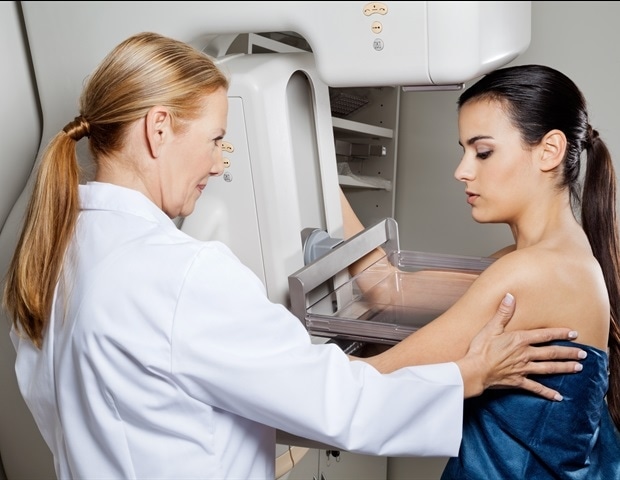
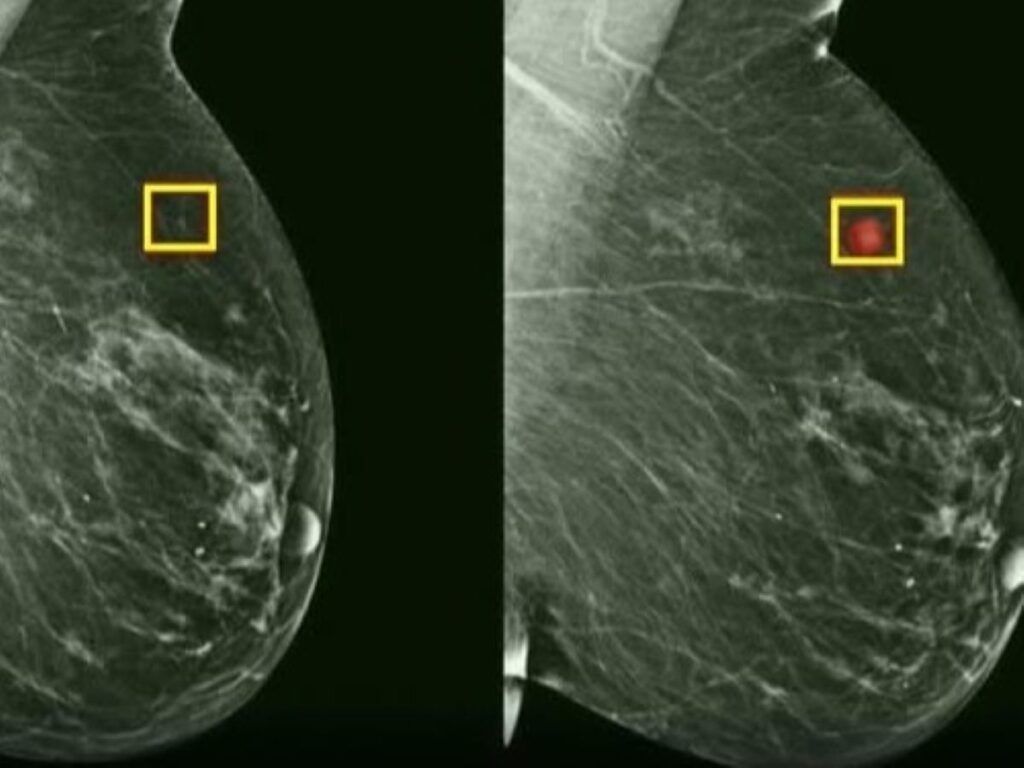
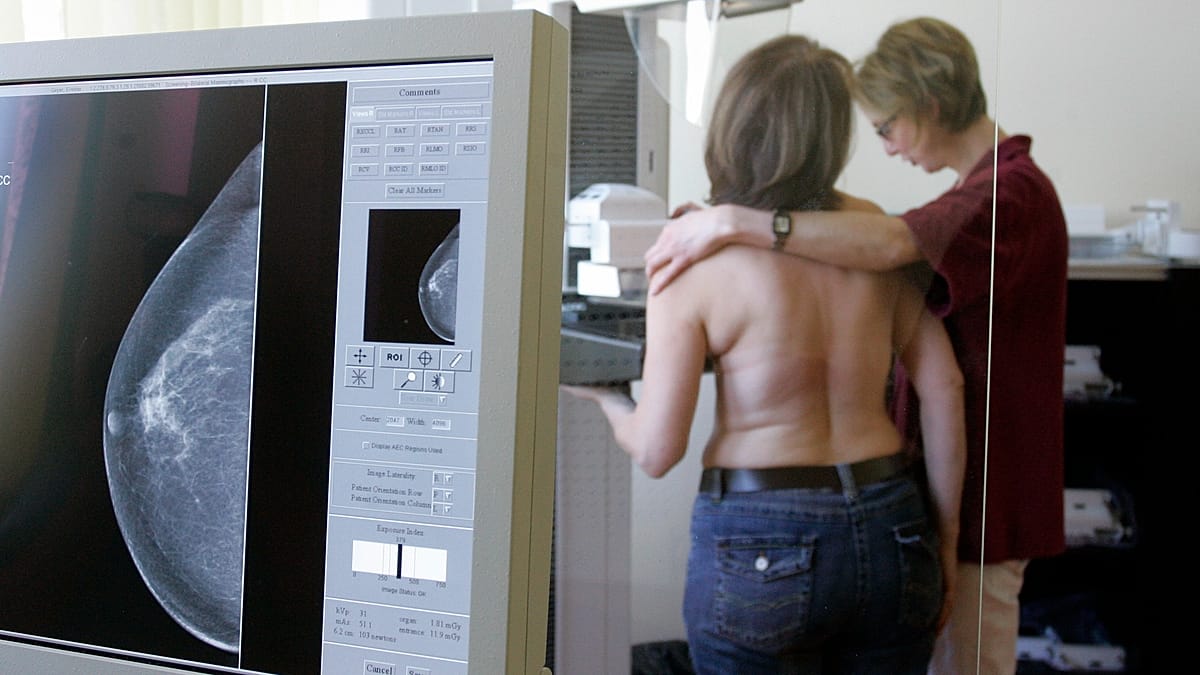
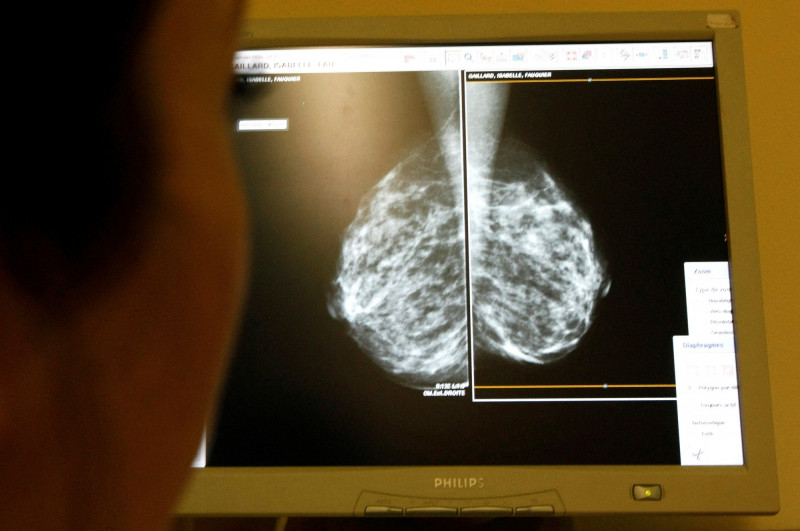
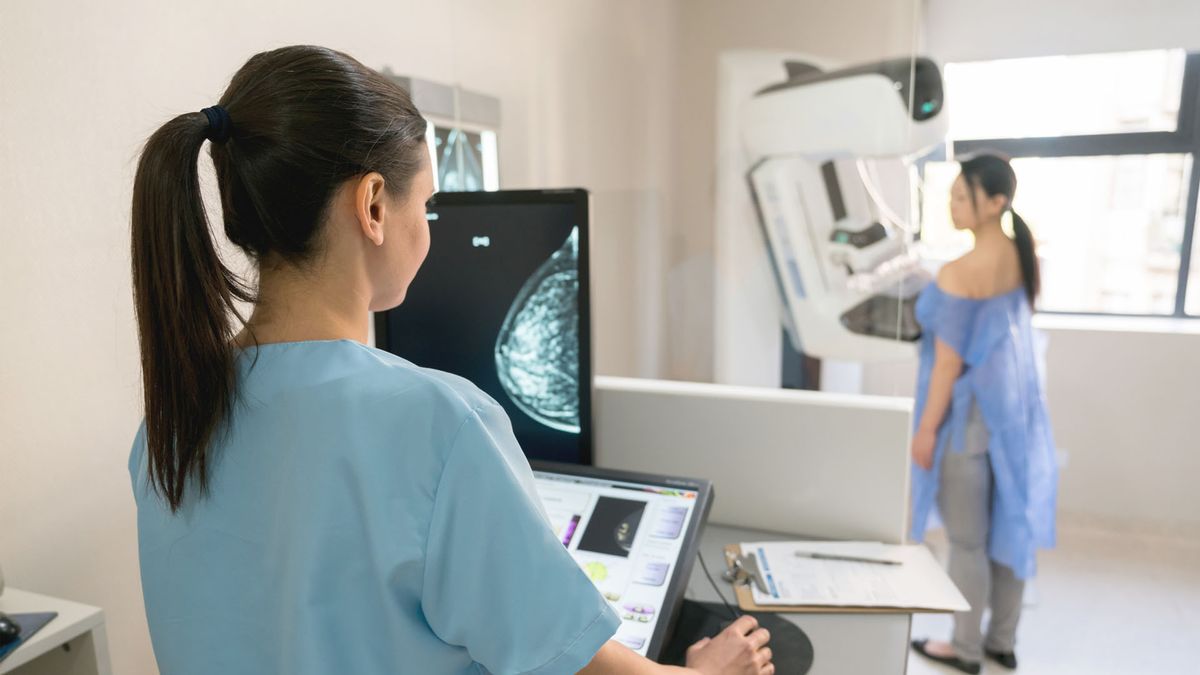
A large clinical trial in Sweden involving over 100,000 women found that AI-supported mammography significantly improves early breast cancer detection, reduces advanced cancer diagnoses, and lessens radiologists' workload compared to conventional methods. The results, published in The Lancet, highlight AI's positive impact on healthcare outcomes.[AI generated]

Why's our monitor labelling this an incident or hazard?

The event involves the use of an AI system in healthcare for breast cancer screening, which directly contributes to improved health outcomes by enabling earlier and more accurate diagnosis. This constitutes a beneficial impact on health, aligning with the definition of an AI Incident as the AI system's use has directly led to harm reduction (injury or harm to health) by improving cancer detection and potentially saving lives. Although the article focuses on positive effects, the AI system's role in influencing health outcomes is clear and material.[AI generated]

Industries
Healthcare, drugs, and biotechnology

Severity
AI incident

AI system task:
Recognition/object detection


Articles about this incident or hazard

Thumbnail Image

Τεχνητή νοημοσύνη: Βελτιώνει τον προληπτικό έλεγχο για καρκίνο του μαστού

2026-01-30
ΣΚΑΪ
Why's our monitor labelling this an incident or hazard?
The event involves the use of an AI system in healthcare for breast cancer screening, which directly contributes to improved health outcomes by enabling earlier and more accurate diagnosis. This constitutes a beneficial impact on health, aligning with the definition of an AI Incident as the AI system's use has directly led to harm reduction (injury or harm to health) by improving cancer detection and potentially saving lives. Although the article focuses on positive effects, the AI system's role in influencing health outcomes is clear and material.
Thumbnail Image

Η μαστογραφία μπαίνει στην εποχή της AI: Τι αποκαλύπτει κλινική μελέτη

2026-01-30
NewsIT
Why's our monitor labelling this an incident or hazard?
The article clearly describes an AI system used in clinical mammography screening, which is an AI system by definition. The AI system's use has directly influenced health outcomes by reducing missed cancer diagnoses and improving early detection, thus reducing harm to patients. This is a direct link between AI use and health impact. Although the impact is positive, the framework includes injury or harm to health, and here the AI system reduces such harm, which is a material effect on health outcomes. This qualifies as an AI Incident because the AI system's use has directly affected health outcomes, reducing harm. The article does not describe potential or future harm but actual clinical results. Therefore, the classification is AI Incident.
Thumbnail Image

Η τεχνητή νοημοσύνη βελτιώνει τον προληπτικό έλεγχο για καρκίνο του μαστού -Τι έδειξε κλινική δοκιμή - iefimerida.gr

2026-01-30
iefimerida.gr
Why's our monitor labelling this an incident or hazard?
The event involves the use of an AI system in healthcare for breast cancer screening, which is explicitly described. The AI system's use has directly led to improved health outcomes by enhancing early cancer detection and reducing missed cases, thereby reducing harm to patients' health. This fits the definition of an AI Incident because the AI system's use has directly led to a reduction in injury or harm to health (harm category a). Although the article is positive and reports benefits, it still qualifies as an AI Incident since the AI system's deployment has a direct impact on health outcomes. There is no indication of potential harm or hazards, nor is the article merely complementary information or unrelated news.
Thumbnail Image

Η τεχνητή νοημοσύνη βοήθησε στον έγκαιρο εντοπισμό καρκίνων του μαστού

2026-01-30
ΣΚΑΪ
Why's our monitor labelling this an incident or hazard?
The event involves the use of an AI system in medical diagnostics, specifically breast cancer screening, which directly affects patient health outcomes. The AI system's use has led to fewer missed cancers and earlier detection, reducing harm to patients by potentially enabling earlier treatment and better prognosis. Since the AI system's use has directly led to a reduction in health harm, this qualifies as an AI Incident under the definition of injury or harm to health caused by the use of an AI system. The article does not describe a hazard or potential future harm, nor is it merely complementary information or unrelated news.
Thumbnail Image

Η τεχνητή νοημοσύνη βελτιώνει τον προληπτικό έλεγχο για καρκίνο του μαστού

2026-01-30
zougla.gr
Why's our monitor labelling this an incident or hazard?
The event involves the use of an AI system in healthcare screening, specifically mammography analysis. The AI system's use has directly led to improved health outcomes by detecting more cancers earlier and reducing the workload on radiologists. This constitutes a positive impact on health, which falls under harm to health (a) in the definitions, as it reduces harm rather than causing it. However, since the AI system's use directly affects health outcomes, it qualifies as an AI Incident due to its direct involvement in health-related outcomes. The article does not describe any malfunction or hazard but reports on realized benefits and outcomes from AI use in a clinical setting.
Thumbnail Image

Καρκίνος του μαστού: Η Τεχνητή Νοημοσύνη και η μαστογραφία μειώνουν τα ποσοστά καθυστερημένης διάγνωσης

2026-01-30
www.topontiki.gr
Why's our monitor labelling this an incident or hazard?
The event involves the use of an AI system in healthcare screening, specifically mammography for breast cancer detection. The AI system's deployment has directly reduced the incidence of delayed cancer diagnosis, which is a clear health harm. Since the AI system's use has led to a measurable reduction in this harm, this qualifies as an AI Incident under the definition of causing injury or harm to health. The article does not describe potential or future harm but actual realized health benefits and harm reduction due to AI use.
Thumbnail Image

Η τεχνητή νοημοσύνη βελτιώνει τον προληπτικό έλεγχο για καρκίνο του μαστού

2026-01-30
Cretalive
Why's our monitor labelling this an incident or hazard?
The event involves the use of an AI system in healthcare for breast cancer screening, which directly affects health outcomes by improving early detection and reducing missed cancers. This constitutes an AI system's use leading to a beneficial health impact, which falls under the scope of AI Incident as it relates to injury or harm to health (in this case, reducing harm). Although the impact is positive, the definition of AI Incident includes events where AI use leads to injury or harm; here, the AI system reduces harm, so it is an AI Incident with positive health implications rather than a hazard or unrelated event. The article does not describe any malfunction or potential harm but rather realized health benefits from AI use.
Thumbnail Image

Τεχνητή Νοημοσύνη: Βελτιώνει τον προληπτικό έλεγχο για καρκίνο του μαστού

2026-01-30
Sigma Live
Why's our monitor labelling this an incident or hazard?
The event involves the use of an AI system in healthcare for breast cancer screening, which directly contributes to improved early detection and diagnosis. This use of AI has led to realized health benefits by reducing missed cancers and improving detection rates, which corresponds to harm reduction (injury or harm to health) through better medical outcomes. Therefore, this qualifies as an AI Incident because the AI system's use has directly led to a positive health impact, preventing harm that would otherwise occur. Although the article focuses on benefits rather than negative harm, the framework includes injury or harm to health, and here the AI system reduces such harm, which is a form of realized impact related to health outcomes. The article does not describe any hazard or complementary information primarily, but a concrete realized impact of AI use in health screening.
Thumbnail Image

Υγεία: Η τεχνητή νοημοσύνη βελτιώνει τον προληπτικό έλεγχο για καρκίνο του μαστού

2026-01-30
insider.gr
Why's our monitor labelling this an incident or hazard?
The article explicitly describes the use of an AI system in mammography screening that has been clinically tested and shown to reduce missed cancer diagnoses and improve early detection rates. This use of AI directly benefits patient health by reducing the risk of undetected cancer progression, thus preventing harm. Since the AI system's use has led to a positive health impact and involves direct application in medical diagnosis, it qualifies as an AI Incident under the definition of AI systems causing or preventing injury or harm to health. There is no indication of malfunction or hazard; rather, the AI system is functioning as intended and improving outcomes.
Thumbnail Image

H TN βελτιώνει τον προληπτικό έλεγχο για καρκίνο του μαστού

2026-01-30
Dialogos
Why's our monitor labelling this an incident or hazard?
The event involves the use of an AI system in medical imaging for breast cancer screening, which directly impacts health outcomes by improving early cancer detection and reducing missed diagnoses. This constitutes a positive health impact and harm reduction, which falls under injury or harm to health (a) in the definitions. Since the AI system's use has directly led to improved health outcomes and reduced harm, this qualifies as an AI Incident. The article does not describe potential or future harm but rather realized benefits and impacts from AI use in healthcare.
Thumbnail Image

Η μαστογραφία μπαίνει στην εποχή της AI: Τι αποκαλύπτει κλινική μελέτη - trikalaenimerosi.gr

2026-01-30
trikalaenimerosi.gr
Why's our monitor labelling this an incident or hazard?
The article explicitly describes the use of an AI system in mammography screening that has directly led to improved health outcomes by detecting more cancers earlier and reducing the burden on radiologists. This constitutes an AI system's use leading to realized health benefits, which falls under harm reduction but still qualifies as an AI Incident because it involves direct impact on health through AI use in diagnosis. Although the impact is positive, the framework includes injury or harm to health, and here the AI system's role is pivotal in influencing health outcomes. Therefore, this is an AI Incident reflecting the AI system's direct involvement in health-related outcomes.
Thumbnail Image

H TN βελτιώνει τον προληπτικό έλεγχο για καρκίνο του μαστού

2026-01-30
Cyprus News Agency
Why's our monitor labelling this an incident or hazard?
The event involves the use of an AI system (AI-supported mammography) in a healthcare setting, which is explicitly mentioned. However, the article describes improved effectiveness rather than any harm or malfunction. There is no indication of injury, rights violation, or other harm caused by the AI system. Therefore, this is not an AI Incident or AI Hazard. It is a complementary information update about AI's positive impact in healthcare diagnostics.
Thumbnail Image

Η τεχνητή νοημοσύνη βελτιώνει τον προληπτικό έλεγχο για καρκίνο του μαστού

2026-01-30
Cyprus Times
Why's our monitor labelling this an incident or hazard?
The article explicitly mentions an AI system used for analyzing mammograms to improve early detection of breast cancer, which is an AI system by definition. The AI system's use is linked to improved health outcomes, not harm. There is no indication of injury, rights violations, or other harms caused or plausibly caused by the AI system. The event is a report on research findings demonstrating benefits of AI in healthcare screening, which fits the category of Complementary Information as it provides supporting data and context about AI's impact without describing harm or risk of harm.
Thumbnail Image

Μαστογραφία με Τεχνητή Νοημοσύνη: Η νέα εποχή στην πρόληψη του καρκίνου του μαστού

2026-01-30
emakedonia.gr
Why's our monitor labelling this an incident or hazard?
The event involves the use of an AI system in medical diagnostics (mammography) that directly affects patient health outcomes by improving early cancer detection and reducing invasive cancers. This constitutes the use of an AI system leading to direct health benefits and harm reduction, which fits the definition of an AI Incident because it involves injury or harm to health being addressed through AI use. Although the article focuses on positive outcomes, the event is a realized impact of AI on health, not just a potential or future risk. Therefore, it qualifies as an AI Incident rather than a hazard or complementary information.
Thumbnail Image

Ιατρική επανάσταση κατά του καρκίνου του μαστού: Πιο έγκαιρη διάγνωση και θεραπεία

2026-01-30
ertnews.gr
Why's our monitor labelling this an incident or hazard?
The event involves the use of an AI system in medical imaging for breast cancer screening, which directly contributes to improved health outcomes by enabling earlier and more accurate diagnosis and treatment. This constitutes a positive impact on health, thus falling under the definition of an AI Incident as it relates to injury or harm to health (in this case, reduction of harm). Although the article describes a beneficial outcome, it is still an AI Incident because the AI system's use directly affects health outcomes. There is no indication of malfunction or hazard; rather, the AI system's deployment has led to realized health benefits.
Thumbnail Image

Η τεχνητή νοημοσύνη βοηθά τους γιατρούς να εντοπίζουν τον καρκίνο του μαστού σε ακτινογραφίες: Η πρώτη δοκιμή παγκοσμίως

2026-01-30
ertnews.gr
Why's our monitor labelling this an incident or hazard?
The event involves the use of an AI system in medical diagnostics, specifically breast cancer detection. The AI system is in trial and has not caused any injury, rights violations, or other harms. The article discusses potential benefits and cautions about risks such as overdiagnosis, but no actual harm has been reported. Therefore, this is not an AI Incident. It also does not describe a plausible future harm scenario beyond normal caution in medical AI deployment, so it is not an AI Hazard. The article primarily provides information about the development, evaluation, and expert opinions on the AI system, which fits the definition of Complementary Information.
Thumbnail Image

Η τεχνητή νοημοσύνη βελτιώνει την ανίχνευση του καρκίνου του μαστού " OnCamera.gr

2026-01-30
OnCamera.gr
Why's our monitor labelling this an incident or hazard?
The event involves the use of an AI system in medical imaging (mammography) that directly led to improved health outcomes by detecting more cancers early and reducing later diagnoses of advanced cancers. The AI system's development, validation, and deployment in a large clinical trial with over 100,000 women is explicitly described. The AI system's use has directly led to reduced harm (improved health) rather than harm, but it still qualifies as an AI Incident because it involves the use of an AI system affecting health outcomes. The article does not describe any harm or hazard but rather a beneficial impact, which is still within the scope of AI Incidents as it relates to health effects caused by AI use.
Thumbnail Image

Η τεχνητή νοημοσύνη βοηθά τους γιατρούς να εντοπίζουν τον καρκίνο του μαστού σε ακτινογραφίες: Η πρώτη δοκιμή παγκοσμίως

2026-01-30
KontraNews
Why's our monitor labelling this an incident or hazard?
The event involves an AI system used in healthcare diagnostics, which fits the definition of an AI system. However, the article does not describe any realized harm or injury caused by the AI system, nor does it report any malfunction or misuse leading to harm. Instead, it presents research findings and expert opinions on the AI system's performance and safety, emphasizing the need for ongoing monitoring and human oversight. Therefore, this is not an AI Incident or AI Hazard but rather complementary information that provides context and updates on AI's role in medical diagnostics.
Thumbnail Image

Καρκίνος μαστού: Πότε η μαστογραφία είναι πιο αποτελεσματική, σύμφωνα με νέα έρευνα | LiFO

2026-02-01
LiFO
Why's our monitor labelling this an incident or hazard?
The event involves the use of an AI system in healthcare screening, which directly impacts health outcomes by improving early cancer detection. Since the AI system's use has led to measurable health benefits and reduced missed diagnoses, it constitutes an AI Incident under the definition of harm to health of persons or groups. There is no indication of malfunction or hazard without realized harm; rather, the AI system's deployment has positively influenced health outcomes, thus qualifying as an AI Incident.
Thumbnail Image

Inteligența artificială poate salva vieți: cum ajută la depistarea timpurie a cancerului de sân

2026-01-31
Stiri pe surse
Why's our monitor labelling this an incident or hazard?
The event involves the use of an AI system in a medical screening context, which directly impacts health outcomes by improving early cancer detection and reducing subsequent diagnoses. This constitutes a direct benefit to health, thus falling under harm prevention or mitigation. Since the AI system's use has led to a positive health impact (reduced harm), it qualifies as an AI Incident related to injury or harm to health (a), specifically in a positive sense. The article does not describe a hazard or potential harm, nor is it merely complementary information or unrelated news. Therefore, the classification is AI Incident.
Thumbnail Image

AI poate crește sansele de a depista cancerul la sân

2026-01-31
Cotidianul RO
Why's our monitor labelling this an incident or hazard?
The AI system is explicitly involved in analyzing mammograms and assisting radiologists, which fits the definition of an AI system. Its use has directly led to earlier detection of breast cancer and fewer diagnoses later, indicating a reduction in harm to health (harm avoided). Since the AI system's deployment has caused a positive health impact, this is a realized effect on health outcomes, thus an AI Incident. There is no indication of malfunction or potential future harm, so it is not a hazard or complementary information. The article does not focus on governance or responses but on the study results demonstrating impact.
Thumbnail Image

Un nou mod mult mai performant de depistare rapidă a cancerului de sân (STUDIU)

2026-02-01
Doctorul Zilei
Why's our monitor labelling this an incident or hazard?
The event involves the use of an AI system in medical screening, which is explicitly described. However, the article reports positive outcomes without any indication of injury, rights violations, or other harms caused by the AI system. There is no mention of malfunction or misuse leading to harm. Instead, the AI system supports earlier cancer detection and reduces workload for radiologists. Therefore, this is not an AI Incident or AI Hazard. The article provides complementary information about the beneficial application and ongoing evaluation of AI in healthcare, fitting the definition of Complementary Information.
Thumbnail Image

Screeningul mamar asistat de AI poate creşte depistarea precoce a cancerului de sân

2026-01-31
News.ro
Why's our monitor labelling this an incident or hazard?
The event involves the use of an AI system in a medical diagnostic context, where the AI assists radiologists in screening mammograms. The AI system's use has directly led to improved health outcomes, specifically earlier detection of breast cancer and reduced incidence of aggressive cancer forms, which constitutes harm reduction and health benefit. Since the AI system's use has directly influenced health outcomes, this qualifies as an AI Incident under the definition of an event where AI use has directly or indirectly led to injury or harm to health (in this case, reduction of harm). Although the impact is positive, the definition of AI Incident includes events where AI use affects health outcomes, including beneficial effects. Therefore, this is best classified as an AI Incident reflecting realized health impact due to AI use in screening.
Thumbnail Image

Studiu. Inteligența artificială utilizată în mamografii reduce cu 12% diagnosticele ulterioare de cancer de sân și ajută medicii la depistarea mai timpurie a formelor agresive și avansate ale bolii. - Biziday

2026-01-31
Biziday
Why's our monitor labelling this an incident or hazard?
An AI system is explicitly involved in the screening process, assisting radiologists in interpreting mammograms. The study reports realized health benefits, including fewer later cancer diagnoses and better early detection of aggressive cancers, which directly relates to harm reduction in health (harm category a). Since the AI system's use has directly led to improved health outcomes, this qualifies as an AI Incident under the framework. The event is not merely a research announcement or general AI news but documents realized positive health impacts from AI use in clinical practice.
Thumbnail Image

Inteligența artificială, mai eficientă decât doi radiologi

2026-02-03
Jurnalul Naţional
Why's our monitor labelling this an incident or hazard?
The event involves an AI system explicitly described as analyzing mammograms to detect breast cancer, which is a clear AI system involvement. The AI system's use has directly led to improved health outcomes by detecting more cancers early and reducing aggressive cancer cases, which is a direct impact on health (harm reduction). The study is a clinical trial demonstrating the AI system's effectiveness in a real-world medical screening program, confirming the AI system's role in the outcome. Although the harm here is positive (improved detection and reduced disease severity), the definition of AI Incident includes injury or harm to health, and by extension, significant health impacts including improvements are relevant. This is not a hazard or complementary information but a concrete event of AI use with direct health impact. Therefore, the classification is AI Incident.
Thumbnail Image

IA reduz diagnósticos tardios e detecta câncer de mama mais agressivo

2026-01-30
uol.com.br
Why's our monitor labelling this an incident or hazard?
The AI system is explicitly mentioned as being used in cancer screening, which is a medical application involving AI-based analysis of mammograms. The reported reduction in late diagnoses and identification of aggressive tumors implies a direct positive impact on health, thus reducing harm. Since the AI system's use has led to a beneficial health outcome, this qualifies as an AI Incident under the definition of harm to health caused by the use of an AI system.
Thumbnail Image

Mamografia feita com IA ajuda médicos a detectar câncer, aponta estudo - Revista Fórum

2026-01-30
Revista Fórum
Why's our monitor labelling this an incident or hazard?
The article clearly involves an AI system used in medical diagnostics (mammography analysis) that influences health outcomes by improving cancer detection rates. There is no harm or violation reported; instead, the AI system aids in early detection, which is beneficial. The discussion about cost and time savings reflects ongoing evaluation rather than realized harm or plausible future harm. Thus, the article fits the definition of Complementary Information, as it provides supporting data and expert perspectives on AI's role in healthcare without reporting an incident or hazard.
Thumbnail Image

IA ajuda médicos a detectar câncer de mama em exames, aponta estudo

2026-01-30
ISTOÉ Independente
Why's our monitor labelling this an incident or hazard?
The article explicitly involves an AI system used in medical imaging analysis to detect breast cancer. The AI system's use leads to improved detection rates, which is a health benefit rather than harm. There is no indication of injury, rights violation, or other harms caused by the AI system. The article focuses on the study's findings about AI's effectiveness and the ongoing evaluation of its impact, which fits the definition of Complementary Information as it provides supporting data and context about AI's role in healthcare without describing an incident or hazard. Hence, the classification is Complementary Information.
Thumbnail Image

Mamografia com IA melhora diagnóstico de câncer, mostra estudo - Jornal de Brasília

2026-01-30
Jornal de Brasília
Why's our monitor labelling this an incident or hazard?
The event involves the use of an AI system in a medical diagnostic context, where the AI's outputs directly influence clinical decisions and patient outcomes. The study shows that the AI system's use has led to a reduction in aggressive breast cancer cases diagnosed late, which constitutes a direct health benefit and harm reduction. Therefore, this qualifies as an AI Incident because the AI system's use has directly led to a significant positive health impact, reducing harm to patients. Although the article focuses on benefits rather than negative harms, the framework includes injury or harm to health, and here the AI system's use reduces such harm, which is a material impact related to AI use in health. This is not a hazard or complementary information but a documented AI system use with direct health impact.
Thumbnail Image

Mamografia com IA melhora diagnóstico de câncer - 29/01/2026 - Equilíbrio e Saúde - Folha

2026-01-29
Folha de S.Paulo
Why's our monitor labelling this an incident or hazard?
The event involves the use of an AI system in a medical diagnostic context, where the AI's use has directly led to improved health outcomes by reducing the incidence of aggressive breast cancers that are harder to treat. This constitutes a positive impact on health, which falls under the definition of harm reduction in the health domain. Since the AI system's use has directly influenced health outcomes, this qualifies as an AI Incident under the framework, as it involves the use of an AI system leading to a significant health impact (harm reduction). The article does not describe a hazard or potential harm, nor is it merely complementary information or unrelated news. Therefore, the classification is AI Incident.
Thumbnail Image

IA ajuda médicos a detectar câncer de mama em exames, aponta estudo

2026-01-30
UOL notícias
Why's our monitor labelling this an incident or hazard?
The article clearly involves an AI system used in medical diagnosis, fulfilling the AI System criterion. However, it does not describe any realized harm or injury caused by the AI system, nor does it report any malfunction or misuse leading to harm. Instead, it presents research results and expert commentary on the AI's performance and practical considerations. Therefore, it does not meet the criteria for an AI Incident or AI Hazard. The article provides contextual and evaluative information about AI's role in healthcare, which fits the definition of Complementary Information.
Thumbnail Image

Inteligência artificial ajuda médicos a detectar câncer de mama em exames, mostra estudo

2026-01-30
Home
Why's our monitor labelling this an incident or hazard?
The article explicitly involves an AI system used in medical diagnosis, fulfilling the AI System criterion. The AI system's use is described as improving detection rates and reducing workload, indicating its development and use in healthcare. There is no indication of harm or violation of rights; instead, the AI system contributes positively to health outcomes. The discussion of potential overdiagnosis and the need for human oversight reflects ongoing assessment rather than realized harm or plausible future harm. Thus, the article fits best as Complementary Information, providing context and updates on AI's role in breast cancer detection without reporting an incident or hazard.
Thumbnail Image

Uso de IA em triagem de câncer de mama reduz diagnósticos tardios em 12%

2026-01-30
Portal Tela
Why's our monitor labelling this an incident or hazard?
The event involves the use of an AI system in a medical diagnostic context, specifically breast cancer screening. The AI system's use directly led to improved health outcomes by reducing late cancer diagnoses and increasing early detection, which constitutes a reduction in harm to people's health. Therefore, this qualifies as an AI Incident because the AI system's use has directly led to a positive health impact, which is a form of harm reduction and health benefit. Although the article emphasizes benefits rather than negative harm, the framework includes injury or harm to health, and here the AI system's involvement affects health outcomes significantly. Since the AI system's use has materially influenced health outcomes, this is an AI Incident rather than a hazard or complementary information.
Thumbnail Image

Mamografia com IA melhora diagnóstico de câncer, mostra estudo - Contexto Notícias

2026-01-31
Contexto Notícias
Why's our monitor labelling this an incident or hazard?
The AI system is explicitly described and used in clinical practice for mammography reading. The study shows that its use reduces the occurrence of aggressive breast cancers that would otherwise be missed, directly affecting health outcomes positively. Since the AI system's use leads to a reduction in harm (fewer aggressive cancers missed), it is an AI Incident involving health-related outcomes. The article does not describe potential or future harm, nor is it merely complementary information or unrelated news. The AI system's involvement is clear, and the impact on health is direct and materialized.
Thumbnail Image

Araştırma: Meme kanseri taramasında yapay zeka kullanımı geç teşhisleri yüzde 12 azaltıyor

2026-01-30
Haberler
Why's our monitor labelling this an incident or hazard?
The article explicitly mentions the use of an AI system in medical imaging (breast cancer screening) and its impact on health outcomes (early diagnosis). Since the AI system's use has directly led to a reduction in late diagnoses, which is a harm to health, this qualifies as an AI Incident under the definition of harm to health caused by the use of an AI system.
Thumbnail Image

Araştırma: Meme kanseri taramasında yapay zeka kullanımı geç teşhisleri yüzde 12 azaltıyor

2026-01-30
Anadolu Ajansı
Why's our monitor labelling this an incident or hazard?
The article explicitly mentions the use of AI in breast cancer screening, which is an AI system application. The study shows that the AI system's use has directly led to a reduction in late diagnoses, which is a harm related to health. Since the AI system's use has improved early detection and reduced harm, this qualifies as an AI Incident because the AI system's use has directly influenced health outcomes by reducing harm (late diagnosis).
Thumbnail Image

Yapay zeka kanseri teşhis etmekte 2. göz: Erken teşhiste %9'luk büyük başarı

2026-02-02
Halk TV
Why's our monitor labelling this an incident or hazard?
The article explicitly involves an AI system used in medical imaging to detect breast cancer. The AI system's use directly led to improved detection rates and reduced harmful outcomes (interval cancers), which are health harms prevented or mitigated. This fits the definition of an AI Incident because the AI system's use has directly led to a significant health impact. Although the impact is beneficial, the framework includes injury or harm to health, and here the AI system's involvement is pivotal in reducing harm. Therefore, this is an AI Incident rather than a hazard or complementary information.
Thumbnail Image

Can AI catch breast cancer earlier? New Lancet study shows promising results

2026-02-03
Business Standard
Why's our monitor labelling this an incident or hazard?
The event involves the use of an AI system in a medical diagnostic context, specifically breast cancer screening. The AI system's involvement is in its use to analyze mammograms and support radiologists' decisions. The study reports realized benefits in terms of earlier detection of breast cancer and fewer aggressive cancers diagnosed later, which constitutes a direct positive impact on health (harm reduction). Therefore, this qualifies as an AI Incident because the AI system's use has directly led to a health-related outcome (harm reduction). Although the outcome is beneficial, the framework includes injury or harm to health, and here the AI system's role is pivotal in reducing harm, which fits within the scope of AI Incident classification. The article does not describe a hazard or complementary information primarily, nor is it unrelated.
Thumbnail Image

Is AI Better Than Radiologists at Interpreting Mammograms?

2026-02-04
Medscape
Why's our monitor labelling this an incident or hazard?
The article explicitly describes the use of a commercially available AI system in mammography screening that improved cancer detection and reduced interval cancers, which are associated with poorer outcomes. The AI system was integrated into clinical practice and directly influenced health outcomes by supporting radiologists. This constitutes an AI Incident because the AI system's use has directly led to a significant impact on health, reducing harm. Although the impact is positive, the definition of AI Incident includes events where AI use has directly or indirectly led to injury or harm to health or, by extension, improved health outcomes through prevention of harm. The article does not describe potential or future harm but actual realized effects of AI use in healthcare screening. Therefore, the classification is AI Incident.
Thumbnail Image

AI helping to transform breast cancer care in Ireland

2026-02-04
Irish Examiner
Why's our monitor labelling this an incident or hazard?
The article explicitly mentions AI systems used in breast cancer screening that improve detection rates and reduce workload without increasing false alarms, indicating successful and safe use. There is no mention or implication of injury, rights violations, disruption, or other harms caused by the AI. The focus is on clinical trial results and patient benefits, which aligns with Complementary Information as it updates on AI's positive impact and acceptance in healthcare. It is not a product launch or general AI news but a report on research findings and their implications, fitting the definition of Complementary Information.
Thumbnail Image

newsGP - AI-supported breast screening improves cancer detection rate

2026-02-05
racgp.org.au
Why's our monitor labelling this an incident or hazard?
The article explicitly involves an AI system used in medical imaging analysis (mammograms) to support radiologists in detecting breast cancer. The AI system's use leads to improved health outcomes, which is a positive impact rather than harm. There is no mention of injury, rights violations, or other harms caused by the AI system. The article focuses on research findings and recommendations for cautious deployment, which aligns with complementary information about AI's role in healthcare. Therefore, this event does not describe an AI Incident or AI Hazard but provides complementary information about AI's beneficial application and governance considerations in healthcare.
Thumbnail Image

AI reduces late breast cancer diagnoses by 12% in landmark study

2026-02-03
azertag.az
Why's our monitor labelling this an incident or hazard?
The AI system's use in breast cancer screening directly contributed to improved health outcomes by reducing late diagnoses and increasing early detection, which are clear harms avoided or mitigated. Since the AI system's deployment led to a measurable reduction in harm (late cancer diagnoses), this qualifies as an AI Incident under the definition of harm to health of persons. The event does not describe a hazard or potential harm but a realized positive impact, which still falls under the scope of AI Incident as it involves direct health-related outcomes from AI use.
Thumbnail Image

AI may help detect aggressive breast cancers earlier, researchers say

2026-02-06
Euronews English
Why's our monitor labelling this an incident or hazard?
The AI system was explicitly involved in the use phase, assisting radiologists in mammogram interpretation. The study reports a direct positive impact on health by reducing the number of aggressive breast cancers detected late, which constitutes harm to health that has been mitigated. Therefore, this qualifies as an AI Incident because the AI system's use directly led to a reduction in harm to people's health. Although the AI is a support tool and not fully autonomous, its involvement is pivotal in the improved outcomes. The event does not describe a hazard or complementary information but a realized impact on health outcomes due to AI use.
Thumbnail Image

AI in Breast Cancer Screening: Improving Accuracy & Efficiency - News Directory 3

2026-02-05
News Directory 3
Why's our monitor labelling this an incident or hazard?
The article explicitly involves AI systems used in mammography screening, which fits the definition of an AI system. However, it does not describe any incident where AI caused or could plausibly cause harm (no injury, rights violations, or other harms). Instead, it reports on positive outcomes, ongoing studies, and concerns about trust and equitable access, which are typical of complementary information. There is no indication of realized or potential harm, so it is not an AI Incident or AI Hazard. The article enhances understanding of AI's impact in healthcare, fitting the Complementary Information category.
Thumbnail Image

瑞典10萬人試驗 AI 助功判讀乳癌早期發現率多9% - 自由健康網

2026-01-31
健康醫療
Why's our monitor labelling this an incident or hazard?
The event involves the use of an AI system explicitly described as assisting radiologists in interpreting medical images for breast cancer screening. The AI system's involvement is in its use during diagnosis, which directly led to improved early detection rates and reduced interval cancers, thus directly impacting health outcomes positively. According to the definitions, an AI Incident includes events where AI use leads to injury or harm to health; here, the AI use reduces harm, which still falls under the scope of AI Incident as it directly affects health outcomes. Hence, this is an AI Incident rather than a hazard or complementary information, as the AI's role in harm reduction is realized and measurable.
Thumbnail Image

研究:引入AI阅片有助提升乳腺癌筛查效果

2026-02-03
早报
Why's our monitor labelling this an incident or hazard?
The article explicitly mentions the use of an AI system in breast cancer screening and its positive impact on health outcomes, including increased cancer detection and reduced interval cancer incidence. There is no mention of any harm, malfunction, or risk of harm caused by the AI system. The AI system's involvement is beneficial and supported by clinical research. Hence, the event is best classified as Complementary Information, as it provides supporting data and context about AI's positive role in healthcare without describing any harm or plausible future harm.
Thumbnail Image

AI辅助乳腺筛查可显著降低"间期癌"风险

2026-02-03
新华网
Why's our monitor labelling this an incident or hazard?
The event involves the use of an AI system in a medical diagnostic context, specifically AI-assisted mammogram reading. The AI system's use has directly led to improved health outcomes by reducing the risk of interval breast cancers, which is a clear health benefit and harm reduction. Since the AI system's use has directly influenced health outcomes, this qualifies as an AI Incident under the definition of an event where AI use has directly led to injury or harm to health (in this case, reduction of harm). Although the harm is reduced rather than caused, the event still qualifies as an AI Incident because it involves the AI system's direct impact on health outcomes. The article does not describe a hazard or potential future harm, nor is it merely complementary information or unrelated news.
Thumbnail Image

'A second set of eyes': AI-supported breast cancer screening spots more cancers earlier, landmark trial finds

2026-02-07
livescience.com
Why's our monitor labelling this an incident or hazard?
The event involves an AI system explicitly described as analyzing mammograms to detect breast cancer. The AI system's use in the clinical trial directly led to improved detection of cancers and reduced interval cancers, which are linked to worse patient outcomes. This constitutes a direct positive impact on health, reducing harm from late cancer diagnosis. Since the AI system's use has directly influenced health outcomes, this qualifies as an AI Incident under the definition of injury or harm to health of persons. The article does not describe potential or future harm but actual realized health benefits from AI use, so it is not a hazard or complementary information. It is not unrelated as the AI system is central to the event and its impact on health.
Thumbnail Image

WION: Breaking News, Latest News, World, South Asia, India, Pakistan, Bangladesh News & Analysis

2026-02-09
WION
Why's our monitor labelling this an incident or hazard?
The article discusses the deployment and use of AI in medical imaging to aid cancer detection, which is an example of AI system use. However, it does not report any incident of harm, violation, or malfunction related to the AI system. The AI is used as a supportive tool, and the article emphasizes that human judgment remains essential. Therefore, this is a description of AI application without any realized or potential harm, making it complementary information about AI's role in healthcare.
Thumbnail Image

Study Finds AI Improves Breast Cancer Detection

2026-02-09
RTTNews
Why's our monitor labelling this an incident or hazard?
The article explicitly mentions the use of an AI system (Transpara Detection) in mammography screening, which directly improves health outcomes by reducing interval cancers and aggressive cancers, thus preventing harm to patients. This constitutes an AI Incident because the AI system's use has directly led to a reduction in harm to people's health, fulfilling the criteria for harm (a) under the AI Incident definition.
Thumbnail Image

Deep learning in breast cancer screening

2026-02-11
avhandlingar.se
Why's our monitor labelling this an incident or hazard?
The article involves AI systems (deep learning algorithms) used in medical imaging for breast cancer screening. However, it only discusses research findings and potential improvements without any reported incidents of harm or malfunction. There is no mention of direct or indirect harm caused by the AI, nor plausible future harm beyond the normal risks inherent in medical screening. Therefore, this is not an AI Incident or AI Hazard. The article provides contextual and research information about AI applications in healthcare, fitting the definition of Complementary Information.