Overland AI Secures $100M to Scale Autonomous Military Vehicles, Raising Future Risk Concerns

Thumbnail Image

The information displayed in the AIM should not be reported as representing the official views of the OECD or of its member countries.

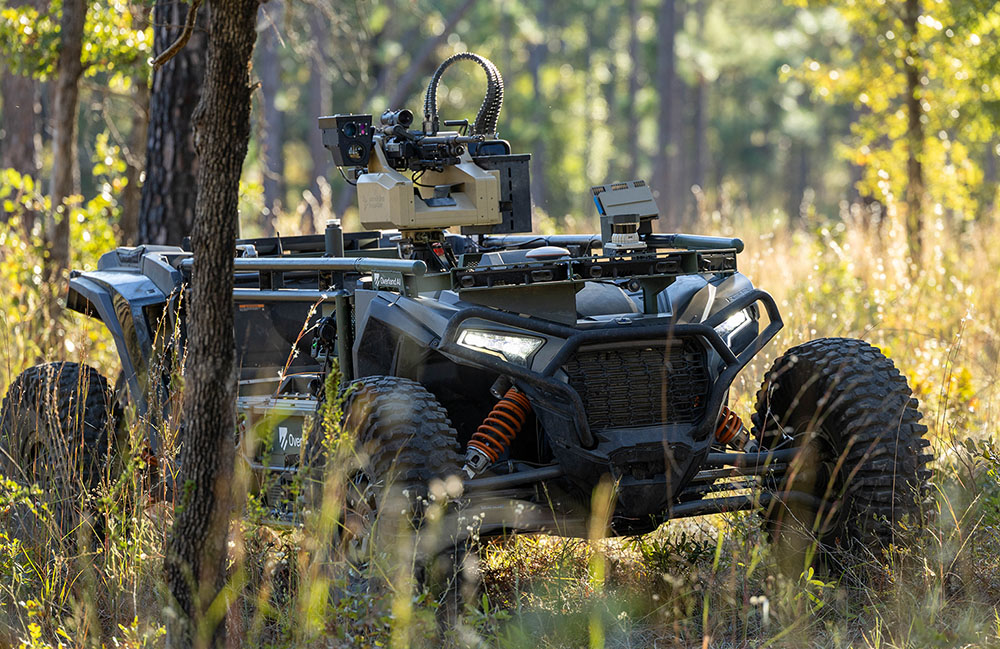
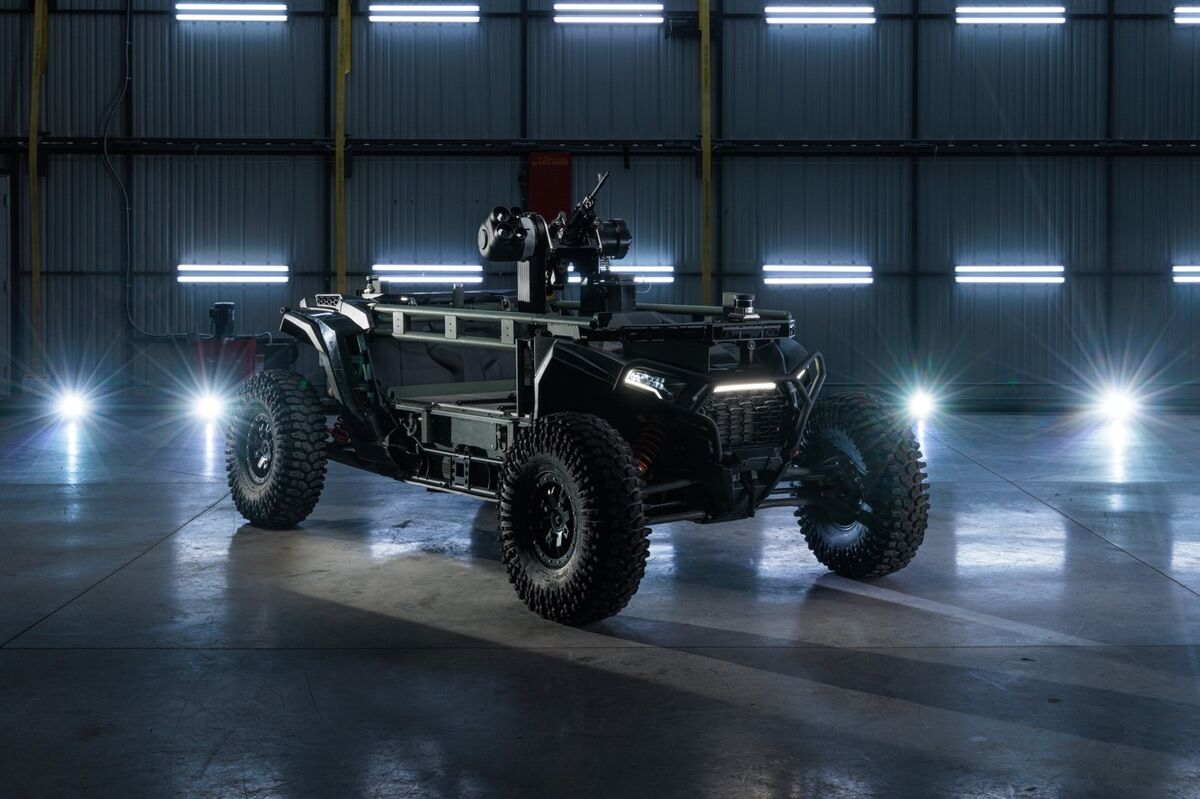
Overland AI raised $100 million to expand deployment of its AI-powered autonomous ground vehicles for the U.S. military. While no harm has been reported, the integration of these systems into combat operations introduces plausible future risks of injury or disruption if the technology malfunctions or is misused.[AI generated]

Why's our monitor labelling this an incident or hazard?

The article clearly involves AI systems—autonomous ground vehicles with AI capabilities used in military operations. While the use of such systems in combat and dangerous tasks inherently carries risks that could lead to harm, the article does not describe any realized harm, malfunction, or misuse. Therefore, it does not qualify as an AI Incident. However, the development and deployment of autonomous military robots with potential for future harm fits the definition of an AI Hazard, as these systems could plausibly lead to injury, disruption, or other harms in the future. The article focuses on funding and deployment progress rather than harm or responses to harm, so it is not Complementary Information. It is not unrelated because it clearly involves AI systems with potential implications for harm.[AI generated]

AI principles
SafetyRobustness & digital security

Industries
Mobility and autonomous vehiclesGovernment, security, and defence

Affected stakeholders
WorkersGeneral public

Harm types
Physical (injury)Public interest

Severity
AI hazard

AI system task:
Recognition/object detectionGoal-driven organisation


Articles about this incident or hazard

Thumbnail Image

Overland AI Raises $100 Million to Speed Up Use of Military Land Robots

2026-02-03
Bloomberg Business
Why's our monitor labelling this an incident or hazard?
The article clearly involves AI systems—autonomous ground vehicles with AI capabilities used in military operations. While the use of such systems in combat and dangerous tasks inherently carries risks that could lead to harm, the article does not describe any realized harm, malfunction, or misuse. Therefore, it does not qualify as an AI Incident. However, the development and deployment of autonomous military robots with potential for future harm fits the definition of an AI Hazard, as these systems could plausibly lead to injury, disruption, or other harms in the future. The article focuses on funding and deployment progress rather than harm or responses to harm, so it is not Complementary Information. It is not unrelated because it clearly involves AI systems with potential implications for harm.
Thumbnail Image

Overland AI Gets $100 Million Funding Round to Scale Defense Tech

2026-02-03
Morningstar
Why's our monitor labelling this an incident or hazard?
While the article describes the development and scaling of an AI system with clear defense and national security applications, it does not report any realized harm or incidents caused by the AI system. However, given the nature of autonomous defense systems, there is a plausible risk that such technology could lead to harm in the future, such as injury, disruption, or violations of rights if misused or malfunctioning. Therefore, this event represents a potential future risk rather than a realized harm or incident.
Thumbnail Image

Overland AI Raises $100 Million to Scale Ground Autonomy with U.S. Armed Forces

2026-02-03
The Manila times
Why's our monitor labelling this an incident or hazard?
The article explicitly discusses AI systems (autonomous ground vehicles with advanced autonomy software) being developed and deployed in military operations, which involve high-risk environments and missions. While no actual harm or incident is reported, the deployment of such AI systems in combat roles inherently carries plausible risks of injury, operational disruption, or other harms. The event focuses on scaling and operational integration rather than reporting a realized harm or incident. Hence, it fits the definition of an AI Hazard rather than an AI Incident or Complementary Information. It is not unrelated because the AI system and its potential impacts are central to the event.
Thumbnail Image

U.S. Army picks Overland AI for autonomous ground vehicles

2026-02-01
Defence Blog
Why's our monitor labelling this an incident or hazard?
The article involves AI systems (autonomous ground vehicles with AI for navigation and operation) and their use in military contexts. However, there is no indication of any injury, violation of rights, disruption, or harm caused by these systems. The event focuses on the awarding of a contract and the ongoing evaluation of these systems in operational settings, which is a development and deployment update without any realized or potential harm described. Therefore, it does not meet the criteria for an AI Incident or AI Hazard. It is best classified as Complementary Information because it provides context and updates on AI system deployment and testing in a military environment, contributing to understanding the AI ecosystem and governance without reporting harm or plausible future harm.
Thumbnail Image

Overland AI raises $100M to meet growing military demand for autonomous ground vehicles

2026-02-03
GeekWire
Why's our monitor labelling this an incident or hazard?
The article explicitly mentions AI-powered autonomous ground vehicles being developed and deployed for military combat missions, including breaching dangerous areas like minefields. Although no incident of harm is reported, the use of AI in autonomous weapons systems or combat vehicles inherently carries a credible risk of injury or death, disruption, or other harms. The event is about scaling and operational integration of such AI systems, which could plausibly lead to AI incidents in the future. Hence, it qualifies as an AI Hazard rather than an Incident or Complementary Information. It is not unrelated because the AI system and its military application are central to the event.
Thumbnail Image

Overland AI Raises $100 Million to Scale Ground Autonomy with U.S. Armed Forces

2026-02-03
Eagle-Tribune
Why's our monitor labelling this an incident or hazard?
The article explicitly mentions AI systems in the form of autonomous unmanned ground vehicles used by the military. Although no harm or incident is reported, the nature of the AI system's use in defense and national security implies plausible future risks of harm, such as accidents, misuse, or escalation in conflict scenarios. The funding and scaling of such systems increase the likelihood of these risks materializing. Hence, this event fits the definition of an AI Hazard rather than an Incident or Complementary Information.
Thumbnail Image

Overland AI raises $100M to scale autonomy with the U.S. armed forces

2026-02-03
The Robot Report
Why's our monitor labelling this an incident or hazard?
The article explicitly involves AI systems—autonomous ground vehicles with advanced autonomy and machine learning capabilities used in military operations. There is no mention of any realized harm or incidents caused by these systems, so it is not an AI Incident. However, the nature of the AI system's use in combat and hazardous missions implies a plausible risk of injury or harm to persons or other harms if malfunctions or misuse occur. The event focuses on scaling and operational integration, which increases the potential for future harm. Thus, it fits the definition of an AI Hazard, as the development and deployment of these autonomous military systems could plausibly lead to harm, even though no harm has yet been reported.
Thumbnail Image

Overland AI scales ULTRA UGV production for U.S. military

2026-02-04
Defence Blog
Why's our monitor labelling this an incident or hazard?
The article explicitly involves AI systems—autonomous unmanned ground vehicles with advanced autonomy stacks—used in military operations. Although no direct harm or incident is reported, the deployment and scaling of such autonomous military systems inherently carry plausible risks of causing injury, operational disruption, or other harms. The event focuses on the expansion and operational integration of these AI systems, which could plausibly lead to AI Incidents in the future. Since no actual harm is described, the classification as an AI Hazard is appropriate.
Thumbnail Image

Overland AI Raises $100M to Scale Autonomous Military Vehicles

2026-02-05
The Defense Post
Why's our monitor labelling this an incident or hazard?
The event involves the development and deployment of AI systems (autonomous military vehicles) with clear potential for causing harm in military operations. Although no harm has yet occurred or been reported, the nature of these AI systems and their intended use in combat and contested environments present credible risks of injury, disruption, or other harms. Therefore, this event qualifies as an AI Hazard due to the plausible future harm from the use of autonomous military AI systems. It is not an AI Incident because no actual harm has been reported, nor is it Complementary Information or Unrelated as the focus is on the operational scaling of AI-enabled autonomous military vehicles with inherent risk.