Nio Recalls Over 246,000 EVs Due to AI-Related Software Malfunction

Thumbnail Image

The information displayed in the AIM should not be reported as representing the official views of the OECD or of its member countries.

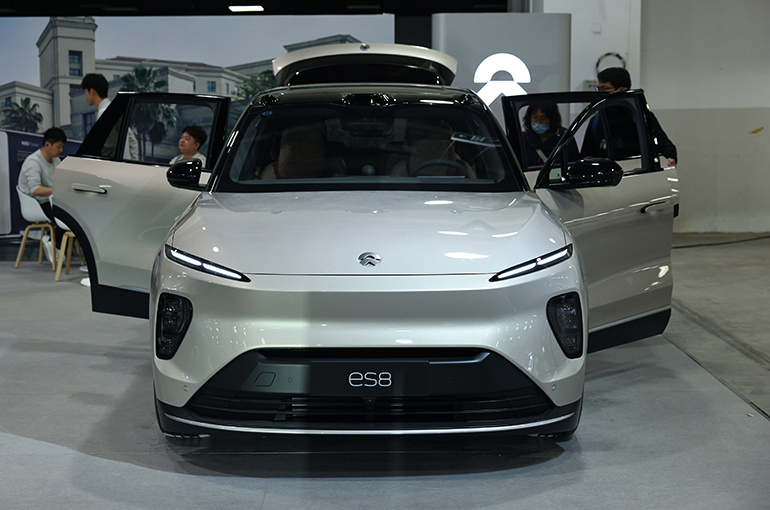
Chinese electric vehicle maker Nio is recalling 246,229 ES8, ES6, and EC6 models produced between 2018 and 2023 due to a software malfunction in AI-enabled systems. The issue can cause instrument cluster and control screen blackouts, posing safety risks. Nio will address the problem via remote and in-person software updates.[AI generated]

Why's our monitor labelling this an incident or hazard?

The recall is due to a software problem in electric vehicles that could cause safety hazards, such as blackouts of instrument clusters and control screens, which are critical for safe vehicle operation. The software is part of the vehicle's control system, likely involving AI or advanced automated systems. The malfunction has directly led to a safety risk, fulfilling the criteria for harm to persons (a). Hence, this qualifies as an AI Incident rather than a hazard or complementary information.[AI generated]
AI principles
SafetyRobustness & digital security

Industries
Mobility and autonomous vehicles

Affected stakeholders
Consumers

Harm types
Physical (injury)

Severity
AI incident

AI system task:
Other


Articles about this incident or hazard

Thumbnail Image

Nio recalls record 246,229 cars over software problem By Reuters

2026-02-09
Investing.com
Why's our monitor labelling this an incident or hazard?
The recall is due to a software problem in electric vehicles that could cause safety hazards, such as blackouts of instrument clusters and control screens, which are critical for safe vehicle operation. The software is part of the vehicle's control system, likely involving AI or advanced automated systems. The malfunction has directly led to a safety risk, fulfilling the criteria for harm to persons (a). Hence, this qualifies as an AI Incident rather than a hazard or complementary information.
Thumbnail Image

Nio recalls record 246,229 cars over software problem

2026-02-10
ETAuto.com
Why's our monitor labelling this an incident or hazard?
The recall is due to a software problem in an AI-enabled system within the vehicles (likely involving software controlling instrument clusters and possibly assisted driving features). The software malfunction poses a direct safety hazard, which is a form of harm to persons. Since the software issue has led to a recall to prevent harm, this qualifies as an AI Incident because the AI system's malfunction has directly led to a safety risk requiring remediation. The involvement of software updates and the nature of the problem indicate AI system involvement in vehicle operation and safety.
Thumbnail Image

Massive Nio Recall Highlights Software Woes in China's EV Sector | Technology

2026-02-09
Devdiscourse
Why's our monitor labelling this an incident or hazard?
The recall is due to software issues in Nio's electric vehicles that affect critical displays, which are likely managed by AI or advanced software systems integral to vehicle operation and safety. The software malfunction poses a direct safety risk to drivers, fulfilling the criterion of harm to persons. The event describes a realized malfunction leading to potential harm, not just a theoretical risk, and the recall is a mitigation measure. Hence, it is an AI Incident rather than a hazard or complementary information.
Thumbnail Image

Chinese Carmaker Nio to Recall Over 245,000 EVs Over Software Issue

2026-02-10
yicaiglobal.com
Why's our monitor labelling this an incident or hazard?
The event explicitly mentions a software problem in smart electric vehicles that causes critical information displays to blackout, posing safety risks. The software in these vehicles can be reasonably inferred to involve AI systems managing vehicle functions. The harm is direct and related to health and safety risks for drivers, fulfilling the criteria for an AI Incident. The recall and software update are responses to mitigate the harm but do not change the classification of the event as an incident since the harm has occurred or is ongoing due to the software malfunction.