AI Systems Deployed in South Korea to Detect and Prevent Voice Phishing in Real Time

Thumbnail Image

The information displayed in the AIM should not be reported as representing the official views of the OECD or of its member countries.

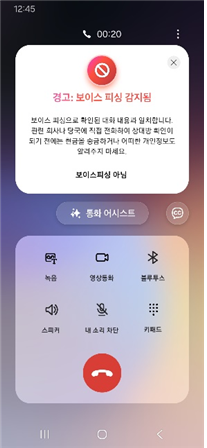
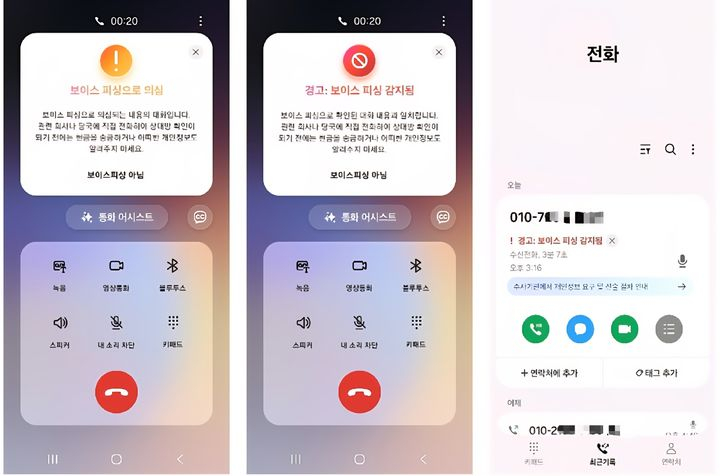
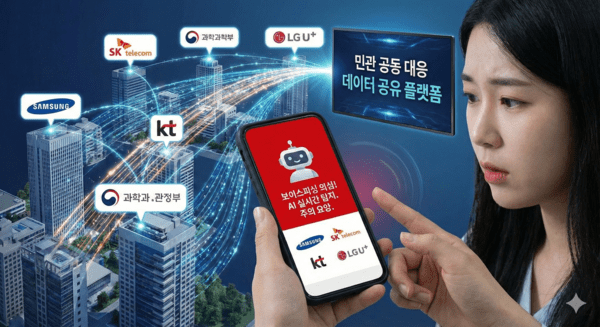
South Korea's Ministry of Science and ICT, Samsung, and major telecoms (SK Telecom, KT, LG Uplus) have launched AI-powered, on-device services that analyze call content in real time to detect and alert users to voice phishing scams, significantly reducing financial fraud and protecting users' privacy.[AI generated]

Why's our monitor labelling this an incident or hazard?

The event involves the use of AI systems that analyze phone calls to detect voice phishing scams, which are a form of fraud causing harm to individuals' financial and personal security. The AI systems' use directly prevents harm by alerting users to potential scams, thus mitigating injury or harm to persons. Therefore, this qualifies as an AI Incident because the AI system's use has directly led to harm prevention in a context where harm (voice phishing fraud) is a recognized injury to persons. The article describes actual deployment and use of these AI systems in real-world scenarios, not just potential or future risks, so it is not an AI Hazard or Complementary Information. It is not unrelated because the AI system is central to the event and harm prevention.[AI generated]
AI principles
Privacy & data governanceSafety

Industries
Digital securityIT infrastructure and hosting

Severity
AI incident

Business function:
Citizen/customer service

AI system task:
Event/anomaly detection


Articles about this incident or hazard

Thumbnail Image

AI로 통화 중 보이스피싱 잡는다···삼성·SKT·KT·LGU 서비스 제공

2026-02-12
경향신문
Why's our monitor labelling this an incident or hazard?
The event involves the use of AI systems that analyze phone calls to detect voice phishing scams, which are a form of fraud causing harm to individuals' financial and personal security. The AI systems' use directly prevents harm by alerting users to potential scams, thus mitigating injury or harm to persons. Therefore, this qualifies as an AI Incident because the AI system's use has directly led to harm prevention in a context where harm (voice phishing fraud) is a recognized injury to persons. The article describes actual deployment and use of these AI systems in real-world scenarios, not just potential or future risks, so it is not an AI Hazard or Complementary Information. It is not unrelated because the AI system is central to the event and harm prevention.
Thumbnail Image

"설 연휴 기승 부리는 보이스피싱, 삼성·이통3사 AI 서비스로 실시간 탐지"

2026-02-12
아시아경제
Why's our monitor labelling this an incident or hazard?
The article explicitly mentions AI systems used for real-time detection of voice phishing calls, which are a known source of harm (fraud and financial loss). However, the AI systems here are deployed to prevent or mitigate harm rather than causing or enabling it. There is no indication that the AI systems malfunctioned or caused harm, nor that they pose a plausible risk of harm themselves. Instead, the article focuses on the availability and use of these AI services as a protective measure during a period of increased risk. This fits the definition of Complementary Information, as it provides context on governance and technical responses to AI-related harms without describing a new incident or hazard.
Thumbnail Image

보이스피싱 통화 실시간 경고 확산... 삼성·통신 3사 온디바이스 AI로 피해 차단 나선다

2026-02-12
Chosunbiz
Why's our monitor labelling this an incident or hazard?
The event involves AI systems deployed on devices to analyze calls in real-time and warn users about voice phishing attempts, which are known to cause financial and personal harm. The AI's role is central to detecting suspicious calls and preventing harm, thus directly linked to harm prevention. Since the AI is actively used to reduce harm from voice phishing, this qualifies as an AI Incident under the definition of an event where AI use has directly or indirectly led to harm prevention in a context where harm is a known issue. The article does not describe a potential future risk but an active deployment addressing an existing harm. Hence, it is an AI Incident.
Thumbnail Image

"AI로 통화 중 보이스피싱 잡는다"

2026-02-12
이투데이
Why's our monitor labelling this an incident or hazard?
The event involves AI systems explicitly used to analyze live call audio to detect voice phishing scams, which are a form of fraud causing financial and psychological harm to individuals (harm to persons). The AI systems' use directly aims to prevent or mitigate such harm by alerting users during calls. Since the AI system's use is directly linked to preventing harm from voice phishing, this qualifies as an AI Incident involving the use of AI systems that have a direct impact on harm to persons by mitigating or detecting fraud attempts in real time.
Thumbnail Image

과기정통부, 삼성·통신3사와 'AI 방패' 구축···보이스피싱 봉쇄전 돌입

2026-02-12
이뉴스투데이
Why's our monitor labelling this an incident or hazard?
The article explicitly mentions AI-based voice phishing detection services integrated into smartphone apps that analyze call content in real time to detect scams. These AI systems have already prevented thousands of voice phishing incidents, which constitute harm to individuals' financial and personal security. Since the AI systems' use has directly contributed to preventing harm, this is an AI Incident. The event is not merely a future risk or a general update but describes active deployment and harm prevention, meeting the criteria for an AI Incident.
Thumbnail Image

보이스피싱, 스마트폰 AI가 실시간으로 잡아낸다

2026-02-12
dongascience.com
Why's our monitor labelling this an incident or hazard?
The event involves AI systems explicitly used to detect and prevent voice phishing scams, which are a form of fraud causing harm to individuals. The AI's use in real-time detection and alerting directly contributes to preventing injury or harm to people. Since the article reports on the active use and effectiveness of these AI systems in preventing harm, this qualifies as an AI Incident. The article does not merely discuss potential future risks or general AI developments but focuses on AI systems that have directly led to harm prevention, thus fitting the AI Incident classification.
Thumbnail Image

삼성·이통3사, 통화 중 실시간 보이스피싱 탐지·알림 제공 - 전파신문

2026-02-12
jeonpa.co.kr
Why's our monitor labelling this an incident or hazard?
The event involves AI systems explicitly described as analyzing call content in real-time to detect voice phishing scams and alert users, which is a direct use of AI technology. The AI systems' role is pivotal in preventing harm to individuals from voice phishing fraud, which constitutes injury or harm to persons. Since the AI systems are actively deployed and used to mitigate ongoing harm, this qualifies as an AI Incident rather than a hazard or complementary information. The article does not merely discuss potential risks or future harms but reports on operational AI systems providing real-time protection against a recognized harm.
Thumbnail Image

삼성전자·이통3사, AI로 통화 중 보이스피싱 실시간 탐지 | 스타뉴스

2026-02-12
스타뉴스
Why's our monitor labelling this an incident or hazard?
The event involves AI systems explicitly designed and used to detect voice phishing scams in real time during phone calls. The AI analyzes call content and patterns to identify suspicious activity and alerts users, thereby preventing financial harm. Since voice phishing causes harm to individuals' property and financial security, the AI's role in preventing such harm is directly linked to an AI Incident. The article reports actual use and impact of these AI systems, not just potential or future risks, so it qualifies as an AI Incident rather than a hazard or complementary information.
Thumbnail Image

삼성전자·이통3사, 통화 중 AI가 '보이스피싱' 잡는다 - 스마트비즈

2026-02-12
스마트비즈
Why's our monitor labelling this an incident or hazard?
The event involves AI systems explicitly designed and deployed to detect voice phishing scams in real-time during phone calls, which are a form of financial fraud causing harm to individuals. The AI's role is in the use phase, analyzing calls and warning users to prevent or mitigate harm. The article describes the AI systems as actively operating and protecting users from ongoing scams, which are realized harms. Therefore, this is an AI Incident because the AI system's use is directly linked to preventing or mitigating harm from voice phishing, a recognized form of harm to people. The government's involvement in supporting and enhancing these AI systems further confirms the active use and impact of AI in this context.
Thumbnail Image

삼성전자·통신 3사, AI로 실시간 보이스피싱 잡는다

2026-02-12
브릿지경제
Why's our monitor labelling this an incident or hazard?
The event involves AI systems explicitly used to analyze phone call content in real time to detect and alert users about voice phishing scams, which are a form of fraud causing financial and psychological harm to individuals. The AI's role is central in identifying suspicious calls and preventing harm. Since the AI systems are actively deployed and used to prevent harm, this is an AI Incident involving the use of AI systems to mitigate harm from voice phishing. The article does not describe a potential future risk but an ongoing harm prevention measure using AI, thus it is not a hazard or complementary information. It is not unrelated as AI systems are clearly involved and linked to harm prevention.
Thumbnail Image

과기정통부, 삼성·이통3사와 '보이스피싱' 탐지 시스템 구축

2026-02-12
블로터
Why's our monitor labelling this an incident or hazard?
The event explicitly involves AI systems analyzing phone call content in real-time to detect voice phishing scams, which are a known source of harm to individuals (financial and psychological harm). The AI system's use directly prevents harm by alerting users to fraudulent calls, thus mitigating injury or harm to persons. This fits the definition of an AI Incident because the AI system's use is directly linked to preventing harm from a known threat. The article does not describe a hazard or potential future harm but rather the active deployment and use of AI systems to address an existing harm. It is not merely complementary information because the main focus is on the AI system's role in harm prevention, which is a direct intervention in an AI-related harm context.
Thumbnail Image

[헬로티 HelloT] AI, 보이스피싱의 벽을 허물다...통신3사·삼성전자, 온디바이스 탐지 서비스 '활성화'

2026-02-13
hellot.net
Why's our monitor labelling this an incident or hazard?
The event involves the use of AI systems (on-device AI analyzing call content and patterns) actively detecting and alerting users to voice phishing attempts, which directly prevents harm to individuals (financial and psychological harm from scams) and protects societal safety. The AI systems are in active use and have already prevented thousands of voice phishing incidents, indicating realized harm prevention. Therefore, this qualifies as an AI Incident because the AI system's use directly leads to harm prevention and addresses a significant societal harm (voice phishing fraud).
Thumbnail Image

"택배 주소 확인하세요" 명절 스미싱 기승...내 폰 지킬 방법은? - 경제 | 기사 - 더팩트

2026-02-13
더팩트
Why's our monitor labelling this an incident or hazard?
The event involves the use of AI systems (AI-powered security apps) actively analyzing communications to detect and prevent scams, which directly helps prevent harm to individuals (harm to health and property through financial fraud). Since the AI systems are used to prevent realized harm rather than causing harm themselves, and the article focuses on the description and promotion of these AI security features and related preventive measures, this constitutes Complementary Information. There is no indication that the AI systems malfunctioned or caused harm, nor that there is a plausible future harm from their use. Instead, the article provides context on AI's role in mitigating harm from scams.