Microsoft Warns of Widespread AI Recommendation Poisoning Attacks

Thumbnail Image

The information displayed in the AIM should not be reported as representing the official views of the OECD or of its member countries.

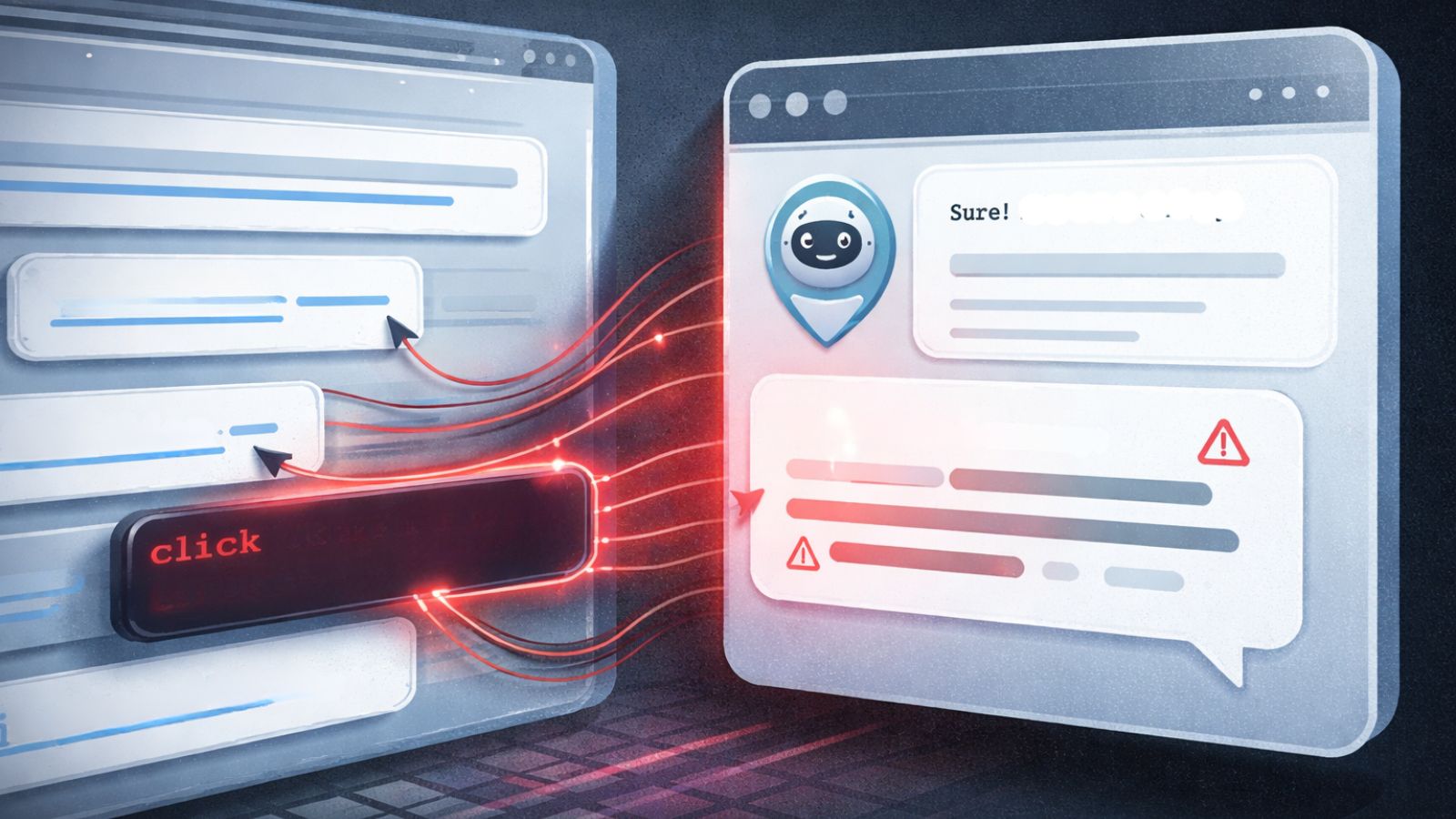
Microsoft has identified a surge in 'AI recommendation poisoning' attacks, where hidden instructions embedded in 'Summarize with AI' buttons and URLs manipulate AI assistants' memory, leading to biased recommendations. Over 50 companies across 14 industries, including health and finance, are implicated, risking user trust and decision-making integrity.[AI generated]

Why's our monitor labelling this an incident or hazard?

The article explicitly involves AI systems (chatbots like ChatGPT, Claude, Microsoft Copilot) and describes how their persistent memory features are exploited to inject biased instructions that influence future AI recommendations. This manipulation leads to indirect harm by degrading the quality and trustworthiness of AI outputs, particularly in sensitive sectors such as health and finance, which can affect user decisions and well-being. The harm is realized as Microsoft has tracked actual attempts and identified organizations engaging in this behavior. Therefore, this qualifies as an AI Incident due to the direct link between AI system misuse and harm to communities and users.[AI generated]
AI principles
Robustness & digital securityFairness

Industries
Healthcare, drugs, and biotechnologyFinancial and insurance services

Affected stakeholders
ConsumersBusiness

Harm types
ReputationalPublic interest

Severity
AI incident

Business function:
Citizen/customer service

AI system task:
Organisation/recommenders


Articles about this incident or hazard

Thumbnail Image

That 'Summarize With AI' Button May Be Brainwashing Your Chatbot, Says Microsoft - Decrypt

2026-02-12
Decrypt
Why's our monitor labelling this an incident or hazard?
The article explicitly involves AI systems (chatbots like ChatGPT, Claude, Microsoft Copilot) and describes how their persistent memory features are exploited to inject biased instructions that influence future AI recommendations. This manipulation leads to indirect harm by degrading the quality and trustworthiness of AI outputs, particularly in sensitive sectors such as health and finance, which can affect user decisions and well-being. The harm is realized as Microsoft has tracked actual attempts and identified organizations engaging in this behavior. Therefore, this qualifies as an AI Incident due to the direct link between AI system misuse and harm to communities and users.
Thumbnail Image

Those 'Summarize With AI' Buttons May Be Lying to You

2026-02-12
Dark Reading
Why's our monitor labelling this an incident or hazard?
The article explicitly involves AI systems (AI assistants like ChatGPT, Claude, Microsoft 365 Copilot) and describes how their use is being exploited to cause harm through biased recommendations. The harm is realized and ongoing, including misleading business decisions and trust erosion, which fits the definition of harm to communities and economic harm. The AI system's malfunction or misuse (memory poisoning) is a direct cause of these harms. Hence, the event meets the criteria for an AI Incident rather than a hazard or complementary information.
Thumbnail Image

Microsoft Warns of AI Recommendation Poisoning and Bias

2026-02-12
TechNadu
Why's our monitor labelling this an incident or hazard?
The event involves the use and potential misuse of AI systems (LLMs) where malicious actors inject manipulative prompts that bias AI outputs and poison AI memory. This manipulation can lead to misinformation and biased recommendations, which constitute harm to communities and users relying on the AI outputs. Although the article does not report a specific realized harm incident, it highlights an active and ongoing threat with demonstrated exploitation across multiple companies and industries, indicating that harm is occurring or imminent. Therefore, this qualifies as an AI Incident because the AI system's use has directly or indirectly led to harm through manipulated outputs and memory poisoning affecting users and organizations.
Thumbnail Image

'Summarise with AI' can secretly sway recommendations, researchers warn

2026-02-12
Computing
Why's our monitor labelling this an incident or hazard?
The event involves the use and misuse of AI systems (AI assistants with memory features) to produce biased recommendations by embedding hidden instructions. This manipulation directly affects the AI's outputs, leading to potential harm to users by influencing decisions in sensitive domains. Although no immediate physical harm is reported, the potential for harm to users' health, financial security, and trust constitutes a violation of rights and harm to communities. Therefore, this qualifies as an AI Incident due to the realized manipulation and its harmful consequences.
Thumbnail Image

Microsoft warns of AI recommendation poisoning attacks

2026-02-12
SC Media
Why's our monitor labelling this an incident or hazard?
The article explicitly involves AI systems (AI chatbots and AI models) and describes a malicious use of AI technology that manipulates outputs to produce biased recommendations. This manipulation can directly or indirectly lead to harm by influencing user decisions based on biased or manipulated AI advice, which fits the definition of an AI Incident. The harm is realized or ongoing as the attacks have been detected and are actively influencing AI outputs, not just a potential future risk. Therefore, this event qualifies as an AI Incident.
Thumbnail Image

'If someone can inject instructions or spurious facts into your AI's memory, they gain persistent influence over your future interactions': Microsoft warns AI recommendations are being "poisoned" to serve up malicious results

2026-02-13
TechRadar
Why's our monitor labelling this an incident or hazard?
The article explicitly mentions that Microsoft researchers detected real-world attempts to poison AI recommendations by injecting malicious instructions into the AI's memory, causing it to recommend fake companies for enterprise investments. This manipulation can lead to significant financial harm to organizations relying on these AI recommendations. The AI system's compromised outputs directly lead to harm (economic loss), fulfilling the criteria for an AI Incident. The involvement of AI systems is clear, the harm is materialized (real-world attempts detected), and the harm is significant (costly enterprise decisions).
Thumbnail Image

Microsoft warns attackers can secretly manipulate AI recommendations

2026-02-13
Windows Central
Why's our monitor labelling this an incident or hazard?
The event involves an AI system (AI assistants with personal memory) being deliberately manipulated through hidden prompt injections, which is a misuse of the AI system's use. The manipulation could plausibly lead to harm by causing users to receive biased or unsafe recommendations, impacting their health, financial decisions, or safety. Since the article warns about potential risks and widespread attempts but does not report actual realized harm, this qualifies as an AI Hazard rather than an AI Incident. The AI system's role is pivotal as the manipulation exploits the AI's memory and recommendation capabilities to influence users covertly.