AI-Enabled Traffic Radars Reduce Accidents and Detect Violations in Brazil

Thumbnail Image

The information displayed in the AIM should not be reported as representing the official views of the OECD or of its member countries.

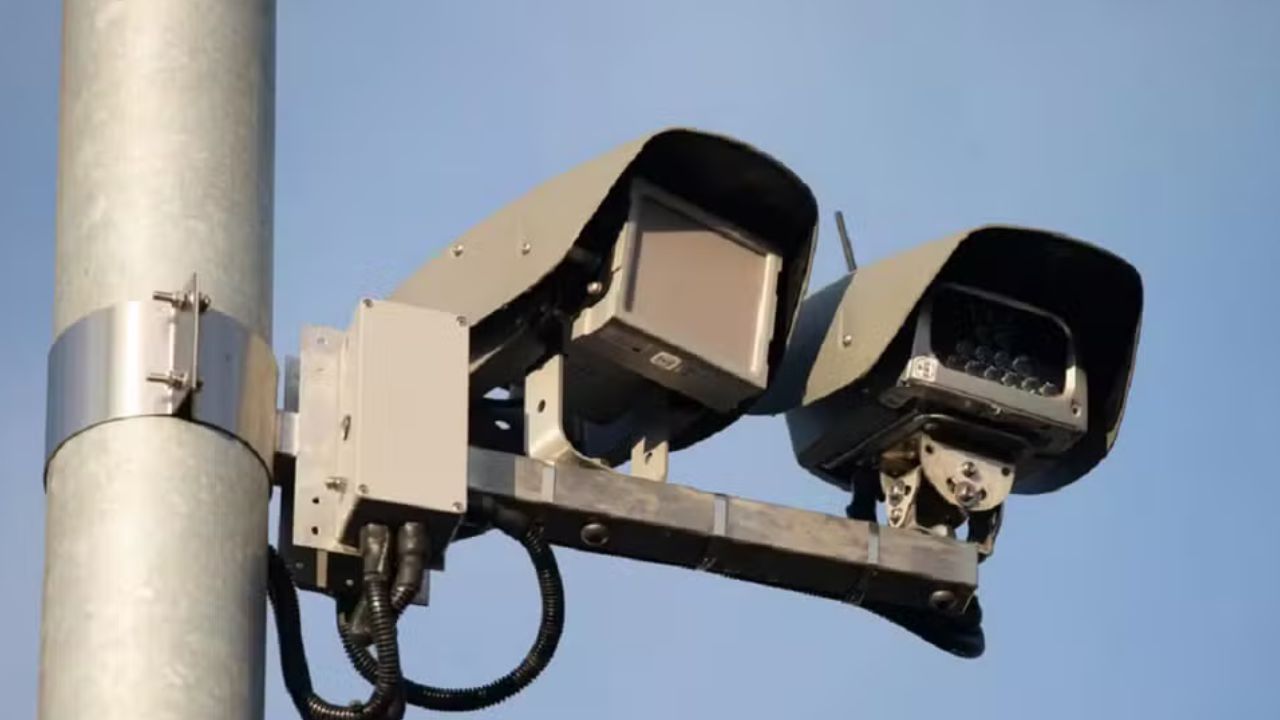
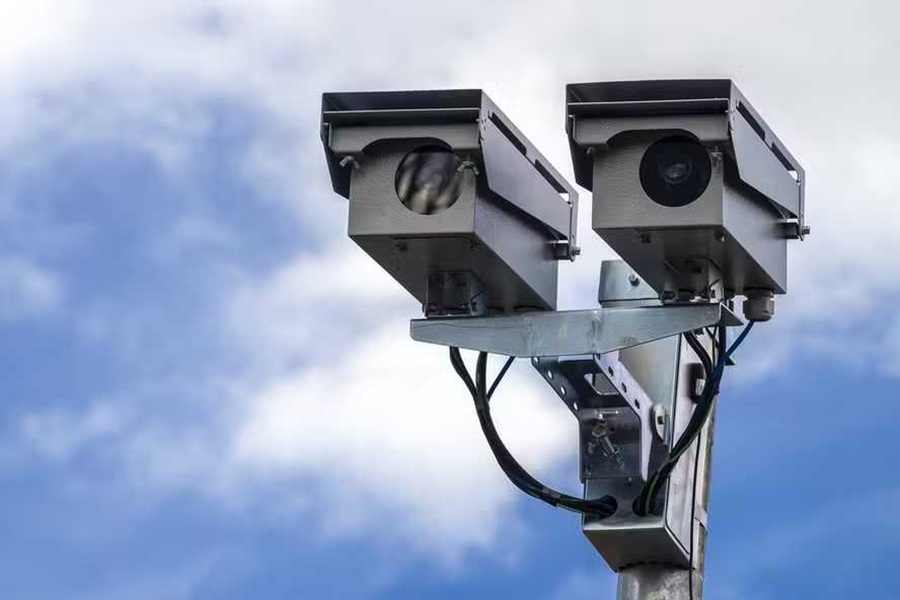
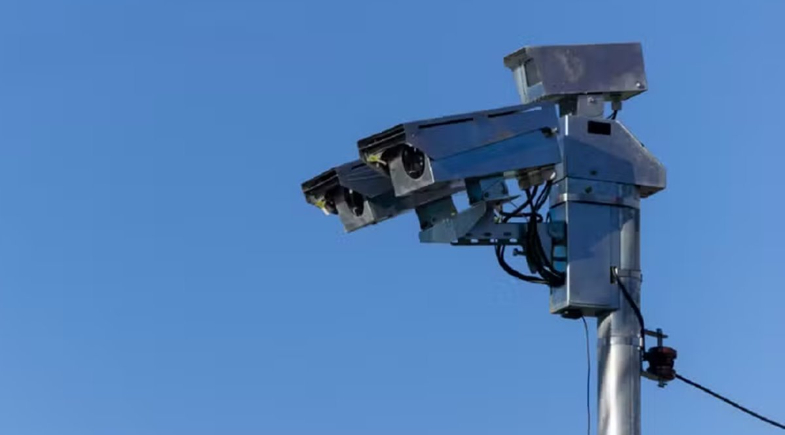
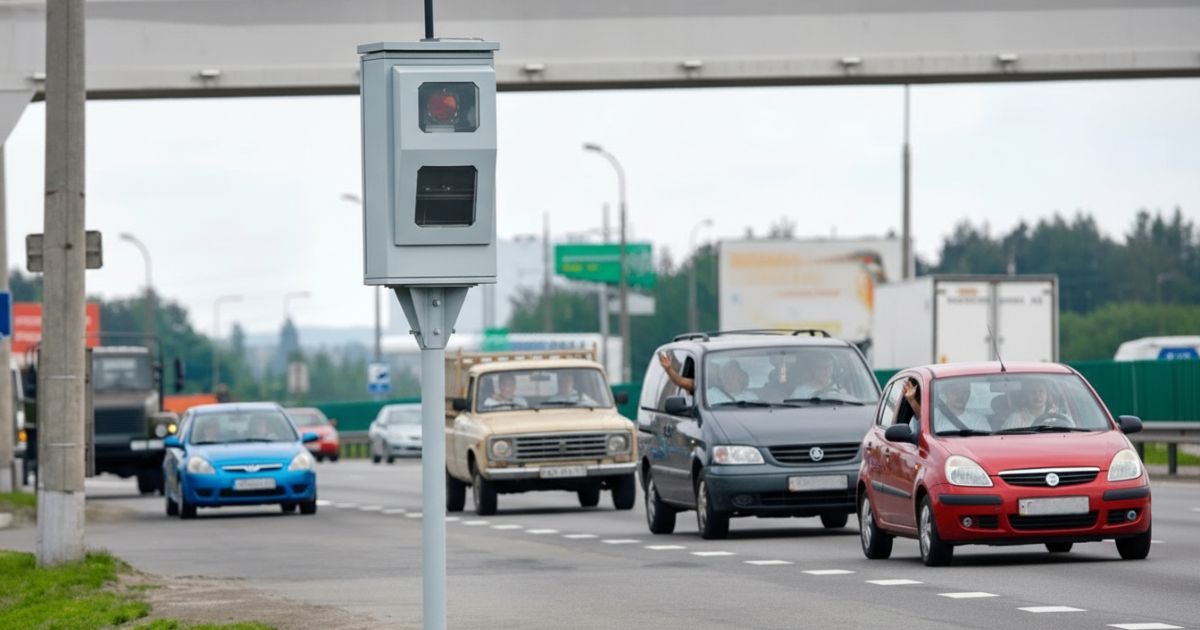
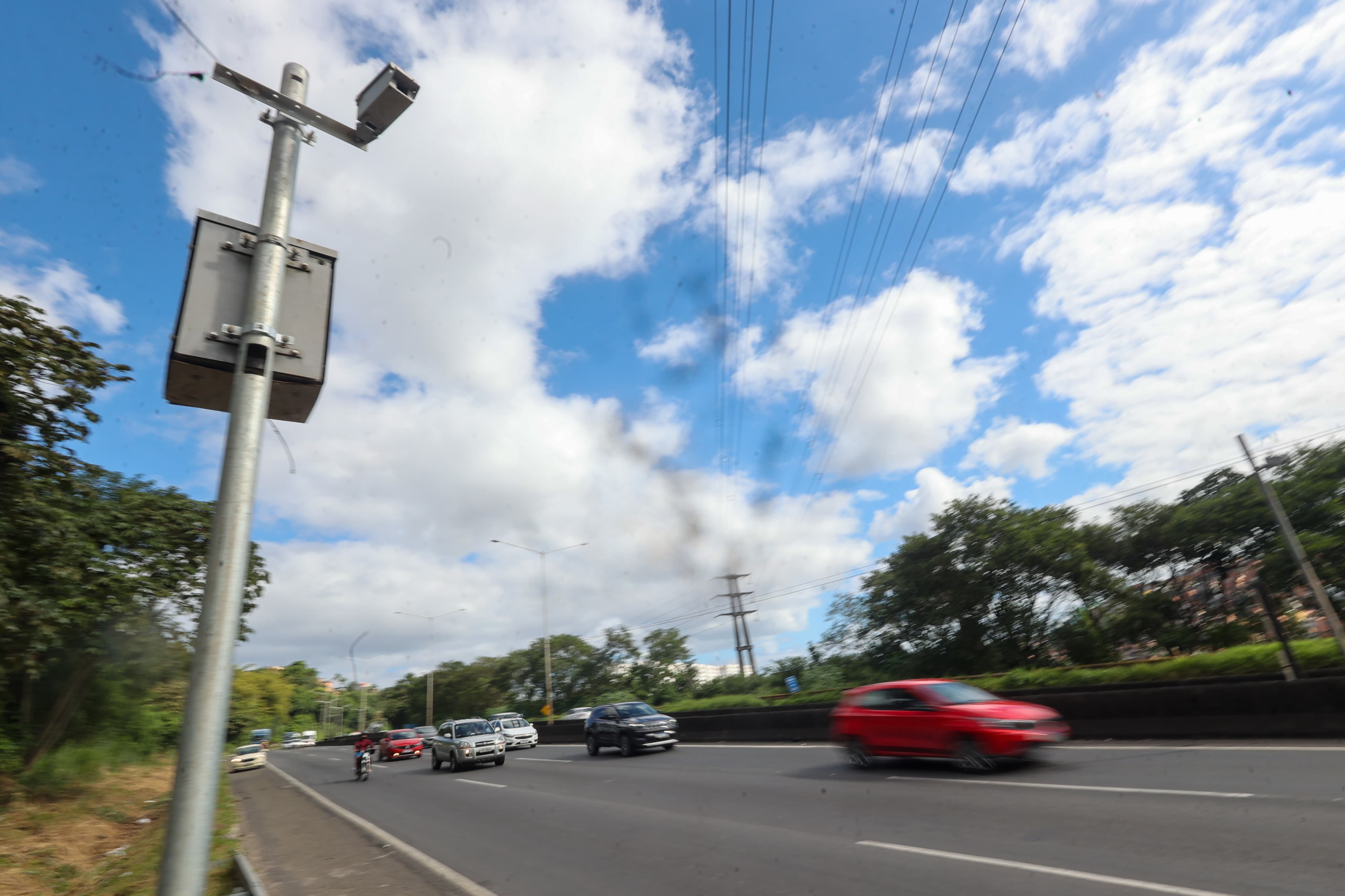
AI-powered traffic radars equipped with 4K cameras and advanced sensors have been deployed on highways in São Paulo and Minas Gerais, Brazil. These systems automatically detect violations such as seatbelt non-use, cellphone handling, and improper child transport, leading to over 20,000 fines in five months and a significant reduction in accidents.[AI generated]

Why's our monitor labelling this an incident or hazard?

The radar systems explicitly use AI to detect traffic violations, which directly impacts road safety by identifying dangerous behaviors and enabling enforcement actions. The reported reduction in accidents indicates a positive effect on public health and safety, which qualifies as harm reduction. Since the AI system's use has directly led to a measurable impact on safety and enforcement, this qualifies as an AI Incident under the definition of harm to health and safety of people.[AI generated]
Industries
Mobility and autonomous vehicles

Affected stakeholders
General public

Harm types
Economic/Property

Severity
AI incident

Business function:
Monitoring and quality control

AI system task:
Recognition/object detection


Articles about this incident or hazard

Thumbnail Image

Como funciona o radar com IA que já aplicou mais de 20 mil multas em rodovias brasileiras

2026-02-15
Correio
Why's our monitor labelling this an incident or hazard?
The radar systems explicitly use AI to detect traffic violations, which directly impacts road safety by identifying dangerous behaviors and enabling enforcement actions. The reported reduction in accidents indicates a positive effect on public health and safety, which qualifies as harm reduction. Since the AI system's use has directly led to a measurable impact on safety and enforcement, this qualifies as an AI Incident under the definition of harm to health and safety of people.
Thumbnail Image

Radar com IA que aplicou 20 mil multas em 5 meses no Brasil

2026-02-15
Notícias ao Minuto Brasil
Why's our monitor labelling this an incident or hazard?
The radar systems use AI to detect traffic violations, which is an AI system by definition. The AI's use has directly led to the issuance of fines (a form of legal enforcement) and contributed to a measurable reduction in accidents, indicating a direct link to harm prevention (health and safety). The AI system's involvement is in its use phase, detecting infractions and enabling enforcement. The article reports realized impacts (fines issued, accident reduction), so this is not merely a potential hazard. The human review of fines does not negate the AI's pivotal role in detection and enforcement. Hence, this is an AI Incident involving indirect harm prevention and enforcement actions related to public safety and health.
Thumbnail Image

Olho vivo no Carnaval: Novos radares com IA identificam celular e cinto de segurança

2026-02-14
Perfil Brasil
Why's our monitor labelling this an incident or hazard?
The article explicitly mentions AI systems integrated into traffic radars that monitor driver behavior and detect violations. The use of these AI systems has directly led to a reduction in accidents, which constitutes harm to health being mitigated. Since the AI system's use has directly influenced safety outcomes and the detection of violations, this qualifies as an AI Incident under the definition of an event where AI use has directly or indirectly led to harm (or reduction of harm) to people.
Thumbnail Image

Como funciona o radar com IA que aplicou 20 mil multas em 5 meses no Brasil - Três Passos News

2026-02-16
Três Passos News
Why's our monitor labelling this an incident or hazard?
The AI system is explicitly involved as it detects traffic infractions using AI-based pattern recognition. The system's outputs lead to human-reviewed fines, contributing to law enforcement and accident reduction. There is no indication of harm caused by the AI system or plausible future harm; rather, the AI system's use is associated with positive safety outcomes. The article mainly provides contextual information about the deployment, capabilities, and effects of AI radar systems in Brazil, without reporting any incident or hazard. Thus, it fits the definition of Complementary Information, as it enhances understanding of AI's societal impact and governance in traffic safety.
Thumbnail Image

Como funciona o radar com IA que aplicou 20 mil multas em 5 meses no Brasil

2026-02-16
Portal meionews.com
Why's our monitor labelling this an incident or hazard?
The AI system is explicitly involved in monitoring traffic and identifying infractions, which is a clear AI system use case. However, the fines are not directly applied by AI but by human review, reducing risks of wrongful penalties. The event reports positive safety outcomes (reduction in accidents) and does not describe any harm or violation of rights. Therefore, this is not an AI Incident or AI Hazard. The article provides contextual information about the AI system's deployment, its operational details, and societal impact, which fits the definition of Complementary Information as it enhances understanding of AI use in traffic enforcement without reporting harm or plausible future harm.
Thumbnail Image

Radares com IA aplicam 20 mil multas nas rodovias do Brasil; veja onde já estão operando

2026-02-18
ND
Why's our monitor labelling this an incident or hazard?
The event involves AI systems explicitly described as using image recognition to detect traffic violations and issue fines. The AI's role is pivotal in identifying infractions that lead to formal penalties, which are a form of harm (legal and regulatory consequences). The system's use is not merely potential but actively resulting in thousands of fines, indicating realized harm. Hence, this fits the definition of an AI Incident due to direct harm caused by the AI system's use in law enforcement and traffic regulation.