US Army Tests AI Systems to Manage Battlefield Data Overload in Europe

Thumbnail Image

The information displayed in the AIM should not be reported as representing the official views of the OECD or of its member countries.

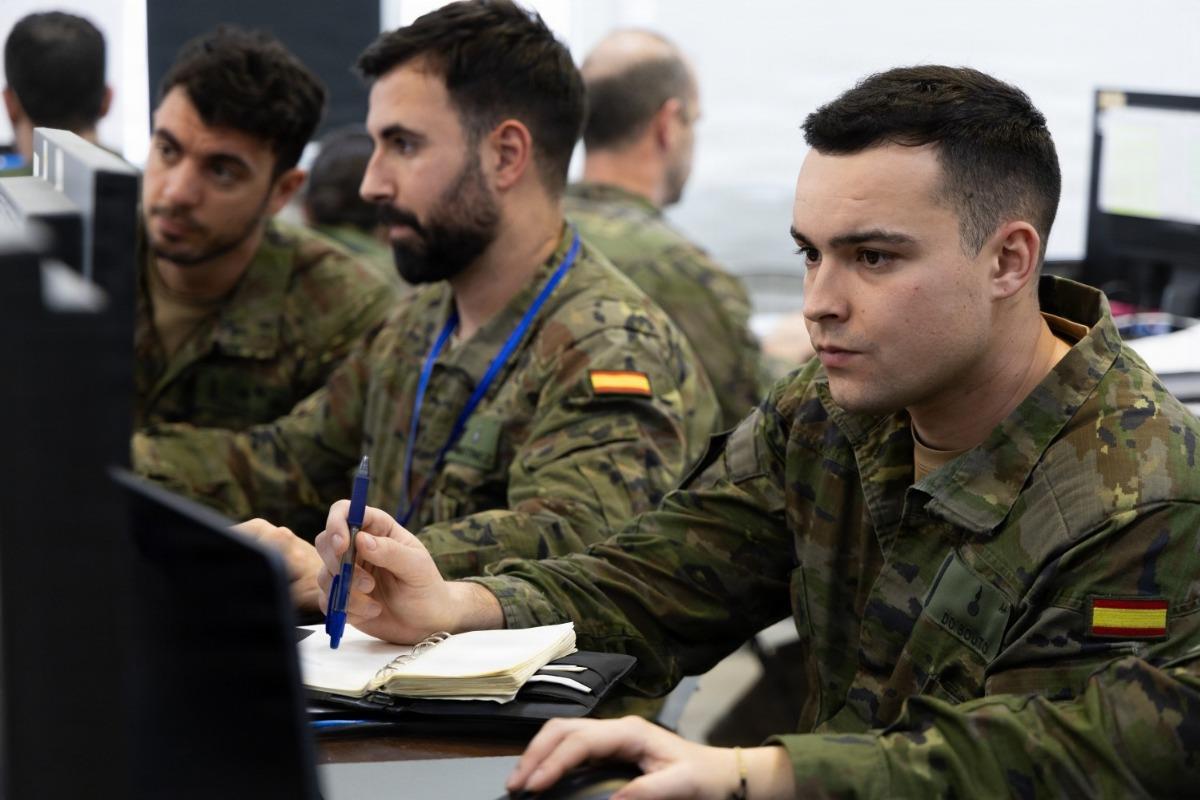
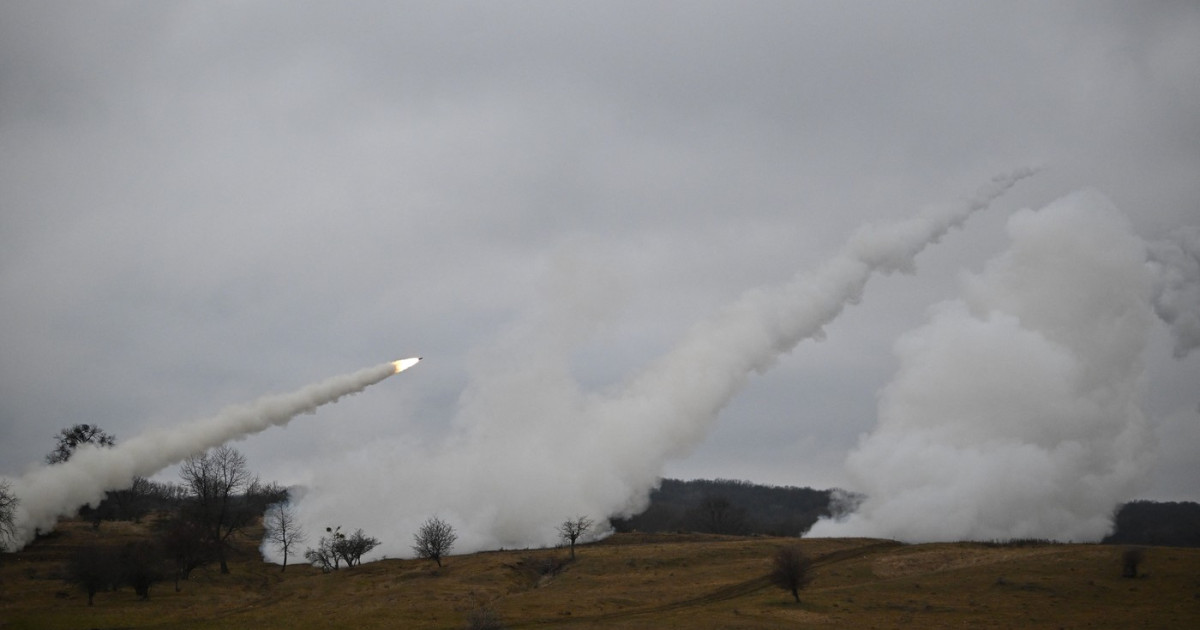
The US Army, alongside NATO allies, tested internally developed AI systems during military exercises in Europe, including Romania, to process and analyze overwhelming battlefield data from sensors and connected weapons. The AI aims to support decision-making, but its future deployment in real conflicts poses potential risks of harm.[AI generated]

Why's our monitor labelling this an incident or hazard?

The article explicitly mentions AI systems used for battlefield data processing and target identification, which are AI systems by definition. The AI is currently in testing during military exercises, so no direct harm has occurred yet. However, the intended use of AI in real combat scenarios to identify and engage targets plausibly could lead to injury or harm to persons, qualifying as a potential AI Incident. Since no harm has yet materialized, the event is best classified as an AI Hazard. The article does not focus on a response or update to a past incident, so it is not Complementary Information. It is clearly related to AI systems and their potential impact, so it is not Unrelated.[AI generated]
AI principles
SafetyRobustness & digital security

Industries
Government, security, and defence

Affected stakeholders
General public

Harm types
Physical (injury)Physical (death)

Severity
AI hazard

AI system task:
Reasoning with knowledge structures/planningGoal-driven organisation


Articles about this incident or hazard

Thumbnail Image

Soldații SUA sunt copleșiți de atât de multe date de pe câmpul de luptă, încât e nevoie de inteligența artificială pentru sortare

2026-02-16
Digi24
Why's our monitor labelling this an incident or hazard?
The article explicitly mentions AI systems used for battlefield data processing and target identification, which are AI systems by definition. The AI is currently in testing during military exercises, so no direct harm has occurred yet. However, the intended use of AI in real combat scenarios to identify and engage targets plausibly could lead to injury or harm to persons, qualifying as a potential AI Incident. Since no harm has yet materialized, the event is best classified as an AI Hazard. The article does not focus on a response or update to a past incident, so it is not Complementary Information. It is clearly related to AI systems and their potential impact, so it is not Unrelated.
Thumbnail Image

Războiul viitorului nu mai e despre gloanțe, ci despre date. Cum ajută inteligența artificială armata SUA și ce exerciții au avut loc în România

2026-02-16
Ziare.com
Why's our monitor labelling this an incident or hazard?
The article explicitly mentions AI systems being developed and tested for military use to analyze battlefield data. Although no harm or incident has occurred yet, the deployment of AI in military decision-making and target analysis in exercises suggests a credible potential for future harm in real conflict scenarios. This fits the definition of an AI Hazard, as the AI system's use could plausibly lead to incidents involving harm to persons or disruption of critical infrastructure in wartime. There is no indication of realized harm or incident, nor is the article primarily about governance or societal responses, so it is not an AI Incident or Complementary Information. Therefore, the event is best classified as an AI Hazard.
Thumbnail Image

Șefii armatei SUA spun că soldații sunt copleșiți de atât de multe date din câmpul de luptă încât este nevoie de inteligența artificială pentru a le înțelege pe toate - Aktual24

2026-02-15
Aktual24
Why's our monitor labelling this an incident or hazard?
The event involves the use and development of AI systems for battlefield data processing and decision support, which clearly qualifies as AI system involvement. The article discusses the AI's use in military exercises and its potential application in real conflict scenarios, indicating plausible future harm due to the critical nature of military targeting and operations. Since no actual harm or incident is reported, but the AI's role could plausibly lead to significant harm in future conflicts, this event fits the definition of an AI Hazard rather than an AI Incident. It is not merely complementary information because the focus is on the AI system's potential to impact battlefield outcomes and the challenges of data overload, not on responses or governance. Therefore, the classification is AI Hazard.
Thumbnail Image

AI intră în prima linie. Armata SUA testează sisteme de inteligență artificială capabile să analizeze mii de ținte pe zi

2026-02-16
comisarul.ro
Why's our monitor labelling this an incident or hazard?
The event involves the use and development of AI systems for military data analysis, which is explicitly described. However, there is no indication that the AI system has caused any injury, rights violations, disruption, or other harms. The system is in testing and intended to support human analysts, with no reported malfunction or misuse leading to harm. Therefore, this is not an AI Incident. While the AI system's deployment in military operations could plausibly lead to future harms, the article does not describe any specific credible risk or near miss event. Instead, it reports on ongoing development and testing, which is informative about AI's evolving role in defense. Hence, the article is best classified as Complementary Information, providing context on AI integration in military operations without describing an incident or hazard.
Thumbnail Image

Soldații americani folosesc inteligența artificială

2026-02-16
Puterea.ro
Why's our monitor labelling this an incident or hazard?
The article explicitly discusses AI systems developed and used by the military to process battlefield data and support combat operations. Although no direct harm or incident is described, the nature of the AI's application in warfare inherently carries a credible risk of causing injury, death, or other serious harms if deployed in conflict. The AI's role in target identification and decision support could plausibly lead to incidents involving harm to persons or communities. Since the article focuses on ongoing testing and future potential use rather than a realized harmful event, it fits the definition of an AI Hazard rather than an AI Incident.
Thumbnail Image

Armata SUA folosește inteligența artificială pentru a sorta informațiile de pe câmpul de luptă. "Ne înecăm în date"

2026-02-17
Ziare.com
Why's our monitor labelling this an incident or hazard?
The event involves AI systems explicitly used for battlefield data processing and decision support, which fits the definition of an AI system. However, there is no indication that the AI's development, use, or malfunction has directly or indirectly caused any harm (such as injury, rights violations, or disruption). The article focuses on the AI's current testing phase and future potential to improve military operations, without reporting realized harm or incidents. Therefore, this event represents a plausible future risk scenario where AI could impact military operations but has not yet caused harm, fitting the definition of an AI Hazard rather than an Incident or Complementary Information.