AI Hiring Tools Lead to Discriminatory Outcomes in US Recruitment

Thumbnail Image

The information displayed in the AIM should not be reported as representing the official views of the OECD or of its member countries.

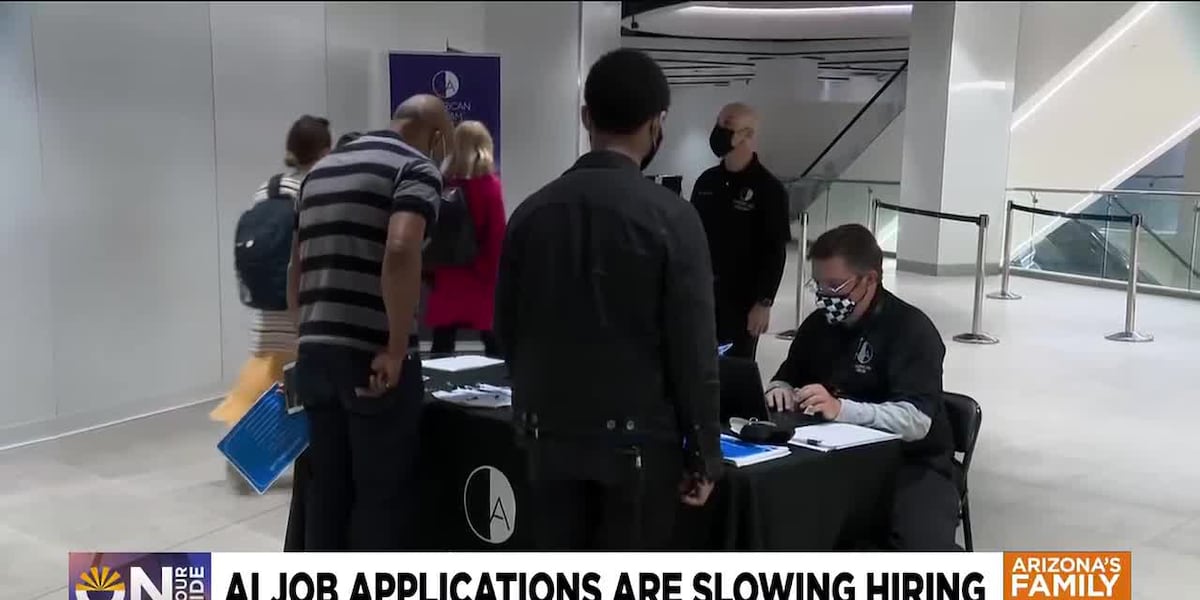
In the US, AI-powered recruitment tools have led to discriminatory hiring outcomes, violating labor and civil rights laws. Employers' reliance on automated candidate screening has resulted in unlawful bias against job applicants, prompting legal and regulatory scrutiny over the use of AI in hiring processes.[AI generated]

Why's our monitor labelling this an incident or hazard?

The event involves an AI system explicitly mentioned as being used in hiring decisions, which allegedly caused discriminatory outcomes against job applicants, constituting a violation of labor and civil rights laws. This fits the definition of an AI Incident because the AI system's use has directly led to harm in the form of unlawful discrimination, a breach of obligations intended to protect fundamental and labor rights. The article focuses on the realized harm and legal consequences, not just potential risks or general AI developments.[AI generated]
AI principles
FairnessRespect of human rights

Industries
Business processes and support services

Affected stakeholders
Workers

Harm types
Human or fundamental rightsEconomic/Property

Severity
AI incident

Business function:
Human resource management

AI system task:
Organisation/recommenders


Articles about this incident or hazard

Thumbnail Image

When Artificial Intelligence Discriminates: Employer Compliance in the Rise of AI Hiring (US)

2026-02-19
Lexology
Why's our monitor labelling this an incident or hazard?
The event involves an AI system explicitly mentioned as being used in hiring decisions, which allegedly caused discriminatory outcomes against job applicants, constituting a violation of labor and civil rights laws. This fits the definition of an AI Incident because the AI system's use has directly led to harm in the form of unlawful discrimination, a breach of obligations intended to protect fundamental and labor rights. The article focuses on the realized harm and legal consequences, not just potential risks or general AI developments.
Thumbnail Image

Why Employers Are Starting to Ban AI During Hiring - Times Square Chronicles

2026-02-19
Times Square Chronicles Newspaper - T2C - Times Square News
Why's our monitor labelling this an incident or hazard?
The article centers on the implications of AI use in job applications and the adjustments employers are making to maintain authenticity in hiring. While AI systems are involved in generating application materials and screening, the article does not describe any realized harm such as discrimination, rights violations, or other damages. It also does not present a plausible future harm scenario but rather discusses current adaptations and concerns. Therefore, the content fits best as Complementary Information, providing context and insight into societal and governance responses to AI in recruitment rather than reporting an AI Incident or AI Hazard.
Thumbnail Image

Ensuring fairness and transparency in AI-based recruitment

2026-02-17
Online recruitment magazine
Why's our monitor labelling this an incident or hazard?
The article centers on the potential risks and necessary safeguards when using AI in recruitment, including bias and data protection issues, but does not describe any actual harm or incident caused by AI systems. It serves as an advisory and educational piece outlining how to avoid AI-related harms and comply with legal frameworks. Therefore, it fits the definition of Complementary Information, as it provides context, guidance, and governance-related responses to AI use without reporting a new AI Incident or AI Hazard.
Thumbnail Image

AI Hiring Tools: Are They Actually Slowing Down Recruitment? - News Directory 3

2026-02-18
News Directory 3
Why's our monitor labelling this an incident or hazard?
The article clearly involves AI systems used in recruitment and discusses their impact on hiring outcomes, including potential harms such as bias and fairness issues. However, it does not describe a particular event or circumstance where AI use has directly or indirectly caused realized harm meeting the criteria for an AI Incident. Nor does it describe a specific event or circumstance that plausibly could lead to harm in the future as a hazard. Instead, it provides a broad overview and critique of AI's role in hiring, making it a piece of complementary information that informs about societal and governance responses and challenges related to AI in recruitment.
Thumbnail Image

Ex-Google executive puts AI hiring under scrutiny

2026-03-18
CityAM
Why's our monitor labelling this an incident or hazard?
The article clearly involves AI systems used in recruitment and their potential to cause harm through biased decision-making and lack of transparency. However, it does not describe a specific event where harm has directly or indirectly occurred due to these AI systems. Instead, it highlights the plausible risks and regulatory responses to these risks. Therefore, the event is best classified as an AI Hazard, since the AI systems' use in hiring could plausibly lead to violations of rights and harm to individuals, but no concrete incident of harm is reported in this article.
Thumbnail Image

Qualified but Overlooked: Ohio veteran says AI is costing him jobs

2026-03-20
Spectrum News Bay News 9
Why's our monitor labelling this an incident or hazard?
The article explicitly discusses AI systems used in resume screening and candidate evaluation that have directly led to harm by excluding qualified candidates from job opportunities, which is a violation of labor rights and causes significant personal and economic harm. The AI's role in perpetuating bias and filtering out candidates without degrees, despite their experience, is a direct cause of the harm described. Therefore, this qualifies as an AI Incident under the framework, as the AI system's use has directly led to harm to individuals' employment prospects and rights.
Thumbnail Image

AI, algorithms, and bias: How technology is creating new frontiers for discrimination law

2026-03-20
Yahoo
Why's our monitor labelling this an incident or hazard?
The article explicitly describes AI systems used in hiring that have caused biased and discriminatory outcomes, which constitute violations of human and labor rights. It references ongoing legal cases and regulatory scrutiny addressing these harms, indicating that the AI systems' use has directly led to realized harm. Therefore, this qualifies as an AI Incident under the framework, as the AI system's use has directly led to violations of rights and discrimination in employment.
Thumbnail Image

Major Banks Face Investigation Over AI Hiring Tools: What Applicants Need to Know

2026-03-20
Technology Org
Why's our monitor labelling this an incident or hazard?
The article explicitly discusses AI hiring tools used by major banks that have led to discriminatory outcomes against protected groups, which is a breach of labor and human rights laws. The AI systems' biased decision-making has caused harm to job applicants by unfairly rejecting qualified candidates, fulfilling the criteria for an AI Incident. The investigation and legal scrutiny further confirm that the AI system's use has resulted in realized harm, not just potential risk. Hence, this is classified as an AI Incident rather than a hazard or complementary information.
Thumbnail Image

Why A Former Google Cloud Exec Is Testifying About AI Discrimination In U.S. Hiring | ABC Money

2026-03-18
ABC Money
Why's our monitor labelling this an incident or hazard?
The article explicitly involves AI systems used in hiring decisions, which are trained on historical data and have caused biased outcomes affecting candidates' employment prospects. This is a clear example of harm to human rights and labor rights due to AI use. The testimony and lawsuits indicate that the harm is realized and significant. The AI system's use in recruitment is central to the harm described, fulfilling the criteria for an AI Incident rather than a hazard or complementary information. The article does not merely discuss potential future harm or responses but focuses on actual harm and legal proceedings related to AI discrimination in hiring.