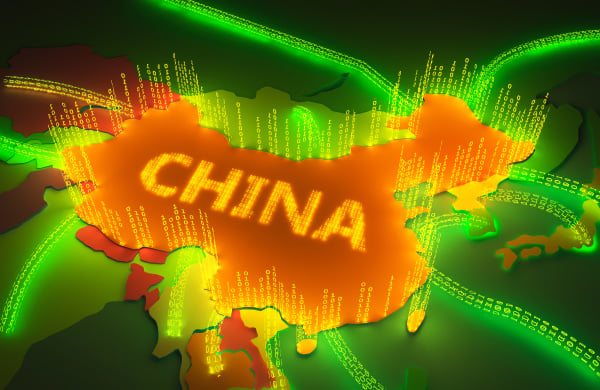
US Launches AI-Driven Platform to Bypass Internet Censorship in China and Iran

Thumbnail Image

The information displayed in the AIM should not be reported as representing the official views of the OECD or of its member countries.

The US State Department, led by Secretary Marco Rubio, is launching Freedom.gov, an open-source, AI-enhanced platform designed to help users in China, Iran, and other censored countries bypass internet restrictions. The platform uses advanced anonymization and VPN technologies to promote free expression and privacy.[AI generated]

Why's our monitor labelling this an incident or hazard?

The platform involves AI-related systems (VPN, anonymization, open-source software with privacy protections) designed to bypass internet censorship, which is a clear AI system involvement. The event stems from the use and deployment of this AI system. Although the platform aims to promote human rights (freedom of expression), its deployment could plausibly lead to harms such as political disruption, retaliation by authoritarian regimes, or other significant societal impacts. Since the article does not describe any actual harm or incident caused by the system yet, but highlights the potential for major changes and risks, it fits the definition of an AI Hazard rather than an AI Incident or Complementary Information. It is not unrelated because it clearly involves AI systems and their societal implications.[AI generated]

Industries
Digital securityGovernment, security, and defence

Severity
AI hazard

Business function:
Citizen/customer service

AI system task:
Event/anomaly detectionOrganisation/recommenders


Articles about this incident or hazard

Thumbnail Image

美國將推出破網平台 繞過中共伊朗等網絡審查 | Freedom.gov | 一鍵翻牆 | 美國國務院 | 新唐人电视台

2026-02-23
www.ntdtv.com
Why's our monitor labelling this an incident or hazard?
The platform involves AI-related systems (VPN, anonymization, open-source software with privacy protections) designed to bypass internet censorship, which is a clear AI system involvement. The event stems from the use and deployment of this AI system. Although the platform aims to promote human rights (freedom of expression), its deployment could plausibly lead to harms such as political disruption, retaliation by authoritarian regimes, or other significant societal impacts. Since the article does not describe any actual harm or incident caused by the system yet, but highlights the potential for major changes and risks, it fits the definition of an AI Hazard rather than an AI Incident or Complementary Information. It is not unrelated because it clearly involves AI systems and their societal implications.
Thumbnail Image

破網平台​​Freedom.gov上線 美國向中共防火牆宣戰 | 翻牆技術 | 網絡審查 | 盧比奧 | 新唐人电视台

2026-02-24
www.ntdtv.com
Why's our monitor labelling this an incident or hazard?
The event involves the use of advanced technology (likely including AI or sophisticated algorithms) to bypass internet censorship, which can be reasonably inferred as involving AI systems given the complexity of such platforms. However, the article does not describe any direct or indirect harm caused by the system's development or use so far. The focus is on the launch and potential impact of the platform, which could plausibly lead to significant societal changes or conflicts with authoritarian regimes. This fits the definition of an AI Hazard, as the technology's use could plausibly lead to incidents involving harm to communities or violations of rights in the future, but no harm has yet occurred or been reported.
Thumbnail Image

美推破網平台 助中國、伊朗公民「翻牆」 | Freedom.gov | 網路審查 | 數位自由 | 新唐人电视台

2026-02-25
www.ntdtv.com
Why's our monitor labelling this an incident or hazard?
The article explicitly discusses a platform that uses advanced technology to bypass internet censorship, which likely involves AI systems for tasks such as anonymization and dynamic circumvention of network controls. Although no direct harm has occurred yet, the platform's use could plausibly lead to significant societal and political impacts, including disruption of authoritarian regimes' control over information. This fits the definition of an AI Hazard, as the AI system's use could plausibly lead to harm (e.g., disruption of political control, impact on communities). There is no indication of realized harm or incident, so it is not an AI Incident. The article is not merely complementary information or unrelated, as it focuses on the potential impact of the AI-enabled platform.
Thumbnail Image

美國「國家級翻牆」重磅登場 中共防火牆將倒人民歡呼(圖) - 新聞 美國 - 看中國新聞網 - 海外華人 歷史秘聞 大陸時政 -

2026-02-23
看中国
Why's our monitor labelling this an incident or hazard?
The event involves an AI system or AI-related technology insofar as it uses advanced traffic routing and anonymization technologies that likely incorporate AI components to optimize and manage network connections and censorship circumvention. The platform's use is intended to overcome state-imposed internet restrictions, which directly relates to violations of rights (freedom of expression and access to information) under applicable law. Although no direct harm is reported, the platform's deployment could plausibly lead to significant impacts on human rights and information freedom, potentially disrupting authoritarian control. Therefore, this event is best classified as an AI Hazard because it plausibly could lead to an AI Incident involving violations of rights and harm to communities through the disruption of censorship and information control.
Thumbnail Image

史無前例 美利堅親自下場「拆牆」(圖) - 時評 - 陳靜

2026-02-23
看中国
Why's our monitor labelling this an incident or hazard?
The Freedom.gov tool is an AI-related system (advanced VPN with anonymization and open-source code) developed and deployed by the U.S. government to circumvent censorship. The article does not report any realized harm but discusses the potential for this tool to disrupt authoritarian regimes by enabling free information flow, which could plausibly lead to significant societal and political impacts. This fits the definition of an AI Hazard, as the AI system's use could plausibly lead to harm (harm to communities and political stability). There is no indication of direct or indirect harm having occurred yet, so it is not an AI Incident. The article is not merely complementary information or unrelated, as it focuses on the strategic deployment and potential consequences of this AI system.
Thumbnail Image

穿透中共「數字鐵幕」 美國務院將推出翻牆服務(圖) - 科技 -

2026-02-24
看中国
Why's our monitor labelling this an incident or hazard?
The article explicitly mentions the development and deployment of an AI-related system (Freedom.gov) that uses VPN-like technology to bypass censorship, which involves AI system use. However, there is no indication that the system has caused any injury, rights violations, disruption, or other harms. Instead, it is a government initiative aimed at promoting access to information and countering digital authoritarianism. The article focuses on the system's design, purpose, and potential impact rather than any realized or imminent harm. Thus, it does not meet the criteria for AI Incident or AI Hazard. It fits the definition of Complementary Information as it provides important context and updates on AI-related governance and societal responses to digital censorship.
Thumbnail Image

王赫:川普已有一套挑戰中共政權的計劃? | 破網 | 防火牆 | 中央情報局 | 大紀元

2026-02-25
The Epoch Times
Why's our monitor labelling this an incident or hazard?
The article explicitly mentions the development and imminent launch of an AI-based platform to break through China's internet censorship, which involves AI system use. The platform's purpose is to enable access to uncensored information, potentially destabilizing the Chinese regime, which constitutes plausible future harm to the political stability and communities. Additionally, the CIA's use of AI-enhanced recruitment videos targeting Chinese officials is a strategic use of AI to undermine the regime. Since the article discusses potential and ongoing strategic uses of AI that could plausibly lead to significant harm but does not report actual realized harm or injury, the event fits the definition of an AI Hazard rather than an AI Incident or Complementary Information. It is not unrelated because AI systems are central to the described activities.
Thumbnail Image

分析:美重大戰略變化 為中國人爭信息自由 | 美國 | 中國民眾 | 大紀元

2026-02-25
The Epoch Times
Why's our monitor labelling this an incident or hazard?
The event involves the development and use of AI-related technology (anti-censorship tools likely employing sophisticated algorithms to bypass censorship) by the U.S. government to promote information freedom. While no direct harm has occurred, the article clearly indicates that these tools could plausibly lead to significant impacts on information freedom and political dynamics, potentially disrupting authoritarian control and enabling human rights (freedom of information). Therefore, this constitutes an AI Hazard, as the AI system's use could plausibly lead to significant societal harm or benefit, but no direct harm is reported yet. It is not an AI Incident because no harm has materialized, nor is it merely Complementary Information or Unrelated, as the focus is on the development and deployment of AI-enabled tools with potential for significant impact.
Thumbnail Image

千百度:美國對全球數字鐵幕的有力一擊 | 翻牆工具 | 游擊隊 | 網絡自由 | 大紀元

2026-02-25
The Epoch Times
Why's our monitor labelling this an incident or hazard?
Freedom.gov is an AI system designed to circumvent internet censorship, involving AI technologies for routing and anonymity. However, the article does not describe any harm or violation caused by the system, nor does it indicate plausible future harm from its deployment. Instead, it details the U.S. government's strategic deployment of this platform as a tool for promoting digital freedom, which is a governance and societal response to digital authoritarianism. Thus, the event fits the definition of Complementary Information, as it provides important context and updates on AI-related governance and strategic use without reporting an incident or hazard.
Thumbnail Image

王赫:川普已有一套挑戰中共政權的計劃? | 破網 | 防火牆 | 中央情報局 | 新唐人电视台

2026-02-25
www.ntdtv.com
Why's our monitor labelling this an incident or hazard?
The article explicitly mentions the development and imminent deployment of an advanced internet platform (Freedom.gov) that uses technology to bypass censorship, which likely involves AI or sophisticated algorithms to provide uncensored access securely and anonymously. Additionally, the CIA's recruitment videos and information campaigns use digital platforms and possibly AI-driven targeting to influence Chinese officials. Although no direct harm or incident is reported, these actions could plausibly lead to significant political and social disruption, qualifying as AI Hazards. The article focuses on potential strategic impacts rather than realized harms or responses, so it does not meet criteria for AI Incident or Complementary Information. It is not unrelated because AI or advanced technology is reasonably inferred in the described systems and their geopolitical use.
Thumbnail Image

美將推破網平台 中國民眾叫好| 台灣大紀元

2026-02-25
大紀元時報 - 台灣(The Epoch Times - Taiwan)
Why's our monitor labelling this an incident or hazard?
The event involves the development and intended use of an AI system (Freedom.gov) designed to circumvent internet censorship through AI-enabled VPN and anonymization technologies. Although the platform aims to promote information freedom and human rights, its deployment could plausibly lead to significant disruptions in authoritarian regimes' control over information, which constitutes a credible risk of harm (to communities and rights violations). Since no actual harm or incident has yet occurred, but the potential for harm is credible and central to the event, it fits the definition of an AI Hazard rather than an AI Incident or Complementary Information. The article does not describe realized harm but focuses on the platform's launch and potential impact, excluding it from being Complementary Information or Unrelated.