AI Chatbot Security Flaws Lead to Data Exposure Risks in South Korea

Thumbnail Image

The information displayed in the AIM should not be reported as representing the official views of the OECD or of its member countries.

South Korean companies face rising cybersecurity threats from AI systems, particularly generative AI and AI agents. Incidents include AI chatbots generating sensitive data upon request, highlighting risks of data leaks and unauthorized actions. Experts urge strict access controls, comprehensive AI audits, and real-time monitoring to mitigate these AI-driven security vulnerabilities.[AI generated]

Why's our monitor labelling this an incident or hazard?

The article explicitly mentions AI systems (AI agents) and their autonomous operation, which fits the definition of AI systems. It discusses the potential for these AI systems to cause security threats that could lead to harm such as data breaches and system damage, which aligns with plausible future harm (AI Hazard). However, there is no description of an actual AI-related security incident or realized harm occurring at the time of the report. The focus is on forecasting and advising on emerging threats and mitigation measures, which fits the definition of an AI Hazard rather than an AI Incident or Complementary Information. Therefore, the event is best classified as an AI Hazard.[AI generated]
AI principles
Privacy & data governanceRobustness & digital security

Industries
Digital securityIT infrastructure and hosting

Affected stakeholders
Business

Harm types
Economic/PropertyHuman or fundamental rightsReputational

Severity
AI hazard

AI system task:
Content generationInteraction support/chatbots


Articles about this incident or hazard

Thumbnail Image

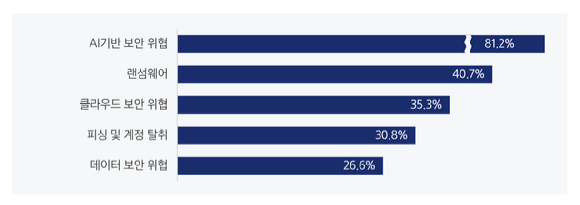
올해 기업에 영향 미칠 5대 사이버 보안 위협은?

2026-02-23
Chosun.com
Why's our monitor labelling this an incident or hazard?
The article does not report a specific AI Incident where harm has occurred due to AI system use or malfunction. It also does not describe a particular AI Hazard event where an AI system's development or use has plausibly led to harm but rather discusses general potential threats and strategic responses. The focus is on raising awareness and recommending AI-based security measures, which fits the definition of Complementary Information as it provides context, expert opinion, and guidance related to AI security risks without detailing a concrete incident or hazard.
Thumbnail Image

믿었던 '일잘러 비서'에 회사기밀 줄줄 샌다...100% 신뢰 말라는데 - 매일경제

2026-02-23
mk.co.kr
Why's our monitor labelling this an incident or hazard?
The article explicitly mentions AI chatbots and AI agents connected to corporate data systems that have either already caused or could cause data leaks and security breaches. The example of the AI chatbot disclosing customer information due to weak order number validation is a direct incident of harm caused by AI system misuse or poor design. The discussion of AI agents with excessive permissions causing unauthorized data access or system damage further supports the presence of realized or ongoing harm. The harms include violations of privacy rights and potential damage to company property and community trust. The AI systems' development, use, and malfunction are central to these harms, meeting the criteria for an AI Incident rather than a hazard or complementary information.
Thumbnail Image

"AI 에이전트 확산이 보안 위협 키운다"···삼성SDS, 5대 위협 발표

2026-02-23
경향신문
Why's our monitor labelling this an incident or hazard?
The article explicitly mentions AI systems (AI agents) and their autonomous operation, which fits the definition of AI systems. It discusses the potential for these AI systems to cause security threats that could lead to harm such as data breaches and system damage, which aligns with plausible future harm (AI Hazard). However, there is no description of an actual AI-related security incident or realized harm occurring at the time of the report. The focus is on forecasting and advising on emerging threats and mitigation measures, which fits the definition of an AI Hazard rather than an AI Incident or Complementary Information. Therefore, the event is best classified as an AI Hazard.
Thumbnail Image

삼성SDS "생성형 AI 확산이 새로운 보안 위협 증폭"

2026-02-23
아시아경제
Why's our monitor labelling this an incident or hazard?
The article explicitly mentions AI systems and AI agents as sources of potential cybersecurity threats, indicating the presence of AI systems. The focus is on the potential for these AI systems to cause harm through misuse or abuse, such as data breaches or system compromise, which could plausibly lead to significant security incidents. Since no actual harm or incident is reported, and the content centers on warnings and recommended preventive measures, this fits the definition of an AI Hazard rather than an AI Incident or Complementary Information.
Thumbnail Image

AI 악용·랜섬웨어 주의"...삼성SDS, '5대 사이버 보안 위협' 선정

2026-02-23
Chosunbiz
Why's our monitor labelling this an incident or hazard?
The article explicitly mentions AI misuse and abuse as a cybersecurity threat that could amplify attacks like phishing and data breaches. It discusses the development and use of AI agents that could autonomously perform sensitive tasks, which could plausibly lead to security incidents if not properly controlled. Since no actual AI-caused harm or incident is reported, but a credible risk is identified, this fits the definition of an AI Hazard. The article also covers other cybersecurity threats but the AI-related content focuses on potential future harm and mitigation strategies, not on an ongoing or past AI Incident.
Thumbnail Image

삼성SDS, 보안 5대 위협 경고...AI 악용·랜섬웨어 '정조준' - 이비엔(EBN)뉴스센터

2026-02-23
이비엔(EBN)뉴스센터
Why's our monitor labelling this an incident or hazard?
The article explicitly mentions AI systems (generative AI, AI agents) and their potential misuse leading to security incidents such as data leaks and unauthorized system changes. However, it does not describe any realized harm or incident but rather warns about plausible future risks and suggests defensive measures. Therefore, this qualifies as an AI Hazard, since the development and use of AI systems could plausibly lead to incidents involving harm to data security and organizational operations, but no direct or indirect harm has yet materialized according to the article.
Thumbnail Image

생성형 AI시대, 핵심은 '보안'이다

2026-02-23
시사위크
Why's our monitor labelling this an incident or hazard?
The article explicitly involves AI systems (generative AI and AI agents) and their potential misuse or malfunction leading to cybersecurity harms such as data leaks and unauthorized operations. However, it does not describe any specific event where such harm has already occurred. Instead, it presents expert warnings, survey data, and recommendations for AI guardrails to prevent future incidents. Therefore, the event qualifies as an AI Hazard because it plausibly could lead to AI incidents in the future but does not report a current incident. It is not Complementary Information because it is not updating or following up on a specific past incident, nor is it unrelated as it clearly concerns AI security risks.
Thumbnail Image

해커로 돌변하는 AI ... 민감 데이터는 반드시 인간이 관리해야

2026-02-23
MK스포츠
Why's our monitor labelling this an incident or hazard?
The article explicitly involves AI systems (AI chatbots, AI agents) whose use and design flaws have led to or could lead to data breaches and privacy violations, which are harms to individuals and communities. The AI systems' malfunction or misuse is central to these harms. The article describes actual incidents (e.g., AI chatbot revealing customer data, whitehat hacker exploiting AI chatbot vulnerabilities) and ongoing risks, indicating realized harm and direct AI involvement. Hence, this is an AI Incident rather than a hazard or complementary information.
Thumbnail Image

삼성SDS, 올해 '5대 사이버 보안 위협' 제시

2026-02-23
한스경제
Why's our monitor labelling this an incident or hazard?
The article explicitly mentions AI systems (AI agents and generative AI) and their potential misuse leading to cybersecurity threats such as data leakage and unauthorized system operations. These threats could plausibly lead to AI incidents involving harm to data security and organizational operations. However, the article does not describe any specific realized harm or incidents caused by AI systems; it focuses on forecasting threats and recommending preventive measures. This fits the definition of an AI Hazard, as it outlines credible risks that could plausibly lead to AI incidents in the future but does not document actual harm yet.
Thumbnail Image

삼성SDS, "AI 시대 보안 패러다임 전환"···5대 사이버 위협 제시 - 스마트비즈

2026-02-23
스마트비즈
Why's our monitor labelling this an incident or hazard?
The article outlines AI-related cybersecurity threats and the necessity for AI-based security measures, which constitutes complementary information about the AI ecosystem and its risks. There is no description of a concrete AI Incident (harm realized) or a specific AI Hazard (a particular event plausibly leading to harm). Instead, it provides a strategic overview and guidance on emerging AI-driven cyber threats and defenses, fitting the definition of Complementary Information.
Thumbnail Image

AI가 키운 보안 리스크···삼성SDS "2026년, 기업 해킹 전면전 온다

2026-02-23
이뉴스투데이
Why's our monitor labelling this an incident or hazard?
The article involves AI systems in the context of cybersecurity threats and risks that could plausibly lead to harm in the future, such as data breaches, system damage, and complex cyberattacks. However, it does not describe any actual AI-related harm or incident that has already occurred. Instead, it provides an expert assessment and recommendations for mitigating potential AI-driven security risks. Therefore, this event fits the definition of an AI Hazard, as it outlines credible future risks stemming from AI system development and use without reporting a realized incident.
Thumbnail Image

삼성SDS "AI 에이전트 확산으로 보안 위협 증가⋯AI 기반 보안솔루션 선제 대응해야"

2026-02-23
inews24
Why's our monitor labelling this an incident or hazard?
The article explicitly mentions AI systems (AI agents) and their role in increasing cybersecurity threats, which could plausibly lead to harms such as data breaches, financial loss, and disruption of services. Since no actual harm or incident is reported but a credible risk of future harm is highlighted, this qualifies as an AI Hazard. The focus is on potential threats and recommended proactive measures rather than on an ongoing or past AI Incident.
Thumbnail Image

삼성SDS, '2026년 5대 사이버 보안 위협' 발표

2026-02-23
포인트데일리
Why's our monitor labelling this an incident or hazard?
The article does not report any specific AI-related harm or incident that has occurred but rather warns about plausible future AI-driven cybersecurity threats and suggests preventive strategies. Therefore, it fits the definition of an AI Hazard, as it identifies credible risks that AI systems could lead to cybersecurity incidents if not properly managed, but no actual harm has yet materialized.
Thumbnail Image

삼성SDS, '2026년 5대 사이버 보안 위협' 발표

2026-02-23
디지털투데이 (DigitalToday)
Why's our monitor labelling this an incident or hazard?
The article centers on forecasting and warning about plausible future AI-related cybersecurity threats, which could lead to harm if realized. It does not describe any realized harm or incidents caused by AI systems, nor does it report on responses to past incidents. Therefore, it fits the definition of an AI Hazard, as it outlines credible potential risks from AI misuse in cybersecurity without evidence of actual harm yet occurring.
Thumbnail Image

삼성SDS, 올해 '5대 사이버 보안 위협' 발표...선제적 대응 필요 - 굿모닝경제

2026-02-23
굿모닝경제
Why's our monitor labelling this an incident or hazard?
The article explicitly mentions AI misuse and AI agents as sources of cybersecurity threats that could lead to data leaks, unauthorized operations, and system damage. These represent plausible future harms stemming from AI system use or misuse. However, the article does not describe any specific incident where AI systems have directly or indirectly caused harm. Instead, it provides an analysis and recommendations for preemptive responses to anticipated AI-related security risks. Therefore, this qualifies as an AI Hazard, reflecting credible potential for harm but no realized incident.
Thumbnail Image

삼성SDS, '2026년 5대 사이버 보안 위협' 발표..."AI 악용·랜섬웨어 주의

2026-02-23
매일일보
Why's our monitor labelling this an incident or hazard?
The article explicitly mentions AI systems (AI agents, generative AI) and their potential misuse leading to cybersecurity threats such as data leaks and unauthorized system actions. However, it does not report any realized harm or incident caused by AI but rather forecasts and warns about possible future threats. Therefore, it fits the definition of an AI Hazard, as it describes circumstances where AI use could plausibly lead to harm but no direct or indirect harm has yet occurred. The article also includes recommendations for mitigation, but these do not constitute complementary information about a past incident; the focus is on future risk.
Thumbnail Image

삼성SDS, 2026년 5대 사이버 보안 위협 발표

2026-02-23
팝콘뉴스
Why's our monitor labelling this an incident or hazard?
The article explicitly mentions AI systems (AI agents) and their potential misuse leading to security threats, which could plausibly cause harm such as data breaches or system damage. However, it does not describe any realized harm or incidents resulting from AI misuse. Instead, it provides a forward-looking analysis and recommended corporate strategies to mitigate these risks. Therefore, this event fits the definition of an AI Hazard, as it concerns plausible future harms from AI system misuse but does not report an actual AI Incident or harm that has occurred.
Thumbnail Image

삼성SDS "5대 사이버 보안 위협, AI·랜섬웨어·클라우드·피싱·데이터"

2026-02-23
비즈니스포스트
Why's our monitor labelling this an incident or hazard?
The article explicitly mentions AI-based security threats as one of the five major cybersecurity risks expected in 2026, particularly emphasizing risks from AI agents' misuse or over-privileging that could lead to data breaches and system damage. These are potential harms that could plausibly occur if AI systems are misused or malfunction, fitting the definition of an AI Hazard. There is no indication that these harms have already occurred or that an AI system has directly or indirectly caused realized harm. The article also includes recommendations for prevention and mitigation, consistent with a hazard warning rather than an incident report. Hence, the event is best classified as an AI Hazard.
Thumbnail Image

삼성SDS, '올해 5대 사이버 보안 위협' 발표 - 아시아에이

2026-02-23
아시아에이
Why's our monitor labelling this an incident or hazard?
The article explicitly mentions AI systems (AI agents, generative AI) and their potential misuse leading to cybersecurity threats that could cause harm such as data breaches, ransomware, and phishing attacks. However, it does not report any specific event where AI misuse or malfunction has directly or indirectly caused harm. Instead, it presents an analysis and forecast of potential AI-related cybersecurity threats and suggests mitigation measures. This fits the definition of an AI Hazard (plausible future harm) combined with complementary information about responses and strategies. Since the main focus is on potential threats and recommended responses rather than a realized incident, the classification is AI Hazard with elements of Complementary Information. Given the instructions prioritize incidents over hazards and complementary info, and no actual harm is reported, AI Hazard is the most appropriate classification.
Thumbnail Image

삼성SDS, '2026년 5대 사이버 보안 위협' 발표..."AI 위협은 AI로 대응해야"

2026-02-23
이투데이
Why's our monitor labelling this an incident or hazard?
The article explicitly mentions AI systems and their potential misuse leading to cybersecurity threats, which could plausibly cause harm such as data breaches or system damage. However, no actual harm or incident has occurred yet; the discussion is about anticipated threats and preventive measures. Therefore, this qualifies as an AI Hazard because it identifies credible future risks from AI misuse in cybersecurity but does not describe a realized AI Incident. It is not Complementary Information since it is not updating or responding to a past incident, nor is it unrelated as it clearly involves AI systems and their security implications.
Thumbnail Image

삼성SDS "보안, AI 확산 본격화 시대 맞아 복합적이면서 선제적 대응 필요

2026-02-23
브릿지경제
Why's our monitor labelling this an incident or hazard?
The article primarily presents an analysis of potential cybersecurity threats involving AI and AI agents, emphasizing the need for proactive and automated AI-based security solutions. It does not report any actual AI-related harm or incident but rather warns about plausible future risks and suggests mitigation strategies. Therefore, it fits the definition of an AI Hazard, as it describes circumstances where AI system use or misuse could plausibly lead to harm, but no harm has yet occurred or been reported.
Thumbnail Image

삼성SDS, 5대 사이버 보안 위협 발표...AI 확산에 보안 리스크 확대

2026-02-23
데일리한국
Why's our monitor labelling this an incident or hazard?
The article primarily focuses on forecasting and analyzing potential cybersecurity threats related to AI and other vectors, describing plausible future harms that could arise from AI misuse or malfunction. It does not describe any actual event where AI systems have directly or indirectly caused harm. Therefore, it fits the definition of an AI Hazard, as it highlights credible risks that AI systems could plausibly lead to cybersecurity incidents in the future, but no incident has yet occurred.
Thumbnail Image

삼성SDS "AI 악용·랜섬웨어 폭증 대비해야" 경고 - 전파신문

2026-02-23
jeonpa.co.kr
Why's our monitor labelling this an incident or hazard?
The article explicitly mentions AI misuse as a cybersecurity threat that could impact enterprises in the near future, indicating a plausible risk of harm from AI systems. However, it does not describe any actual AI incident or harm that has occurred. Instead, it provides analysis, warnings, and recommended responses to potential AI-related security threats. Therefore, this qualifies as an AI Hazard, as it highlights credible future risks from AI misuse without reporting a realized incident.
Thumbnail Image

"올해 AI 기반 보안 위협에 선제적 대응 필요"

2026-02-23
bikorea.net
Why's our monitor labelling this an incident or hazard?
The article explicitly mentions AI systems (AI agents) and their potential misuse leading to security threats, which could plausibly cause harm such as data breaches or system damage. However, it does not describe any specific event where such harm has already occurred. Instead, it provides an analysis and anticipatory guidance on emerging AI-related cybersecurity risks. Therefore, this qualifies as an AI Hazard, as it outlines credible potential future harms from AI system misuse but does not report an actual incident.
Thumbnail Image

삼성SDS가 선정한 '2026년 5대 사이버 보안 위협'은?

2026-02-22
초이스경제
Why's our monitor labelling this an incident or hazard?
The article primarily focuses on forecasting and analyzing potential cybersecurity threats involving AI and other vectors, emphasizing plausible future harms from AI misuse or malfunction. It does not describe any actual AI-related harm or incident that has occurred. Instead, it provides complementary information about emerging AI-related security risks and recommended responses, fitting the definition of Complementary Information rather than an AI Incident or AI Hazard.
Thumbnail Image

[AI 에이전트 간첩 뜬다 下] "구멍 막아라"⋯ 보안 벽 높이는 'KT*삼성SDS*LG CNS'

2026-02-22
브릿지경제
Why's our monitor labelling this an incident or hazard?
The article explicitly involves AI systems (AI agents and AI security solutions) and discusses their use in the context of cybersecurity. However, it does not report any actual AI-related harm or incidents occurring; instead, it focuses on the potential risks and the companies' responses to mitigate those risks. Therefore, the event is best classified as Complementary Information, as it provides context and updates on governance and technical responses to AI-related security hazards without describing a specific AI Incident or AI Hazard event.
Thumbnail Image

"AI 에이전트 확산할수록 데이터 신뢰·복원력 중요성 커져" - 매일경제

2026-03-25
mk.co.kr
Why's our monitor labelling this an incident or hazard?
The article does not describe any realized harm or incident caused by AI systems but rather discusses the potential risks and challenges associated with AI agents accessing and managing data within organizations. It emphasizes the need for governance and control to prevent possible data breaches or misuse, which are plausible future harms. Therefore, the event fits the definition of an AI Hazard, as it concerns circumstances where AI use could plausibly lead to harm if not properly managed.
Thumbnail Image

"AI 생성 데이터까지 추적·관리"... 빔, 한국 시장 공략 강화

2026-03-25
기술로 세상을 바꾸는 사람들의 놀이터
Why's our monitor labelling this an incident or hazard?
The article does not describe any realized harm or incident caused by AI systems, nor does it report a specific event where AI use led to injury, rights violations, or other harms. Instead, it presents a company's strategic response to emerging challenges related to AI's impact on data management and security, including the introduction of a product to monitor AI agent activities. This constitutes complementary information about AI ecosystem developments and governance responses rather than an AI Incident or AI Hazard.
Thumbnail Image

[헬로티 HelloT] [헬로즈업] 빔 소프트웨어 "AI 시대 데이터 보호만으론 역부족...신뢰·복원력이 경쟁력

2026-03-25
hellot.net
Why's our monitor labelling this an incident or hazard?
The article explicitly mentions AI systems and their involvement in cybersecurity incidents but does not describe a specific event where AI directly or indirectly caused harm. Instead, it focuses on the development and deployment of a new AI-related product to mitigate AI risks and comply with regulations. This aligns with the definition of Complementary Information, which includes updates on societal, technical, or governance responses to AI risks. There is no indication of a new AI Incident or AI Hazard occurring in this report.
Thumbnail Image

"AI 확산. 기업 데이터 관리 확 바꿔야...가시성이 핵심"

2026-03-25
디지털투데이 (DigitalToday)
Why's our monitor labelling this an incident or hazard?
The article primarily addresses the potential risks and challenges posed by AI systems in corporate data management and security, including the possibility of data breaches and compliance failures. It discusses the need for improved governance and monitoring tools to mitigate these risks. Since no actual harm or incident has occurred or is described, but the article clearly outlines plausible future harms that could arise from AI system use and the importance of preparedness, this qualifies as an AI Hazard. It is not Complementary Information because it does not update or respond to a specific past incident, nor is it unrelated as it directly concerns AI system risks and management.
Thumbnail Image

빔 소프트웨어 "한국 AI 거버넌스 선진국, AI 확산에 데이터 리스크 부각"

2026-03-25
비즈니스포스트
Why's our monitor labelling this an incident or hazard?
The article primarily provides an overview of AI governance, regulatory challenges, and emerging data risks related to AI in South Korea, along with a company's strategic response through a new product. There is no description of an actual AI Incident or AI Hazard event causing or plausibly leading to harm. The content fits the definition of Complementary Information as it offers context, analysis, and governance-related developments without reporting a specific harmful event or credible imminent risk from AI systems.