Citrini Research Warns of AI-Driven Economic Disruption and Calls for AI Tax

Thumbnail Image

The information displayed in the AIM should not be reported as representing the official views of the OECD or of its member countries.

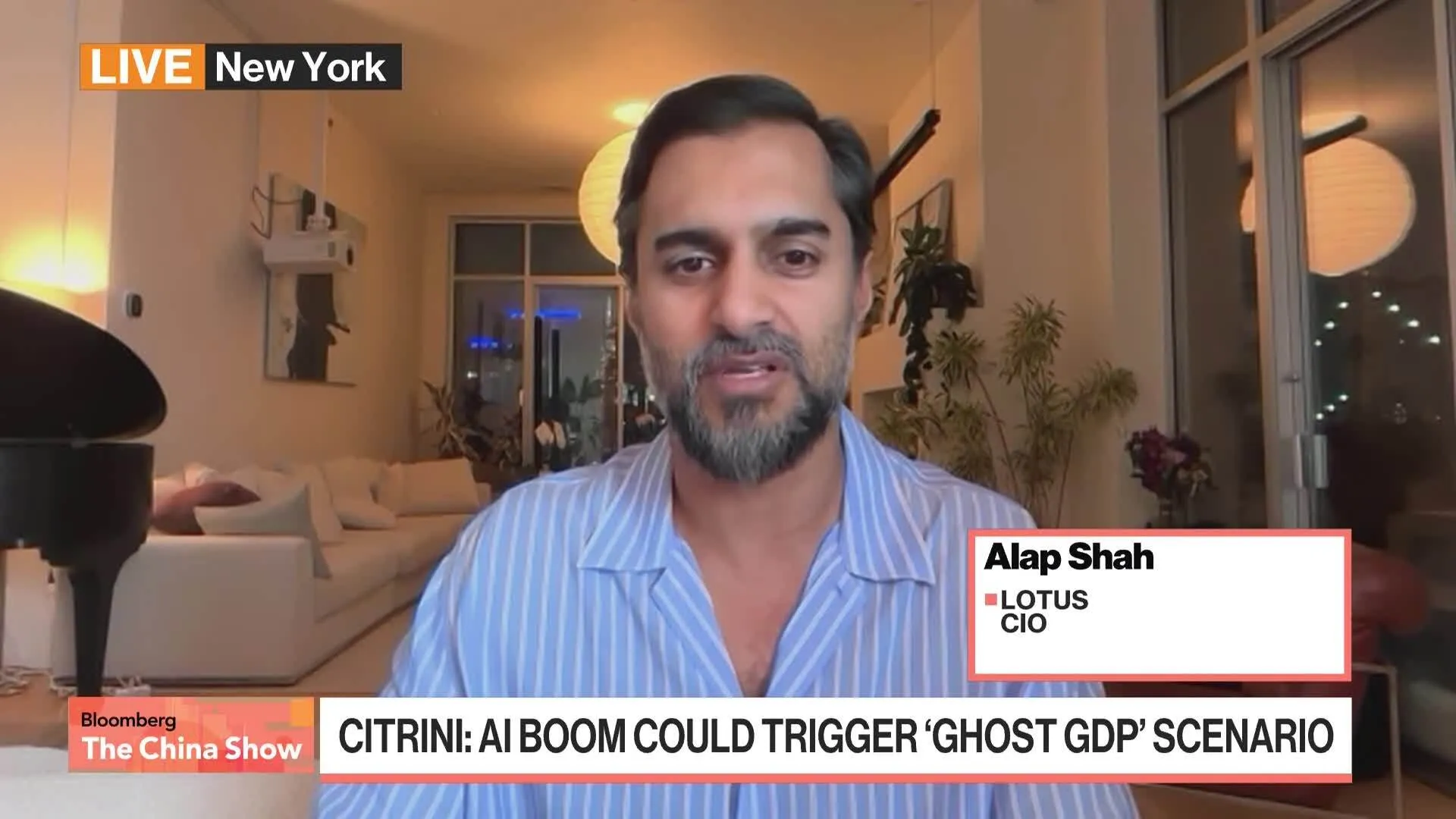
Citrini Research, led by Alap Shah, warns that advanced AI could cause significant job losses and economic inequality by automating white-collar jobs and disrupting intermediation sectors. The report urges governments, especially in the US, to consider taxing AI windfall gains to offset potential labor market harm.[AI generated]

Why's our monitor labelling this an incident or hazard?

The event involves AI systems in the sense that AI advances are hypothesized to cause job displacement and economic downturns. However, the report is a hypothetical scenario and no direct or indirect harm has yet occurred. The article focuses on potential future systemic risks and economic harm caused by AI, which fits the definition of an AI Hazard. There is no indication of an actual AI Incident or complementary information about responses or updates to past incidents. Hence, the classification as AI Hazard is appropriate.[AI generated]
AI principles
FairnessHuman wellbeing

Industries
Financial and insurance servicesBusiness processes and support services

Affected stakeholders
WorkersGeneral public

Harm types
Economic/Property

Severity
AI hazard

Business function:
Other

AI system task:
Reasoning with knowledge structures/planning


Articles about this incident or hazard

Thumbnail Image

Markets slide after viral AI paper predicts job losses, recession, says 'have time to be proactive' -- What to know | Mint

2026-02-24
mint
Why's our monitor labelling this an incident or hazard?
The event involves AI systems in the sense that AI advances are hypothesized to cause job displacement and economic downturns. However, the report is a hypothetical scenario and no direct or indirect harm has yet occurred. The article focuses on potential future systemic risks and economic harm caused by AI, which fits the definition of an AI Hazard. There is no indication of an actual AI Incident or complementary information about responses or updates to past incidents. Hence, the classification as AI Hazard is appropriate.
Thumbnail Image

Citrini Report Author Calls for AI Tax After Scare-Trade Selloff

2026-02-24
Bloomberg Business
Why's our monitor labelling this an incident or hazard?
The event involves AI systems in a broad economic context, specifically their potential to disrupt jobs and markets, but no direct or indirect harm from AI use or malfunction is reported. The market selloff is a reaction to a report forecasting possible future impacts, not an AI incident itself. Therefore, this is a discussion of plausible future risks and economic responses, fitting the definition of Complementary Information rather than an AI Incident or AI Hazard.
Thumbnail Image

Watch Lotus CIO Discusses How AI Could Disrupt the Global Economy

2026-02-24
Bloomberg Business
Why's our monitor labelling this an incident or hazard?
The event involves AI in a general economic context but does not describe any direct or indirect harm caused by an AI system, nor does it describe a specific plausible hazard event. It is a commentary on potential future impacts and policy responses, which fits the category of Complementary Information rather than an Incident or Hazard.
Thumbnail Image

Who is Alap Shah? Co-author of Citrini's 'The 2028 Global Intelligence Crisis'

2026-02-24
The Financial Express
Why's our monitor labelling this an incident or hazard?
The article centers on a research report forecasting significant economic and employment impacts from AI-driven automation, including job losses and market instability. While AI systems are clearly involved (e.g., AI tools automating research tasks, AI replacing human labor), the harms described are potential and projected rather than realized incidents. There is no mention of an actual AI malfunction or misuse causing harm, but rather a credible warning about future risks. This fits the definition of an AI Hazard, where AI's development and use could plausibly lead to harms such as economic recession, job displacement, and market disruption. The article does not focus on responses, legal actions, or updates to past incidents, so it is not Complementary Information. It is not unrelated, as AI systems and their impacts are central to the discussion.
Thumbnail Image

Citrini Research flags AI 'ghost GDP' risk, calls for taxing windfall gains amid job disruption

2026-02-24
Economic Times
Why's our monitor labelling this an incident or hazard?
The article involves AI systems, particularly agentic AI capable of autonomously handling workflows, which can plausibly lead to significant labor market disruption and economic inequality. Since the harms described are potential and not yet realized, and the focus is on warning and policy recommendations to address these risks, this fits the definition of an AI Hazard. There is no description of a specific AI Incident or realized harm, nor is the article primarily about a response to a past incident, so it is not Complementary Information. Therefore, the event is best classified as an AI Hazard.
Thumbnail Image

Who is Alap Shah and why is his AI post suddenly everywhere fueling a huge tech debate?

2026-02-24
Economic Times
Why's our monitor labelling this an incident or hazard?
The article centers on a speculative, hypothetical analysis about AI's future economic impact, framed as a thought experiment rather than a report of actual events involving AI systems causing harm or malfunction. There is no direct or indirect harm reported, nor a plausible immediate risk of harm from an AI system's development, use, or malfunction. The post's viral spread and ensuing debate represent societal and governance-related discourse on AI's potential impacts, fitting the definition of Complementary Information. It enhances understanding of AI's broader implications without describing a specific AI Incident or AI Hazard.
Thumbnail Image

Who is Alap Shah? Co-author of the AI crisis report shaking global markets and India IT - CNBC TV18

2026-02-24
cnbctv18.com
Why's our monitor labelling this an incident or hazard?
The article centers on a co-authored AI scenario report that speculates on possible future economic harms from AI but does not describe any actual harm or malfunction caused by AI systems. The AI system involvement is indirect and hypothetical, focusing on potential future impacts rather than current incidents. The market reactions and discussions are responses to the report's scenario, making this a governance and societal response type of information. Hence, it fits the definition of Complementary Information rather than an AI Incident or AI Hazard.
Thumbnail Image

Citrini report author urges AI tax to cushion job losses in United States

2026-02-24
Business Standard
Why's our monitor labelling this an incident or hazard?
The article centers on a report forecasting significant job displacement and economic disruption caused by AI automation in the near future. While AI systems are implicated as the cause of potential harm, no actual harm has yet materialized. The discussion is about plausible future risks, including unemployment and economic downturn, stemming from AI use. This fits the definition of an AI Hazard, as it plausibly could lead to an AI Incident but has not yet done so. There is no indication of a current incident or complementary information about responses or mitigation.
Thumbnail Image

Citrini report author maps out playbook for dealing with AI - Taipei Times

2026-02-24
Taipei Times
Why's our monitor labelling this an incident or hazard?
The article centers on a forecasted scenario where AI's development and deployment could plausibly lead to significant economic and labor market harm, such as job displacement and reduced consumption, which are harms to communities and economic systems. However, no actual harm or incident has yet occurred as described; the harms are potential and projected. Therefore, this qualifies as an AI Hazard, reflecting credible risks of future harm from AI systems' use and impact on labor markets and economies. It is not an AI Incident because no realized harm is reported, nor is it Complementary Information or Unrelated as it directly addresses AI's potential societal impacts.
Thumbnail Image

Citrini Report Author Calls for AI Tax After Scare-Trade Selloff

2026-02-24
NDTV Profit
Why's our monitor labelling this an incident or hazard?
The article centers on a market reaction to a report predicting AI-driven economic disruption and job losses, which is a forecast and policy discussion rather than an event where AI systems have caused or are causing harm. There is no direct or indirect harm from an AI system described, nor a plausible immediate hazard from AI system malfunction or misuse. The focus is on economic impact speculation and policy debate, which fits the definition of Complementary Information as it informs about societal and governance responses to AI's potential effects.
Thumbnail Image

Who is Alap Shah? The investor whose AI "crisis" report sparked a global tech sell-off

2026-02-24
storyboard18.com
Why's our monitor labelling this an incident or hazard?
The event involves AI in the sense that the report discusses AI's potential economic impact, but it does not describe an AI system causing harm or malfunctioning. The market sell-off is a reaction to a scenario report, not a direct consequence of AI system use or failure. Therefore, this is best classified as Complementary Information, as it provides context and insight into societal and economic responses to AI developments rather than reporting an AI Incident or Hazard.
Thumbnail Image

Quote: Alap Shah - Lotus CIO, Citrini report co-author - Global Advisors | Quantified Strategy Consulting

2026-02-24
Global Advisors | Quantified Strategy Consulting
Why's our monitor labelling this an incident or hazard?
The article discusses the Citrini Research report and Alap Shah's analysis highlighting the potential for AI agents to disrupt sectors reliant on intermediation, causing mass white-collar layoffs and economic decline. While no specific AI Incident (realized harm) is reported, the detailed scenario and warnings about future economic upheaval and job losses due to AI use represent a credible and plausible risk of harm. The AI systems involved are agentic AI for coding and shopping agents, which are explicitly mentioned. The focus is on potential future harm rather than current incidents, fitting the definition of an AI Hazard rather than an Incident or Complementary Information.