Bot Auto and Ryan Transportation Launch Driverless Freight Operations in Texas

Thumbnail Image

The information displayed in the AIM should not be reported as representing the official views of the OECD or of its member countries.

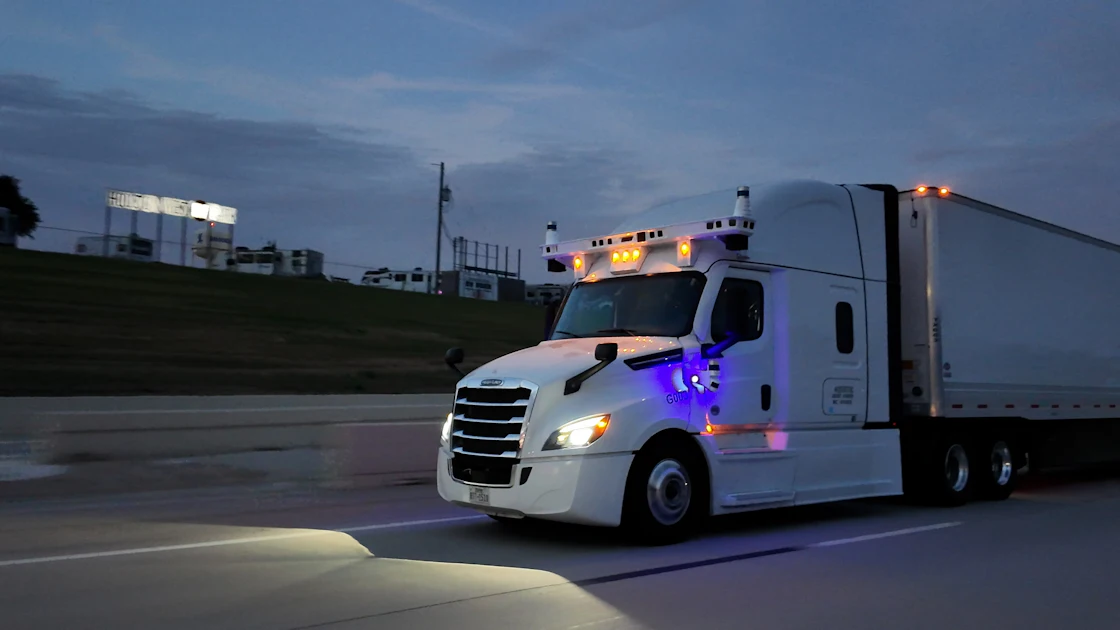
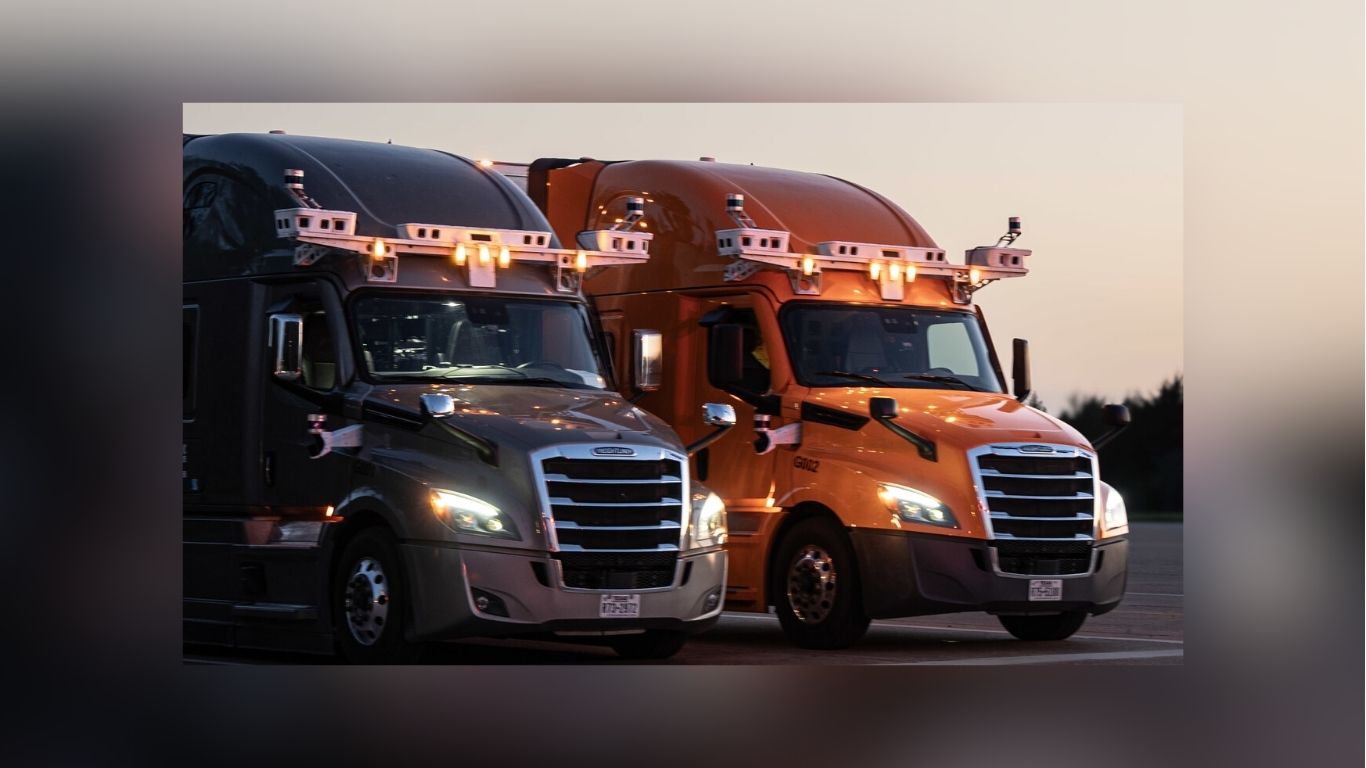
Bot Auto, an autonomous trucking startup, is partnering with Ryan Transportation to launch AI-driven, driverless freight runs between Houston and Dallas. The initiative aims to demonstrate the viability of autonomous trucks for overnight logistics, potentially reducing human driver fatigue and operational constraints. No incidents or harm have been reported.[AI generated]

Why's our monitor labelling this an incident or hazard?

The article explicitly mentions the use of AI-powered Level 4 autonomous trucks, which qualifies as AI systems. However, the event is about a future planned deployment with no indication of any harm or malfunction occurring yet. The description focuses on the potential benefits and operational plans without reporting any realized harm or incidents. Given the deployment is scheduled for the future and no harm has occurred, but the use of AI in autonomous trucks could plausibly lead to incidents such as accidents or operational disruptions, this qualifies as an AI Hazard rather than an Incident or Complementary Information.[AI generated]
AI principles
SafetyAccountability

Industries
Logistics, wholesale, and retailMobility and autonomous vehicles

Severity
AI hazard

Business function:
Logistics

AI system task:
Recognition/object detectionReasoning with knowledge structures/planning


Articles about this incident or hazard

Thumbnail Image

Bot Auto, Ryan Transportation to launch driverless truck route between Houston and Dallas in 2026

2026-02-26
FOX 4 News Dallas-Fort Worth
Why's our monitor labelling this an incident or hazard?
The article explicitly mentions the use of AI-powered Level 4 autonomous trucks, which qualifies as AI systems. However, the event is about a future planned deployment with no indication of any harm or malfunction occurring yet. The description focuses on the potential benefits and operational plans without reporting any realized harm or incidents. Given the deployment is scheduled for the future and no harm has occurred, but the use of AI in autonomous trucks could plausibly lead to incidents such as accidents or operational disruptions, this qualifies as an AI Hazard rather than an Incident or Complementary Information.
Thumbnail Image

Bot Auto, Ryan Transportation partner on driverless freight between Houston and Dallas

2026-02-25
FreightWaves
Why's our monitor labelling this an incident or hazard?
The article focuses on the deployment and partnership for autonomous trucking operations, which involves AI systems. However, it does not mention any injury, disruption, rights violation, property or community harm, or other significant harms caused or plausibly caused by the AI system. The information is about the launch and operational details, including insurance coverage, without any indication of incidents or hazards. Therefore, this is best classified as Complementary Information, providing context and updates on AI system deployment without reporting harm or plausible harm.
Thumbnail Image

Bot Auto autonomous truck to haul for Ryan Transportation

2026-02-26
Commercial Carrier Journal
Why's our monitor labelling this an incident or hazard?
The event involves the use of AI systems (autonomous trucks) in a real-world commercial setting, which meets the criterion of AI system involvement. However, there is no direct or indirect harm reported, nor any indication of malfunction or misuse leading to harm. The article does not describe any plausible immediate risk or near miss that would qualify as an AI Hazard. Instead, it reports on the strategic partnership and operational plans, which is informative about AI deployment and ecosystem evolution. According to the definitions, such information that enhances understanding of AI system use and its societal implications without describing harm or plausible harm is classified as Complementary Information.
Thumbnail Image

Houston's Bot Auto Partners With Ryan on 'Humanless' Freight Runs Between Dallas and Houston

2026-02-25
Dallas Innovates
Why's our monitor labelling this an incident or hazard?
The article explicitly involves AI systems in the form of autonomous driving technology used in driverless freight trucks. The event concerns the use and deployment of these AI systems in real-world operations. No actual harm or incident is reported; the article focuses on the launch and expansion of these services. Given the nature of autonomous trucking, there is a plausible risk that these AI systems could lead to harm such as accidents or disruptions in the future. Hence, the event fits the definition of an AI Hazard, as it plausibly could lead to an AI Incident but no harm has yet occurred. It is not Complementary Information because it is not an update or response to a prior incident, nor is it unrelated as it clearly involves AI systems with potential safety implications.
Thumbnail Image

Ryan Transportation, Bot Auto Team Up for Driverless Lane

2026-02-27
Transport Topics
Why's our monitor labelling this an incident or hazard?
The article explicitly mentions the use of an AI system (Level 4 autonomous driving technology) and its planned deployment, which involves the use of AI in logistics. However, there is no indication of any harm caused or any plausible risk of harm occurring imminently. The article is primarily informative about the partnership and the technology's operational plans, without reporting any incident or hazard. This fits the definition of Complementary Information, as it provides supporting data and context about AI system deployment and industry developments without describing harm or credible risk of harm.
Thumbnail Image

Driverless Trucks Hit Texas Highways - Bot Auto & Ryan Launch Humanless Houston To Dallas Operations

2026-02-27
Dallas Express
Why's our monitor labelling this an incident or hazard?
The article explicitly involves AI systems in the form of autonomous trucks operating driverless freight hauls. Although no harm or incident is reported, the use of AI in driverless trucks on public highways could plausibly lead to incidents involving injury, disruption, or property damage. Since no actual harm has occurred or is described, but plausible future harm exists, the event fits the definition of an AI Hazard rather than an AI Incident or Complementary Information. It is not unrelated because AI systems are central to the event.