Development of AI-Based Flood Prediction and Alert System in Valencia

Thumbnail Image

The information displayed in the AIM should not be reported as representing the official views of the OECD or of its member countries.

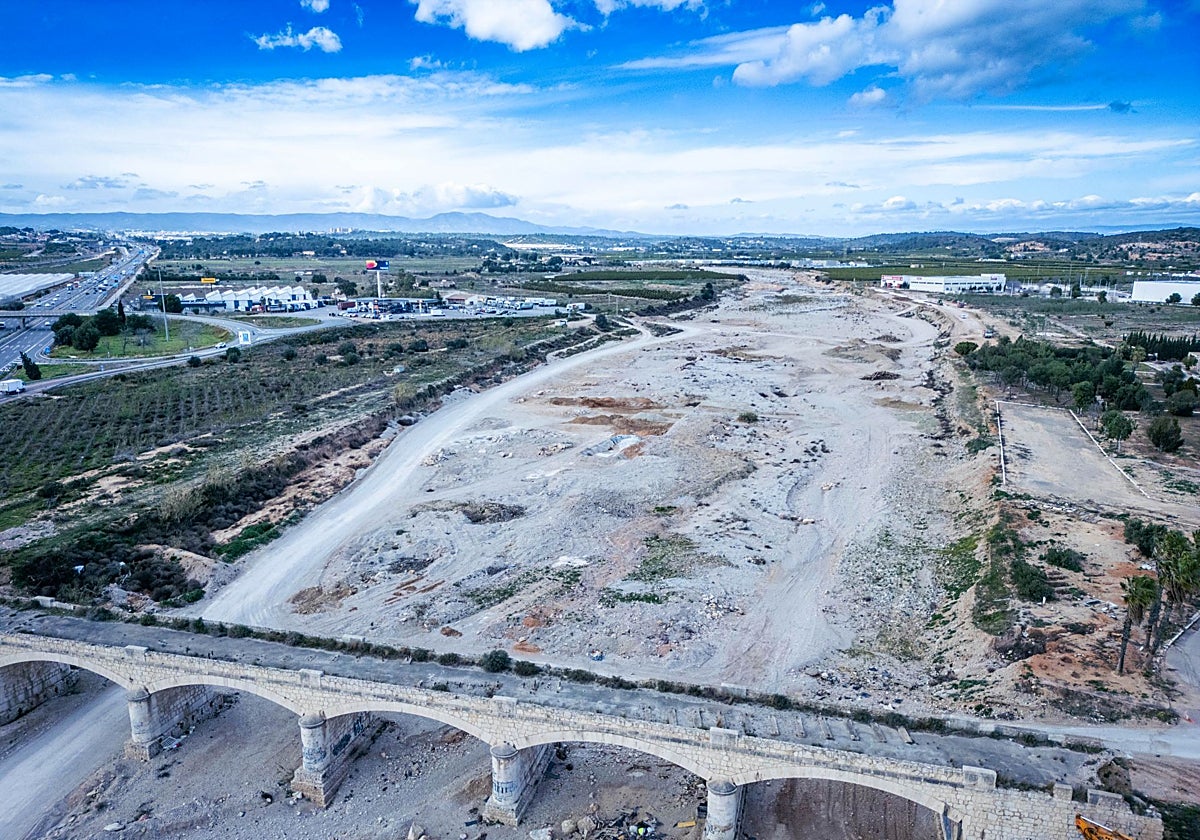
Valencia is developing AIGUALERT, an AI-powered hydrological alert system designed to improve flood prediction and real-time communication during extreme weather. The project, involving local government, engineering firms, and research centers, aims to modernize data acquisition and enhance early warning capabilities, potentially reducing future flood-related harm.[AI generated]

Why's our monitor labelling this an incident or hazard?

The event involves the development and planned use of an AI system for flood prediction and alerting, which could plausibly lead to preventing harm to people and communities by improving early warnings. Since the system is still under development and not yet deployed, no realized harm or incident has occurred. Therefore, this qualifies as an AI Hazard because the AI system's use could plausibly lead to preventing or mitigating harm in the future, but no incident has yet taken place. The article does not describe any realized harm or failure caused by the AI system, nor does it focus on responses to past incidents, so it is not an AI Incident or Complementary Information.[AI generated]
Industries
Environmental servicesGovernment, security, and defence

Severity
AI hazard

Business function:
Monitoring and quality control

AI system task:
Forecasting/prediction


Articles about this incident or hazard

Thumbnail Image

Impulsan en Valencia una nueva tecnología capaz de anticipar mejor las inundaciones | Las Provincias

2026-02-25
Las Provincias
Why's our monitor labelling this an incident or hazard?
The event involves the development and planned use of an AI system for flood prediction and alerting, which could plausibly lead to preventing harm to people and communities by improving early warnings. Since the system is still under development and not yet deployed, no realized harm or incident has occurred. Therefore, this qualifies as an AI Hazard because the AI system's use could plausibly lead to preventing or mitigating harm in the future, but no incident has yet taken place. The article does not describe any realized harm or failure caused by the AI system, nor does it focus on responses to past incidents, so it is not an AI Incident or Complementary Information.
Thumbnail Image

Una ingeniería, empresas y centros de investigación impulsan Aigualert, una tecnología para anticipar inundaciones

2026-02-25
Valencia Plaza
Why's our monitor labelling this an incident or hazard?
The event involves the use of AI systems in hydrological prediction and social sensing to anticipate floods and improve communication for emergency response. However, the system is currently under development and not yet operational, so no realized harm or incident has occurred. The article discusses the potential for this AI system to prevent harm by improving early warnings and response, which aligns with the definition of an AI Hazard—an event where AI use could plausibly lead to preventing or causing harm in the future. There is no indication of an AI Incident or Complementary Information about a past incident; rather, this is a forward-looking project with potential impact.
Thumbnail Image

Valencia impulsa una tecnología puntera para anticipar inundaciones

2026-02-25
Diario Siglo XXI
Why's our monitor labelling this an incident or hazard?
The event involves the use of AI systems in hydrological prediction and communication, which could plausibly lead to preventing harm from floods in the future. Since the system is not yet operational and no harm has occurred, this constitutes a potential risk mitigation tool rather than an incident. Therefore, it qualifies as an AI Hazard because the AI system's development and intended use could plausibly lead to preventing or causing harm in the future, but no actual harm or incident has yet occurred.
Thumbnail Image

La Generalitat financia un sistema inteligente para anticipar inundaciones y mejorar los avisos a la población en tiempo real

2026-02-25
Comunica GVA
Why's our monitor labelling this an incident or hazard?
The article explicitly mentions the use of AI systems (predictive models, social sensing, digital twins) in flood prediction and alerting, which fits the definition of an AI system. However, the event is about the funding and development of this system, with no indication that any harm has occurred or that the system has malfunctioned or been misused. The system is designed to prevent harm by improving flood warnings, so it does not represent an AI Incident. Nor does it represent an AI Hazard because it does not describe a credible risk of harm from the AI system itself; rather, it is a positive application aimed at harm reduction. The article mainly provides contextual and developmental information about AI use in emergency management, fitting the definition of Complementary Information.
Thumbnail Image

Ingeniería, empresas y centros de investigación colaboran en el desarrollo de Aigualert, una tecnología para prevenir inundaciones

2026-02-25
NoticiasDe.es
Why's our monitor labelling this an incident or hazard?
The event involves the use of AI systems in flood prediction and alerting, which could plausibly lead to preventing harm to people and communities by improving anticipation and communication during extreme weather events. Since the system is not yet deployed and no harm has occurred, this qualifies as an AI Hazard due to the credible potential for future harm prevention and the critical role AI will play in the system's operation. There is no indication of realized harm or incident, nor is the article primarily about responses or governance, so it is not an AI Incident or Complementary Information.