South Korea Strengthens Measures Against AI-Generated Fake News Ahead of Elections

Thumbnail Image

The information displayed in the AIM should not be reported as representing the official views of the OECD or of its member countries.

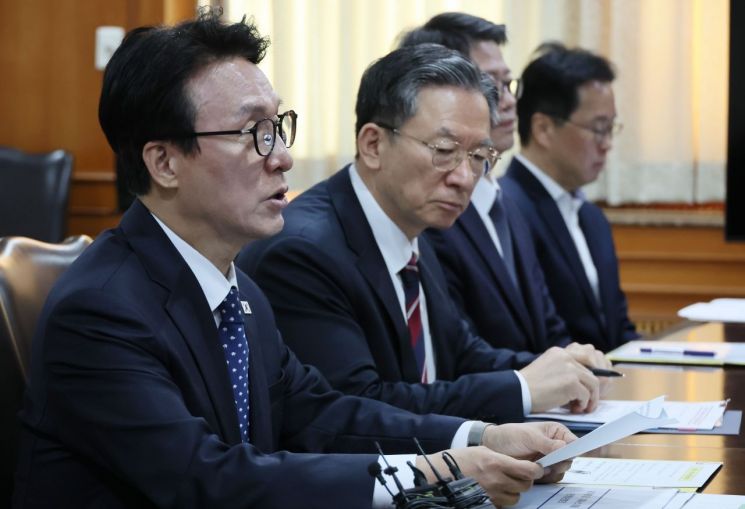
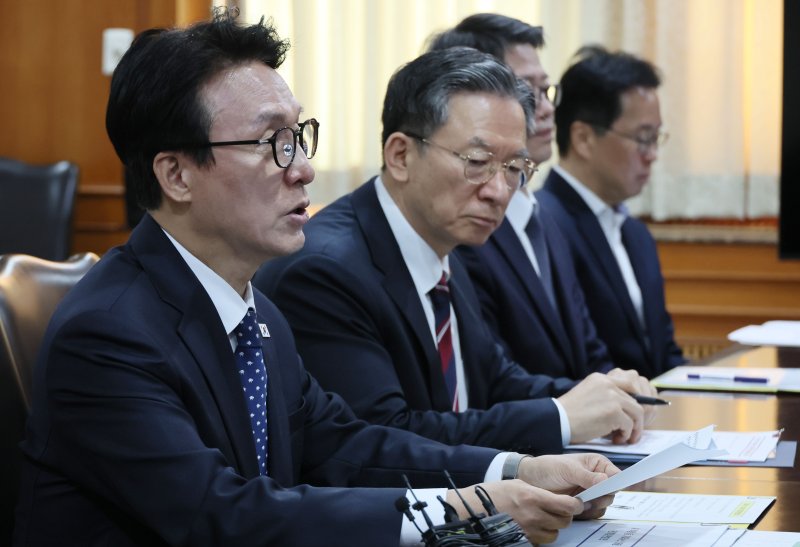
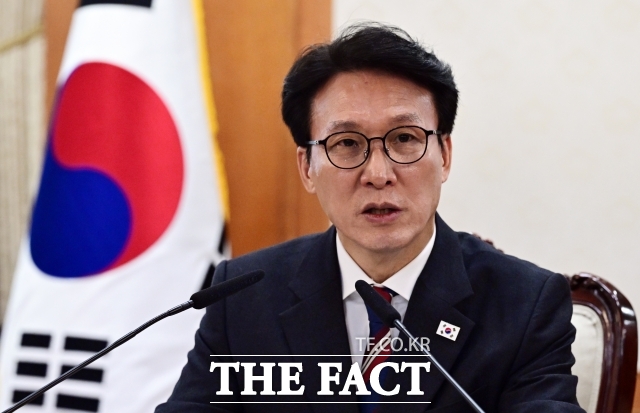
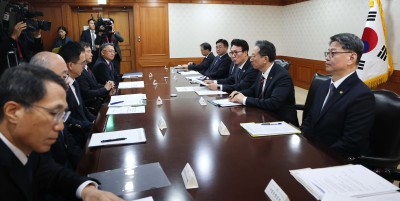
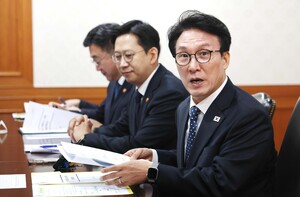
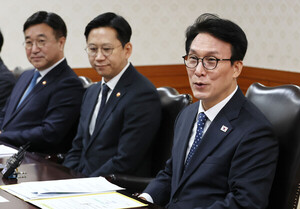
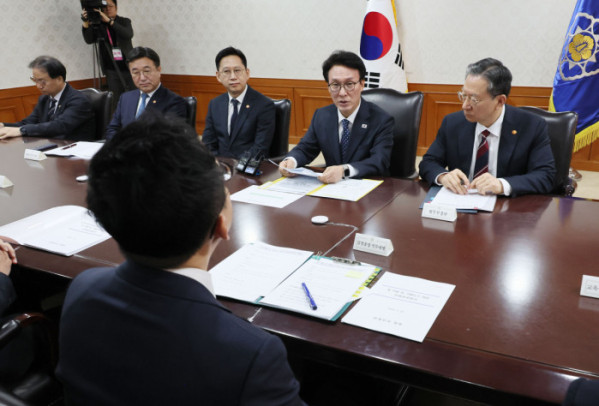
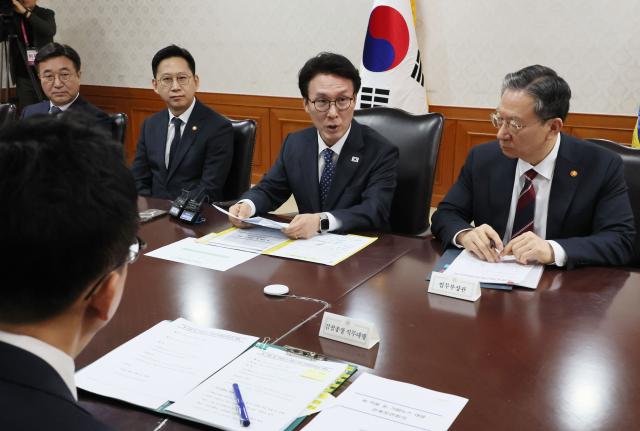
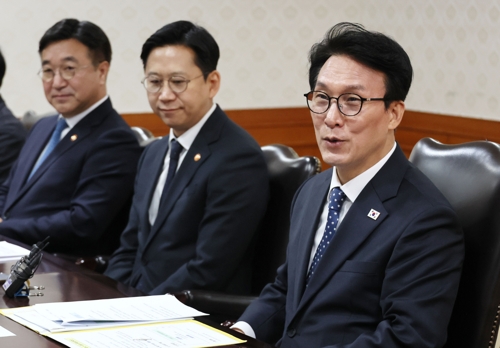
Ahead of local elections, South Korea's government, led by Prime Minister Kim Min-seok, is intensifying efforts to combat AI-generated fake news and misinformation. Authorities are coordinating across agencies to enforce strict legal responses, enhance detection, and raise public awareness to protect democratic processes from AI-enabled manipulation.[AI generated]

Why's our monitor labelling this an incident or hazard?

The article discusses the use and potential misuse of AI systems to generate and spread fake news that can disrupt political and election order, which constitutes harm to communities and democratic processes. However, it does not report a specific incident where AI-generated fake news has already caused harm; rather, it focuses on the risk and the government's planned responses. Therefore, this is best classified as an AI Hazard, as the AI system's involvement could plausibly lead to harm but no concrete incident is described.[AI generated]
AI principles
Democracy & human autonomyTransparency & explainability

Industries
Government, security, and defenceMedia, social platforms, and marketing

Affected stakeholders
General public

Harm types
Public interest

Severity
AI hazard

AI system task:
Content generation


Articles about this incident or hazard

Thumbnail Image

金총리 "선거 앞둔 가짜뉴스는 민주주의 공적...용납하지 않겠다" | 연합뉴스

2026-02-26
연합뉴스
Why's our monitor labelling this an incident or hazard?
The article discusses the use and potential misuse of AI systems to generate and spread fake news that can disrupt political and election order, which constitutes harm to communities and democratic processes. However, it does not report a specific incident where AI-generated fake news has already caused harm; rather, it focuses on the risk and the government's planned responses. Therefore, this is best classified as an AI Hazard, as the AI system's involvement could plausibly lead to harm but no concrete incident is described.
Thumbnail Image

[속보] 金총리 "정부 정책·인사 비방, 민주주의의 적... 발본색원할 것

2026-02-26
Chosun.com
Why's our monitor labelling this an incident or hazard?
The article explicitly mentions AI-generated fake news as a growing problem and a potential threat to democracy and election integrity, indicating plausible future harm from AI misuse. However, it does not describe a specific event where AI-generated fake news has directly caused harm or disruption. Instead, it details governmental intentions and planned enforcement actions, which constitute a governance response to a potential AI-related risk. Therefore, this is best classified as Complementary Information, as it provides context and policy response to AI-related hazards without reporting a concrete AI Incident or Hazard event.
Thumbnail Image

김 총리 "가짜뉴스, 민주주의 적"...6·3 앞두고 총력 대응

2026-02-26
www.donga.com
Why's our monitor labelling this an incident or hazard?
The article highlights concerns about AI-generated fake news potentially influencing elections, which is a plausible future harm. However, it does not report that such harm has already occurred or that an AI system has directly or indirectly caused harm yet. The emphasis is on heightened vigilance and readiness to respond, indicating a credible risk but no realized incident. Therefore, this qualifies as an AI Hazard, reflecting the plausible future risk of AI-driven misinformation impacting democratic processes.
Thumbnail Image

金총리 "선거 앞둔 가짜뉴스는 민주주의 공적...용납하지 않겠다"(종합) | 연합뉴스

2026-02-26
연합뉴스
Why's our monitor labelling this an incident or hazard?
The article centers on the potential threat posed by AI-generated fake news to election integrity and democracy, which could plausibly lead to harm if not addressed. It details government strategies to prevent and respond to such threats, indicating a recognition of AI hazards. Since no actual harm or incident is reported, and the main focus is on the risk and response, this qualifies as an AI Hazard rather than an AI Incident or Complementary Information.
Thumbnail Image

정부, 지방선거 앞두고 "가짜뉴스 무관용·발본색원"

2026-02-26
경향신문
Why's our monitor labelling this an incident or hazard?
The article explicitly mentions AI misuse in the creation and dissemination of fake news as a significant threat to election integrity and democratic order. Although no actual harm or incident is described, the government's strong stance and planned interventions indicate recognition of a credible risk that AI-generated misinformation could disrupt political processes. The involvement of AI systems is clear in the context of deepfake and fake news generation. Since the harm is potential and preventive measures are being discussed and implemented, this fits the definition of an AI Hazard rather than an AI Incident or Complementary Information.
Thumbnail Image

지선 앞두고 '가짜뉴스' 칼 빼든 정부...金총리 "발본색원"

2026-02-26
아시아경제
Why's our monitor labelling this an incident or hazard?
The article centers on governmental and law enforcement responses to the potential misuse of AI (e.g., deepfakes) in spreading fake news during elections. While AI misuse is mentioned as a concern and a basis for enforcement actions, no concrete incident of harm caused by AI is described. The focus is on warnings, planned investigations, and preventive measures, which aligns with Complementary Information as it provides context and updates on societal and governance responses to AI-related risks without reporting a realized harm or a specific hazardous event.
Thumbnail Image

金총리 "가짜뉴스 뿌리 뽑는 것이 민주주의 지키는 길"

2026-02-26
First-Class 경제신문 파이낸셜뉴스
Why's our monitor labelling this an incident or hazard?
The article discusses the potential threat of AI-generated fake news influencing elections and political order, which is a plausible future harm. It does not report an actual AI incident causing harm but rather a governmental warning and planned measures to address this risk. Therefore, it fits the definition of an AI Hazard, as it concerns circumstances where AI use could plausibly lead to harm (disruption of democratic processes) but no specific harm has yet occurred or been documented in this report.
Thumbnail Image

김 총리, 지방선거 앞두고 가짜뉴스 엄정 대응 지시

2026-02-26
YTN
Why's our monitor labelling this an incident or hazard?
The article mentions AI-generated fake news as a growing concern and calls for strict measures to prevent it, indicating a plausible risk of harm to political order and democracy. Since no actual harm or incident is described, but a credible potential for harm is acknowledged, this qualifies as an AI Hazard. It is not Complementary Information because the main focus is on the potential threat and government directives rather than updates on past incidents or responses to them.
Thumbnail Image

김민석 "선거 앞두고 정책 왜곡, 정부 인사 허위 비방 강력 대응"

2026-02-26
문화일보
Why's our monitor labelling this an incident or hazard?
The article discusses the plausible future risk posed by AI-generated fake news in the context of elections, emphasizing the need for vigilance and enforcement to prevent harm. However, it does not report an actual event where AI-generated misinformation has directly or indirectly caused harm or disruption. Therefore, it fits the definition of an AI Hazard, as it concerns a credible potential for harm from AI use in misinformation but no realized harm is described.
Thumbnail Image

김민석 "선거 앞두고 의도적 가짜뉴스 무관용...엄정 대응" - 정치 | 기사 - 더팩트

2026-02-26
더팩트
Why's our monitor labelling this an incident or hazard?
The event involves AI systems in the context of their misuse for generating fake news, which can harm democratic processes and election integrity. However, the article does not report any realized harm or specific incident caused by AI-generated fake news but rather discusses government strategies and enforcement plans to prevent and respond to such misuse. This fits the definition of Complementary Information, as it provides governance and societal response updates related to AI misuse risks without describing a concrete AI Incident or AI Hazard occurring at the time.
Thumbnail Image

김민석 총리 "선거 앞둔 가짜뉴스·흑색선전, 민주주의 공적"

2026-02-26
뉴스핌
Why's our monitor labelling this an incident or hazard?
The article explicitly mentions the use and abuse of AI in generating fake news as a threat to democratic processes and election integrity, which could plausibly lead to harm such as disruption of political order and harm to communities. However, it focuses on planned and ongoing governmental measures to counteract these threats rather than describing a realized harm or incident. Therefore, this event fits the definition of Complementary Information, as it provides context and details about societal and governance responses to AI-related risks without reporting a specific AI Incident or AI Hazard.
Thumbnail Image

김 총리 "AI 악용 등 가짜뉴스 무관용...선거 앞두고 발본색원

2026-02-26
투데이신문
Why's our monitor labelling this an incident or hazard?
The article discusses the potential misuse of AI systems to generate and disseminate fake news that could disrupt election integrity and political order, which constitutes a plausible risk of harm to communities and democratic rights. Since no actual harm has yet occurred but the risk is credible and recognized at a high governmental level, this qualifies as an AI Hazard. The focus is on preventing and responding to this plausible future harm rather than reporting a realized incident or providing complementary information about past events.
Thumbnail Image

金총리 "선거 앞 정부정책 정부인사 가짜뉴스, 엄정 대응해야"

2026-02-26
미디어오늘
Why's our monitor labelling this an incident or hazard?
The article explicitly mentions AI-generated fake news as a growing problem that harms democratic processes and election fairness, which are forms of harm to communities and political rights. However, it does not document a specific realized incident of harm caused by AI-generated fake news but rather warns of the credible risk and ongoing escalation of such harms. The focus is on the potential for AI misuse in spreading misinformation that could disrupt elections and political order, which fits the definition of an AI Hazard. The article also discusses governance and enforcement responses, but these are secondary to the main concern about plausible future harm from AI misuse.
Thumbnail Image

金총리, AI 가짜뉴스 대응 관계장관회의..."법과 원칙에 따라 엄정 대응"

2026-02-26
디지털투데이 (DigitalToday)
Why's our monitor labelling this an incident or hazard?
The article centers on governmental and inter-agency strategies to counteract AI-enabled fake news and election-related misinformation, which is a recognized risk but no actual harm or incident is described as having occurred yet. The presence of AI systems is reasonably inferred from references to AI misuse, deepfake technology, and AI-enabled fake news. Since the article discusses potential threats and planned responses rather than a concrete AI-caused harm event, it fits the definition of Complementary Information, providing context and updates on governance and societal responses to AI-related risks.
Thumbnail Image

김민석 "정책 호도, 정부 인사 허위 비방하는 가짜뉴스는 민주주의 공적"

2026-02-26
weekly.khan.co.kr
Why's our monitor labelling this an incident or hazard?
The article discusses the potential misuse of AI to generate fake news that could influence elections, which is a credible risk of harm to democratic processes and communities. However, since no actual AI-generated fake news incident causing harm is described, and the focus is on warnings and planned governmental responses, this fits the definition of an AI Hazard. It is not Complementary Information because it is not an update or response to a past incident but rather a proactive warning. It is not an AI Incident because no realized harm is reported.
Thumbnail Image

정부, 6.3 지방선거 앞두고 AI 악용 허위정보·흑색선전 엄정 조치

2026-02-26
이투데이
Why's our monitor labelling this an incident or hazard?
The article explicitly mentions AI misuse in generating and spreading false information and black propaganda, which could plausibly lead to significant harm to democratic processes and election integrity. However, it does not describe a specific AI incident where harm has already occurred but rather outlines government measures to prevent and respond to such threats. Therefore, this event fits the definition of an AI Hazard, as it concerns the plausible future harm from AI misuse in elections and the government's efforts to mitigate that risk.
Thumbnail Image

김민석 국무총리, 'AI 악용 등 가짜뉴스 대응 관계장관회의' 개최

2026-02-26
kr.acrofan.com
Why's our monitor labelling this an incident or hazard?
The article explicitly mentions AI misuse in generating fake news as a serious social problem and outlines coordinated government actions to counter it. However, it does not describe a specific AI Incident where harm has already occurred due to AI-generated fake news, nor does it report a near-miss or credible imminent threat that would qualify as an AI Hazard. Instead, it details policy, enforcement, and educational measures being implemented or planned to address the issue. This fits the definition of Complementary Information, as it enhances understanding of societal and governance responses to AI-related harms without reporting a new primary harm event.
Thumbnail Image

김민석 총리 "AI 가짜뉴스 무관용"...6·3 선거 앞두고 총력 대응

2026-02-26
디지털데일리
Why's our monitor labelling this an incident or hazard?
The event involves AI systems explicitly (AI-generated fake news and deepfakes) that have been used to spread false information, causing social harm and threatening election integrity. The government's response is to enforce laws and implement technical and educational measures to counteract this harm. Since the harm (misinformation, election interference risk) is occurring or imminent and linked directly to AI misuse, this qualifies as an AI Incident rather than a hazard or complementary information. The article focuses on the harm caused by AI misuse and the government's response, not just on the response itself or potential future harm.
Thumbnail Image

金총리, '6·3 지방선거' 대비..."가짜뉴스 엄정히 대응" | 아주경제

2026-02-26
아주경제
Why's our monitor labelling this an incident or hazard?
The article explicitly mentions AI-generated fake news as a growing threat and calls for strict measures to counter it before the elections. However, it does not describe any actual event where AI-generated fake news has caused harm or disrupted the election process. Therefore, it describes a plausible future risk (hazard) rather than a realized incident. The involvement of AI in misinformation generation is clear, and the potential harm to political order and election integrity is credible, fitting the definition of an AI Hazard.
Thumbnail Image

김 총리 "가짜뉴스와 흑색선전, 민주주의의 공적...관용 없어야"

2026-02-26
연합뉴스TV
Why's our monitor labelling this an incident or hazard?
The article centers on a governmental response to the potential misuse of AI for generating fake news, which could plausibly lead to harm such as disruption of political processes and harm to communities. Since no actual harm or incident is described, and the main focus is on policy and enforcement measures, this qualifies as Complementary Information. It provides context on societal and governance responses to AI-related risks but does not report a concrete AI Incident or AI Hazard.
Thumbnail Image

Breaking: Prime Minister Kim Min-seok Condemns Fake News, Black Propaganda

2026-02-26
Chosun.com
Why's our monitor labelling this an incident or hazard?
The article centers on the potential threat of AI-generated fake news influencing elections, which is a plausible future harm but not a realized harm. There is no description of an AI system causing or contributing to an incident of harm yet. The Prime Minister's statements and calls for action represent a governance and societal response to a potential AI hazard rather than reporting an actual AI incident. Therefore, this is best classified as Complementary Information, as it provides context and response to the broader AI ecosystem and its risks without describing a specific AI incident or hazard event.