Google and OpenAI Employees Protest Pentagon AI Use as OpenAI Confirms Military Deployment

Thumbnail Image

The information displayed in the AIM should not be reported as representing the official views of the OECD or of its member countries.

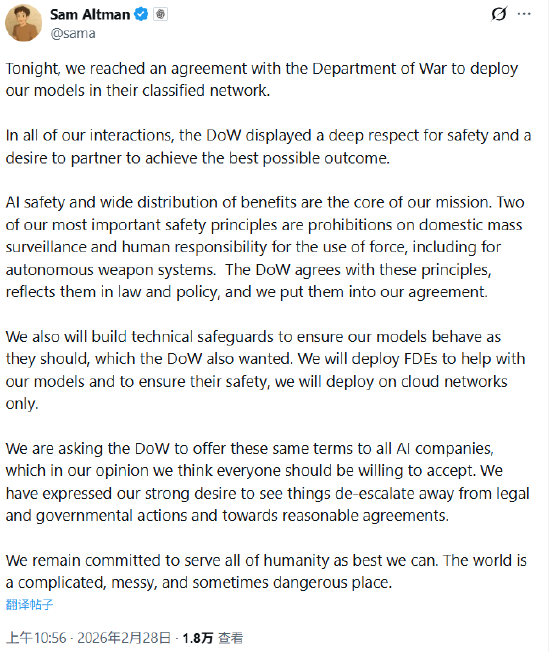
Over 200 Google and OpenAI employees signed an open letter opposing the use of advanced AI for military and surveillance purposes, urging ethical boundaries and transparency. Meanwhile, OpenAI confirmed an agreement to deploy its models on U.S. Department of Defense classified networks, promising safeguards against misuse.[AI generated]

Why's our monitor labelling this an incident or hazard?

The event involves the use of AI systems (OpenAI's large language models) in a military context, which is explicitly stated. Although the company commits to ethical safeguards, the deployment of AI in defense intelligence and decision-making plausibly could lead to harms such as violations of human rights or escalation of conflict. Since no actual harm or incident is described, but the potential for harm is credible and significant, this qualifies as an AI Hazard under the framework. The article also mentions internal ethical concerns, reinforcing the plausibility of future risks.[AI generated]

AI principles
Transparency & explainabilityRespect of human rights

Industries
Government, security, and defenceDigital security

Affected stakeholders
General public

Harm types
Human or fundamental rightsPublic interest

Severity
AI hazard

Business function:
Other

AI system task:
Content generation


Articles about this incident or hazard

Thumbnail Image

浙江新增2款已完成备案的生成式人工智能服务-36氪

2026-02-28
36氪:关注互联网创业
Why's our monitor labelling this an incident or hazard?
The event involves AI systems (OpenAI's technology) and their use in sensitive military environments, but the article focuses on the acceptance of deployment rules and ideological debates rather than any realized or imminent harm. There is no direct or indirect harm reported, nor a plausible immediate risk of harm from the described agreement. Therefore, this is best classified as Complementary Information, as it provides context on governance and policy responses to AI in military use.
Thumbnail Image

超200名谷歌与OpenAI员工签署公开信 拒绝向五角大楼提供军事AI技术

2026-02-27
凤凰网(凤凰新媒体)
Why's our monitor labelling this an incident or hazard?
The event involves AI systems explicitly (advanced AI technologies) and concerns their potential military and surveillance use, which could lead to harm. However, the event does not describe any actual harm occurring or a specific AI system malfunction or misuse causing harm. Instead, it reports on employee activism and calls for ethical governance and transparency, which are responses to potential AI risks. This fits the definition of Complementary Information, as it enhances understanding of the AI ecosystem and governance without reporting a new AI Incident or AI Hazard.
Thumbnail Image

OpenAI CEO:我们的模型将部署到美国国防部机密网络中 - CNMO科技

2026-02-28
ai.cnmo.com
Why's our monitor labelling this an incident or hazard?
The event involves the use of AI systems (OpenAI's large language models) in a military context, which is explicitly stated. Although the company commits to ethical safeguards, the deployment of AI in defense intelligence and decision-making plausibly could lead to harms such as violations of human rights or escalation of conflict. Since no actual harm or incident is described, but the potential for harm is credible and significant, this qualifies as an AI Hazard under the framework. The article also mentions internal ethical concerns, reinforcing the plausibility of future risks.
Thumbnail Image

新浪机器学习热点小时报丨2026年02月28日10时_今日实时机器学习热点速递

2026-02-28
k.sina.com.cn
Why's our monitor labelling this an incident or hazard?
The article does not report any direct or indirect harm caused by AI systems, nor does it describe a credible risk of future harm from AI systems. It includes updates on AI governance (Pentagon's acceptance of OpenAI's safety rules), technological progress (embodied intelligence, AI in healthcare), ethical discussions (AI-generated offensive content), and financing news for AI companies. These are all examples of Complementary Information as they enhance understanding of the AI ecosystem without reporting new incidents or hazards.
Thumbnail Image

超200名谷歌与OpenAI员工签署公开信 拒绝向五角大楼提供军事AI技术 - cnBeta.COM 移动版

2026-02-27
cnBeta.COM
Why's our monitor labelling this an incident or hazard?
The event involves AI systems (Google and OpenAI's AI technologies) and their potential use in military applications, which could plausibly lead to harms such as violations of human rights or harm to communities if weaponized. However, no direct or indirect harm has yet occurred according to the description. The employees' letter is a response to the potential risk and calls for ethical boundaries and transparency. This fits the definition of an AI Hazard, as it concerns plausible future harm from AI use in military contexts. It is not an AI Incident because no harm has materialized, nor is it Complementary Information or Unrelated, as the event centers on AI and its potential misuse.
Thumbnail Image

五角大楼认可OpenAI涉密AI安全规范,但合作协定尚未签署

2026-02-28
dt.zol.com.cn
Why's our monitor labelling this an incident or hazard?
The article centers on the recognition and discussion of AI safety norms and governance between OpenAI and the Pentagon, without describing any realized harm or direct malfunction of AI systems. It outlines precautionary measures and ethical guidelines for AI deployment in classified military contexts, which are intended to prevent harm. Since no incident or direct harm has occurred, and the cooperation agreement is not yet signed, the event represents a governance and policy development rather than an incident or hazard. Therefore, it fits best as Complementary Information, providing context and updates on AI safety and governance in sensitive applications.
Thumbnail Image

Google, OpenAI employees call for unified front on military use

2026-02-27
Axios
Why's our monitor labelling this an incident or hazard?
The article does not describe an AI system causing harm or malfunctioning, nor does it report a specific event where AI use has led to injury, rights violations, or other harms. Instead, it focuses on employee advocacy and pressure on companies to set ethical boundaries regarding military applications of AI. This is a governance and societal response to potential AI misuse, fitting the definition of Complementary Information. Although the military use of AI could plausibly lead to harm (an AI Hazard), the article's main focus is on the employee letter and advocacy efforts, not on a direct or imminent hazard event.
Thumbnail Image

Google and OpenAI employees sign open letter in 'solidarity' with Anthropic

2026-02-27
engadget
Why's our monitor labelling this an incident or hazard?
The event involves AI systems (large language models like Claude and others) and their potential military applications, which could plausibly lead to significant harms such as violations of human rights or harm to communities if used for autonomous killing or mass surveillance. However, the article focuses on employee activism and company positions resisting these uses, without reporting any actual harm or incident caused by AI. Therefore, this is best classified as an AI Hazard, reflecting credible concerns about plausible future harms from military use of AI, rather than an AI Incident or Complementary Information.
Thumbnail Image

Open Letter to Google and OpenAI employees: We Will Not Be Divided -- Refuse to be a Pentagon tool.

2026-02-28
Democratic Underground
Why's our monitor labelling this an incident or hazard?
The letter explicitly references AI models developed by companies like Anthropic, Google, and OpenAI, indicating AI system involvement. However, no direct or indirect harm has yet occurred; the letter focuses on resisting potential military uses of AI that could lead to harms such as violations of human rights (e.g., mass surveillance, autonomous killing). Since the harms are potential and the event concerns pressure and negotiation rather than an actual incident, it fits the definition of an AI Hazard. It is not Complementary Information because it is not an update or response to a past incident but a statement about ongoing pressures and risks. It is not Unrelated because it clearly involves AI systems and their potential misuse.
Thumbnail Image

AI workers unite: Google and OpenAI staff back Anthropic on AI military limits

2026-02-27
News9live
Why's our monitor labelling this an incident or hazard?
The article centers on employee activism and corporate resistance to potential military applications of AI, which could plausibly lead to harm if such uses were permitted. However, no actual harm or incident has occurred yet. The event is about the potential risks and ethical boundaries concerning AI use in military and surveillance contexts, making it a discussion of plausible future harm rather than a realized incident. Therefore, it qualifies as Complementary Information because it provides important context and insight into governance, ethical debates, and industry responses related to AI's societal impact, without describing a specific AI Incident or AI Hazard.
Thumbnail Image

Google Deepmind and OpenAI employees demand Anthropic-style red lines on Pentagon surveillance and autonomous weapons

2026-02-27
The Decoder
Why's our monitor labelling this an incident or hazard?
The article focuses on the potential future use of AI systems by the Pentagon for surveillance and autonomous weapons, which could plausibly lead to serious harms including violations of rights and physical harm. However, no actual harm or incident has occurred yet; the event is about advocacy and demands to prevent such harms. Therefore, it fits the definition of an AI Hazard, as it highlights credible risks associated with AI development and use in military and surveillance applications.
Thumbnail Image

'We hope our leaders...': Read letter by more than 200 Google, OpenAI employees backing Anthropic's stand on military AI use - The Times of India

2026-02-28
The Times of India
Why's our monitor labelling this an incident or hazard?
The event explicitly involves AI systems (Anthropic's AI models) and their potential use in autonomous weapons and domestic surveillance, which are serious harms if realized. The letter and Pentagon actions indicate a credible risk that these harms could occur if companies comply or are forced to comply. Since no actual harm has yet been reported, but the risk is credible and significant, this fits the definition of an AI Hazard. It is not Complementary Information because the main focus is on the potential for harm and the ethical stance against it, not on updates or responses to past incidents. It is not an AI Incident because no harm has yet materialized. It is not Unrelated because the event is directly about AI systems and their potential misuse.
Thumbnail Image

AI coding agents are fueling productivity panic among executives and engineers, as a UCB study finds those offloading work to AI are also working longer hours

2026-02-28
Techmeme
Why's our monitor labelling this an incident or hazard?
The article focuses on advocacy and collective employee action against certain uses of AI, highlighting ethical and governance concerns rather than describing a specific AI Incident or AI Hazard. There is no direct or indirect harm reported, nor a specific plausible future harm event described beyond general concerns. Therefore, this is best classified as Complementary Information, as it provides context on societal and governance responses to AI-related risks.
Thumbnail Image

Google and OpenAI Staff Demand 'Red Lines' on Pentagon AI

2026-02-28
WinBuzzer
Why's our monitor labelling this an incident or hazard?
The event involves AI systems as it concerns AI technologies developed by Google, OpenAI, and Anthropic, specifically their use in military contracts that could enable mass surveillance and autonomous weapons. The harms discussed (mass surveillance violating constitutional rights and autonomous weapons causing physical harm) have not yet materialized but are plausible future harms if the contracts proceed under the contested terms. Therefore, this event fits the definition of an AI Hazard, as it describes circumstances where AI system development and use could plausibly lead to significant harms, but no direct harm has yet occurred. The article focuses on the ethical and legal standoff and employee resistance rather than reporting an actual incident of harm.
Thumbnail Image

OpenAI and Google Employees Unite in Petition Against Unrestricted Military Use of AI, Citing Mass Surveillance and Autonomous Weapons Risks - Tekedia

2026-02-28
Tekedia
Why's our monitor labelling this an incident or hazard?
The article explicitly involves AI systems (AI models from OpenAI, Google, Anthropic) and discusses their potential use in military applications that could cause significant harm, such as mass surveillance and autonomous lethal weapons without human oversight. However, no actual harm or incident has occurred yet; the event centers on employee opposition and political debate about these potential uses. This fits the definition of an AI Hazard, as it plausibly could lead to an AI Incident if unrestricted military use proceeds without safeguards. It is not Complementary Information because it is not merely an update or governance response to a past incident but highlights a current credible risk. It is not an AI Incident because no harm has yet materialized.
Thumbnail Image

OpenAI ve Google çalışanlarından Pentagon'un yapay zeka taleplerine karşı açık mektup

2026-02-28
Haberler
Why's our monitor labelling this an incident or hazard?
The article involves AI systems (Anthropic, OpenAI, Google AI models) and their potential military use, which could plausibly lead to significant harms such as autonomous killing and mass surveillance (harms to health, rights, and communities). However, no actual harm or incident has occurred yet; the event is about employee opposition and political pressure. This fits the definition of an AI Hazard, as the development and intended use of these AI systems in military applications could plausibly lead to an AI Incident in the future. It is not Complementary Information because the main focus is not on responses to a past incident but on a current dispute and potential risk. It is not Unrelated because AI systems and their use are central to the event.
Thumbnail Image

ChatGPT ABD ordusu için çalışacak: Pentagon ve OpenAI'den anlaşma

2026-02-28
takvim.com.tr
Why's our monitor labelling this an incident or hazard?
While the event involves the use of AI systems (OpenAI's models) in a sensitive and potentially impactful context (the Pentagon's network), the article only announces the agreement and emphasizes ethical safeguards. There is no indication of any harm, malfunction, or misuse that has occurred or is imminent. Therefore, this event does not qualify as an AI Incident or AI Hazard. It is best classified as Complementary Information because it provides important context about AI deployment in defense and the ethical considerations involved, without reporting any specific harm or risk.
Thumbnail Image

OpenAI ve Google çalışanlarından Pentagon'un yapay zeka taleplerine karşı açık mektup

2026-02-28
Anadolu Ajansı
Why's our monitor labelling this an incident or hazard?
The article explicitly involves AI systems (Anthropic's AI models) and their potential military use, including autonomous lethal capabilities and mass surveillance, which could lead to violations of human rights and harm to people. Although no actual harm has been reported yet, the pressure and threats from the Pentagon to force AI companies to comply with these demands create a credible risk of future harm. The event is about the plausible future misuse of AI systems rather than a realized incident. Hence, it fits the definition of an AI Hazard rather than an AI Incident or Complementary Information.
Thumbnail Image

Google ve OpenAI Çalışanlarından Pentagon'a Rest

2026-02-28
www.gercekgundem.com
Why's our monitor labelling this an incident or hazard?
The article explicitly involves AI systems (AI models from Anthropic, Google, OpenAI) and their potential use in military and autonomous weapon systems, which are known to pose significant risks of harm (injury, violation of rights, harm to communities). The pressure and threats from the Pentagon to force companies to adapt AI for such uses indicate a plausible pathway to harm. However, no actual harm or incident has occurred yet; the article focuses on the potential for harm and the resistance to it. Thus, it fits the definition of an AI Hazard, as it plausibly could lead to an AI Incident if the militarization proceeds. It is not Complementary Information because the main focus is not on responses to a past incident but on the current conflict and potential future harm. It is not Unrelated because AI systems and their military use are central to the event.
Thumbnail Image

Orta Doğu'da gerilim tırmanırken OpenAI'dan Pentagon hamlesi: Yapay zeka ABD ordusuna entegre edilecek - Dünya Gazetesi

2026-02-28
Dünya
Why's our monitor labelling this an incident or hazard?
The event clearly involves AI systems (OpenAI's models and Anthropic's Claude) being integrated into military operations, which is a high-risk domain. The article does not report any actual harm or incident caused by these AI systems but discusses agreements, ethical considerations, and political disputes around their use. Given the military context and the potential for AI to cause injury, rights violations, or other harms, the event plausibly leads to AI incidents in the future. Hence, it fits the definition of an AI Hazard, not an AI Incident or Complementary Information. It is not unrelated because AI involvement is explicit and central.