Blind YouTuber Applies for Neuralink AI Vision Restoration Trial

Thumbnail Image

The information displayed in the AIM should not be reported as representing the official views of the OECD or of its member countries.

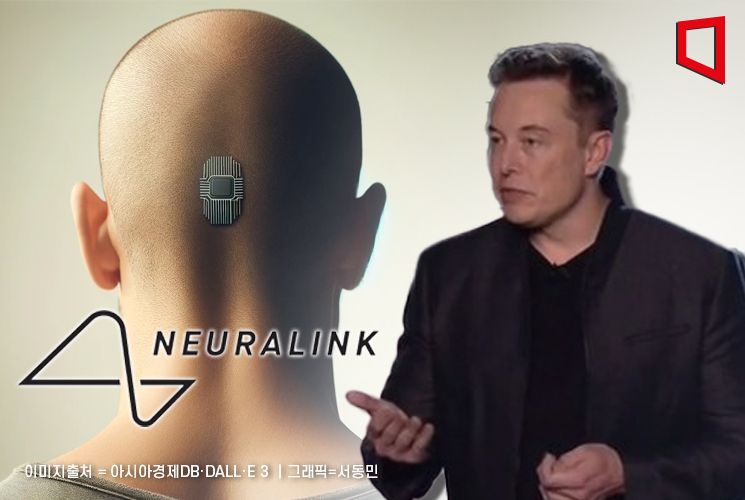
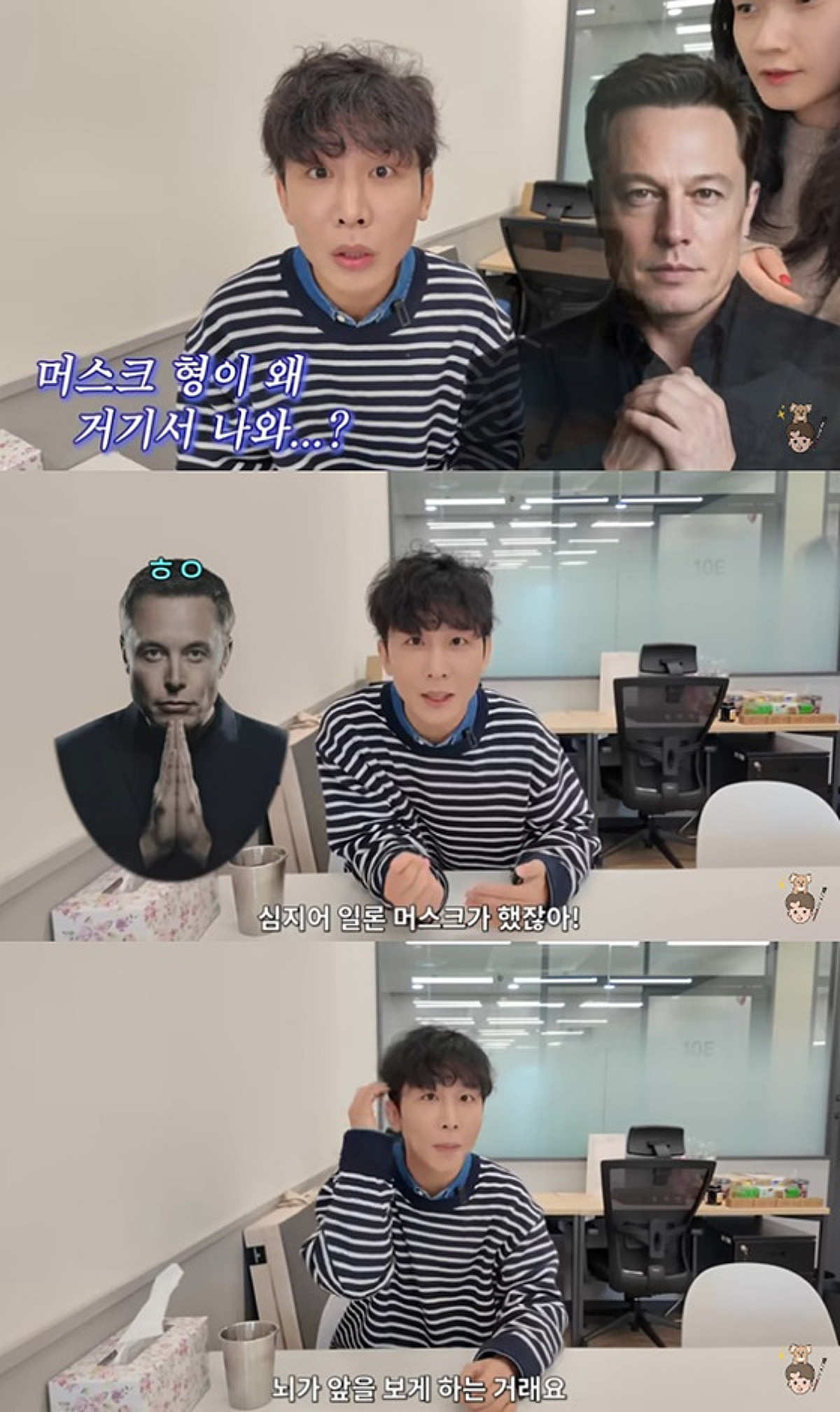
Blind Korean YouTuber 'Oneshot Hansol' has applied to participate in Neuralink's clinical trial for 'Blindsight,' an AI-powered brain implant aiming to restore vision by stimulating the visual cortex. While no harm has occurred, concerns about privacy, hacking, and social inequality have been raised regarding the technology's future use.[AI generated]

Why's our monitor labelling this an incident or hazard?

The event involves the use of an AI system (Neuralink's brain implant technology and robotic surgery) in a clinical trial aimed at restoring vision to a blind person. While the technology is promising and intended for health benefits, the article does not report any actual harm or injury yet. The participant expresses concerns about potential misuse or hacking, indicating plausible future risks. Since no harm has occurred but plausible harm could arise from the AI system's use, this qualifies as an AI Hazard rather than an AI Incident or Complementary Information.[AI generated]
AI principles
Privacy & data governanceRobustness & digital security

Industries
Healthcare, drugs, and biotechnology

Affected stakeholders
ConsumersGeneral public

Harm types
Human or fundamental rightsPublic interest

Severity
AI hazard

Business function:
Research and development

AI system task:
Recognition/object detection


Articles about this incident or hazard

Thumbnail Image

시각 장애인 韓 유튜버, 16년 만에 눈 뜨나...일론 머스크 임상실험 지원 [핫피플]

2026-03-02
Chosun.com
Why's our monitor labelling this an incident or hazard?
The event involves the use of an AI system (Neuralink's brain implant technology and robotic surgery) in a clinical trial aimed at restoring vision to a blind person. While the technology is promising and intended for health benefits, the article does not report any actual harm or injury yet. The participant expresses concerns about potential misuse or hacking, indicating plausible future risks. Since no harm has occurred but plausible harm could arise from the AI system's use, this qualifies as an AI Hazard rather than an AI Incident or Complementary Information.
Thumbnail Image

뇌에 칩 심는다"...시각장애 한국인 유튜버, 머스크 임상 실험 신청

2026-03-03
Chosun.com
Why's our monitor labelling this an incident or hazard?
The article explicitly involves an AI system: Neuralink's brain-computer interface that uses AI to interpret camera input and stimulate the brain to restore vision. The event is about the use and development of this AI system in clinical trials. No actual harm or injury has been reported yet, so it is not an AI Incident. However, the article discusses plausible future harms related to privacy and social inequality, which fits the definition of an AI Hazard. The event is not merely complementary information or unrelated, as it centers on the potential risks of the AI system's use in humans.
Thumbnail Image

"뇌에 칩 이식"...시각장애 한국인 유튜버, 머스크 임상 실험 지원 - 매일경제

2026-03-02
mk.co.kr
Why's our monitor labelling this an incident or hazard?
The event involves the use and development of an AI-enabled brain implant system (Neuralink's chip) designed to restore vision. However, the article only reports on the participation in a clinical trial and the technology's development status, with no realized harm or malfunction. The concerns raised are about plausible future risks (e.g., hacking, privacy invasion, inequality in access), which constitute potential harms. Therefore, this event qualifies as an AI Hazard because the AI system's use could plausibly lead to harm in the future, but no incident has yet occurred.
Thumbnail Image

"카메라가 제2의 눈 되는 것"...'시각 장애' 유튜버, 일론 머스크 임상 실험 지원 - 스타투데이

2026-03-02
mk.co.kr
Why's our monitor labelling this an incident or hazard?
The Neuralink brain implant system qualifies as an AI system because it uses AI-enabled robotic surgery and neural stimulation to restore vision. The event involves the use and development of this AI system in a clinical trial. Although no injury or harm has yet occurred, the article explicitly mentions concerns about potential misuse, hacking, and ethical issues, which could plausibly lead to harms such as privacy violations or unequal access to medical technology. Since the harm is potential and not realized, this event is best classified as an AI Hazard rather than an AI Incident.
Thumbnail Image

유튜버 '원샷한솔' 미국 간다..."뉴럴링크 임상 실험 참가"

2026-03-02
아시아경제
Why's our monitor labelling this an incident or hazard?
Neuralink's brain implant system qualifies as an AI system because it interprets neural data to generate outputs (visual perception). The article focuses on the upcoming clinical trial participation, which involves the use of this AI system. Since no actual harm or injury has been reported, but there is a credible potential for harm (e.g., privacy concerns, hacking, medical risks), this fits the definition of an AI Hazard rather than an AI Incident. The article also includes reflections on ethical concerns and equitable access, reinforcing the potential for future harm rather than current harm.
Thumbnail Image

시각장애 유튜버 원샷한솔, 머스크 '뇌 칩' 임상 실험 지원

2026-03-03
�����
Why's our monitor labelling this an incident or hazard?
The event involves an AI system (Neuralink's brain chip technology) under development and clinical trial use. While the technology aims to restore vision (a positive health outcome), the article highlights concerns about potential misuse and risks, such as hacking or privacy breaches, which could plausibly lead to harm. No actual injury, rights violation, or other harm has been reported yet. Therefore, this is not an AI Incident but an AI Hazard due to the credible potential for future harm from the AI system's use.
Thumbnail Image

"뇌에 칩 심어서..." 유튜버 한솔, 일론머스크 임상 참여

2026-03-03
국민일보
Why's our monitor labelling this an incident or hazard?
The event involves the use of an AI system (Neuralink's brain chip) in a clinical trial setting, which is a direct use of AI technology in a health-related context. No harm or injury has been reported; the participant expresses concerns about potential risks such as privacy or hacking, but these are speculative. Since no actual harm or violation has occurred, and the event concerns the potential impact of AI technology in the future, it fits the definition of an AI Hazard rather than an AI Incident. It is not merely complementary information because the main focus is on the clinical trial participation and the technology's potential impact, not on responses or governance. Therefore, the classification is AI Hazard.
Thumbnail Image

'시각 장애인' 유튜버 한솔, 일론 머스크 임상 지원.. 시력 되찾을까 - 일간스포츠

2026-03-02
isplus.com
Why's our monitor labelling this an incident or hazard?
The Neuralink 'Blindsight' system is an AI system designed to restore vision by brain stimulation. The article focuses on a candidate applying for clinical trials, with no reported injury or harm yet. The involvement of AI in a medical implant that interfaces with the brain carries plausible risks of injury or harm, making this a potential hazard. Since no actual harm or rights violation has occurred, it is not an AI Incident. The article is not merely complementary information because it highlights a specific event with plausible future harm. Therefore, the classification is AI Hazard.
Thumbnail Image

"뇌에 칩 심어 눈 뜬다"... 시각장애인 유튜버 원샷한솔, 일론 머스크 임상 지원

2026-03-02
마이데일리
Why's our monitor labelling this an incident or hazard?
The event involves the use of an AI system (Neuralink's brain implant with AI processing) in a clinical trial context. The participant is undergoing an invasive procedure with potential health risks and concerns about hacking and inequality. However, no actual harm or injury has been reported yet, only potential risks. Therefore, it fits the definition of an AI Hazard, as the AI system's use could plausibly lead to harm (health injury, privacy violations) but has not yet done so. The article does not focus on responses or governance measures, so it is not Complementary Information. It is not unrelated because it clearly involves an AI system and plausible future harm.
Thumbnail Image

'시각 장애인' 원샷한솔, 일론 머스크 '시력 회복' 임상 실험 지원.."눈 아닌 뇌로 본다" | 스타뉴스

2026-03-02
스타뉴스
Why's our monitor labelling this an incident or hazard?
The event involves the use of an AI system (Neuralink's brain-implant technology with AI processing visual data) in a clinical trial setting. Although no injury or harm has yet occurred, the technology's development and intended use could plausibly lead to harms such as privacy breaches, unauthorized access to thoughts, or inequitable access to treatment, which align with the definition of an AI Hazard. Since the article does not report any realized harm but discusses potential risks, it is best classified as an AI Hazard.
Thumbnail Image

"눈이 아닌 뇌로 보는 기술"⋯시각 장애 유튜버, 일론 머스크 임상 실험 지원

2026-03-03
inews24
Why's our monitor labelling this an incident or hazard?
The event involves an AI system (Neuralink's brain-computer interface with AI processing visual data) in clinical trial use, which is a development and use scenario. No direct or indirect harm has been reported yet, but the article highlights plausible future harms such as hacking risks and social inequality in access. Hence, it fits the definition of an AI Hazard rather than an Incident or Complementary Information. It is not unrelated because AI is central to the technology described.