
AI-Driven Work Management Causes Harm to Workers

Thumbnail Image

The information displayed in the AIM should not be reported as representing the official views of the OECD or of its member countries.

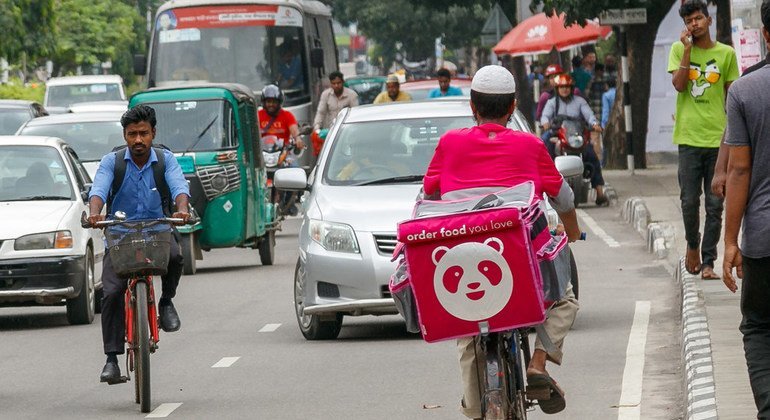
AI systems used in algorithmic management and content moderation are causing significant harm to workers, including mental health issues, unsafe working conditions, and fatal accidents. These harms are linked to AI-driven work targets, constant monitoring, and exposure to disturbing content, raising concerns about labor rights and worker safety globally.[AI generated]

Why's our monitor labelling this an incident or hazard?

The article explicitly describes AI systems in use that have already caused harm to workers, including mental health harms, unsafe working conditions, and fatal accidents linked to AI-driven management algorithms. The harms are direct or indirect consequences of AI system use in labor contexts, such as algorithmic management and content moderation. The article also discusses violations of labor rights and increased surveillance, which fall under violations of human rights and labor rights. Since the harms are realized and linked to AI system use, this is an AI Incident rather than a hazard or complementary information.[AI generated]
AI principles
Human wellbeingSafety

Industries
Business processes and support servicesMedia, social platforms, and marketing

Affected stakeholders
Workers

Harm types
PsychologicalPhysical (injury)Physical (death)

Severity
AI incident

Business function:
Human resource management

AI system task:
Goal-driven organisationRecognition/object detection


Articles about this incident or hazard

Thumbnail Image

How AI Is Already Reshaping Working Conditions

2026-03-04
Scoop
Why's our monitor labelling this an incident or hazard?
The article explicitly describes AI systems in use that have already caused harm to workers, including mental health harms, unsafe working conditions, and fatal accidents linked to AI-driven management algorithms. The harms are direct or indirect consequences of AI system use in labor contexts, such as algorithmic management and content moderation. The article also discusses violations of labor rights and increased surveillance, which fall under violations of human rights and labor rights. Since the harms are realized and linked to AI system use, this is an AI Incident rather than a hazard or complementary information.
Thumbnail Image

AI Revolutionizing Work Environments

2026-03-04
Mirage News
Why's our monitor labelling this an incident or hazard?
The article explicitly describes AI systems used in algorithmic management and content moderation that have caused real harm to workers, including mental health issues, unsafe working conditions, and fatal accidents. These harms fall under injury or harm to health and safety of people, meeting the criteria for an AI Incident. The article also discusses governance responses, but the primary focus is on the harms caused by AI use in work environments, not just complementary information or potential hazards.
Thumbnail Image

ILO and ITU warn of AI risks for workers

2026-03-05
AzerNews
Why's our monitor labelling this an incident or hazard?
The article clearly involves AI systems, specifically algorithmic management and AI technologies affecting workers. It references actual harms such as accidents and mental health risks linked to AI-driven work conditions, which qualify as AI-related harms. However, the article does not describe a specific new incident or event where AI use directly or indirectly caused harm, nor does it report a near-miss or credible future risk scenario as a primary focus. Instead, it summarizes findings, expert opinions, and ongoing initiatives addressing these issues. This aligns with the definition of Complementary Information, which provides context, updates, and governance responses related to AI impacts on workers without reporting a new AI Incident or Hazard.
Thumbnail Image

How AI is already reshaping working conditions

2026-03-04
UN News
Why's our monitor labelling this an incident or hazard?
The article explicitly describes AI systems (algorithmic management software, AI-assisted content moderation) that are currently in use and directly causing harm to workers' health, safety, and rights. Examples include fatal accidents linked to AI-set delivery targets, mental health harms from constant monitoring and exposure to disturbing content, and unfair labor practices driven by AI algorithms. These are direct harms resulting from the use of AI systems, meeting the criteria for an AI Incident under the framework. The article also discusses governance and regulatory responses but the primary focus is on the realized harms caused by AI in working conditions.
Thumbnail Image

How AI is already reshaping working conditions - Media Monitors Network (MMN)

2026-03-04
Media Monitors Network (MMN)
Why's our monitor labelling this an incident or hazard?
The article explicitly describes AI systems used in algorithmic management and content moderation that have directly led to harms including mental health issues, safety risks, and fatal accidents. The involvement of AI in these harms is clear, as the AI systems determine work pace, task allocation, and performance evaluation, which have caused anxiety, unsafe working conditions, and even fatalities. Additionally, violations of labor rights and human rights concerns are raised. Hence, this is an AI Incident as per the definitions, since the AI system's use has directly led to significant harms to people and labor rights.
Thumbnail Image

How AI is already reshaping working conditions

2026-03-04
azertag.az
Why's our monitor labelling this an incident or hazard?
The article explicitly references AI systems used in algorithmic management and content moderation that have directly led to harms including mental health issues, unsafe working conditions, and fatal accidents. These harms fall under injury or harm to health and violations of labor rights. The AI systems' use in managing work pace and task allocation has created unsafe pressures on workers, and content moderators face psychological harm from their work supporting AI training. The presence of AI systems and their role in causing these harms is clear and direct, meeting the criteria for an AI Incident rather than a hazard or complementary information. The article also discusses governance and regulatory responses but the primary focus is on the realized harms caused by AI systems.