OpenAI Faces Internal Dissent Over Pentagon AI Contract

Thumbnail Image

The information displayed in the AIM should not be reported as representing the official views of the OECD or of its member countries.

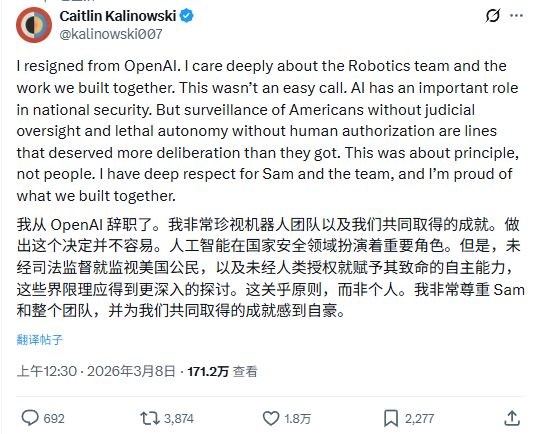
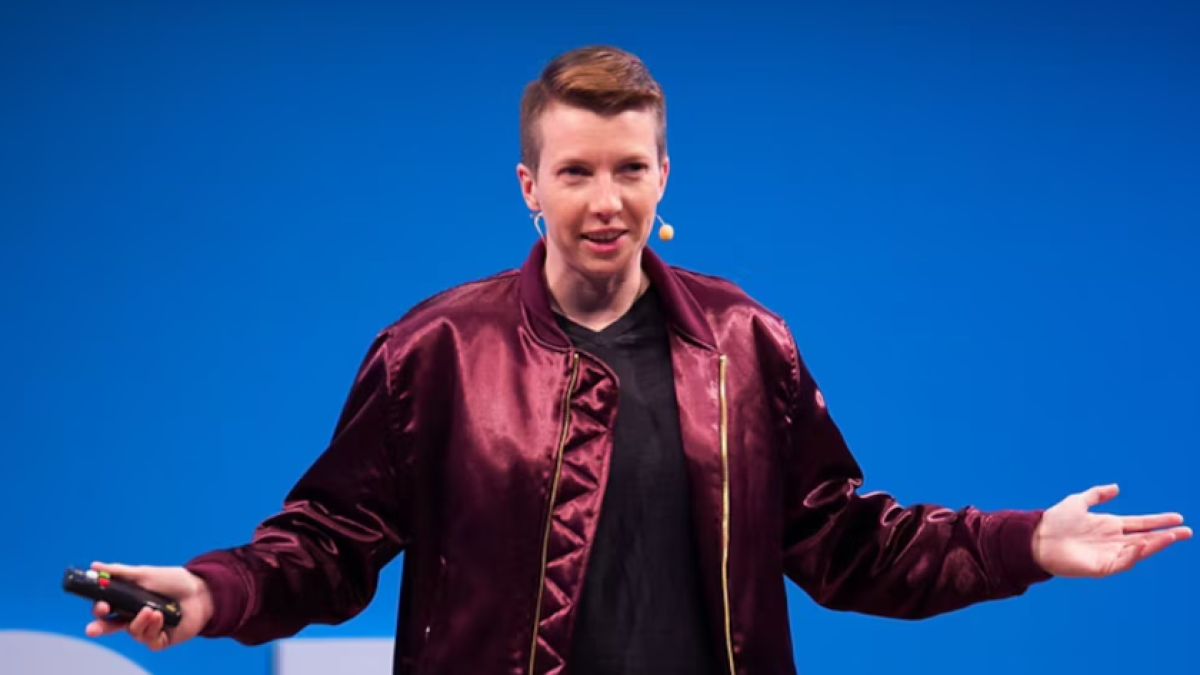
OpenAI's decision to supply AI systems for Pentagon military operations has sparked internal dissent, leading to the resignation of its robotics head, Caitlin Kalinowski. The move follows a similar controversy involving Anthropic and raises ethical concerns about AI misuse, surveillance, and autonomous weapons, though no direct harm has occurred yet.[AI generated]

Why's our monitor labelling this an incident or hazard?

The article describes a resignation motivated by concerns over the use of AI models in defense and surveillance by the Pentagon. Although no specific harm has occurred or is detailed, the involvement of AI in surveillance activities by a defense entity plausibly could lead to violations of rights or other harms. Therefore, this situation fits the definition of an AI Hazard, as it highlights a credible risk of future harm stemming from the AI system's use in surveillance and defense contexts.[AI generated]
AI principles
Respect of human rightsSafety

Industries
Government, security, and defence

Affected stakeholders
General public

Harm types
Human or fundamental rights

Severity
AI hazard

AI system task:
Recognition/object detectionGoal-driven organisation


Articles about this incident or hazard

Thumbnail Image

OpenAI Robotics Chief Quits, Raises Concerns Over Pentagon AI Surveillance

2026-03-08
TimesNow
Why's our monitor labelling this an incident or hazard?
The article describes a resignation motivated by concerns over the use of AI models in defense and surveillance by the Pentagon. Although no specific harm has occurred or is detailed, the involvement of AI in surveillance activities by a defense entity plausibly could lead to violations of rights or other harms. Therefore, this situation fits the definition of an AI Hazard, as it highlights a credible risk of future harm stemming from the AI system's use in surveillance and defense contexts.
Thumbnail Image

Anthropic entra en la lista negra del Pentágono por negarse a colaborar en vigilancia ciudadana y armamento autónomo

2026-03-08
infobae
Why's our monitor labelling this an incident or hazard?
The article explicitly involves AI systems (Anthropic's Claude and Musk's Grok) used or intended for military applications including surveillance and autonomous weapons. The refusal of Anthropic to allow its AI to be used in these ways and the Pentagon's insistence on unrestricted use directly relates to the potential for serious harm (e.g., lethal errors in autonomous weapons, mass surveillance violating rights). Since no actual harm is reported, but the potential for harm is central and credible, this fits the definition of an AI Hazard. The event is not merely complementary information or unrelated news, as it concerns the plausible risk of AI-enabled harm in critical infrastructure and human rights contexts.
Thumbnail Image

'AI Key In National Security But...': OpenAI Robotic Head Quits Over Pentagon Deal

2026-03-08
NDTV
Why's our monitor labelling this an incident or hazard?
The article involves AI systems used in national security and mentions ethical concerns about surveillance and autonomous weapons, which are potential sources of harm. However, no actual harm or incident is reported; the resignation is a response to the deal and its implications. The event is primarily about governance, ethical debate, and company-employee dynamics, not about an AI Incident or a direct AI Hazard. Therefore, it fits best as Complementary Information, providing context and updates on societal and governance responses to AI deployment in sensitive areas.
Thumbnail Image

'This Was About Principle': OpenAI Robotics Head Resigns Amid Pentagon AI Deal Backlash

2026-03-08
News18
Why's our monitor labelling this an incident or hazard?
The article explicitly involves AI systems in national security, including AI tools for surveillance and autonomous weapons, which are known to pose risks of harm to human rights and communities. The resignation and public debate reflect concerns about potential misuse and ethical boundaries, but no direct or indirect harm has been reported as having occurred. The event focuses on the plausible future risks and ethical implications of AI deployment in defense, fitting the definition of an AI Hazard rather than an Incident or Complementary Information. It is not unrelated, as AI systems and their potential harms are central to the narrative.
Thumbnail Image

'About principle, not people': OpenAI's robotics chief resigns over Pentagon AI contract

2026-03-08
The Indian Express
Why's our monitor labelling this an incident or hazard?
The article involves AI systems (OpenAI's AI models) and their deployment in military contexts, which raises ethical and governance concerns. However, no direct or indirect harm has occurred yet, nor is there a described near-miss or malfunction. The resignation is a response to ethical concerns and company decisions, reflecting societal and governance responses to AI use. This fits the definition of Complementary Information, as it enhances understanding of AI ecosystem developments and responses without reporting a new AI Incident or Hazard.
Thumbnail Image

OpenAI hardware leader resigns after deal with Pentagon

2026-03-08
MoneyControl
Why's our monitor labelling this an incident or hazard?
The event explicitly involves AI systems (OpenAI's AI models) being deployed in sensitive national security contexts. The concerns raised relate to governance and ethical risks that could plausibly lead to harms such as unauthorized surveillance and lethal autonomous weapon use. Since no actual harm has been reported yet, but the potential for significant harm is credible and directly linked to the AI system's deployment, this qualifies as an AI Hazard rather than an AI Incident. The resignation and public statements highlight governance concerns about the AI system's use, reinforcing the plausible risk of future harm.
Thumbnail Image

'Big Tech' lo puede parar | Columna

2026-03-09
EL PAÍS
Why's our monitor labelling this an incident or hazard?
The article explicitly references AI systems (e.g., Anthropic's Claude model) used to analyze massive data for surveillance and military operations, indicating AI system involvement. The harms discussed include potential violations of human rights (surveillance, suppression of protestors), harm to communities (political repression), and use of autonomous weapons. However, the article mainly provides an analysis and warning about these uses and the power dynamics involved, without describing a specific event where AI use directly caused harm. This fits the definition of an AI Hazard, as the AI systems' development and use could plausibly lead to incidents involving harm, but no specific incident is reported.
Thumbnail Image

"C'est une question de principe" : une dirigeante d'OpenAI démissionne après l'accord avec le Pentagone

2026-03-08
Le Figaro.fr
Why's our monitor labelling this an incident or hazard?
The article does not report any realized harm or incident caused by the AI system but focuses on the ethical and governance concerns surrounding the use of AI technology in military and surveillance applications. The resignation is a response to these concerns and the perceived premature announcement of the partnership without adequate safeguards. This fits the definition of an AI Hazard, as the development and use of AI systems in military and surveillance contexts could plausibly lead to harms such as violations of rights or lethal outcomes if not properly governed. Therefore, the event is best classified as an AI Hazard rather than an AI Incident or Complementary Information.
Thumbnail Image

OpenAI robotics head resigns, questions Pentagon's use of AI to monitor people

2026-03-08
India Today
Why's our monitor labelling this an incident or hazard?
The article involves AI systems (OpenAI's AI models) and their use by the Pentagon, which could plausibly lead to harms such as surveillance without oversight or lethal autonomous weapons. However, no actual harm or incident has occurred yet. The resignation is motivated by governance concerns and potential misuse risks, not by a realized AI Incident or a direct AI Hazard event. Thus, it fits the definition of Complementary Information, providing important context and societal/governance response to AI deployment issues.
Thumbnail Image

OpenAI robotics manager resigns over Pentagon deal

2026-03-09
The Hindu
Why's our monitor labelling this an incident or hazard?
The article involves AI systems as it discusses OpenAI's AI technology being contracted for military and surveillance use, which implies AI system development and deployment. However, no direct or indirect harm has yet occurred or been reported. The resignation and public statements reflect governance and ethical concerns about potential misuse and risks, indicating a credible risk of future harm. Therefore, this event fits the definition of an AI Hazard, as it plausibly could lead to harms such as violations of rights or lethal harm if AI is used without proper oversight.
Thumbnail Image

OpenAI: Managerin Caitlin ​Kalinowski kündigt nach umstrittenem Deal mit Pentagon

2026-03-07
Spiegel Online
Why's our monitor labelling this an incident or hazard?
While the event involves the use of AI systems (OpenAI's AI models) and their deployment in a military context, there is no indication that any harm has occurred or that the AI system's use has led to injury, rights violations, or other harms. The article focuses on internal disagreement and ethical concerns, not on an incident or a plausible hazard resulting from the AI system's use. Therefore, this is best classified as Complementary Information, as it provides context and insight into governance and societal responses related to AI deployment.
Thumbnail Image

'About principle, not people', OpenAI's robotics head quits after company's Pentagon deal -- Who is Caitlin Kalinowski? | Company Business News

2026-03-08
mint
Why's our monitor labelling this an incident or hazard?
The article describes a situation where AI systems are being deployed in sensitive national security contexts, which could plausibly lead to harms such as violations of rights (surveillance without oversight) and lethal autonomous weapons use. However, no direct or indirect harm has been reported as having occurred yet. The resignation and public backlash reflect concerns about potential future harms rather than realized incidents. Therefore, this event fits the definition of an AI Hazard, as it highlights credible risks and ethical issues related to AI deployment in military and surveillance domains that could plausibly lead to an AI Incident.
Thumbnail Image

"Des questions méritaient davantage de réflexion": une dirigeante d'OpenAI démissionne après l'accord permettant à l'armée américaine d'utiliser son IA

2026-03-08
BFMTV
Why's our monitor labelling this an incident or hazard?
The article explicitly involves an AI system (OpenAI's AI technology) and its use in military and surveillance contexts, which raises plausible risks of harm such as unauthorized surveillance and lethal autonomous weapons use. However, no direct or indirect harm has yet materialized or been reported. The resignation is a response to governance and ethical concerns about the agreement's terms and the lack of safeguards, indicating a credible potential for future harm. Thus, the event fits the definition of an AI Hazard rather than an AI Incident or Complementary Information.
Thumbnail Image

" C'est une question de principe " : après un accord entre OpenAI et le Pentagone, une dirigeante de l'entreprise démissionne

2026-03-08
Le Parisien
Why's our monitor labelling this an incident or hazard?
The article involves an AI system (OpenAI's AI technology) and its use in military and surveillance contexts, which could plausibly lead to harms such as violations of rights or lethal autonomous actions without human control. However, no actual harm or incident has been reported; the resignation is a reaction to governance and ethical concerns about potential future misuse. Therefore, this event fits the definition of an AI Hazard, as it highlights credible risks that could plausibly lead to AI incidents if not properly managed.
Thumbnail Image

憂五角大廈協議 OpenAI主管辭職 | 聯合新聞網

2026-03-08
UDN
Why's our monitor labelling this an incident or hazard?
The event involves AI systems explicitly (OpenAI's AI models deployed in the Pentagon) and concerns about their use in autonomous weapons and surveillance, which could plausibly lead to significant harms such as violations of human rights or harm to communities. The resignation and public concerns highlight governance and ethical risks. Since no direct harm has occurred yet, but there is a credible risk of future harm, this qualifies as an AI Hazard rather than an AI Incident. The article also discusses governance and societal responses, but the main focus is on the potential risks and concerns arising from the AI deployment agreement.
Thumbnail Image

對五角大廈協議憂心 OpenAI機器人部門主管辭職 | 聯合新聞網

2026-03-08
UDN
Why's our monitor labelling this an incident or hazard?
The event explicitly involves AI systems (OpenAI's AI models) and their deployment in sensitive national security contexts. The resignation is due to concerns about potential misuse or insufficient safeguards, indicating plausible future harm related to AI use in autonomous weapons and surveillance. Since no direct harm or incident has occurred yet, but there is a credible risk of harm, this qualifies as an AI Hazard. The article does not describe an actual AI Incident or realized harm, nor is it merely complementary information or unrelated news.
Thumbnail Image

U.S. Military AI Expansion Sparks OpenAI Contract Debate and Protests

2026-03-08
Chosun.com
Why's our monitor labelling this an incident or hazard?
The article does not report any realized harm or incident directly caused by AI systems but focuses on the ongoing expansion and policy changes regarding AI use in military operations. The concerns raised about lethal autonomy without human approval and domestic surveillance indicate plausible future harms. The involvement of AI in military applications inherently carries risks of injury, rights violations, and other serious harms. Hence, this event fits the definition of an AI Hazard rather than an AI Incident or Complementary Information. It is not unrelated because AI systems and their use are central to the discussion.
Thumbnail Image

OpenAI Robotics Head Resigns Over Defense Contract Ethics

2026-03-08
Chosun.com
Why's our monitor labelling this an incident or hazard?
The article explicitly mentions AI systems being deployed in defense contexts with potential applications in surveillance and autonomous lethal systems, which are areas with credible risks of harm. The resignation and public backlash highlight ethical and societal concerns about these risks. However, there is no indication that actual harm has yet occurred, only plausible future harm. Thus, the event fits the definition of an AI Hazard rather than an AI Incident. It is not merely complementary information because the main focus is on the ethical and risk concerns tied to the AI system's use, not on responses or updates to past incidents. It is not unrelated because AI systems and their deployment are central to the event.
Thumbnail Image

OpenAI robotics chief resigns over Sam Altman's Pentagon deal, says 'It's about principle, not people'

2026-03-08
The Financial Express
Why's our monitor labelling this an incident or hazard?
The article explicitly mentions the involvement of AI systems (OpenAI's advanced AI models) being used by the Pentagon, which is a clear AI system involvement. The resignation stems from concerns about the use (and potential misuse) of these AI systems in military applications, particularly regarding surveillance and lethal autonomous actions without human oversight. No direct or indirect harm has been reported yet, but the concerns highlight plausible future harms related to human rights violations and ethical issues. Hence, this event fits the definition of an AI Hazard, as it plausibly could lead to an AI Incident if governance and safeguards are inadequate. It is not Complementary Information because the main focus is not on responses or updates to a past incident but on the potential risks and governance concerns leading to a resignation. It is not Unrelated because the AI system and its use are central to the event.
Thumbnail Image

Intelligence artificielle : une dirigeante d'OpenAI démissionne pour protester contre l'accord avec le Pentagone

2026-03-08
SudOuest.fr
Why's our monitor labelling this an incident or hazard?
The article involves an AI system (OpenAI's technology) and its use in military and surveillance applications, which raises plausible risks of harm (e.g., lethal autonomous weapons, surveillance without judicial oversight). The resignation is a protest against these potential harms and the lack of safeguards. Since no actual harm or incident has occurred yet, but the potential for harm is credible and significant, this event fits the definition of an AI Hazard rather than an AI Incident or Complementary Information.
Thumbnail Image

OpenAI Robotics head resigns after deal with Pentagon

2026-03-08
Economic Times
Why's our monitor labelling this an incident or hazard?
The article centers on governance and ethical concerns regarding the deployment of AI models in defense contexts, particularly the potential for surveillance and autonomous lethal actions without proper oversight. However, no direct or indirect harm has occurred yet, nor is there a report of malfunction or misuse causing harm. The resignation is a response to these concerns and the perceived rushed decision-making process. Therefore, this event fits the definition of an AI Hazard, as it highlights plausible future harms and governance risks associated with AI deployment in sensitive defense applications.
Thumbnail Image

OpenAI senior robotics exec resigns over Pentagon deal

2026-03-08
Economic Times
Why's our monitor labelling this an incident or hazard?
The article involves an AI system (OpenAI's models) and its use in military and domestic surveillance contexts, which could plausibly lead to harms such as violations of human rights and privacy. However, no direct or indirect harm has been reported as having occurred yet. The resignation and contract modification discussions highlight governance and ethical concerns about potential misuse. Therefore, this event fits the definition of an AI Hazard, as it concerns plausible future harm from the AI system's deployment without sufficient safeguards.
Thumbnail Image

OpenAI Robotics head resigns after deal with Pentagon - CNBC TV18

2026-03-08
cnbctv18.com
Why's our monitor labelling this an incident or hazard?
The article describes a situation where AI systems are being deployed in a national security context with potential applications in surveillance and lethal autonomy. Although no actual harm or incident has occurred yet, the concerns raised by the resignation and the debate about safeguards indicate a plausible risk of serious harm, such as violations of human rights or lethal outcomes. Therefore, this event qualifies as an AI Hazard because it plausibly could lead to an AI Incident if the AI systems are used without proper oversight or controls.
Thumbnail Image

Une dirigeante d'OpenAI démissionne après l'accord avec le Pentagone : 'Des questions qui méritaient davantage de réflexion' - RTBF Actus

2026-03-08
RTBF
Why's our monitor labelling this an incident or hazard?
The article involves AI systems (OpenAI's AI) and their use in a military contract, which raises plausible risks of harm related to surveillance and lethal autonomous weapons. However, no direct or indirect harm has occurred or is reported. The resignation is a response to ethical concerns and contract modifications, reflecting governance and societal responses to AI deployment. Therefore, this event fits the definition of Complementary Information as it provides context and updates on governance and ethical considerations rather than reporting an AI Incident or Hazard.
Thumbnail Image

OpenAI hardware leader resigns after deal with Pentagon

2026-03-08
CNA
Why's our monitor labelling this an incident or hazard?
The event centers on concerns about the potential future misuse of AI systems in sensitive military applications, such as surveillance without judicial oversight and lethal autonomous weapons, which could plausibly lead to harms including violations of human rights and harm to communities. Since no harm has yet occurred and the issue is about the potential risks and governance of AI deployment in defense, this qualifies as an AI Hazard. The resignation is a response to these concerns, but the article does not describe any realized harm or incident caused by the AI systems themselves.
Thumbnail Image

Démission chez OpenAI, projet de directives gouvernementales... le contrat entre Sam Altman et le Pentagone fait encore des vagues

2026-03-08
LesEchos.fr
Why's our monitor labelling this an incident or hazard?
The article involves AI systems in the context of military contracts and governance concerns, but no direct or indirect harm from AI use is reported. The resignation and public backlash reflect concerns about potential misuse, but no actual incident or harm has occurred. The mention of proposed government directives is a governance response to potential risks, not a description of an AI Hazard or Incident. Therefore, the article fits best as Complementary Information, providing context and updates on societal and governance responses to AI developments.
Thumbnail Image

憂與五角大廈協議不設防 OpenAI機器人部門主管辭職 - 國際 - 自由時報電子報

2026-03-08
Liberty Times Net
Why's our monitor labelling this an incident or hazard?
The event involves the use and deployment of AI systems (OpenAI's AI models) in a sensitive and potentially high-risk context (U.S. military applications). The resignation is motivated by concerns over insufficient safeguards, which implies a credible risk that the AI deployment could lead to harms such as unauthorized surveillance or lethal autonomous weapon use. However, since no actual harm or incident has been reported yet, and the focus is on potential risks and governance issues, this qualifies as an AI Hazard rather than an AI Incident. The article does not primarily discuss responses or updates to past incidents, so it is not Complementary Information, nor is it unrelated to AI.
Thumbnail Image

OpenAI Robotics Head Resigns as Pentagon AI Deal Sparks Debate Over Defense Tech

2026-03-08
Markets Insider
Why's our monitor labelling this an incident or hazard?
The article involves AI systems explicitly, as it discusses AI tools being integrated into defense infrastructure. However, there is no indication that any harm has occurred yet. The resignation and debate reflect concerns about plausible future harms related to AI use in surveillance and autonomous weapons. Since the event focuses on potential risks and ethical considerations without any realized harm, it fits the definition of an AI Hazard. It is not Complementary Information because the main focus is not on updates or responses to a past incident, nor is it unrelated as it clearly involves AI and its implications.
Thumbnail Image

OpenAI robotics chief quits over AI's potential use for war and surveillance

2026-03-08
France 24
Why's our monitor labelling this an incident or hazard?
The article explicitly mentions AI technology being contracted for use by the US Department of Defense and concerns about its use for war and domestic surveillance without sufficient oversight. The resignation is motivated by governance and ethical issues regarding potential misuse. Since no actual harm or incident has occurred yet, but the potential for harm is credible and significant, this qualifies as an AI Hazard. It is not Complementary Information because the main focus is on the resignation and the ethical concerns about the AI's potential use, not on responses or updates to a past incident. It is not an AI Incident because no harm has materialized.
Thumbnail Image

對五角大廈協議憂心 OpenAI機器人部門主管辭職 | 科技 | 中央社 CNA

2026-03-08
Central News Agency
Why's our monitor labelling this an incident or hazard?
The article involves an AI system (OpenAI's AI models) and discusses its deployment in a sensitive context (U.S. military). The resignation is motivated by concerns about possible future harms related to AI use in surveillance and autonomous weapons, which are plausible risks. However, no direct or indirect harm has occurred yet, and the article focuses on the potential risks and governance issues rather than an actual incident. Therefore, this event qualifies as an AI Hazard, reflecting credible concerns about plausible future harms from AI deployment in military applications.
Thumbnail Image

OpenAI hardware lead resigns in response to US Department of Defense deal

2026-03-09
Rappler
Why's our monitor labelling this an incident or hazard?
The article centers on a principled resignation over the governance and ethical implications of an AI-related defense contract. While the agreement involves AI systems with potential for harm (e.g., autonomous weapons, surveillance), no actual harm or incident has occurred or been reported. The concerns are about plausible future risks and the need for proper safeguards and oversight. Therefore, this event fits the definition of an AI Hazard, as it plausibly could lead to harm if not properly governed, but no incident has yet materialized.
Thumbnail Image

OpenAI-Managerin zieht sich im Streit um Pentagon-Auftrag zurück

2026-03-07
oe24
Why's our monitor labelling this an incident or hazard?
The article explicitly mentions AI systems (OpenAI's AI models) being used by the US military, with concerns about their potential use in autonomous weapons and surveillance without proper oversight. No actual harm or incident has been reported yet; the resignation and criticism focus on the risk and governance issues. The potential for harm is credible given the nature of the AI applications discussed, fitting the definition of an AI Hazard. There is no indication of realized harm or incident, nor is the article primarily about responses or updates to past incidents, so it is not Complementary Information. It is clearly related to AI systems and their use, so it is not Unrelated.
Thumbnail Image

Pese a polémicas, usuarios de Microsoft y Google podrán usar herramientas de Anthropic

2026-03-08
Montevideo Portal / Montevideo COMM
Why's our monitor labelling this an incident or hazard?
The article does not report any realized harm or incident caused by the AI systems. It discusses a political/governance issue and the companies' responses, which is complementary information about the AI ecosystem and regulatory environment. There is no direct or indirect harm described, nor a plausible future harm scenario detailed beyond the political risk designation. Therefore, this is best classified as Complementary Information.
Thumbnail Image

OpenAI senior executive resigns over Pentagon deal

2026-03-08
Punch Newspapers
Why's our monitor labelling this an incident or hazard?
The event centers on the ethical and governance implications of OpenAI's AI technology being deployed for military and surveillance purposes, which could plausibly lead to harms such as violations of human rights (e.g., surveillance without oversight) and lethal autonomous actions. Since no direct harm or incident has been reported, but there is a credible risk of future harm due to the nature of the AI system's intended use and the concerns raised, this qualifies as an AI Hazard. The resignation is a response to these governance concerns, emphasizing the potential for harm rather than an actualized incident.
Thumbnail Image

不滿與國防部合作 OpenAI硬體部門主管走人

2026-03-08
工商時報
Why's our monitor labelling this an incident or hazard?
The event involves an AI system (OpenAI's AI models) and its deployment in a sensitive context (U.S. Department of Defense classified network). The resignation is motivated by concerns about potential misuse or insufficient risk assessment, indicating plausible future risks. However, no direct or indirect harm has been reported as having occurred. Therefore, this event fits the definition of an AI Hazard, as it plausibly could lead to harm but no incident has yet materialized.
Thumbnail Image

Massenüberwachung und autonome Waffen: OpenAIs Chefin der Robotik-Abteilung tritt zurück

2026-03-08
ComputerBase
Why's our monitor labelling this an incident or hazard?
The article explicitly discusses AI systems in the context of mass surveillance and autonomous weapons, both of which involve AI development and use with high potential for harm. The resignation is motivated by ethical concerns about these AI applications, indicating internal disagreement about their risks. While no direct harm is reported, the potential for serious violations of rights and lethal outcomes is credible and well-recognized. The event does not describe an actual incident of harm but highlights plausible future risks and ethical challenges, fitting the definition of an AI Hazard rather than an AI Incident or Complementary Information.
Thumbnail Image

不滿與五角大廈合作 OpenAI高層辭職

2026-03-08
工商時報
Why's our monitor labelling this an incident or hazard?
The article describes the deployment of AI models by OpenAI into the Pentagon's classified cloud environment, which is a clear use of AI systems in a sensitive and high-risk context. The resignation of a senior executive over concerns about governance and risk assessment highlights the potential for misuse or malfunction. Although no actual harm or incident is reported, the potential for AI to be used in autonomous weapons or domestic surveillance without proper oversight is a credible and significant risk. This aligns with the definition of an AI Hazard, where the AI system's use could plausibly lead to harm, but no harm has yet been realized or reported. The event is not an AI Incident because no direct or indirect harm has occurred yet, and it is not merely complementary information or unrelated news because the focus is on the risk posed by the AI deployment in defense contexts.
Thumbnail Image

États-Unis: une dirigeante d'OpenAI démissionne après un accord militaire avec le Pentagone

2026-03-08
RFI
Why's our monitor labelling this an incident or hazard?
The event involves AI systems because OpenAI's technology, including AI models like ChatGPT, is being contracted for military and surveillance use, which implies AI system involvement. However, no direct or indirect harm has occurred yet; the resignation is a response to concerns about potential misuse and insufficient safeguards. Therefore, this situation represents a plausible risk of harm due to AI use in military and surveillance contexts but does not describe an actual incident or harm. It is best classified as an AI Hazard because it concerns credible potential future harms related to AI deployment without adequate governance.
Thumbnail Image

Une dirigeante d'OpenAI démissionne après l'accord avec le Pentagone

2026-03-08
La Libre.be
Why's our monitor labelling this an incident or hazard?
The article explicitly involves an AI system (OpenAI's technology) and its use in military and surveillance applications. The resignation is motivated by ethical concerns about lethal autonomy and surveillance without judicial control, which are credible risks of harm. No actual harm or incident is reported, only the potential for harm. Thus, this event fits the definition of an AI Hazard, as it plausibly could lead to harms such as violations of human rights or lethal harm. It is not an AI Incident because no harm has yet occurred, nor is it Complementary Information or Unrelated.
Thumbnail Image

Une dirigeante d'OpenAI démissionne après l'accord avec le Pentagone : "C'est une question de principe"

2026-03-08
La Libre.be
Why's our monitor labelling this an incident or hazard?
The article explicitly mentions the use of OpenAI's AI technology for military and surveillance purposes, which inherently involves AI systems. The resignation is motivated by concerns over lethal autonomy without human authorization and surveillance without judicial oversight, both of which pose credible risks of harm to human rights and safety. Since no actual harm is reported yet but the potential for significant harm is clear, this qualifies as an AI Hazard rather than an AI Incident. The event is not merely complementary information or unrelated, as it centers on the ethical implications and potential risks of AI deployment in sensitive domains.
Thumbnail Image

KI - OpenAI-Managerin geht im Streit um Pentagon-Auftrag nach Anthropic-Rauswurf

2026-03-08
Deutschlandfunk
Why's our monitor labelling this an incident or hazard?
The article involves AI systems (OpenAI and Anthropic's AI models) and their use in military cloud networks, which implies AI system involvement. The dispute centers on the potential use of AI for fully autonomous weapons or mass surveillance, which are recognized as significant potential harms (violations of human rights and other harms). No actual harm or incident is reported; rather, the article discusses concerns and disagreements about safeguards and contract decisions. This fits the definition of an AI Hazard, where the development or use of AI systems could plausibly lead to harm, but no harm has yet materialized. It is not Complementary Information because the focus is not on responses or updates to a past incident, nor is it unrelated as it clearly involves AI and potential harm.
Thumbnail Image

OpenAI's robotics hardware lead resigns following deal with the Department of Defense

2026-03-08
engadget
Why's our monitor labelling this an incident or hazard?
The article involves AI systems in the context of robotics and AI applications for national security, specifically mentioning concerns about surveillance and autonomous weapons. However, no direct or indirect harm has occurred yet; the concerns are about plausible future harms due to insufficient guardrails. Therefore, this event fits the definition of an AI Hazard, as it plausibly could lead to AI incidents involving violations of rights or lethal harm if not properly managed. It is not an AI Incident because no harm has materialized, nor is it Complementary Information or Unrelated, as the focus is on potential risks from AI system use in defense.
Thumbnail Image

Pentagon-Deal: OpenAI-Robotik-Chefin tritt zurück

2026-03-08
Business Insider
Why's our monitor labelling this an incident or hazard?
The article explicitly mentions AI systems in the context of surveillance and lethal autonomous weapons, which are AI applications with significant potential for harm. The resignation is motivated by ethical concerns about these uses, indicating plausible future harm. No direct or indirect harm has yet occurred as per the article, so it is not an AI Incident. The focus is on the potential risks and ethical considerations, not on a response or update to a past incident, so it is not Complementary Information. Hence, the event is best classified as an AI Hazard due to the credible risk of harm from AI-enabled military applications.
Thumbnail Image

Controversia de Anthropic en el Pentágono: ¿una advertencia para startups de defensa?

2026-03-08
Cadena 3 Argentina
Why's our monitor labelling this an incident or hazard?
The article centers on the controversy and negotiation issues between Anthropic and the Pentagon, including legal and reputational consequences, but does not report any realized or potential harm caused by the AI system itself. There is no indication that the AI system Claude caused or could plausibly cause injury, rights violations, or other harms. The focus is on governance, policy, and market reactions, which fits the definition of Complementary Information. It does not meet the criteria for AI Incident or AI Hazard, nor is it unrelated to AI.
Thumbnail Image

OpenAI robotics head resigns after Pentagon deal, says it's about principles, not people

2026-03-08
Digit
Why's our monitor labelling this an incident or hazard?
The event involves AI systems (OpenAI's AI models) being deployed in military settings, which could plausibly lead to harms such as surveillance without oversight or lethal autonomous weapons use. However, no direct or indirect harm has yet occurred as per the article. The resignation and public backlash reflect concerns about governance and potential future risks rather than realized harm. Therefore, this qualifies as an AI Hazard due to the plausible future harm from the AI system's use in military applications without clear safeguards.
Thumbnail Image

OpenAI hardware chief quits over Pentagon AI deal

2026-03-08
The West Australian
Why's our monitor labelling this an incident or hazard?
The article involves an AI system (OpenAI's AI models) and its use in a defense context. However, no actual harm or incident has been reported; the concerns are about potential misuse and governance issues that could plausibly lead to harm, such as surveillance without oversight or lethal autonomy without human authorization. Since no harm has occurred yet but there is a credible risk of future harm, this qualifies as an AI Hazard rather than an AI Incident or Complementary Information.
Thumbnail Image

不滿 AI 部署五角大廈引監控爭議,OpenAI 機器人主管辭職

2026-03-08
TechNews 科技新報 | 市場和業內人士關心的趨勢、內幕與新聞
Why's our monitor labelling this an incident or hazard?
The article explicitly mentions AI systems being deployed in sensitive national security environments, which involves AI system use and development. The resignation is motivated by ethical concerns about potential misuse, including surveillance and autonomous weapons, which could plausibly lead to harms such as violations of rights or harm to communities. However, no actual harm or incident is reported; the concerns are about future risks and insufficient oversight. This fits the definition of an AI Hazard, as the event plausibly could lead to an AI Incident if the risks materialize, but no incident has yet occurred.
Thumbnail Image

OpenAI-Managerin tritt zurück

2026-03-08
Cash
Why's our monitor labelling this an incident or hazard?
The article involves AI systems (OpenAI's AI models) and their use by the US Department of Defense, which is a credible context for potential harm, especially regarding autonomous weapons or surveillance. The resignation is motivated by concerns about insufficient caution before agreeing to this use. No actual harm or incident is reported, so it is not an AI Incident. The event is not merely complementary information or unrelated, as it directly concerns the potential risks of AI deployment in military applications. Hence, it fits the definition of an AI Hazard, where the development and use of AI systems could plausibly lead to significant harm in the future.
Thumbnail Image

不满与国防部签军用和监视国民合约 OpenAI机器人业务高管辞职

2026-03-08
東方網 馬來西亞東方日報
Why's our monitor labelling this an incident or hazard?
The article involves an AI system (OpenAI's technology) and its use in military and domestic surveillance contexts, which could plausibly lead to harms such as violations of human rights (domestic surveillance without oversight) or harm related to autonomous military applications. However, no direct or indirect harm has yet occurred or been reported. The event centers on ethical concerns, governance, and a resignation in protest, which aligns with an AI Hazard classification due to the plausible future harm from the AI system's use under the current contract terms. It is not Complementary Information because the main focus is not on responses to a past incident but on the potential risks and governance issues. It is not an AI Incident because no harm has materialized.
Thumbnail Image

OpenAI robotics head resigns over Pentagon AI deal

2026-03-08
The News International
Why's our monitor labelling this an incident or hazard?
The article involves AI systems through OpenAI's technology being used by the Pentagon, which includes potential applications in surveillance and autonomous weapons. These applications raise concerns about violations of rights and lethal autonomous systems, which are plausible future harms. However, no direct or indirect harm has been reported as having occurred. The resignation is a reaction to these potential risks, indicating the event is about plausible future harm rather than an actual incident. Hence, it fits the definition of an AI Hazard rather than an AI Incident or Complementary Information.
Thumbnail Image

挺身對抗五角大廈 AI 合約:為何 OpenAI 機器人硬體一姐,選擇「用辭職畫紅線」?

2026-03-09
數位時代
Why's our monitor labelling this an incident or hazard?
The event centers on the deployment of AI models in defense applications with potential for misuse in domestic surveillance and autonomous lethal weapons, both of which pose credible risks of harm. The resignation is a response to governance gaps and rushed contract disclosures, emphasizing structural concerns about AI's role in national security and civil rights. No actual harm has been reported yet, but the plausible future harms are significant and directly linked to the AI system's use. Hence, it fits the definition of an AI Hazard rather than an Incident or Complementary Information. It is not unrelated because AI systems and their governance are central to the event.
Thumbnail Image

OpenAI與美國防部簽約後 硬體部門主管離職

2026-03-09
iThome Online
Why's our monitor labelling this an incident or hazard?
The article describes the signing of a contract between OpenAI and the U.S. DoD for AI model use in military settings, which raises concerns about AI's role in national security and autonomous weapons. The resignation of a key hardware leader due to ethical concerns underscores the potential risks. The DoD's designation of Anthropic as a supply chain risk further reflects tensions around AI use in defense. However, the article does not report any realized harm or incidents caused by AI systems; it focuses on principled objections, policy decisions, and market responses. Therefore, this event represents a plausible future risk scenario (AI Hazard) rather than an actual incident or harm. It also does not primarily focus on responses or updates to past incidents, so it is not Complementary Information.
Thumbnail Image

OpenAI senior robotics exec resigns over Pentagon deal

2026-03-08
The Manila times
Why's our monitor labelling this an incident or hazard?
The article explicitly mentions AI technology (OpenAI's models) being contracted for military and surveillance use, which involves AI system use. The resignation is due to ethical concerns about the potential misuse of AI for lethal autonomy and domestic surveillance without oversight, which could plausibly lead to harms such as violations of human rights or harm to persons. However, no actual harm or incident has occurred yet, only the potential risk and governance concerns. Thus, this is an AI Hazard rather than an AI Incident or Complementary Information.
Thumbnail Image

Who's Caitlin Kalinowski? OpenAI robotics chief resigns over Pentagon deal

2026-03-08
NewsBytes
Why's our monitor labelling this an incident or hazard?
The article mentions AI systems in the context of national security, surveillance, and lethal autonomy, which are areas where AI misuse could plausibly lead to significant harms such as violations of human rights or harm to communities. Although no incident has occurred yet, the ethical concerns and the resignation indicate a credible risk of future AI-related harm. Therefore, this event qualifies as an AI Hazard rather than an Incident or Complementary Information.
Thumbnail Image

OpenAI Robotics Manager Resigns Over Pentagon Deal

2026-03-09
Channels Television
Why's our monitor labelling this an incident or hazard?
The article involves an AI system (OpenAI's models) and its use in a defense contract with potential applications in lethal autonomy and domestic surveillance, which could plausibly lead to harms such as violations of human rights or harm to persons. However, the article does not report any actual harm or incident resulting from this use; rather, it focuses on ethical concerns and governance issues raised by an employee's resignation. Therefore, this event fits the definition of an AI Hazard, as it highlights a credible risk of future harm due to the AI system's deployment in sensitive military and surveillance contexts without adequate safeguards.
Thumbnail Image

OpenAI Executive Resigns Over Pentagon AI Deal and Oversight Concerns

2026-03-08
Analytics Insight
Why's our monitor labelling this an incident or hazard?
The article centers on principled objections to the deployment and governance of AI in sensitive military and surveillance contexts, highlighting potential risks and the need for oversight. No actual harm or incident caused by AI systems is reported. Therefore, this event fits the definition of an AI Hazard, as it plausibly could lead to harm if such AI uses proceed without proper safeguards, but no direct or indirect harm has yet occurred.
Thumbnail Image

OpenAI robotics chief resigns over Pentagon AI deal

2026-03-08
Social News XYZ
Why's our monitor labelling this an incident or hazard?
The article involves AI systems being deployed in sensitive national security environments, which could plausibly lead to harms such as surveillance without oversight or lethal autonomous weapons use. However, the article does not report any actual harm or incident resulting from this deployment. The resignation is a response to ethical concerns rather than a direct consequence of an AI incident. Therefore, this event fits the category of Complementary Information, as it provides context on governance, ethical debates, and company responses related to AI use in defense, without describing a realized AI Incident or an imminent AI Hazard.
Thumbnail Image

美軍擴大AI應用引發科技界反彈 OpenAI合約爭議延燒

2026-03-09
Yahoo!奇摩股市
Why's our monitor labelling this an incident or hazard?
While the article clearly involves AI systems in military contexts and discusses the potential for ethical and governance issues, it does not describe any realized harm or incident caused by AI use. The concerns and controversies are about the expansion and governance of AI in defense, which could plausibly lead to harm in the future but have not yet materialized as an incident. Therefore, this event fits the definition of an AI Hazard, as it reflects credible potential risks from the development and use of AI in military operations, but no direct or indirect harm has been reported yet.
Thumbnail Image

OpenAI Robotics: Chef wirft hin

2026-03-08
Börse Express
Why's our monitor labelling this an incident or hazard?
The article explicitly involves AI systems developed by OpenAI and their use by the Pentagon under a contract that lacks clear safeguards. The concerns raised about surveillance without judicial oversight and lethal autonomous weapons without human approval indicate plausible risks of serious harm, including violations of human rights and potential physical harm. Although no actual harm or incident is reported, the lack of control and governance over military use of AI models creates a credible risk of future AI incidents. Hence, this is best classified as an AI Hazard rather than an AI Incident or Complementary Information.
Thumbnail Image

OpenAI robotics leader resigns over concerns about Pentagon AI deal

2026-03-08
KUOW-FM (94.9, Seattle)
Why's our monitor labelling this an incident or hazard?
The article involves AI systems as it discusses OpenAI's AI technologies being integrated into Defense Department systems, which reasonably implies AI system involvement. However, no direct or indirect harm has occurred yet; the resignation is motivated by concerns about possible future misuse, such as surveillance without oversight and lethal autonomous weapons. These concerns represent plausible risks of harm but do not describe an actual incident. Therefore, this event fits the definition of an AI Hazard, as it highlights credible potential harms from AI deployment in defense without reporting realized harm.
Thumbnail Image

OpenAI robotics boss resigns, warns of AI surveillance under defense contract - Cryptopolitan

2026-03-08
Cryptopolitan
Why's our monitor labelling this an incident or hazard?
The article explicitly mentions AI systems being developed and deployed for military surveillance and autonomous weapons, which are AI systems with high potential for misuse and harm. The resignation is motivated by concerns over these potential harms and governance failures. Although no direct harm or incident has occurred, the described situation plausibly could lead to AI incidents involving violations of rights and harm to communities. The event focuses on the potential risks and ethical concerns rather than reporting an actual AI-caused harm or incident. Hence, it fits the definition of an AI Hazard rather than an AI Incident or Complementary Information.
Thumbnail Image

OpenAI robotics chief resigns over Pentagon AI deal

2026-03-08
International Business Times, India Edition
Why's our monitor labelling this an incident or hazard?
The article centers on the resignation of a key AI team leader over ethical concerns about AI use in defense, highlighting governance and societal responses to AI deployment in sensitive areas. There is no report of realized harm or incident caused by AI, nor a specific plausible future harm event described. The focus is on the company's policy, employee dissent, and the broader debate on responsible AI use in national security. This fits the definition of Complementary Information, as it provides context and updates on AI governance and societal reactions rather than describing an AI Incident or AI Hazard.
Thumbnail Image

OpenAI 機器人部門主管請辭 與美國防部合作惹議 | 國際焦點 | 國際 | 經濟日報

2026-03-08
Udnemoney聯合理財網
Why's our monitor labelling this an incident or hazard?
The article centers on the ethical and societal implications of AI cooperation with the military, employee resignations, and public backlash, without describing any realized harm or malfunction caused by AI systems. There is no direct or indirect harm reported, nor a specific event where AI use led to injury, rights violations, or other harms. Therefore, this is best classified as Complementary Information, as it provides context and updates on societal and governance responses related to AI use in defense but does not describe an AI Incident or AI Hazard.
Thumbnail Image

Controversial Defense Agreement Sparks Resignation at OpenAI | Technology

2026-03-08
Devdiscourse
Why's our monitor labelling this an incident or hazard?
The article centers on concerns about the potential misuse of AI in military contexts, such as surveillance and autonomous weapons, which could plausibly lead to harm if not properly managed. However, no actual harm or violation has occurred yet, and the company has stated safeguards are in place. The resignation is a reaction to these concerns rather than evidence of an AI Incident. Thus, the event fits the definition of an AI Hazard, as it involves plausible future harm related to AI system use in sensitive applications.
Thumbnail Image

OpenAI机器人负责人凯特琳·卡利诺夫斯基因五角大楼协议而辞职

2026-03-09
东方财富网
Why's our monitor labelling this an incident or hazard?
The article involves an AI system context (OpenAI's robotics and AI capabilities) and highlights concerns about AI's potential to cause harm if given lethal autonomous capabilities without human oversight. However, no actual harm or incident has occurred yet; the resignation is a response to the agreement and the potential risks it entails. Therefore, this event represents a plausible future risk (AI Hazard) related to AI development and use in autonomous weapons or surveillance without proper oversight, rather than a realized incident or complementary information.
Thumbnail Image

OpenAI Robotics head Caitlin Kalinowski quits, raises concerns over AI use in Pentagon systems

2026-03-08
Zee News
Why's our monitor labelling this an incident or hazard?
The article centers on concerns about the potential misuse of AI in defense applications, such as surveillance and autonomous lethal systems, which could plausibly lead to harms if not properly controlled. However, no actual harm or incident has been reported. The resignation and the company's statements reflect ongoing governance and ethical debates rather than a realized AI incident. Therefore, this qualifies as an AI Hazard because it describes plausible future harms related to AI deployment in sensitive defense environments.
Thumbnail Image

Pentágono busca IA militar propia ante límites de Anthropic, OpenAI y otros gigantes

2026-03-08
DiarioBitcoin
Why's our monitor labelling this an incident or hazard?
The article centers on the limitations and risks of current commercial AI systems in military contexts and the Pentagon's initiative to develop sovereign, specialized AI systems. It highlights plausible future harms such as operational failures due to AI hallucinations or loss of connectivity, which could critically impact military missions. However, no concrete AI-related harm or incident is described as having occurred. Therefore, the event qualifies as an AI Hazard because it plausibly could lead to harm in military operations if current AI limitations are not addressed. It is not an AI Incident since no realized harm is reported, nor is it merely Complementary Information or Unrelated, as the focus is on credible risks and strategic responses involving AI systems.
Thumbnail Image

OpenAI robotics leader resigns over concerns about Pentagon AI deal

2026-03-08
WFAE 90.7 - Charlotte's NPR News Source
Why's our monitor labelling this an incident or hazard?
The event involves an AI system (OpenAI's AI systems for robotics and national security applications) and concerns about its use in defense contexts. However, no direct or indirect harm has occurred yet; the resignation is motivated by ethical concerns about potential misuse (e.g., surveillance without oversight, lethal autonomy). This fits the definition of an AI Hazard, as the development and deployment of AI in military applications could plausibly lead to harms such as violations of rights or lethal outcomes. The article does not describe any realized harm or incident, nor is it primarily about governance responses or updates, so it is not Complementary Information. Hence, AI Hazard is the appropriate classification.
Thumbnail Image

OpenAI robotics chief Caitlin Kalinowski quits over Pentagon AI deal concerns

2026-03-08
Indian Television Dot Com
Why's our monitor labelling this an incident or hazard?
The article explicitly mentions AI systems being deployed in classified defense environments, which involves AI system use. The resignation is due to concerns about insufficient safeguards against harmful applications such as unauthorized surveillance and lethal autonomy. Although no actual harm has been reported, the potential for significant harm is credible and plausible given the context. The event does not describe a realized harm but highlights a credible risk associated with the AI system's deployment. Hence, it fits the definition of an AI Hazard rather than an AI Incident or Complementary Information.
Thumbnail Image

不滿與美軍簽約 OpenAI機械人工程主管辭職 - 20260309 - 國際

2026-03-08
明報新聞網 - 即時新聞 instant news
Why's our monitor labelling this an incident or hazard?
The event involves the use of AI systems (OpenAI's AI models) in a military context, which is explicitly mentioned. The resignation is motivated by ethical concerns about potential misuse of AI in surveillance and autonomous weapons, which could plausibly lead to harms such as violations of human rights or harm to communities if unchecked. Since no actual harm or incident is reported, but the potential for harm is credible and discussed, this qualifies as an AI Hazard rather than an AI Incident. The article focuses on the potential risks and ethical debate rather than a realized harm or incident.
Thumbnail Image

Ammonnews : OpenAI Robotics head resigns after deal with Pentagon

2026-03-08
وكاله عمون الاخباريه
Why's our monitor labelling this an incident or hazard?
The event involves AI systems (OpenAI's AI models) and their deployment in a sensitive national security context, which could plausibly lead to harms such as violations of rights (surveillance without oversight) or lethal autonomous weapons use. However, no actual harm or incident has been reported; the resignation is a response to governance concerns and the perceived rushed nature of the deal. Therefore, this qualifies as an AI Hazard because it highlights plausible future risks stemming from the use of AI in military and surveillance contexts without adequate safeguards.
Thumbnail Image

Une démission marquante chez OpenAI soulève des questions sur l'orientation militaire de ses projets robotiques

2026-03-08
Fredzone
Why's our monitor labelling this an incident or hazard?
The article involves AI systems in the form of robotics and AI algorithms for physical world interpretation, with a focus on their potential use in autonomous lethal weapons. Although no direct harm or incident has occurred, the ethical concerns and the resignation signal a credible risk that these AI developments could lead to significant harm in the future. Therefore, this event fits the definition of an AI Hazard, as it plausibly could lead to an AI Incident involving harm from autonomous lethal AI systems.
Thumbnail Image

不滿OpenAI與美國國防部的AI合作!OpenAI硬體主管宣布辭職 | 鉅亨網 - 美股雷達

2026-03-09
Anue鉅亨
Why's our monitor labelling this an incident or hazard?
The article involves an AI system context (OpenAI's AI models and their deployment) and discusses potential risks related to AI use in defense and surveillance. However, it does not report any direct or indirect harm caused by the AI system, nor does it describe a plausible imminent harm event. Instead, it focuses on governance concerns, ethical considerations, and employee resignation as a form of protest. Therefore, it fits best as Complementary Information, providing insight into societal and governance responses to AI deployment in sensitive sectors.
Thumbnail Image

ChatGPT Firm OpenAI chief Caitlin Kalinowski resigns over Controversial Pentagon AI Deal

2026-03-08
Daily Pakistan Global
Why's our monitor labelling this an incident or hazard?
The article explicitly involves AI systems through OpenAI's AI models being used in a defense contract with the U.S. Department of Defense. The resignation is motivated by ethical concerns about the potential use of AI for warrantless surveillance and autonomous lethal weapons, both of which could plausibly lead to serious harms such as violations of human rights and harm to communities. No actual harm or incident is described as having occurred yet, but the potential for harm is credible and significant. The company's ongoing revision of the agreement to address surveillance concerns further indicates that the harms are potential rather than realized. Thus, the event fits the definition of an AI Hazard rather than an AI Incident or Complementary Information.
Thumbnail Image

CORRECTED: OpenAI robotics manager resigns over Pentagon deal

2026-03-09
SpaceWar
Why's our monitor labelling this an incident or hazard?
The event explicitly involves AI systems developed by OpenAI being contracted for military use by the Pentagon. The resignation of a robotics manager over ethical and governance concerns highlights the potential for misuse, particularly regarding domestic surveillance and lethal autonomy without human authorization. While no actual harm has been reported, the lack of defined guardrails and the rushed nature of the deal create a credible risk of future harm, fitting the definition of an AI Hazard. The event does not describe realized harm, so it is not an AI Incident, and it is more than just complementary information because it centers on the potential risks and governance issues of AI use in defense.
Thumbnail Image

OpenAI senior robotics exec resigns over Pentagon deal

2026-03-08
SpaceWar
Why's our monitor labelling this an incident or hazard?
The article describes a defense contract involving AI models and concerns about their use for surveillance and lethal autonomy without proper oversight. The resignation is due to principled objections to these potential uses and the rushed nature of the deal. While the AI system's use in military contexts could plausibly lead to harms such as violations of rights or lethal harm, no actual harm or incident is reported. The event thus fits the definition of an AI Hazard, as it plausibly could lead to an AI Incident if governance issues are not addressed. It is not Complementary Information because the main focus is not on responses to a past incident but on the potential risks and governance concerns. It is not Unrelated because AI systems and their military use are central to the event.
Thumbnail Image

OpenAI機器人部門主管辭職 疑與五角大廈AI合作案有關 | yam News

2026-03-09
蕃新聞
Why's our monitor labelling this an incident or hazard?
The event involves the use and development of AI systems for defense purposes, which inherently carry risks of harm such as violations of human rights or harm to communities if used for autonomous weapons or surveillance. Although OpenAI claims safeguards are in place and no direct harm has been reported, the ethical concerns and lack of transparency about the agreement's details indicate a plausible risk of AI-related harm in the future. Therefore, this situation fits the definition of an AI Hazard rather than an AI Incident or Complementary Information, as no actual harm has yet materialized but the potential for significant harm exists.
Thumbnail Image

OpenAI硬件负责人辞职,抗议美军方合作缺乏明确防护措施

2026-03-09
环球网
Why's our monitor labelling this an incident or hazard?
The article involves AI systems as it discusses AI applications in military cooperation, including autonomous lethal decision-making and surveillance, which are AI-related. The resignation is a protest against insufficient protective measures, highlighting governance and ethical risks. No direct harm or incident is reported, but the lack of safeguards plausibly could lead to harms such as violations of human rights or injury. Hence, it fits the definition of an AI Hazard rather than an Incident or Complementary Information.
Thumbnail Image

不满 AI 部署五角大厦引监控争议 OpenAI 机器人主管辞职

2026-03-08
k.sina.com.cn
Why's our monitor labelling this an incident or hazard?
The article involves an AI system (OpenAI's AI models) being deployed in a sensitive government context (the Pentagon). The concerns raised relate to the potential misuse of AI for surveillance and autonomous weapons, which could plausibly lead to harms such as violations of rights or harm to communities. However, no direct or indirect harm has yet occurred or been reported. The resignation and public statements reflect ethical and governance responses to these potential risks. Therefore, this event fits the definition of an AI Hazard, as it highlights plausible future harms from AI deployment in military and surveillance applications, but does not describe an actual AI Incident or realized harm.
Thumbnail Image

英伟达或不再向OpenAI追加投资OpenAI机器人业务负责人宣布辞职

2026-03-09
k.sina.com.cn
Why's our monitor labelling this an incident or hazard?
The article involves AI systems (OpenAI's AI models and robotics business) and their deployment considerations, but it does not report any actual harm or incident resulting from AI system use, malfunction, or development. The resignation is related to governance and ethical concerns about AI deployment, which may indicate potential future risks but does not constitute an AI Incident or AI Hazard as defined. The investment news and resignation serve as complementary information about the AI ecosystem and governance challenges rather than a direct or plausible harm event.
Thumbnail Image

OpenAI CEO道歉!

2026-03-08
新浪财经
Why's our monitor labelling this an incident or hazard?
The event describes the deployment and use of AI systems in sensitive national security applications without adequate oversight, raising concerns about potential harm related to autonomous lethal capabilities and surveillance. Although no direct harm is reported yet, the deployment of AI in such contexts without proper governance plausibly leads to significant harms including violations of rights and risks to human safety. Therefore, this qualifies as an AI Hazard due to the credible risk of harm from the AI system's use in military and surveillance applications. The public backlash and internal resignations further underscore the seriousness of the potential risks, but no actual harm has been reported as having occurred yet.
Thumbnail Image

ChatGPT卸载量飙升OpenAICEO公开道歉

2026-03-08
k.sina.com.cn
Why's our monitor labelling this an incident or hazard?
The article involves an AI system (ChatGPT) and its association with a controversial defense contract, which led to public backlash and increased app uninstalls. However, no direct or indirect harm caused by the AI system is described, nor is there a credible risk of future harm detailed. The CEO's apology and the public reaction represent societal and governance responses to AI deployment. Hence, the event fits the definition of Complementary Information rather than an AI Incident or AI Hazard.
Thumbnail Image

不满公司急于五角大楼合作,OpenAI硬件与机器人负责人抗议辞职

2026-03-07
k.sina.com.cn
Why's our monitor labelling this an incident or hazard?
The event describes a situation where AI systems are being deployed in sensitive defense contexts with potential for misuse in domestic surveillance and autonomous weapons, which could plausibly lead to significant harms such as violations of human rights or harm to communities. The resignation and public outcry reflect concerns about these plausible risks. Since no actual harm has been reported, and the focus is on the potential for harm and governance responses, this qualifies as an AI Hazard rather than an AI Incident. The article also includes elements of complementary information about public and company responses, but the primary focus is on the plausible future harm from the AI deployment agreement.
Thumbnail Image

给 OpenAI 造机器人的人,看见了可怕的未来

2026-03-08
k.sina.com.cn
Why's our monitor labelling this an incident or hazard?
The article centers on the development and potential use of AI systems in military and surveillance applications, specifically autonomous weapons and domestic monitoring, which could plausibly lead to harms such as violations of human rights and harm to communities. The resignation of a key engineer due to ethical concerns underscores the seriousness of these risks. Since no actual harm has been reported yet but the potential for harm is credible and significant, this event fits the definition of an AI Hazard rather than an AI Incident. The article does not focus on a realized harm but on the plausible future harms stemming from AI system development and use in sensitive contexts.
Thumbnail Image

英伟达或停止向OpenAI追加投资 此前千亿投资"不太可能实现"

2026-03-08
k.sina.com.cn
Why's our monitor labelling this an incident or hazard?
The article involves AI systems (OpenAI's AI models) and their deployment decisions, which relate to AI development and use. However, there is no indication that any harm (physical, rights violations, disruption, or other significant harm) has occurred or is imminent. The resignation due to insufficient discussion about deploying AI to a defense network highlights governance and ethical issues, which are important contextual information but do not constitute an AI Incident or AI Hazard. The investment decision and resignation provide updates on the AI ecosystem and governance responses, fitting the definition of Complementary Information.
Thumbnail Image

【国际动态】反对 AI 军事化?OpenAI 机器人负责人辞职,内部争议浮出水面

2026-03-08
k.sina.com.cn
Why's our monitor labelling this an incident or hazard?
The event involves AI systems in the context of military applications, which is a sensitive and potentially hazardous domain. However, the article does not describe any direct or indirect harm caused by AI systems, nor does it report any malfunction or misuse leading to harm. The resignation and controversy indicate concerns about plausible future harms related to AI militarization, but no concrete incident has materialized. Therefore, this event is best classified as Complementary Information, as it provides important context and updates on ethical and governance issues surrounding AI development and deployment without reporting a specific AI Incident or AI Hazard.
Thumbnail Image

OpenAI-Managerin tritt wegen Pentagon-Deal zurück

2026-03-07
IT BOLTWISE® x Artificial Intelligence
Why's our monitor labelling this an incident or hazard?
The article centers on ethical concerns and potential risks related to the use of AI in military applications, specifically the deal allowing AI technology deployment in secret military environments. While these concerns are serious and relate to plausible future harms (e.g., autonomous weapons, surveillance), the article does not report any realized harm or incident caused by the AI system. Therefore, this event fits the definition of an AI Hazard, as it plausibly could lead to harm but no direct or indirect harm has yet occurred or been reported.
Thumbnail Image

News Ticker: OpenAI, the Pentagon, and the AI Defense Debate

2026-03-09
Implicator.ai
Why's our monitor labelling this an incident or hazard?
The article discusses the development and use of AI systems in a defense context, which could plausibly lead to harms such as violations of rights or harm from autonomous weapons. However, no actual harm or incident has been reported; the concerns are about potential future risks and governance issues. The main focus is on the controversy, company decisions, and public debate, which fits the definition of Complementary Information rather than an AI Incident or AI Hazard.
Thumbnail Image

OpenAI und die ethischen Herausforderungen bei Militärverträgen

2026-03-07
IT BOLTWISE® x Artificial Intelligence
Why's our monitor labelling this an incident or hazard?
The article centers on the ethical challenges and potential future risks of AI use in military contexts, particularly autonomous weapons and surveillance, which are known areas of concern for AI hazards. Since no actual harm or incident has been reported, and the focus is on the potential implications and internal company responses, this fits the definition of an AI Hazard rather than an AI Incident or Complementary Information. The presence of AI systems is reasonably inferred given the military AI applications discussed, and the plausible future harm is credible given the nature of autonomous weapons and surveillance AI.
Thumbnail Image

OpenAI robotics chief resigns over Pentagon AI deal

2026-03-09
bizzbuzz.news
Why's our monitor labelling this an incident or hazard?
The article describes a resignation motivated by ethical concerns over AI use in military and surveillance contexts, which could plausibly lead to harms such as violations of human rights or lethal autonomous actions without human oversight. Since no direct or indirect harm has yet occurred, but the deployment of AI in these sensitive areas poses credible risks, this qualifies as an AI Hazard rather than an AI Incident. The event is not merely general AI news or a complementary update but highlights a credible potential for harm due to AI use in defense.
Thumbnail Image

OpenAI robotics manager quits over Pentagon AI deal

2026-03-09
The Sun Malaysia
Why's our monitor labelling this an incident or hazard?
The article involves AI systems in the context of a defense contract with potential uses in surveillance and lethal autonomous weapons, which are areas with credible risks of harm. However, no direct or indirect harm has been reported as having occurred. The resignation is a principled protest against the rushed announcement and lack of guardrails, emphasizing potential future harms rather than realized ones. The CEO's commitment to modify the contract to exclude domestic surveillance further supports that the situation is being addressed before harm occurs. Hence, this event is best classified as an AI Hazard, reflecting plausible future harm rather than an AI Incident or Complementary Information.
Thumbnail Image

OpenAI's robotics chief just quit

2026-03-08
sfstandard.com
Why's our monitor labelling this an incident or hazard?
The article involves an AI system (OpenAI's advanced AI systems) intended for use in military classified environments, which implies potential for significant harm. However, no actual harm or incident has been reported; the concerns are about governance and the potential risks of the deal. Therefore, this event fits the definition of an AI Hazard, as it plausibly could lead to harms related to military AI use, but no harm has yet materialized. The resignation and public concerns highlight governance and ethical risks rather than a realized incident.
Thumbnail Image

Kospi Index: OpenAI's Pentagon Deal Reveals a Talent and Trust Rift

2026-03-09
El-Balad.com
Why's our monitor labelling this an incident or hazard?
The article explicitly mentions the use of OpenAI's AI models by the Pentagon, which is an AI system. The concerns raised by employees and the resignation of a senior staff member highlight ethical and oversight issues related to lethal autonomous weapons and surveillance, which are recognized potential harms under the AI harms framework. However, there is no evidence in the article of actual injury, rights violations, or other harms having occurred yet. The event is about the potential for harm and the ethical debate surrounding the agreement, making it an AI Hazard rather than an AI Incident. It is not merely complementary information because the main focus is on the potential risks and ethical concerns, not on responses or updates to past incidents. It is not unrelated because it clearly involves AI systems and their use in a context with plausible risks of harm.
Thumbnail Image

OpenAI Robotics head resigns after deal with Pentagon

2026-03-08
Head Topics
Why's our monitor labelling this an incident or hazard?
The article involves an AI system (OpenAI's AI models) and their intended deployment in a sensitive context (Pentagon's classified cloud networks). However, no direct or indirect harm has occurred yet, nor is there a report of malfunction or misuse causing harm. The resignation is a response to concerns about governance and potential future risks, not a report of an incident or realized harm. Therefore, this event is best classified as Complementary Information, as it provides context on governance concerns and stakeholder responses related to AI deployment in national security, without describing an AI Incident or AI Hazard.
Thumbnail Image

'Surveillance Without Judicial Oversight': OpenAI's Head Of Robotics Resigns Over Company's Pentagon Deal

2026-03-08
NDTV Profit
Why's our monitor labelling this an incident or hazard?
The resignation is directly linked to the use of AI systems in sensitive national security applications that raise ethical and legal concerns about surveillance and autonomous weapons. Although no incident of harm has been reported yet, the potential for violations of human rights and lethal harm is credible and significant. The article focuses on the ethical and governance implications of the AI deployment rather than reporting an actual harm event, fitting the definition of an AI Hazard rather than an AI Incident or Complementary Information.
Thumbnail Image

1700亿!OpenAI年化收入曝出,Anthropic暴增三倍紧追不舍,编程Agent立功_手机网易网

2026-03-08
m.163.com
Why's our monitor labelling this an incident or hazard?
The content primarily covers business performance, market competition, and strategic issues related to AI companies without detailing any incident or hazard involving AI systems causing or plausibly leading to harm. While military applications and ethical concerns are mentioned, no concrete AI Incident or Hazard is described. The article serves as complementary information about the AI ecosystem, including financial and strategic developments, rather than reporting on a specific AI Incident or AI Hazard.
Thumbnail Image

OpenAI Robotics Head Caitlin Kalinowski Resigns Over Pentagon Deal Concerns

2026-03-08
storyboard18.com
Why's our monitor labelling this an incident or hazard?
The article involves an AI system (OpenAI's AI models) and their deployment in a sensitive context (Pentagon's classified cloud). The resignation stems from concerns about the governance and ethical implications of this deployment, particularly regarding surveillance and autonomous weapons. These concerns reflect plausible future risks but do not describe any actual harm or incident caused by the AI system. Therefore, this event fits the definition of an AI Hazard, as it plausibly could lead to harm if not properly governed, but no harm has yet occurred.
Thumbnail Image

OpenAI Robotics Chief Resigns Over Pentagon AI Deal

2026-03-08
Telangana News | Hyderabad Latest Updates | Munsif News 24x7
Why's our monitor labelling this an incident or hazard?
The article involves AI systems explicitly, focusing on their deployment in military and classified environments. However, no direct or indirect harm has occurred as a result of the AI systems' use or malfunction. The resignation is a response to ethical concerns and potential future risks rather than an incident or hazard with realized or imminent harm. The content mainly provides updates on governance, ethical debates, and company responses, fitting the definition of Complementary Information rather than an AI Incident or AI Hazard.
Thumbnail Image

OpenAI Robotics Head Resigns Over Pentagon AI Agreement Concerns

2026-03-09
El-Balad.com
Why's our monitor labelling this an incident or hazard?
The article involves AI systems explicitly, as it discusses OpenAI's AI integration with the Pentagon. However, no direct or indirect harm has occurred yet; the resignation is motivated by concerns over potential future harms such as misuse in surveillance or autonomous weapons. This fits the definition of an AI Hazard, as the development and use of AI in sensitive military applications could plausibly lead to harms, but no incident has yet materialized. The article also includes responses and policy clarifications but the main focus is on the potential risks and ethical concerns, not on a realized incident or complementary information about past incidents.
Thumbnail Image

Why did OpenAI's robotics lead quit?

2026-03-08
AllToc
Why's our monitor labelling this an incident or hazard?
The article focuses on the ethical concerns and internal company response (resignation) related to a defense contract involving AI, but does not report any actual harm or malfunction caused by AI systems. The concerns about surveillance and autonomous weapons represent plausible future risks, making this an AI Hazard contextually. However, since the main event is a resignation and discussion of ethical issues rather than a direct AI system failure or harm, and the article also discusses broader societal and governance implications, the classification aligns best with Complementary Information. The event provides important context on AI governance, ethics, and industry dynamics without reporting a specific AI Incident or Hazard occurring at this time.
Thumbnail Image

Konflikt um Militärverträge: OpenAI-Roboticschefin tritt zurück

2026-03-08
IT BOLTWISE® x Artificial Intelligence
Why's our monitor labelling this an incident or hazard?
The article explicitly mentions the use of OpenAI models in secret military networks, which involves AI systems. The resignation stems from ethical concerns about potential misuse, including surveillance without judicial oversight and autonomous weapons without human approval. Although no actual harm has been reported, the potential for significant harm exists, making this an AI Hazard. The public backlash and internal conflict highlight societal concerns but do not constitute realized harm or incident. Hence, the event is best classified as an AI Hazard due to the plausible future harm from the military use of AI systems.
Thumbnail Image

Pentagon und Tech-Riesen im Konflikt um KI-Nutzung

2026-03-08
IT BOLTWISE® x Artificial Intelligence
Why's our monitor labelling this an incident or hazard?
The article involves AI systems explicitly, focusing on their development and intended use in autonomous weapons and surveillance. While no direct harm has yet materialized, the described tensions, ethical concerns, and simulation results indicate a credible risk of serious harm, including escalation of conflicts and violations of human rights. The conflict between the Pentagon and AI companies over unrestricted military use licenses and the warnings from experts about AI-driven escalation in nuclear scenarios demonstrate plausible future harms. Hence, this is an AI Hazard rather than an AI Incident or Complementary Information.
Thumbnail Image

Openai Robotics Leader Resigns Over Concerns About Pentagon Ai Deal

2026-03-08
Breaking News, Latest News, US and Canada News, World News, Videos
Why's our monitor labelling this an incident or hazard?
The article explicitly mentions AI systems being developed and planned for use by the U.S. Department of Defense, which involves AI system development and intended use. The resignation is motivated by concerns about possible harmful uses of these AI systems, such as surveillance without oversight and lethal autonomous weapons, which could lead to violations of rights and harm to communities. Since no actual harm or incident has occurred yet, but the potential for harm is credible and directly linked to the AI systems' intended use, this qualifies as an AI Hazard. The event does not describe a realized AI Incident or a complementary information update, nor is it unrelated to AI.
Thumbnail Image

OpenAI robotics chief quits over Pentagon AI deal - Türkiye Today

2026-03-08
Türkiye Today
Why's our monitor labelling this an incident or hazard?
The article explicitly discusses AI systems being deployed in military settings with potential uses including lethal autonomy and mass domestic surveillance, both of which pose serious risks to human rights and safety. Although OpenAI claims safeguards are in place and no direct harm has occurred, the resignation and internal dissent underscore governance concerns and the plausible risk of harm. Since no actual harm has been reported yet, but the risk is credible and significant, the event fits the definition of an AI Hazard rather than an AI Incident. The focus is on potential future harm due to insufficient safeguards and rushed deployment.
Thumbnail Image

不滿與國防部合作!OpenAI主管辭職 警告AI恐被用於監控美國人 | ETtoday AI科技 | ETtoday新聞雲

2026-03-08
ETtoday AI科技
Why's our monitor labelling this an incident or hazard?
The article centers on a resignation motivated by ethical and governance concerns about AI deployment in defense contexts, with warnings about possible misuse for surveillance or autonomous weapons. However, no actual harm or incident caused by AI systems is reported. The AI system's involvement is in development and intended use, with plausible future risks noted but no direct or indirect harm realized. Therefore, this qualifies as an AI Hazard due to the credible potential for harm if AI is misused in these contexts, but not an AI Incident or Complementary Information since no harm or response to harm has occurred yet.
Thumbnail Image

Dario Amodei intenta salvar el acuerdo de Anthropic con el Pentágono

2026-03-08
Benzinga España
Why's our monitor labelling this an incident or hazard?
The article explicitly involves AI systems (Anthropic's AI models) and their intended use by the military, which is a high-risk application area. The breakdown of negotiations and government restrictions highlight credible concerns about potential misuse (e.g., surveillance, autonomous weapons) that could plausibly lead to harms such as rights violations or operational disruptions. However, no actual harm or incident has been reported yet; the harms remain potential. The article also mentions service disruptions due to popularity spikes but these are technical issues without reported harm. Thus, the event fits the definition of an AI Hazard, as it plausibly could lead to an AI Incident if the AI were used in ways the company opposes or if the conflict escalates.
Thumbnail Image

Une cadre d'OpenAI démissionne

2026-03-09
Le Journal de Montreal
Why's our monitor labelling this an incident or hazard?
The article focuses on a governance and ethical dispute regarding the use of AI technology for military and surveillance purposes. While the AI system's use in these contexts could plausibly lead to harm, the article does not describe any realized harm or specific incident. The resignation is a response to concerns about insufficient safeguards and rushed agreements, which is a governance issue rather than an incident or hazard. Therefore, this is best classified as Complementary Information, as it provides context on societal and governance responses to AI deployment and ethical considerations.
Thumbnail Image

Anthropic presentó demanda contra el Departamento de Defensa de EE. UU. por designarla "riesgo para la cadena de suministro"

2026-03-10
infobae
Why's our monitor labelling this an incident or hazard?
The article involves an AI system (Anthropic's Claude) and its use in military contexts, which is central to the dispute. However, the event is about a legal classification and ethical stance, not about an AI system causing or leading to harm. There is no report of injury, rights violations, or other harms caused by the AI system's development, use, or malfunction. The potential for future harm is implied but not concretely described as imminent or plausible in this article. The focus is on governance, ethical debates, and company-government relations, which fits the definition of Complementary Information rather than an Incident or Hazard.
Thumbnail Image

價值觀重於錢 OpenAI失人才 | 聯合新聞網

2026-03-10
UDN
Why's our monitor labelling this an incident or hazard?
The article explicitly involves AI systems (OpenAI's AI models) and their deployment in a defense context, which raises ethical concerns leading to personnel changes. However, no actual harm or incident resulting from the AI systems is described. The focus is on the ethical debate, talent movement, and company principles, which are governance and societal response aspects. This fits the definition of Complementary Information, as it enhances understanding of AI ecosystem dynamics without reporting a new AI Incident or AI Hazard.
Thumbnail Image

OpenAI's Talent Exodus Leaves Two Co-Founders Remaining

2026-03-09
Chosun.com
Why's our monitor labelling this an incident or hazard?
The article explicitly involves AI systems through OpenAI's development and deployment of AI technology in a Pentagon contract. The concerns raised about autonomous lethal weapons and large-scale surveillance without judicial oversight or technical guardrails indicate a credible risk of significant harm, including violations of human rights and ethical breaches. Although no actual harm or incident is reported, the potential for such harm is clear and plausible. The resignations and internal conflicts underscore the seriousness of these risks. Hence, this event fits the definition of an AI Hazard rather than an AI Incident, Complementary Information, or Unrelated event.
Thumbnail Image

La mortal eficiencia de la IA

2026-03-11
LaVanguardia
Why's our monitor labelling this an incident or hazard?
The article explicitly mentions AI systems (such as Anthropic's Claude integrated with Palantir's Maven) used for military target selection that likely caused the bombing of a school, resulting in deaths, which is a direct AI Incident involving harm to people. It also details AI-generated disinformation campaigns spreading false information about the attack, causing harm to communities. These harms are realized, not hypothetical. The article also covers related governance and ethical responses, but the primary focus is on the AI systems' role in causing harm. Hence, this qualifies as an AI Incident.
Thumbnail Image

OpenAI dice que su acuerdo con el Pentágono es totalmente seguro. Su forma de convencernos: "Confía en nosotros"

2026-03-09
Xataka
Why's our monitor labelling this an incident or hazard?
The event involves the use of AI systems (OpenAI's models) in a sensitive government context (DoD). However, the article does not describe any actual harm or violation that has occurred due to the AI system's use. Instead, it focuses on the potential risks, lack of transparency, and ethical concerns about the agreement and its terms. Since no direct or indirect harm has materialized yet, but there is a credible risk that the AI system's deployment under unclear terms could lead to harms such as mass surveillance or misuse, this qualifies as an AI Hazard. It is not Complementary Information because the article is not about responses or updates to a past incident but about the potential risks of a new agreement. It is not an AI Incident because no harm has been reported.
Thumbnail Image

Top OpenAI executive departs post over Pentagon deal

2026-03-09
The Hill
Why's our monitor labelling this an incident or hazard?
The article explicitly involves AI systems developed by OpenAI being deployed in defense applications with potential uses in surveillance and autonomous weapons, which are areas with high risk of harm to human rights and civil liberties. Although no direct harm or incident is reported, the executive's resignation and public statements emphasize governance concerns and the risk of misuse. The Pentagon's assurances and amended agreement indicate recognition of these risks. Since the event centers on the plausible future harm from AI deployment in sensitive military contexts without adequate guardrails, it fits the definition of an AI Hazard rather than an AI Incident or Complementary Information. The event is not unrelated, as it directly concerns AI system use and associated risks.
Thumbnail Image

OpenAI hardware leader resigns over concerns about 'surveillance of Americans without judicial oversight and lethal autonomy without human authorization'

2026-03-09
pcgamer
Why's our monitor labelling this an incident or hazard?
The resignation and public warning by the OpenAI hardware leader explicitly reference concerns about AI-enabled surveillance and lethal autonomy without proper oversight, which are serious ethical and legal issues. The AI systems involved are implied to be advanced and used in national security contexts, including surveillance and weaponry. Although no actual harm or incident has been reported, the potential for such harm is credible and significant, fitting the definition of an AI Hazard. The event focuses on the plausible future risks and ethical considerations rather than a realized AI Incident or a complementary information update. Hence, it is best classified as an AI Hazard.
Thumbnail Image

OpenAI's head of robotics resigns over Pentagon deal, warning about surveillance and lethal autonomy

2026-03-10
TechRadar
Why's our monitor labelling this an incident or hazard?
The article explicitly involves AI systems (OpenAI's AI models) being deployed in government defense systems, including potential autonomous weapons and surveillance applications. The resignation is motivated by concerns about the rapid agreement and insufficient deliberation on ethical and legal implications, particularly regarding surveillance and lethal autonomy. No actual harm or incident is reported, but the potential for significant harm (violations of rights, lethal autonomous weapons) is credible and plausible. Hence, this is an AI Hazard rather than an AI Incident or Complementary Information. It is not unrelated because the AI system and its potential harms are central to the event.
Thumbnail Image

La directora de Robótica de OpenAI dimite por el acuerdo con el Pentágono

2026-03-08
Público.es
Why's our monitor labelling this an incident or hazard?
The article describes the integration of OpenAI's AI technology into military defense systems, including autonomous lethal systems and surveillance, which inherently carry risks of harm to people and violations of rights. Although no specific incident of harm is reported, the ethical concerns and the potential for lethal autonomous actions without human authorization indicate a plausible risk of serious harm. The resignation of a senior AI expert over these concerns underscores the gravity of the hazard. Thus, this event fits the definition of an AI Hazard rather than an AI Incident, as harm is plausible but not yet realized.
Thumbnail Image

Why Anthropic Risks Federal Contracts to Keep Human Control Over Lethal AI

2026-03-09
www.theepochtimes.com
Why's our monitor labelling this an incident or hazard?
The event involves AI systems in the context of lethal autonomy and surveillance, which are areas with significant potential for harm. However, the article does not report an actual harm event or malfunction but rather discusses concerns, resignations, and corporate legal clarifications about federal contracts. This fits the definition of Complementary Information, as it provides governance and societal response context to AI risks without describing a realized incident or a direct hazard event.
Thumbnail Image

Une cadre d'OpenAI démissionne après l'accord avec le Pentagone

2026-03-09
TVA Nouvelles
Why's our monitor labelling this an incident or hazard?
The article explicitly mentions AI technology developed by OpenAI being contracted for military and surveillance purposes, which involves AI systems. However, no direct or indirect harm has occurred or is reported. The resignation is a principled stance reflecting concerns about potential misuse and governance, not an incident or hazard itself. The event focuses on governance and ethical debate, a societal response to AI deployment in sensitive areas, fitting the definition of Complementary Information rather than an AI Incident or AI Hazard.
Thumbnail Image

"Una cuestión de principios", la razón detrás de la dimisión de una directiva de OpenAI por el uso de la IA en el Pentágono para vigilar a los estadounidenses

2026-03-09
LaSexta
Why's our monitor labelling this an incident or hazard?
The article explicitly mentions AI technology from OpenAI being used by the Pentagon for mass surveillance without judicial oversight and for lethal autonomous weapons, both of which constitute violations of human rights and pose risks of harm to individuals. The resignation of a senior AI leader over these ethical concerns further confirms the significance of the harms involved. The AI system's development and use have directly led to these harms, fulfilling the criteria for an AI Incident rather than a hazard or complementary information.
Thumbnail Image

Por qué renunció la directora de OpenAI a partir de un acuerdo de esta empresa con el Pentágono

2026-03-09
Diario EL PAIS Uruguay
Why's our monitor labelling this an incident or hazard?
The article explicitly involves AI systems developed by OpenAI and their integration into military defense systems, which raises ethical and safety concerns. The resignation is motivated by these concerns, highlighting potential future harms such as unauthorized surveillance and lethal autonomous actions without human oversight. Since no actual harm or incident has occurred yet, but the situation plausibly could lead to significant harm, this qualifies as an AI Hazard. The article also includes some complementary information about corporate and governmental actions but the main focus is on the ethical concerns and potential risks of the AI deployment in defense.
Thumbnail Image

OpenAI擴張安全版圖 宣佈收購AI安全測試新創Promptfoo - 自由財經

2026-03-10
自由時報電子報
Why's our monitor labelling this an incident or hazard?
The article does not report any AI Incident or AI Hazard. It discusses a corporate acquisition intended to improve AI security and governance, which is a development in the AI ecosystem. This fits the definition of Complementary Information, as it provides context and updates on responses to AI safety challenges without describing any specific harm or risk event. Therefore, the classification is Complementary Information.
Thumbnail Image

Coup de tonnerre chez OpenAI : une dirigeante claque la porte et dénonce les dérives de ChatGPT

2026-03-09
Frandroid
Why's our monitor labelling this an incident or hazard?
The event involves AI systems (ChatGPT and AI technologies related to robotics and military applications) and their development and use in sensitive areas such as surveillance and autonomous weapons. However, the article focuses on ethical concerns, internal disagreements, and potential risks rather than any actual harm or incident caused by the AI systems. Since the concerns point to plausible future harms related to AI use in military and surveillance without proper controls, this qualifies as an AI Hazard. There is no indication of a realized AI Incident or complementary information about mitigation of past harms, nor is it unrelated to AI.
Thumbnail Image

Las verdaderas razones de la renuncia de directiva de OpenAI

2026-03-08
La Silla Rota
Why's our monitor labelling this an incident or hazard?
The article centers on ethical concerns and potential future risks related to AI deployment in military defense systems, as expressed by a senior OpenAI executive resigning over these issues. There is no indication that any harm has yet occurred or that an AI system has directly or indirectly caused injury, rights violations, or other harms. Therefore, this event fits the definition of an AI Hazard, as it plausibly could lead to harm due to the nature of AI use in autonomous weapons and surveillance without adequate safeguards. It is not an AI Incident because no realized harm is reported, nor is it Complementary Information or Unrelated since it directly addresses AI system use and associated risks.
Thumbnail Image

Renunció una funcionaria clave de OpenAI preocupada por el acuerdo con el Pentágono

2026-03-08
mdz
Why's our monitor labelling this an incident or hazard?
While the article involves AI systems (OpenAI tools) and their use in military operations, it does not describe any direct or indirect harm resulting from the AI systems' development, use, or malfunction. The concerns and criticisms are about the ethical or strategic implications of the partnership, but no specific AI Incident or AI Hazard is described. Therefore, this is best classified as Complementary Information, providing context and updates on AI governance and industry dynamics rather than reporting a new incident or hazard.
Thumbnail Image

Renuncia la directora de Robótica de OpenAI por el polémico acuerdo con el Pentágono: "Merecía más deliberación

2026-03-09
El Observador
Why's our monitor labelling this an incident or hazard?
The article explicitly involves AI systems being integrated into military systems, which is a clear AI system involvement. The resignation and internal criticism highlight ethical and governance concerns about the use of AI in potentially harmful ways, such as autonomous weapons or mass surveillance. However, no actual harm or violation has been reported as having occurred yet. The event centers on the potential for harm and ethical risks, making it a credible AI Hazard. It is not Complementary Information because the main focus is not on responses to a past incident but on the emergence of a new risk scenario. It is not unrelated because AI systems and their military use are central to the event.
Thumbnail Image

Top OpenAI Executive Quits in Protest

2026-03-09
Futurism
Why's our monitor labelling this an incident or hazard?
The article centers on the ethical and governance issues surrounding the use of AI systems in military applications, including autonomous weapons and surveillance, which are known to carry significant risks of harm. The resignation of a senior executive over these concerns and the public debate indicate credible risks of future harm. While there is mention of AI (Claude) potentially being used in lethal strikes, this is unconfirmed and not directly linked to OpenAI's systems. The main focus is on the potential for harm and governance failures rather than a confirmed incident of harm caused by AI. Thus, the event fits the definition of an AI Hazard rather than an AI Incident or Complementary Information.
Thumbnail Image

OpenAI Responds to Its Robotics Lead Resigning Over 'Lethal Autonomy' Concerns in New Pentagon Deal

2026-03-09
Inc.
Why's our monitor labelling this an incident or hazard?
The article involves AI systems explicitly, as it discusses OpenAI's AI models being integrated into Department of Defense infrastructure, which implies use of AI in military applications including autonomous systems. The resignation is due to ethical concerns about potential lethal autonomy, indicating plausible future harm. However, no actual harm or incident has been reported; the event is about the potential risks and ethical debates surrounding AI use in defense. Therefore, this qualifies as an AI Hazard, as the AI system's use could plausibly lead to harm, but no harm has yet occurred.
Thumbnail Image

'This was about principle, not people' -- OpenAI's robotics hardware lead resigns

2026-03-09
Fast Company
Why's our monitor labelling this an incident or hazard?
The article focuses on ethical and governance issues surrounding AI use in military partnerships and the resignation of a key employee on principle. There is no indication that any AI system has malfunctioned or caused harm, nor that harm has occurred or is imminent. The concerns and resignations reflect potential risks and societal debates about AI's role in defense, but no direct or indirect harm has materialized. Therefore, this event is best classified as Complementary Information, as it provides context on governance, ethical debates, and societal responses related to AI use in sensitive areas.
Thumbnail Image

OpenAI Hardware Leader Resigns After Deal With Pentagon

2026-03-09
Republic World
Why's our monitor labelling this an incident or hazard?
The article describes a resignation motivated by ethical and governance concerns over an AI deployment deal with the Pentagon. While AI systems are involved (OpenAI's AI models), and the deployment relates to sensitive national security applications, no actual harm or violation has been reported. The resignation and public statements highlight potential risks and the need for safeguards, fitting the definition of an AI Hazard rather than an AI Incident. It is not merely general news or complementary information because the resignation is directly linked to concerns about plausible future harms from AI use in surveillance and lethal autonomy without proper oversight.
Thumbnail Image

政府介入导火线 美两AI巨头对立升级

2026-03-09
東方網 馬來西亞東方日報
Why's our monitor labelling this an incident or hazard?
The event involves AI systems and their development and use, particularly in defense and surveillance contexts, which could plausibly lead to harm in the future. However, no direct or indirect harm has yet occurred as described in the article. The main focus is on the strategic and political conflict between AI companies and government intervention, which may influence AI governance and safety consensus. This fits the definition of an AI Hazard, as the situation could plausibly lead to AI incidents if mismanaged, but no incident has materialized yet.
Thumbnail Image

OpenAI收購AI安全測試工具Promptfoo,強化代理人安全評估能力

2026-03-10
iThome Online
Why's our monitor labelling this an incident or hazard?
The article centers on the acquisition and integration of an AI safety testing tool aimed at enhancing risk assessment and security for AI agents. It does not report any realized harm or incident caused by AI systems, nor does it describe a plausible imminent harm event. Instead, it details a governance and safety enhancement measure, which fits the definition of Complementary Information as it provides context and updates on AI safety ecosystem developments and responses to potential AI risks.
Thumbnail Image

Renuncia en OpenAI por el acuerdo con el Pentágono en plena guerra con Irán

2026-03-08
El Diario de Yucatán
Why's our monitor labelling this an incident or hazard?
The event centers on ethical objections to the use of AI in military defense systems, which could plausibly lead to harms such as violations of human rights or lethal autonomous actions without human authorization. Since no actual harm or incident has been reported, but the concerns indicate credible risks associated with the AI system's intended use, this qualifies as an AI Hazard. The resignation and public statements serve as a warning about potential future harms rather than documenting a realized incident.
Thumbnail Image

Renuncia jefa de robótica de OpenAI por acuerdo militar con el Pentágono - La Opinión

2026-03-10
La Opinión Digital
Why's our monitor labelling this an incident or hazard?
The article explicitly involves AI systems in robotics and autonomous systems being developed or deployed under a military contract. The resignation is motivated by concerns about the potential misuse of these AI systems for surveillance and lethal autonomous weapons, which are recognized as serious harms under the AI Incident definition. However, the article does not report any actual harm or incident occurring yet, only the plausible risk and ethical concerns. Thus, it fits the definition of an AI Hazard rather than an AI Incident. The event is not merely complementary information or unrelated, as it centers on the potential for harm from AI use in military applications.
Thumbnail Image

Killer Bots? Mass Surveillance? AI Robotics Chief Quits Amid Controversial Pentagon Deal - Over A Million ChatGPT Users Quit Too! - Perez Hilton

2026-03-09
Perez Hilton
Why's our monitor labelling this an incident or hazard?
The event explicitly involves AI systems developed by OpenAI being deployed in classified military networks, with concerns about their use in mass surveillance and autonomous weapons. The resignation of a senior AI robotics engineer citing governance concerns and the public backlash indicate serious risks. However, the article does not report any realized harm or incidents resulting from the AI deployment so far. The CEO's statements about prohibitions and amendments suggest attempts to mitigate risks, but the concerns remain unresolved. Thus, the situation fits the definition of an AI Hazard, where the AI system's use could plausibly lead to significant harms, including violations of rights and potential lethal autonomous weapon use, but no direct or indirect harm has yet materialized.
Thumbnail Image

OpenAI : démission choc de la directrice hardware face aux enjeux de défense nationale américaine - ZDNET

2026-03-09
ZDNet
Why's our monitor labelling this an incident or hazard?
The article involves an AI system (OpenAI's AI models) and their intended use in sensitive defense applications. The resignation is a reaction to perceived insufficient safeguards against lethal autonomous use and surveillance, which could plausibly lead to harms such as violations of human rights or lethal harm. Since no harm has yet occurred but there is credible concern about potential misuse, this qualifies as an AI Hazard rather than an Incident. The event centers on the potential risks and governance issues rather than realized harm.
Thumbnail Image

OpenAI Under Fire: Pentagon Deal and ChatGPT Lawsuit Stir Controversy

2026-03-09
International Business Times UK
Why's our monitor labelling this an incident or hazard?
The article explicitly involves AI systems: ChatGPT (a large language model AI system) and AI robotics efforts linked to military applications. The lawsuit shows direct harm caused by AI use (financial harm and potential legal violations), qualifying as an AI Incident. The Pentagon partnership raises plausible future harm from autonomous lethal AI use, qualifying as an AI Hazard. The resignation is a governance-related event without direct harm. Since incidents take precedence over hazards, the overall classification is AI Incident. The article's main narrative centers on these harms and governance challenges, not just general AI news or responses, so it is not Complementary Information or Unrelated.
Thumbnail Image

OpenAI Robotics Head Resigns Following Controversial AI Pentagon Partnership

2026-03-10
Android Headlines
Why's our monitor labelling this an incident or hazard?
The article explicitly mentions AI systems being developed and used in defense, including concerns about surveillance and autonomous weapons, which are known potential sources of harm. The resignation is motivated by ethical concerns about insufficient safeguards, indicating a credible risk of future harm. However, no actual injury, rights violation, or other harm has occurred or been reported. The partnership includes explicit bans on domestic surveillance and autonomous weapons, suggesting harm is not yet realized. Thus, the event fits the definition of an AI Hazard, as it plausibly could lead to an AI Incident if safeguards fail or the AI is misused.
Thumbnail Image

OpenAI robotics chief quits over Pentagon deal

2026-03-09
Computerworld
Why's our monitor labelling this an incident or hazard?
The article describes a principled resignation over the company's involvement in a Pentagon contract that includes AI applications with potential for mass surveillance and lethal autonomy. Although no actual harm has occurred or been reported, the nature of the AI systems involved (surveillance and autonomous weapons) and the lack of adequate safeguards plausibly pose significant future risks of harm. Therefore, this situation fits the definition of an AI Hazard, as it could plausibly lead to AI Incidents involving violations of rights or physical harm.
Thumbnail Image

Démission chez OpenAI, l'accord avec le Pentagone crée une première fracture

2026-03-09
Génération-NT
Why's our monitor labelling this an incident or hazard?
The article explicitly involves AI systems developed by OpenAI and their deployment in military contexts, which inherently involve AI use. The resignation is motivated by ethical concerns about potential misuse of AI for surveillance and autonomous weapons, which are recognized as plausible sources of significant harm. However, no actual harm or incident has been reported; the concerns are about the potential consequences of the agreement. Thus, the event fits the definition of an AI Hazard, reflecting credible risks of future harm from AI use in military applications. It is not an AI Incident because no harm has materialized, nor is it Complementary Information or Unrelated, as the focus is on the potential risks and ethical implications of AI deployment.
Thumbnail Image

OpenAI : une voix de l'éthique s'élève et quitte le navire

2026-03-09
Begeek.fr
Why's our monitor labelling this an incident or hazard?
The article involves AI systems in the context of their development and intended use, particularly for military and surveillance purposes. However, no direct or indirect harm has been reported as having occurred. The departure and public criticism signal credible concerns about potential misuse or harm, making this a plausible risk scenario. Therefore, this event fits the definition of an AI Hazard, as it concerns circumstances where AI development and use could plausibly lead to harms such as violations of rights or lethal harm, but no incident has yet materialized.
Thumbnail Image

OpenAI Defends Pentagon Deal After Top Exec Quits Over Mass Surveillance Concerns

2026-03-09
International Business Times
Why's our monitor labelling this an incident or hazard?
The article involves AI systems (OpenAI tools) and their intended use by the military, which could plausibly lead to harm if misused (e.g., surveillance or autonomous weapons). However, no actual harm or incident has occurred yet; the concerns are about potential future risks and governance. The resignation and company statements reflect governance and ethical issues rather than a direct or indirect AI Incident. Therefore, this event is best classified as Complementary Information, as it provides context on societal and governance responses to AI deployment in sensitive areas without reporting a specific AI Incident or Hazard.
Thumbnail Image

Une cadre d'OpenAI démissionne après l'accord avec le Pentagone

2026-03-09
Pèse sur start
Why's our monitor labelling this an incident or hazard?
The article involves an AI system (OpenAI's technology) and its use in military and surveillance contexts, which could plausibly lead to harm. However, no actual harm or incident is reported. The resignation is a principled stance on governance and ethical considerations, reflecting concerns about potential misuse but not describing a realized incident or imminent hazard. Therefore, this is best classified as Complementary Information, as it provides context and governance-related response to AI deployment rather than reporting an AI Incident or Hazard.
Thumbnail Image

OpenAI faces backlash as Pentagon AI deal sparks resignations, user exodus

2026-03-10
S A N A
Why's our monitor labelling this an incident or hazard?
The article explicitly involves AI systems developed by OpenAI being used in military and security operations, which is a clear AI system involvement. The controversy and resignations stem from concerns about the AI's potential use in lethal autonomous weapons and domestic surveillance, which could plausibly lead to harms such as violations of human rights and harm to communities. Although no direct harm or incident has been reported yet, the credible risk of such harm justifies classification as an AI Hazard. The article does not describe an actual AI Incident or realized harm but focuses on the potential risks and societal responses, fitting the definition of an AI Hazard.
Thumbnail Image

OpenAI (ChatGPT) y xAI (Grok) consolidan acuerdos con el Departamento de Defensa tras el veto a Anthropic

2026-03-10
Aporrea
Why's our monitor labelling this an incident or hazard?
The event involves AI systems explicitly (ChatGPT, Grok) being developed and used in military contexts, including intelligence and autonomous weapons development. The article reports on contracts and policy changes enabling such use, as well as internal dissent over risks. Although no actual harm is described as having occurred yet, the deployment of AI in these high-risk military applications plausibly could lead to harms such as violations of human rights, harm to communities, or injury. Therefore, this situation fits the definition of an AI Hazard, as it plausibly could lead to an AI Incident involving serious harms in the future.
Thumbnail Image

OpenAI Robotics Engineer Resigns Over Pentagon AI Partnership

2026-03-09
RTTNews
Why's our monitor labelling this an incident or hazard?
The article involves AI systems as it discusses AI deployment in government and defense contexts, which reasonably implies AI system involvement. The resignation is motivated by concerns about possible future misuse or harm from AI applications, such as autonomous weapons or surveillance, which could plausibly lead to harm. However, since no actual harm or incident has occurred, and the focus is on ethical concerns and policy discussions, this qualifies as an AI Hazard rather than an AI Incident. It is not merely complementary information because the resignation and expressed concerns directly relate to potential future harms from AI use in defense. Therefore, the event is best classified as an AI Hazard.
Thumbnail Image

Polémica por acuerdo entre OpenAI y el Departamento de Guerra

2026-03-10
Diario Occidente
Why's our monitor labelling this an incident or hazard?
The article explicitly involves AI systems (OpenAI's advanced AI) being deployed in military classified environments, which inherently carry risks of harm such as autonomous weapons or surveillance misuse. Although OpenAI asserts multiple safeguards and legal compliance to prevent such harms, the deployment itself could plausibly lead to AI incidents if these protections fail or are overridden. Since no actual harm or violation has occurred yet, and the focus is on the potential risks and safeguards, the event fits the definition of an AI Hazard. It is not Complementary Information because it is not an update or response to a past incident, nor is it unrelated as it clearly involves AI systems and their potential impacts.
Thumbnail Image

策略轉向確定!OpenAI再度推遲ChatGPT「成人模式」上線 將優先提升產品能力 | 鉅亨網 - 美股雷達

2026-03-09
Anue鉅亨
Why's our monitor labelling this an incident or hazard?
The article discusses OpenAI's strategic shift and product development plans, including safety features and ethical governance, without reporting any realized harm or plausible imminent harm caused by AI systems. The mention of age verification and content filtering is a preventive measure rather than an incident or hazard. The internal controversy and contract modifications relate to governance and ethical considerations, which fall under complementary information. Therefore, the event is best classified as Complementary Information, as it provides context and updates on AI ecosystem developments and governance responses without describing a specific AI Incident or AI Hazard.
Thumbnail Image

OpenAI Robotics Leader Resigns, Says Ethical 'Lines' Were Crossed in Pentagon Deal

2026-03-09
eWEEK
Why's our monitor labelling this an incident or hazard?
The article explicitly involves AI systems (OpenAI's AI models deployed in Pentagon networks) and discusses ethical concerns about their use in military applications, including lethal autonomy and surveillance. However, no actual harm or incident resulting from the AI's deployment is reported. The resignation is a governance and ethical response to the deal, not a report of an AI malfunction, misuse, or harm. The company's statement about safeguards and ongoing dialogue further supports that this is a governance and ethical issue rather than an incident or hazard. Thus, the event fits the definition of Complementary Information, providing context and updates on societal and governance responses to AI deployment in sensitive areas.
Thumbnail Image

OpenAI宣布正收购AI安全平台Promptfoo

2026-03-10
凤凰网(凤凰新媒体)
Why's our monitor labelling this an incident or hazard?
The article reports on a corporate acquisition aimed at improving AI system safety and governance. It does not describe any harm caused by AI systems, nor does it indicate a plausible future harm from the acquisition itself. The focus is on enhancing risk detection and compliance, which is a governance and safety improvement. Therefore, this event is best classified as Complementary Information, as it provides context on societal and technical responses to AI safety without reporting an incident or hazard.
Thumbnail Image

OpenAI perd une figure de la robotique après un accord militaire controversé

2026-03-09
24matins.fr
Why's our monitor labelling this an incident or hazard?
The article explicitly mentions AI systems in robotics and their intended military applications involving surveillance and lethal autonomy. Although no actual harm has occurred yet, the partnership's nature and the ethical concerns raised indicate a credible risk of future harm. The resignation highlights internal governance issues and the lack of safeguards, reinforcing the plausibility of harm. Since the event concerns potential future harm rather than realized harm, it fits the definition of an AI Hazard rather than an AI Incident. It is not merely complementary information because the focus is on the potential risks and ethical implications of the AI system's use in military contexts.
Thumbnail Image

KI im Krieg: Wie problematisch sind ChatGPT und Co.? | WZ * Wiener Zeitung

2026-03-11
Wiener Zeitung
Why's our monitor labelling this an incident or hazard?
The article explicitly involves AI systems (Claude, ChatGPT, Gemini) being developed and used in military contexts, which inherently carry risks of harm such as autonomous weapons and mass surveillance. The concerns and employee protests indicate plausible future harms related to these AI systems. However, the article does not describe any realized harm or incident caused by these AI systems to date. Hence, the event fits the definition of an AI Hazard, reflecting credible potential for harm but no direct or indirect harm yet.
Thumbnail Image

OpenAI Robotics lead quits citing ethics concerns

2026-03-09
Silicon Republic
Why's our monitor labelling this an incident or hazard?
The article involves AI systems in the context of military and surveillance applications, which are AI-related. However, it focuses on ethical objections, company decisions, and regulatory disputes rather than any realized harm or malfunction of AI systems. No direct or indirect harm has occurred, nor is there a clear imminent risk of harm described. The resignation and criticism reflect governance and ethical concerns, making this a case of Complementary Information that informs about societal and governance responses to AI deployment issues.
Thumbnail Image

OpenAI在AWS推出有状态AI,标志着控制平面权力转移

2026-03-10
ai.zhiding.cn
Why's our monitor labelling this an incident or hazard?
The event involves the development and deployment of a new AI system (stateful AI) with advanced capabilities, which is clearly an AI system. However, the article does not report any realized harm or direct/indirect incidents caused by this AI system, nor does it indicate any plausible future harm or risk of harm stemming from its use or malfunction. Instead, it provides detailed context on the technological innovation, strategic cloud partnerships, and infrastructure investments supporting AI growth. This aligns with the definition of Complementary Information, as it enhances understanding of AI ecosystem evolution and governance without reporting new harm or risk.
Thumbnail Image

L'accord d'OpenAI avec l'armée américaine provoque déjà une démission - Siècle Digital

2026-03-09
Siècle Digital
Why's our monitor labelling this an incident or hazard?
The event involves an AI system (OpenAI's technologies) and its use in military applications, which raises significant ethical and governance concerns about potential misuse (surveillance, lethal autonomous weapons). The resignation is a response to these concerns and the perceived lack of sufficient safeguards. However, the article does not report any direct or indirect harm caused by the AI system's deployment or malfunction. The concerns are about plausible future harms, making this an AI Hazard rather than an AI Incident. It is not merely complementary information because the main focus is on the potential risks and governance issues related to the AI system's military use, not on a response to a past incident or general AI ecosystem updates.
Thumbnail Image

US tightens AI rules amid Anthropic standoff

2026-03-09
Mobile World Live
Why's our monitor labelling this an incident or hazard?
The article primarily discusses policy and governance responses to AI use in federal contracts and national security, including contract cancellations and new agreements. While the issues raised (e.g., surveillance, lethal autonomous weapons) are serious and relate to potential AI risks, the article does not report any realized harm or incidents caused by AI systems. The concerns and disputes reflect ongoing governance challenges and industry-government negotiations rather than an AI Incident or a direct AI Hazard event. Therefore, this is best classified as Complementary Information, as it provides important context and updates on AI governance and policy but does not describe a specific AI Incident or AI Hazard.
Thumbnail Image

OpenAI hardware leader leaves company over Pentagon AI deal

2026-03-09
Proactiveinvestors NA
Why's our monitor labelling this an incident or hazard?
The article explicitly mentions AI systems (OpenAI's models) being deployed for military and domestic security applications, which inherently involve risks of misuse such as unauthorized surveillance and lethal autonomy. The resignation is motivated by concerns over insufficient safety and oversight, indicating credible risks of future harm. No actual harm or incident is reported yet, so it does not qualify as an AI Incident. The event is more than general AI news or a product update, and it focuses on the potential risks and governance issues, thus it is best classified as an AI Hazard.
Thumbnail Image

Accord Pentagone-OpenAI : une cadre dirigeante claque la porte par principe

2026-03-09
Fredzone
Why's our monitor labelling this an incident or hazard?
The article involves AI systems implicitly through the military use of AI by OpenAI under the Pentagon agreement, which raises ethical and governance concerns. However, no direct or indirect harm has occurred yet, nor is there a specific event where AI malfunction or misuse caused injury, rights violations, or other harms. The resignation is a principled stance against perceived insufficient safeguards, and the public reaction is a societal response. Therefore, this is best classified as Complementary Information, as it provides context on governance, ethical debates, and public trust issues related to AI deployment in sensitive areas, without reporting a concrete AI Incident or AI Hazard.
Thumbnail Image

OpenAI Hardware Executive Steps Down Amid Pentagon AI Partnership Controversy - Blockonomi

2026-03-09
Blockonomi
Why's our monitor labelling this an incident or hazard?
The article involves an AI system (OpenAI's technology) and its use in a defense partnership, which could have implications for surveillance and lethal autonomous systems. However, no direct or indirect harm has occurred as a result of the AI system's development, use, or malfunction. The resignation is a reaction to ethical concerns and governance issues, not a report of an AI Incident or Hazard. The article mainly provides additional context about internal organizational responses and ethical considerations, fitting the definition of Complementary Information rather than an Incident or Hazard.
Thumbnail Image

OpenAI perd sa cheffe de la robotique Caitlin Kalinowski après l'accord avec le Pentagone

2026-03-09
KultureGeek
Why's our monitor labelling this an incident or hazard?
The article involves AI systems in the context of military use and ethical concerns, indicating AI system involvement. However, no direct or indirect harm has occurred yet, nor is there a specific event where AI malfunction or misuse caused harm. The resignation is a principled response to potential risks and ethical issues, not an incident or hazard itself. The article mainly provides background and governance-related information about AI development and ethical debates, fitting the definition of Complementary Information rather than an Incident or Hazard.
Thumbnail Image

OpenAI robotics manager resigns over Pentagon deal | DefenceTalk

2026-03-10
DefenceTalk
Why's our monitor labelling this an incident or hazard?
The article involves AI systems as it discusses OpenAI's AI technology and its intended use in military and surveillance applications. However, no direct or indirect harm has occurred yet; the resignation is a response to concerns about potential misuse and lack of governance. This fits the definition of an AI Hazard, as the development and deployment of AI for lethal autonomy and domestic surveillance without proper guardrails could plausibly lead to harms such as violations of human rights or other significant harms. The event is not an AI Incident because no harm has materialized, nor is it Complementary Information or Unrelated since it focuses on the potential risks and governance issues of AI deployment.
Thumbnail Image

'QuitGPT': OpenAI faces increasing backlash for Pentagon deal

2026-03-09
The American Bazaar
Why's our monitor labelling this an incident or hazard?
The event involves an AI system (OpenAI's AI models) being used by the Pentagon, which is a clear AI system involvement. The concerns raised relate to the use of AI for autonomous weapons and mass surveillance, which could plausibly lead to violations of human rights and other harms. However, the article does not report any actual harm or incident caused by the AI system's use so far. The backlash, resignations, protests, and user uninstalls reflect societal and governance responses to the potential risks. Since the harm is potential and not realized, and the article focuses on the controversy and risks rather than an actual incident, the classification as an AI Hazard is appropriate.
Thumbnail Image

OpenAI robotics chief departs over Pentagon partnership - The Tech Portal

2026-03-09
The Tech Portal
Why's our monitor labelling this an incident or hazard?
The article centers on the ethical and governance implications of OpenAI's partnership with the Pentagon, highlighting potential risks such as surveillance without oversight and lethal autonomy without human authorization. While these concerns are serious and relate to AI systems, the article does not describe any realized harm or incident caused by AI. Instead, it reflects a credible risk and debate about future AI applications in military contexts. Therefore, this qualifies as an AI Hazard, as the AI systems' development and deployment could plausibly lead to harms outlined in the framework, but no incident has yet occurred.
Thumbnail Image

Caitlin Kalinowski~? responsable de la robotique chez OpenAI~? démissionne en raison de l'accord entre Sam Altman et le Pentagone, invoquant " une surveillance sans contrôle judiciaire et une autonomie létale "

2026-03-09
Developpez.com
Why's our monitor labelling this an incident or hazard?
The article explicitly involves AI systems developed by OpenAI and their deployment in military contexts under an agreement with the Pentagon. The resignation is motivated by concerns over potential misuse of AI for surveillance without judicial control and lethal autonomous weapons without human oversight. Although no actual harm is reported, the described circumstances present a credible risk of future harm, including violations of human rights and lethal harm. The event centers on the potential for harm due to the AI system's use and governance failures, fitting the definition of an AI Hazard. It is not an AI Incident because no realized harm is described, nor is it Complementary Information or Unrelated, as the focus is on the ethical and governance risks of AI deployment in defense.
Thumbnail Image

智通财经APP获悉,OpenAI周一宣布收购网络安全初创公司Promptfoo。Promptfoo提供用于保护和测试复杂人工智能系统的工具。这家由Sam Altman领导的公司并未透露交易条款,但表示Promptfoo的团队将加入OpenAI。Promptfoo的安全工具将被整合到OpenAI的人工智能代理平台 Frontier中。Promptfoo 首席执行官Ian Webster 在一份声明中表示:"随着人工智能代理与真实数据和系统的连接日益紧密,保护和验证它们比以往任何时候都更具挑战性,也更加重要。加入 OpenAI 将使我们能够加速这项工作,为构建现实世界人工智能系统的团队带来更强大的安全、保障和治理能力。"OpenAI 表示,它还将继续开发 Promptfoo 广受欢迎的开源项目,该项目允许开发人员测试各种与人工智能相关的提示和代理,并比较 ChatGPT、Anthropic的Claude和谷歌的 Gemini等大型语言模型的性能。近几个月来,OpenAI在竞争异常激烈的AI市场中不断收购初创公司和聘请科技高管,与 Anthropic、谷歌和Meta等公司展开竞争。据报道,今年1月,OpenAI以约 6000 万美元的价格收购了医疗保健科技初创公司 Torch。此前,OpenAI于去年10月份宣布收购了初创公司Software Applications,该公司为苹果 Mac 用户开发了一款名为Sky的AI界面。今年2月,OpenAI聘请了Peter Steinberger,他创建了广受欢迎的OpenClaw工具,该工具被开发者用于创建人工智能代理。Altman当时在X论坛上发帖称:"他是一位天才,对未来智能代理如何相互协作、为人们提供实用服务有着许多令人惊叹的想法。我们预计这将很快成为我们产品的核心。"Promptfoo于7月宣布完成A轮融资,金额达1840万美元,由Insight Partners领投,硅谷风险投资机构Andreessen Horowitz也参与了投资。据交易追踪服务平台Pitchbook的数据显示,这家初创公司拥有11名员工,截至2025年7月,累计融资2268万美元,估值达8550万美元。Andreessen Horowitz一直在积极拓展基础设施和国防市场,并于今年1月宣布,已通过"American Dynamism"项目筹集了150亿美元资金。这家风险投资公司表示,从这笔融资中,67.5亿美元将分配给增长基金,另外两支17亿美元的基金将分别专注于应用程序和基础设施。

2026-03-10
证券之星
Why's our monitor labelling this an incident or hazard?
The article does not report any realized harm or incident caused by AI systems, nor does it suggest a credible risk of future harm stemming from this acquisition. Instead, it details a corporate acquisition intended to strengthen AI security capabilities. This fits the definition of Complementary Information, as it provides context and updates on AI ecosystem developments and governance responses without describing an AI Incident or AI Hazard.
Thumbnail Image

La jefa de robótica de OpenAI dimite tras la implementación de los modelos de IA de ChatGPT en el Pentágono

2026-03-09
Urban Tecno
Why's our monitor labelling this an incident or hazard?
The article explicitly involves an AI system (ChatGPT models) being deployed by the Pentagon, which is a use of AI. The resignation is due to ethical concerns about the potential misuse of AI for surveillance and autonomous weapons, which are plausible sources of harm (violations of rights, injury or death). No actual harm or incident is reported yet, only the potential for harm and governance concerns. Hence, this is an AI Hazard rather than an AI Incident. It is not merely complementary information because the main focus is on the potential risks and ethical implications of the AI deployment, not on responses or updates to past incidents. It is not unrelated because AI systems and their use in defense are central to the event.
Thumbnail Image

OpenAIs Hardware-Chefin verlässt Unternehmen nach Pentagon-Deal

2026-03-09
IT Reseller
Why's our monitor labelling this an incident or hazard?
The article explicitly mentions AI systems in the context of OpenAI's collaboration with the Pentagon, involving AI applications in autonomous weapons and surveillance. Although no direct harm has yet occurred, the concerns raised about lethal autonomy without human authorization and surveillance without judicial control indicate plausible future harms. The resignation of a senior AI hardware leader over these issues underscores the seriousness of the potential risks. Since the event involves the development and intended use of AI systems that could plausibly lead to significant harms but no harm has yet materialized, it fits the definition of an AI Hazard rather than an Incident or Complementary Information.
Thumbnail Image

OpenAI拟收购AI安防公司Promptfoo

2026-03-10
k.sina.com.cn
Why's our monitor labelling this an incident or hazard?
The article reports on a corporate acquisition aimed at improving AI system security by integrating vulnerability detection and repair tools. This is a development in the AI ecosystem that provides complementary information about efforts to enhance AI safety and security. There is no indication of an AI incident or hazard occurring or being introduced by this acquisition. Therefore, the event is best classified as Complementary Information.
Thumbnail Image

OpenAI再出手:收购网络安全初创公司Promptfoo

2026-03-10
新浪财经
Why's our monitor labelling this an incident or hazard?
The event involves AI systems as Promptfoo's tools relate to AI security and testing, but the article does not describe any harm caused or any credible risk of harm resulting from the acquisition. It is a business development and strategic expansion in AI security, which fits the definition of Complementary Information as it provides context and updates on AI ecosystem developments without reporting an AI Incident or AI Hazard.
Thumbnail Image

AI Talent War Heats Up as OpenAI Staff Quit and Join Anthropic

2026-03-10
Techloy
Why's our monitor labelling this an incident or hazard?
The article does not report any realized harm or incident caused by AI systems. It discusses internal company decisions, ethical debates, and talent movement in the AI industry related to the use of AI in national security contexts. While the deployment of AI in military or surveillance contexts could plausibly lead to harm, the article does not describe any specific AI Incident or AI Hazard occurring or imminent. Instead, it provides context on industry dynamics and ethical considerations, which fits the definition of Complementary Information.
Thumbnail Image

Directrice de la robotique d'OpenAI remerciée suite à un accord avec le Pentagone ! | LesNews

2026-03-08
LesNews
Why's our monitor labelling this an incident or hazard?
The article involves an AI system (OpenAI's AI models) and discusses its use in sensitive defense infrastructure. The concerns raised about surveillance without judicial oversight and lethal autonomy indicate potential for significant harm, including violations of rights and physical harm. However, no actual harm or incident has been reported yet; the event centers on the potential risks and governance issues. Therefore, this qualifies as an AI Hazard, reflecting plausible future harm from the AI system's use in military applications.
Thumbnail Image

OpenAI Hardware Chief Resigns Amid Pentagon AI Deployment

2026-03-10
El-Balad.com
Why's our monitor labelling this an incident or hazard?
The article explicitly involves AI systems through OpenAI's deployment of AI models with the Pentagon, which is a clear AI system use case. The concerns raised by the hardware lead about surveillance and lethal autonomous systems indicate plausible risks of harm (violations of rights and potential physical harm) that could arise from this deployment. However, no actual harm or incident has been reported; the issues remain potential and debated. The company's response and ongoing governance efforts further support that this is a situation of potential risk rather than realized harm. Hence, this event fits the definition of an AI Hazard, as it plausibly could lead to an AI Incident if safeguards fail or misuse occurs.
Thumbnail Image

Why this top OpenAI robotics engineer walked away in protest

2026-03-09
News9live
Why's our monitor labelling this an incident or hazard?
The article focuses on an internal protest and resignation due to ethical concerns about AI's use in national security, specifically surveillance and autonomous weapons. However, it does not report any actual harm caused by AI systems, nor does it describe a specific event where AI malfunctioned or was misused to cause harm. The concerns raised are about policy clarity and responsible use, which are governance and societal issues. The company's response and ongoing discussions further support this classification as Complementary Information, providing context and updates on AI governance rather than a direct incident or hazard.
Thumbnail Image

OpenAI robotics leader resigns after Department of War deal

2026-03-09
The Independent
Why's our monitor labelling this an incident or hazard?
The article explicitly involves AI systems through OpenAI's robotics and AI technologies intended for use by the US Department of War, including concerns about autonomous lethal weapons and surveillance. The resignation and employee backlash stem from ethical and safety concerns about the deal's governance and lack of clear safety guardrails. No actual harm or incident is reported; rather, the focus is on the plausible future harm that could arise from misuse or insufficient safeguards in military AI applications. This fits the definition of an AI Hazard, as the event involves the development and intended use of AI systems that could plausibly lead to significant harms, including violations of rights and lethal outcomes, but no direct or indirect harm has yet occurred.
Thumbnail Image

2026-03-09
next.ink
Why's our monitor labelling this an incident or hazard?
The article explicitly mentions AI systems being developed and potentially used for autonomous weapons and surveillance, which are high-risk applications. However, no direct or indirect harm has yet occurred or been reported. The resignation and internal disputes reflect concerns about governance and ethical use, indicating plausible future risks but not realized incidents. Therefore, this event fits the definition of an AI Hazard, as it concerns circumstances that could plausibly lead to AI incidents involving harm, especially regarding lethal autonomy and surveillance without judicial oversight.
Thumbnail Image

OpenAI Hardware Lead Caitlin Kalinowski Resigns Over Controversial Pentagon AI Deal - Tekedia

2026-03-09
Tekedia
Why's our monitor labelling this an incident or hazard?
The event involves the use of AI systems developed by OpenAI for military applications, which raises ethical and safety concerns about surveillance and lethal autonomy. Although no direct harm has been reported, the potential for such harms is credible and significant given the nature of the AI systems and their intended use. The resignation and public backlash underscore the perceived risks. Therefore, this situation fits the definition of an AI Hazard, as the development and use of these AI systems could plausibly lead to AI Incidents involving harm to rights or communities in the future. The article does not describe any realized harm yet, so it is not an AI Incident. It is more than just complementary information because it centers on the potential risks and ethical concerns of the AI system's military use.
Thumbnail Image

OpenAI要員請辭|不滿簽約美軍 OpenAI硬件主管請辭 - EJ Tech

2026-03-10
EJ Tech
Why's our monitor labelling this an incident or hazard?
The article describes a personnel resignation motivated by ethical concerns about AI governance and collaboration with the military, highlighting governance issues and principles rather than any realized or imminent harm caused by AI systems. There is no direct or indirect harm reported, nor a plausible future harm event described. The focus is on the governance and ethical debate, which fits the definition of Complementary Information. The mention of product delays is routine and unrelated to harm or risk. Hence, the event does not meet criteria for AI Incident or AI Hazard but provides important context on AI governance and societal response.
Thumbnail Image

盟友倒戈谷歌紧逼,OpenAI备战史上最大科技IPO_腾讯新闻

2026-03-11
QQ新闻中心
Why's our monitor labelling this an incident or hazard?
The article centers on OpenAI's financial status, market competition, and strategic plans including IPO and hardware development. It involves AI systems but does not describe any realized or potential harm caused by AI systems. The focus is on economic and strategic aspects, investor sentiment, and industry competition. No direct or indirect harm or plausible future harm from AI is described. Hence, it does not meet the criteria for AI Incident or AI Hazard. Instead, it provides important contextual information about AI ecosystem developments and responses, fitting the definition of Complementary Information.
Thumbnail Image

OpenAI Pentagon AI Controversy: Military Deployment, Public Backlash, and Ethics

2026-03-11
Tech Times
Why's our monitor labelling this an incident or hazard?
The article explicitly involves AI systems deployed under a classified Pentagon contract, with technical safeguards intended to prevent certain harms. However, the controversy, public backlash, and internal concerns highlight risks related to misuse, lack of transparency, and potential civilian harm. Although no direct harm has been reported, the nature of military AI deployment and the ethical tensions suggest a credible risk of future harm, fitting the definition of an AI Hazard. The event does not describe an actual incident causing harm, nor is it merely complementary information or unrelated news.
Thumbnail Image

Gracenote起诉OpenAI侵犯版权,声称遭拒绝许可协议

2026-03-11
ai.zhiding.cn
Why's our monitor labelling this an incident or hazard?
The event explicitly involves an AI system (OpenAI's models) that was developed and trained using copyrighted data without authorization, leading to a violation of intellectual property rights. This fits the definition of an AI Incident because the AI system's development and use directly led to a breach of legal obligations protecting intellectual property. The harm is realized, not just potential, as the lawsuit claims actual unauthorized use and refusal to license the data. Therefore, the event is classified as an AI Incident.
Thumbnail Image

Si OpenAI O Anthropic Fracasan, ¿quién Decidirá El Futuro De La IA?

2026-03-11
ElPeriodico.digital
Why's our monitor labelling this an incident or hazard?
The article does not describe any actual or imminent harm caused by AI systems, nor does it report on a specific AI system malfunction or misuse. Instead, it speculates on the consequences if leading AI companies fail, which is a scenario about potential future developments and market dynamics. This fits the definition of Complementary Information, as it provides supporting context and analysis about the AI ecosystem and its governance without describing a concrete AI Incident or Hazard.
Thumbnail Image

Renunció la directora de robótica de OpenAI tras la firma del acuerdo con el Pentágono

2026-03-08
infobae
Why's our monitor labelling this an incident or hazard?
The event involves AI systems explicitly, namely advanced AI models intended for defense applications. The resignation is linked to ethical disagreements about the potential use and misuse of these AI systems, particularly regarding surveillance and autonomous weapons. However, the article does not describe any actual harm or incident resulting from the AI systems' deployment or malfunction. The focus is on the plausible risks and ethical debates surrounding the agreement and AI's role in defense, making this an AI Hazard rather than an AI Incident. It is not Complementary Information because the article's main subject is the ethical and governance concerns and the resignation itself, not a follow-up or update on a previously reported incident. It is not Unrelated because AI systems and their potential impacts are central to the event.
Thumbnail Image

Dimite la directora de robótica de OpenAI tras el polémico acuerdo con el Pentágono

2026-03-08
MARCA
Why's our monitor labelling this an incident or hazard?
The article involves AI systems as it discusses advanced AI models intended for military use, which implies AI system development and deployment. However, no direct or indirect harm has occurred yet, nor is there a specific event of malfunction or misuse causing harm. The resignation is a response to ethical concerns about potential future uses, but the article does not describe an AI Incident or a concrete AI Hazard event. Instead, it provides complementary information about governance challenges, ethical debates, and company responses related to AI in defense contexts.
Thumbnail Image

Dimite la directora de robótica de OpenAI tras un acuerdo con el Pentágono

2026-03-07
LaVanguardia
Why's our monitor labelling this an incident or hazard?
The article involves AI systems (OpenAI's models) being deployed in classified defense networks, which implies AI system use. However, the event centers on concerns about governance and ethical implications rather than any realized harm or malfunction. There is no report of injury, rights violations, or other harms resulting from the AI deployment. The resignation is a response to perceived insufficient safeguards and potential future risks, making this a plausible future harm scenario rather than an incident. Therefore, this qualifies as an AI Hazard due to the credible risk of harm from AI use in military contexts without adequate oversight.
Thumbnail Image

"La vigilancia ciudadana y las armas autónomas merecían más deliberación" dimite la directora de robótica de OpenAI

2026-03-08
Xataka
Why's our monitor labelling this an incident or hazard?
The article involves an AI system (OpenAI's AI technologies) and its use in a military context, which is a development/use aspect. However, there is no indication that any harm has yet occurred or that a specific incident involving harm has taken place. The resignation signals concern about potential future harms related to military AI use, but these remain plausible risks rather than realized harms. Therefore, this event is best classified as Complementary Information, as it provides important context and societal/governance response to AI militarization without describing a concrete AI Incident or Hazard.
Thumbnail Image

Renuncia funcionaria clave de OpenAI tras acuerdo con el Pentágono

2026-03-08
Excélsior
Why's our monitor labelling this an incident or hazard?
The article explicitly mentions AI systems (OpenAI's models) being used in defense projects, which involves AI system use. However, no direct or indirect harm has occurred or is described as occurring. The resignation is due to ethical concerns and governance issues, not due to an AI malfunction or harm caused by AI outputs. The discussion centers on the implications and governance of AI use in defense, highlighting potential risks and the need for safeguards, but no incident or hazard event is reported. Thus, it fits the definition of Complementary Information, providing important context and updates on AI governance and industry responses rather than describing an AI Incident or AI Hazard.
Thumbnail Image

Renuncia director de OpenAI tras cuestionar acuerdo con el Departamento de Defensa de Estados Unidos para usar inteligencia artificial en redes militares clasificadas

2026-03-08
EL IMPARCIAL | Noticias de México y el mundo
Why's our monitor labelling this an incident or hazard?
The article involves an AI system (OpenAI's AI models) and its intended use in military infrastructure, which could plausibly lead to harm related to surveillance, security, or autonomous weapons. However, no direct or indirect harm has occurred yet, and the event centers on internal debate and ethical concerns leading to a resignation. Therefore, this qualifies as an AI Hazard because it reflects a credible risk of future harm from the AI system's deployment in sensitive military contexts, but no incident has materialized.
Thumbnail Image

La Jornada: Directora de OpenAI dimite en crítica a pacto con el Pentágono

2026-03-08
La Jornada
Why's our monitor labelling this an incident or hazard?
The article does not report any realized harm or incident caused by AI systems, nor does it describe a plausible immediate risk of harm. Instead, it reports a resignation motivated by ethical concerns about AI use in military contexts, which is a governance and societal response issue. The company's statement about safeguards and 'red lines' further indicates no current misuse or malfunction. Hence, the event fits the definition of Complementary Information rather than an AI Incident or AI Hazard.
Thumbnail Image

Directora de robótica de OpenAI dimite tras un acuerdo con el Pentágono

2026-03-07
El Economista
Why's our monitor labelling this an incident or hazard?
The event involves AI systems as it concerns OpenAI's AI models being deployed in Pentagon cloud networks, which implies AI system use in national security contexts. The resignation is motivated by concerns about possible misuse or insufficient safeguards, indicating plausible future harm related to surveillance and autonomous weapons. Since no actual harm or incident has occurred yet, and the focus is on potential risks and governance issues, this qualifies as an AI Hazard rather than an AI Incident. It is not merely complementary information because the resignation and concerns directly relate to potential AI-related harm, but no realized harm is reported.
Thumbnail Image

Dimite el jefe de robótica de OpenAI tras el acuerdo con el Pentágono: "No fue una decisión fácil"

2026-03-08
Business Insider
Why's our monitor labelling this an incident or hazard?
The article involves an AI system (OpenAI's AI models) being deployed in a sensitive context (Pentagon's classified network), which could plausibly lead to harms such as unauthorized surveillance or lethal autonomous weapons use. However, no direct or indirect harm has occurred yet, and the resignation is a reaction to ethical concerns rather than an incident of harm. Therefore, this event fits the definition of an AI Hazard, as it highlights a credible risk of future harm from the AI system's use in defense applications. It is not Complementary Information because the main focus is not on a response to a past incident but on the potential risks and ethical concerns. It is not an AI Incident because no harm has materialized.
Thumbnail Image

Renuncia líder de robótica de OpenAI por temores sobre vigilancia y armas autónomas

2026-03-08
DiarioBitcoin
Why's our monitor labelling this an incident or hazard?
The article centers on ethical concerns and internal disagreement about AI's use in sensitive military applications, specifically surveillance and autonomous weapons. These uses involve AI systems with potential for significant harm, but the article does not describe any realized harm or incident caused by AI. The resignation signals concern about plausible future harms from AI-enabled surveillance and lethal autonomous systems. Hence, it fits the definition of an AI Hazard, where AI development or use could plausibly lead to harm, rather than an AI Incident or Complementary Information. It is not unrelated because AI systems and their potential impacts are central to the discussion.
Thumbnail Image

OpenAI asegura que el Pentágono no usará su tecnología para vigilancia masiva, pero hay dudas

2026-03-08
Teknófilo
Why's our monitor labelling this an incident or hazard?
The article centers on a newly signed contract involving AI technology for defense purposes, with significant concerns about possible future misuse or ambiguous terms that could allow harmful applications such as surveillance or autonomous weapons. However, no actual harm or incident has been reported yet. The AI system's involvement is in its intended use and development, with plausible risks of harm in the future if safeguards fail or terms are interpreted flexibly. Therefore, this event fits the definition of an AI Hazard, as it plausibly could lead to AI incidents related to human rights violations or harm to communities if the technology is misused or deployed without adequate oversight. It is not an AI Incident because no harm has materialized, nor is it Complementary Information or Unrelated since the article focuses on the potential risks and ethical concerns of this AI deployment in defense.
Thumbnail Image

La jefa de robótica de OpenAI renuncia por el acuerdo de la empresa con el Pentágono

2026-03-08
Bloomberg Línea
Why's our monitor labelling this an incident or hazard?
The article centers on ethical and governance concerns regarding the use of AI in military and surveillance contexts, highlighting potential risks but not describing any realized harm or incident caused by AI. The resignation is a reaction to these concerns, and the company's statements indicate ongoing dialogue about responsible AI use. Since no direct or indirect harm has occurred yet, but there is a plausible risk of harm from the AI system's intended use, this qualifies as an AI Hazard. The article also includes elements of Complementary Information about company and government responses, but the primary focus is on the potential risks and ethical issues, making AI Hazard the most appropriate classification.
Thumbnail Image

Renuncia funcionaria clave de OpenAI tras acuerdo con el Pentágono

2026-03-08
EstamosAquí MX
Why's our monitor labelling this an incident or hazard?
The article involves AI systems (OpenAI's models) and their use in defense projects, which could plausibly lead to harms such as unauthorized surveillance or lethal autonomous weapons deployment. However, no actual harm or incident has occurred or been reported. The resignation and ethical concerns reflect governance and oversight issues, making this a discussion of potential risks and ethical governance rather than a direct or indirect harm event. Therefore, this qualifies as an AI Hazard due to the plausible future harm from the AI system's use in sensitive defense applications without sufficient safeguards.
Thumbnail Image

Renuncia directiva de OpenAI tras cuestionar acuerdo con el Pentágono | TN8.ni

2026-03-08
TN8 - Noticias de Nicaragua y El Mundo
Why's our monitor labelling this an incident or hazard?
The article explicitly mentions AI systems being developed and deployed in military infrastructure, which involves AI system use. The resignation is motivated by concerns over potential misuse and ethical implications, indicating plausible future harm. However, there is no indication that any harm has already occurred or that the AI system malfunctioned or caused injury, rights violations, or other harms. The focus is on the potential risks and ethical debate, fitting the definition of an AI Hazard rather than an Incident or Complementary Information.
Thumbnail Image

Plecare neașteptată de la gigantul OpenAI. Șefa diviziei de robotică demisionează din cauza contractului cu Pentagonul - HotNews.ro

2026-03-08
HotNews.ro
Why's our monitor labelling this an incident or hazard?
The article explicitly mentions AI systems developed by OpenAI being integrated into Pentagon cloud networks for military and surveillance use. The resignation is motivated by ethical concerns about potential harms such as lethal autonomous weapons and unchecked surveillance, which are plausible future harms. No actual harm or incident has been reported yet, so it does not qualify as an AI Incident. The focus is on the potential risks and governance issues, not on a response or update to a past incident, so it is not Complementary Information. Hence, the event is best classified as an AI Hazard.
Thumbnail Image

Șefa de robotică OpenAI demisionează din cauza utilizării AI

2026-03-08
Gândul
Why's our monitor labelling this an incident or hazard?
The article centers on ethical objections and governance issues related to AI use in military and surveillance contexts, without describing any realized harm or a specific AI system malfunction or misuse causing harm. The resignation and public statements are responses to these concerns, making this a governance and ethical debate update rather than an AI Incident or AI Hazard. Therefore, it fits best as Complementary Information, providing context on societal and governance responses to AI deployment issues.
Thumbnail Image

SUA: O directoare de la OpenAI demisionează după acordul companiei cu Pentagonul

2026-03-08
AGERPRES
Why's our monitor labelling this an incident or hazard?
The article involves an AI system (OpenAI's technology) and its use in military and surveillance contexts, which raises concerns about potential misuse and ethical issues. However, no direct or indirect harm has been reported as having occurred. The resignation is a response to governance and ethical concerns about the contract and lack of safeguards, indicating a plausible risk of future harm. Therefore, this event fits the definition of an AI Hazard rather than an AI Incident or Complementary Information.
Thumbnail Image

Demisie la OpenAI din cauza contractului militar cu Pentagonul

2026-03-08
Financiarul.ro
Why's our monitor labelling this an incident or hazard?
The article centers on ethical and governance concerns related to OpenAI's military contract, highlighting potential risks of AI use in surveillance and lethal autonomy without human authorization. However, it does not describe any actual harm, injury, rights violation, or disruption caused by AI systems. The resignation is a principled response to these concerns, not a report of an AI incident or hazard event causing or imminently causing harm. The event is best classified as Complementary Information because it provides context on governance and societal responses to AI deployment in sensitive areas, enhancing understanding of AI ecosystem challenges without reporting a new incident or hazard.
Thumbnail Image

Șefa roboticii OpenAI demisionează din cauza acordului militar

2026-03-08
Financiarul.ro
Why's our monitor labelling this an incident or hazard?
The article centers on the ethical and governance concerns about OpenAI's agreement with the Pentagon to deploy AI models in classified military networks. While no direct harm or incident has occurred, the potential for AI to be used in lethal autonomous weapons or unchecked surveillance is a plausible future risk. The resignation highlights internal disagreement about these risks. Since the event involves the development and intended use of AI systems in military contexts with significant potential for harm, but no harm has yet materialized, it fits the definition of an AI Hazard rather than an Incident or Complementary Information.
Thumbnail Image

O directoare de la OpenAI demisionează după acordul companiei cu Pentagonul

2026-03-08
G4Media.ro
Why's our monitor labelling this an incident or hazard?
The article involves AI systems because it discusses OpenAI's AI technology being contracted for military and surveillance purposes, which implies AI system use. The resignation is due to concerns about the governance and ethical implications of this use, particularly regarding lethal autonomy and surveillance without proper safeguards. However, there is no indication that any harm has occurred yet, only that there are plausible risks and governance issues. Therefore, this event is best classified as an AI Hazard, as it highlights plausible future harms related to AI use in military and surveillance without proper controls, but no realized harm or incident is reported.
Thumbnail Image

SUA: O directoare de la OpenAI demisionează după acordul companiei cu Pentagonul - tvrinfo.ro

2026-03-08
tvrinfo.ro
Why's our monitor labelling this an incident or hazard?
The article involves AI systems (OpenAI's AI) and their use in a military contract, which raises plausible risks related to surveillance and lethal autonomous systems. However, no direct or indirect harm has been reported as having occurred. The resignation is a response to governance concerns and the perceived lack of safeguards, indicating potential future risks rather than realized harm. Therefore, this event fits the definition of an AI Hazard, as it highlights plausible future harm stemming from AI use in sensitive contexts without adequate oversight.
Thumbnail Image

Şefa diviziei de hardware a OpenAI demisionează după acordul companiei cu Pentagonul

2026-03-09
News.ro
Why's our monitor labelling this an incident or hazard?
The article explicitly involves AI systems (OpenAI's AI models) being deployed in a military context (Pentagon's classified cloud networks), which implies AI system involvement. The concerns raised relate to the use of AI in surveillance and autonomous lethal systems, which could plausibly lead to harms such as violations of human rights or unauthorized lethal actions. However, no actual harm or incident has occurred yet; the event is about governance concerns and potential risks. Hence, it fits the definition of an AI Hazard rather than an AI Incident or Complementary Information. It is not unrelated because AI systems and their deployment are central to the event.
Thumbnail Image

Șefa diviziei hardware de la OpenAI demisionează după controversatul acord cu Pentagonul: "Utilizarea forței letale fără autorizare umană ar fi meritat mai multă dezbatere"

2026-03-09
Mediafax.ro
Why's our monitor labelling this an incident or hazard?
The article explicitly involves AI systems being developed and intended for use in national security and defense, which inherently includes risks of harm, especially concerning autonomous lethal force without human oversight. The resignation is motivated by ethical concerns about these risks. No actual harm or incident is reported; the concerns are about potential misuse or deployment. This fits the definition of an AI Hazard, as the development and intended use of AI in lethal autonomous weapons could plausibly lead to harm. The event is not merely a general AI news update or a response to a past incident, so it is not Complementary Information. It is not unrelated because AI systems and their military use are central to the event.
Thumbnail Image

Demisia care tensionează OpenAI. Cine este Caitlin Kalinowski, femeia care a plecat și a reaprins disputa despre AI în război și supraveghere

2026-03-09
PLAYTECH.ro
Why's our monitor labelling this an incident or hazard?
The article explicitly involves AI systems (OpenAI's models) and their intended use in classified military and surveillance contexts, which inherently carry risks of harm such as violations of human rights or misuse in autonomous weapons. However, no actual harm or incident has occurred yet; the concerns are about governance, ethical boundaries, and the speed of decision-making. This fits the definition of an AI Hazard, as the development and deployment of AI in these sensitive areas could plausibly lead to incidents involving harm, but no direct or indirect harm has been reported. The article also includes responses and governance discussions but does not primarily focus on those as updates to a past incident, so it is not Complementary Information. It is not unrelated because AI systems and their governance are central to the narrative.
Thumbnail Image

OpenAI في مرمى الانتقادات بعد صفقة البنتاغون وخطط تطوير "وضع البالغين" | البوابة التقنية

2026-03-11
البوابة العربية للأخبار التقنية
Why's our monitor labelling this an incident or hazard?
The event involves AI systems developed by OpenAI and their use in military contexts, which could plausibly lead to harms such as violations of human rights, ethical breaches, or physical harm if used in autonomous weapons or mass surveillance. The controversy and protests indicate significant societal concern about these risks. Similarly, the planned "Adult Mode" feature in ChatGPT raises plausible risks of harm to minors and social/psychological harms. However, the article does not report any realized harm or incident caused by these AI systems yet. Thus, the event fits the definition of an AI Hazard rather than an AI Incident or Complementary Information.
Thumbnail Image

أزمة داخل OpenAI.. استقالة رئيسة قسم الروبوتات احتجاجًا على المراقبة - الإمارات نيوز

2026-03-08
الإمارات نيوز
Why's our monitor labelling this an incident or hazard?
The article involves AI systems explicitly, as it discusses OpenAI's AI models and their use in defense contexts. The resignation is motivated by concerns about possible misuse or lack of sufficient oversight, which could plausibly lead to harms such as violations of rights or security risks. However, no direct or indirect harm has occurred yet according to the article. Therefore, this event fits the definition of an AI Hazard, as it concerns plausible future risks related to AI use in sensitive areas, but not an AI Incident or Complementary Information. It is not unrelated because AI systems and their governance are central to the event.
Thumbnail Image

بعد عقد البنتاجون.. OpenAI في دوامة من الاضطرابات الداخلية والخارجية

2026-03-09
Asharq News
Why's our monitor labelling this an incident or hazard?
The event involves an AI system (OpenAI's models) being used or intended for use by the military, which could plausibly lead to harms such as violations of human rights (e.g., surveillance, autonomous weapons) and ethical concerns. No direct harm has been reported yet, but the credible risk of misuse and the internal dissent and public backlash demonstrate a plausible future harm scenario. The article focuses on the controversy and potential risks rather than an actual incident of harm, fitting the definition of an AI Hazard rather than an AI Incident or Complementary Information.
Thumbnail Image

انتقادات واسعة لاتفاق OpenAI مع وزارة الدفاع الأميركية

2026-03-09
elsiyasa.com
Why's our monitor labelling this an incident or hazard?
The article explicitly involves AI systems (OpenAI's models like ChatGPT) and their potential military use. The concerns raised by employees, users, and lawmakers focus on the plausible future harms of AI-enabled autonomous weapons and surveillance systems. The resignation of a key executive and political debates underscore the seriousness of these concerns. However, since no actual incident of harm or misuse has been reported, and the article centers on the potential risks and societal reactions, the event fits the definition of an AI Hazard rather than an AI Incident or Complementary Information. It is not unrelated because the AI system and its potential impacts are central to the event.
Thumbnail Image

Sam Altman Blak-blakan Soal Deal Kontroversial OpenAI dengan Pentagon

2026-03-10
CNNindonesia
Why's our monitor labelling this an incident or hazard?
The article explicitly involves AI systems developed by OpenAI being used by the Pentagon in military operations, which could plausibly lead to harms such as injury, violation of rights, or harm to communities. The ethical concerns and public backlash indicate potential future harms. However, no direct or indirect harm has been reported as having occurred yet. The event is about the development and use of AI systems in a context with credible risk of harm, fitting the definition of an AI Hazard rather than an AI Incident or Complementary Information.
Thumbnail Image

Tak Sudi Perusahaan Kerja Sama dengan Pentagon, Bos OpenAI Mundur

2026-03-10
CNNindonesia
Why's our monitor labelling this an incident or hazard?
The event involves the use and development of AI systems for military purposes, which inherently carry risks of harm such as violations of human rights or the use of autonomous weapons. The resignation and criticism highlight governance and ethical concerns, indicating plausible future harm. Since no actual harm or incident has been reported, and the focus is on potential risks and governance issues, this qualifies as an AI Hazard rather than an AI Incident. It is not merely complementary information because the article centers on the potential risks and ethical concerns of the AI-military collaboration, not just updates or responses to past incidents.
Thumbnail Image

Pemasok Senjata Baru AS Bikin Geger, Mendadak Ditinggal Petinggi

2026-03-09
CNBCindonesia
Why's our monitor labelling this an incident or hazard?
The article explicitly mentions AI systems (Anthropic's Claude AI and OpenAI's AI tools) being used by the US Department of Defense in military operations, including targeting enemies and intelligence gathering. The use of AI in autonomous weapons and surveillance without proper oversight constitutes a violation of human rights and raises significant ethical and safety concerns. These uses have already led to controversy and internal dissent, indicating realized or ongoing harm related to AI deployment in warfare. Therefore, this qualifies as an AI Incident due to the direct involvement of AI systems in activities that cause or risk harm to people and rights.
Thumbnail Image

Pemasok Senjata Canggih Amerika Ditinggal Karyawan, Bos Mulai Waswas

2026-03-11
CNBCindonesia
Why's our monitor labelling this an incident or hazard?
The article describes the use of AI technology by OpenAI being provided to the U.S. Department of Defense for surveillance and autonomous weapons, which are AI systems with high potential for misuse and harm. The resignation of a senior executive over ethical concerns underscores the plausible risk of harm. No actual harm or incident is reported yet, but the potential for violations of human rights and lethal autonomous weapons use is credible and significant. Thus, this is best classified as an AI Hazard rather than an AI Incident or Complementary Information.
Thumbnail Image

ChatGPT Diboikot 4 Juta Orang, OpenAI Ditaksir Rugi Rp 238 Triliun - Teknologi Katadata.co.id

2026-03-09
katadata.co.id
Why's our monitor labelling this an incident or hazard?
The article does not report any realized harm (such as injury, rights violations, or disruption) caused by the AI system. Instead, it focuses on public backlash, political controversies, and financial impacts related to OpenAI's decisions and partnerships. These aspects align with Complementary Information, as they provide context and updates on societal and governance responses to AI developments rather than describing a specific AI Incident or AI Hazard.
Thumbnail Image

Bos Robotika OpenAI Mundur Usai Kerja Sama dengan Pentagon

2026-03-08
beritasatu.com
Why's our monitor labelling this an incident or hazard?
The article involves an AI system (OpenAI's AI technology) and its use in military and surveillance contexts, which could plausibly lead to harm (e.g., lethal autonomous weapons, surveillance violating rights). However, the event is about a resignation and ethical concerns prior to any actual harm or misuse. There is no report of an AI Incident (no direct or indirect harm has occurred) nor a specific AI Hazard event (no immediate or near-miss harm or credible imminent risk described). Instead, the article primarily provides complementary information about governance, ethical debates, and company responses related to AI's military use. Therefore, the event is best classified as Complementary Information.
Thumbnail Image

Protes Kesepakatan Pentagon, Bos OpenAI Mengundurkan Diri

2026-03-10
detiki net
Why's our monitor labelling this an incident or hazard?
The article involves an AI system (OpenAI's models) intended for use in a sensitive military context, which raises ethical and security concerns. However, the event is about a protest resignation and debate over the agreement's implications rather than an actual incident causing harm. Since no harm has occurred but there is a credible risk of future harm from the AI system's deployment in autonomous weapons or surveillance, this qualifies as an AI Hazard. It is not Complementary Information because the main focus is not on responses to a past incident but on the potential risks and ethical objections to the AI use. It is not an AI Incident because no harm has yet resulted from the AI system's use.
Thumbnail Image

Video: Petinggi OpenAI Mundur Usai Kerja Sama dengan Pentagon Tuai Kontroversi

2026-03-10
20DETIK
Why's our monitor labelling this an incident or hazard?
The article does not describe any realized harm or incident caused by an AI system, nor does it describe a plausible future harm from AI use. The focus is on a personnel resignation linked to controversy over a defense collaboration, which is a governance and societal response. Therefore, this is best classified as Complementary Information, as it provides context and updates on AI ecosystem governance and ethical debates rather than reporting an AI Incident or Hazard.
Thumbnail Image

Bos OpenAI Resign Usai Perusahaan Umumkan Kerja Sama dengan Pentagon

2026-03-09
KOMPAS.com
Why's our monitor labelling this an incident or hazard?
The article involves an AI system (OpenAI's AI models) and its use in a military context, which could plausibly lead to harm (e.g., misuse in surveillance or autonomous weapons). However, no direct or indirect harm has occurred yet, and the concerns are about potential future risks and governance issues. The resignation is a reaction to these concerns, not an incident of harm. Therefore, this event fits the definition of an AI Hazard, as it highlights plausible future harm from AI use in defense without any realized incident.
Thumbnail Image

Eksekutif OpenAI Mundur Protes Kerja Sama dengan Pentagon - Harianjogja.com

2026-03-08
Harianjogja.com
Why's our monitor labelling this an incident or hazard?
The article centers on an internal governance and ethical dispute about AI cooperation with the military, with no reported incidents of harm or malfunction caused by AI systems. The resignation is a protest against potential risks and lack of clear policy, reflecting concerns about plausible future harms but not describing any actual harm or incident. Therefore, this event is best classified as Complementary Information, as it provides context on governance and ethical debates around AI use without reporting an AI Incident or AI Hazard.
Thumbnail Image

Eksekutif Hardware OpenAI Caitlin Kalinowski Mundur Setelah Kesepakatan dengan Pentagon

2026-03-08
VOI - Waktunya Merevolusi Pemberitaan
Why's our monitor labelling this an incident or hazard?
The article centers on a governance and ethical controversy regarding the use of AI technology in defense and surveillance, highlighting potential future harms such as unauthorized surveillance and autonomous weapons deployment. Although no actual harm has been reported, the concerns and the nature of the AI system's intended use imply a credible risk of AI-related harm. Therefore, this event qualifies as an AI Hazard because it plausibly could lead to an AI Incident involving violations of rights or harm to communities if safeguards fail or misuse occurs. It is not an AI Incident because no harm has yet materialized, nor is it merely Complementary Information or Unrelated since the focus is on the potential risks and governance issues of AI deployment in a sensitive domain.
Thumbnail Image

Eksekutif kanan OpenAI letak jawatan protes kerjasama Pentagon

2026-03-10
Astro Awani
Why's our monitor labelling this an incident or hazard?
The article explicitly involves AI systems (OpenAI's models) and their use in military applications, which plausibly could lead to harms such as unauthorized surveillance or autonomous weapons deployment without human oversight. Although no actual harm or incident has occurred yet, the expressed concerns and the executive's resignation highlight the credible risk of future harm. The event is not merely general AI news or a response to a past incident, so it is not Complementary Information. It is not unrelated since AI systems and their potential misuse are central to the event. Hence, the classification as an AI Hazard is appropriate.
Thumbnail Image

Ricercatrice lascia OpenAI dopo l'accordo con il Pentagono - Notizie

2026-03-10
ANSA.it
Why's our monitor labelling this an incident or hazard?
The article involves AI systems as it discusses AI's role in national security and autonomous weapons development, which inherently involve AI systems. Although no actual harm has occurred or been reported, the concerns raised about autonomous weapons and surveillance imply plausible future harms such as injury, violation of rights, or other significant harms. Therefore, this event qualifies as an AI Hazard due to the credible risk posed by the AI systems' development and potential use.
Thumbnail Image

Diretora de Robótica da OpenAI demite-se

2026-03-08
SAPO
Why's our monitor labelling this an incident or hazard?
The article explicitly involves AI systems being integrated into US defense and military operations, which inherently carry risks of harm to people and violations of rights. The resignation is motivated by ethical concerns about these risks and the lack of safeguards. While no direct harm is reported in this article, the deployment of AI in lethal autonomous weapons and surveillance without oversight plausibly could lead to incidents causing injury, death, or rights violations. Hence, the event is best classified as an AI Hazard, reflecting the credible potential for harm from the AI system's use in this context.
Thumbnail Image

Diretora de Robótica da OpenAI demite-se devido a acordo com Pentágono

2026-03-08
Observador
Why's our monitor labelling this an incident or hazard?
The event involves the use and development of AI systems for military purposes, including autonomous lethal systems and surveillance, which are known to pose serious ethical and safety risks. The resignation is motivated by concerns about insufficient safeguards, indicating plausible future harm. The mention of AI tools used in a military operation suggests indirect involvement in harm, but the article does not provide explicit evidence of direct harm caused by the AI systems themselves. Therefore, this event fits the definition of an AI Hazard, as it highlights credible risks of harm from AI deployment in defense without confirmed incidents of harm yet reported.
Thumbnail Image

I dipendenti di OpenAI non hanno preso bene il controverso accordo con il Pentagono

2026-03-09
Wired
Why's our monitor labelling this an incident or hazard?
The article involves AI systems developed by OpenAI and their use by the Pentagon, which could plausibly lead to harms related to surveillance and autonomous lethal systems. However, no actual harm or incident is reported; the concerns are about the potential misuse or lack of safeguards. The resignation of an employee over ethical concerns and the strategic contract award are indicative of potential future risks but do not constitute an AI Incident. The event is best classified as Complementary Information because it provides context on governance, ethical debates, and organizational responses related to AI deployment in defense, without describing a specific AI Incident or Hazard.
Thumbnail Image

Líder de hardware da OpenAI se demite após acordo com o Pentágono

2026-03-09
Canaltech
Why's our monitor labelling this an incident or hazard?
The article involves AI systems as it discusses AI models being integrated into defense networks, which implies AI system use. However, the event centers on concerns about potential risks and governance issues rather than any realized harm or malfunction. The resignation is a reaction to these concerns, and the sanctions and market reactions are responses to the governance and ethical debates. Since no direct or indirect harm has occurred, but there is a plausible risk related to AI use in military contexts, this qualifies as Complementary Information providing context and updates on governance and societal responses to AI developments rather than an AI Incident or AI Hazard.
Thumbnail Image

Diretora de Robótica da OpenAI demite-se devido a acordo com Pentágono

2026-03-08
Diario de Noticias
Why's our monitor labelling this an incident or hazard?
The article involves an AI system explicitly, namely OpenAI's AI technology intended for integration into military defense and weaponry. The concerns raised relate to the potential for autonomous lethal actions without human authorization and surveillance without judicial oversight, which could plausibly lead to significant harms including violations of human rights and harm to communities. Although no direct harm is reported yet, the nature of the AI's intended use in lethal autonomous weapons and surveillance systems constitutes a credible risk of future harm. Therefore, this event qualifies as an AI Hazard due to the plausible future harms from the AI system's deployment in military applications without sufficient safeguards.
Thumbnail Image

Chefe de Robótica da OpenAI se Demite Após Acordo com o Pentágono

2026-03-10
Forbes Brasil
Why's our monitor labelling this an incident or hazard?
The event involves the use and development of AI systems by OpenAI for military purposes, which could plausibly lead to harms such as violations of human rights (e.g., surveillance without oversight) and harm from autonomous weapons. Although no specific incident of harm has been reported yet, the concerns raised by employees and researchers, as well as the ethical objections leading to resignations, indicate a credible risk of future AI-related harm. Therefore, this situation fits the definition of an AI Hazard rather than an AI Incident or Complementary Information, as the main focus is on potential future harms and ethical risks rather than realized harm or a response to a past incident.
Thumbnail Image

OpenAI sotto pressione: si dimette la responsabile hardware della robotica dopo l'accordo con il Pentagono

2026-03-09
Hardware Upgrade - Il sito italiano sulla tecnologia
Why's our monitor labelling this an incident or hazard?
The article does not report any realized harm or incident caused by AI systems but highlights concerns about the potential misuse of AI technologies in defense applications, such as autonomous weapons and surveillance without judicial oversight. This fits the definition of an AI Hazard, as the development and use of AI systems in this context could plausibly lead to harms like violations of rights or harm to communities. The resignation and ethical concerns underscore the governance challenges but do not constitute an AI Incident or Complementary Information about a past incident. Therefore, the event is best classified as an AI Hazard.
Thumbnail Image

Diretora de Robótica da OpenAI deixa empresa por causa de contrato com Pentágono

2026-03-09
O Globo
Why's our monitor labelling this an incident or hazard?
The article explicitly mentions AI systems (OpenAI's models) being used in a Pentagon contract involving sensitive applications like surveillance and autonomous weapons. Although the company states limits to prevent certain harms, the ethical concerns and the director's resignation highlight the plausible risk of AI misuse or harm. No actual harm is reported yet, so it is not an AI Incident. The event is more than just general AI news or a product update, so it is not Complementary Information or Unrelated. Hence, it is best classified as an AI Hazard due to the credible potential for harm from the AI system's use in military and surveillance contexts.
Thumbnail Image

Accordo tra il Pentagono e OpenAI: una manager dell'azienda si dimette

2026-03-10
TPI
Why's our monitor labelling this an incident or hazard?
The article explicitly mentions AI systems (OpenAI's AI services and chatbots) being used or intended for use in autonomous weapons and surveillance, which are areas with high potential for serious harm. Although no actual harm or incident is reported, the ethical concerns and resignations highlight the credible risk that such AI use could lead to violations of rights and other harms. This fits the definition of an AI Hazard, as the AI system's development and use could plausibly lead to an AI Incident involving harm to people or communities.
Thumbnail Image

OpenAI, chi è Caitlin Kalinowski e perché lascia l'azienda - Policy Maker

2026-03-09
Policy Maker
Why's our monitor labelling this an incident or hazard?
The article focuses on an executive's ethical resignation related to OpenAI's strategic decision to collaborate with the Pentagon. Although AI systems are involved, no direct or indirect harm has been reported or implied. The concerns are about governance, ethics, and potential risks, not realized harm or a concrete hazard event. The main content is about internal company dynamics and ethical debates, which fits the definition of Complementary Information rather than an AI Incident or AI Hazard.
Thumbnail Image

Excesso de ferramentas de IA pode "fritar" cérebro de trabalhadores

2026-03-11
Notícias ao Minuto
Why's our monitor labelling this an incident or hazard?
The article involves AI systems explicitly (multiple AI tools for workers, AI in military defense systems). The cognitive overload study does not report a direct or indirect harm incident but highlights a potential negative effect on workers' mental health, which is not yet an incident but a research observation. The resignation of the OpenAI executive and the criticism of the Pentagon collaboration highlight ethical concerns and potential future harms related to autonomous lethal AI and surveillance, which could plausibly lead to violations of human rights and harm to communities. The use of AI tools in military operations and the lawsuit by Anthropic further indicate ongoing governance and societal responses. Since no specific harm event is reported but credible risks are identified, the military AI collaboration and related concerns are best classified as an AI Hazard. The governance responses and study findings are complementary information but do not override the hazard classification. There is no direct AI Incident described in the article.
Thumbnail Image

Παραίτηση - βόμβα της επικεφαλής της OpenAI Robotic - Ο ρόλος του Πενταγώνου | in.gr

2026-03-07
in.gr
Why's our monitor labelling this an incident or hazard?
The article involves an AI system (OpenAI's AI models) and their intended use in sensitive military applications, which raises plausible risks of harm such as unauthorized surveillance and lethal autonomous weapons. However, no direct or indirect harm has occurred yet, and the resignation is a response to governance concerns about potential future harms. Therefore, this event fits the definition of an AI Hazard, as it plausibly could lead to an AI Incident if not properly managed, but no incident has materialized at this point.
Thumbnail Image

OpenAI: Οι λόγοι που έφεραν την παραίτηση της Καϊτλίν Καλινόφσκι | in.gr

2026-03-09
in.gr
Why's our monitor labelling this an incident or hazard?
The event involves the use of an AI system (ChatGPT and related AI technologies) in military and domestic surveillance, which raises credible risks of harm to human rights and privacy. Although no actual harm has been reported yet, the concerns about autonomous AI decision-making without human intervention and insufficient safeguards indicate a plausible risk of future harm. Therefore, this situation fits the definition of an AI Hazard rather than an AI Incident, as the harms are potential and governance issues remain unresolved. The article primarily discusses the ethical and governance implications and the resignation as a response to these concerns, rather than reporting a realized harm incident.
Thumbnail Image

Η επικεφαλής ρομποτικής της OpenAI παραιτήθηκε διαφωνώντας με την συμφωνία της εταιρείας με το Πεντάγωνο

2026-03-08
Η Ναυτεμπορική
Why's our monitor labelling this an incident or hazard?
The article explicitly involves AI systems developed and provided by OpenAI for military use, which is a clear AI system involvement. The resignation is due to concerns about the lack of safeguards and control over how the AI will be used by the military, indicating potential misuse or malfunction risks. Although no specific incident of harm has yet occurred, the plausible future harms include unauthorized surveillance, lethal autonomous weapons, and violations of rights, which are serious harms under the AI harms framework. Thus, the event is best classified as an AI Hazard rather than an Incident, as the harms are potential and not yet realized. The article also discusses governance and ethical concerns, but the primary focus is on the credible risk posed by the military use of AI without safeguards.
Thumbnail Image

OpenAI: Παραιτήθηκε η επικεφαλής Robotics Hardware λόγω της συμφωνίας με το Πεντάγωνο

2026-03-09
Zappit
Why's our monitor labelling this an incident or hazard?
The article explicitly involves AI systems in robotics hardware and their potential military application, which raises serious ethical and governance concerns. The resignation is a reaction to the perceived risk of misuse of AI in lethal autonomy without adequate safeguards. No actual harm is reported yet, but the agreement's terms and the concerns raised indicate a plausible risk of future AI incidents involving harm to people or violations of rights. Therefore, this event fits the definition of an AI Hazard rather than an AI Incident or Complementary Information.
Thumbnail Image

Η επικεφαλής ρομποτικής της OpenAI παραιτείται λόγω της συμφωνίας με το Πεντάγωνο

2026-03-09
SecNews.gr
Why's our monitor labelling this an incident or hazard?
The article centers on the resignation of a key AI robotics leader due to ethical and governance concerns about AI deployment in military systems. While AI systems are clearly involved (AI models for defense use), no actual harm or incident has occurred. The concerns are about potential misuse and governance, not a realized AI-driven harm or malfunction. The event adds valuable context about AI governance and ethical considerations, fitting the definition of Complementary Information rather than an Incident or Hazard. There is no direct or indirect harm reported, nor a credible immediate risk of harm described as having occurred or nearly occurred.
Thumbnail Image

OpenAI Robotics: Παραίτηση - βόμβα της επικεφαλής μετά τη συμφωνία με το Πεντάγωνο - Fibernews

2026-03-08
Fibernews - All digital news!
Why's our monitor labelling this an incident or hazard?
The event involves an AI system (OpenAI's AI models) being developed and deployed in a defense context with potential for lethal autonomy and surveillance without oversight. Although no actual harm has been reported, the resignation and public statements emphasize the plausible future harm from these AI applications. The event does not describe a realized harm but a credible risk, fitting the definition of an AI Hazard rather than an Incident or Complementary Information. It is not unrelated because the AI system and its potential impacts are central to the event.
Thumbnail Image

Η επικεφαλής ρομποτικής της OpenAI παραιτείται διαμαρτυρόμενη για τη συμφωνία με το Πεντάγωνο - Fibernews

2026-03-08
Fibernews - All digital news!
Why's our monitor labelling this an incident or hazard?
The article involves AI systems implicitly through the mention of AI use in robotics and military applications, including autonomous weapons and surveillance. However, no actual harm or incident has occurred; the concerns are about potential misuse and ethical boundaries. The resignation is a reaction to these concerns, and the company's defense outlines safeguards. This fits the definition of Complementary Information as it provides context on governance, ethical debate, and societal response to AI use in defense, without describing a realized AI Incident or a direct AI Hazard.
Thumbnail Image

OpenAI: Στέλεχος παραιτήθηκε λόγω της συμφωνίας με το Πεντάγωνο - Fibernews

2026-03-09
Fibernews - All digital news!
Why's our monitor labelling this an incident or hazard?
The article explicitly involves AI systems (OpenAI's ChatGPT) being used or intended for use in military and domestic surveillance contexts, which raises credible risks of harm including violations of human rights and privacy, and autonomous lethal decision-making. The resignation of the executive is due to these governance and ethical concerns. Since no actual harm or incident has been reported, but the AI system's use could plausibly lead to significant harms, this event fits the definition of an AI Hazard rather than an AI Incident. It is not merely complementary information because the focus is on the potential risks and governance failures related to the AI system's deployment in sensitive contexts, not just an update or response to a past incident.
Thumbnail Image

L'accordo tra il Pentagono e OpenAI: si dimette una manager dell'azienda

2026-03-09
Avvenire
Why's our monitor labelling this an incident or hazard?
The article involves AI systems in the context of military use and ethical concerns raised by a key employee's resignation. However, it does not report any actual harm or incident caused by AI systems, nor does it describe a specific plausible future harm event. The focus is on ethical reflection and internal disagreement, which is important but does not meet the criteria for AI Incident or AI Hazard. Therefore, this is best classified as Complementary Information, providing context and insight into societal and governance responses to AI use in defense.
Thumbnail Image

Guerra delle Ai, Kalinowsky lascia OpenAi: "Il contratto con il Pentagono firmato troppo in fretta e senza garanzie"

2026-03-08
Corriere della Sera
Why's our monitor labelling this an incident or hazard?
The article describes the use and development of AI systems (large language models and robotics AI) for military applications, including autonomous lethal actions and surveillance without human authorization. While no direct harm is reported yet, the concerns raised about the contract's hasty signing and lack of safeguards indicate a plausible risk of future harm, such as violations of human rights and lethal outcomes. The AI system's involvement in these military contexts and the ethical objections by a key engineer support classification as an AI Hazard rather than an AI Incident, as harm is potential but not yet realized.
Thumbnail Image

è iniziato l'ammutinamento da openai - caitlin kalinowski, l'ingegnere a capo della divisione di...

2026-03-09
DAGOSPIA
Why's our monitor labelling this an incident or hazard?
The article explicitly mentions AI systems (ChatGPT and AI used for autonomous drones and targeting) being used in military operations that have caused significant harm, including deaths and surveillance without judicial oversight. This constitutes direct harm to people and potential violations of human rights, fitting the definition of an AI Incident. The internal conflict at OpenAI and the concerns about insufficient control further support the classification as an incident involving AI misuse or harmful deployment.
Thumbnail Image

OpenAi, si dimette un alto dirigente: "La guerra non è più nelle mani dell'uomo, decide l'algoritmo"

2026-03-09
Affari Italiani
Why's our monitor labelling this an incident or hazard?
The article involves AI systems (e.g., ChatGPT and AI used in military contexts) and discusses their use and ethical implications, particularly regarding lethal autonomy and surveillance. However, no direct or indirect harm has been reported as having occurred. The resignation and the concerns raised point to plausible future risks and ethical hazards related to AI use in warfare and surveillance. Therefore, this event fits the definition of an AI Hazard, as it plausibly could lead to harm but no harm has yet materialized according to the article.
Thumbnail Image

"Autonomia letale senza autorizzazione umana", la responsabile della robotica lascia OpenAI

2026-03-09
Tgcom24
Why's our monitor labelling this an incident or hazard?
The article explicitly mentions AI systems developed by OpenAI being used or intended for use in military and surveillance contexts, including lethal autonomous weapons without human authorization, which is a credible risk of harm. The resignation is motivated by ethical concerns about these potential harms. There is no indication that an AI Incident (actual harm) has occurred, but the described situation plausibly could lead to significant harms such as violations of human rights or injury. Hence, it fits the definition of an AI Hazard rather than an Incident or Complementary Information.
Thumbnail Image

OpenAi, dirigente si dimette dopo l'accordo con il Pentagono

2026-03-09
Prima Comunicazione
Why's our monitor labelling this an incident or hazard?
The article involves an AI system (OpenAI's models) intended for military use, which inherently carries risks of harm such as violations of human rights or harm to communities if misused. The resignation and criticism highlight ethical and governance concerns about potential misuse, but no concrete incident of harm has occurred. Therefore, this event fits the definition of an AI Hazard, as it plausibly could lead to an AI Incident in the future if safeguards fail or misuse occurs.