India Develops AI-Enabled Bodyguard Satellites for Space Security

Thumbnail Image

The information displayed in the AIM should not be reported as representing the official views of the OECD or of its member countries.

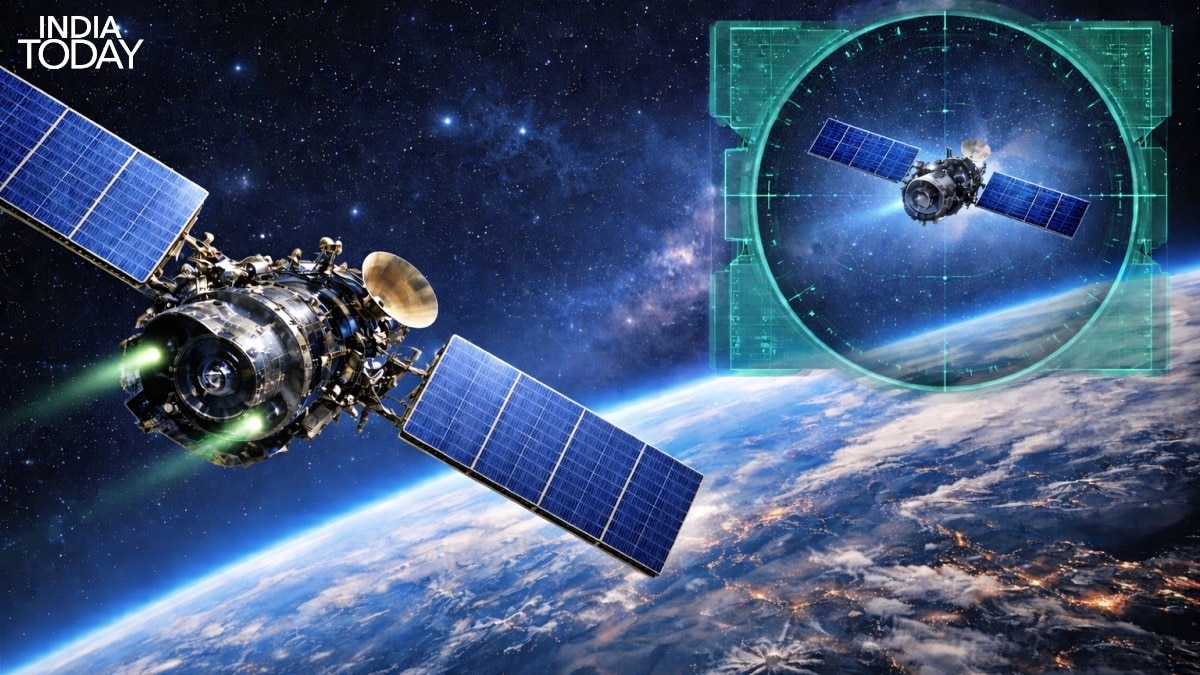
India is developing AI-powered bodyguard satellites equipped with robotic arms and autonomous threat detection to protect its critical space assets from orbital threats. Triggered by a 2024 close encounter with a neighboring country's spacecraft, these satellites are being engineered by private startups, with test launches planned for 2026-2027.[AI generated]

Why's our monitor labelling this an incident or hazard?

The event involves AI systems (autonomous or semi-autonomous bodyguard satellites with robotic arms and maneuvering capabilities) being developed and planned for use to protect satellites, which are critical infrastructure. Although no harm has yet occurred, the article highlights credible risks of satellite disruption or interference in a tense geopolitical context, making the deployment a plausible source of future harm. The AI systems' development and intended use for defense in space fit the definition of an AI Hazard, as they could plausibly lead to incidents involving harm to critical infrastructure. There is no indication that harm has already occurred, so it is not an AI Incident. The article is not merely complementary information or unrelated, as it focuses on the development and potential risks of these AI-enabled systems.[AI generated]
AI principles
AccountabilitySafety

Industries
Government, security, and defenceRobots, sensors, and IT hardware

Affected stakeholders
General public

Harm types
Public interest

Severity
AI hazard

Business function:
Other

AI system task:
Recognition/object detectionEvent/anomaly detection


Articles about this incident or hazard

Thumbnail Image

India is planning to deploy bodyguards for its satellites in space. But why?

2026-03-05
India Today
Why's our monitor labelling this an incident or hazard?
The event involves AI systems (autonomous or semi-autonomous bodyguard satellites with robotic arms and maneuvering capabilities) being developed and planned for use to protect satellites, which are critical infrastructure. Although no harm has yet occurred, the article highlights credible risks of satellite disruption or interference in a tense geopolitical context, making the deployment a plausible source of future harm. The AI systems' development and intended use for defense in space fit the definition of an AI Hazard, as they could plausibly lead to incidents involving harm to critical infrastructure. There is no indication that harm has already occurred, so it is not an AI Incident. The article is not merely complementary information or unrelated, as it focuses on the development and potential risks of these AI-enabled systems.
Thumbnail Image

What are bodyguard satellites and why is India showing interest - CNBC TV18

2026-03-05
cnbctv18.com
Why's our monitor labelling this an incident or hazard?
The event involves the development and planned use of AI-enabled bodyguard satellites with autonomous or semi-autonomous capabilities to protect critical space infrastructure. While no actual harm or incident has been reported yet, the article clearly states the purpose of these satellites is to defend against credible orbital threats, implying a plausible risk of harm to national assets. The AI systems' role in threat detection, decision-making, and physical intervention in space makes this a credible AI Hazard. It is not an AI Incident because no harm has yet materialized, nor is it merely Complementary Information or Unrelated, as the focus is on the potential for harm and defense capabilities involving AI systems.
Thumbnail Image

Guarding The High Frontier: India's New Bodyguard Satellites And The Future of Space Security Amid Rising Space Tensions

2026-03-05
indiandefensenews.in
Why's our monitor labelling this an incident or hazard?
The article explicitly discusses satellites equipped with robotic arms and maneuvering capabilities designed to autonomously or semi-autonomously detect, monitor, and physically intervene against threatening spacecraft. These functions imply the use of AI systems for real-time decision-making, object tracking, and control in complex orbital environments. The event is not describing an actual incident of harm but rather the development and imminent testing of these AI-enabled protective satellites in response to credible threats and past close encounters. The potential harms include disruption of critical space infrastructure and national security risks, which are plausible given the described geopolitical tensions and prior incidents. Hence, this qualifies as an AI Hazard rather than an AI Incident or Complementary Information. It is not unrelated because the AI system involvement and plausible future harm are central to the article's narrative.