Romanian Company Launches AI-Powered Autonomous Drone Countermeasure System

Thumbnail Image

The information displayed in the AIM should not be reported as representing the official views of the OECD or of its member countries.

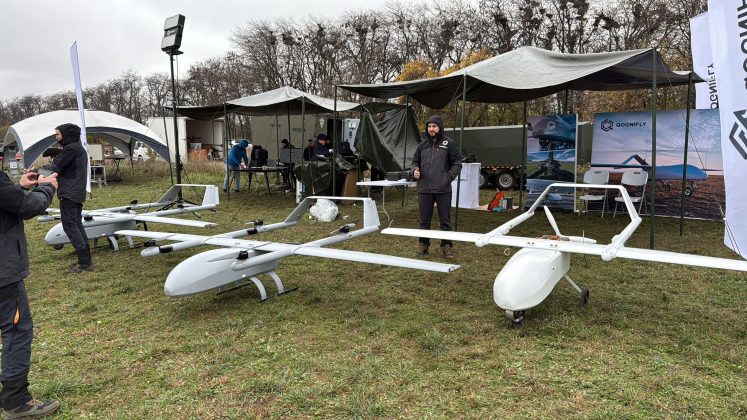
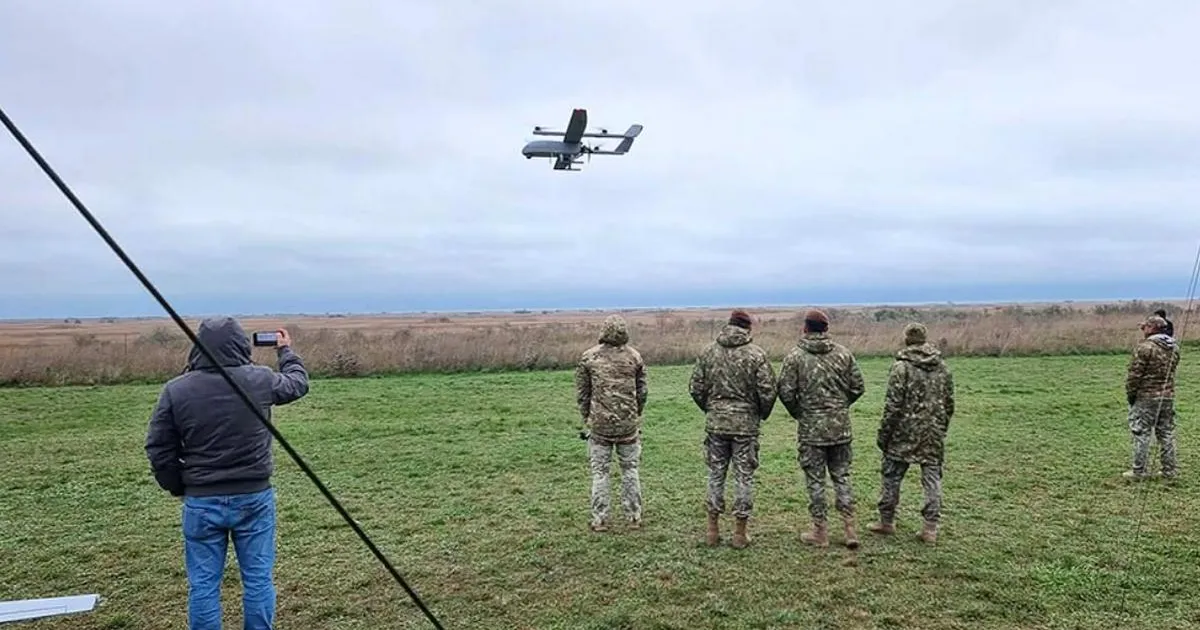
Romanian deep-tech firm Qognifly has launched Drone Wall, an AI-driven autonomous system for detecting, tracking, and intercepting drones. Validated in operational conditions, the system aims to protect airspace and critical infrastructure from drone threats, aligning with EU and NATO standards. No incidents or harm have been reported.[AI generated]

Why's our monitor labelling this an incident or hazard?

The event involves an AI system explicitly described as autonomous and AI-powered for drone detection and interception. The system is operationally validated but no harm or malfunction is reported. The article focuses on the launch and capabilities of the system, emphasizing its role in protecting critical infrastructure and communities. Since no actual harm has occurred, but the system's nature and application imply a credible risk of future harm (e.g., misuse, escalation, malfunction), it fits the definition of an AI Hazard. It is not Complementary Information because it is not an update or response to a prior incident, nor is it unrelated as it clearly involves AI systems with security implications.[AI generated]
Industries
Government, security, and defence

Severity
AI hazard

AI system task:
Recognition/object detectionGoal-driven organisation


Articles about this incident or hazard

Thumbnail Image

Qognifly lansează în România un sistem autonom de contracarare a dronelor și pregătește o fabrică în București

2026-03-04
Forbes.ro
Why's our monitor labelling this an incident or hazard?
The event involves an AI system explicitly described as using AI algorithms for autonomous drone interception, which qualifies as an AI system. However, there is no indication that the system has caused any injury, disruption, rights violations, or other harms. The system is intended to counter drone threats and protect infrastructure, implying a positive use case rather than a hazard or incident. The article focuses on the launch, development, and industrial scaling of the system, which is informative about AI applications in defense but does not describe realized or plausible harm. Thus, the classification as Complementary Information is appropriate, as it provides context and updates on AI technology deployment without reporting an AI Incident or AI Hazard.
Thumbnail Image

Qognifly lansează în România un sistem autonom de contracarare a dronelor - Piata Financiara

2026-03-04
Piata Financiara
Why's our monitor labelling this an incident or hazard?
The event involves an AI system explicitly described as autonomous and AI-powered for drone detection and interception. The system is operationally validated but no harm or malfunction is reported. The article focuses on the launch and capabilities of the system, emphasizing its role in protecting critical infrastructure and communities. Since no actual harm has occurred, but the system's nature and application imply a credible risk of future harm (e.g., misuse, escalation, malfunction), it fits the definition of an AI Hazard. It is not Complementary Information because it is not an update or response to a prior incident, nor is it unrelated as it clearly involves AI systems with security implications.
Thumbnail Image

O companie românească anunță lansarea unui sistem autonom de contracarare a dronelor. "Obiectivul nostru este să oferim forțelor de apărare un instrument eficient" - Economica.net

2026-03-04
Economica.net
Why's our monitor labelling this an incident or hazard?
The article explicitly mentions the use of AI in an autonomous drone countermeasure system, fulfilling the AI system involvement criterion. The system is designed for use in defense contexts, where misuse or malfunction could plausibly lead to harm (e.g., injury, disruption, or escalation). However, the article does not describe any actual harm or incident caused by the AI system. It focuses on the system's capabilities, validation, and planned production, which aligns with a credible potential for future harm but no realized harm. Hence, the event fits the definition of an AI Hazard rather than an AI Incident or Complementary Information. It is not unrelated because the AI system and its implications are central to the article.
Thumbnail Image

Sistem autonom de contracarare a dronelor, lansat în România de o companie deep-tech @ EurActivRomania

2026-03-04
Espress | Știri, politici europene & Actori UE online
Why's our monitor labelling this an incident or hazard?
The event involves an AI system explicitly described as autonomous and AI-powered for drone countermeasures. The system's use is intended to prevent harm to critical infrastructure and communities from drone threats, which aligns with potential harm categories such as harm to property, communities, or critical infrastructure disruption. However, the article does not describe any realized harm or incident caused by the AI system itself. Instead, it focuses on the system's capabilities, validation, and planned production. Thus, it fits the definition of an AI Hazard, as the system's use could plausibly lead to harm or prevent harm, but no direct or indirect harm has yet occurred.
Thumbnail Image

Sistem autonom de contracarare a dronelor, lansat în România de o companie deep-tech - Stiripesurse.md

2026-03-04
Stiripesurse.md
Why's our monitor labelling this an incident or hazard?
The event involves an AI system explicitly described as an autonomous drone countermeasure platform using AI for detection, tracking, and interception. The system's use is intended to prevent harm to critical infrastructure and communities from drone threats, which are recognized as a significant security risk. However, the article does not report any realized harm or incident caused by the AI system itself. Instead, it presents the system as a validated capability to counter potential drone threats. This aligns with the definition of an AI Hazard, where the AI system's development and use could plausibly lead to preventing or mitigating harm related to drone threats. There is no indication of an AI Incident or Complementary Information since no harm has occurred, nor is the article primarily about responses to past incidents or ecosystem updates unrelated to harm. Thus, the classification is AI Hazard.