Busan Launches AI-Based Urban Flood Response Platform

Thumbnail Image

The information displayed in the AIM should not be reported as representing the official views of the OECD or of its member countries.

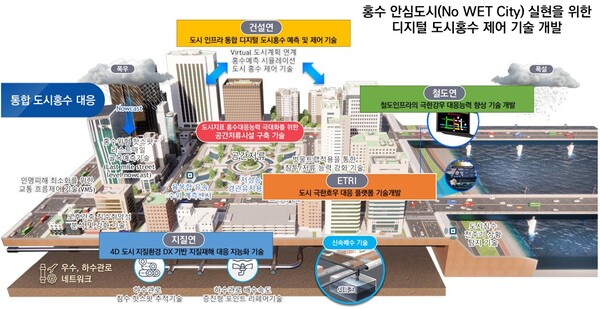
Busan city, in partnership with four national research institutes, has begun developing an AI-powered platform to predict and manage urban flooding. The system integrates real-time data, hybrid AI-physical models, and 3D analysis to enhance disaster response and prevent harm from extreme rainfall. The project aims to protect citizens and property.[AI generated]

Why's our monitor labelling this an incident or hazard?

The event involves the development and planned use of AI systems for urban flood prediction and control, which could plausibly lead to preventing harm to people and property from extreme weather events. Since the AI system is under development and not yet causing or preventing harm, this qualifies as an AI Hazard. There is no indication of realized harm or incident yet, and the article focuses on the cooperation and technology development rather than reporting an actual incident or harm caused by AI.[AI generated]
Industries
Government, security, and defenceEnvironmental services

Severity
AI hazard

AI system task:
Forecasting/predictionEvent/anomaly detection


Articles about this incident or hazard

Thumbnail Image

부산시, AI로 침수 미리 막는다

2026-03-05
뉴스프리존
Why's our monitor labelling this an incident or hazard?
The event involves the use and development of AI systems for flood prediction and disaster management, which is clearly stated. However, there is no indication that any harm has occurred or that the AI system has malfunctioned or been misused. The article focuses on the planned deployment and expected benefits of the AI platform, representing a proactive safety measure. Therefore, it does not qualify as an AI Incident or AI Hazard. Instead, it provides complementary information about AI applications in disaster management and the ongoing efforts to improve urban safety through AI technology.
Thumbnail Image

부산시·4대 국책연구기관, AI 홍수 대응 플랫폼 공동 개발 착수

2026-03-06
데일리한국
Why's our monitor labelling this an incident or hazard?
The event involves the development and planned use of an AI system for urban flood prediction and response, which is intended to mitigate harm from extreme rainfall and flooding. There is no indication that any harm has occurred yet due to the AI system's malfunction or misuse. Instead, the AI system is being developed to enhance disaster management and protect citizens. Therefore, this event represents a plausible future risk mitigation effort rather than an incident or hazard. It is best classified as Complementary Information because it provides context on AI development and governance responses to climate-related disaster management without reporting any realized or imminent harm.
Thumbnail Image

'AI로 침수 막는다'...부산시, 극한호우 대응 협력체계 구축

2026-03-06
쿠키뉴스
Why's our monitor labelling this an incident or hazard?
An AI system is explicitly involved as the platform uses AI-based hybrid prediction technology combined with physical models and 3D analysis to forecast urban flooding and support disaster response. The use of this AI system aims to prevent or mitigate harm to people and property from extreme weather events, which falls under harm category (a) injury or harm to health and (d) harm to property and communities. Since the AI system's development and use are intended to directly reduce harm from flooding, and the event describes the active deployment and cooperation for this purpose, it qualifies as an AI Incident rather than a hazard or complementary information.
Thumbnail Image

AI로 침수피해 막는다... 부산시, 극한호우 대응 기술개발 협력체계 구축

2026-03-06
아시아경제
Why's our monitor labelling this an incident or hazard?
The event involves the development and planned use of AI systems for urban flood prediction and control, which could plausibly lead to preventing harm to people and property from extreme weather events. Since the AI system is under development and not yet causing or preventing harm, this qualifies as an AI Hazard. There is no indication of realized harm or incident yet, and the article focuses on the cooperation and technology development rather than reporting an actual incident or harm caused by AI.
Thumbnail Image

'AI로 침수 예방' 부산시, 폭우 대응 플랫폼 개발 착수

2026-03-06
pressian.com
Why's our monitor labelling this an incident or hazard?
This event involves the development and intended use of AI systems specifically designed to predict and manage flood risks, which directly relates to preventing harm to people and property. Although the platform is under development and no harm has yet occurred, the AI system's use could plausibly lead to preventing or mitigating injury or property damage from flooding. Therefore, it represents an AI Hazard, as the AI system's deployment could plausibly lead to an AI Incident by reducing flood-related harm. There is no indication that harm has already occurred or that the AI system malfunctioned, so it is not an AI Incident. The article is not merely complementary information about AI or unrelated news, but describes a concrete AI system development with potential to impact safety.
Thumbnail Image

부산시-국책연구원, '디지털 도시홍수 제어' 맞손...384억 투입

2026-03-06
신아일보
Why's our monitor labelling this an incident or hazard?
The event involves the development and planned use of an AI system for flood disaster management, which could plausibly lead to harm reduction but does not describe any realized harm or malfunction. Therefore, it does not qualify as an AI Incident. Since the AI system is being developed and deployed to prevent harm, and no credible risk of harm or malfunction is reported, it is not an AI Hazard either. The article primarily provides information about the AI system's development and intended societal benefits, fitting the definition of Complementary Information as it enhances understanding of AI applications in disaster management without reporting harm or risk of harm.
Thumbnail Image

부산시, AI로 침수 사전 차단···극한호우 대응 플랫폼 구축

2026-03-06
포인트경제
Why's our monitor labelling this an incident or hazard?
The article explicitly mentions the use of AI systems for real-time flood prediction and evacuation guidance, indicating AI system involvement. The event concerns the development and planned use of this AI system to prevent harm from urban flooding, which could plausibly lead to injury, property damage, or disruption if not properly managed. Since the system is under development and no harm has yet occurred, it does not meet the criteria for an AI Incident. It is not merely complementary information because the main focus is on the AI system's potential to prevent harm, not on responses to past incidents or governance developments. Thus, the event is best classified as an AI Hazard.