AI-Enabled Armed Robots Used in Ukraine War Cause Battlefield Harm

Thumbnail Image

The information displayed in the AIM should not be reported as representing the official views of the OECD or of its member countries.

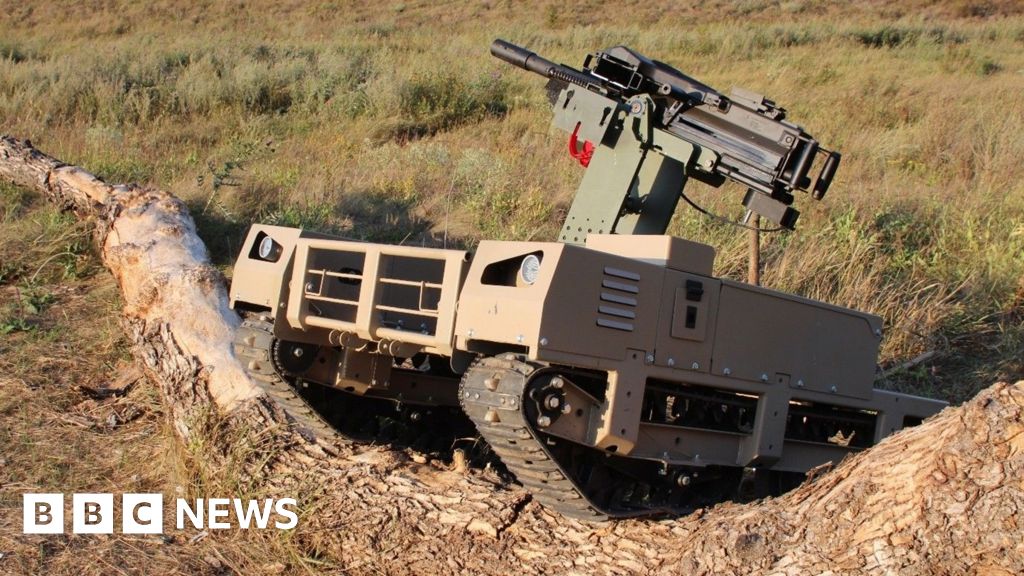
Ukrainian and Russian forces are deploying AI-enabled armed uncrewed ground vehicles (UGVs) in active combat, resulting in injury and death. These autonomous or semi-autonomous robots, equipped with lethal weapons, have engaged in direct combat and contributed to battlefield casualties, marking a significant shift in modern warfare.[AI generated]

Why's our monitor labelling this an incident or hazard?

The event involves AI systems (armed UGVs with part-autonomy and remote operation) actively used in warfare, directly causing harm to persons (enemy soldiers) and property (military assets). The AI systems' deployment and use have led to realized harm, fulfilling the criteria for an AI Incident. The article explicitly mentions the AI systems' role in combat, including firing weapons and engaging enemy forces, which constitutes direct harm. Although there are ethical constraints on autonomy, the AI systems' involvement in lethal actions is clear. Hence, this is not merely a potential hazard or complementary information but a concrete AI Incident.[AI generated]
AI principles
Respect of human rightsSafety

Industries
Government, security, and defence

Affected stakeholders
General public

Harm types
Physical (injury)Physical (death)

Severity
AI incident

AI system task:
Recognition/object detectionGoal-driven organisation


Articles about this incident or hazard

Thumbnail Image

Armed robots take to the battlefield in Ukraine war

2026-03-07
BBC
Why's our monitor labelling this an incident or hazard?
The event involves AI systems (armed UGVs with part-autonomy and remote operation) actively used in warfare, directly causing harm to persons (enemy soldiers) and property (military assets). The AI systems' deployment and use have led to realized harm, fulfilling the criteria for an AI Incident. The article explicitly mentions the AI systems' role in combat, including firing weapons and engaging enemy forces, which constitutes direct harm. Although there are ethical constraints on autonomy, the AI systems' involvement in lethal actions is clear. Hence, this is not merely a potential hazard or complementary information but a concrete AI Incident.
Thumbnail Image

Armed robots take to the battlefield in Ukraine war

2026-03-07
BBC
Why's our monitor labelling this an incident or hazard?
The event involves AI systems (part-autonomous armed UGVs) actively used in warfare, where their operation has directly led to harm (injury or death in combat). The AI systems' autonomy in movement and detection, combined with human-controlled firing, means the AI system's use is a contributing factor to harm. This fits the definition of an AI Incident as the AI system's use has directly led to injury or harm to persons. The mention of future AI-powered swarms further underscores the AI system's role in causing harm. Therefore, the classification is AI Incident.
Thumbnail Image

Ukraine is replacing troops with killer robots on the battlefield

2026-03-07
Mirror
Why's our monitor labelling this an incident or hazard?
The presence of AI systems is clear from the description of UGVs that can move autonomously, detect enemies, and carry lethal payloads. Although human operators currently make the final firing decisions, the AI systems' use in combat directly leads to harm (death and injury) on the battlefield, fulfilling the criteria for an AI Incident. The article explicitly states that these robots have successfully repelled attacks and taken prisoners, indicating active and effective use in warfare. The harm caused by these AI systems is direct and material, involving injury and death, which fits the definition of an AI Incident rather than a hazard or complementary information.
Thumbnail Image

Armed robots take to the battlefield in Ukraine war

2026-03-08
The Nation
Why's our monitor labelling this an incident or hazard?
The event involves AI systems in the form of part-autonomous armed robots (UGVs) used in active combat, which have directly caused harm by engaging enemy forces and destroying military targets. The article explicitly mentions their autonomous movement, detection, and remote-controlled firing, indicating AI system involvement in causing injury and harm. This meets the definition of an AI Incident as the AI system's use has directly led to harm to persons in a conflict setting.
Thumbnail Image

European UGVs Get a Firepower Boost With Turkish Remote Weapons

2026-03-04
The Defense Post
Why's our monitor labelling this an incident or hazard?
The article discusses the development and unveiling of armed UGVs equipped with remote-controlled weapon systems, which likely involve AI for autonomous or semi-autonomous operation. Although no incident or harm has occurred yet, the deployment of armed autonomous vehicles inherently carries credible risks of harm, such as unintended engagements, escalation of conflict, or misuse. Therefore, this event qualifies as an AI Hazard due to the plausible future harm from the use of AI-enabled weaponized UGVs.
Thumbnail Image

Armed robots take to the battlefield in Ukraine war

2026-03-07
Capital FM Kenya
Why's our monitor labelling this an incident or hazard?
The article explicitly mentions AI systems in the form of part-autonomous armed UGVs used in combat, which have directly contributed to harm by engaging enemy forces and causing casualties. The AI system's use in warfare and its role in lethal actions meet the criteria for an AI Incident, as the harm to persons and communities is realized and directly linked to the AI system's deployment and operation. Although human operators make firing decisions, the AI systems' autonomous capabilities in navigation and target detection are integral to their function and impact. Hence, this is not merely a potential hazard or complementary information but a realized incident involving AI systems causing harm.
Thumbnail Image

Robot wars are already happening: how Ukraine's kill zone economics are reshaping global warfare - Silicon Canals

2026-03-07
Silicon Canals
Why's our monitor labelling this an incident or hazard?
The event involves AI systems explicitly: armed uncrewed ground vehicles with autonomous or semi-autonomous capabilities are being used in active combat, directly causing harm through lethal force. This constitutes injury and harm to persons (harm category a). The article details the operational use, production scale, and battlefield impact of these AI systems, confirming realized harm rather than potential harm. Therefore, this qualifies as an AI Incident. Although governance and legal frameworks lag behind, the harm is already occurring, so it is not merely a hazard or complementary information. The article does not focus on responses or updates but on the current state and consequences of AI-enabled autonomous weapons in warfare.
Thumbnail Image

RaillyNews - Ukrainian-Russian Drone Warfare

2026-03-07
RayHaber | RaillyNews
Why's our monitor labelling this an incident or hazard?
The article explicitly mentions AI algorithms embedded in autonomous combat robots and drones that make adaptive decisions in unpredictable combat situations, including lethal engagements. The systems have been used operationally, including evacuating wounded soldiers and conducting attacks, indicating realized harm to persons and communities in the conflict zone. The AI systems' development and use have directly led to harm in the form of combat casualties and destruction. This fits the definition of an AI Incident, as the AI system's use has directly led to injury or harm to persons and harm to communities in a military conflict context.
Thumbnail Image

Armed robots take to the battlefield in Ukraine war - Ghanamma.com

2026-03-07
GHANA MMA
Why's our monitor labelling this an incident or hazard?
The article explicitly mentions AI-enabled armed robots (UGVs) being used in combat, including firing weapons and engaging enemy soldiers, which directly leads to harm (injury or death) in the context of war. The robots are described as part-autonomous AI systems with human oversight, and their deployment has already resulted in battlefield harm. This fits the definition of an AI Incident because the AI system's use has directly led to harm to persons (combatants). The article also discusses future developments but the current use and harm are already realized, so it is not merely a hazard or complementary information. Hence, the classification is AI Incident.
Thumbnail Image

Armed Robots Increasingly Used on Ukraine War Front - EuropeTimes

2026-03-07
EuropeTimes
Why's our monitor labelling this an incident or hazard?
The article explicitly mentions armed robots (UGVs) equipped with weapons and used in combat, which reasonably implies AI systems for autonomous or semi-autonomous operation. The use of these systems in active warfare directly involves AI in causing or enabling harm to persons and communities. Although no specific incident of malfunction or misuse causing harm is described, the deployment of armed AI systems in war zones inherently carries a credible risk of injury, death, and human rights violations. The article highlights the increasing production and deployment of these systems, indicating a plausible future risk of harm. Therefore, the event is best classified as an AI Hazard, reflecting the credible potential for harm from these AI-enabled armed robots in warfare. It is not Complementary Information because the article is not about responses or updates to prior incidents, nor is it Unrelated as it clearly involves AI systems with potential for harm. It is not an AI Incident because no specific harm event is reported.
Thumbnail Image

Stiže "vojska" od 40.000 mašina: Ukrajina menja taktiku, roboti preuzimaju najopasnije zadatke na frontu

2026-03-07
Mondo Portal
Why's our monitor labelling this an incident or hazard?
The event involves AI systems (partially autonomous armed robots) actively used in warfare, which directly leads to harm (physical injury or death) and disruption in a critical infrastructure context (military conflict). The article explicitly states these robots are used in combat roles, including firing weapons and explosive attacks, with human oversight but autonomous navigation and target detection. This meets the criteria for an AI Incident because the AI system's use has directly led to harm or lethal outcomes in the conflict. The presence of AI is clear from the description of partial autonomy and autonomous navigation and detection capabilities. The harm is physical and direct, involving injury or death in warfare. Hence, the classification is AI Incident.
Thumbnail Image

Kopnena ofanziva: Naoružani roboti ratuju u Ukrajini, uspješno odbili ruske napade

2026-03-07
Radio Sarajevo
Why's our monitor labelling this an incident or hazard?
The event involves AI systems explicitly described as partially autonomous armed robots used in combat, which have directly contributed to harm by engaging enemy forces and defending positions. The article details realized harm through military conflict involving these AI systems, fulfilling the criteria for an AI Incident. The AI systems' use in warfare and their role in causing injury or death to combatants is a direct link to harm. Therefore, this is not merely a potential hazard or complementary information but a clear AI Incident.
Thumbnail Image

Naoružani roboti na ratištu u Ukrajini, idu gdje pješadija ne smije

2026-03-07
vijesti.ba
Why's our monitor labelling this an incident or hazard?
The article explicitly mentions the use of partially autonomous armed robots (UGVs) controlled remotely by human operators in combat situations in Ukraine. These AI systems have been used to attack enemy forces, defend positions, and have engaged in combat without human presence on the battlefield, leading to direct physical harm and injury. The AI systems' role in these military operations and their direct contribution to harm to persons and communities in a conflict zone meets the criteria for an AI Incident. The article also discusses ethical and legal considerations, but the realized harm from the use of these AI systems in warfare is clear and ongoing.
Thumbnail Image

Ukrajina sve više koristi borbene robote: Na bojištu se već sukobljavaju strojevi bez prisustva ljudi

2026-03-07
vecernji.ba
Why's our monitor labelling this an incident or hazard?
The event involves AI systems (UGVs with partial autonomy and AI-driven navigation and target detection) actively used in warfare, leading to direct harm (injury and death) to enemy combatants. The article explicitly states these robots have engaged in combat, repelled attacks, and caused casualties. This meets the definition of an AI Incident because the AI system's use has directly led to harm to persons. The presence of AI is reasonably inferred from descriptions of partial autonomy, autonomous navigation, and AI-driven swarm tactics. The harm is realized and ongoing, not merely potential.
Thumbnail Image

Ratovi robota već su počeli: Ukrajina na frontu raspoređuje naoružane robote

2026-03-07
Nin online
Why's our monitor labelling this an incident or hazard?
The event involves AI systems explicitly described as partially autonomous armed robots used in active combat, which have directly caused harm to enemy combatants and equipment. The AI systems' use in warfare, including their autonomous capabilities and human-in-the-loop firing decisions, directly leads to physical harm and battlefield consequences. This fits the definition of an AI Incident because the development and use of these AI systems have directly led to injury or harm to persons (combatants) and harm to communities (warfare impact). The article does not merely discuss potential risks or future hazards but reports on ongoing use and realized harm, thus qualifying as an AI Incident rather than an AI Hazard or Complementary Information.
Thumbnail Image

Sve više robota na ukrajinskom ratištu

2026-03-08
Nezavisne novine
Why's our monitor labelling this an incident or hazard?
The event involves AI systems (partially autonomous armed robots) actively used in warfare, which directly leads to harm (injury or death in combat). The article explicitly states these robots have engaged enemy forces and performed combat tasks, with human operators making final firing decisions but the AI systems autonomously navigating and identifying targets. This constitutes an AI Incident because the AI systems' use has directly led to harm in an armed conflict context. The discussion of future growth and capabilities supports the ongoing nature of the incident rather than just a hazard or complementary information.
Thumbnail Image

Preuzimaju dio borbenih zadataka: "Ratovi robota" već počeli na ukrajinskom frontu | 6yka

2026-03-08
BUKA
Why's our monitor labelling this an incident or hazard?
The article explicitly mentions the use of partially autonomous armed robots (UGVs) that employ AI capabilities such as autonomous movement and enemy detection. These systems are actively used in combat, causing direct harm to enemy forces and potentially civilians due to misidentification risks. The involvement of AI in lethal military operations and the resulting physical harm and human rights concerns meet the criteria for an AI Incident. The article does not merely discuss potential future risks but reports ongoing use and harm, which excludes classification as a hazard or complementary information.