AI-Driven Dynamic Pricing Leads to Consumer Harm and Regulatory Scrutiny

Thumbnail Image

The information displayed in the AIM should not be reported as representing the official views of the OECD or of its member countries.

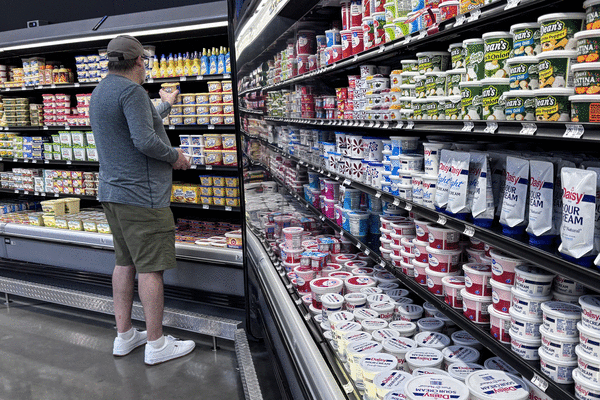
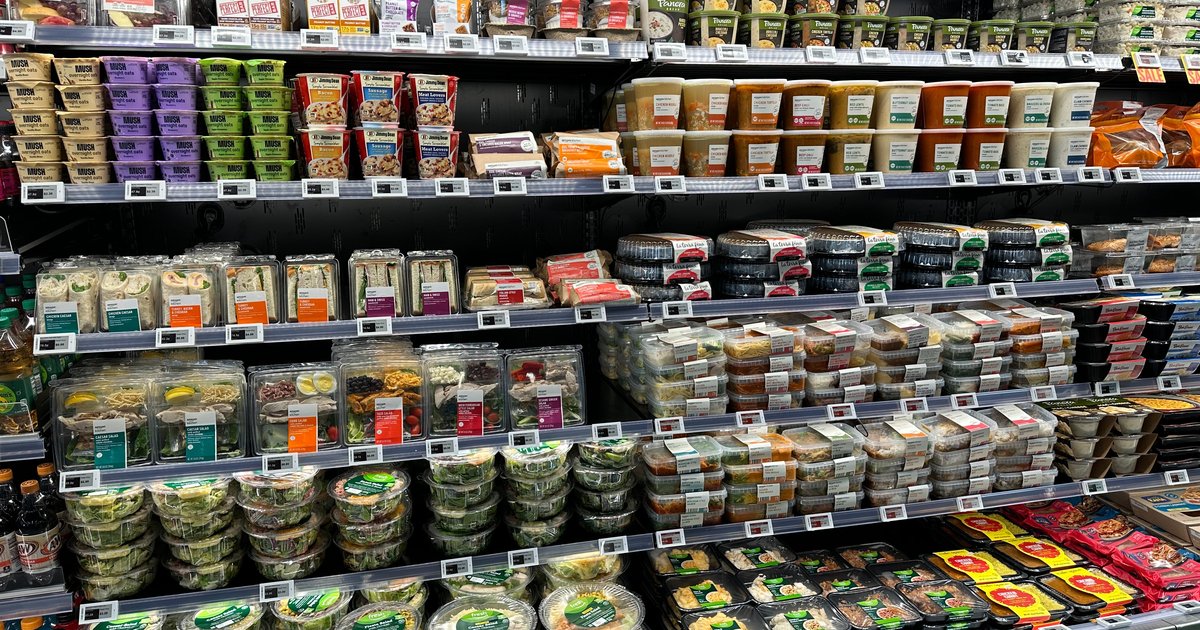
Retailers like Instacart used AI-powered dynamic pricing to charge different customers varying prices for identical groceries, resulting in unfair and misleading price disparities. This practice, which leverages personal data and real-time analytics, prompted regulatory scrutiny and legislative proposals in states like Rhode Island and Pennsylvania to ban or restrict algorithmic pricing.[AI generated]

Why's our monitor labelling this an incident or hazard?

The article explicitly describes AI systems used for dynamic pricing that caused harm to consumers by charging different prices unfairly and misleadingly, which constitutes a violation of consumer rights and harms communities. The harm is realized, not just potential, as consumers have paid more due to AI-driven pricing strategies. The regulatory response further confirms the recognition of harm. Hence, this qualifies as an AI Incident under the framework, as the AI system's use directly led to harm (violation of rights and harm to communities).[AI generated]
AI principles
FairnessTransparency & explainability

Industries
Consumer services

Affected stakeholders
Consumers

Harm types
Economic/Property

Severity
AI incident

Business function:
Sales

AI system task:
Goal-driven organisationForecasting/prediction


Articles about this incident or hazard

Thumbnail Image

Pennsylvania becomes latest state to fight dynamic pricing

2026-03-08
Mashable
Why's our monitor labelling this an incident or hazard?
The article discusses the use of AI in dynamic and algorithmic pricing and legislative responses to regulate these practices. However, it does not describe any specific AI incident where harm has occurred, nor does it report a near miss or plausible future harm event. Instead, it focuses on societal and governance responses to AI-related pricing practices, including new laws and proposed bills. Therefore, this is best classified as Complementary Information, as it provides context and updates on governance responses to AI systems in commerce without describing a new AI Incident or AI Hazard.
Thumbnail Image

39% of Retailers Track Your Spending - Why Your Cereal Costs You More Than Your Neighbor's

2026-03-09
Gadget Review
Why's our monitor labelling this an incident or hazard?
The article explicitly describes AI systems used for dynamic pricing that caused harm to consumers by charging different prices unfairly and misleadingly, which constitutes a violation of consumer rights and harms communities. The harm is realized, not just potential, as consumers have paid more due to AI-driven pricing strategies. The regulatory response further confirms the recognition of harm. Hence, this qualifies as an AI Incident under the framework, as the AI system's use directly led to harm (violation of rights and harm to communities).
Thumbnail Image

AI dynamic pricing could impact what each shopper pays individually

2026-03-11
WJET-TV
Why's our monitor labelling this an incident or hazard?
An AI system is involved as the dynamic pricing relies on AI to adjust prices based on consumer data and demand. The event concerns the use of AI (use phase) that could lead to harm by unfairly charging different prices to consumers for the same essential goods, which can be considered economic harm or harm to communities. However, the article does not report actual realized harm but discusses concerns and potential legislative responses. Therefore, this situation fits the definition of an AI Hazard, as the AI system's use could plausibly lead to harm, but no direct or indirect harm has yet been documented.
Thumbnail Image

Your data is being used to set online prices. This RI bill would stop it.

2026-03-11
The Providence Journal
Why's our monitor labelling this an incident or hazard?
The event involves AI systems used in algorithmic pricing, which can lead to discriminatory pricing and privacy concerns. However, the article describes a proposed bill to prevent such practices and discusses the potential harms rather than reporting an actual incident where harm has occurred. Therefore, this is a case of a plausible future risk from AI system use, making it an AI Hazard. The article also includes societal and governance responses to this risk, but since the main focus is on the potential harm and the legislative proposal to address it, the classification as AI Hazard is appropriate.
Thumbnail Image

Backlash builds against AI-powered digital price tags in stores

2026-03-27
ArcaMax
Why's our monitor labelling this an incident or hazard?
The presence of AI systems is clear, as AI powers dynamic pricing and electronic shelf labels that can adjust prices based on data. However, the article does not document any direct or indirect harm resulting from these AI systems' use. The concerns raised by unions and lawmakers about surveillance pricing and its potential to cause unfair pricing and labor impacts represent plausible future harms. Since no actual incident of harm is reported, but credible risks and legislative responses are discussed, this event fits the definition of an AI Hazard rather than an AI Incident or Complementary Information.
Thumbnail Image

Some States Are Targeting a Tactic Corporations Use to Raise Your Grocery Prices

2026-03-27
Truthout
Why's our monitor labelling this an incident or hazard?
The article explicitly mentions the use of AI-powered algorithms by grocery apps like Instacart to set prices differently for individual consumers based on personal data, which has resulted in consumers paying more for the same products. This constitutes harm to consumers (economic harm and potential violation of consumer rights). The involvement of AI in the development and use of these pricing algorithms is clear. The harm is realized, not just potential, as evidenced by the price discrepancies detected and reported. Hence, this qualifies as an AI Incident under the framework, as the AI system's use has directly led to harm to groups of people (consumers).
Thumbnail Image

Your personal data might set your grocery prices. States aim to crack down. * Michigan Advance

2026-03-27
Michigan Advance
Why's our monitor labelling this an incident or hazard?
The article explicitly mentions AI-powered algorithms used by grocery apps to set prices differently for individual consumers based on personal data, which constitutes an AI system. The pricing discrepancies have already occurred, causing harm to consumers through unfair and discriminatory pricing, which can be considered a violation of consumer rights and potentially a breach of legal protections. The legislative efforts to regulate these practices further confirm the recognition of harm caused by these AI systems. Hence, this qualifies as an AI Incident because the AI system's use has directly led to harm.
Thumbnail Image

INTERVIEW: Groundwork Collaborative's Liz Pancotti on Algorithmic Pricing, One Fair Price Package

2026-03-25
Legislative Gazette
Why's our monitor labelling this an incident or hazard?
Algorithmic pricing systems are AI systems that dynamically set prices. The article details how these systems have caused consumers to pay significantly more without their informed consent, which is a form of harm to communities and a violation of consumer rights. The involvement of AI in causing this harm is explicit and direct. Therefore, this event meets the criteria for an AI Incident rather than a hazard or complementary information.
Thumbnail Image

State Lawmakers Introduce New Wave of Personalized Algorithmic Pricing Bills

2026-03-26
Inside Privacy
Why's our monitor labelling this an incident or hazard?
The article does not report any realized harm or incident caused by AI systems but rather discusses a wave of legislative efforts to regulate AI-enabled personalized pricing to prevent potential harms such as discrimination, privacy violations, and unfair pricing practices. The focus is on plausible future risks and governance responses rather than an actual AI incident or hazard event. Therefore, this is best classified as Complementary Information, providing context on societal and governance responses to AI-related issues.
Thumbnail Image

N.J. among states cracking down on use of personal data to set grocery prices

2026-03-29
PhillyVoice
Why's our monitor labelling this an incident or hazard?
The AI system (algorithmic pricing using personal data) is explicitly mentioned as being used to set different prices for individual consumers, leading to actual harm in the form of unfair pricing and potential privacy violations. The harm is realized, not just potential, as evidenced by the example of different prices charged simultaneously for the same product. The legislative actions are responses to this harm, reinforcing that the AI system's use has caused direct harm. Therefore, this event fits the definition of an AI Incident.
Thumbnail Image

The Algorithm Knows What You'll Pay -- and What You'll Earn: Inside Washington's Fight Over Surveillance Pricing and Wage-Fixing

2026-03-28
WebProNews
Why's our monitor labelling this an incident or hazard?
The event involves AI systems used in surveillance pricing and wage-setting that have directly led to harms including economic extraction from consumers (harm to communities and property) and wage suppression (violation of labor rights). The article reports on ongoing investigations and lawsuits confirming these harms and legislative efforts to address them. Therefore, this qualifies as an AI Incident because the AI systems' use has directly or indirectly caused significant harm, and the article focuses on these harms and responses rather than just potential risks or general information.