AI-Powered Video Surveillance Pilot at Berlin Government Sites Raises Privacy Concerns

Thumbnail Image

The information displayed in the AIM should not be reported as representing the official views of the OECD or of its member countries.

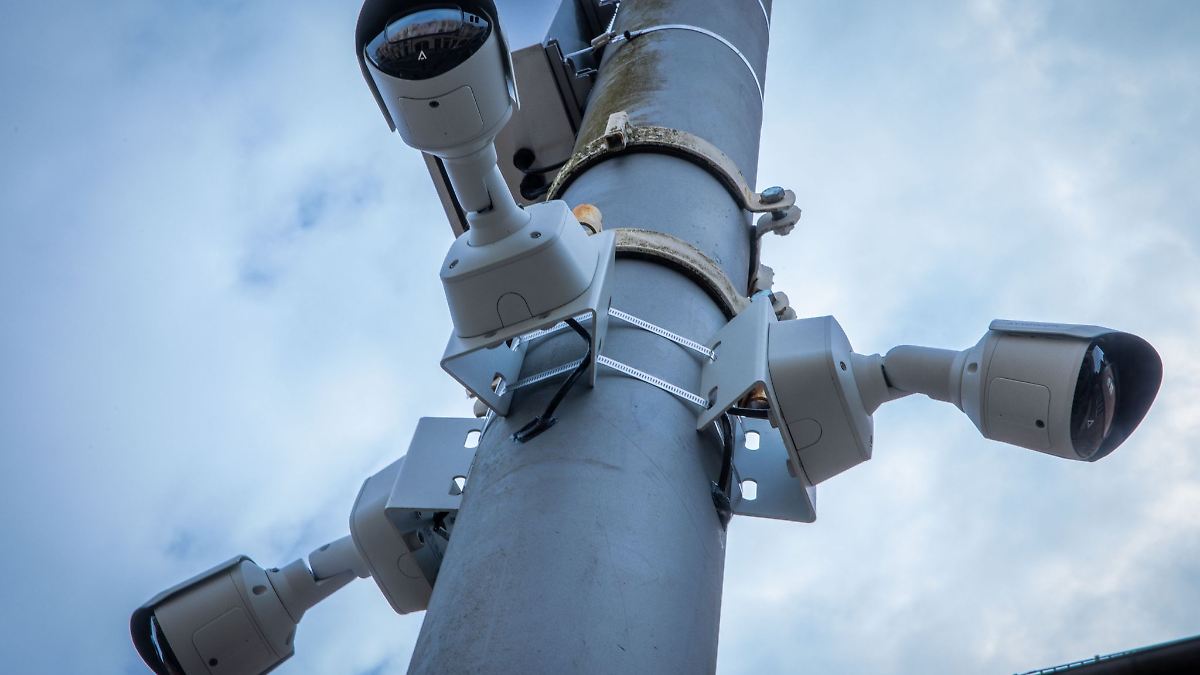
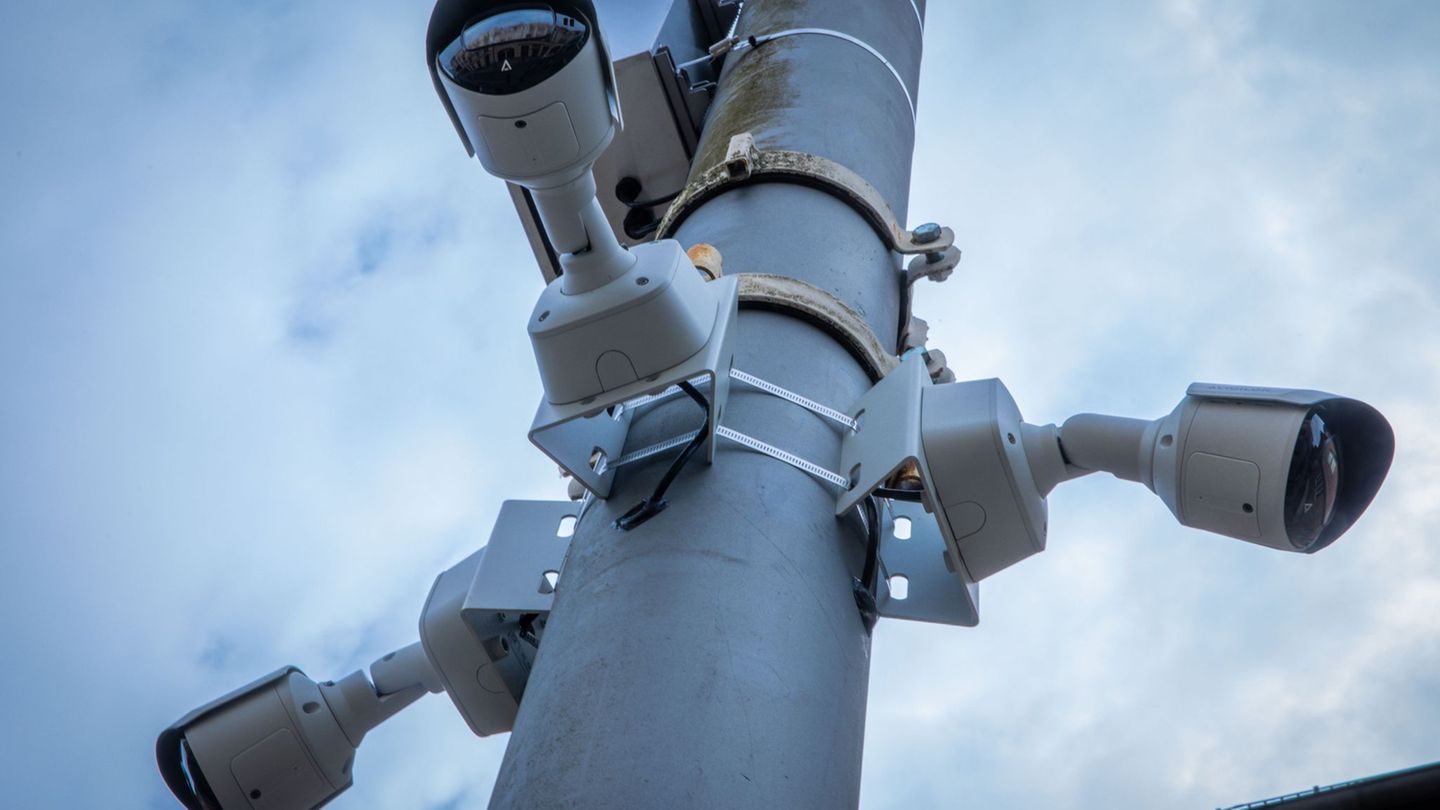
Berlin officials plan to test AI-based video surveillance at the Red Town Hall, House of Representatives, and Interior Administration. The system will analyze camera footage to detect suspicious behavior and trigger alarms. While data is promised to be anonymized, concerns remain about potential privacy and rights violations.[AI generated]

Why's our monitor labelling this an incident or hazard?

An AI system is explicitly involved, as the article discusses AI-powered video surveillance analyzing behavior. The event concerns the planned use (deployment) of this AI system, with no current harm reported but potential future risks to rights and privacy. Therefore, it fits the definition of an AI Hazard, as the AI system's use could plausibly lead to harm such as rights violations or privacy breaches. It is not an AI Incident because no harm has yet occurred, nor is it Complementary Information or Unrelated.[AI generated]
AI principles
Privacy & data governanceRespect of human rights

Industries
Government, security, and defence

Affected stakeholders
General publicWorkers

Harm types
Human or fundamental rights

Severity
AI hazard

Business function:
Monitoring and quality control

AI system task:
Recognition/object detectionEvent/anomaly detection


Articles about this incident or hazard

Thumbnail Image

Berlin & Brandenburg: Videoüberwachung per KI am Rathaus und Abgeordnetenhaus

2026-03-09
N-tv
Why's our monitor labelling this an incident or hazard?
An AI system is explicitly involved, as the article discusses AI-powered video surveillance analyzing behavior. The event concerns the planned use (deployment) of this AI system, with no current harm reported but potential future risks to rights and privacy. Therefore, it fits the definition of an AI Hazard, as the AI system's use could plausibly lead to harm such as rights violations or privacy breaches. It is not an AI Incident because no harm has yet occurred, nor is it Complementary Information or Unrelated.
Thumbnail Image

Testlauf: Videoüberwachung per KI am Rathaus und Abgeordnetenhaus

2026-03-09
Der Tagesspiegel
Why's our monitor labelling this an incident or hazard?
The article explicitly mentions the use of AI for analyzing video surveillance to detect suspicious behavior, which qualifies as an AI system. The event concerns the planned deployment and use of this AI system, not a malfunction or realized harm. While no direct harm has occurred, the concerns raised about rights infringements and surveillance suggest plausible future harms, such as violations of privacy and human rights. Therefore, this situation fits the definition of an AI Hazard, as the AI system's use could plausibly lead to an AI Incident involving rights violations or harm to communities if not properly regulated or controlled.
Thumbnail Image

Videoüberwachung per KI am Rathaus und Abgeordnetenhaus

2026-03-09
stern.de
Why's our monitor labelling this an incident or hazard?
The article explicitly mentions the use of AI systems for video surveillance and behavior detection, indicating AI system involvement. No actual harm or incident is reported, but the use of AI for surveillance and behavior recognition in public/government spaces plausibly could lead to violations of human rights or other harms if misused or malfunctioning. Therefore, this event fits the definition of an AI Hazard, as it could plausibly lead to an AI Incident in the future, but no harm has yet occurred.
Thumbnail Image

Videoüberwachung mit KI am Rathaus und Abgeordnetenhaus

2026-03-09
rbb24.de
Why's our monitor labelling this an incident or hazard?
The article explicitly mentions the use of AI systems for video surveillance with behavior pattern recognition, which qualifies as an AI system. Although no harm has yet occurred, the deployment of such AI surveillance systems could plausibly lead to violations of human rights, such as privacy infringements or discriminatory profiling, which are harms under the framework. Since the event concerns a planned test and potential future application without realized harm, it fits the definition of an AI Hazard rather than an AI Incident or Complementary Information.
Thumbnail Image

Videoüberwachung per KI am Rathaus und Abgeordnetenhaus

2026-03-09
Volksstimme.de
Why's our monitor labelling this an incident or hazard?
An AI system is explicitly involved, performing real-time analysis of video data to detect suspicious behavior. The use of this AI system is planned and intended to enhance security at critical infrastructure sites. Although no harm has yet occurred, the deployment of AI surveillance in public and politically sensitive spaces without full public or parliamentary consent plausibly risks violations of human rights, privacy, and fundamental freedoms. Therefore, this situation represents an AI Hazard, as the AI system's use could plausibly lead to harm, but no direct harm is reported yet.
Thumbnail Image

Berlin & Brandenburg: Videoüberwachung per KI am Abgeordnetenhaus vom Tisch

2026-03-19
N-tv
Why's our monitor labelling this an incident or hazard?
The article involves an AI system intended for use in video surveillance to detect suspicious behavior, which qualifies as AI system involvement. However, the AI system was not deployed at the Abgeordnetenhaus, and no harm or incident has occurred there. The article discusses the potential use and political controversy but does not report any realized harm or incident. Therefore, this event represents a plausible future risk or concern about AI surveillance use, but no direct or indirect harm has materialized yet. The main focus is on the decision and political response rather than an incident or realized harm. Hence, it is best classified as Complementary Information, providing context on governance and societal response to AI deployment plans.
Thumbnail Image

Videoüberwachung per KI am Abgeordnetenhaus vom Tisch - WELT

2026-03-19
DIE WELT
Why's our monitor labelling this an incident or hazard?
The event involves the use of an AI system (video surveillance with AI-based behavior analysis). Although no harm has been reported at the Abgeordnetenhaus since the deployment there was cancelled, the article indicates that the AI system will be used at other sensitive locations. The use of AI for surveillance and behavior detection carries plausible risks of human rights violations or privacy harms. Since no actual harm has occurred yet, but the deployment and use of the AI system could plausibly lead to such harms, this qualifies as an AI Hazard rather than an AI Incident or Complementary Information.
Thumbnail Image

Technik sollte auffällige Verhaltensmuster erkennen: Videoüberwachung per KI am Berliner Abgeordnetenhaus ist vom Tisch

2026-03-19
Der Tagesspiegel
Why's our monitor labelling this an incident or hazard?
The article explicitly mentions an AI system intended to analyze video footage to detect suspicious behavior, which qualifies as an AI system. The event concerns the planned use (development and deployment) of this AI system. No actual harm or rights violations have occurred yet, but the use of AI surveillance with behavior detection plausibly risks violations of privacy and rights, which are recognized harms under the framework. The cancellation of the plan at the Parliament building does not remove the hazard posed by the planned deployments elsewhere. Hence, this is an AI Hazard, not an Incident or Complementary Information.
Thumbnail Image

Videoüberwachung per KI am Abgeordnetenhaus vom Tisch

2026-03-19
stern.de
Why's our monitor labelling this an incident or hazard?
The article mentions AI video surveillance systems as planned or considered technology, but no harm or incident has occurred or is implied. The decision not to deploy the system at one location and its planned deployment elsewhere is an update on AI system deployment plans, without any direct or indirect harm or risk described. Therefore, this is complementary information about AI deployment decisions and plans, not an incident or hazard.
Thumbnail Image

Videoüberwachung per KI am Abgeordnetenhaus vom Tisch - B.Z. - Die Stimme Berlins

2026-03-19
B.Z. Berlin
Why's our monitor labelling this an incident or hazard?
The article mentions the potential use of AI for video surveillance but clarifies that it will not be deployed at the Abgeordnetenhaus. Since no harm has occurred or is indicated as plausible at this location, and the focus is on the decision and project planning, this does not constitute an AI Incident or AI Hazard. It is a general update about AI deployment plans without direct or indirect harm or credible risk described, thus it is Complementary Information.
Thumbnail Image

Videoüberwachung per KI am Abgeordnetenhaus vom Tisch

2026-03-19
mz.de
Why's our monitor labelling this an incident or hazard?
The article involves an AI system (video surveillance with AI behavior analysis) and discusses its intended use and deployment plans. However, the AI system was not deployed at the Abgeordnetenhaus, and no harm or incident has occurred there. The main focus is on the political decision and societal concerns leading to the cancellation of the AI deployment at that location. This fits the definition of Complementary Information, as it updates on societal and governance responses to AI deployment plans without describing a new AI Incident or AI Hazard. There is no direct or indirect harm caused or plausible harm imminent from the AI system in this context.