


























Chinese AI Startup Publishes Satellite Intelligence on US Military in Middle East

Thumbnail Image

The information displayed in the AIM should not be reported as representing the official views of the OECD or of its member countries.

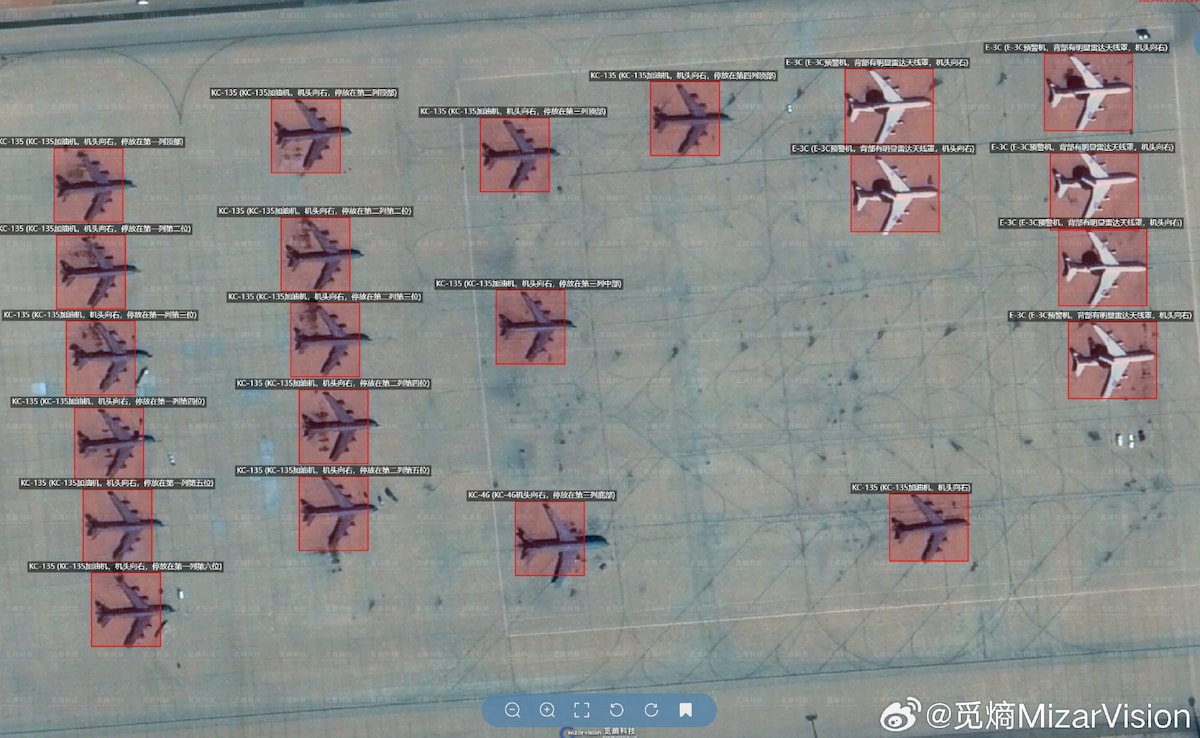
Chinese AI startup MizarVision used AI to analyze and publicly share near real-time satellite imagery of US military assets across the Middle East. The AI-annotated intelligence, widely disseminated online, reportedly coincided with subsequent attacks on identified bases, raising concerns about AI-enabled exposure of sensitive military operations and indirect facilitation of harm.[AI generated]

Why's our monitor labelling this an incident or hazard?

The event explicitly involves an AI system used to analyze satellite imagery and identify military assets, which is then publicly disseminated. The AI system's outputs have been linked temporally and spatially to subsequent missile and drone attacks on the identified military bases, indicating an indirect causal role in harm to property and military infrastructure. Although direct causation by the AI system is not confirmed, the AI-generated intelligence plausibly facilitated targeting decisions, meeting the criteria for indirect harm. This goes beyond a mere potential risk or complementary information, as harm has occurred and the AI system's use is pivotal in the chain of events. Hence, the classification as an AI Incident is appropriate.[AI generated]
AI principles
AccountabilitySafety

Industries
Government, security, and defence

Affected stakeholders
Government

Harm types
Physical (injury)Physical (death)

Severity
AI incident

Business function:
Other

AI system task:
Recognition/object detection


Articles about this incident or hazard

Thumbnail Image

A War China Watches From Space, Tracking US Military Assets In Real Time

2026-03-10
NDTV
Why's our monitor labelling this an incident or hazard?
The event explicitly involves an AI system used to analyze satellite imagery and identify military assets, which is then publicly disseminated. The AI system's outputs have been linked temporally and spatially to subsequent missile and drone attacks on the identified military bases, indicating an indirect causal role in harm to property and military infrastructure. Although direct causation by the AI system is not confirmed, the AI-generated intelligence plausibly facilitated targeting decisions, meeting the criteria for indirect harm. This goes beyond a mere potential risk or complementary information, as harm has occurred and the AI system's use is pivotal in the chain of events. Hence, the classification as an AI Incident is appropriate.
Thumbnail Image

Chinese AI startup maps US military assets across Middle East using satellite data; Pentagon downplays concerns

2026-03-09
MoneyControl
Why's our monitor labelling this an incident or hazard?
The AI system is explicitly involved in processing satellite imagery to identify and label US military assets, which is a clear AI system use. The event involves the use of AI to produce intelligence that is publicly shared and could be accessed by hostile actors, posing a direct risk to military personnel and operations, thus meeting the criteria for harm to communities and potentially harm to critical infrastructure or national security. The harm is realized or ongoing as the intelligence is actively disseminated and used. This goes beyond a plausible future risk and constitutes an actual incident involving AI. Hence, the classification as an AI Incident is appropriate.
Thumbnail Image

Chinese AI startup shares satellite images of US assets in W Asia - The Tribune

2026-03-10
The Tribune
Why's our monitor labelling this an incident or hazard?
The event explicitly describes an AI system used to analyze satellite imagery and produce actionable intelligence on US military assets, which is then shared publicly and likely used by adversaries. This constitutes a violation of security and potentially human rights or breach of obligations related to national security. The harm is realized as the intelligence sharing has already occurred, impacting military operations and strategic security. Therefore, this qualifies as an AI Incident due to the direct involvement of AI in causing harm through intelligence dissemination that threatens security and stability.
Thumbnail Image

Chinese AI Startup is Watching US Military Assets in Middle East From Space

2026-03-12
The Defense Post
Why's our monitor labelling this an incident or hazard?
The AI system is clearly involved in processing and annotating satellite imagery, which qualifies as AI system involvement. The sharing of near real-time military data publicly could plausibly lead to harm related to security and military operations, but no actual harm is reported in the article. Therefore, this event represents a plausible future risk rather than a realized harm, fitting the definition of an AI Hazard rather than an AI Incident.
Thumbnail Image

Chinese AI startup MizarVision maps US military deployments near Iran

2026-03-09
bizzbuzz.news
Why's our monitor labelling this an incident or hazard?
The event clearly involves an AI system that analyzes satellite imagery to identify and track military assets, fulfilling the AI System criterion. The use of this AI system to publish sensitive military information publicly creates a plausible risk of harm to military operations and security, meeting the definition of an AI Hazard. There is no confirmed evidence that the AI system's outputs directly caused harm, so it does not qualify as an AI Incident. The article focuses on the potential security risks and implications of this AI-enabled open-source intelligence, rather than reporting a realized harm or incident. Hence, the classification as AI Hazard is appropriate.
Thumbnail Image

Chinese AI satellite intelligence helping Iran target US forces with 'incredible precision', analysts say

2026-04-06
NZCity
Why's our monitor labelling this an incident or hazard?
The article explicitly describes an AI system that processes satellite images to identify military targets, which is then used by Iran to target US and allied forces with high precision. This use of AI has directly led to a credible threat of harm to people (US and allied soldiers) and military infrastructure, fulfilling the criteria for an AI Incident. The harm is not hypothetical but ongoing and significant, as military analysts and officials express serious concern about the lethal implications. Therefore, this event qualifies as an AI Incident rather than a hazard or complementary information.
Thumbnail Image

Video | Iran War | Chinese Firms Use AI To Track US Military Moves In Iran War: Report

2026-04-06
NDTV
Why's our monitor labelling this an incident or hazard?
The article explicitly mentions the use of AI systems by Chinese firms to track US military movements, combining AI with satellite imagery and other data sources to produce detailed intelligence. This AI-enabled surveillance directly influences military operations and poses risks to security and conflict escalation, which are harms to communities and potentially to critical infrastructure. The AI systems' use in this context is active and ongoing, not merely potential, thus constituting an AI Incident rather than a hazard or complementary information.
Thumbnail Image

Chinese Firms Use AI To Track US Military Moves In Iran War: Report

2026-04-05
NDTV
Why's our monitor labelling this an incident or hazard?
The article explicitly mentions AI systems used by Chinese firms to analyze military data and track US forces, indicating AI system involvement. The use of AI in this intelligence gathering is a use case that could plausibly lead to harm by compromising military operations and increasing conflict risks, fitting the definition of an AI Hazard. There is no indication that harm has already occurred (e.g., no reported injury, disruption, or violation), so it is not an AI Incident. The event is not merely complementary information or unrelated, as it focuses on the AI-enabled surveillance and its implications for security.
Thumbnail Image

Chinese Firms Sell Live AI Tracking of US Forces

2026-04-04
NewsMax
Why's our monitor labelling this an incident or hazard?
The event explicitly involves AI systems used for real-time tracking and intelligence gathering on U.S. forces, which directly impacts military operations and could lead to injury or harm to persons (U.S. military personnel) and disruption of critical infrastructure (military assets and operations). The AI's role is pivotal in enabling this surveillance and intelligence capability. The harm is realized as the intelligence is actively used during an ongoing military operation, not merely a potential future risk. Hence, it meets the criteria for an AI Incident rather than a hazard or complementary information.
Thumbnail Image

End Of Stealth? Chinese AI Firms Market Real-Time Intelligence On US Forces In Iran

2026-04-04
Free Press Journal
Why's our monitor labelling this an incident or hazard?
The article explicitly describes AI systems being used to process and analyze data streams to monitor and expose US military operations, which directly harms US military strategic interests and operational security. This harm fits within the definition of harm to communities or harm to critical infrastructure (military operations). The AI systems' use in real-time intelligence gathering and analysis is central to the harm described. Although the harm is indirect in the sense that it affects military advantage and strategic outcomes rather than physical injury, it is a significant and clearly articulated harm with AI's role pivotal. Hence, the event qualifies as an AI Incident rather than a hazard or complementary information.
Thumbnail Image

Chinese firms market Iran war intelligence 'exposing' U.S. forces

2026-04-04
Democratic Underground
Why's our monitor labelling this an incident or hazard?
The article explicitly mentions AI systems being used to analyze open-source data to produce detailed intelligence on U.S. military movements. Although direct harm is not confirmed, the AI-enabled intelligence marketing creates a credible risk of harm to critical infrastructure and national security. The event involves the use of AI systems and their outputs could plausibly lead to significant harm, meeting the criteria for an AI Hazard rather than an AI Incident. There is no indication that harm has already occurred or that this is a response or update to a prior incident, so it is not Complementary Information. It is clearly related to AI systems and their potential misuse, so it is not Unrelated.
Thumbnail Image

Chinese firms market Iran war intelligence 'exposing' U.S. forces

2026-04-04
Democratic Underground
Why's our monitor labelling this an incident or hazard?
The article explicitly mentions AI systems being used to analyze and expose U.S. military movements, which is a clear AI system involvement. While no direct harm is reported, the intelligence generated could plausibly be used to disrupt military operations or cause harm to personnel, qualifying as a credible future risk. The firms' marketing of these AI-powered intelligence tools, some linked to the Chinese military, indicates a potential for misuse or adversarial exploitation. Since harm is plausible but not yet realized, this event fits the definition of an AI Hazard rather than an AI Incident. It is not merely complementary information because the main focus is on the potential security risk posed by these AI systems, not on responses or updates to prior incidents.
Thumbnail Image

Iran Uses Chinese AI Satellite Imagery to Target U.S. Military Bases and Equipment in Middle East

2026-04-06
Army Recognition
Why's our monitor labelling this an incident or hazard?
The article explicitly details an AI system that processes satellite imagery with machine learning to generate actionable military intelligence. This intelligence is actively used by Iran to target U.S. military bases, which involves direct harm to property and potentially to people. The AI system's role is pivotal in transforming commercial imagery into precise targeting data, enabling more effective strikes. Therefore, this event meets the definition of an AI Incident due to the direct link between AI-enabled intelligence and realized harm in a military conflict context.
Thumbnail Image

Chinese AI Firms Track US Troop Movements in Iran War

2026-04-05
KyivPost
Why's our monitor labelling this an incident or hazard?
The article explicitly mentions the use of AI by Chinese private firms to filter and analyze data to track US military movements, which is a clear AI system involvement. The use of these AI systems has directly led to the dissemination of sensitive military intelligence, which can cause harm to communities by escalating conflict and destabilizing regional security. This meets the criteria for an AI Incident as the AI system's use has directly led to significant harm. The event is not merely a potential risk but an ongoing situation with realized harm, excluding classification as an AI Hazard or Complementary Information.
Thumbnail Image

Chinese firms use AI to track US military moves in Iran war: Report

2026-04-05
Social News XYZ
Why's our monitor labelling this an incident or hazard?
The article explicitly mentions AI systems being used to track US military movements, indicating AI system involvement. The use of AI in this context is part of the use phase, where AI is applied to analyze data for battlefield surveillance. While the article does not report any realized harm such as injury, disruption, or violation of rights, it highlights credible concerns about the increasing sophistication of these AI tools potentially undermining US military secrecy and operational security. This constitutes a plausible future harm scenario, fitting the definition of an AI Hazard. There is no indication of an actual AI Incident occurring yet, nor is the article primarily about responses or updates, so it is not Complementary Information. It is clearly related to AI systems and their use, so it is not Unrelated.
Thumbnail Image

Chinese firms use AI to track US military moves in Iran war: Report - Mangalorean.com

2026-04-05
Mangalorean.com
Why's our monitor labelling this an incident or hazard?
The article explicitly mentions AI systems being used to analyze and track military movements, which is a clear AI system involvement. The use of these AI tools for battlefield surveillance could plausibly lead to disruption of critical infrastructure or military operations, fulfilling the criteria for an AI Hazard. There is no indication that harm has already occurred, so it is not an AI Incident. The report focuses on the emerging risk and strategic implications rather than a realized harm or a response to a past incident, so it is not Complementary Information. Hence, the event is best classified as an AI Hazard due to the credible risk posed by AI-enabled battlefield surveillance capabilities.
Thumbnail Image

Chinese Firms Use AI to Track U.S. Military Movements in Iran War, Report Says - Khaama Press

2026-04-05
The Khaama Press News Agency
Why's our monitor labelling this an incident or hazard?
The event explicitly involves AI systems analyzing satellite and open-source data to track military movements, which is a direct use of AI. The resulting intelligence products are sold and used to expose U.S. military activities, which can disrupt the management and operation of critical military infrastructure and operations. This constitutes harm under the definition of AI Incident (b). The involvement of AI is clear, the harm is ongoing, and the event is not merely a potential risk or a complementary update. Hence, the classification as AI Incident is appropriate.
Thumbnail Image

Chinese AI Tracks US Military Moves in Iran War: Report

2026-04-05
newKerala.com
Why's our monitor labelling this an incident or hazard?
The event involves AI systems explicitly used for military intelligence gathering and surveillance, which is a direct use of AI technology. The AI's role in exposing US military movements could plausibly lead to harm by compromising operational security and increasing risks in a conflict zone, fitting the definition of an AI Hazard. There is no indication that actual harm has occurred yet, so it is not an AI Incident. The article focuses on the potential threat and strategic implications rather than reporting a realized harm or incident. Therefore, the event is best classified as an AI Hazard.
Thumbnail Image

Chinese AI satellite intelligence helping Iran target US forces with 'incredible precision', analysts say

2026-04-06
NZCity
Why's our monitor labelling this an incident or hazard?
The article explicitly states that the AI system is used to identify and tag military targets with incredible precision, enabling Iranian forces to conduct attacks that have already caused damage and pose a direct threat to lives, including Australian soldiers. This constitutes direct involvement of an AI system in causing harm to persons and communities, fulfilling the criteria for an AI Incident. The harm is realized and ongoing, not merely potential, and the AI system's role is pivotal in enabling this targeting capability.
Thumbnail Image

China using Iran as proxy lab for future AI warfare with US

2026-04-06
freedomsphoenix.com
Why's our monitor labelling this an incident or hazard?
The article explicitly mentions AI systems used for intelligence gathering and analysis that support military operations, which directly influence conflict dynamics and battlefield outcomes. This involvement of AI in enhancing Iran's military capabilities against the US constitutes indirect harm through escalation and increased effectiveness of military actions. The event meets the criteria for an AI Incident because the AI systems' use has directly or indirectly led to harm in an armed conflict context, fulfilling the definition of harm to persons and communities. The presence of AI systems is clear, their use is described, and the resulting harm is plausible and ongoing.
Thumbnail Image

Chinese AI Firms Shadow US Military With Real-Time Intelligence As Washington Remains Engaged In Iran War

2026-04-05
thedailyjagran.com
Why's our monitor labelling this an incident or hazard?
The article explicitly mentions AI systems used by Chinese companies to analyze various data sources for real-time military intelligence. While no direct harm or incident is reported, the AI's role in enabling detailed surveillance of US military forces presents a credible risk of harm, such as compromising military operations or escalating conflicts. The event does not describe an actual incident of harm but highlights a plausible future risk stemming from AI use in military intelligence. Hence, it fits the definition of an AI Hazard rather than an AI Incident or Complementary Information.
Thumbnail Image

Chinese Tech Firms Use AI to Track US Military Forces - News Directory 3

2026-04-05
News Directory 3
Why's our monitor labelling this an incident or hazard?
The article explicitly mentions AI systems used to fuse and analyze diverse data sources to produce actionable military intelligence. This intelligence is shared publicly and includes detailed information on troop positions and planned strikes, which can directly impact military operations and security. The AI's role is pivotal in automating and enhancing intelligence gathering that previously required classified resources. The resulting harm includes potential disruption of military operations and increased risk in an active conflict zone, meeting the criteria for an AI Incident. The involvement is not speculative or future harm but ongoing and realized, as the intelligence is actively produced and disseminated.
Thumbnail Image

Chinese AI Helps Iran Target US Forces With Precision - News Directory 3

2026-04-06
News Directory 3
Why's our monitor labelling this an incident or hazard?
The article explicitly mentions an AI system developed by MizarVision that enhances satellite imagery to identify and tag military targets with high precision. This AI-enabled targeting has already resulted in attacks on U.S. military assets, including an E-3 Sentry aircraft, and damage to allied facilities, indicating realized harm. The AI system's use in military targeting directly contributes to injury and harm to persons and damage to property, fulfilling the criteria for an AI Incident. The involvement is clear, direct, and linked to actual harm, not just potential risk.
Thumbnail Image

Chinese firms market Iran war intelligence 'exposing' U.S. forces

2026-04-04
DNYUZ
Why's our monitor labelling this an incident or hazard?
The article explicitly describes AI systems developed and used by Chinese firms to analyze data and expose U.S. military movements, which directly supports adversarial military actions and intelligence gathering. This use of AI has already materialized in the context of an active conflict, increasing risks to U.S. forces and potentially contributing to harm. The involvement of AI in the development and use of these intelligence tools, combined with the direct link to military harm and security risks, meets the criteria for an AI Incident rather than a mere hazard or complementary information.
Thumbnail Image

Chinese AI firms track US ships in Iran war

2026-04-06
crypto.news
Why's our monitor labelling this an incident or hazard?
The event explicitly involves AI systems used by Chinese firms to analyze and synthesize large amounts of data into actionable military intelligence, which has been used to track US military movements during an active conflict. This use of AI has directly contributed to harm by enhancing the surveillance and intelligence capabilities of a foreign military power, posing risks to US military personnel and operations. The involvement of AI in the development and use of these intelligence products, combined with the realized harm to national security and military operations, meets the criteria for an AI Incident. The event is not merely a potential risk or a complementary update but describes actual use and impact of AI systems leading to harm.
Thumbnail Image

Latest AI news: China's MizarVision aids Iran

2026-04-07
crypto.news
Why's our monitor labelling this an incident or hazard?
The article explicitly mentions the use of an AI system (MizarVision's platform) that processes satellite imagery with machine learning to identify and prioritize military targets. The AI's outputs have been operationalized by Iran's IRGC to conduct targeted strikes, resulting in physical harm (death of a service member) and damage to military property. This meets the definition of an AI Incident, as the AI system's use has directly led to injury and harm to persons and harm to property. The involvement is not speculative or potential but realized, with concrete examples and confirmed consequences. Hence, the classification as AI Incident is appropriate.