AI-Powered Surveillance Cameras Spark Privacy and Rights Violations Debate Across U.S.

Thumbnail Image

The information displayed in the AIM should not be reported as representing the official views of the OECD or of its member countries.

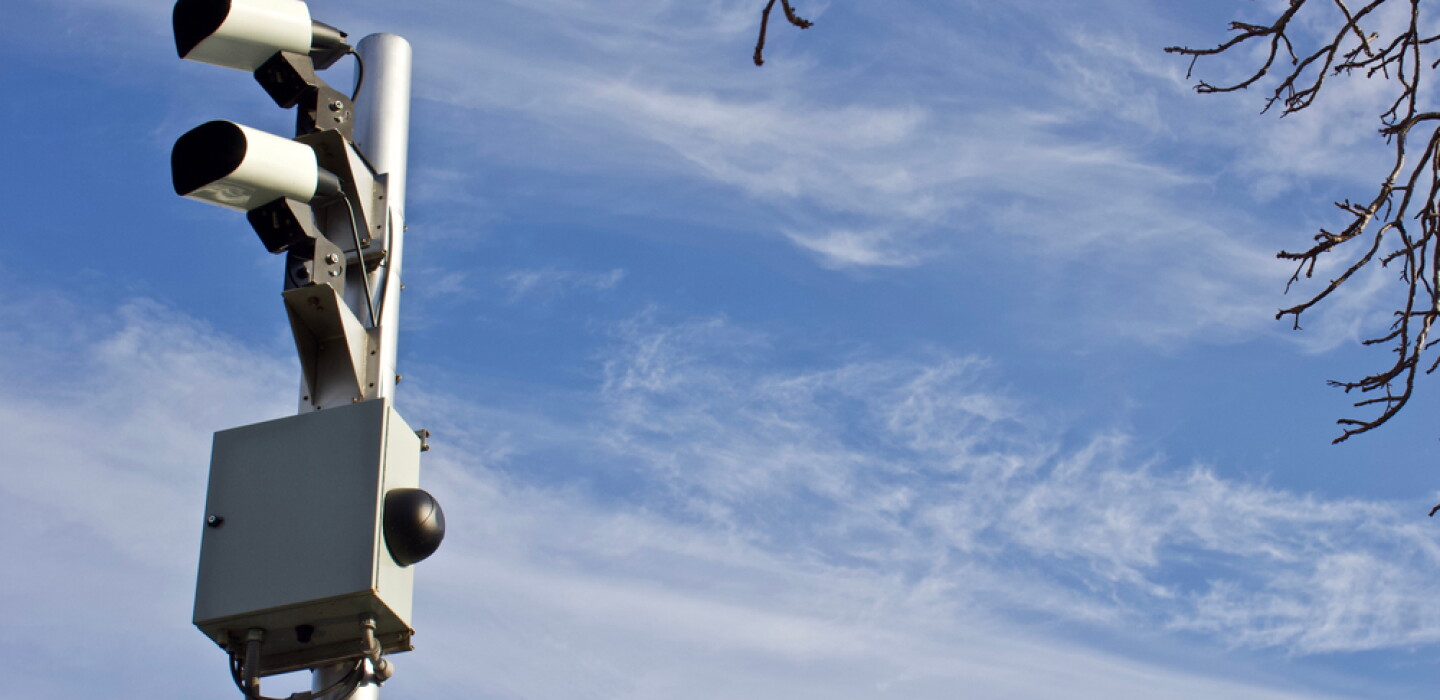
Flock Safety's AI-powered license plate readers and surveillance cameras have been widely deployed by U.S. law enforcement, leading to privacy violations, wrongful stops, and monitoring of protest activity. Public backlash and concerns over data misuse have prompted some communities to reconsider or halt their use, highlighting significant civil liberties risks.[AI generated]

Why's our monitor labelling this an incident or hazard?

The event involves the use of an AI system (license plate readers with automated recognition and database matching). While no direct harm has occurred yet, the concerns about potential misuse of private data and future risks of data sharing with less controlled entities indicate a plausible risk of harm. This fits the definition of an AI Hazard, as the development and use of the AI system could plausibly lead to violations of rights or other harms in the future. There is no indication of realized harm or incident at this time.[AI generated]
AI principles
Privacy & data governanceRespect of human rights

Industries
Government, security, and defence

Affected stakeholders
General public

Harm types
Human or fundamental rightsPsychological

Severity
AI hazard

AI system task:
Recognition/object detection


Articles about this incident or hazard

Thumbnail Image

Denver's new license plate reader deal is for 50 cameras -- less than half as many as Flock has now

2026-03-11
The Denver Post
Why's our monitor labelling this an incident or hazard?
The article involves AI systems (license plate readers with AI-based recognition) and their use by law enforcement, which can implicate privacy and rights concerns. However, it does not describe any direct or indirect harm caused by these systems, nor does it report any incident or malfunction leading to harm. The focus is on policy deliberations, contract negotiations, and improvements in data retention and sharing policies. Therefore, this is best classified as Complementary Information, providing context and updates on governance and oversight related to AI systems rather than reporting an AI Incident or AI Hazard.
Thumbnail Image

Troy Residents Call for Review of Flock Camera Contract

2026-03-12
WRGB
Why's our monitor labelling this an incident or hazard?
The article involves an AI system (license plate-reading cameras with AI capabilities) and discusses concerns about privacy and potential misuse, but no direct or indirect harm has occurred or been reported. The event focuses on community concerns and governance responses rather than an incident or a credible imminent risk of harm. Therefore, it fits the category of Complementary Information, as it provides context and updates on societal and governance responses to AI deployment without describing an AI Incident or AI Hazard.
Thumbnail Image

Georgetown PD to implement license plate readers

2026-03-12
Community Impact Newspaper
Why's our monitor labelling this an incident or hazard?
The event involves the use of an AI system (license plate readers with automated recognition and database matching). While no direct harm has occurred yet, the concerns about potential misuse of private data and future risks of data sharing with less controlled entities indicate a plausible risk of harm. This fits the definition of an AI Hazard, as the development and use of the AI system could plausibly lead to violations of rights or other harms in the future. There is no indication of realized harm or incident at this time.
Thumbnail Image

Saranac Lake, N.Y., Reverses on License Plate Reader Pact

2026-03-12
Government Technology
Why's our monitor labelling this an incident or hazard?
The article explicitly describes an AI system (Flock's ALPR and surveillance cameras with AI image recognition) whose use has directly caused harms such as wrongful detentions and privacy violations. The system's error rate and data sharing practices have led to violations of rights and harm to communities. The public backlash and contract cancellation are responses to these harms. Therefore, this event meets the criteria for an AI Incident because the AI system's use has directly led to violations of rights and harm to communities.
Thumbnail Image

Saranac Lake drops plan for Flock surveillance cameras after public backlash

2026-03-11
NCPR
Why's our monitor labelling this an incident or hazard?
The surveillance cameras and automated license plate readers involve AI systems used for monitoring and data collection. The public backlash and concerns about privacy and data control indicate potential for violations of rights or harm to communities if the system were to be used improperly. However, the cameras were removed before any direct harm or misuse was reported, and the event focuses on the potential risks and public response rather than an actual incident of harm. Thus, this qualifies as an AI Hazard, reflecting a plausible future risk of harm from AI surveillance systems rather than an AI Incident or Complementary Information.
Thumbnail Image

Condition 1984: Flock AI Cameras Surveilling U.S.

2026-03-10
The New American
Why's our monitor labelling this an incident or hazard?
The article explicitly describes an AI system (Flock Safety's AI-powered cameras and drones) actively surveilling millions of Americans, collecting detailed personal data, and being misused by law enforcement to harass individuals. This constitutes a violation of privacy rights and potentially other legal rights, fulfilling the criteria for harm under human rights violations. The AI system's development and use have directly led to these harms, including wrongful stops and stalking, which are concrete realized harms. Hence, this is an AI Incident rather than a hazard or complementary information.
Thumbnail Image

Are Troy's Streetlight Cameras Infringing on Our Freedom? Some Troy Residents Think So

2026-03-12
104.5 The Team ESPN Radio
Why's our monitor labelling this an incident or hazard?
The cameras are AI systems used for surveillance and data collection, which could plausibly lead to harms such as privacy violations or misuse of data. However, since no actual harm or incident has been reported or described, and the article focuses on the debate and concerns rather than a realized event, this qualifies as an AI Hazard. The potential for privacy infringement and data misuse is credible, but no direct or indirect harm has yet occurred according to the article.
Thumbnail Image

Legislators reject Flock's first political donations in California

2026-03-13
POLITICO
Why's our monitor labelling this an incident or hazard?
Flock's ALPR system is an AI system that collects and processes license plate data using automated cameras and algorithms. The event details that the system's data has been shared in violation of California law, raising privacy concerns and legal challenges. The sharing of data with out-of-state and federal agencies without proper authorization constitutes a breach of legal obligations protecting privacy rights. The political and legal backlash, including returned donations and legislative actions, underscores the realized harm and violations caused by the AI system's use. Thus, the event meets the criteria for an AI Incident as it involves an AI system whose use has directly or indirectly led to violations of human rights and legal protections.
Thumbnail Image

Troy weighs Flock Camera renewal; residents concerned about privacy, data

2026-03-14
WRGB
Why's our monitor labelling this an incident or hazard?
The Flock Camera system is an AI system because it uses license plate recognition technology to identify vehicles. The event centers on the potential privacy and data concerns raised by residents, indicating plausible future harm related to privacy rights and data misuse. Since no actual harm or incident has been reported, and the discussion is about the potential risks and renewal of the system, the event fits the definition of an AI Hazard rather than an AI Incident or Complementary Information. It is not unrelated because the AI system is central to the discussion and concerns.
Thumbnail Image

Boulder and Flock on track for contract renewal, but city welcoming bids

2026-03-13
Boulder Daily Camera
Why's our monitor labelling this an incident or hazard?
The ALPR system provided by Flock Safety qualifies as an AI system because it involves automated license plate recognition and data processing that influences law enforcement actions. However, the article does not document any realized harm such as injury, rights violations, or community harm directly caused by the AI system. Instead, it focuses on concerns about privacy, data use, and potential harm to vulnerable populations, as well as governance and oversight measures being implemented. Since no actual harm has been reported but there is a credible risk of harm due to data sharing and surveillance practices, this event fits the definition of an AI Hazard rather than an AI Incident or Complementary Information.
Thumbnail Image

Tulsa police's use of Flock cameras to investigate protest activity sparks debate | The Journal Record

2026-03-13
The Journal Record
Why's our monitor labelling this an incident or hazard?
The event describes the use of AI-powered license plate readers and cameras by law enforcement to monitor and investigate protest activity, which directly implicates constitutional rights and privacy concerns. The AI system's role in collecting and analyzing data to identify individuals at protests is central to the concerns raised. Even though no arrests were made, the surveillance itself constitutes a violation or potential violation of rights, fulfilling the criteria for harm under violations of human rights or breach of legal protections. Hence, this is an AI Incident rather than a hazard or complementary information.
Thumbnail Image

City of Boulder to Launch Competitive Bid Process to Continue License Plate Reader Technology - Yellow Scene Magazine

2026-03-14
Yellow Scene Magazine
Why's our monitor labelling this an incident or hazard?
The article explicitly discusses the use of license plate reader technology, which involves AI systems for recognizing and processing license plates. It details the city's efforts to manage privacy and data governance concerns, contract renegotiations, and the establishment of a task force to guide policy. No actual harm or incident is reported, nor is there a credible imminent risk of harm described. The focus is on transparency, oversight, and policy development, which aligns with the definition of Complementary Information rather than an AI Incident or AI Hazard.