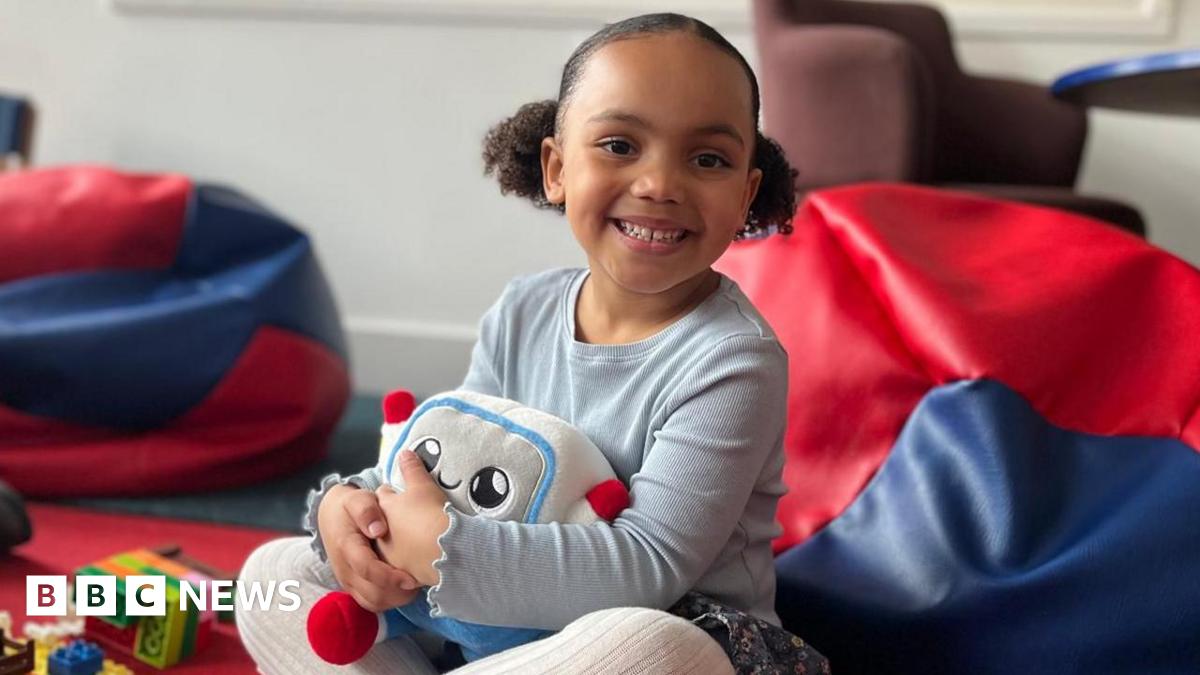
AI-Powered Toys Cause Emotional Harm to Young Children Due to Misinterpretation

Thumbnail Image

The information displayed in the AIM should not be reported as representing the official views of the OECD or of its member countries.

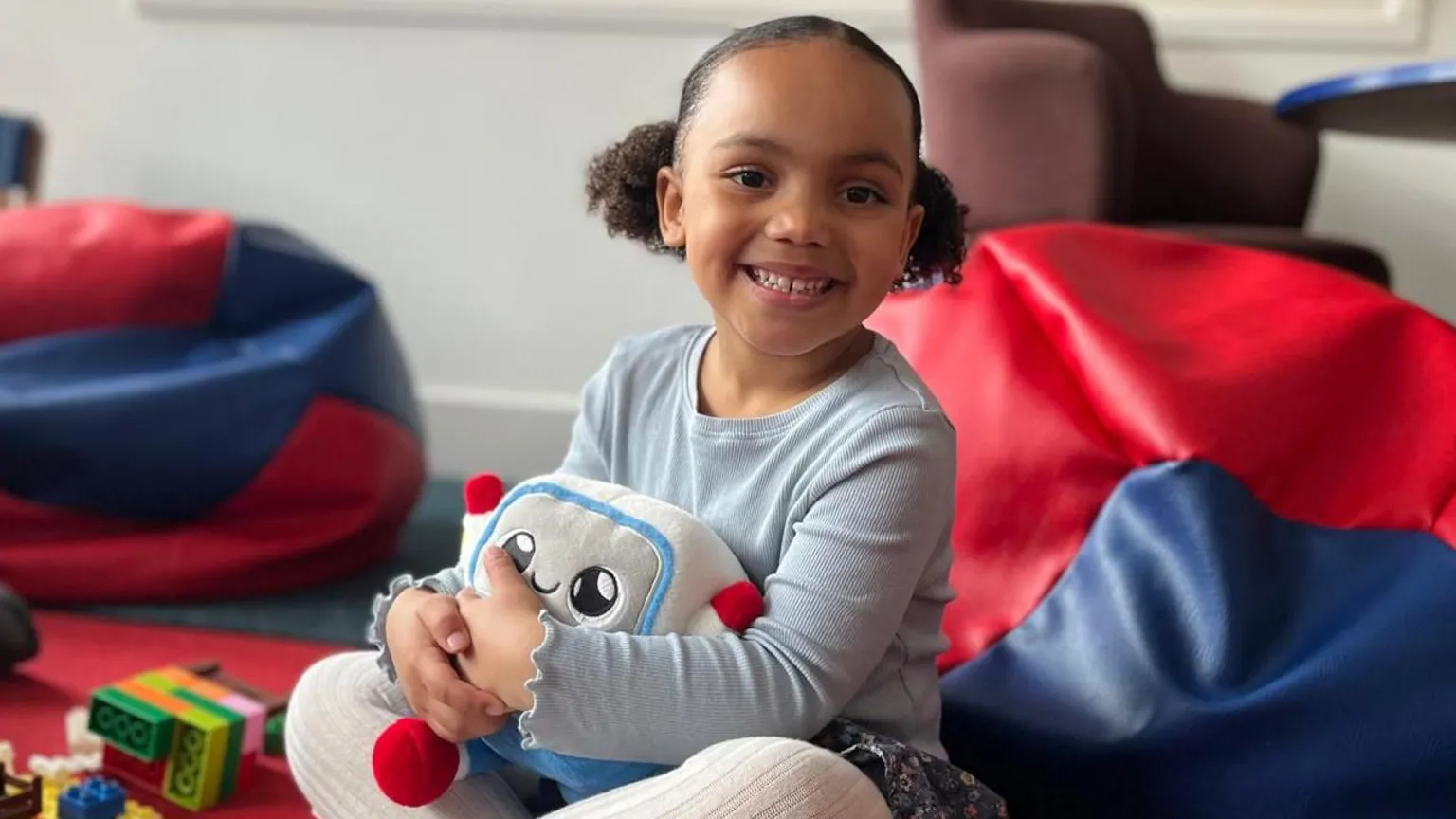
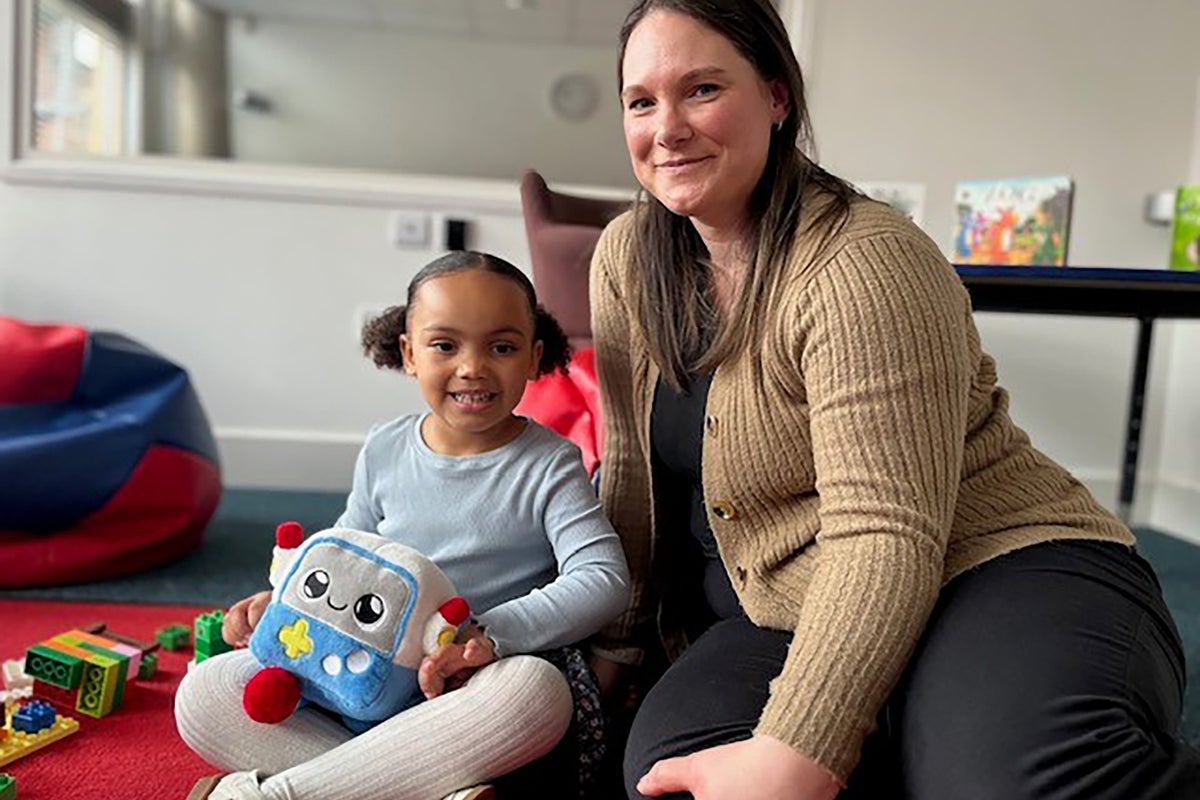
A University of Cambridge study found that AI-powered conversational toys, such as Gabbo, often misinterpret young children's emotions and provide inappropriate or dismissive responses. These malfunctions have led to emotional harm, including confusion and anxiety, raising concerns about psychological safety and the need for tighter regulation in the UK.[AI generated]

Why's our monitor labelling this an incident or hazard?

The event involves an AI system (the AI chatbot in the toy Gabbo) whose use with young children has been studied. The AI's malfunction or inappropriate responses (e.g., not recognizing emotions, talking over children, responding awkwardly to affection) could plausibly lead to psychological harm or developmental disruption in children, which fits the definition of harm to health or communities. However, the article does not report any actual injury or harm having occurred yet, only potential risks identified through observation and study. The researchers and child advocates call for regulation to prevent these plausible harms. Thus, the event is best classified as an AI Hazard rather than an AI Incident. It is not merely complementary information because the main focus is on the potential for harm and the need for regulatory action, not just an update or response to a past incident. It is not unrelated because the AI system and its impact are central to the discussion.[AI generated]
AI principles
Human wellbeingSafety

Industries
Consumer products

Affected stakeholders
Children

Harm types
Psychological

Severity
AI hazard

AI system task:
Recognition/object detectionInteraction support/chatbots


Articles about this incident or hazard

Thumbnail Image

AI toys for young children need tighter rules, researchers warn

2026-03-13
BBC
Why's our monitor labelling this an incident or hazard?
The AI system (Gabbo, an AI chatbot) is explicitly involved and its malfunctioning responses to children's emotional expressions and conversational cues are described. These malfunctions could plausibly cause harm to children's emotional health and social development, which qualifies as harm to a group of people. Since the harm is occurring through the AI system's use and malfunction, this event meets the criteria for an AI Incident rather than a hazard or complementary information.
Thumbnail Image

AI toys for young children need tighter rules, researchers warn

2026-03-13
BBC
Why's our monitor labelling this an incident or hazard?
The event involves an AI system (the AI chatbot in the toy Gabbo) whose use with young children has been studied. The AI's malfunction or inappropriate responses (e.g., not recognizing emotions, talking over children, responding awkwardly to affection) could plausibly lead to psychological harm or developmental disruption in children, which fits the definition of harm to health or communities. However, the article does not report any actual injury or harm having occurred yet, only potential risks identified through observation and study. The researchers and child advocates call for regulation to prevent these plausible harms. Thus, the event is best classified as an AI Hazard rather than an AI Incident. It is not merely complementary information because the main focus is on the potential for harm and the need for regulatory action, not just an update or response to a past incident. It is not unrelated because the AI system and its impact are central to the discussion.
Thumbnail Image

AI toys for young children need tighter rules, researchers warn - MyJoyOnline

2026-03-13
MyJoyOnline.com
Why's our monitor labelling this an incident or hazard?
The AI system involved is the voice-activated AI chatbot in the toy Gabbo, which uses generative AI to interact with children. The researchers observed that the AI's responses could misread emotions or respond inappropriately, which could plausibly lead to psychological harm in children (harm to health and well-being). Since no actual harm or incident has been reported, but the risk is credible and the article calls for regulatory action to mitigate this risk, this qualifies as an AI Hazard rather than an AI Incident or Complementary Information.
Thumbnail Image

AI toys for young children need tighter rules, researchers warn

2026-03-13
Capital FM Kenya
Why's our monitor labelling this an incident or hazard?
The AI system (voice-activated chatbot in the toy) is explicitly mentioned and is central to the concerns raised. The harms discussed are psychological and developmental, which fall under harm to health or harm to communities. However, the article does not report any realized harm but warns about plausible future harm from inappropriate AI interactions with toddlers. Therefore, this event fits the definition of an AI Hazard, as the AI system's use could plausibly lead to harm, and the article emphasizes the need for regulation to mitigate these risks.
Thumbnail Image

Researchers call for tougher scrutiny on AI-powered products - UKTN

2026-03-13
UKTN (UK Tech News)
Why's our monitor labelling this an incident or hazard?
An AI system (the AI-powered toy with a chatbot using OpenAI technology) is involved. The researchers identify plausible risks of psychological harm to children from the AI's responses, which could affect early social development. No direct harm has been reported yet, but the potential for harm is credible and significant, especially given the vulnerable population (toddlers). Therefore, this qualifies as an AI Hazard, as the AI system's use could plausibly lead to harm if unregulated.
Thumbnail Image

Researchers want tighter rules for AI toys for children

2026-03-13
Nation Newspaper, The
Why's our monitor labelling this an incident or hazard?
The AI system involved is the AI-powered toy Gabbo, which uses a voice-activated AI chatbot from OpenAI. The study highlights how the AI's responses can be inappropriate or confusing for toddlers, potentially causing psychological harm or disruption in social learning. Although no direct harm is reported as having occurred, the concerns about the AI's impact on children's psychological safety and social development indicate a plausible risk of harm. Therefore, this event qualifies as an AI Hazard because the AI system's use could plausibly lead to harm, specifically psychological harm to children, but no actual harm incident is documented yet.
Thumbnail Image

AI toys for children misread emotions, respond inappropriately

2026-03-15
Daily Sun
Why's our monitor labelling this an incident or hazard?
The AI system (Gabbo's AI chatbot) is explicitly mentioned and is central to the event. The toy's AI misreads emotions and responds inappropriately, which can directly harm children's psychological well-being, a recognized form of harm to health and development. The harm is realized as children interact with the toy and receive confusing or dismissive responses. The event involves the use of the AI system and its malfunction in emotional understanding, leading to potential psychological harm. This fits the definition of an AI Incident because the AI system's use has directly led to harm (psychological safety risks) in a vulnerable group (toddlers).
Thumbnail Image

Researchers warns AI toys for children can misread emotions

2026-03-15
The Business Standard
Why's our monitor labelling this an incident or hazard?
The AI system (Gabbo) is explicitly described as an AI-powered voice-activated chatbot interacting with children. Its malfunction—misreading emotions and giving inappropriate responses—directly leads to potential psychological harm to children, a vulnerable group. The researchers and child advocates warn about these harms, indicating realized or ongoing harm. Therefore, this qualifies as an AI Incident due to harm to health (psychological/social development) of a group of people (children) caused by the AI system's malfunction during use.
Thumbnail Image

Why AI-powered toys are ringing alarm bells

2026-03-16
The Week
Why's our monitor labelling this an incident or hazard?
The toys described use AI chatbots and generative AI to interact with children, which is explicitly mentioned. The harms include exposure of children to dangerous advice (lighting matches, knife sharpening), inappropriate sexual content, and politically biased statements, which can cause psychological harm and misinformation. These harms have already occurred as per the studies cited, making this an AI Incident. The article also discusses regulatory responses, but the primary focus is on the realized harms caused by the AI systems in the toys.
Thumbnail Image

Cambridge Study Demands Stricter Rules for AI Toys Targeting Young Children

2026-03-16
WinBuzzer
Why's our monitor labelling this an incident or hazard?
The AI toy Gabbo uses a generative AI chatbot to interact with children. The study observed that the AI's inappropriate or literal responses to children's emotional and imaginative cues caused frustration and potential psychological harm, indicating realized harm to children's well-being. This meets the definition of an AI Incident because the AI system's use and malfunction have directly led to harm to a vulnerable group (children). The article's focus on calls for regulation and safety standards is complementary but secondary to the primary report of harm. Therefore, this event is classified as an AI Incident.
Thumbnail Image

AI toys for young children must be more tightly regulated, say reseachers

2026-03-13
The Guardian
Why's our monitor labelling this an incident or hazard?
The AI system is explicitly involved as the AI-powered toys interact with children, misreading emotions and responding inappropriately. These interactions can indirectly lead to harm to children's psychological safety and development, which falls under harm to health or communities. Although no severe or acute harm is reported, the study's findings indicate realized issues with the AI toys' behavior that negatively affect children. Therefore, this qualifies as an AI Incident due to the realized inappropriate responses and potential psychological harm. The article's focus is on the observed negative effects and calls for regulation, not just potential future risks or general AI news, so it is not a hazard or complementary information.
Thumbnail Image

Warning over AI toys issued over "unhealthy" interactions

2026-03-13
Newsweek
Why's our monitor labelling this an incident or hazard?
The AI toys are generative AI systems interacting with children, and the researchers warn that these interactions could plausibly lead to harm, such as children forming parasocial relationships or receiving invalidating emotional responses. Since no actual harm is reported but there is a credible risk of harm, this qualifies as an AI Hazard. The article focuses on potential future harm and recommendations for safeguards rather than describing a realized incident.
Thumbnail Image

Calls for AI toy regulations over fears for children's 'psychological safety'

2026-03-13
The Independent
Why's our monitor labelling this an incident or hazard?
The event involves AI systems (generative AI toys) whose use has raised concerns about potential psychological harm to children, a vulnerable group, due to misinterpretation of emotions and inappropriate interactions. Although no specific incident of harm is reported, the study highlights plausible risks that could lead to harm in the future if unregulated. Therefore, this qualifies as an AI Hazard because the development and use of these AI toys could plausibly lead to harm to children's psychological safety, which is a form of harm to health and well-being. The article focuses on warnings and calls for regulation rather than reporting an actual incident of harm, so it is not an AI Incident. It is not merely complementary information since it centers on the potential risks and calls for safety standards, not on responses or ecosystem updates. Hence, the classification is AI Hazard.
Thumbnail Image

AI Toys Can Pose Safety Concerns for Children, New Study Suggests Caution

2026-03-13
CNET
Why's our monitor labelling this an incident or hazard?
The event involves an AI system (chatbot-enabled toy) whose use has directly led to concerns about harm to children's emotional and developmental health, which falls under harm to health and harm to communities. The toy's misinterpretation of emotional cues and inappropriate responses indicate malfunction or inadequate design impacting children's psychological safety. The study's findings and expert warnings highlight realized harm and the need for regulation, confirming this as an AI Incident rather than a mere hazard or complementary information. The presence of AI is explicit, and the harm is clearly articulated and linked to the AI system's use.
Thumbnail Image

AI-powered toys struggle to understand, respond to children, study warns

2026-03-13
Anadolu Ajansı
Why's our monitor labelling this an incident or hazard?
The event involves an AI system (a generative AI chatbot embedded in a toy) that interacts with children. Although no actual harm has been documented, the misinterpretation of emotions and inappropriate responses could plausibly lead to harm in children's social and emotional development. The researchers' call for clearer regulation and caution indicates a credible risk of future harm. Therefore, this qualifies as an AI Hazard rather than an Incident, as harm is potential but not yet realized.
Thumbnail Image

Cambridge panel urges stricter rules for generative AI toys interacting with kids

2026-03-13
The Telegraph
Why's our monitor labelling this an incident or hazard?
The event involves AI systems (generative AI in talking toys) whose use in interacting with children has been observed to cause miscommunications and emotional misunderstandings, which could plausibly lead to psychological harm and privacy issues. Although no direct harm incident is reported, the researchers' warnings and recommendations for regulation indicate a credible risk of harm. Therefore, this qualifies as an AI Hazard because the development and use of these AI toys could plausibly lead to harm to children (psychological and privacy-related). The article focuses on the potential risks and calls for regulatory responses rather than reporting an actual incident or harm that has occurred, so it is not an AI Incident or Complementary Information.
Thumbnail Image

AI toys for young children must be more tightly regulated, say researchers

2026-03-13
AOL.com
Why's our monitor labelling this an incident or hazard?
The event involves AI systems embedded in toys that interact with children, fulfilling the definition of AI systems. The study highlights issues arising from the use of these AI toys, such as misunderstanding emotions and failing to support pretend play, which could plausibly lead to psychological harm or developmental issues in children. Although no actual harm is documented yet, the researchers' call for regulation to ensure psychological safety indicates a credible risk of harm. Therefore, this event qualifies as an AI Hazard because it describes circumstances where AI system use could plausibly lead to harm, but no direct harm has been reported or confirmed.
Thumbnail Image

Keep Them In The Living Room: The 'Parasocial' Risk Of AI Toys

2026-03-13
HuffPost UK
Why's our monitor labelling this an incident or hazard?
The event involves AI systems (generative AI toys) whose use with young children could plausibly lead to harm, such as emotional harm from inappropriate responses and parasocial relationships, as well as privacy violations. The study's observations and expert recommendations indicate credible risks but do not report actual harm occurring. Hence, it fits the definition of an AI Hazard rather than an AI Incident. The article also includes calls for regulation and safety measures, reinforcing the focus on potential future harm rather than realized harm.
Thumbnail Image

Report calls for AI toy safety standards to protect young children

2026-03-13
EurekAlert!
Why's our monitor labelling this an incident or hazard?
The event involves AI systems explicitly described as Generative AI toys capable of human-like conversation, which are used by young children. The report documents observed shortcomings and risks in these AI systems' interactions with children, such as misreading emotions and inappropriate responses, which could plausibly lead to psychological harm or developmental disruption. Although no actual harm is confirmed, the credible risk and call for regulation and safety standards indicate a plausible future harm scenario. Thus, this fits the definition of an AI Hazard rather than an AI Incident or Complementary Information. The focus is on potential harm and the need for preventive measures, not on a realized incident or a response to a past incident.
Thumbnail Image

Report Urges AI Toy Safety Standards for Kids

2026-03-13
Mirage News
Why's our monitor labelling this an incident or hazard?
The event involves AI systems (generative AI toys capable of human-like conversation) whose use in early childhood could plausibly lead to harm, specifically psychological harm to children and potential violation of children's rights to safe development environments. The article does not describe a realized harm incident but warns of credible risks and calls for regulatory and safety measures. Therefore, this qualifies as an AI Hazard, as the development and use of these AI toys could plausibly lead to harm, but no direct harm incident is reported yet.
Thumbnail Image

Are toys with artificial intelligence that 'talk' to young children safe?

2026-03-13
The Grand Junction Daily Sentinel
Why's our monitor labelling this an incident or hazard?
The event involves AI systems (generative AI toys) whose use could plausibly lead to harm to children's psychological well-being and development, which falls under harm to health or communities. However, the article presents these concerns as potential risks and recommendations rather than describing actual realized harm or incidents. Therefore, this qualifies as an AI Hazard because the development and use of these AI toys could plausibly lead to harm, but no direct or indirect harm has been reported yet. The article also includes governance and regulatory recommendations, but the main focus is on the potential risks rather than responses to past incidents, so it is not primarily Complementary Information.
Thumbnail Image

AI-Powered Toys Spark Child 'Psychological Safety' Concerns

2026-03-13
Digit
Why's our monitor labelling this an incident or hazard?
The toy contains an AI-powered voice-activated chatbot developed by OpenAI, meeting the definition of an AI system. The study documents actual interactions where the AI system's responses were inappropriate or dismissive, potentially harming children's psychological safety and social development. These harms fall under harm to health (psychological harm) and harm to groups of people. The involvement is through the AI system's use, and the harm is realized or ongoing as observed in the study. The event is not merely a research announcement or a call for regulation but reports concrete issues arising from the AI system's deployment, thus constituting an AI Incident.
Thumbnail Image

RaillyNews - AI Toys Misinterpret Children's Emotions

2026-03-13
RayHaber | RaillyNews
Why's our monitor labelling this an incident or hazard?
The event involves AI systems integrated into toys that interact with children by interpreting their emotions and generating responses. The AI's malfunction or inadequacy in correctly interpreting children's emotional expressions has directly caused emotional harm, such as feelings of neglect, confusion, and anxiety. The article provides examples and studies showing real-world impacts, not just potential risks. Therefore, this qualifies as an AI Incident due to realized harm to health and psychological well-being of children caused by the AI system's use and malfunction.
Thumbnail Image

New Report Urges Implementation of AI Toy Safety Standards to Safeguard

2026-03-13
Scienmag: Latest Science and Health News
Why's our monitor labelling this an incident or hazard?
The article explicitly involves AI systems—generative AI conversational toys with natural language processing capabilities. It discusses the use of these AI systems and their limitations, particularly their inability to provide genuine emotional understanding, which could plausibly lead to psychological harm in children. It also raises concerns about data privacy and regulatory gaps, which could lead to violations of rights. However, the article does not report any actual harm or incident that has occurred but rather highlights potential risks and calls for regulatory action. This fits the definition of an AI Hazard, where the AI system's use could plausibly lead to harm but no direct or indirect harm has yet been realized.
Thumbnail Image

AI toys that talk with children raise safety concerns, Cambridge study finds

2026-03-13
Innovation News Network
Why's our monitor labelling this an incident or hazard?
The article clearly involves AI systems—specifically generative AI conversational toys interacting with children. The concerns raised relate to the AI systems' use and their potential to cause harm, such as emotional misunderstanding, privacy violations, and developmental risks. However, no direct or indirect harm has been reported as having occurred; the study is exploratory and cautionary, emphasizing the need for regulation and safeguards to prevent possible future harms. This fits the definition of an AI Hazard, as the AI systems' use could plausibly lead to incidents involving harm to children or violations of rights if unregulated or poorly designed. It is not an AI Incident because no actual harm has been documented, nor is it Complementary Information or Unrelated.
Thumbnail Image

Chatty AI toys may confuse toddlers about friendship

2026-03-14
Earth.com
Why's our monitor labelling this an incident or hazard?
The event involves AI systems explicitly described as generative AI toys capable of human-like conversation with young children. The concerns center on the AI's use and its potential to cause emotional and developmental harm, such as misunderstanding emotions, confusing children about friendship, and privacy risks. No direct or realized harm is reported, only plausible future harm and risks. The article also discusses governance and safety responses but does not focus primarily on those, so it is not Complementary Information. The presence of AI and the plausible risk of harm to children's emotional wellbeing and development qualify this as an AI Hazard rather than an AI Incident or unrelated news.
Thumbnail Image

Estudio sugiere que los juguetes con IA pueden representar un riesgo de seguridad para los niños

2026-03-15
infobae
Why's our monitor labelling this an incident or hazard?
The event involves AI systems embedded in toys interacting with children. The AI's malfunction or limitations in interpreting emotional signals could plausibly lead to harm to children's emotional health, a form of harm to health and well-being. Although no direct harm is reported, the study's warnings and recommendations indicate credible potential risks. Therefore, this qualifies as an AI Hazard rather than an AI Incident, as the harm is plausible but not yet realized.
Thumbnail Image

¿Es seguro decir "te quiero" a un peluche con IA?

2026-03-16
EL MUNDO
Why's our monitor labelling this an incident or hazard?
The AI system is explicitly involved as the interactive plush toy uses AI to converse with children. The harm arises from the AI's responses causing emotional confusion and frustration in children, which is a form of harm to health and well-being (a). The research documents these harms as already occurring, not just potential. Hence, this qualifies as an AI Incident. The article does not merely discuss potential risks or regulatory responses but reports on observed negative impacts from the AI system's use, fulfilling the criteria for an AI Incident rather than a hazard or complementary information.
Thumbnail Image

Científicos advirtieron que los juguetes con IA malinterpretan las emociones y responden de forma inadecuada

2026-03-14
Todo Noticias
Why's our monitor labelling this an incident or hazard?
The AI system involved is a conversational AI toy using a chatbot based on OpenAI technology, which clearly qualifies as an AI system. The study documents the AI's malfunction in interpreting emotions and responding inappropriately, which could confuse children and harm their psychological development, thus constituting harm to health (psychological harm) of a vulnerable group (children). Although no specific incident of harm is reported, the documented inappropriate responses and the potential for psychological harm are direct consequences of the AI system's malfunction and use. Therefore, this qualifies as an AI Incident due to realized or ongoing harm (psychological safety risks) linked to the AI system's malfunction and use in a sensitive context.
Thumbnail Image

Juguetes con IA para preescolares: cuando el "compañero" no entiende la tristeza y contesta fuera de lugar

2026-03-15
WWWhat's new
Why's our monitor labelling this an incident or hazard?
The AI system is explicitly involved as the conversational generative AI embedded in the toy. The study observed actual interactions where the AI's responses were inappropriate and potentially harmful to children's psychological safety, fulfilling the criteria for harm to health (psychological harm) and harm to communities (children's emotional development). The harm is realized, not just potential, as evidenced by the examples given. The article also discusses the need for regulation and safeguards, indicating the significance of the harm. Hence, this is an AI Incident rather than a hazard or complementary information.
Thumbnail Image

Científicos advirtieron que los juguetes con inteligencia artificial malinterpretan las emociones y responden de forma inadecuada

2026-03-14
Head Topics
Why's our monitor labelling this an incident or hazard?
The event involves an AI system (an AI chatbot embedded in a toy) whose use has led to inappropriate emotional responses to children, which can be considered harm to children's psychological well-being and social development (harm to health and communities). Although no physical injury is reported, the psychological impact and potential confusion in emotional learning constitute harm under the framework. Therefore, this qualifies as an AI Incident because the AI system's use has directly led to realized harm (inappropriate responses causing potential psychological harm).
Thumbnail Image

Peluches con inteligencia artificial pueden confundir a los niños pequeños y afectar su aprendizaje emocional

2026-03-17
infobae
Why's our monitor labelling this an incident or hazard?
The plush toy is an AI system powered by a chatbot that interacts conversationally with children. The study documents actual instances where the AI system failed to respond empathetically or appropriately to children's emotional cues, which can be considered harm to the health and emotional well-being of children (harm category a). The harm is indirect but real, as the AI's malfunctioning responses could confuse children and impair their emotional development. The event involves the use and malfunction of an AI system leading to harm, fitting the definition of an AI Incident rather than a hazard or complementary information.