AI Brain-Computer Interface Restores Communication for Paralyzed Patients

Thumbnail Image

The information displayed in the AIM should not be reported as representing the official views of the OECD or of its member countries.

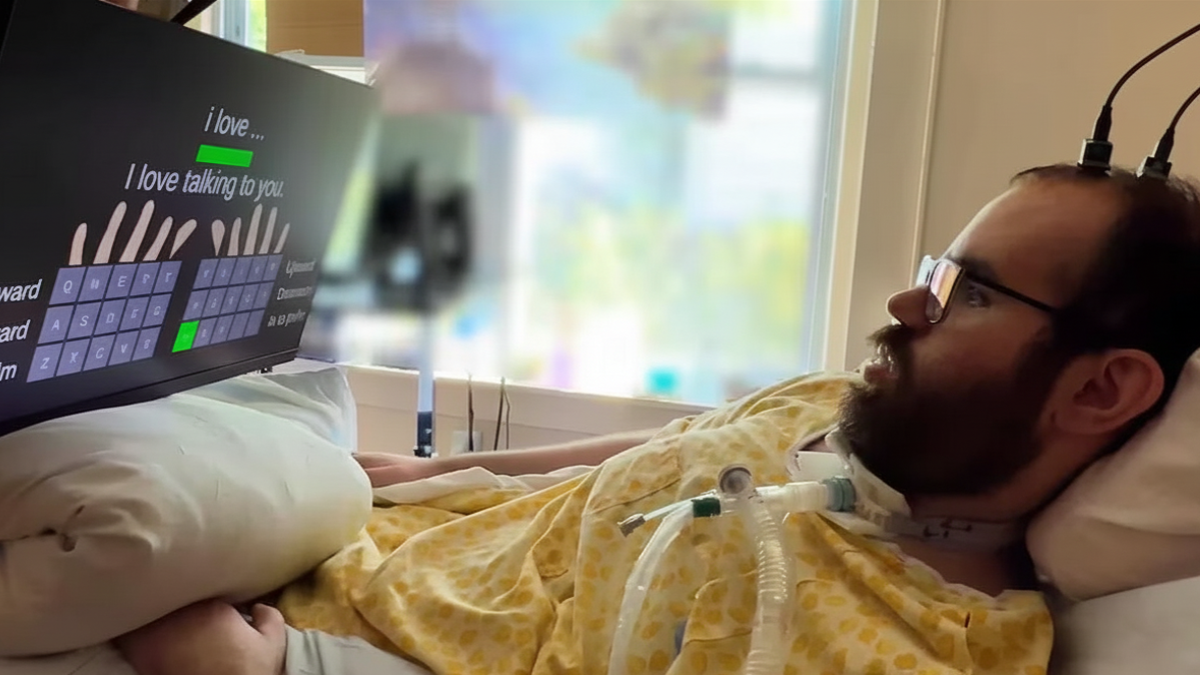
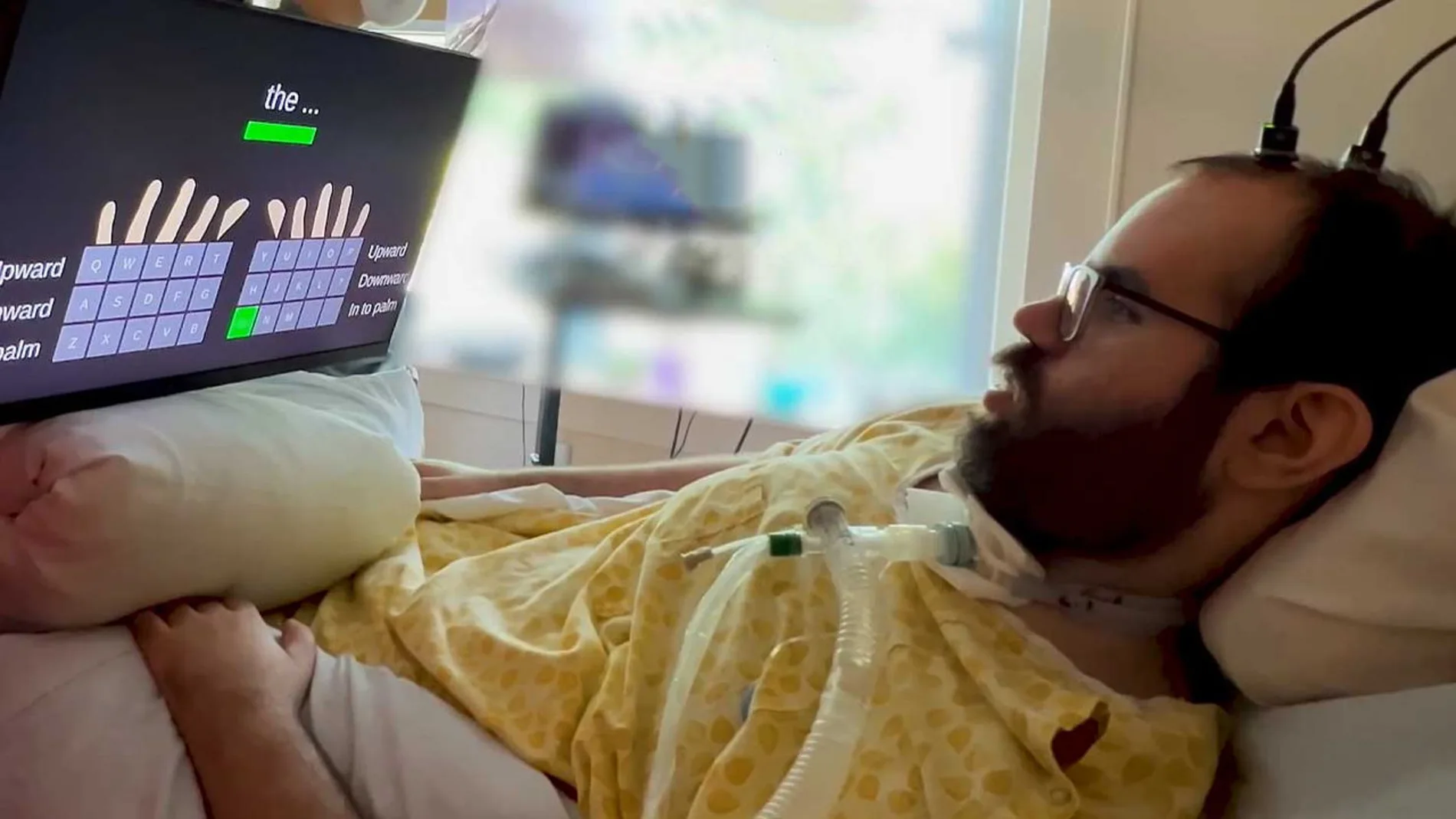
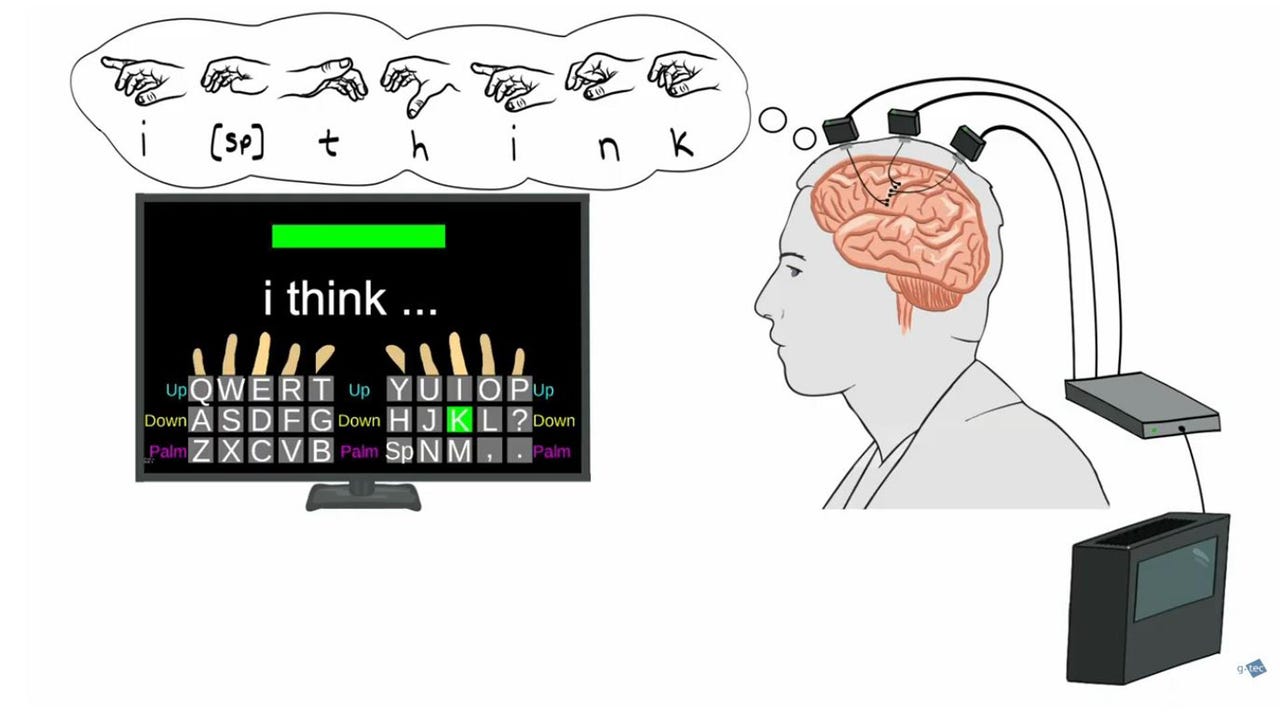
Researchers at Mass General Brigham and Brown University in the US developed an AI-powered brain-computer interface that enables people with severe paralysis to communicate by translating brain signals into text. The system successfully restored rapid and accurate communication for two clinical trial participants, mitigating harm caused by paralysis.[AI generated]

Why's our monitor labelling this an incident or hazard?

The event involves an AI system explicitly described as decoding brain signals and using a predictive language model to generate text output. The system's use directly benefits people with paralysis by restoring their ability to communicate, addressing a significant health and social harm caused by paralysis. Since the AI system's use leads to a positive health outcome (restored communication), it is an AI Incident involving harm mitigation rather than harm creation. The event does not describe any harm caused by the AI system but rather its successful application to overcome harm. Therefore, it qualifies as an AI Incident because it involves the use of an AI system directly impacting health and communication capabilities of people with paralysis, which is within the scope of harm (a) injury or harm to health or groups of people, here mitigated by the AI system.[AI generated]
Industries
Healthcare, drugs, and biotechnology

Severity
AI incident

Business function:
Research and development

AI system task:
Recognition/object detection


Articles about this incident or hazard

Thumbnail Image

Una nueva interfaz cerebro-computadora permite a personas con parálisis teclear con la mente

2026-03-17
La Razón
Why's our monitor labelling this an incident or hazard?
The event involves an AI system explicitly described as decoding brain signals and using a predictive language model to generate text output. The system's use directly benefits people with paralysis by restoring their ability to communicate, addressing a significant health and social harm caused by paralysis. Since the AI system's use leads to a positive health outcome (restored communication), it is an AI Incident involving harm mitigation rather than harm creation. The event does not describe any harm caused by the AI system but rather its successful application to overcome harm. Therefore, it qualifies as an AI Incident because it involves the use of an AI system directly impacting health and communication capabilities of people with paralysis, which is within the scope of harm (a) injury or harm to health or groups of people, here mitigated by the AI system.
Thumbnail Image

Un implante permite teclear con la mente a dos personas con parálisis

2026-03-17
LaSexta
Why's our monitor labelling this an incident or hazard?
The implantable AI system directly enabled communication for people with paralysis, restoring a critical human function and improving health-related quality of life. The AI system's use led to a realized positive health impact rather than harm. Since the event involves the use of an AI system with direct effects on human health and function, but no harm or risk of harm is reported, it does not qualify as an AI Incident or AI Hazard. Instead, it is a positive development in AI application, providing complementary information about AI's beneficial impact in healthcare and neurotechnology.
Thumbnail Image

Una interfaz cerebro-computadora permite a dos personas con parálisis comunicarse

2026-03-16
Diario de Noticias
Why's our monitor labelling this an incident or hazard?
The article explicitly describes an AI-enabled brain-computer interface system that decodes neural activity and uses a predictive language model to translate intended finger movements into text, enabling communication for people with severe paralysis. This use of AI directly restores a critical human function, mitigating harm caused by paralysis. Therefore, this qualifies as an AI Incident because the AI system's use has directly led to a significant positive impact on health and communication ability, addressing a serious harm condition. The event is not merely potential or complementary information but a realized use of AI to remediate harm.
Thumbnail Image

Electrodos en el cerebro permiten a personas con parálisis escribir solo con la mente

2026-03-17
www.expreso.ec
Why's our monitor labelling this an incident or hazard?
The event involves the use of an AI system (the brain-computer interface with a predictive language model) that directly impacts the health and communication ability of paralyzed individuals. The system's use has led to a realized benefit (improved communication), which falls under harm to health or groups of people in a positive sense (restoration of function). Although the article focuses on a positive outcome rather than harm, the framework includes injury or harm to health, and here the AI system mitigates harm caused by paralysis. Since the event describes the use of an AI system leading to a direct impact on health and communication, it qualifies as an AI Incident. It is not a hazard because harm has already been addressed, nor is it merely complementary information or unrelated.
Thumbnail Image

Una neuroprótesis experimental permite a personas con parálisis...

2026-03-17
Infosalus
Why's our monitor labelling this an incident or hazard?
The event involves the use of an AI system (the brain-computer interface with a predictive language model) that directly impacts the health and communication ability of people with paralysis. The AI system's development and use have led to a clear benefit in restoring communication, which is a form of harm mitigation (restoring a lost function). Since the AI system's use directly affects health and well-being, this qualifies as an AI Incident under the definition of injury or harm to health (here, the harm is mitigated or reversed by the AI system). The article does not describe a hazard or potential harm but rather a realized impact through the use of AI technology. Therefore, this is an AI Incident reflecting a positive health impact through AI use.
Thumbnail Image

Una interfaz cerebro-computadora permite comunicarse a dos personas con parálisis

2026-03-16
UDG TV
Why's our monitor labelling this an incident or hazard?
The described brain-computer interface is an AI system that decodes brain signals and uses a predictive language model to translate intended finger movements into text. Its use has directly led to restoring communication for people with paralysis, addressing a critical health and social need. This constitutes a direct benefit and harm mitigation rather than harm. Since the event involves the use of an AI system that has directly impacted health and communication capabilities, it qualifies as an AI Incident under the definition of harm to health or groups of people. Although the harm here is the loss of communication ability, the AI system's use has mitigated this harm, so the event is an AI Incident describing a positive impact rather than a negative one.
Thumbnail Image

Teclear con la mente: el implante cerebral que devuelve la comunicación a personas con parálisis

2026-03-17
gacetadesalud.com
Why's our monitor labelling this an incident or hazard?
The event involves the use of an AI system (the brain-computer interface combined with a predictive language model) that directly impacts the health and well-being of people with paralysis by restoring their ability to communicate. This is a positive intervention that addresses harm (loss of communication ability) and thus relates to injury or harm to health (a). Since the AI system's use has led to improved communication and independence, it is an AI Incident involving harm mitigation rather than harm creation. The article does not describe any malfunction or risk of harm but rather a successful application of AI technology to restore function. Therefore, it qualifies as an AI Incident due to the direct involvement of AI in addressing a health-related harm.