


















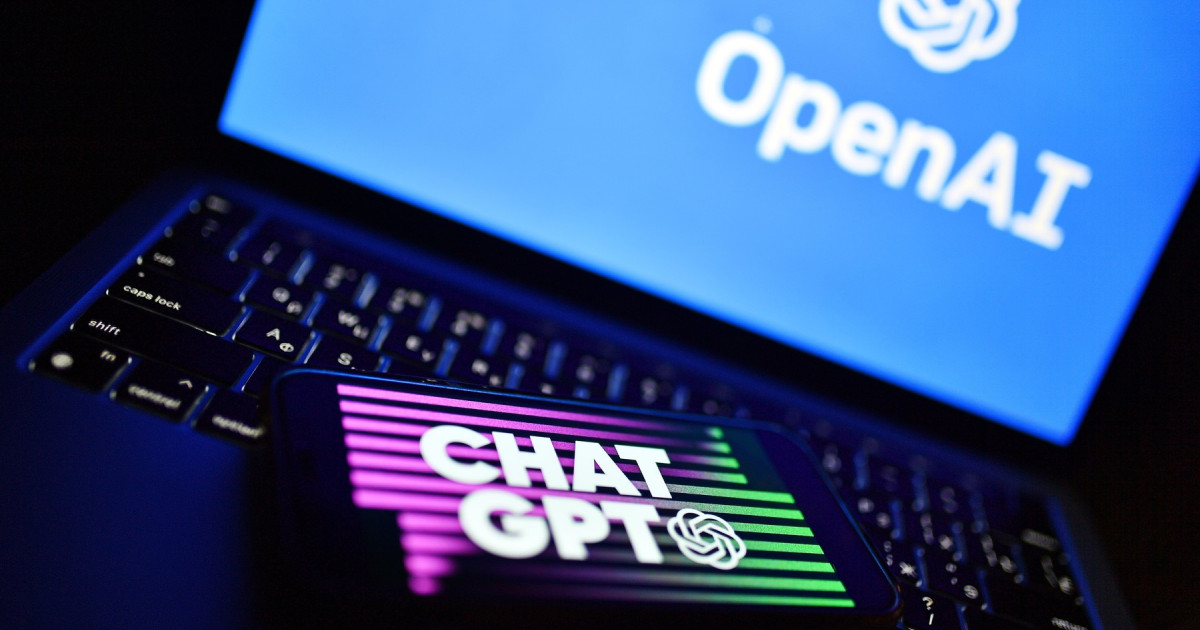
Russia Proposes Sweeping Regulations to Restrict Foreign AI Tools

Thumbnail Image

The information displayed in the AIM should not be reported as representing the official views of the OECD or of its member countries.

Russia's Ministry for Digital Development has proposed regulations that could ban or restrict foreign AI tools like ChatGPT, Claude, and Gemini if they fail to comply with data localization and content control requirements. The rules aim to protect citizens and promote domestic AI, raising concerns about censorship and restricted access.[AI generated]

Why's our monitor labelling this an incident or hazard?

The event involves AI systems explicitly (foreign AI tools such as ChatGPT, Claude, Gemini) and concerns their use and regulation. However, the article does not describe any realized harm or incident caused by these AI systems. Instead, it discusses potential future restrictions and regulatory measures aimed at preventing possible harms such as manipulation or discriminatory algorithms. Therefore, this is a plausible future risk scenario related to AI system use and governance, but no direct or indirect harm has yet occurred. The main focus is on the regulatory initiative and its potential impact, making it an AI Hazard rather than an AI Incident or Complementary Information.[AI generated]
AI principles
Respect of human rightsDemocracy & human autonomy

Industries
Government, security, and defence

Affected stakeholders
ConsumersGeneral public

Harm types
Human or fundamental rightsPublic interest

Severity
AI hazard

AI system task:
Content generationInteraction support/chatbots


Articles about this incident or hazard

Thumbnail Image

Un nou pas al Rusiei către "internetul suveran": Instrumentele IA străine, ca ChatGPT şi Gemini, ar putea fi interzise

2026-03-20
Digi24
Why's our monitor labelling this an incident or hazard?
The event involves AI systems explicitly (foreign AI tools such as ChatGPT, Claude, Gemini) and concerns their use and regulation. However, the article does not describe any realized harm or incident caused by these AI systems. Instead, it discusses potential future restrictions and regulatory measures aimed at preventing possible harms such as manipulation or discriminatory algorithms. Therefore, this is a plausible future risk scenario related to AI system use and governance, but no direct or indirect harm has yet occurred. The main focus is on the regulatory initiative and its potential impact, making it an AI Hazard rather than an AI Incident or Complementary Information.
Thumbnail Image

"Internetul suveran" al rușilor devine și mai izolat de restul lumii. Kremlinul vrea să limiteze folosirea ChatGPT sau Claude - Știrile ProTV

2026-03-20
Stirile ProTV
Why's our monitor labelling this an incident or hazard?
The event involves AI systems explicitly (ChatGPT, Claude, Gemini) and concerns their use and regulation. However, the article discusses proposed future regulations and potential restrictions rather than any actual harm or incident caused by AI systems. There is no direct or indirect harm reported as having occurred due to AI system development, use, or malfunction. The focus is on potential future control measures and the strategic approach of the Russian government, which fits the definition of Complementary Information as it provides context and governance response to AI-related issues without describing a specific AI Incident or AI Hazard.
Thumbnail Image

Moscova vrea să interzică instrumentele AI precum ChatGPT sau Gemini: "Nu se aliniază valorilor rusești

2026-03-20
Libertatea
Why's our monitor labelling this an incident or hazard?
The article centers on a government proposal to regulate AI tools and enforce data localization to protect national security and cultural values. While it involves AI systems and their use, it does not report any direct or indirect harm caused by AI, nor does it describe an event where AI malfunctioned or was misused leading to harm. The potential for future harm exists if non-compliant AI tools continue to be used, but the article does not present this as an imminent or realized risk. Instead, it details a governance response and regulatory strategy, which fits the definition of Complementary Information as it informs about societal and policy developments related to AI.
Thumbnail Image

Rusia pregăteşte reguli care ar putea interzice sau restricţiona instrumentele AI străine precum ChatGPT şi Gemini

2026-03-20
News.ro
Why's our monitor labelling this an incident or hazard?
The event involves AI systems explicitly (foreign AI tools such as ChatGPT, Gemini, Claude) and concerns their use and regulation. The proposed rules could plausibly lead to harms such as violations of privacy, manipulation, or restriction of access to AI services, which are harms to communities and rights. Since the harms are potential and the event concerns future regulatory actions rather than realized harm, this fits the definition of an AI Hazard. There is no indication of an actual AI Incident or realized harm yet, nor is this merely complementary information or unrelated news.
Thumbnail Image

Rusia vrea să interzică instrumentele IA străine precum ChatGPT

2026-03-20
B1TV.ro
Why's our monitor labelling this an incident or hazard?
The event involves AI systems (foreign AI tools such as ChatGPT) and their regulation, but no direct or indirect harm caused by these AI systems is reported. The article focuses on the potential future impact of regulatory measures on AI access and data control, which could plausibly lead to AI hazards if restrictions affect AI availability or use. However, since no harm or incident has yet occurred, and the main focus is on regulatory plans and potential future effects, this is best classified as an AI Hazard.
Thumbnail Image

Russia to give itself sweeping powers to ban or restrict foreign AI tools

2026-03-20
Yahoo News
Why's our monitor labelling this an incident or hazard?
The article discusses government proposals to regulate and potentially ban foreign AI systems based on data localization and content control requirements. Although no actual harm or incident is reported, the proposed regulations could plausibly lead to harms such as restriction of access to AI tools, censorship, and violations of rights related to information access and data privacy. This fits the definition of an AI Hazard, as the development and use of AI systems under these new rules could plausibly lead to harms in the future. The event is not an AI Incident because no realized harm is described, nor is it Complementary Information or Unrelated, as it directly concerns AI system regulation and potential harm.
Thumbnail Image

Russia to give itself sweeping powers to ban or restrict foreign AI tools

2026-03-20
Reuters
Why's our monitor labelling this an incident or hazard?
The article discusses a government proposal to regulate and potentially ban foreign AI systems based on data localization and content control requirements. While no direct harm has yet occurred, the regulatory framework could plausibly lead to harms such as restriction of access to AI tools, censorship, and violations of rights related to information access and privacy. The event concerns the potential future impact of AI system regulation rather than an actual incident or malfunction causing harm. Therefore, it fits the definition of an AI Hazard, as it plausibly could lead to AI-related harms in the future.
Thumbnail Image

Russia to give itself sweeping powers to ban or restrict foreign AI tools - The Economic Times

2026-03-20
Economic Times
Why's our monitor labelling this an incident or hazard?
The event involves AI systems explicitly (foreign AI tools like ChatGPT, Claude, Gemini) and concerns their use and regulation. Although no direct harm has yet materialized, the new rules could plausibly lead to harms such as restriction of access to AI services, potential censorship, or discriminatory impacts due to regulatory control. The article focuses on the potential for these harms through regulatory measures, not on an actual incident of harm. Therefore, this is best classified as an AI Hazard, reflecting a credible risk of future harm related to AI system use and governance.
Thumbnail Image

Russia eyes sweeping powers to restrict foreign AI tools

2026-03-20
TRT World
Why's our monitor labelling this an incident or hazard?
The article discusses government proposals that would regulate foreign AI tools, potentially banning or restricting them if they fail to comply with new rules. This involves the use and governance of AI systems and could plausibly lead to harms such as restrictions on access to AI services, censorship, or violations of rights related to information access. Since the regulations are not yet in force and no direct harm has occurred, this qualifies as an AI Hazard rather than an Incident. The AI system involvement is clear (foreign AI tools like ChatGPT), and the potential for harm is credible given the regulatory context and stated aims to control content and data flows.
Thumbnail Image

Russia Tightens Grip on Foreign AI Tools with New Regulations | Technology

2026-03-20
Devdiscourse
Why's our monitor labelling this an incident or hazard?
The article discusses regulatory actions targeting AI systems but does not report any realized harm or incidents caused by AI systems. The focus is on potential future restrictions and control measures, which could plausibly lead to impacts on AI system availability and use in Russia, but no direct or indirect harm has yet occurred. Therefore, this is best classified as Complementary Information, as it provides context on governance responses and potential future implications for AI systems without describing an AI Incident or AI Hazard.
Thumbnail Image

Russia to give itself sweeping powers to ban or restrict foreign

2026-03-20
Global Banking & Finance Review
Why's our monitor labelling this an incident or hazard?
The article focuses on proposed government regulations that would give Russia powers to restrict or ban foreign AI systems if they fail to comply with new rules. While these regulations could plausibly lead to harms such as limiting access to AI tools or impacting user rights, the article does not report any actual harm or incident resulting from AI system use or malfunction. The AI systems are explicitly mentioned, and the regulatory context implies potential future impacts, but the event is about a policy proposal and its implications rather than a realized AI Incident. Hence, it fits the definition of an AI Hazard, as it plausibly could lead to AI-related harms in the future.