


























Meta's Smart Glasses Spark Privacy Concerns Over AI Facial Recognition

Thumbnail Image

The information displayed in the AIM should not be reported as representing the official views of the OECD or of its member countries.

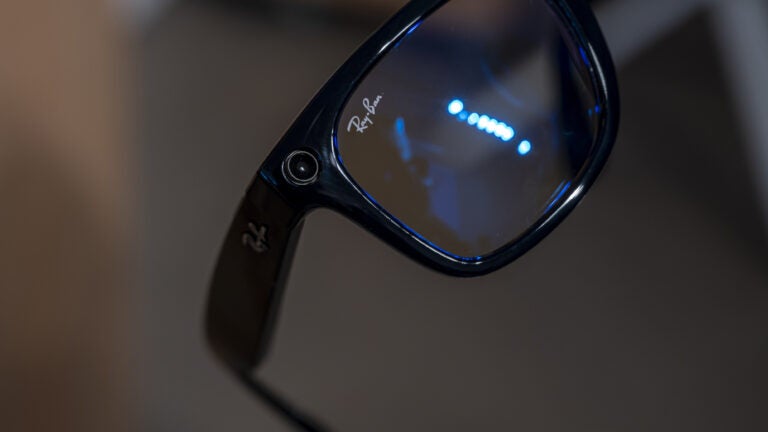
Meta's planned integration of AI-powered facial recognition in Ray-Ban smart glasses has raised significant privacy concerns. U.S. Senators and privacy advocates warn the technology could enable mass surveillance, doxxing, and harassment, threatening civil liberties and anonymity in the United States.[AI generated]

Why's our monitor labelling this an incident or hazard?

The article discusses the potential risks and harms that could arise from the use of AI facial recognition technology in smart glasses, including privacy violations and suppression of civil liberties. Since the technology is not yet implemented or causing harm, this constitutes a plausible risk rather than an actual incident. Therefore, it fits the definition of an AI Hazard, as the development and potential use of the AI system could plausibly lead to harms such as violations of privacy and chilling of free expression.[AI generated]
AI principles
Privacy & data governanceRespect of human rights

Industries
Consumer productsDigital security

Affected stakeholders
General public

Harm types
Human or fundamental rightsReputationalPsychological

Severity
AI hazard

Business function:
Other

AI system task:
Recognition/object detection


Articles about this incident or hazard

Thumbnail Image

Markey presses Meta on facial recognition risks in smart glasses

2026-03-21
Boston
Why's our monitor labelling this an incident or hazard?
The article discusses the potential risks and harms that could arise from the use of AI facial recognition technology in smart glasses, including privacy violations and suppression of civil liberties. Since the technology is not yet implemented or causing harm, this constitutes a plausible risk rather than an actual incident. Therefore, it fits the definition of an AI Hazard, as the development and potential use of the AI system could plausibly lead to harms such as violations of privacy and chilling of free expression.
Thumbnail Image

Every sidewalk a surveillance grid: How Meta's glasses will kill anonymity

2026-03-24
TheBlaze
Why's our monitor labelling this an incident or hazard?
The event involves the use of an AI system (facial recognition AI integrated into smart glasses) whose deployment would directly lead to violations of privacy and human rights, constituting harm to individuals and communities. The article describes realized and ongoing threats from this technology, including the potential for doxxing and harassment, which are harms under the AI Incident definition. Therefore, this qualifies as an AI Incident rather than a hazard or complementary information, as the harm is clearly articulated and the AI system's role is pivotal.
Thumbnail Image

Concerns Over Meta's Smart Glasses Have Reached the U.S. Senate

2026-03-20
Democratic Underground
Why's our monitor labelling this an incident or hazard?
The article centers on the potential future deployment of an AI system (facial recognition in smart glasses) that could plausibly lead to significant harms, including violations of privacy and civil liberties. Since the facial recognition feature is not yet confirmed or in use, and no harm has yet occurred, this situation fits the definition of an AI Hazard rather than an AI Incident. The senators' inquiry and concerns reflect credible warnings about plausible future harms from the AI system's use, meeting the criteria for an AI Hazard.
Thumbnail Image

Meta Smart Glasses Face US Senate Scrutiny Over Facial Recognition And Privacy Risks

2026-03-20
HotHardware
Why's our monitor labelling this an incident or hazard?
The article explicitly mentions the planned use of AI-based facial recognition technology in Meta's Smart Glasses and the concerns about its potential misuse leading to privacy violations and suppression of civil liberties. No actual harm has been reported yet, but the Senators' letter highlights plausible future harms directly linked to the AI system's deployment. This fits the definition of an AI Hazard, as the event involves the use of an AI system that could plausibly lead to significant harms, including violations of human rights and harm to communities. It is not an AI Incident because no realized harm is described, nor is it Complementary Information or Unrelated, as the focus is on the potential risks of the AI system.
Thumbnail Image

NSW publishes code of practice for pubs, clubs using FRT to curb gambling | Biometric Update

2026-03-23
Biometric Update
Why's our monitor labelling this an incident or hazard?
Facial recognition technology is an AI system. The article focuses on the introduction of a code of practice, which is a governance and societal response aimed at mitigating potential harms related to problem gambling through the use of AI. Since no actual harm or incident is described, and the event is about setting standards and expectations, it fits the definition of Complementary Information rather than an AI Incident or AI Hazard.
Thumbnail Image

Every sidewalk a surveillance grid: How Meta's glasses will kill anonymity - Conservative Angle

2026-03-24
Brigitte Gabriel
Why's our monitor labelling this an incident or hazard?
The article explicitly references an AI system (Meta's AI-powered facial recognition in smart glasses) and outlines how its use could lead to serious harms such as privacy violations, stalking, harassment, and government misuse. Although these harms have not yet materialized, the credible risk and the detailed discussion of potential impacts align with the definition of an AI Hazard. There is no indication that an incident (actual harm) has occurred yet, nor is the article primarily about responses or updates, so it does not qualify as an AI Incident or Complementary Information. It is not unrelated because the AI system and its risks are central to the article.
Thumbnail Image

"We see everything": Meta's Ray-Ban glasses are recording your most private moments - NaturalNews.com

2026-04-09
NaturalNews.com
Why's our monitor labelling this an incident or hazard?
The article explicitly describes an AI system (facial recognition and biometric tracking AI embedded in smart glasses) whose use has directly caused harm by invading privacy, enabling covert recording, and exposing sensitive personal data to human annotators without consent. This constitutes a violation of fundamental rights and harms to individuals and communities. The harms are ongoing and widespread given millions of units sold and documented cases of harassment. Therefore, this qualifies as an AI Incident rather than a hazard or complementary information, as the harm is realized and directly linked to the AI system's use and malfunction (e.g., failure of safeguards).
Thumbnail Image

75 organizaciones solicitan a Meta suspender la implementación de reconocimiento facial en sus gafas

2026-04-14
infobae
Why's our monitor labelling this an incident or hazard?
The event involves an AI system (facial recognition integrated with AI in smart glasses) whose use could plausibly lead to significant harms including violations of privacy and fundamental rights, and increased risks to vulnerable populations. The article does not report an actual incident of harm but highlights credible concerns and potential future harms stemming from the deployment of this AI technology. Therefore, this qualifies as an AI Hazard because it plausibly could lead to an AI Incident involving harm to rights and communities if implemented without adequate safeguards or societal consent.
Thumbnail Image

75 ONGs piden a Meta frenar el desarrollo de anteojos con reconocimiento facial

2026-04-14
La Nacion
Why's our monitor labelling this an incident or hazard?
The event involves an AI system (facial recognition software integrated into smart glasses) whose development and intended use could plausibly lead to significant harm, including violations of privacy and civil rights. The article does not report that harm has already occurred but focuses on the credible risk and societal concerns about the technology's deployment. Therefore, it fits the definition of an AI Hazard rather than an AI Incident. It is not merely complementary information because the main focus is on the potential for harm and calls to stop the technology's release, not on responses or updates to past incidents.
Thumbnail Image

Exigen que Meta retire la nueva función de sus gafas inteligentes: pueden grabar a personas y obtener información sobre ellas

2026-04-14
20 minutos
Why's our monitor labelling this an incident or hazard?
The article explicitly involves an AI system (the AI assistant in Meta's smart glasses performing facial recognition and data retrieval). The harms described include violations of privacy and human rights, potential for stalking and unauthorized surveillance, which are serious harms under the framework. However, since the feature is not yet deployed or causing harm, the event is about plausible future harm rather than realized harm. Hence, it fits the definition of an AI Hazard rather than an AI Incident. The organizations' call for removal and transparency further supports the recognition of credible risk.
Thumbnail Image

Advierten a Meta que sus gafas inteligentes son peligrosas en manos de depredadores sexuales

2026-04-14
Todo Noticias
Why's our monitor labelling this an incident or hazard?
The article describes a planned AI system (facial recognition with AI) that could plausibly lead to significant harms such as violations of privacy, enabling stalking or harassment, and other rights infringements. Although no actual harm has yet occurred, the credible warnings from civil rights groups about the dangers of this technology justify classifying this as an AI Hazard. There is no indication that the system has malfunctioned or caused harm yet, so it is not an AI Incident. The focus is on the potential risks and calls to stop the development, fitting the definition of an AI Hazard.
Thumbnail Image

Expertos advierten que el reconocimiento facial en las gafas de Meta es "una línea roja que la sociedad no debe cruzar"

2026-04-14
elEconomista.es
Why's our monitor labelling this an incident or hazard?
The event involves an AI system (facial recognition technology integrated into smart glasses) whose development and intended use could plausibly lead to significant harms, including violations of privacy and civil rights. Since the technology is not yet deployed and no harm has yet occurred, but credible concerns about potential harms are raised, this qualifies as an AI Hazard. The article focuses on the potential risks and societal implications rather than reporting an actual incident or harm, so it is not an AI Incident. It is also not merely complementary information or unrelated news, as the core of the article is the warning about plausible future harm from the AI system's use.
Thumbnail Image

Meta en el ojo de la tormenta: denuncian que sus nuevas gafas son la herramienta perfecta para "stalkers

2026-04-14
Urgente 24
Why's our monitor labelling this an incident or hazard?
The event involves an AI system (facial recognition AI integrated into smart glasses) whose development and intended use could plausibly lead to serious harms including violations of privacy, human rights, and potential physical or psychological harm to vulnerable individuals. The article does not report actual incidents of harm but highlights credible concerns and warnings from organizations about the risks of stalking, harassment, and mass surveillance enabled by this AI technology. Hence, it fits the definition of an AI Hazard rather than an AI Incident or Complementary Information.
Thumbnail Image

Malas noticias para Meta: organizaciones en defensa de la privacidad piden frenar sus gafas con reconocimiento facial

2026-04-14
Business Insider
Why's our monitor labelling this an incident or hazard?
The article explicitly discusses Meta's development and planned use of AI-powered facial recognition in smart glasses, which can identify individuals in real time without their consent. The technology's potential misuse poses credible risks of privacy violations, harassment, and threats to vulnerable populations, which align with harms to human rights and communities. Since the technology is not yet deployed and no direct harm has been reported, but the plausible future harm is significant and well-founded, the event fits the definition of an AI Hazard rather than an AI Incident. The involvement of AI is clear, and the concerns raised are about plausible future harms rather than realized incidents.
Thumbnail Image

Meta está incorporando reconocimiento facial en tus gafas

2026-04-14
Digital Trends Español
Why's our monitor labelling this an incident or hazard?
The event involves an AI system (facial recognition integrated with AI assistant) whose development and intended use could plausibly lead to violations of human rights and harm to individuals (privacy violations, potential physical harm from misuse). The article reports on the planned feature and the serious concerns raised by civil rights groups, indicating a credible risk of harm if deployed. Since no actual harm has yet occurred but the risk is significant and credible, this qualifies as an AI Hazard rather than an AI Incident. The company's statement that the feature is not currently offered and that they will be cautious supports that harm is not yet realized.
Thumbnail Image

Más de 60 organizaciones advierten a Meta que el reconocimiento facial en sus gafas inteligentes "empoderará a depredadores": el plan "Name Tag" sigue adelante pese a la oposición

2026-04-14
WWWhat's new
Why's our monitor labelling this an incident or hazard?
The event involves an AI system explicitly described as using facial recognition AI to identify people in real time via smart glasses. The concerns raised by multiple organizations and governments relate to violations of privacy and human rights, which are recognized harms under the framework. There are some reported instances of misuse, but the article does not confirm widespread or systemic harm caused by the AI system's deployment yet. The main focus is on the credible risk and opposition to the system's deployment, making it a plausible future harm scenario. Hence, it fits the definition of an AI Hazard rather than an AI Incident. It is not Complementary Information because the article centers on the potential harms and opposition, not on updates or responses to a past incident. It is not Unrelated because the AI system and its risks are central to the report.
Thumbnail Image

Meta prepara una nueva función con IA para sus gafas inteligentes, y más de 70 organizaciones ya han firmado para que la cancele

2026-04-14
Computer Hoy
Why's our monitor labelling this an incident or hazard?
The article explicitly mentions the use of AI-based facial recognition technology integrated into smart glasses, which qualifies as an AI system. The concerns raised by multiple organizations and users highlight the potential for this AI system's use to lead to significant harms, including privacy violations and enabling harassment or surveillance. Although no specific harm has yet occurred, the credible and widespread opposition and the nature of the technology indicate a plausible risk of serious harm if deployed. Therefore, this event fits the definition of an AI Hazard, as it describes a circumstance where the AI system's use could plausibly lead to an AI Incident involving violations of rights and harm to communities.
Thumbnail Image

ACLU lidera a 75 grupos instando a Meta a abandonar el reconocimiento facial

2026-04-14
Quartz
Why's our monitor labelling this an incident or hazard?
The article discusses a coalition's open letter urging Meta to stop deploying AI facial recognition in smart glasses due to privacy and freedom threats. While the AI system (facial recognition) is clearly involved and the concerns about misuse and privacy violations are serious, the article does not describe a new AI incident or hazard event where harm has occurred or is imminent. Instead, it focuses on advocacy, past legal settlements, and calls for transparency and cancellation of the project. This fits the definition of Complementary Information, as it provides governance and societal response context rather than reporting a new AI Incident or Hazard.
Thumbnail Image

Las gafas de Meta son "un serio peligro para la privacidad y las libertades civiles": la advertencia a Zuckerberg

2026-04-15
El Español
Why's our monitor labelling this an incident or hazard?
The event explicitly involves an AI system (facial recognition AI integrated into smart glasses) whose development and intended use could plausibly lead to significant harms, including violations of privacy and civil liberties, potential misuse for harassment or government surveillance, and risks of data breaches. Since the technology is not yet deployed but the risk of harm is credible and clearly articulated, this qualifies as an AI Hazard rather than an AI Incident. The article focuses on warnings and concerns about future harm rather than reporting realized harm.
Thumbnail Image

Decenas de organizaciones se echan las manos a la cabeza ante la decisión de Meta de añadir reconocimiento facial a sus gafas de sol

2026-04-15
LaVanguardia
Why's our monitor labelling this an incident or hazard?
The event involves the development and intended use of an AI system (facial recognition via smart glasses) that could plausibly lead to significant harms including violations of privacy, human rights, and potential harassment or surveillance. Since the harms are not yet realized but the risk is credible and clearly articulated by multiple civil rights groups, this qualifies as an AI Hazard. There is no indication that the system has caused harm yet, so it is not an AI Incident. The article is not merely complementary information because the main focus is on the potential risks and societal concerns about the AI system's deployment, not on responses or updates to past incidents.
Thumbnail Image

Las gafas de Meta desatan preocupación global por una función que amenaza tu privacidad

2026-04-15
Iprofesional.com
Why's our monitor labelling this an incident or hazard?
The article explicitly mentions AI systems integrated into the Meta Ray-Ban glasses, including facial recognition and real-time data search, which can identify individuals covertly. The concerns focus on the potential misuse of these AI capabilities leading to privacy violations and harm to fundamental rights. Since no actual harm or incident is reported yet, but the risk of harm is credible and significant, this qualifies as an AI Hazard. The event involves the use and potential misuse of AI systems that could plausibly lead to violations of human rights and harm to communities through surveillance and discrimination.
Thumbnail Image

Las Ray-Ban Meta Que Reconocen Rostros Desatan Una Ola De Controversia: Exigen Su Eliminación Inmediata.

2026-04-15
ElPeriodico.digital
Why's our monitor labelling this an incident or hazard?
The event involves an AI system (facial recognition technology integrated into smart glasses) whose use has directly led to realized harms, including violations of privacy and potential mass surveillance, which are breaches of fundamental rights. The controversy and demands for removal indicate that harm is occurring or has occurred, not just a potential risk. Therefore, this qualifies as an AI Incident rather than a hazard or complementary information.
Thumbnail Image

Exigen que Meta retire de su diseño una nueva función de sus lentes inteligentes: cuál es

2026-04-15
La 100
Why's our monitor labelling this an incident or hazard?
The event involves an AI system (facial recognition and AI assistant in smart glasses) whose use could lead to serious harms including violations of privacy, human rights, and potential harassment or violence. The feature is not yet active, so no realized harm has occurred, but the credible risk of harm is clear and significant. The involvement of AI in identifying individuals without consent and linking to personal data fits the definition of an AI Hazard, as it plausibly could lead to an AI Incident if deployed. The article focuses on the risk and calls for prevention, not on an actual incident, so it is not an AI Incident. It is not merely complementary information or unrelated news, as the core issue is the plausible future harm from the AI system's use.
Thumbnail Image

Privatsphäre: Bürgerrechtler warnen vor Gesichtserkennung bei Meta Smart Glasses

2026-04-13
heise online
Why's our monitor labelling this an incident or hazard?
The article explicitly mentions the planned use of facial recognition AI in Meta's smart glasses, which is an AI system capable of identifying individuals in public. The concerns raised by civil rights groups highlight potential violations of privacy and human rights, including risks to vulnerable populations and suppression of free expression. Since the technology is not yet deployed but planned, and the harms are plausible and credible, this fits the definition of an AI Hazard rather than an AI Incident. The event is not merely general AI news or a complementary update but a warning about a credible future risk from AI use.
Thumbnail Image

Dienstag: KI-Klon von Mark Zuckerberg, Warnung vor Gesichtserkennung

2026-04-14
heise online
Why's our monitor labelling this an incident or hazard?
The article explicitly mentions AI systems (AI avatars, facial recognition) being developed and planned for use. The civil rights groups' warnings indicate a credible risk that the facial recognition technology could lead to violations of privacy and freedom, which are human rights concerns. Since no actual harm or incident is described, but a plausible future harm is highlighted, the event fits the definition of an AI Hazard. Other parts of the article unrelated to AI do not affect this classification.
Thumbnail Image

Breiter Protest gegen geplante Gesichtserkennung in Meta-Brillen

2026-04-14
WinFuture.de
Why's our monitor labelling this an incident or hazard?
The article explicitly involves an AI system (facial recognition AI integrated into smart glasses) and discusses its planned use, which has not yet occurred but is imminent. The harms described include potential violations of privacy and human rights, misuse by malicious actors, and societal harm through loss of anonymity. Since no actual harm has yet occurred but the risk is credible and significant, this fits the definition of an AI Hazard. The internal Meta memo and the broad civil society opposition underscore the plausible future harm. There is no indication that harm has already materialized, so it is not an AI Incident. The article is not merely complementary information or unrelated news, as it focuses on the risk and protest against the AI system's deployment.
Thumbnail Image

Protest gegen Gesichtserkennung in Metas AI Glasses

2026-04-15
Swiss IT Magazine
Why's our monitor labelling this an incident or hazard?
The article explicitly mentions an AI system under development (facial recognition) by Meta for smart glasses. The system's intended use involves recognizing individuals, including potentially strangers, which raises serious privacy and safety concerns. No actual harm has yet occurred since the system is not launched, but the credible risk of harm (privacy violations, stalking, misuse) is clear and has prompted protests. Hence, this is an AI Hazard rather than an Incident. It is not Complementary Information because the main focus is on the potential harm and protests, not on responses to a past incident. It is not Unrelated because the event directly involves an AI system with plausible future harm.
Thumbnail Image

Meta plant Gesichtserkennung in Smart Glasses trotz Widerstand

2026-04-14
IT BOLTWISE® x Artificial Intelligence
Why's our monitor labelling this an incident or hazard?
The article explicitly mentions the use of facial recognition technology, which is an AI system, in smart glasses. The concerns raised by civil rights groups focus on the plausible future harms such as privacy violations, surveillance, and threats to marginalized communities. Since the technology is planned but not yet deployed or causing realized harm, this qualifies as an AI Hazard rather than an AI Incident. The event does not describe actual harm occurring yet, but the credible risk of harm is clearly articulated and linked to the AI system's intended use.
Thumbnail Image

ACLU führt 75 Gruppen an, die Meta auffordern, Gesichtserkennung abzulehnen.

2026-04-14
Quartz
Why's our monitor labelling this an incident or hazard?
The event involves an AI system (facial recognition technology integrated into smart glasses) whose development and intended use could plausibly lead to harms such as privacy violations, stalking, harassment, and suppression of freedoms. The letter and coalition explicitly warn about these risks and call for stopping the project before deployment. No actual harm or incident is reported as having occurred yet, so it does not meet the criteria for an AI Incident. The focus on potential threats and calls for transparency and caution align with the definition of an AI Hazard. Hence, the classification as AI Hazard is appropriate.
Thumbnail Image

Meta's KI-Brillen: Datenschutzbedenken und gesellschaftliche Auswirkungen

2026-04-14
IT BOLTWISE® x Artificial Intelligence
Why's our monitor labelling this an incident or hazard?
The article involves an AI system (facial recognition AI integrated into smart glasses) whose development and intended use raise credible concerns about potential privacy violations and misuse. Although no actual harm has yet occurred, the plausible future misuse of this technology to infringe on privacy and security aligns with the definition of an AI Hazard. Since the article centers on warnings and calls to stop the technology before deployment, and no direct or indirect harm has materialized, it does not qualify as an AI Incident. It is not merely complementary information because the main focus is on the potential risks and societal impact, not on updates or responses to past incidents.
Thumbnail Image

Lunettes connectées : le projet " Name Tag " de Meta suscite de vives inquiétudes

2026-04-14
01net
Why's our monitor labelling this an incident or hazard?
The article explicitly mentions an AI system (facial recognition integrated into smart glasses) and discusses the potential misuse and risks associated with its deployment, including privacy violations and surveillance that could harm vulnerable populations. No actual harm or incident has occurred yet, but the credible concerns raised by a large coalition indicate plausible future harm. Meta's statements about limiting recognition to friends or public profiles do not eliminate the risk of misuse or unintended consequences. Hence, the event fits the definition of an AI Hazard, as it plausibly could lead to an AI Incident if deployed without adequate safeguards.
Thumbnail Image

Plus de 70 associations et ONG alertent Meta: avec la reconnaissance faciale, ses lunettes connectées pourraient devenir l'arme parfaite pour les prédateurs sexuels ou les agents d'un régime totalitaire

2026-04-14
BFMTV
Why's our monitor labelling this an incident or hazard?
The article explicitly discusses an AI system (facial recognition integrated with AI assistant in smart glasses) whose deployment is planned but not yet realized. The potential harms include violations of privacy, human rights, and enabling harassment or authoritarian surveillance, which are serious harms under the framework. Since the feature is not yet active, no realized harm is reported, but the plausible future harm is credible and significant. Hence, the event fits the definition of an AI Hazard rather than an AI Incident or Complementary Information.
Thumbnail Image

"Name Tag" : la reconnaissance faciale de Meta sur les Ray-Ban suscite une levée de boucliers

2026-04-15
Génération-NT
Why's our monitor labelling this an incident or hazard?
The event involves an AI system (facial recognition AI integrated into smart glasses) whose development and intended use could plausibly lead to significant harms such as privacy violations, surveillance, and threats to vulnerable populations. The harms described are potential and not yet realized, as the feature is still in the planning or early development stage. The article focuses on the credible risk and ethical concerns raised by civil rights organizations, making this a clear AI Hazard rather than an Incident. There is no indication that the system has been deployed or caused direct harm yet, so it does not qualify as an AI Incident. It is also not merely complementary information or unrelated news, as the core issue is the plausible future harm from the AI system's use.
Thumbnail Image

L'ACLU mène 75 groupes incitant Meta à abandonner la reconnaissance faciale.

2026-04-14
Quartz
Why's our monitor labelling this an incident or hazard?
The event involves an AI system (facial recognition AI integrated with smart glasses) whose development and intended use could plausibly lead to harms including violations of privacy, harassment, and intimidation, which are violations of human rights and fundamental freedoms. No actual harm or incident has been reported yet, only advocacy to prevent deployment. Thus, it fits the definition of an AI Hazard rather than an AI Incident or Complementary Information. It is not unrelated because it directly concerns AI technology and its societal risks.
Thumbnail Image

Des associations de défense des droits civiques réclament le retrait de la reconnaissance faciale des lunettes connectées de Meta

2026-04-14
Business AM - FR
Why's our monitor labelling this an incident or hazard?
The article explicitly mentions an AI system (facial recognition technology called 'Name Tag') integrated into Meta's smart glasses. The concerns raised by the coalition relate to the potential misuse and privacy violations that could arise from this technology's deployment. No actual harm or incident is reported as having occurred yet, but the plausible future harms include violations of human rights and harm to communities through surveillance and harassment. The event thus fits the definition of an AI Hazard, as it involves the development and potential use of an AI system that could plausibly lead to significant harms. The article also discusses societal and governance responses (civil rights groups' demands), but the main focus is on the potential risks, not on a response to a realized harm, so it is not Complementary Information.
Thumbnail Image

Meta envisage une reconnaissance faciale " réfléchie " pour ses lunettes connectées

2026-04-16
Fredzone
Why's our monitor labelling this an incident or hazard?
The article does not report any actual harm caused by the AI system but focuses on the potential risks and societal concerns related to the possible integration of facial recognition AI in Meta's smart glasses. The involvement of AI is explicit (facial recognition technology), and the concerns raised relate to violations of privacy and civil liberties, which are recognized harms under the framework. Since the harm is not realized but plausibly could occur if the technology is deployed, this situation fits the definition of an AI Hazard rather than an Incident or Complementary Information. The article also mentions societal and regulatory responses, but the main focus remains on the potential future harm from the AI system's use.
Thumbnail Image

Over 70 Organizations Demand Meta Halt Facial Recognition Plans for Smart Glasses | EURweb | Black News, Culture, Entertainment & More

2026-04-17
EURweb
Why's our monitor labelling this an incident or hazard?
The article explicitly mentions the use of facial recognition technology, an AI system, in Meta's smart glasses. The concerns raised by over 70 organizations focus on the potential for serious privacy violations and civil rights harms if the technology is deployed. Since the feature is rumored to arrive in the future and no actual harm has been reported yet, this constitutes a plausible risk of harm rather than an incident. Therefore, this event qualifies as an AI Hazard due to the credible potential for violations of rights and privacy stemming from the AI system's intended use.
Thumbnail Image

Meta Urged to Abandon Facial Recognition Plans for Ray-Ban Glasses

2026-04-15
PetaPixel
Why's our monitor labelling this an incident or hazard?
The event involves an AI system (facial recognition technology integrated into smart glasses) whose development and intended use could plausibly lead to significant harms including violations of privacy and public safety risks. Since the technology is not yet released or causing harm, this constitutes a plausible future risk rather than a realized incident. Therefore, it fits the definition of an AI Hazard rather than an AI Incident or Complementary Information.
Thumbnail Image

Meta Ray-Ban Privacy Controversies: Data Labeling & Name Tag

2026-04-17
iDrop News
Why's our monitor labelling this an incident or hazard?
The event explicitly involves AI systems in the Ray-Ban AI glasses for video recording and facial recognition. The data labeling process involves human workers viewing sensitive private content recorded by these AI devices, with questionable user consent, indicating a violation of privacy rights. The planned 'Name Tag' facial recognition feature raises further concerns about civil liberties and privacy. The involvement of AI in these activities has directly led to harm in terms of privacy violations and potential human rights breaches. Hence, this is an AI Incident rather than a hazard or complementary information.
Thumbnail Image

Over 75 Privacy Orgs Urge Meta to Not Develop Facial Recognition Feature

2026-04-16
Gadgets 360
Why's our monitor labelling this an incident or hazard?
The event involves an AI system (facial recognition technology powered by AI) under development by Meta. The concerns raised by privacy groups relate to plausible future harms (privacy violations, stalking, harassment) that could result from the deployment of this technology. Since the feature is not yet released or causing harm, this qualifies as an AI Hazard rather than an AI Incident. The letter and public discourse represent a warning about potential risks rather than reporting an actual incident of harm. Hence, the classification is AI Hazard.
Thumbnail Image

Meta smart glasses facial recognition sparks fierce backlash

2026-04-17
Pune Mirror
Why's our monitor labelling this an incident or hazard?
The article explicitly discusses an AI system (facial recognition integrated into smart glasses) that is under development but not yet deployed. The harms described (privacy violations, stalking, harassment) are potential and plausible future harms if the system is released. Since no actual harm has occurred yet, and the main focus is on the risk and opposition to the planned AI system, this fits the definition of an AI Hazard rather than an AI Incident. It is not Complementary Information because the article is not about responses to a past incident or updates but about the potential risks of a planned AI system. It is not Unrelated because the event clearly involves AI and its potential impacts.
Thumbnail Image

'Dystopian'? Smart glasses may be watching (and recording) you

2026-04-19
USA Today
Why's our monitor labelling this an incident or hazard?
The article explicitly describes the use of AI-enabled smart glasses that record people without consent, leading to privacy violations and feelings of being violated, which constitutes harm to individuals' rights and communities. The potential addition of real-time facial recognition by Meta raises further concerns about surveillance and tracking, which could exacerbate these harms. The involvement of AI systems in recording, identifying, and potentially tracking individuals is central to the harms described. The article also references legal and advocacy responses, but the primary focus is on the realized and imminent harms caused by the AI system's use. Hence, this is an AI Incident rather than a hazard or complementary information.
Thumbnail Image

'Dystopian'? Smart glasses may be watching (and recording) you

2026-04-19
Yahoo Tech
Why's our monitor labelling this an incident or hazard?
The article explicitly involves AI systems in the form of smart glasses with recording capabilities and planned facial recognition integration. The use of these AI systems has directly led to privacy violations and distress to individuals, constituting harm to rights and civil liberties. The planned facial recognition feature increases the risk of further harm. The article details actual incidents of secret recording and the societal and legal concerns arising from these harms. Thus, the event meets the criteria for an AI Incident due to direct and indirect harm caused by the AI system's use and foreseeable misuse.