AI-Driven 3D Modeling Reduces Risks in Cerebral Aneurysm Treatment at San Camillo Hospital

Thumbnail Image

The information displayed in the AIM should not be reported as representing the official views of the OECD or of its member countries.

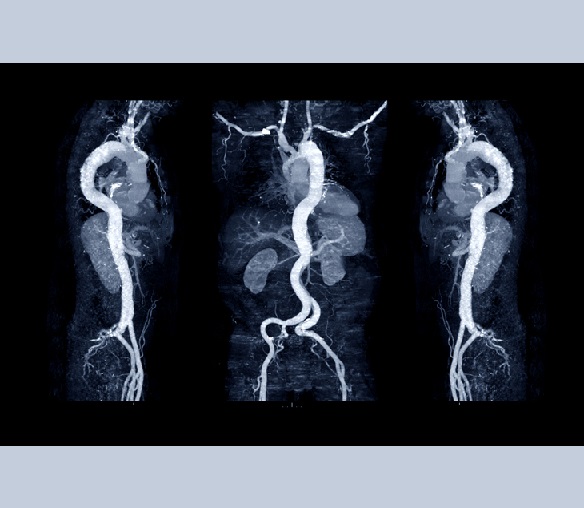
San Camillo Forlanini Hospital in Rome integrated an AI-powered 3D simulation system for planning endovascular treatments of cerebral aneurysms. Over 120 cases were treated in a year, with the AI system significantly reducing patient risk and unnecessary device use, improving safety and lowering costs.[AI generated]

Why's our monitor labelling this an incident or hazard?

The AI system is explicitly mentioned as being used in the development and application of personalized treatment plans for cerebral aneurysms. The system's use has directly contributed to improved patient safety and reduced risk of complications by enabling better preoperative planning and device selection. Since the AI system's use has led to realized health benefits and harm reduction (less risk to patients), this qualifies as an AI Incident under the definition of an event where AI use has directly led to harm reduction and improved health outcomes. Although the article focuses on positive outcomes, the involvement of AI in medical treatment affecting patient health is within the scope of AI Incidents, as it relates to injury or harm to health (here, the AI system reduces such harm).[AI generated]
Industries
Healthcare, drugs, and biotechnology

Severity
AI incident

Business function:
Monitoring and quality control

AI system task:
Reasoning with knowledge structures/planning


Articles about this incident or hazard

Thumbnail Image

Aneurisma cerebrale, al San Camillo trattamenti in 3D con IA a misura paziente - Notizie - Ansa.it

2026-03-21
ANSA.it
Why's our monitor labelling this an incident or hazard?
The AI system is explicitly mentioned as being used in the development and application of personalized treatment plans for cerebral aneurysms. The system's use has directly contributed to improved patient safety and reduced risk of complications by enabling better preoperative planning and device selection. Since the AI system's use has led to realized health benefits and harm reduction (less risk to patients), this qualifies as an AI Incident under the definition of an event where AI use has directly led to harm reduction and improved health outcomes. Although the article focuses on positive outcomes, the involvement of AI in medical treatment affecting patient health is within the scope of AI Incidents, as it relates to injury or harm to health (here, the AI system reduces such harm).
Thumbnail Image

Intelligenza artificiale nei trattamenti endovascolari: più sicurezza e meno rischi per gli aneurismi cerebrali

2026-03-21
Il Messaggero
Why's our monitor labelling this an incident or hazard?
The AI system is explicitly mentioned as being used in medical treatment planning, directly influencing patient care and reducing risks such as unnecessary device implantation and the need for additional interventions. This involvement of AI in healthcare that leads to reduced harm and improved safety fits the definition of an AI Incident, as it directly leads to injury or harm reduction to persons (harm category a). Although the article focuses on positive outcomes, the AI system's use has directly impacted health and safety, qualifying it as an AI Incident rather than a hazard or complementary information.
Thumbnail Image

Al San Camillo 120 aneurismi cerebrali trattati grazie a un sistema 3D con intelligenza artificiale

2026-03-22
RomaToday
Why's our monitor labelling this an incident or hazard?
An AI system is explicitly involved in the development and use phases, as it generates 3D reconstructions and simulates treatment options. The AI system's use has directly contributed to reducing health risks and improving treatment outcomes for patients with cerebral aneurysms, which constitutes harm to health being mitigated. Since the AI system's involvement has led to a positive health impact and reduced harm, this qualifies as an AI Incident under the definition of injury or harm to health of persons, as the AI system's use directly influences patient safety and treatment efficacy.
Thumbnail Image

Cervello in 3D prima del bisturi: l'IA 'cuce' su misura le cure per gli aneurismi cerebrali - insalutenews.it

2026-03-23
insalutenews.it
Why's our monitor labelling this an incident or hazard?
The event involves the use of an AI system in medical treatment planning, but there is no report of injury, malfunction, rights violation, or any harm caused by the AI system. Instead, the article highlights improved safety, precision, and efficiency in treatment. Therefore, this is not an AI Incident or AI Hazard. It is not unrelated because it concerns AI use in healthcare. The article mainly provides information about the deployment and benefits of the AI system, which fits the definition of Complementary Information as it supports understanding of AI's positive impact in medicine.
Thumbnail Image

Aneurisma, Soluzioni Hi-tech. L'evoluzione Della Chirurgia Vascolare Mininvasiva | Mondosanità

2026-03-23
Mondosanità
Why's our monitor labelling this an incident or hazard?
The article explicitly mentions AI systems used in clinical settings for planning and treating aneurysms, which are medical applications involving AI-based predictive algorithms and 3D modeling. However, the article focuses on the benefits and successful outcomes of these AI applications, with no mention or implication of injury, rights violations, disruption, or other harms. The AI use is part of a transformative medical practice improving safety and efficacy. Hence, it is not an incident or hazard but complementary information about AI's positive role in healthcare innovation.
Thumbnail Image

Aneurisma cerebrale e intelligenza artificiale: al San Camillo tecnologia al servizio della medicina - Latina News

2026-03-23
Latina News
Why's our monitor labelling this an incident or hazard?
The event involves the use of an AI system in medical treatment planning, but there is no mention of any injury, harm, violation of rights, or other negative outcomes caused or potentially caused by the AI system. The article highlights positive impacts and integration into clinical practice without any reported incidents or hazards. Therefore, this is best classified as Complementary Information, providing context on AI's beneficial application in healthcare without describing an AI Incident or Hazard.