AI-Enabled Drone Countermeasure Systems Developed and Deployed in Taiwan

Thumbnail Image

The information displayed in the AIM should not be reported as representing the official views of the OECD or of its member countries.

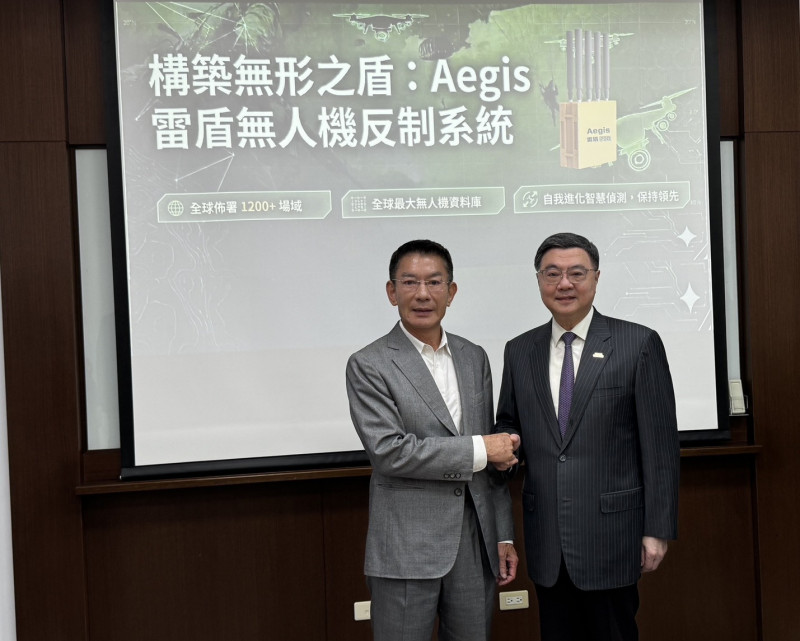
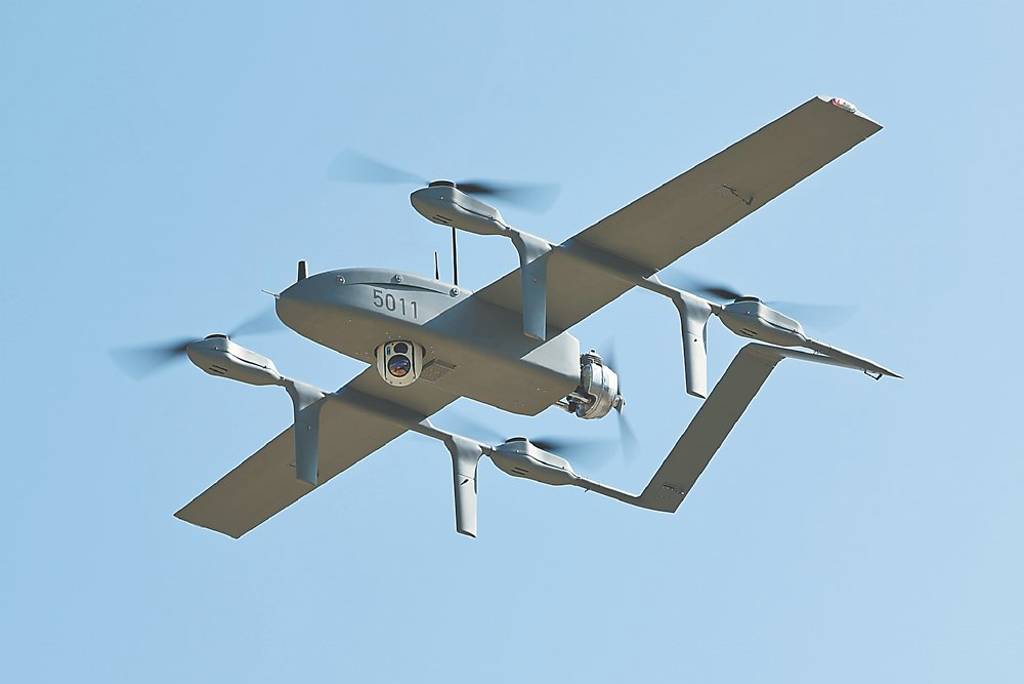
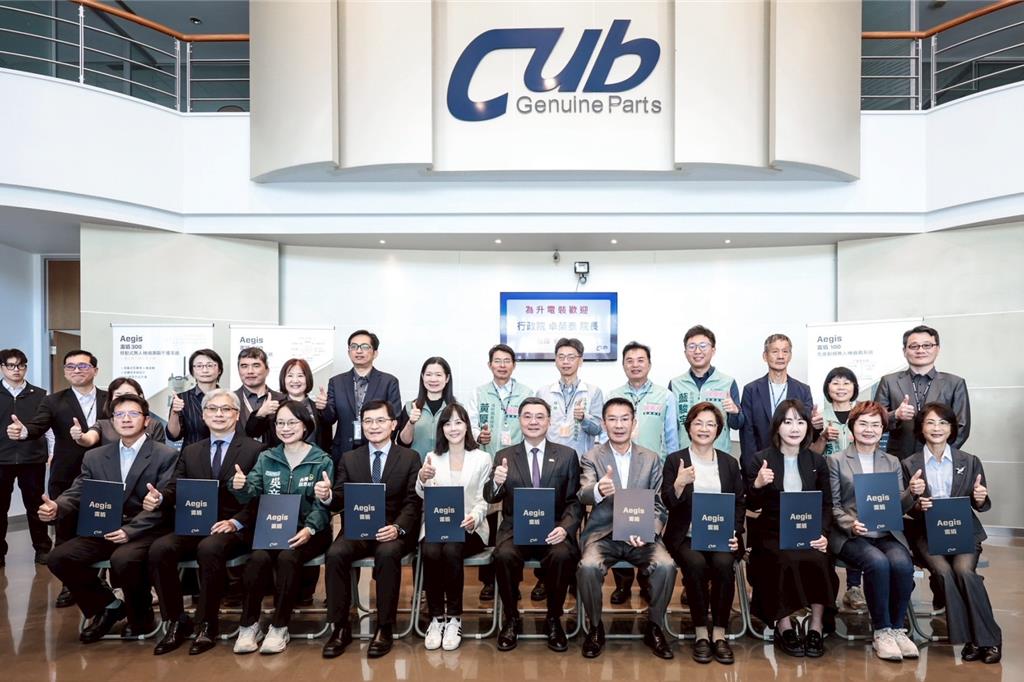
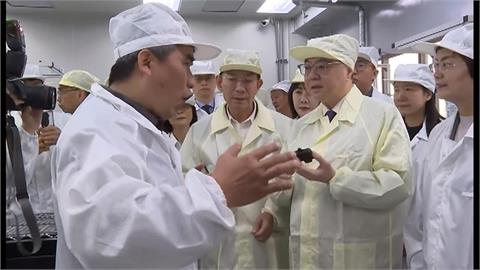
Taiwanese company Wistron integrates AI technologies into the Aegis drone countermeasure system, deployed at over 1,200 critical sites. The government plans a NT$44.2 billion investment over five years to foster the domestic drone industry, highlighting potential future risks from AI-enabled military systems but no current harm reported.[AI generated]

Why's our monitor labelling this an incident or hazard?

The event involves an AI system (the "雷盾" drone countermeasure system) that uses AI for image analysis and signal processing to detect and counter drones. However, the article does not describe any realized harm or incident resulting from the AI system's use or malfunction. Instead, it presents the system as a defensive technology aimed at mitigating drone threats, which could plausibly lead to preventing harm but does not itself constitute an incident. Therefore, this event is best classified as an AI Hazard, reflecting the plausible future risk context and the system's role in defense rather than an actual incident or harm.[AI generated]
AI principles
AccountabilityTransparency & explainability

Industries
Government, security, and defenceRobots, sensors, and IT hardware

Severity
AI hazard

AI system task:
Recognition/object detectionGoal-driven organisation


Articles about this incident or hazard

Thumbnail Image

去年無人機產值129億 卓榮泰:5年442億扶植產業 | 聯合新聞網

2026-03-22
UDN
Why's our monitor labelling this an incident or hazard?
The article primarily describes government plans and investments to develop AI-enabled drone and counter-drone technologies as part of national defense and industrial growth strategies. There is no mention of any realized harm, injury, rights violations, or disruptions caused by AI systems. The AI involvement is in the context of development and intended use, with no indication of malfunction or misuse leading to harm. Therefore, this event does not qualify as an AI Incident or AI Hazard. It is best classified as Complementary Information because it provides important context about AI system development, governance, and strategic industry support, which informs understanding of the AI ecosystem and potential future implications without reporting a specific incident or hazard.
Thumbnail Image

參訪無人機反制系統研發公司 卓揆:打造「臺灣之盾」發展本土軍工產業

2026-03-22
中時新聞網
Why's our monitor labelling this an incident or hazard?
The event involves the use of an AI system (the AI-enabled drone countermeasure system) whose deployment and operational use directly relate to national defense and protection of critical infrastructure. While no specific harm or incident is reported, the system's development and deployment are intended to prevent or mitigate harm from hostile drones, which is a plausible future harm scenario if such systems were absent. However, the article primarily focuses on the development, deployment, and strategic importance of the AI system rather than reporting any realized harm or incident. Therefore, this event is best classified as Complementary Information, as it provides context and updates on AI system development and governance in the military domain without describing an AI Incident or AI Hazard.
Thumbnail Image

《汽車股》為升攜手國際大廠 打造台灣專屬「雷盾」無人機反制系統

2026-03-22
中時新聞網
Why's our monitor labelling this an incident or hazard?
The event involves an AI system (the "雷盾" drone countermeasure system) that uses AI for image analysis and signal processing to detect and counter drones. However, the article does not describe any realized harm or incident resulting from the AI system's use or malfunction. Instead, it presents the system as a defensive technology aimed at mitigating drone threats, which could plausibly lead to preventing harm but does not itself constitute an incident. Therefore, this event is best classified as an AI Hazard, reflecting the plausible future risk context and the system's role in defense rather than an actual incident or harm.
Thumbnail Image

卓揆:打造「台灣之盾」 5年442億發展無人載具產業

2026-03-22
中時新聞網
Why's our monitor labelling this an incident or hazard?
The article explicitly mentions AI integration in drone countermeasure systems and the government's strategic plan to develop these AI-enabled military technologies. However, it does not report any actual harm, injury, rights violation, or disruption caused by these AI systems. The focus is on planned development, investment, and strategic importance, which could plausibly lead to future AI-related incidents or hazards but currently represent potential rather than realized harm. Thus, the event qualifies as an AI Hazard due to the plausible future risks associated with military AI systems and unmanned vehicles, but not an AI Incident or Complementary Information.
Thumbnail Image

焦點股》為升:打造無人機反制系統 買盤歡呼 - 自由財經

2026-03-23
自由時報電子報
Why's our monitor labelling this an incident or hazard?
The event involves an AI system (the drone countermeasure system with AI image analysis and signal processing) but does not describe any realized harm or incident caused by the AI system. There is no indication of injury, disruption, rights violations, or other harms resulting from the system's use. The article focuses on the system's development, deployment, and capabilities, which is informative but does not constitute an AI Incident or AI Hazard. Therefore, this is best classified as Complementary Information, providing context on AI applications in security and defense without reporting harm or plausible future harm.
Thumbnail Image

打造「台灣之盾」! 卓榮泰:5年442億扶植無人機產業 - 彰化縣 - 自由時報電子報

2026-03-22
Liberty Times Net
Why's our monitor labelling this an incident or hazard?
The article explicitly mentions the use of AI technology in the development of drone countermeasure systems, which qualifies as an AI system. There is no indication of any realized harm or incident caused by these AI systems yet, but the strategic military context and investment imply a credible risk of future AI-related harms, such as misuse or escalation in autonomous military capabilities. Hence, it fits the definition of an AI Hazard rather than an AI Incident or Complementary Information. It is not unrelated because AI involvement is clear and central to the event.
Thumbnail Image

卓揆:5年 442億扶植本土無人機產業 - 政治 - 自由時報電子報

2026-03-22
Liberty Times Net
Why's our monitor labelling this an incident or hazard?
The article describes government investment and development plans for AI-enabled military drones and counter-drone systems, which are AI systems with potential for significant harm if used in conflict. No actual harm or incident is reported, but the development and deployment of such systems pose credible risks of future harm, qualifying this as an AI Hazard. There is no indication of realized harm or incident, so it is not an AI Incident. The article is not merely complementary information since it focuses on the potential risks and strategic implications of AI-enabled military drones, rather than just updates or responses.
Thumbnail Image

扶持無人載具產業 政院未來五年將編列442億元-MoneyDJ理財網

2026-03-23
MoneyDJ理財網
Why's our monitor labelling this an incident or hazard?
The event involves the development and planned use of AI-enabled unmanned vehicles (drones) for military defense, which inherently involves AI systems for autonomous operation and targeting. Although no specific harm has occurred yet, the development and deployment of such AI-enabled military systems could plausibly lead to harms such as injury, disruption, or violations of rights in conflict scenarios. Therefore, this event represents a credible future risk associated with AI systems in autonomous weapons and defense, qualifying it as an AI Hazard rather than an Incident or Complementary Information.
Thumbnail Image

壯大無人機產業!陳素月:打造彰化成軍工重鎮 為國防盡心力 - 政治 - 自由時報電子報

2026-03-22
Liberty Times Net
Why's our monitor labelling this an incident or hazard?
The article involves AI-related technology in the form of unmanned drones and defense systems, which likely incorporate AI for autonomous or semi-autonomous operation. However, it only describes plans and ongoing development without any reported incidents or harms. Since no direct or indirect harm has occurred, but the development of AI-enabled military drones could plausibly lead to future harm, this situation fits the definition of an AI Hazard. Yet, the article mainly focuses on political and industrial promotion rather than highlighting specific risks or warnings about potential harm. Therefore, it is best classified as Complementary Information, as it provides context about AI system development and strategic intentions without reporting an incident or explicit hazard.
Thumbnail Image

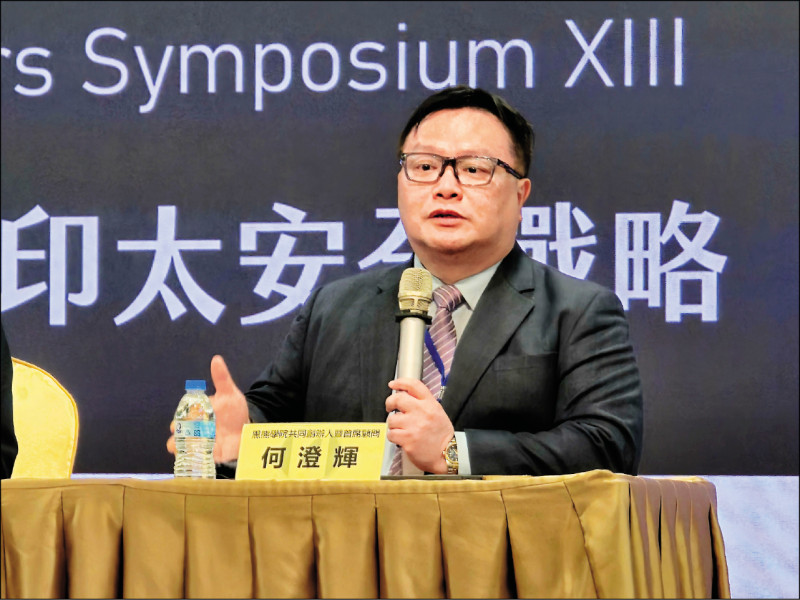
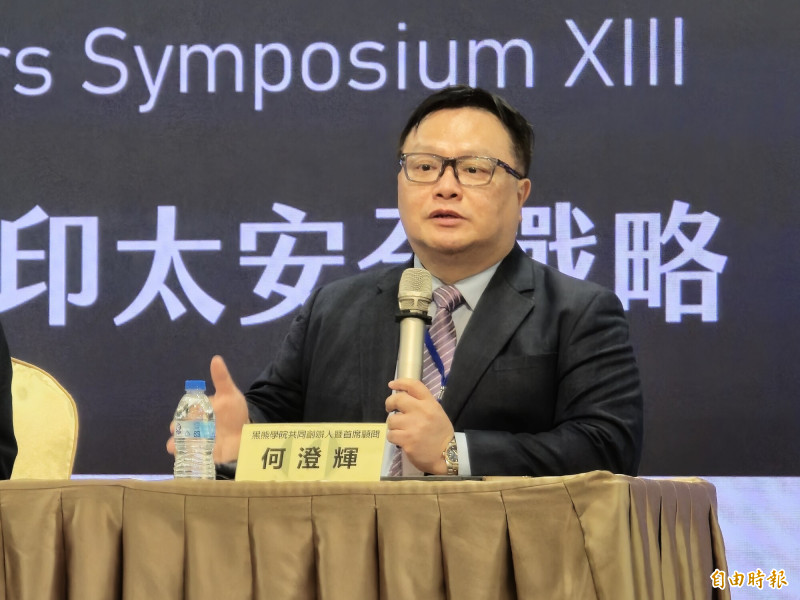
晶圓廠、天然氣接收站 經濟命脈面積廣大 何澄輝: 建構反無人系統屬「必要成本」 - 政治 - 自由時報電子報

2026-03-22
Liberty Times Net
Why's our monitor labelling this an incident or hazard?
The article explicitly references AI anomaly detection as part of the anti-drone defense systems and discusses the plausible future risk of drone swarm attacks causing harm to critical infrastructure and economic lifelines. Since the harm is potential and the focus is on the necessity of building defenses to mitigate this risk, this qualifies as an AI Hazard. There is no report of actual harm or incident caused by AI systems yet, so it is not an AI Incident. The article is not merely complementary information or unrelated, as it centers on the plausible future harm from AI-enabled unmanned systems and the strategic response to it.
Thumbnail Image

為升推雷盾無人機反制系統 強化台灣防禦體系 | 產經 | 中央社 CNA

2026-03-22
Central News Agency
Why's our monitor labelling this an incident or hazard?
The event involves an AI system (the drone countermeasure system with AI image analysis and signal processing) used in defense applications. However, there is no indication that the AI system has caused any injury, disruption, rights violations, or other harms. The article highlights the system's role in strengthening defense and resilience against drone threats, implying potential future harm prevention rather than realized harm. Therefore, this event is best classified as an AI Hazard, as the AI system's use could plausibly lead to harm in conflict scenarios, but no harm has yet occurred or been reported.
Thumbnail Image

打造台灣之盾 五年442億扶植無人載具產業

2026-03-22
工商時報
Why's our monitor labelling this an incident or hazard?
The article explicitly mentions the integration of AI technology into unmanned vehicles for military use, which qualifies as AI system involvement. Although no direct harm or incident is reported, the development and planned deployment of AI-enabled military drones and unmanned vehicles could plausibly lead to harms such as injury, disruption, or violations of rights in conflict scenarios. The event is about the government's strategic investment and legislative efforts to support this industry, indicating a credible future risk rather than a realized incident. Hence, it fits the definition of an AI Hazard rather than an AI Incident or Complementary Information.
Thumbnail Image

卓揆:5年442億發展無人載具產業 打造「台灣之盾」

2026-03-22
工商時報
Why's our monitor labelling this an incident or hazard?
The article explicitly mentions AI integration in drone countermeasure systems used for national defense, which are AI systems by definition. The government's large-scale investment and legislative plans aim to develop and deploy these AI-enabled systems to protect critical infrastructure and enhance defense capabilities. Although no direct harm or incident is described, the nature of these AI systems and their military application plausibly could lead to harms such as disruption of critical infrastructure or escalation in conflict scenarios. Hence, this is an AI Hazard rather than an AI Incident. It is not Complementary Information because the article is not updating or responding to a prior incident but announcing a strategic development plan. It is not Unrelated because AI systems are central to the described event.
Thumbnail Image

為升獲卓揆參訪 展示無人機反制系統-MoneyDJ理財網

2026-03-23
MoneyDJ理財網
Why's our monitor labelling this an incident or hazard?
The event involves an AI system (AI image analysis, signal processing, and radar fusion) actively used in deployed counter-drone defense systems protecting critical infrastructure and military sites. The system's use directly relates to preventing harm to property, communities, and national security. Since the AI system is operational and has been deployed in real-world high-risk environments, its use is not hypothetical but realized, and it contributes to harm prevention. This fits the definition of an AI Incident because the AI system's use is directly linked to managing and mitigating harm in critical infrastructure and defense contexts.
Thumbnail Image

為升秀雷盾無人機反制系統成果 推進國防科技布局-MoneyDJ理財網

2026-03-23
MoneyDJ理財網
Why's our monitor labelling this an incident or hazard?
The event involves the use and deployment of an AI system (AI image analysis and signal processing) in a defense context to counter drone threats, which directly relates to critical infrastructure protection and national security. Since the system is actively deployed and operational in high-risk environments, it is directly contributing to preventing harm to critical infrastructure and potentially to human safety. Therefore, this qualifies as an AI Incident because the AI system's use is directly linked to harm prevention in critical infrastructure and national security contexts.
Thumbnail Image

5年442億推無人機產業 卓榮泰:打造「台灣之盾」 | 鄭麗君 | 台灣大紀元 | 大紀元

2026-03-22
The Epoch Times
Why's our monitor labelling this an incident or hazard?
The article explicitly mentions AI technology integrated into unmanned drone systems for military defense purposes, including detection, identification, tracking, and neutralization of drones. This constitutes an AI system under the definitions. The event concerns the development and planned deployment of these AI systems, which could plausibly lead to harms such as injury or disruption in conflict situations. However, no actual harm or incident is reported at this time. The focus is on government investment and strategic planning, not on a realized incident or a response to one. Hence, the classification as an AI Hazard is appropriate.
Thumbnail Image

為升推雷盾無人機反制系統 強化台灣防禦體系 | 產業熱點 | 產業 | 經濟日報

2026-03-22
Udnemoney聯合理財網
Why's our monitor labelling this an incident or hazard?
The article explicitly mentions the integration of AI technologies (AI image analysis, signal processing) in the drone countermeasure system, confirming the involvement of an AI system. The event concerns the use and deployment of this AI system in defense, which could plausibly lead to harms such as disruption or harm to critical infrastructure or escalation of conflict if misused. However, no direct or indirect harm has occurred or is reported. Thus, the event fits the definition of an AI Hazard, as it plausibly could lead to an AI Incident in the future but does not describe an actual incident or harm at present.
Thumbnail Image

發展無人機為重中之重!卓揆參訪為升:6年442億打造無人機供應鏈亞太中心 | 鉅亨網 - 台灣政經

2026-03-23
Anue鉅亨
Why's our monitor labelling this an incident or hazard?
Given the involvement of AI-enabled drone systems and countermeasure technologies, there is a plausible risk that these developments could lead to future harms, such as misuse in military conflicts or escalation of autonomous weapon systems. However, since no actual harm or incident is reported, and the article mainly discusses government plans and industry growth, this event fits the definition of an AI Hazard. It reflects a credible potential for harm due to the nature and intended use of AI-enabled drones but does not describe an AI Incident or Complementary Information.
Thumbnail Image

5年442億推無人機產業 卓揆:打造「台灣之盾」| 台灣大紀元

2026-03-22
大紀元時報 - 台灣(The Epoch Times - Taiwan)
Why's our monitor labelling this an incident or hazard?
The event involves AI systems insofar as AI technology is integrated into drone countermeasure systems, which are part of the unmanned vehicle industry development. However, the article primarily discusses future plans, investments, and strategic intentions without describing any realized harm or direct incidents involving AI systems. There is no indication of malfunction, misuse, or harm caused or imminent. Therefore, this is a case of potential future risk and development rather than an incident or hazard. Since the article mainly provides information about government policy, budget plans, and strategic positioning in the AI-enabled drone sector, it fits best as Complementary Information, providing context and updates on AI-related defense industry developments without reporting an AI Incident or AI Hazard.
Thumbnail Image

5年442億推無人機產業 卓榮泰:打造「台灣之盾」| 台灣大紀元

2026-03-22
大紀元時報 - 台灣(The Epoch Times - Taiwan)
Why's our monitor labelling this an incident or hazard?
The article explicitly mentions AI technology integrated into drone countermeasure systems and the strategic development of unmanned vehicle industries for defense purposes. This involves AI system development and use with potential military applications. However, no direct or indirect harm has occurred yet; the article focuses on government plans, budget proposals, and industry growth projections. The event thus fits the definition of an AI Hazard, as the development and deployment of AI-enabled military drones could plausibly lead to incidents involving harm in the future, given their role in warfare and defense. There is no indication of an AI Incident or Complementary Information, and it is not unrelated to AI.
Thumbnail Image

影/陳素月陪同卓揆參訪為升電裝 宣示引進更多無人載具研發資源 | yam News

2026-03-22
蕃新聞
Why's our monitor labelling this an incident or hazard?
The event involves AI systems indirectly through the mention of AI adoption and unmanned vehicle research, which likely involve AI technologies. However, there is no indication of any realized harm, malfunction, or misuse of AI systems. The article mainly discusses future plans and resource allocation to support AI and unmanned vehicle development, which is a potential future development but does not present a direct or plausible immediate harm. Therefore, it does not qualify as an AI Incident or AI Hazard. It is best classified as Complementary Information because it provides context on AI-related industrial and governmental developments and responses without reporting any specific incident or hazard.
Thumbnail Image

為升攜手國際防務夥伴 推「雷盾」無人機反制系統 強化台灣防衛韌性 | yam News

2026-03-22
蕃新聞
Why's our monitor labelling this an incident or hazard?
The article explicitly mentions AI technologies integrated into the drone countermeasure system, confirming AI system involvement. However, it does not describe any harm caused or any incident resulting from the AI system's development, use, or malfunction. The system is presented as a defensive tool enhancing security and resilience, with no indication of misuse or malfunction leading to harm. The event is an update on AI deployment in defense and international cooperation, fitting the definition of Complementary Information rather than an Incident or Hazard.
Thumbnail Image

參訪彰化無人機反制系統研發公司 卓揆:發展本土軍工產業一項都不能少 | yam News

2026-03-22
蕃新聞
Why's our monitor labelling this an incident or hazard?
The article explicitly mentions the use of AI in the drone countermeasure system, which is an AI system involved in defense and security. While the system is deployed and operational, there is no indication of any harm, injury, rights violation, or disruption caused by its use. The content centers on government visits, policy support, and industrial development rather than any incident or hazard event. Therefore, it does not qualify as an AI Incident or AI Hazard. It is best classified as Complementary Information because it provides context on AI system development, deployment, and governance in the military sector, enhancing understanding of the AI ecosystem and its strategic implications without reporting new harm or risk events.
Thumbnail Image

「發展本土軍工產業一項都不能少」!卓揆盼全數通過政院版國防特別條例 | 政治 | 三立新聞網 SETN.COM

2026-03-22
三立新聞
Why's our monitor labelling this an incident or hazard?
The article explicitly mentions AI technology integrated into drone countermeasure systems, which qualifies as an AI system. However, it does not describe any event where the AI system caused harm or malfunctioned, nor does it describe a plausible future harm scenario. The focus is on government policy, industrial development, and strategic deployment of AI-enabled defense systems. This fits the definition of Complementary Information, as it provides supporting context and updates on AI system development and governance without reporting a new AI Incident or AI Hazard.
Thumbnail Image

防敵軍「權宜輪、半潛艇」突襲 學者:擋無人機預算等同製造國安破口 - 自由軍武頻道

2026-03-22
def.ltn.com.tw
Why's our monitor labelling this an incident or hazard?
The article explicitly references unmanned vehicles and automated countermeasures that rely on AI or autonomous systems for detection and response. The blocking of budgets for these AI-enabled defense systems could plausibly lead to an AI Hazard by creating a security gap that adversaries might exploit. No actual harm has yet occurred, but the potential for harm to national security and community safety is credible and directly linked to the AI systems' development and deployment being hindered. Therefore, this event is best classified as an AI Hazard.
Thumbnail Image

企業攜手國際大廠! 打造雷盾無人機反制系統實踐「MIT」 - 民視新聞網

2026-03-22
民視新聞網
Why's our monitor labelling this an incident or hazard?
The event involves the use and development of an AI system (AI image analysis and signal processing for drone countermeasures) with clear defense and security applications. While the system could plausibly lead to harm if misused or malfunctioning (e.g., unintended damage or escalation in conflict), the article does not describe any realized harm or incidents. Therefore, it qualifies as an AI Hazard due to the plausible future risk associated with deploying such AI-enabled defense systems, but not an AI Incident since no harm has occurred yet.