KAI to Test Autonomous AI Satellite Fault Response in Space

Thumbnail Image

The information displayed in the AIM should not be reported as representing the official views of the OECD or of its member countries.

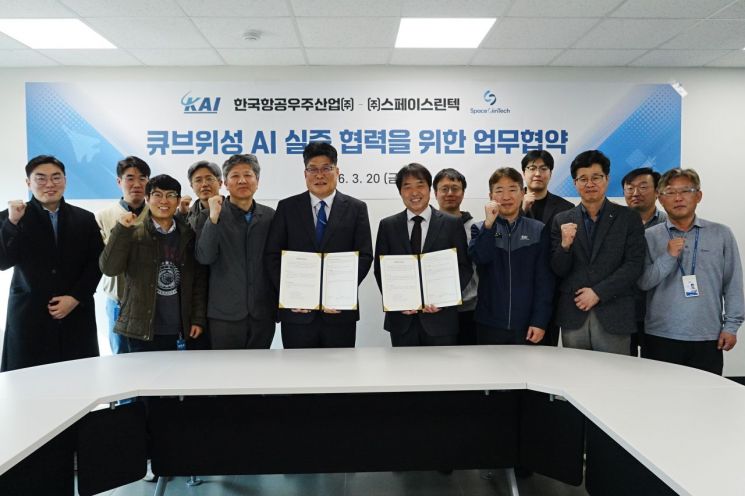
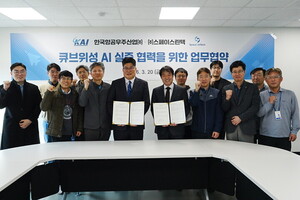
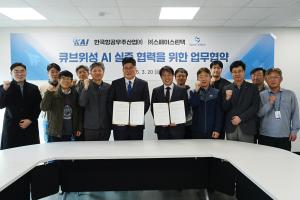
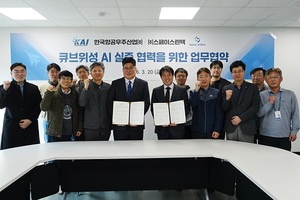
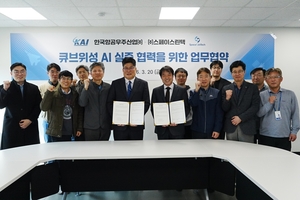
Korea Aerospace Industries (KAI) and partners will launch a CubeSat equipped with an AI module to autonomously diagnose and respond to satellite faults in orbit. The project aims to validate AI onboard processing for real-time, self-directed satellite operation, presenting future risks if malfunctions occur but no harm has yet materialized.[AI generated]

Why's our monitor labelling this an incident or hazard?

The AI system is explicitly mentioned as being developed and tested for autonomous satellite operation. However, the article focuses on the planned deployment and testing phase without any reported harm or malfunction. Since no direct or indirect harm has occurred, and the AI system's use is prospective, this qualifies as an AI Hazard due to the plausible future risk associated with autonomous AI operation in space systems, but not an AI Incident or Complementary Information.[AI generated]
AI principles
Robustness & digital securitySafety

Industries
Mobility and autonomous vehicles

Severity
AI hazard

Business function:
Maintenance

AI system task:
Event/anomaly detectionGoal-driven organisation


Articles about this incident or hazard

Thumbnail Image

KAI, 자체개발 AI 위성기술 우주서 검증

2026-03-23
기술로 세상을 바꾸는 사람들의 놀이터
Why's our monitor labelling this an incident or hazard?
The event involves an AI system explicitly described as an autonomous diagnostic and fault response module for satellites. However, the article only discusses the planned demonstration and validation of this AI system, with no actual harm or malfunction reported. The AI system's use is in development and testing phases, and while it could plausibly lead to future benefits or risks, no incident or hazard is currently realized or imminent. Therefore, this is best classified as Complementary Information, providing context on AI development and validation efforts in the aerospace sector without describing an AI Incident or AI Hazard.
Thumbnail Image

KAI, 독자 개발 AI 모듈 큐브위성 탑재...우주 공간 실증

2026-03-23
이투데이
Why's our monitor labelling this an incident or hazard?
The article details the development and planned deployment of an AI system for autonomous satellite fault diagnosis and response, which is an AI system use case. However, there is no indication that any harm has occurred or that the AI system has malfunctioned. The event is about a planned demonstration and technological advancement, which could plausibly lead to future benefits or risks but does not describe any realized harm or incident. Therefore, it fits the definition of Complementary Information as it provides supporting context on AI system development and testing in the aerospace domain without reporting an AI Incident or Hazard.
Thumbnail Image

KAI, AI 탑재 큐브위성으로 완전 자율운영 도전

2026-03-23
쿠키뉴스
Why's our monitor labelling this an incident or hazard?
The AI system is explicitly mentioned as being developed and tested for autonomous satellite operation. However, the article focuses on the planned deployment and testing phase without any reported harm or malfunction. Since no direct or indirect harm has occurred, and the AI system's use is prospective, this qualifies as an AI Hazard due to the plausible future risk associated with autonomous AI operation in space systems, but not an AI Incident or Complementary Information.
Thumbnail Image

KAI, 미래 AI 위성 기술 우주 공간 실증 나서

2026-03-23
뉴스핌
Why's our monitor labelling this an incident or hazard?
The article details the development and planned use of an AI system for autonomous satellite fault diagnosis and response, which involves AI system use and development. However, there is no indication that any harm has occurred or that the AI system has malfunctioned. The event represents a plausible future risk scenario where AI could impact satellite operations, but currently it is a demonstration project without realized harm. Therefore, it qualifies as an AI Hazard, as the AI system's use could plausibly lead to incidents if failures occur in orbit, but no incident has yet happened.
Thumbnail Image

KAI, 큐브위성에 AI 탑재...우주 자율운영 실증 나선다

2026-03-23
아시아경제
Why's our monitor labelling this an incident or hazard?
The article explicitly mentions an AI system developed by KAI for autonomous fault diagnosis and response onboard a CubeSat. The AI system's use is planned and involves autonomous decision-making in a critical environment (space satellite operation). However, the event is about a planned demonstration and testing phase, with no indication of any harm or malfunction causing injury, disruption, or rights violations. The AI system's deployment could plausibly lead to incidents if failures occur in the future, but currently, it is a controlled test aiming to validate technology. Therefore, this qualifies as an AI Hazard, as the AI system's use could plausibly lead to harm in the future, but no harm has yet materialized.
Thumbnail Image

KAI, 스페이스린텍과 큐브위성 AI 실증 협력

2026-03-23
아이뉴스24
Why's our monitor labelling this an incident or hazard?
The event involves the development and planned use of an AI system onboard a satellite, but it does not describe any realized harm or incident caused by the AI. Instead, it focuses on a future demonstration project aimed at validating the AI's capabilities. Since no harm has occurred and the AI's involvement could plausibly lead to improved satellite operations without harm, this qualifies as an AI Hazard due to the plausible future impact of autonomous AI in space systems.
Thumbnail Image

KAI, AI가 스스로 고장 진단하는 '자율운영 위성' 기술 실증 나선다

2026-03-23
dongascience.com
Why's our monitor labelling this an incident or hazard?
The event involves an AI system explicitly described as an onboard AI module for autonomous satellite operation. However, the article focuses on the planned demonstration and validation of this technology, with no mention of any harm, malfunction, or risk that has occurred or is imminent. The AI system's use is in development and testing phases, aiming to improve satellite autonomy and operational efficiency. Since no harm has occurred and no plausible future harm is indicated, it does not meet the criteria for AI Incident or AI Hazard. The article provides supporting information about AI advancements and collaborations, fitting the definition of Complementary Information.
Thumbnail Image

우주에서 AI가 고장 먼저 찾는다"···KAI, 큐브위성 실증

2026-03-23
이뉴스투데이
Why's our monitor labelling this an incident or hazard?
The article explicitly involves an AI system (an AI module for onboard satellite fault diagnosis and response). However, it describes a planned demonstration and development effort rather than any realized harm or malfunction. There is no indication that the AI system has caused or could plausibly cause harm or violation of rights. The focus is on technological advancement and cooperation, which fits the definition of Complementary Information. There is no direct or indirect harm, nor a credible risk of harm described, so it is not an AI Incident or AI Hazard.
Thumbnail Image

사천 KAI, 미래 AI 위성 실증 프로젝트 진행

2026-03-23
pressian.com
Why's our monitor labelling this an incident or hazard?
The event involves the development and planned use of an AI system onboard satellites for autonomous fault diagnosis and response. While the AI system is central to the project, there is no indication that any harm has occurred or that the AI system has malfunctioned. The article discusses a future demonstration and the potential benefits of the technology, such as reduced communication costs and faster problem resolution. Therefore, this event represents a plausible future risk scenario where AI could impact satellite operations but does not describe any realized harm or incident. It is best classified as an AI Hazard because the AI system's use could plausibly lead to incidents if failures occur in the future, but no incident has yet materialized.
Thumbnail Image

KAI, 스페이스린텍과 AI 위성 실증...큐브위성에 모듈 탑재

2026-03-23
데일리한국
Why's our monitor labelling this an incident or hazard?
The article details the development and planned use of an AI system onboard a satellite to autonomously detect and respond to faults. However, no actual harm, malfunction, or incident has occurred yet. The AI system's deployment could plausibly lead to harm if it malfunctions or fails to respond correctly, but currently, it is a planned demonstration and testing project. Therefore, this event represents a plausible future risk scenario related to AI in critical infrastructure (satellite operations), qualifying it as an AI Hazard rather than an Incident or Complementary Information. It is not unrelated because the AI system is central to the event.
Thumbnail Image

KAI, 우주 공간서 AI위성기술 실증 나선다 - 동행미디어 시대

2026-03-23
동행미디어 시대
Why's our monitor labelling this an incident or hazard?
The article explicitly mentions an AI system (AI onboard processing module) being developed and tested for autonomous satellite operation. The event is about the development and planned use of this AI system in space, with no current harm reported. Since the AI system could plausibly lead to harm if it malfunctions or fails to respond correctly in orbit, this fits the definition of an AI Hazard. There is no indication of realized harm or incident yet, so it is not an AI Incident. The article is not primarily about governance or societal responses, so it is not Complementary Information. It is directly related to an AI system and its potential risks, so it is not Unrelated.
Thumbnail Image

KAI 미래 AI 위성 기술, 우주 공간에서 실증키로

2026-03-23
매일일보
Why's our monitor labelling this an incident or hazard?
The article explicitly mentions an AI system developed for autonomous onboard satellite fault diagnosis and response, which qualifies as an AI system. The event concerns the planned use and testing of this AI system in orbit, which is a use case with potential safety implications for satellite operations (critical infrastructure). Since no harm or incident has occurred yet, but the AI system's deployment could plausibly lead to harm if it malfunctions or fails, this fits the definition of an AI Hazard. There is no indication of realized harm or violation of rights, so it is not an AI Incident. The article is not merely complementary information because it focuses on the planned AI system demonstration rather than updates or responses to past incidents. It is not unrelated because it clearly involves an AI system and its potential impact.
Thumbnail Image

KAI, 우주에서 차세대 'AI 위성 기술' 적용한 실증 추진

2026-03-23
뉴스포스트
Why's our monitor labelling this an incident or hazard?
The event involves an AI system explicitly described as an onboard AI module for satellites performing autonomous fault diagnosis and response. However, the article only discusses the planned demonstration and testing of this AI system in space, with no mention of any incident, malfunction, or harm caused or occurring. The AI system's use is prospective and experimental, aiming to improve satellite autonomy and efficiency. Since no harm has occurred and no plausible risk of harm is indicated, the event does not qualify as an AI Incident or AI Hazard. It is best classified as Complementary Information because it provides context and updates on AI system development and testing in the aerospace sector, contributing to understanding the AI ecosystem without reporting harm or credible risk of harm.
Thumbnail Image

KAI, 우주 공간서 '미래 AI 위성 기술' 실증 나선다

2026-03-23
이뉴스투데이
Why's our monitor labelling this an incident or hazard?
The event involves the development and planned use of an AI system onboard a satellite for autonomous fault diagnosis and response, which qualifies as an AI system. The article focuses on the planned demonstration and validation of this AI system in orbit, with no mention of any harm or malfunction. Since the AI system could plausibly lead to harm if it malfunctions or fails to respond correctly in a critical infrastructure context (satellite operation), it fits the definition of an AI Hazard. It is not an AI Incident because no harm has occurred, nor is it Complementary Information since it is not an update or response to a prior incident. It is not unrelated because it clearly involves an AI system and its potential impact.