Tesla Faces Legal Action Over Misleading Full Self-Driving AI Sales in Australia

Thumbnail Image

The information displayed in the AIM should not be reported as representing the official views of the OECD or of its member countries.

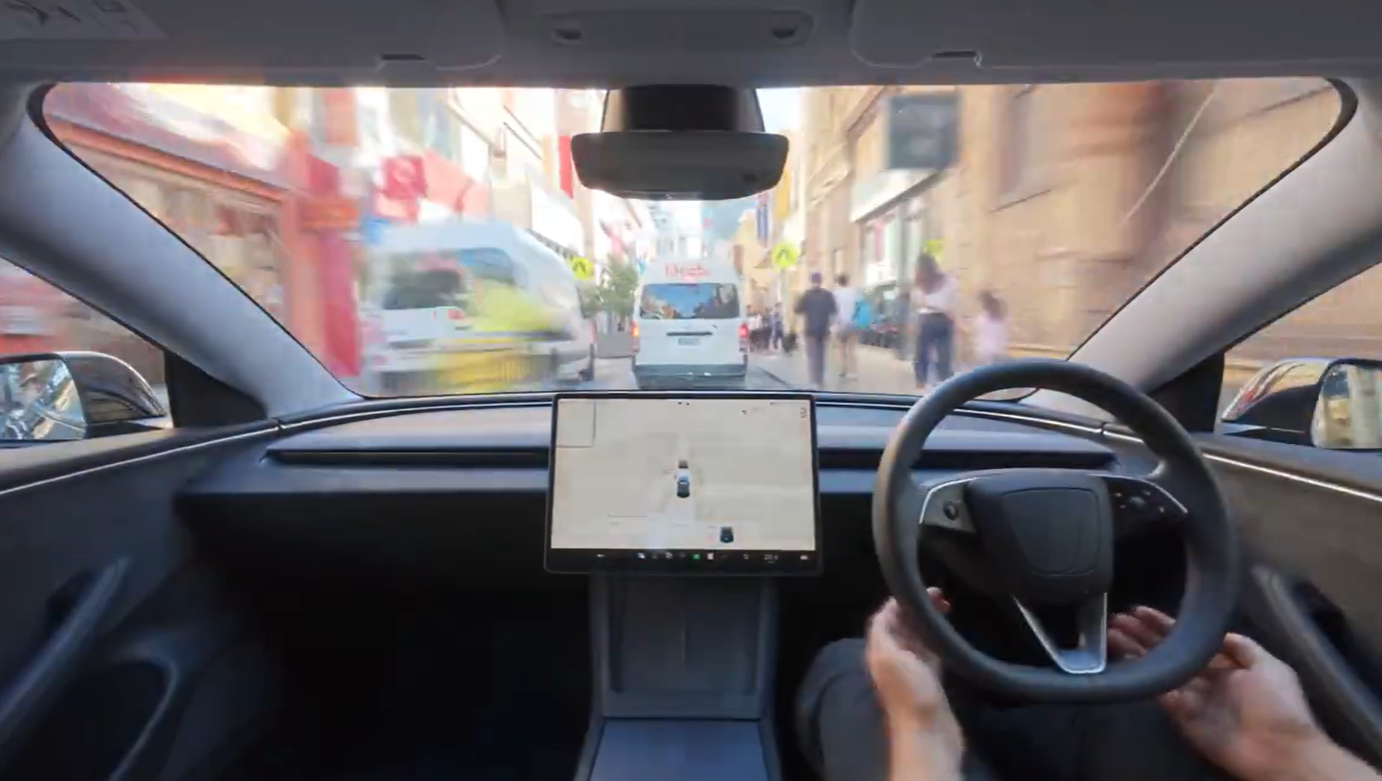
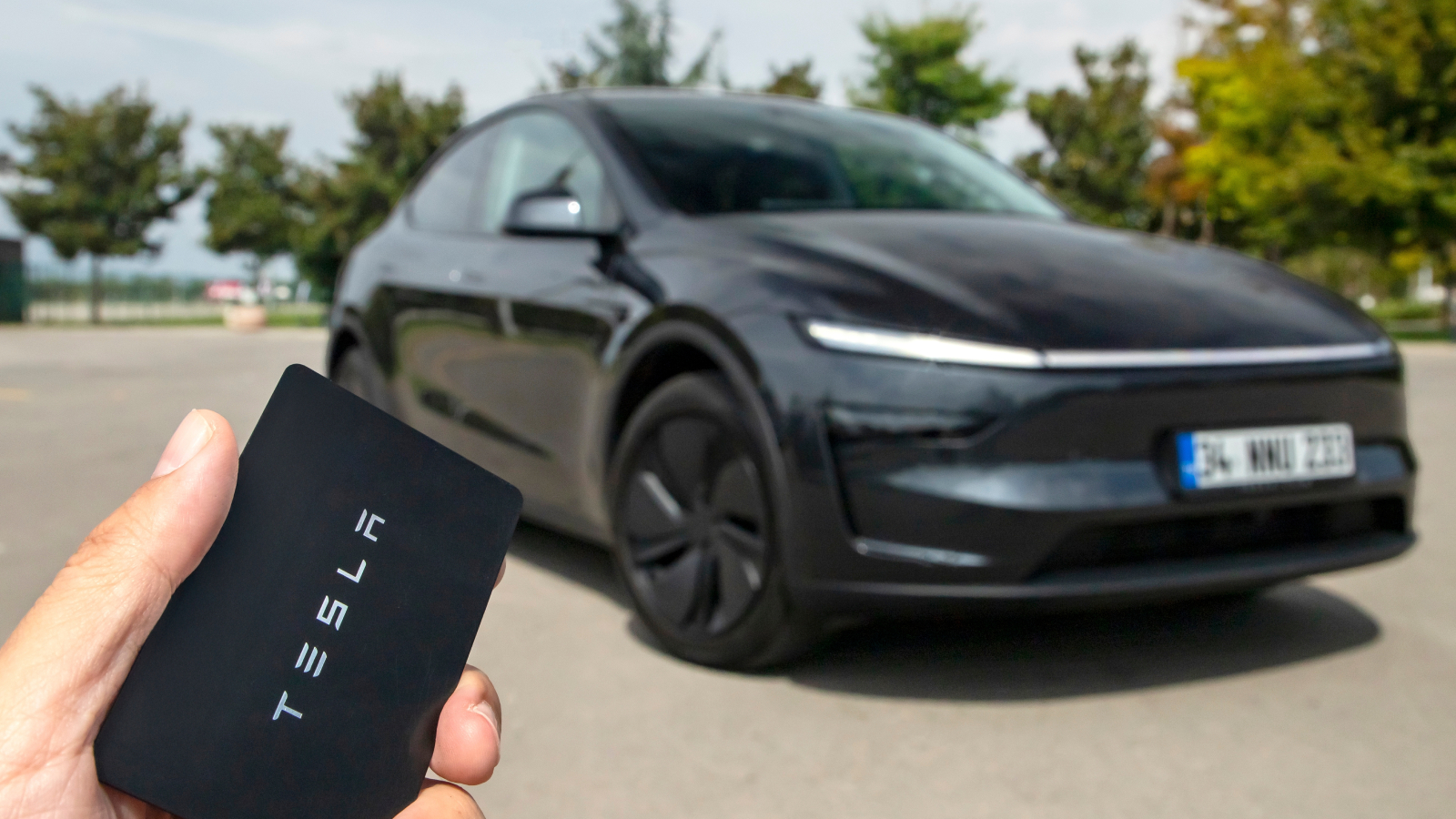
Tesla is facing multiple legal actions in Australia for selling its Full Self-Driving (FSD) AI software to customers whose vehicles lacked the necessary hardware, resulting in financial harm and alleged breaches of consumer protection laws. The FSD system's AI capabilities were not fully deliverable as advertised.[AI generated]

Why's our monitor labelling this an incident or hazard?

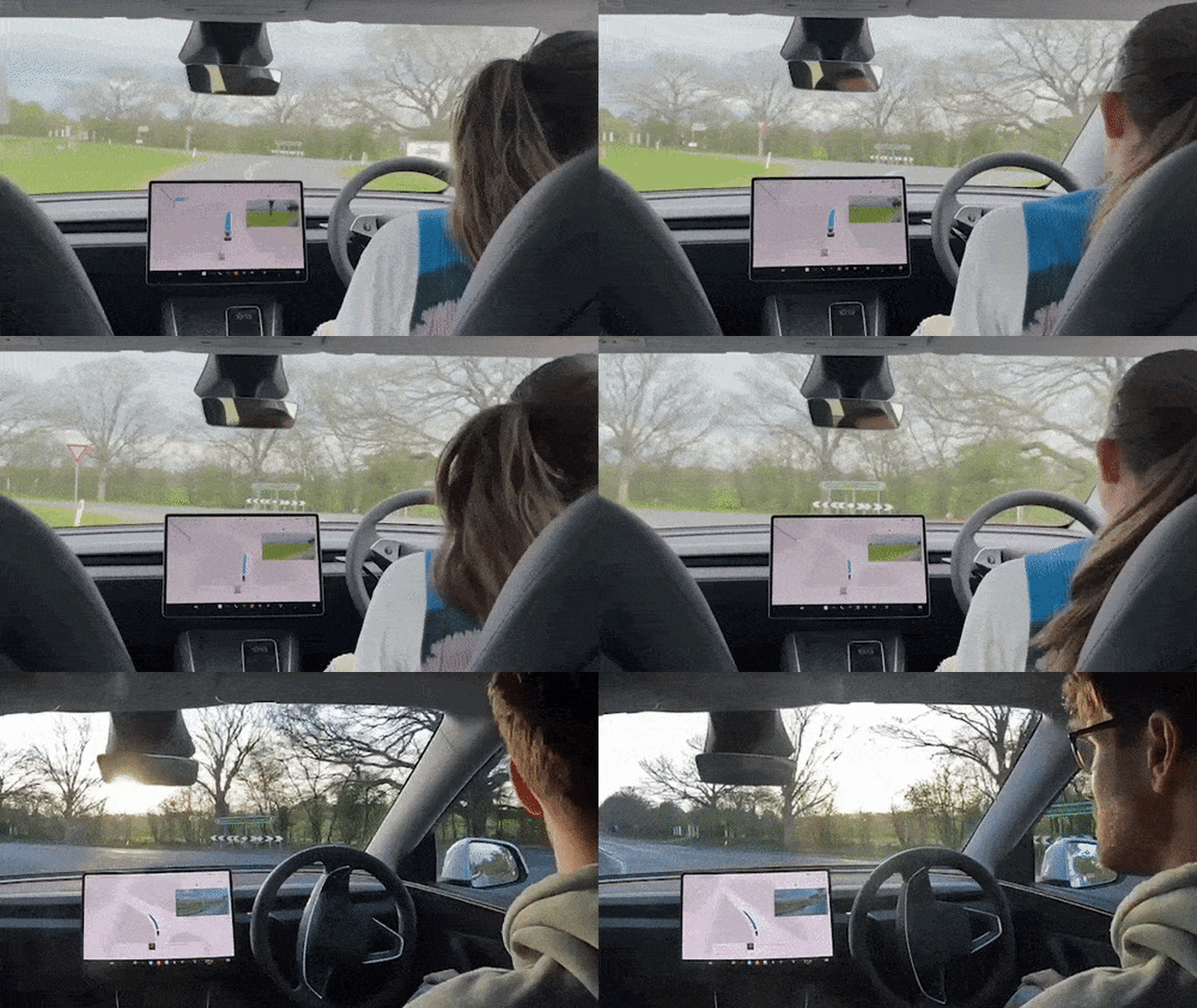
The Tesla FSD system is an AI system that perceives its environment and makes driving decisions. Its use in this case directly led to a safety benefit by compensating for the driver's sensory limitation, thus preventing potential harm. Since the AI system's operation directly influenced the safe management of a critical situation (emergency vehicle approach), this qualifies as an AI Incident involving harm prevention and safety enhancement. Although no harm occurred, the system's role in preventing harm to the driver and others is pivotal and realized in the event.[AI generated]
AI principles
Transparency & explainabilityAccountability

Industries
Mobility and autonomous vehicles

Affected stakeholders
Consumers

Harm types
Economic/Property

Severity
AI incident

Business function:
Other

AI system task:
Recognition/object detectionReasoning with knowledge structures/planning


Articles about this incident or hazard

Thumbnail Image

Tesla FSD Helps Deaf Driver Detect Ambulance, Pull Over Safely: Watch Video

2026-03-26
NDTV
Why's our monitor labelling this an incident or hazard?
The Tesla FSD system is an AI system that perceives its environment and makes driving decisions. Its use in this case directly led to a safety benefit by compensating for the driver's sensory limitation, thus preventing potential harm. Since the AI system's operation directly influenced the safe management of a critical situation (emergency vehicle approach), this qualifies as an AI Incident involving harm prevention and safety enhancement. Although no harm occurred, the system's role in preventing harm to the driver and others is pivotal and realized in the event.
Thumbnail Image

Tesla sold 'self-driving' software for $10,000. Now it faces a legal fight

2026-03-24
The Sydney Morning Herald
Why's our monitor labelling this an incident or hazard?
The article describes the deployment and sale of an AI system (Tesla's FSD software) and the ensuing legal disputes over its availability and activation restrictions. While the AI system is central to the event, there is no indication of actual harm or injury caused by the AI system's malfunction or misuse. The legal battles concern consumer protection and regulatory issues, which are responses to the AI system's use but do not themselves constitute an AI Incident or AI Hazard. Therefore, this event is best classified as Complementary Information, as it provides context on societal and governance responses to AI deployment.
Thumbnail Image

Tesla sold 'self-driving' software for $10,000. Now it faces a legal fight

2026-03-24
The Age
Why's our monitor labelling this an incident or hazard?
The Tesla FSD software is an AI system that controls vehicle navigation using neural networks. The legal claims focus on Tesla charging customers for a feature that their cars could not fully activate due to hardware limitations, which is a misuse or misrepresentation of the AI system's capabilities. This has caused financial harm and breaches of consumer protection laws, qualifying as violations of rights under applicable law. The AI system's development and use are directly linked to these harms, making this an AI Incident rather than a hazard or complementary information.
Thumbnail Image

Tesla facing different legal actions in Australia over full self-driving claims

2026-03-24
WhichCar
Why's our monitor labelling this an incident or hazard?
The Tesla FSD software is an AI system involved in advanced driver-assistance functions. The legal actions allege that Tesla sold the software with claims that are not fulfilled due to hardware limitations, constituting misleading conduct and breach of consumer protection laws. This is a violation of legal obligations intended to protect consumer rights, fitting the definition of an AI Incident under violations of applicable law. The event involves the use and marketing of the AI system leading to legal harm and potential indirect risks to users. Hence, it is classified as an AI Incident rather than a hazard or complementary information.
Thumbnail Image

Tesla sold 'self-driving' software for $10,000. Now it faces a legal fight

2026-03-25
Head Topics
Why's our monitor labelling this an incident or hazard?
The event explicitly involves an AI system (Tesla's Full Self-Driving software) whose use and marketing have directly led to consumer harm through misleading sales practices and failure to deliver the promised AI capabilities. The legal claims focus on deceptive conduct and breach of consumer law, which are violations of rights caused by the AI system's deployment and marketing. The presence of neural network navigation software confirms AI involvement. The harm is realized and ongoing through legal disputes and financial losses to consumers. Hence, this is an AI Incident rather than a hazard or complementary information.
Thumbnail Image

" Il n'a pas les capacités " : la douche froide d'Elon Musk sur les anciennes Tesla (et son étonnant plan B)

2026-04-23
Frandroid
Why's our monitor labelling this an incident or hazard?
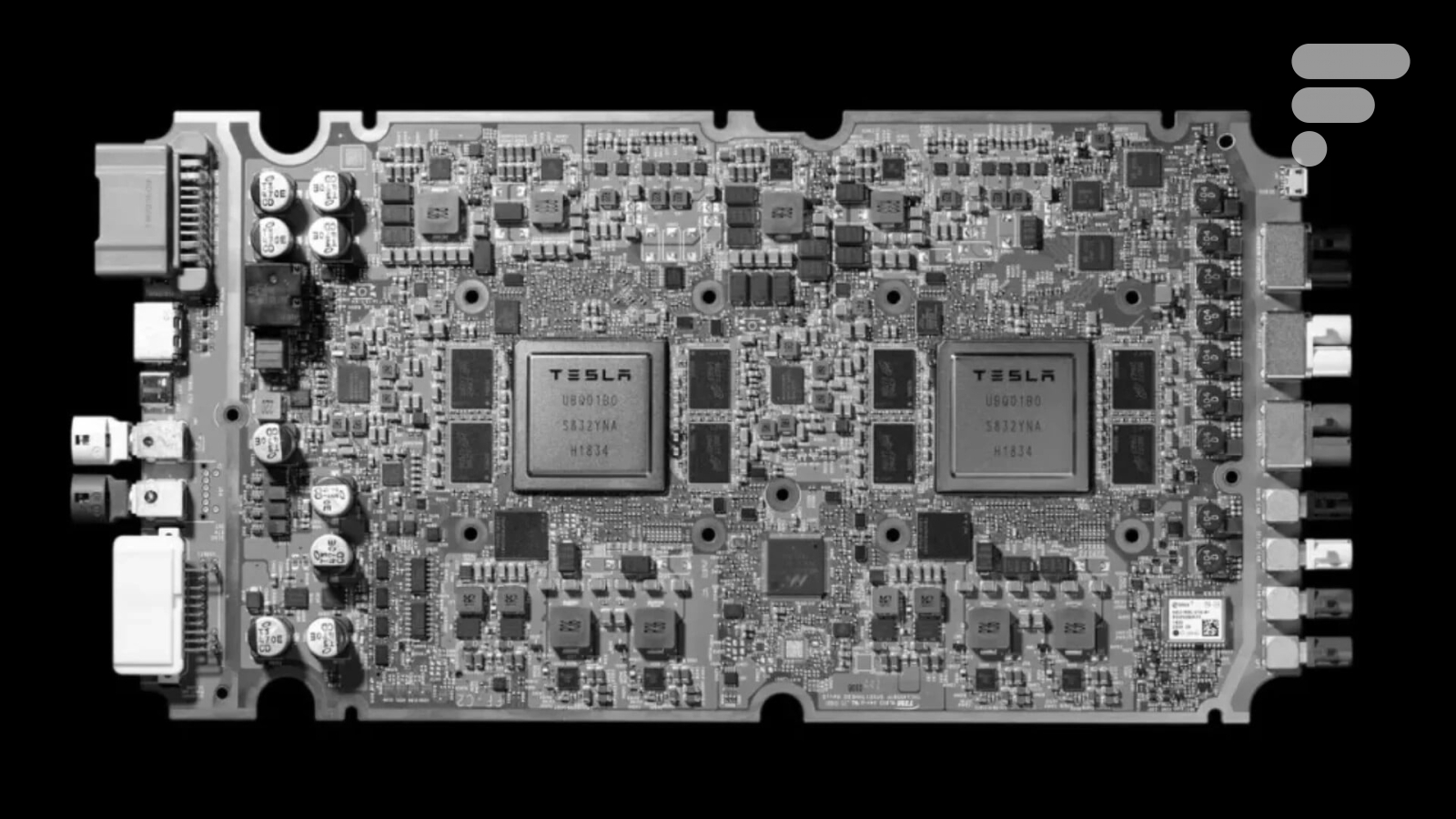
The event involves an AI system, specifically Tesla's Full Self-Driving AI system, which is used for autonomous vehicle navigation. The announcement concerns the limitations of older hardware in supporting fully autonomous driving, which is an AI system's capability. However, no actual harm or incident is reported; rather, it is a disclosure about hardware limitations and future plans. There is no indication of injury, rights violations, or other harms caused by the AI system's malfunction or use. The article primarily provides information about the AI system's development, deployment challenges, and company responses to customer concerns. Therefore, this is Complementary Information as it updates on the AI system's capabilities, deployment status, and company mitigation strategies without describing an AI Incident or AI Hazard.
Thumbnail Image

Tesla fait marche arrière : la promesse de la conduite autonome s'effondre pour 4 millions de conducteurs

2026-04-23
Frandroid
Why's our monitor labelling this an incident or hazard?
The event explicitly involves an AI system (Tesla's Full Self-Driving software) and its hardware platform (HW3). The failure to deliver the promised autonomous driving capability due to hardware limitations and delayed software updates has caused direct harm to consumers who purchased the FSD package expecting a certain level of AI-driven autonomy. This constitutes a violation of consumer rights and economic harm, fitting the definition of an AI Incident. The presence of class action lawsuits further supports the recognition of harm. The event is not merely a product update or announcement but reveals a significant failure and harm caused by the AI system's development and deployment.
Thumbnail Image

Tesla : ce terrible aveu d'Elon Musk sur la conduite autonome est-il celui de trop ?

2026-04-23
Clubic.com
Why's our monitor labelling this an incident or hazard?
An AI system (Tesla's autonomous driving AI) is explicitly involved. The admission relates to the system's development and use, specifically its inability to safely perform fully autonomous driving without supervision. This limitation could indirectly lead to harm if users over-rely on the system expecting full autonomy, which is not supported by the hardware. However, the article does not report any actual harm or incidents resulting from this limitation, only a recognition of the system's insufficiency. Therefore, this is a plausible risk scenario rather than a realized harm. It fits the definition of an AI Hazard because the AI system's current capabilities could plausibly lead to harm if misused or over-relied upon, but no direct harm has yet occurred as per the article.
Thumbnail Image

Tesla : 4 millions de voitures ne rouleront jamais seules, la promesse du FSD vole en éclats

2026-04-23
01net
Why's our monitor labelling this an incident or hazard?
The event explicitly involves an AI system (Tesla's FSD AI software) whose development and deployment have failed to deliver the promised autonomous driving capabilities. Millions of customers paid for a product that will not function as advertised, constituting a violation of consumer rights and a breach of obligations under applicable law. The harm is realized and ongoing, with legal actions reflecting the seriousness of the issue. Therefore, this qualifies as an AI Incident rather than a hazard or complementary information.
Thumbnail Image

Tesla FSD 100 % autonome : les modèles HW3 ne seront jamais compatibles

2026-04-23
Numerama.com
Why's our monitor labelling this an incident or hazard?
The article focuses on Tesla's announcement about hardware compatibility and software deployment plans for their AI-based autonomous driving system. While the AI system (FSD) is central, there is no indication of any injury, rights violation, property damage, or other harm caused or occurring due to the AI system. The event is about the limitation of AI system deployment and planned upgrades, which is informative but does not constitute an AI Incident or AI Hazard. It is not a general product launch but an update on AI system deployment and limitations, fitting the definition of Complementary Information.
Thumbnail Image

Vous avez acheté une Tesla avant 2023 ? On a une mauvaise nouvelle pour vous

2026-04-23
Journal du Geek
Why's our monitor labelling this an incident or hazard?
The event explicitly involves an AI system (Tesla's autonomous driving AI) whose hardware limitations prevent it from delivering the promised full self-driving capabilities. Customers paid significant sums based on these promises, which were not fulfilled, leading to financial harm and legal action. The AI system's inability to perform as advertised is a direct cause of harm to consumers and a breach of obligations under applicable law, fitting the definition of an AI Incident. The ongoing class action lawsuit further supports the classification as an incident rather than a hazard or complementary information.
Thumbnail Image

Tesla vous a vendu un rêve : la dure réalité du FSD (conduite autonome) sur votre voiture

2026-04-24
Génération-NT
Why's our monitor labelling this an incident or hazard?
The event explicitly involves an AI system: Tesla's Full Self-Driving (FSD) system, which relies on AI for autonomous vehicle operation. The announcement reveals that the hardware supporting this AI system is insufficient to deliver the promised autonomous driving capabilities, directly impacting millions of users who purchased the FSD option. This is a failure in the AI system's development and deployment, leading to harm in the form of consumer deception, economic loss, and erosion of trust. The harm is realized, not just potential, as customers have already paid for a feature that cannot be delivered. The event does not merely discuss potential future harm or general AI ecosystem updates but details a concrete failure and its consequences. Hence, it meets the criteria for an AI Incident.
Thumbnail Image

Tesla face à une réalité technique : des millions de véhicules devront évoluer

2026-04-23
Fredzone
Why's our monitor labelling this an incident or hazard?
The article explicitly involves an AI system: Tesla's Full Self-Driving technology, which relies on AI for autonomous vehicle operation. The issue arises from the hardware's inability to support future AI software versions, necessitating upgrades. While no direct harm has occurred, the potential for harm exists if vehicles are used under false assumptions of full autonomy or if the technology is deployed without adequate hardware, possibly leading to accidents or legal disputes. The article also mentions possible legal challenges from customers misled by prior claims, indicating indirect risks to rights and trust. Since the harm is not realized but plausibly could occur due to the hardware limitations and communication issues, this fits the definition of an AI Hazard. It is not Complementary Information because the main focus is not on responses or updates to a past incident but on the emerging risk. It is not Unrelated because AI systems are central to the event.
Thumbnail Image

FSD de Tesla : 99 € par mois pour laisser la voiture conduire, ça vaut le coup ? -- Frandroid

2026-04-24
Frandroid
Why's our monitor labelling this an incident or hazard?
The event involves an AI system (Tesla's FSD) in active use and regulatory approval, but the article does not report any direct or indirect harm caused by the system. The system is described as cautious and supervised, with safety mechanisms to prevent accidents. While there are concerns about safety and regulatory delays, these reflect potential risks rather than realized harm. Therefore, this qualifies as an AI Hazard because the system's use could plausibly lead to harm in the future, but no incident has occurred yet. It is not Complementary Information since the article is not primarily about responses or updates to a past incident, nor is it unrelated as it clearly involves an AI system with safety implications.
Thumbnail Image

La conduite autonome de Tesla divise l'Europe, un premier pays dit oui

2026-04-24
Journal du Geek
Why's our monitor labelling this an incident or hazard?
The event involves an AI system (Tesla's FSD) and its regulatory approval, which is a governance and societal response to AI technology. There is no mention of any harm occurring or any incident caused by the AI system. The article primarily discusses the regulatory landscape and the differing acceptance of autonomous driving technology in Europe. Therefore, it fits the definition of Complementary Information, as it provides context and updates on AI governance and adoption without reporting an AI Incident or AI Hazard.
Thumbnail Image

Elon Musk reconnaît avoir menti pendant des années aux acheteurs de Tesla sur la conduite autonome

2026-04-24
Toms Guide : actualités high-tech et logiciels
Why's our monitor labelling this an incident or hazard?
The event explicitly involves an AI system (Tesla's Full Self-Driving system) and its development and use. The CEO's admission reveals that the AI system's capabilities were overstated, leading to consumer deception and financial harm, which constitutes a violation of consumer rights and a breach of obligations under applicable law. The harm is realized, as evidenced by ongoing lawsuits. Hence, this qualifies as an AI Incident rather than a hazard or complementary information.
Thumbnail Image

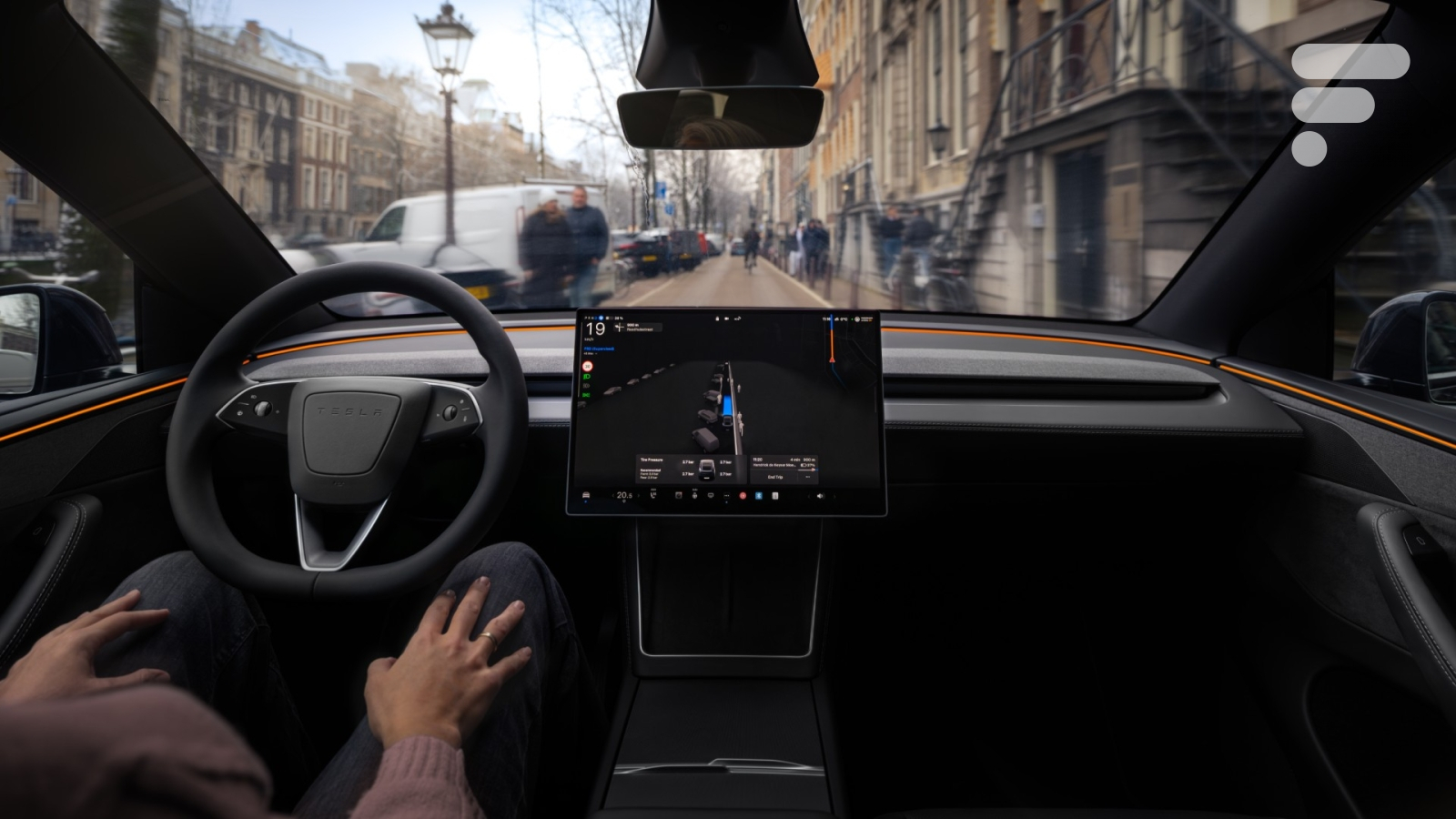
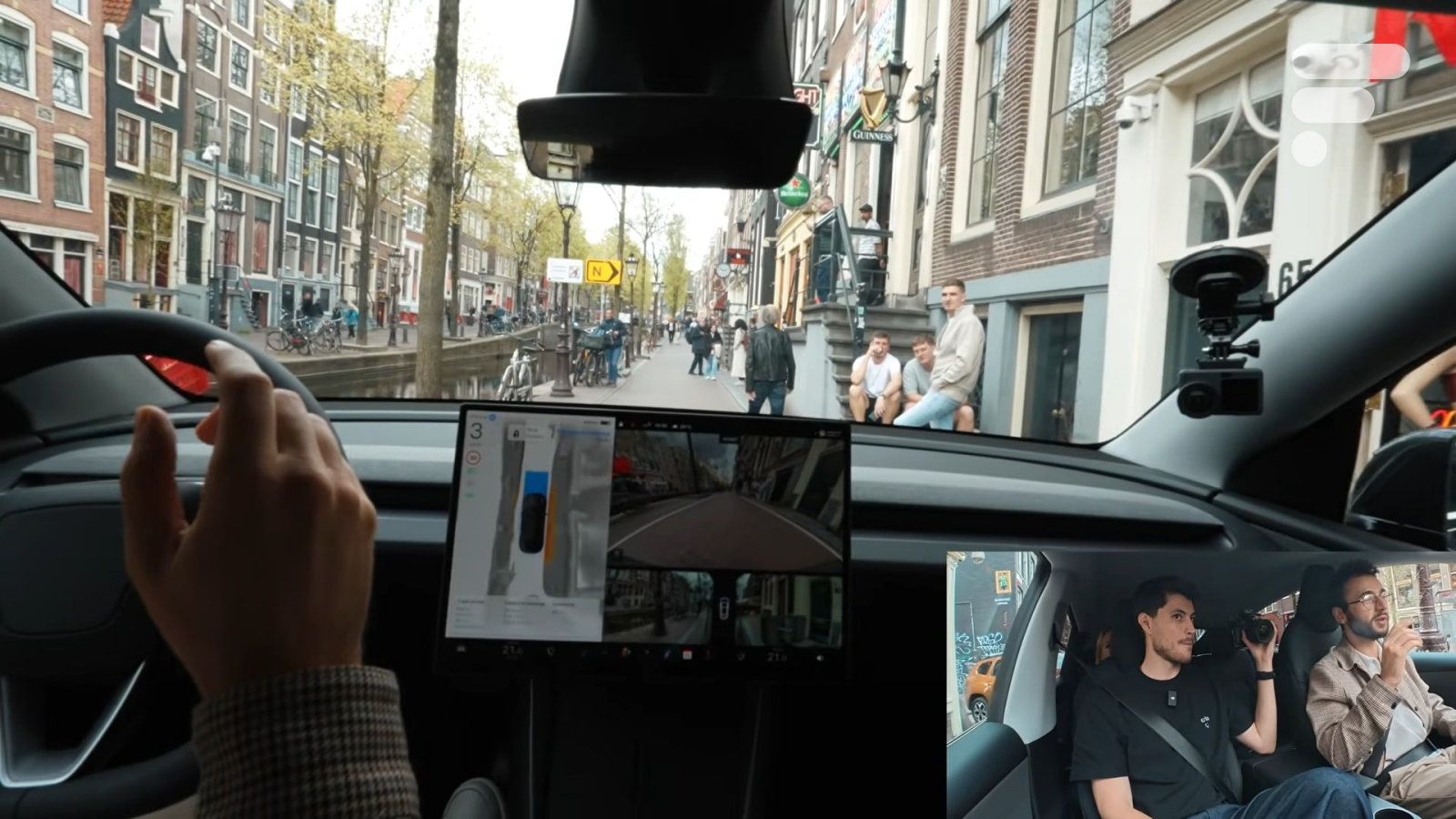
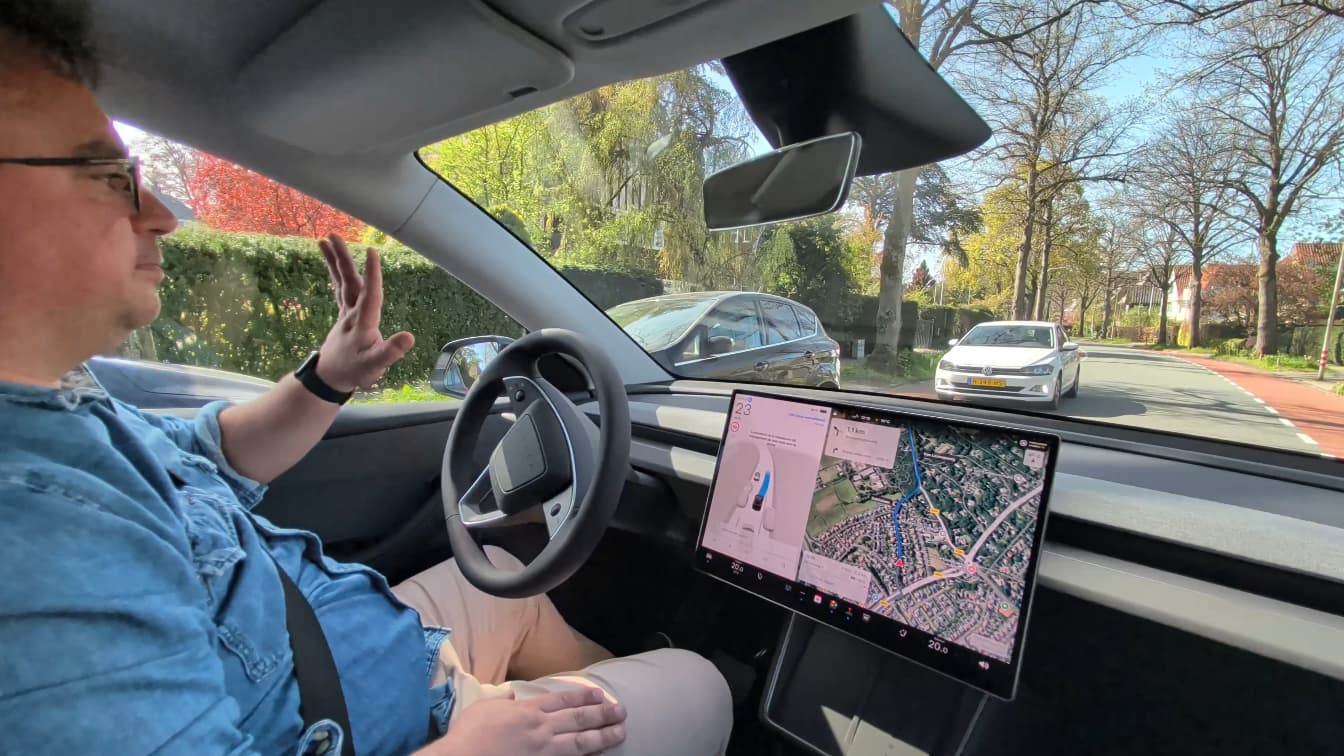
La voiture ne se contente pas de voir, elle écoute aussi: on a roulé à bord d'une Tesla à "conduite entièrement automatique supervisée" dans le centre ville cauchemardesque d'Amsterdam (et c'est impressionnant)

2026-04-26
BFMTV
Why's our monitor labelling this an incident or hazard?
The event involves an AI system (Tesla's FSD) in active use, but the article does not report any incident or harm caused by the AI system. Instead, it discusses the system's deployment, safety features, regulatory approval, and potential benefits. There is no indication of realized harm or a near-miss event. Therefore, this is not an AI Incident or AI Hazard. The article provides detailed contextual and technological information about the AI system and its governance, which fits the definition of Complementary Information, as it enhances understanding of AI deployment and safety without reporting harm or plausible future harm.
Thumbnail Image

Tesla Reverses Course on Self-Driving Promise - Tech News Briefing - WSJ Podcasts

2026-04-25
The Wall Street Journal
Why's our monitor labelling this an incident or hazard?
Tesla's Full Self-Driving software is an AI system intended to provide autonomous driving capabilities. The event details that customers paid significant amounts for this feature, but due to hardware limitations and incomplete software, the promised autonomous driving is not available, leading to lawsuits alleging false advertising and financial harm. The AI system's development and use have directly led to harm to consumers through misleading claims and unfulfilled product capabilities, constituting a violation of legal protections and consumer rights. Hence, this is an AI Incident rather than a hazard or complementary information.