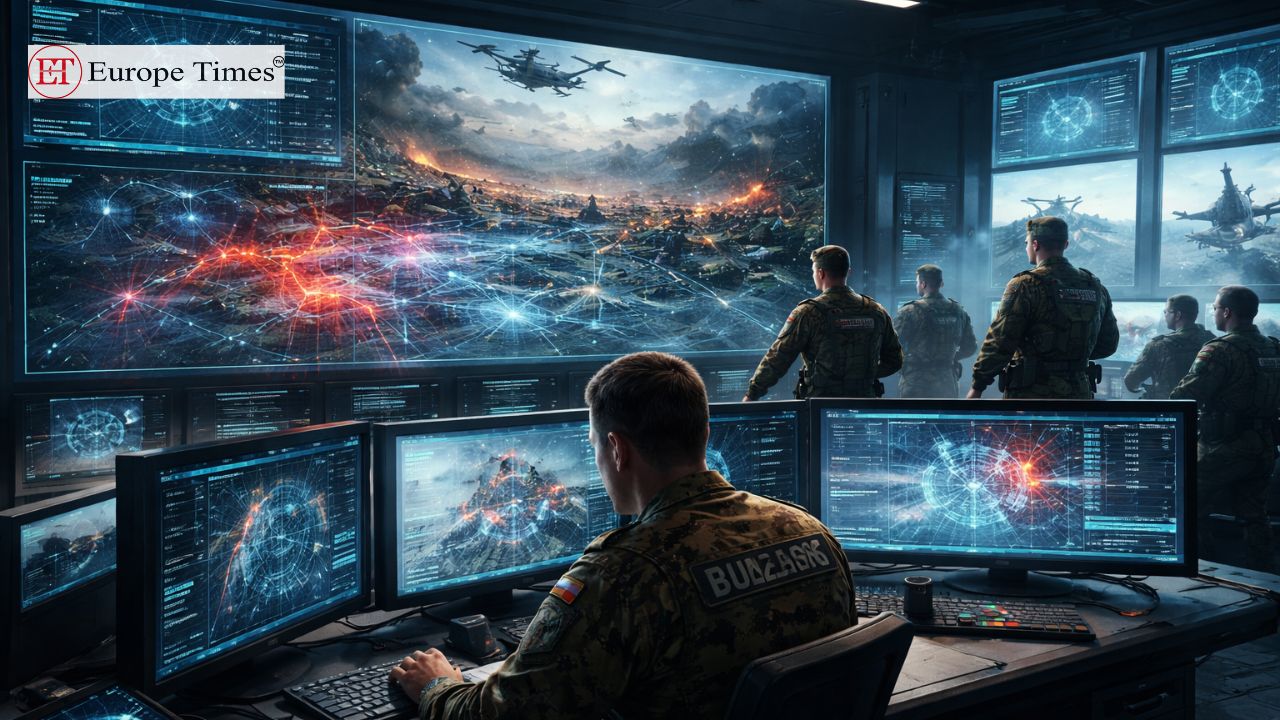
German Army Plans AI Integration for Faster Battlefield Decisions

Thumbnail Image

The information displayed in the AIM should not be reported as representing the official views of the OECD or of its member countries.

The German army, led by Lt. Gen. Christian Freuding, is developing AI tools to accelerate wartime decision-making by rapidly analyzing battlefield data, drawing on lessons from Ukraine. While AI will serve as an advisory aid with human oversight, its deployment in military operations poses credible future risks if misused or malfunctioning.[AI generated]

Why's our monitor labelling this an incident or hazard?

The event involves the use and development of AI systems for military decision-making, which could plausibly lead to significant harms if misused or malfunctioning in wartime. However, the article only reports plans and intentions without any actual harm or incident occurring yet. Therefore, it fits the definition of an AI Hazard, as the AI systems' deployment could plausibly lead to harms such as injury, disruption, or violations of rights in conflict scenarios, but no direct or indirect harm has yet materialized.[AI generated]
AI principles
SafetyRobustness & digital security

Industries
Government, security, and defence

Affected stakeholders
WorkersGeneral public

Harm types
Physical (death)Physical (injury)

Severity
AI hazard

AI system task:
Organisation/recommendersForecasting/prediction


Articles about this incident or hazard

Thumbnail Image

German army eyes AI tools to expedite wartime decision-making

2026-03-25
Reuters
Why's our monitor labelling this an incident or hazard?
The event involves the use and development of AI systems for military decision-making, which could plausibly lead to significant harms if misused or malfunctioning in wartime. However, the article only reports plans and intentions without any actual harm or incident occurring yet. Therefore, it fits the definition of an AI Hazard, as the AI systems' deployment could plausibly lead to harms such as injury, disruption, or violations of rights in conflict scenarios, but no direct or indirect harm has yet materialized.
Thumbnail Image

German Army Eyes AI Tools to Expedite Wartime Decision-Making

2026-03-25
U.S. News & World Report
Why's our monitor labelling this an incident or hazard?
The article explicitly mentions AI systems designed to analyze battlefield data and assist in decision-making, indicating the presence of AI systems. However, the AI tools are still in development or planning stages, with no current deployment or malfunction causing harm. The discussion focuses on potential benefits and ethical considerations, implying plausible future impacts but no realized harm. Hence, this qualifies as an AI Hazard, as the use of AI in wartime decision-making could plausibly lead to harms such as misjudgments or escalation, but no incident has yet occurred.
Thumbnail Image

German army eyes AI tools to expedite wartime decision-making

2026-03-25
ThePrint
Why's our monitor labelling this an incident or hazard?
The event involves the development and intended use of AI systems for military decision-making, which is explicitly mentioned. Although no actual harm has occurred yet, the deployment of AI in warfare carries a credible risk of causing injury, disruption, or other serious harms. The article focuses on plans and considerations rather than an incident or realized harm, fitting the definition of an AI Hazard. The ethical concerns and emphasis on human oversight do not negate the plausible future harm potential inherent in AI-enabled military tools.
Thumbnail Image

German army eyes AI tools to expedite wartime decision-making

2026-03-25
Daily Maverick
Why's our monitor labelling this an incident or hazard?
The article describes the intended use and development of AI systems for military decision support, but does not report any realized harm or incident caused by AI. The AI involvement is prospective, focusing on speeding up analysis and decision-making in wartime scenarios. Given the potential for AI in military contexts to lead to significant harm if misused or malfunctioning, this constitutes a plausible future risk. Therefore, the event qualifies as an AI Hazard rather than an AI Incident or Complementary Information, as no harm has yet occurred and the article centers on future deployment plans rather than responses to past incidents.
Thumbnail Image

US and Germany Enhance AI Integration in Military Sector | ForkLog

2026-03-25
ForkLog
Why's our monitor labelling this an incident or hazard?
The article explicitly mentions AI systems being developed and integrated for military decision support and combat operations, which qualifies as AI system involvement. Although no actual harm or incident is reported, the nature of these AI applications in warfare plausibly could lead to harms such as injury or violations of rights, meeting the criteria for an AI Hazard. There is no indication that harm has already occurred, so it is not an AI Incident. The article is not merely complementary information about AI governance or research but focuses on the potential risks and deployment of AI in military contexts, thus it is best classified as an AI Hazard.
Thumbnail Image

German army eyes AI tools to expedite wartime decision-making

2026-03-25
Global Banking & Finance Review
Why's our monitor labelling this an incident or hazard?
The event involves the development and intended use of AI systems for military decision-making, which could plausibly lead to significant harms if misused or malfunctioning, given the context of wartime operations. However, since the AI tools are not yet deployed and no harm has occurred, this constitutes an AI Hazard rather than an AI Incident. The article focuses on plans, intentions, and considerations rather than reporting any realized harm or incident involving AI.
Thumbnail Image

German army eyes AI tools to expedite wartime decision-making

2026-03-25
1470 & 100.3 WMBD
Why's our monitor labelling this an incident or hazard?
The article explicitly discusses the development and intended use of AI systems for battlefield data analysis and decision support in wartime. Although no incident or harm has yet occurred, the deployment of AI in military decision-making carries credible risks of harm (injury, disruption, or rights violations) if the AI's recommendations influence combat actions. This fits the definition of an AI Hazard, as the AI's use could plausibly lead to an AI Incident in the future. There is no indication of realized harm or incident yet, nor is the article primarily about governance or complementary information.
Thumbnail Image

German Army Pushes AI to Speed Up Battlefield Decisions - EuropeTimes

2026-03-25
EuropeTimes
Why's our monitor labelling this an incident or hazard?
The event involves the development and intended use of AI systems in military operations, which could plausibly lead to harm if misused or malfunctioning, given the high-stakes context of warfare. However, the article does not describe any actual harm, malfunction, or misuse occurring at this time. Therefore, it fits the definition of an AI Hazard, as the deployment of AI in battlefield decision-making could plausibly lead to incidents involving injury, disruption, or violations of rights in the future.