US Lawmakers Propose Moratorium on AI Data Center Expansion

Thumbnail Image

The information displayed in the AIM should not be reported as representing the official views of the OECD or of its member countries.

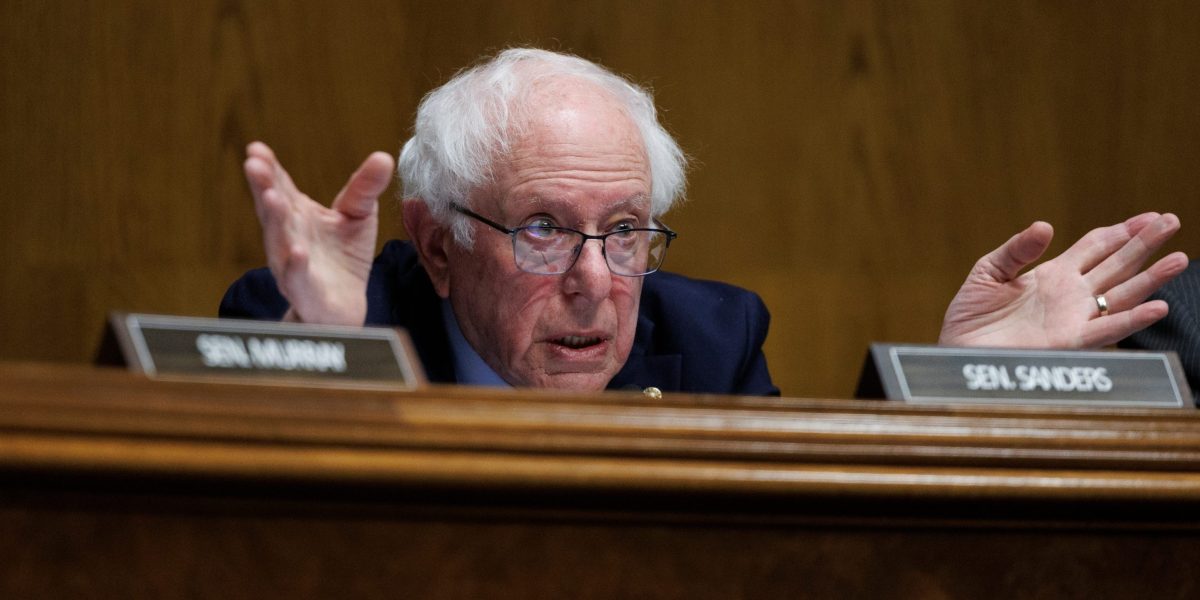
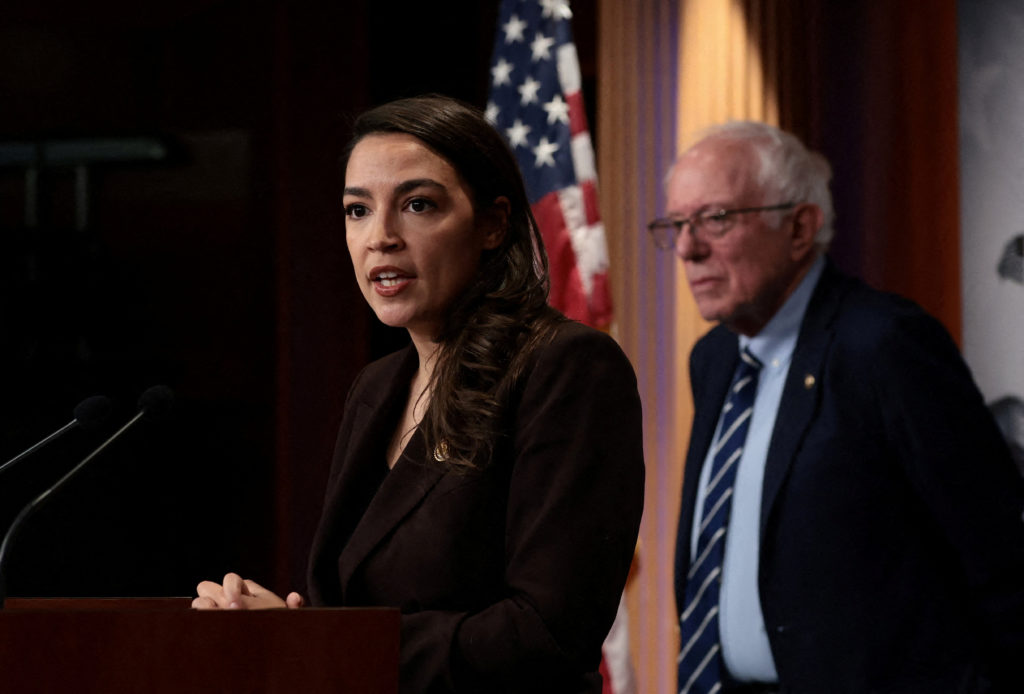
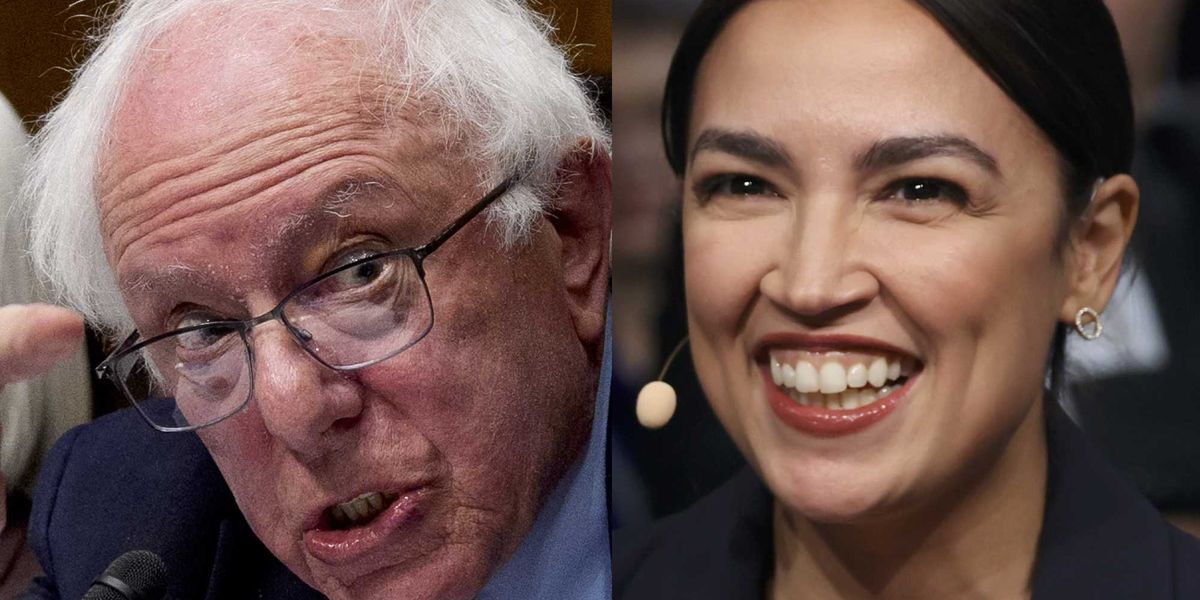
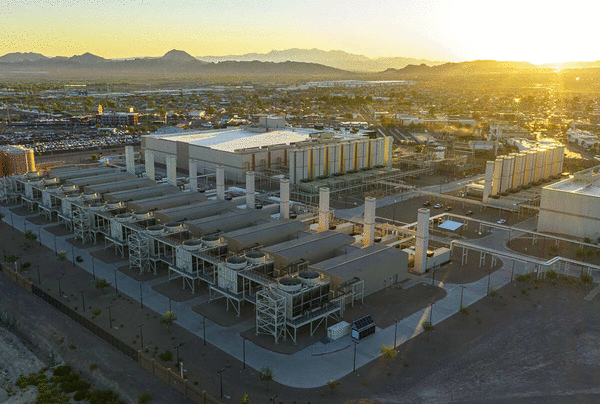
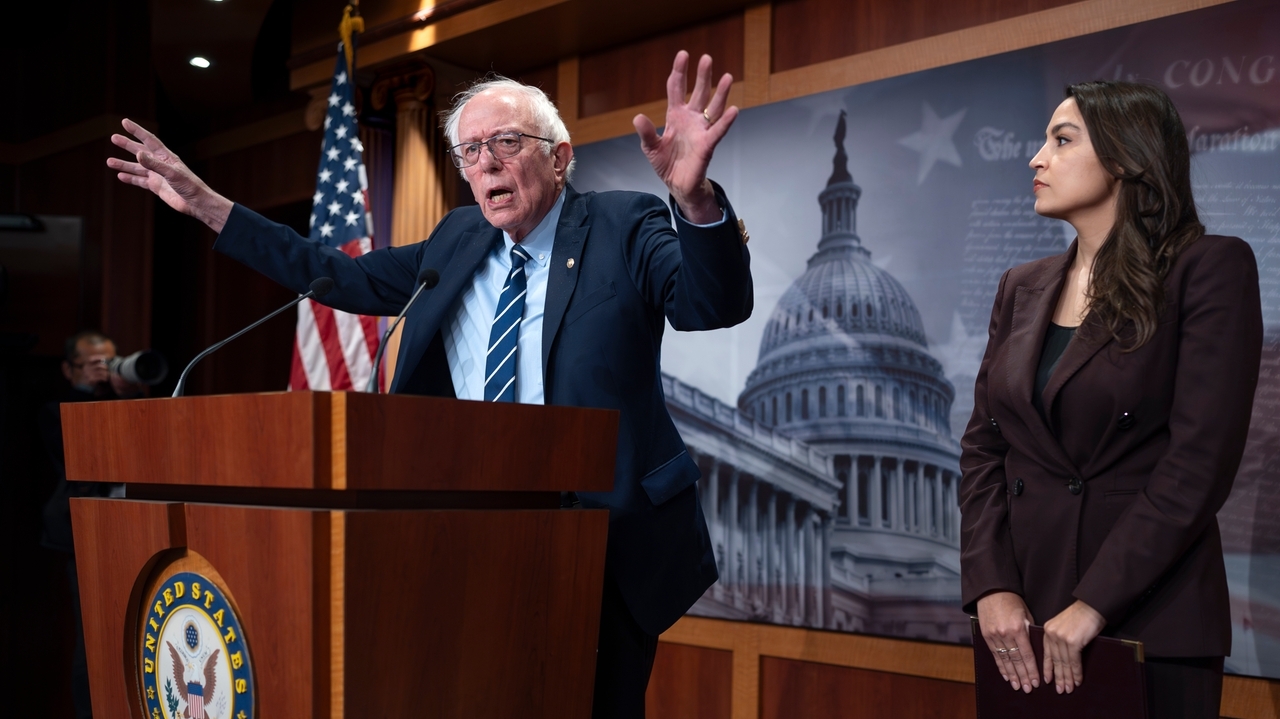
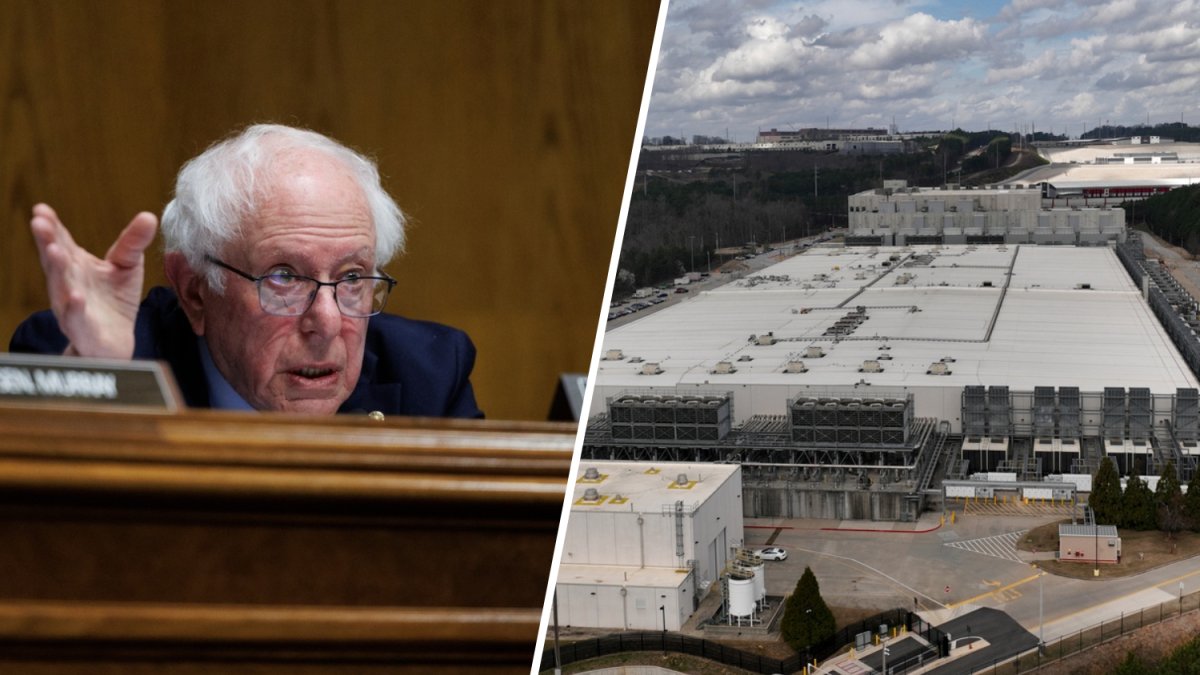
US lawmakers Bernie Sanders and Alexandria Ocasio-Cortez have introduced a bill to pause new AI data center construction nationwide until federal safeguards are established. The legislation aims to address potential environmental, economic, and societal harms from unchecked AI infrastructure growth, reflecting growing concerns about AI's broader impacts.[AI generated]

Why's our monitor labelling this an incident or hazard?

The article discusses a proposed bill aiming to pause AI data center development due to concerns about environmental harm and societal impacts. This is a precautionary measure reflecting plausible future harm from AI systems' infrastructure growth, but no actual harm or incident has occurred. Therefore, it qualifies as an AI Hazard because it highlights a credible risk that could plausibly lead to harm if unchecked, rather than an AI Incident or Complementary Information. It is not unrelated because it directly concerns AI systems and their societal impact.[AI generated]
AI principles
SustainabilityAccountability

Industries
IT infrastructure and hostingEnergy, raw materials, and utilities

Affected stakeholders
General public

Harm types
EnvironmentalEconomic/PropertyPublic interest

Severity
AI hazard


Articles about this incident or hazard

Thumbnail Image

Sanders, Ocasio-Cortez push bill to impose AI data center moratorium

2026-03-25
Yahoo! Finance
Why's our monitor labelling this an incident or hazard?
The article discusses a proposed bill aiming to pause AI data center development due to concerns about environmental harm and societal impacts. This is a precautionary measure reflecting plausible future harm from AI systems' infrastructure growth, but no actual harm or incident has occurred. Therefore, it qualifies as an AI Hazard because it highlights a credible risk that could plausibly lead to harm if unchecked, rather than an AI Incident or Complementary Information. It is not unrelated because it directly concerns AI systems and their societal impact.
Thumbnail Image

AOC and Bernie Sanders have a bill to pause AI data center construction. Here's what's in it.

2026-03-25
Business Insider
Why's our monitor labelling this an incident or hazard?
The article focuses on a proposed bill to pause AI data center construction to allow for regulatory development, reflecting concerns about AI's societal impacts and the need for oversight. There is no report of actual harm or malfunction caused by AI systems, nor an immediate plausible hazard event. The event is primarily about a governance response and public debate on AI risks, which fits the definition of Complementary Information. It does not describe an AI Incident or AI Hazard itself but informs about policy efforts related to AI risk management.
Thumbnail Image

Sanders and Ocasio-Cortez Propose Data Center Halt for AI Regulations

2026-03-26
Chosun.com
Why's our monitor labelling this an incident or hazard?
The event involves AI systems indirectly through the infrastructure (data centers) that support AI development and deployment. The legislative proposal is a preventive measure to address plausible future harms from AI, but no realized harm or incident is described. Therefore, this is an AI Hazard, as it concerns a credible risk of harm from AI development and use that could plausibly lead to incidents if unregulated. The article primarily discusses policy responses and societal debate rather than an actual AI Incident or Complementary Information about a past incident.
Thumbnail Image

Sanders, Ocasio-Cortez unveil bill to halt data center construction

2026-03-25
The Hill
Why's our monitor labelling this an incident or hazard?
The article focuses on a legislative proposal to pause AI-related infrastructure development to prevent potential harms. It does not report any realized harm or incident caused by AI systems, but rather highlights concerns about plausible future harms such as economic, environmental, and societal impacts. Therefore, this event fits the definition of an AI Hazard, as it concerns a credible risk that could plausibly lead to AI-related harms if unchecked.
Thumbnail Image

Bernie Sanders and Alexandria Ocasio-Cortez introduce bill that may freeze America's AI data centre boom, here's how

2026-03-25
The Times of India
Why's our monitor labelling this an incident or hazard?
The article discusses a legislative proposal to halt AI data center construction due to concerns about environmental and social impacts linked to AI infrastructure. While AI systems are involved (data centers supporting AI demand), no direct or indirect harm from AI system malfunction or use is reported. The event is about plausible future harms and governance responses, making it an AI Hazard or Complementary Information. Since the main focus is on the legislative response to potential harms rather than the harms themselves occurring, it fits best as Complementary Information, providing context on societal and governance responses to AI-related risks.
Thumbnail Image

Bernie Sanders and AOC launch bill to ban new data-center construction | Fortune

2026-03-25
Fortune
Why's our monitor labelling this an incident or hazard?
The article involves AI systems indirectly through the data centers that support AI development and deployment. However, no direct or indirect harm caused by AI systems has yet occurred; rather, the article highlights concerns about plausible future harms from the growing energy demands of AI data centers. This fits the definition of an AI Hazard, as the development and expansion of AI infrastructure could plausibly lead to harms such as environmental degradation and increased electricity costs. The legislative proposal is a response to these potential risks, but no incident has materialized.
Thumbnail Image

Ocasio-Cortez and Sanders push bill to impose AI data center moratorium

2026-03-25
PBS.org
Why's our monitor labelling this an incident or hazard?
The article involves AI systems indirectly through the focus on AI data centers, which are critical infrastructure supporting AI technologies. The proposed moratorium is a preventive measure addressing plausible future harms such as environmental damage and energy grid strain. Since no direct or indirect harm has yet occurred from AI system development, use, or malfunction, and the event centers on legislative and societal responses to potential risks, it fits the definition of Complementary Information. It provides context and governance-related developments in the AI ecosystem without reporting an AI Incident or AI Hazard.
Thumbnail Image

Bernie Sanders Introduces Bill to Pause AI Data Center Construction, Warns of 'Cataclysmic Changes'

2026-03-25
Gizmodo
Why's our monitor labelling this an incident or hazard?
The article focuses on a proposed legislative response to the rapid expansion of AI infrastructure and the potential negative consequences of AI development. It does not describe any realized harm or incident caused by AI systems, but rather the plausible future risks that could arise without proper regulation. Therefore, this event fits the definition of an AI Hazard, as it concerns a credible risk that AI system development and deployment could lead to significant harms if unchecked. The involvement of AI systems is clear, given the focus on AI data centers and AI models, and the potential harms include environmental impact, economic disruption, and societal changes. Since no actual harm has yet occurred, and the main focus is on preventing future harm through legislation, the classification is AI Hazard.
Thumbnail Image

'We are totally unprepared': Bernie Sanders and Ocasio-Cortez propose law to shut down future AI data centers

2026-03-25
TheBlaze
Why's our monitor labelling this an incident or hazard?
The event involves AI systems indirectly through the infrastructure (AI data centers) that support AI development and deployment. The lawmakers' proposal to halt data center construction is a preventive measure reflecting concerns about plausible future harms from AI's societal and environmental impacts. Since no realized harm or incident is described, and the main focus is on the political and regulatory response to potential risks, this qualifies as an AI Hazard. It is not Complementary Information because it is not an update or response to a past incident, nor is it unrelated because it directly concerns AI infrastructure and its potential consequences.
Thumbnail Image

Sanders pitches bill to block data centers as populists seize on AI fears

2026-03-25
The Philadelphia Inquirer
Why's our monitor labelling this an incident or hazard?
The article centers on legislative and political responses to AI-related concerns, particularly the environmental and societal impacts of data centers powering AI. While it addresses plausible future harms from AI and data center expansion, it does not report any direct or indirect harm caused by AI systems, nor does it describe a specific event where AI use or malfunction led to harm. Therefore, it does not qualify as an AI Incident or AI Hazard. Instead, it provides complementary information about societal and governance responses to AI-related risks and public sentiment.
Thumbnail Image

Data center moratorium pitched as counter to AI impacts

2026-03-26
ArcaMax
Why's our monitor labelling this an incident or hazard?
The event involves AI systems indirectly through the infrastructure (data centers) that support AI development and operation. The legislation aims to pause expansion to address plausible future harms related to AI, such as labor displacement, environmental damage, and misinformation. Since no realized harm or incident is described, but credible concerns about potential harms exist, this qualifies as an AI Hazard. The article does not report an AI Incident or Complementary Information about a past incident, nor is it unrelated to AI.
Thumbnail Image

NEWS: Sanders, Ocasio-Cortez Announce AI Data Center Moratorium Act

2026-03-26
Democratic Underground
Why's our monitor labelling this an incident or hazard?
The article centers on a proposed law aiming to pause AI data center development to mitigate potential risks associated with AI, such as surveillance abuses, deepfake creation, environmental damage, and societal disruption. These are plausible future harms linked to AI systems, but no actual harm or incident is described as having occurred. Therefore, this event fits the definition of an AI Hazard, as it concerns credible risks that could plausibly lead to AI incidents if unaddressed. It is not an AI Incident because no realized harm is reported, nor is it Complementary Information or Unrelated.
Thumbnail Image

Bernie Sanders and AOC Want to Pump the Brakes on AI Development

2026-03-25
Democratic Underground
Why's our monitor labelling this an incident or hazard?
The article discusses proposed legislation to slow AI development and implement safeguards before further expansion of AI infrastructure. This is a precautionary measure addressing plausible future harms from AI systems, such as environmental damage, economic inequality, and societal disruption. Since no actual harm or incident has occurred, and the event centers on potential risks and governance responses, it fits the definition of an AI Hazard or Complementary Information. Given the emphasis on the potential for harm and the call for a moratorium to prevent such harm, this is best classified as an AI Hazard.
Thumbnail Image

Sanders, AOC announce bill placing moratorium on AI data centers

2026-03-25
Washington Examiner
Why's our monitor labelling this an incident or hazard?
The event involves AI systems indirectly through the infrastructure that supports AI technologies (AI data centers). The moratorium is proposed because of plausible future harms related to environmental impact, increased electricity costs, and social issues like job displacement. Since no actual harm has yet occurred, but there is a credible risk that the continued unregulated expansion of AI data centers could lead to significant harms, this qualifies as an AI Hazard. The article primarily discusses the potential for harm and legislative efforts to mitigate it, rather than reporting an incident or realized harm.
Thumbnail Image

Sanders, Ocasio-Cortez push bill to impose AI data center moratorium - MyNorthwest.com

2026-03-25
My Northwest
Why's our monitor labelling this an incident or hazard?
The event involves AI systems indirectly through the data centers that support AI technologies. The proposed moratorium is a preventive measure addressing potential environmental and societal harms that could arise from unchecked AI data center growth. Since no direct harm has occurred yet, but there is a credible risk of future harm (e.g., environmental damage, increased electricity costs affecting communities), this qualifies as an AI Hazard. The article does not report an incident or realized harm, nor is it merely complementary information about AI developments or governance responses; it focuses on a legislative proposal aimed at mitigating plausible future risks.
Thumbnail Image

Sanders, Ocasio-Cortez push bill to impose AI data center moratorium

2026-03-26
Newsday
Why's our monitor labelling this an incident or hazard?
The article involves AI systems indirectly through the focus on AI data centers, which support AI technologies. The concerns raised relate to the environmental and societal impacts of these data centers, such as increased electricity consumption and community effects, which could plausibly lead to harms like environmental damage or economic disruption. However, the article does not report any actual harm or incident caused by AI systems or data centers. The legislative proposal is a preventive measure addressing potential future risks. Hence, the event fits the definition of an AI Hazard rather than an AI Incident or Complementary Information.
Thumbnail Image

Can Bernie Sanders and AOC stop the explosion of new AI data centers?

2026-03-25
NBC New York
Why's our monitor labelling this an incident or hazard?
The event involves AI systems indirectly through the discussion of AI data centers, which are critical infrastructure supporting AI technologies. The concerns raised relate to plausible future harms such as environmental damage, increased electricity costs, and societal impacts. Since no direct harm has occurred yet and the article centers on a proposed legislative moratorium to prevent potential harms, this qualifies as an AI Hazard. It is not an AI Incident because no realized harm is described, nor is it Complementary Information since the article is not updating or responding to a past incident but rather discussing a new policy proposal. It is also not unrelated because AI data centers are explicitly involved and the focus is on their impact.
Thumbnail Image

Sanders, Ocasio-Cortez push bill to impose AI data center moratorium - KTAR.com

2026-03-25
KTAR News
Why's our monitor labelling this an incident or hazard?
The article explicitly involves AI systems through the focus on AI data centers and their energy consumption. The legislative proposal aims to pause new data centers to prevent potential harms such as environmental damage and economic disruption (e.g., rising electricity prices). Since no actual harm or incident has occurred yet, but the risk is credible and recognized by lawmakers, this fits the definition of an AI Hazard. The event is not Complementary Information because it is not an update or response to a past incident but a new legislative initiative addressing potential future risks. It is not an AI Incident because no direct or indirect harm has materialized yet.
Thumbnail Image

Data center moratorium pitched as counter to AI impacts

2026-03-25
Roll Call
Why's our monitor labelling this an incident or hazard?
The event involves AI systems indirectly through the infrastructure (data centers) that support AI development and operation. However, no actual harm or incident caused by AI systems is reported; rather, the article centers on a legislative proposal aiming to prevent or regulate potential future harms. This aligns with the definition of Complementary Information, as it provides context on governance responses and societal concerns about AI without describing a specific AI Incident or AI Hazard.
Thumbnail Image

US lawmakers push for pause in data centres until AI safeguards in place

2026-03-26
Yahoo
Why's our monitor labelling this an incident or hazard?
The article explicitly involves AI systems through the discussion of AI data centres and the technology's societal impacts. The proposed moratorium aims to prevent potential harms related to AI's rapid advancement, including environmental damage and civil liberties violations. Although some harms are mentioned as already occurring (e.g., surveillance, deepfakes), the article does not document a specific new AI Incident but rather focuses on the risk and need for safeguards. Hence, the event fits the definition of an AI Hazard, where the development and use of AI systems could plausibly lead to significant harm if unregulated.
Thumbnail Image

US lawmakers push for pause in data centres until AI safeguards in place

2026-03-26
Yahoo
Why's our monitor labelling this an incident or hazard?
The event involves AI systems indirectly through the infrastructure (data centres) that support AI development and deployment. The lawmakers' call for a moratorium is motivated by concerns about potential harms (environmental, societal, civil liberties) that could plausibly arise from unchecked AI growth. Since no actual harm has been reported or directly linked to AI system malfunction or misuse, and the focus is on preventing future risks, this qualifies as an AI Hazard. It is not Complementary Information because the article's main focus is the proposed moratorium and the potential risks, not a response to a past incident. It is not an AI Incident because no realized harm has occurred yet.
Thumbnail Image

Sanders, Ocasio-Cortez push bill to impose AI data center moratorium

2026-03-25
Erie News Now - Your News Team
Why's our monitor labelling this an incident or hazard?
The event involves AI systems indirectly through the data centers that support AI technologies. The bill is a preventive measure addressing plausible future harms from AI data centers' energy consumption and environmental impact. No direct harm has occurred yet, and the article focuses on the potential risks and political responses rather than an actual incident or harm. Hence, it fits the definition of an AI Hazard, as it concerns a credible risk that could plausibly lead to harm if unchecked.
Thumbnail Image

Congress to Weigh Moratorium on Construction of New AI Data Centers

2026-03-26
supplychainbrain.com
Why's our monitor labelling this an incident or hazard?
While AI data centers are critical infrastructure supporting AI systems, the article does not describe any actual incident where AI system development, use, or malfunction has directly or indirectly caused harm. The concerns raised are about potential environmental and infrastructure harms that could plausibly arise from continued unchecked growth of AI data centers. Therefore, this event fits the definition of an AI Hazard, as it involves plausible future harm related to AI system infrastructure, but no realized harm or incident is reported.
Thumbnail Image

Movement to ban data center construction gains steam

2026-03-25
Finance & Commerce
Why's our monitor labelling this an incident or hazard?
The article centers on proposed legislation and political debate aimed at slowing AI infrastructure growth due to concerns about environmental, economic, and social impacts. While AI systems are involved as the technology powered by data centers, the article does not report any realized harm or incident caused by AI. The focus is on the potential for harm and the need for regulation, which fits the definition of an AI Hazard. However, since the article mainly discusses legislative proposals and political positioning without describing a specific event or circumstance where AI use or malfunction could plausibly lead to harm imminently, it is best classified as Complementary Information. It provides context on societal and governance responses to AI-related concerns rather than reporting a new AI Incident or AI Hazard.
Thumbnail Image

Bernie Sanders AI Bill Aims to Freeze AI Data Center Construction

2026-03-25
WinBuzzer
Why's our monitor labelling this an incident or hazard?
The article centers on a proposed law to regulate AI data centers due to concerns about safety, environmental harm, and economic effects. While AI systems are involved indirectly through the data centers' role in AI model development, no direct or indirect harm has occurred yet. The legislation aims to prevent potential future harms, making it a governance response rather than an incident or hazard. Thus, it fits the definition of Complementary Information, providing important context on political and societal measures addressing AI risks.
Thumbnail Image

US lawmakers push for pause in data centres until AI safeguards in place - RocketNews

2026-03-26
RocketNews | Top News Stories From Around the Globe
Why's our monitor labelling this an incident or hazard?
The article focuses on a proposed bill aiming to prevent potential harms from AI data centres by pausing their expansion until safeguards are in place. The AI systems involved are the data centres supporting AI technology, which could plausibly lead to harms such as environmental damage, violations of civil liberties, and societal disruption. Since no realized harm is described, but credible future risks are emphasized, this event qualifies as an AI Hazard rather than an AI Incident or Complementary Information.
Thumbnail Image

Bernie Sanders and AOC launch bill to ban new data-center construction

2026-03-25
DNYUZ
Why's our monitor labelling this an incident or hazard?
The article involves AI systems indirectly through the discussion of AI data centers and their energy consumption, which is linked to AI development and deployment. However, no direct or indirect harm has yet occurred from these AI systems; the harms described are potential and relate to environmental and economic impacts that could plausibly arise if unchecked. Therefore, this event fits the definition of an AI Hazard, as it highlights a credible risk of future harm from AI-related infrastructure expansion and calls for preventive legislative action.
Thumbnail Image

Sanders and AOC Introduce Bill to Halt New AI Data Center Construction Nationwide

2026-03-26
quiverquant.com
Why's our monitor labelling this an incident or hazard?
The article focuses on a proposed law to pause AI data center construction to ensure protections before further expansion. It does not describe any realized harm or incident caused by AI systems, but rather a precautionary governance measure addressing potential risks. Therefore, it fits the definition of Complementary Information as it provides context on societal and governance responses to AI developments without reporting a specific AI Incident or AI Hazard.
Thumbnail Image

Sanders, Ocasio-Cortez push bill to impose AI data center moratorium

2026-03-25
2 News Nevada
Why's our monitor labelling this an incident or hazard?
The article involves AI systems indirectly through the data centers that support AI technologies, highlighting concerns about their environmental and economic impacts. Since the bill aims to pause new data centers to prevent potential harms related to energy consumption and environmental damage, this constitutes a plausible future risk rather than realized harm. Therefore, this event qualifies as an AI Hazard because it concerns the plausible future harm from AI data centers' expansion, but no direct or indirect harm has yet occurred.
Thumbnail Image

Sanders, Ocasio-Cortez propose bill to pause AI data center construction

2026-03-26
https://www.localnewslive.com
Why's our monitor labelling this an incident or hazard?
The article focuses on a proposed bill that seeks to prevent potential harms from AI data centers and AI products before they materialize. The concerns raised relate to plausible future risks, including economic displacement, environmental damage, and civil rights issues. Since the harms are not yet realized but could plausibly occur if unchecked AI expansion continues, this event qualifies as an AI Hazard rather than an AI Incident or Complementary Information.
Thumbnail Image

Sanders pitches bill to block data centers as populists seize on AI fears

2026-03-25
DNYUZ
Why's our monitor labelling this an incident or hazard?
The article centers on proposed legislation and political discourse aimed at regulating AI and its infrastructure, reflecting concerns about plausible future harms such as environmental impact, job losses, and societal disruption. Since no realized harm or incident involving AI systems is described, and the main focus is on the potential risks and governance responses, this qualifies as an AI Hazard. However, because the article primarily reports on political and societal responses to AI risks rather than a specific credible AI hazard event or near miss, and it does not describe a direct or indirect harm caused by AI, it is best classified as Complementary Information. The article provides context and updates on governance and societal reactions to AI-related concerns, enhancing understanding of the AI ecosystem without reporting a new incident or hazard.