RATP Tests Autonomous Buses in Val-de-Marne, Raising Future Safety and Job Concerns

Thumbnail Image

The information displayed in the AIM should not be reported as representing the official views of the OECD or of its member countries.

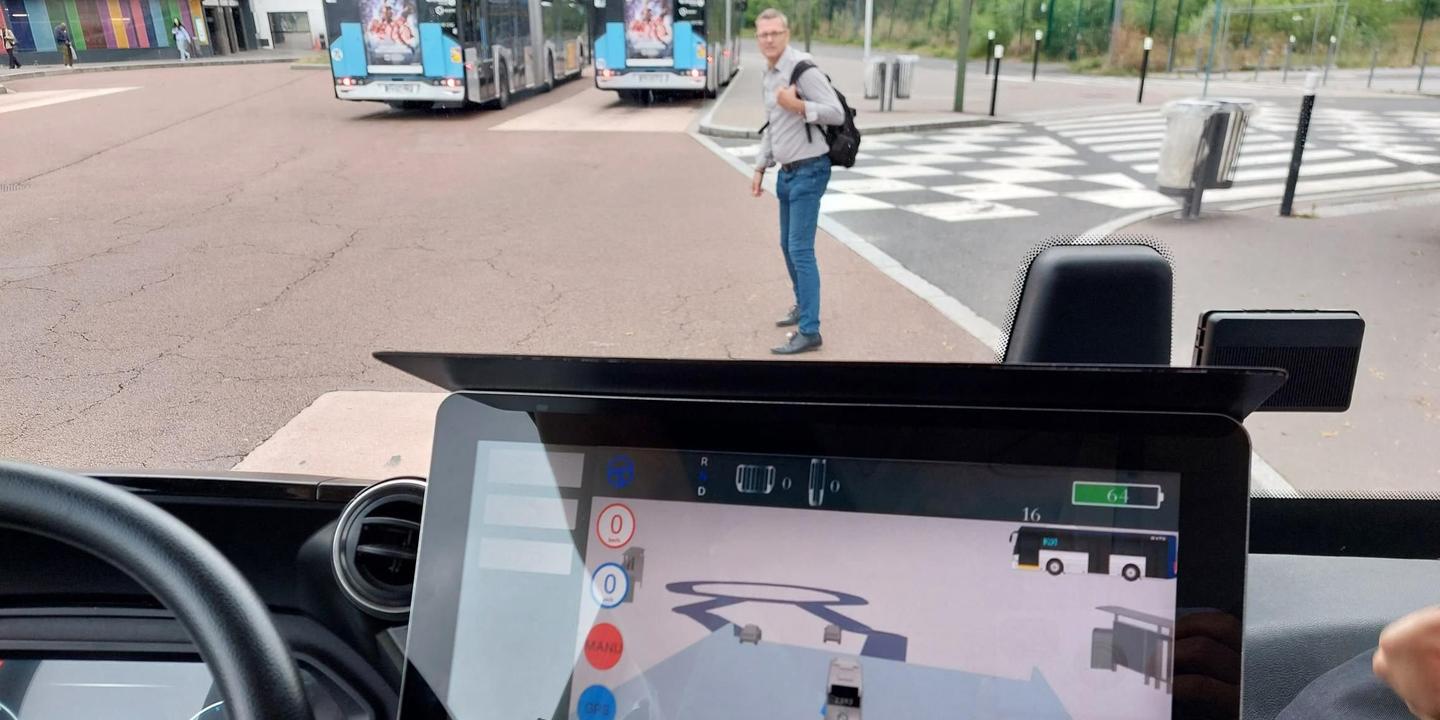
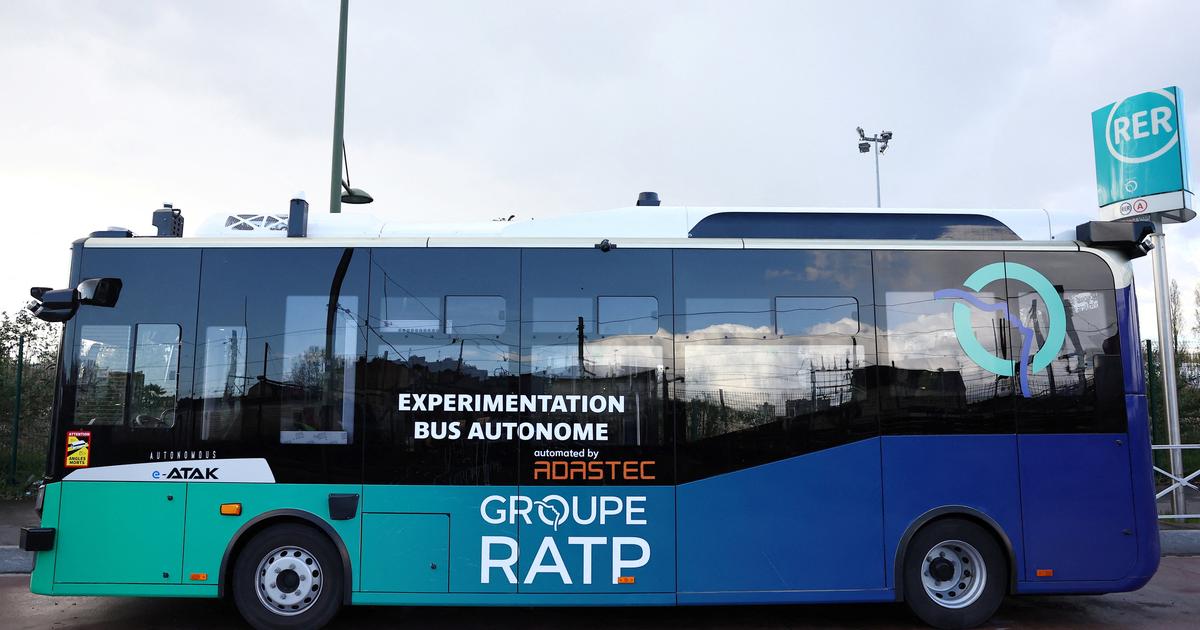
The RATP is testing AI-driven autonomous buses on line 393 in Val-de-Marne, France, using advanced sensors and cameras. While no harm has occurred, the trials highlight potential future risks, including safety concerns and possible job losses for drivers, as the technology moves toward passenger service.[AI generated]

Why's our monitor labelling this an incident or hazard?

The event involves an AI system (autonomous bus) in active use during testing. However, no injury, disruption, or rights violation has occurred. The presence of a safety driver and remote supervision reduces immediate risk. The article focuses on the testing phase and future deployment possibilities, implying potential future risks but no current harm. Hence, it fits the definition of an AI Hazard, as the autonomous bus system could plausibly lead to harm in the future if failures occur, but no incident has yet happened.[AI generated]
AI principles
AccountabilitySafety

Industries
Mobility and autonomous vehicles

Affected stakeholders
WorkersGeneral public

Harm types
Physical (injury)Economic/Property

Severity
AI hazard

Business function:
Other

AI system task:
Recognition/object detectionGoal-driven organisation


Articles about this incident or hazard

Thumbnail Image

La RATP teste un bus entièrement autonome

2026-03-26
Le Figaro.fr
Why's our monitor labelling this an incident or hazard?
The event involves an AI system (autonomous bus) in active use during testing. However, no injury, disruption, or rights violation has occurred. The presence of a safety driver and remote supervision reduces immediate risk. The article focuses on the testing phase and future deployment possibilities, implying potential future risks but no current harm. Hence, it fits the definition of an AI Hazard, as the autonomous bus system could plausibly lead to harm in the future if failures occur, but no incident has yet happened.
Thumbnail Image

Un bus autonome sans chauffeur testé par la RATP dans le Val-de-Marne

2026-03-30
Ouest France
Why's our monitor labelling this an incident or hazard?
The event involves an AI system (autonomous bus with AI-based perception and control) in use during testing. However, no harm or incident has occurred, and the article does not report any near misses or hazards that plausibly could lead to harm. The presence of a safety driver and remote supervision further reduces risk. The article is primarily about the testing and development of the AI system and its future deployment plans, which fits the category of Complementary Information as it provides context and updates on AI system development and societal/governance considerations without describing an AI Incident or AI Hazard.
Thumbnail Image

La RATP teste un bus autonome dans le Val-de-Marne, en le confrontant à la " vraie vie "

2026-03-27
Le Monde.fr
Why's our monitor labelling this an incident or hazard?
The event involves an AI system (autonomous bus with AI-based perception and control) being tested in real-world conditions. The AI system's use is experimental and supervised, with no reported harm or incident. The article discusses the potential challenges and the cautious behavior of the AI system but does not describe any actual harm or failure. Hence, it fits the definition of an AI Hazard, as the AI system's use could plausibly lead to harm in the future if issues arise, but no incident has occurred yet.
Thumbnail Image

RATP. "Bijou technologique", "rentable et utile" : à bord du bus sans conducteur testé dans le Val-de-Marne

2026-03-27
actu.fr
Why's our monitor labelling this an incident or hazard?
The event involves an AI system (autonomous bus) in active use and testing, which fits the definition of an AI system. However, there is no indication of any harm or incident resulting from its use or malfunction. The article focuses on the technological progress, operational details, and future plans, which aligns with providing supporting information about AI developments. Since no harm has occurred or is plausibly imminent, and the main focus is on the experimental deployment and its potential, this is Complementary Information rather than an Incident or Hazard.
Thumbnail Image

Val-de-Marne : les premiers bus sans chauffeur testés, les chauffeurs s'inquiètent

2026-03-27
Franceinfo
Why's our monitor labelling this an incident or hazard?
The autonomous buses clearly involve AI systems for navigation and decision-making. However, the article only reports on ongoing tests without passengers and no accidents or injuries. The concerns expressed by drivers are about potential future job losses, which is a plausible future harm but not yet realized. The article also references regulatory and safety challenges delaying deployment. Since no harm has occurred yet but there is a plausible risk of future harm (e.g., job displacement, safety risks), this qualifies as an AI Hazard rather than an AI Incident. It is not Complementary Information because the article focuses on the testing and potential impact rather than updates on a past incident or governance response. It is not Unrelated because AI systems are central to the event.
Thumbnail Image

Bus autonome sur la 393, entre Sucy-en-Brie et Créteil : la RATP change de constructeur | Citoyens.com

2026-03-27
Citoyens.com
Why's our monitor labelling this an incident or hazard?
The article explicitly involves AI systems (autonomous buses with sensors, cameras, and AI-based driving capabilities). There is no report of any injury, disruption, rights violation, or other harm caused by these AI systems, so it does not qualify as an AI Incident. Although the technology could plausibly lead to future harm if deployed without adequate safety measures, the article does not emphasize any imminent or credible risk of harm, so it does not meet the threshold for an AI Hazard. Instead, the article mainly provides an update on the progress, challenges, and societal considerations related to autonomous bus deployment, which fits the definition of Complementary Information.
Thumbnail Image

"Un conducteur humain aurait réagi pareil", un bus autonome, sans chauffeur expérimenté par la RATP

2026-03-27
France 3 Nouvelle-Aquitaine
Why's our monitor labelling this an incident or hazard?
The bus uses AI-based autonomous driving systems to navigate and operate without human intervention, which is explicitly described. The presence of a safety driver and remote supervision indicates precautions to prevent harm. No injury, disruption, or rights violation has occurred, so it is not an AI Incident. However, the article discusses the potential for future deployment without drivers and the associated safety concerns, which aligns with the definition of an AI Hazard as a plausible future risk of harm from AI system use. The article does not focus on responses to past incidents or broader governance updates, so it is not Complementary Information. It is not unrelated because it clearly involves an AI system and potential risks.