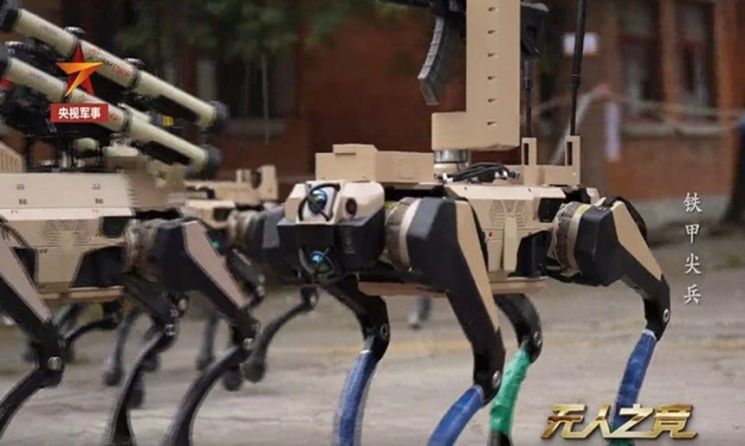
China Deploys Armed AI 'Wolf Robots' in Urban Combat Training

Thumbnail Image

The information displayed in the AIM should not be reported as representing the official views of the OECD or of its member countries.

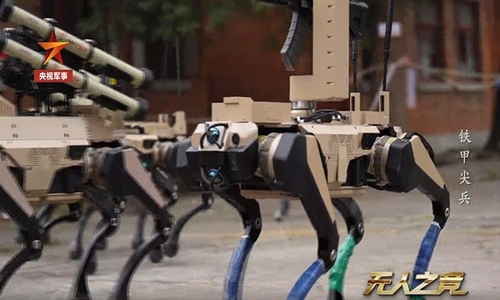
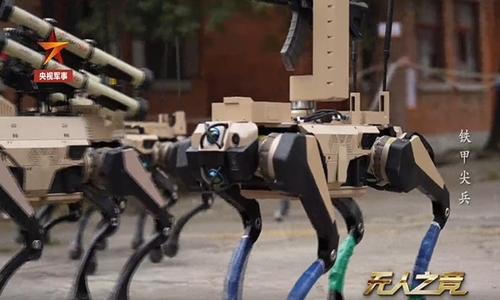
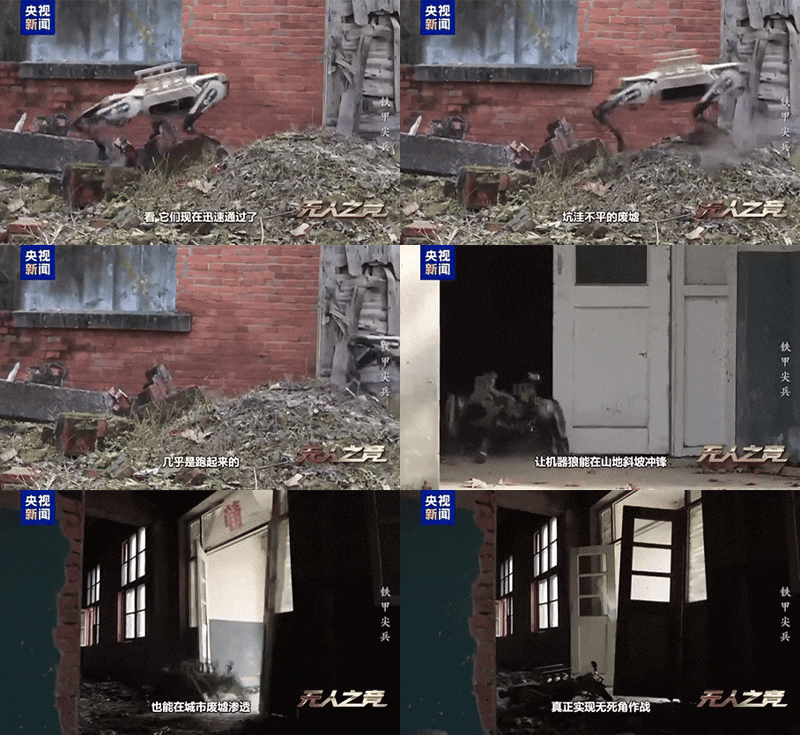
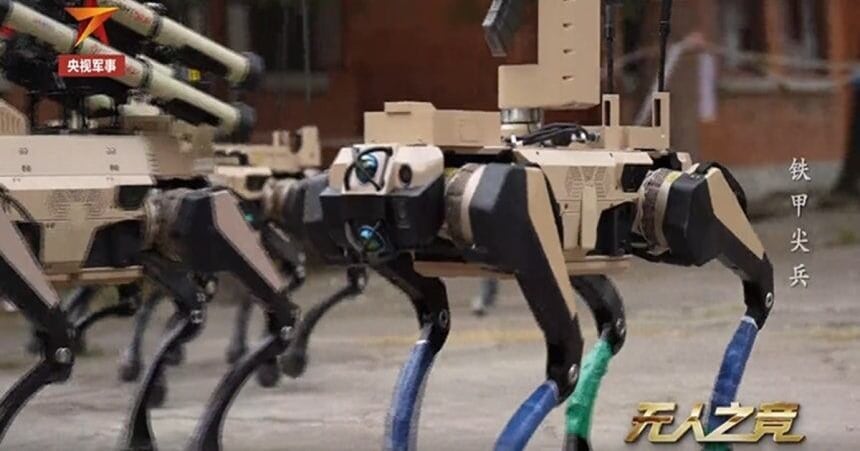
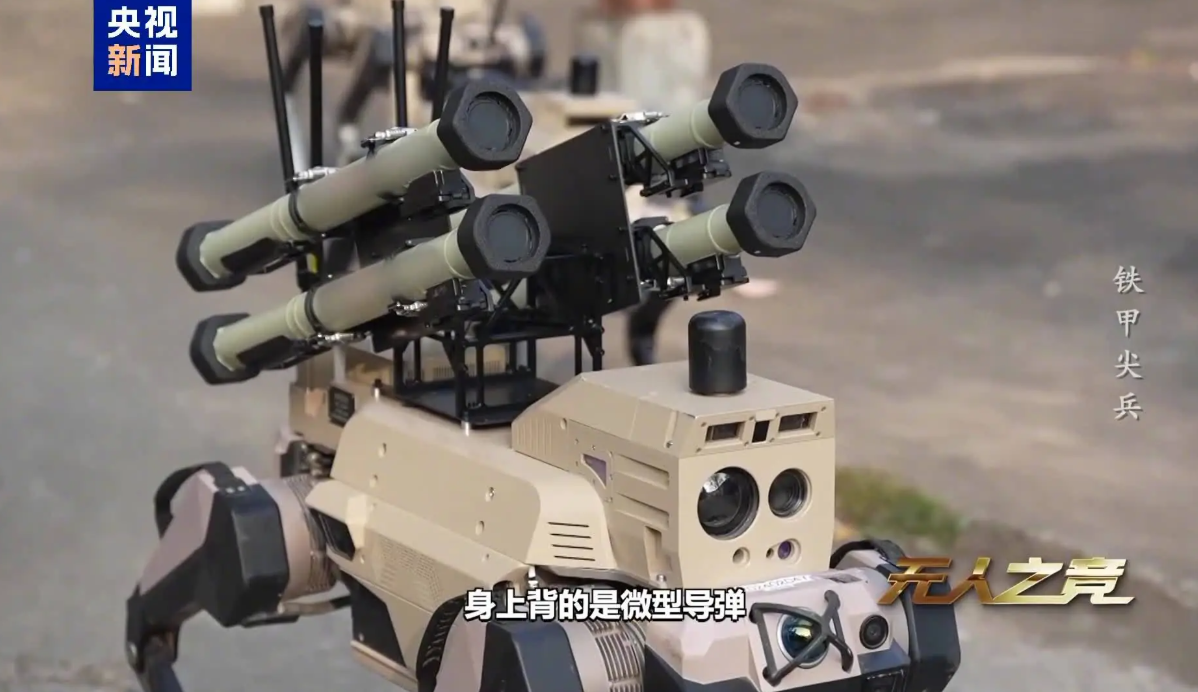
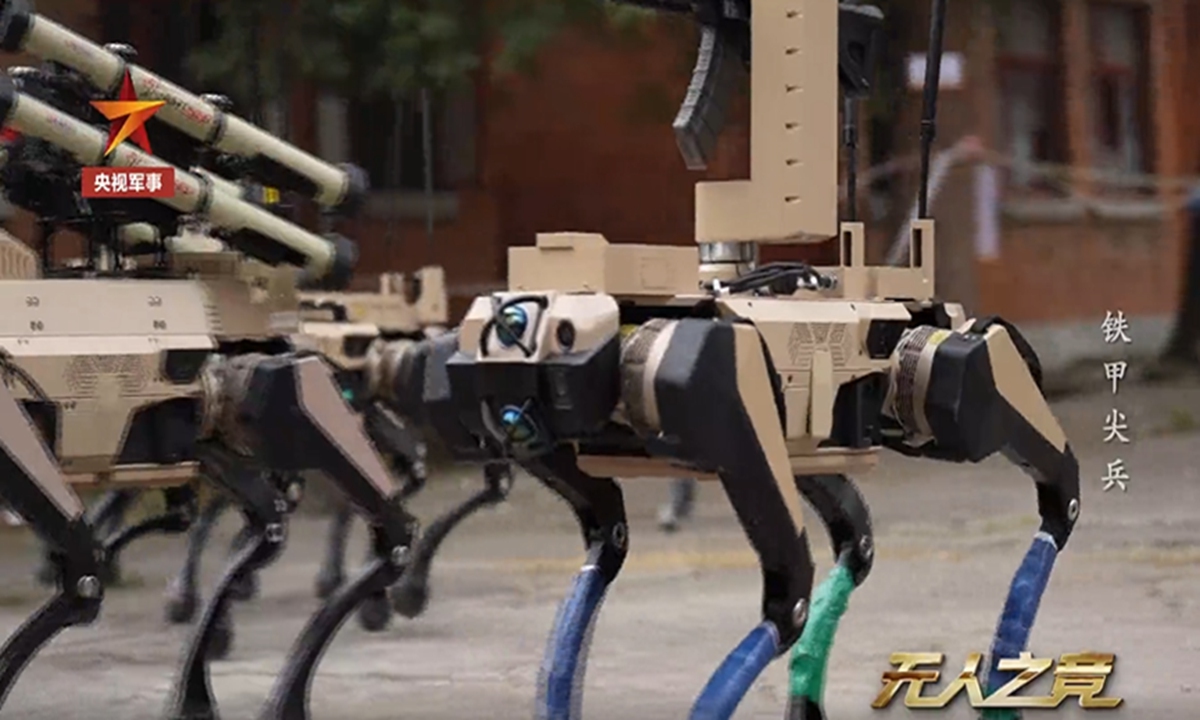
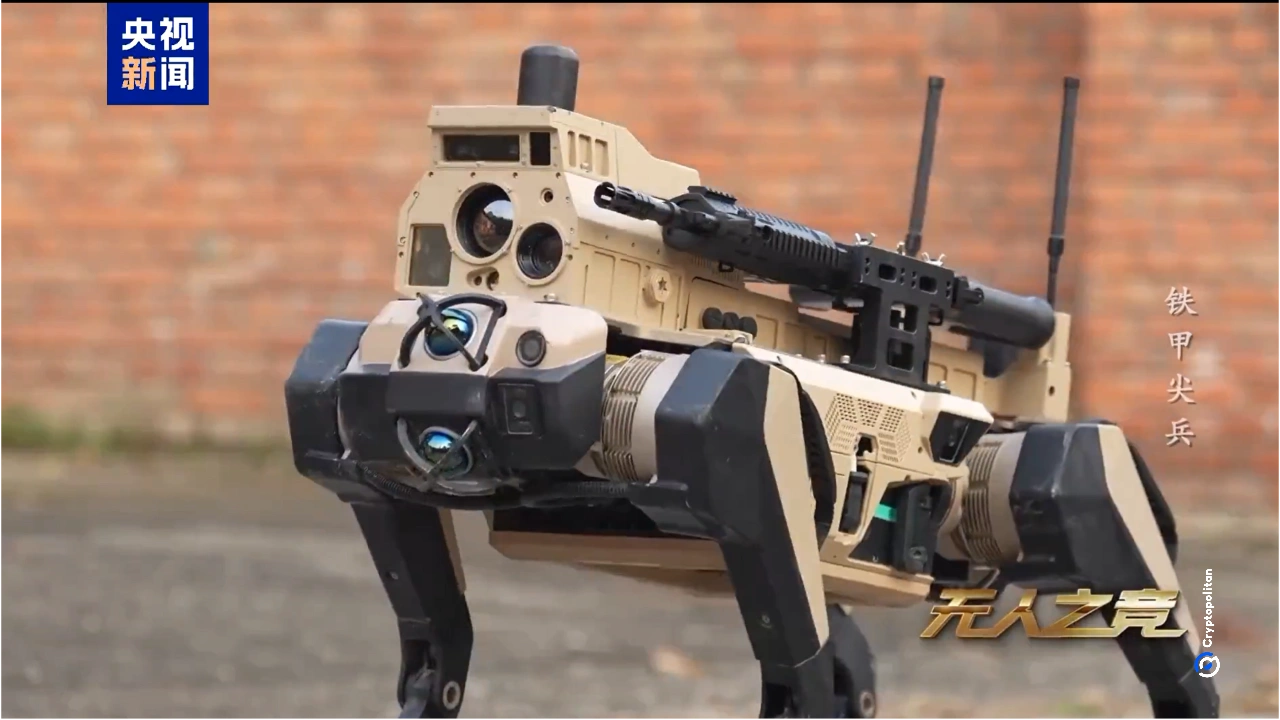
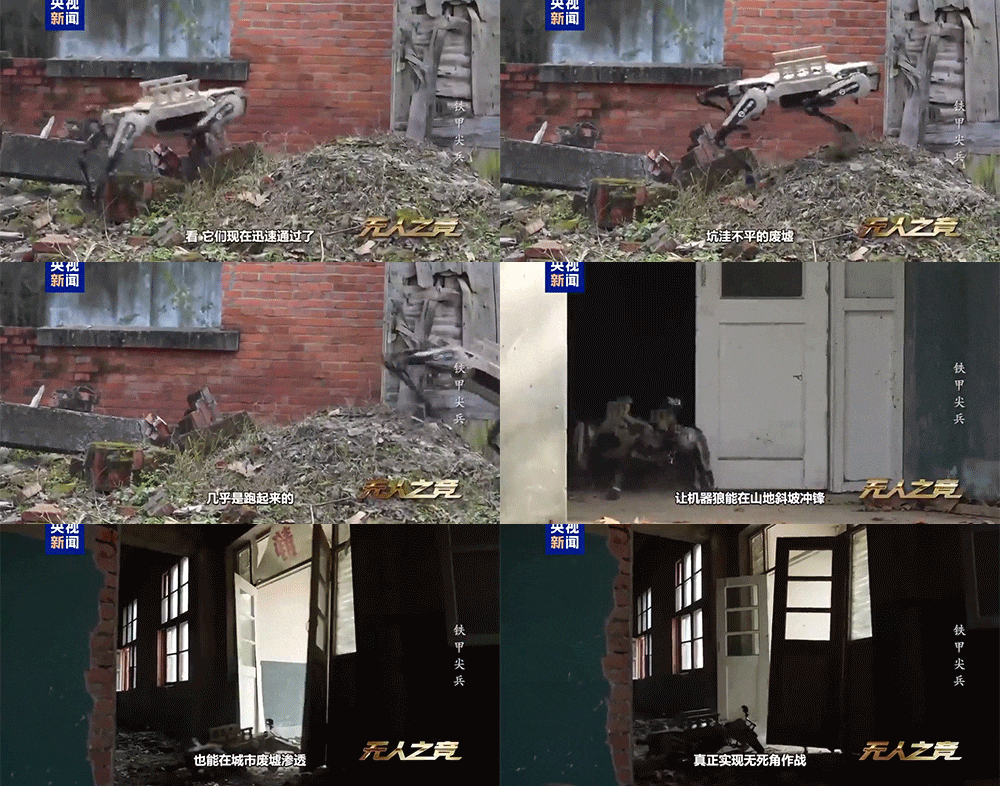
China has unveiled and deployed AI-powered 'wolf robots' equipped with missiles and grenade launchers in military urban combat exercises. Developed by a state-owned research institute, these autonomous robots can perform reconnaissance, attack, and support roles, operate in swarms, and share sensor data, raising concerns about AI-driven lethal force in warfare.[AI generated]

Why's our monitor labelling this an incident or hazard?

The event involves AI systems explicitly described as having autonomous capabilities and being armed with lethal weapons, used in military training and potentially combat. The AI system's use directly relates to harm through its role in armed conflict and combat operations, which can cause injury or death. This meets the definition of an AI Incident because the AI system's deployment in a military context with weapons is directly linked to potential harm to persons and communities. Therefore, the classification is AI Incident.[AI generated]
AI principles
SafetyRespect of human rights

Industries
Government, security, and defence

Affected stakeholders
General public

Harm types
Physical (death)Physical (injury)Human or fundamental rights

Severity
AI incident

AI system task:
Recognition/object detectionGoal-driven organisation


Articles about this incident or hazard

Thumbnail Image

中, 군사 훈련에 '로봇 늑대' 투입...미사일·유탄 등 탑재

2026-03-27
아시아경제
Why's our monitor labelling this an incident or hazard?
The event involves AI systems explicitly described as having autonomous capabilities and being armed with lethal weapons, used in military training and potentially combat. The AI system's use directly relates to harm through its role in armed conflict and combat operations, which can cause injury or death. This meets the definition of an AI Incident because the AI system's deployment in a military context with weapons is directly linked to potential harm to persons and communities. Therefore, the classification is AI Incident.
Thumbnail Image

中 차세대 '로봇늑대' 시가전 훈련 모습 공개..."미사일 발사기도 탑재

2026-03-27
Chosun.com
Why's our monitor labelling this an incident or hazard?
The robotic wolves are AI systems with autonomous decision-making and combat capabilities, including weapon deployment. Their use in urban warfare training and potential deployment in real combat situations means they are directly linked to harm to persons and communities. The article explicitly states their autonomous target identification and attack functions, which constitute direct involvement of AI in causing harm. Hence, this qualifies as an AI Incident due to the direct link between AI system use and potential or actual harm in military operations.
Thumbnail Image

中, 로봇늑대 시가전 훈련 공개..."미사일 발사기 탑재" | 연합뉴스

2026-03-27
연합뉴스
Why's our monitor labelling this an incident or hazard?
The article explicitly mentions AI functionality integrated into autonomous robotic combat units capable of lethal force application. The deployment of these AI systems in military training and potential combat scenarios directly involves the use of AI systems leading to possible injury or death, which qualifies as harm to persons. The event is not hypothetical or potential but describes actual use and demonstration of these systems, fulfilling the criteria for an AI Incident. The military context and autonomous lethal capabilities make this a clear case of AI Incident due to direct involvement of AI in potentially harmful operations.
Thumbnail Image

[영상] 중국 '로봇늑대' 첫 시가전 훈련...공중엔 100발 장착 '드론총' | 연합뉴스

2026-03-27
연합뉴스
Why's our monitor labelling this an incident or hazard?
The article explicitly mentions AI functionalities integrated into autonomous robotic military units capable of lethal force application. Although no direct harm or incident is reported, the nature of these AI systems—autonomous weaponized robots and drones—implies a credible risk of future harm, such as injury or violations of human rights in warfare. The event focuses on the development and training of these systems, highlighting their capabilities and potential use in combat, which aligns with the definition of an AI Hazard as it could plausibly lead to an AI Incident. There is no indication of realized harm yet, so it is not an AI Incident. It is more than general AI news or complementary information because it concerns the deployment of AI systems with significant risk potential.
Thumbnail Image

中, 로봇늑대 시가전 훈련 공개..."미사일 발사기 탑재"

2026-03-27
Wow TV
Why's our monitor labelling this an incident or hazard?
The event involves AI systems explicitly described as having autonomous combat capabilities, including target identification and coordinated swarm behavior, which are used in military operations with lethal weapons. The deployment and use of such AI-enabled armed robots in combat scenarios directly relate to harm to persons and communities, fulfilling the criteria for an AI Incident. The article reports actual use in military training and operational contexts, not just potential or hypothetical risks, confirming realized harm potential. Hence, this is classified as an AI Incident rather than a hazard or complementary information.
Thumbnail Image

중국, 로봇늑대 시가전 영상 공개..."미사일 발사기 탑재"

2026-03-27
연합뉴스TV
Why's our monitor labelling this an incident or hazard?
The event involves AI systems explicitly described as autonomous robotic combat units with AI-based target identification and swarm coordination. Their use in military urban combat scenarios with lethal armaments directly relates to potential injury or harm to persons and communities. Since no actual harm is reported but the systems are operational and demonstrated, the event constitutes an AI Hazard due to the plausible future risk of harm from their deployment and use in warfare.
Thumbnail Image

[영상] ''미사일 발사기까지 탑재''⋯중국 '로봇 늑대' 뭐길래

2026-03-27
매일방송
Why's our monitor labelling this an incident or hazard?
The event involves AI systems explicitly described as having autonomous capabilities for reconnaissance, target identification, and coordinated attack with lethal weapons. The use of such AI-enabled military robots in combat scenarios directly implicates harm to persons and communities, as these systems can cause injury or death. The article reports actual deployment and use in military exercises, indicating realized use rather than hypothetical risk. Therefore, this qualifies as an AI Incident under the framework, as the AI system's use has directly led to or is intended to lead to harm.
Thumbnail Image

China's Robot Wolves Train in Urban Combat, Armed With Missiles

2026-03-27
Chosun.com
Why's our monitor labelling this an incident or hazard?
The robot wolves are AI systems with autonomous capabilities for reconnaissance, attack, and support in urban warfare, equipped with weapons such as missiles and grenade launchers. Their use in actual combat drills and potential deployment in conflict zones directly links AI system use to harm to human life and communities. The AI systems' autonomous decision-making and coordination in lethal operations meet the criteria for an AI Incident, as they have directly or indirectly led to harm or pose imminent risk of harm in military contexts. This is not merely a potential hazard or complementary information but an active deployment of AI systems with lethal capabilities, fulfilling the definition of an AI Incident.
Thumbnail Image

China's Robot Wolf Units Train in Urban Warfare

2026-03-27
Chosun.com
Why's our monitor labelling this an incident or hazard?
The robot wolves are explicitly described as AI systems with autonomous capabilities, including real-time data sharing and joint decision-making in combat. They are armed with micro-missiles and grenade launchers and have been deployed in military training exercises, indicating active use. The deployment of AI-armed autonomous systems in warfare directly implicates potential injury or harm to persons and communities, fulfilling the criteria for an AI Incident. The article does not merely warn of potential harm but documents actual use in military operations, thus constituting an AI Incident rather than a hazard or complementary information.
Thumbnail Image

China's Killer Robot Wolves Revealed: Armed Packs Ready for Urban Warfare - Gizmochina

2026-03-26
Gizmochina
Why's our monitor labelling this an incident or hazard?
The article explicitly describes AI systems (robotic wolves) with autonomous capabilities and lethal armaments designed for combat. Their use in urban warfare scenarios inherently carries a high risk of causing injury or death, disruption, and violations of human rights. Since the article reports on their development and readiness for deployment but does not describe any actual incident of harm yet, this qualifies as an AI Hazard. The event signals a plausible future risk of AI-driven harm due to the autonomous weaponization and deployment of these systems.
Thumbnail Image

China unveils urban warfare drill featuring latest generation of robotic wolf units

2026-03-26
Global Times 环球时报英文版
Why's our monitor labelling this an incident or hazard?
The robotic wolf units are AI systems as they perform autonomous decision-making, target recognition, and coordinated actions in combat scenarios. Their deployment in urban warfare directly relates to harm to persons (soldiers and combatants) and military operational impacts. The event reports actual use and mass production, indicating realized deployment rather than a potential risk. Therefore, this qualifies as an AI Incident due to the direct involvement of AI systems in military operations that affect human safety and warfare outcomes.
Thumbnail Image

China unveils urban warfare drill featuring latest generation of robotic wolf units

2026-03-27
GlobalSecurity.org
Why's our monitor labelling this an incident or hazard?
The robotic wolf units are AI systems with autonomous decision-making capabilities, including target recognition and coordinated action in combat. Their deployment in urban warfare directly involves the use of AI in lethal military operations, which inherently carries risks of injury or death to people, fulfilling the criteria for harm to persons. The article confirms these systems are in mass production and operational use, indicating realized harm potential rather than mere hazard. Therefore, this event qualifies as an AI Incident due to the direct link between AI system use and potential or actual harm in armed conflict.
Thumbnail Image

Pointman: Robot Wolves

2026-03-27
eng.chinamil.com.cn
Why's our monitor labelling this an incident or hazard?
The robot wolves are AI systems with autonomous capabilities for reconnaissance, attack, and support roles, including autonomous target identification and engagement. Their weaponization and autonomous operation in combat scenarios imply a high potential for causing injury or death and other harms. Since the article focuses on their development and capabilities without reporting actual harm, this constitutes an AI Hazard due to the plausible future harm from their use in real combat.