CDU Proposes AI Cameras for Public Transport Safety in Hamburg

Thumbnail Image

The information displayed in the AIM should not be reported as representing the official views of the OECD or of its member countries.

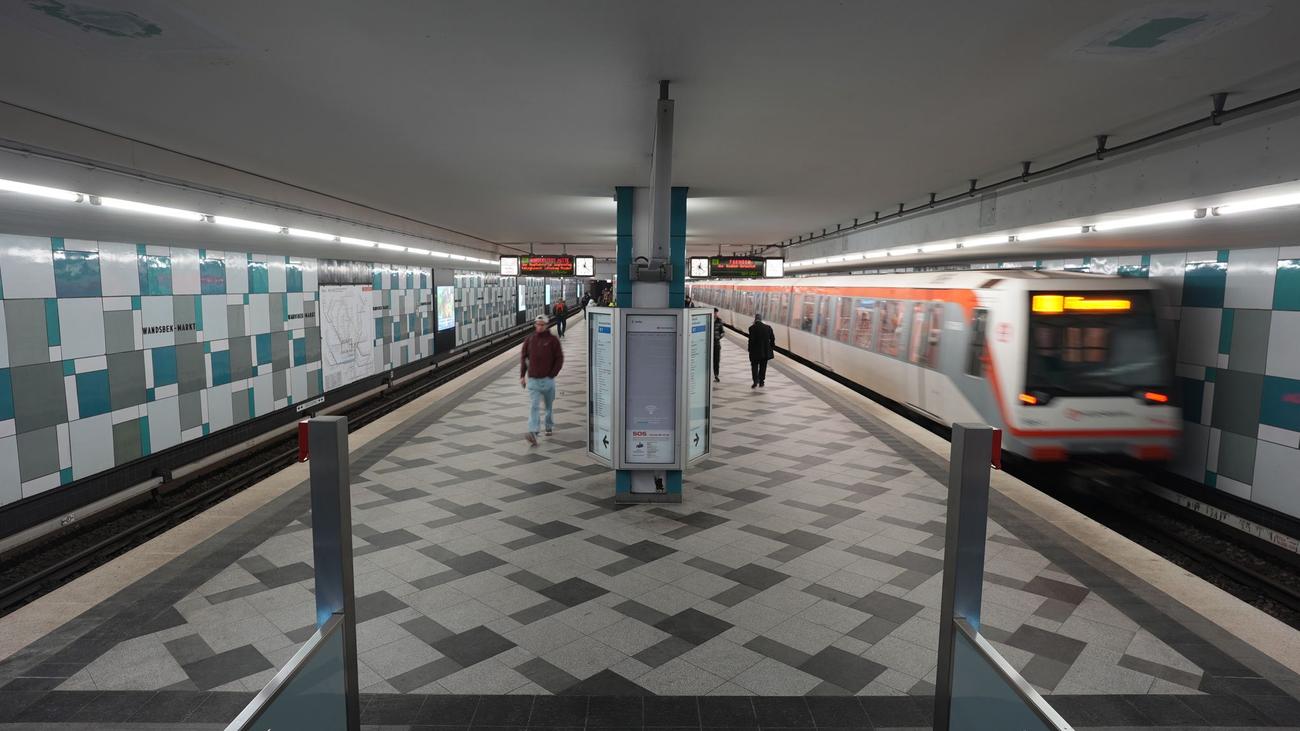
The CDU has proposed equipping Hamburg's buses and trains with AI-powered cameras and assistance systems to enhance passenger safety by detecting threats in real time. A pilot project is planned, with assurances of data privacy compliance. The initiative aims to address rising incidents in public transport.[AI generated]

Why's our monitor labelling this an incident or hazard?

The article describes the planned use of AI systems for safety monitoring in public transport, which could plausibly lead to harm prevention or privacy concerns in the future. Since no actual harm or incident has occurred yet, and the AI system's deployment is still in the proposal or pilot phase, this constitutes a potential risk or benefit scenario rather than a realized incident. Therefore, it fits the definition of an AI Hazard, as the AI system's use could plausibly lead to an AI Incident (either positive or negative) but has not yet done so.[AI generated]
AI principles
Privacy & data governanceTransparency & explainability

Industries
Mobility and autonomous vehiclesGovernment, security, and defence

Affected stakeholders
ConsumersGeneral public

Harm types
Human or fundamental rightsPsychological

Severity
AI hazard

Business function:
Monitoring and quality control

AI system task:
Recognition/object detectionEvent/anomaly detection


Articles about this incident or hazard

Thumbnail Image

CDU fordert KI-Kameras in Hamburgs Bussen und Bahnen

2026-03-27
WEB.DE
Why's our monitor labelling this an incident or hazard?
The event involves the use of AI systems (AI-powered cameras and assistance systems) for real-time threat detection in public transport. The AI system's development and use are central to the proposal. However, since the system is not yet deployed or causing harm, and the article focuses on the planned pilot and potential safety improvements, it does not describe an AI Incident. Instead, it reflects a potential future application of AI that could plausibly lead to harm prevention or, if misused, potential hazards. Given the absence of realized harm or malfunction, the event is best classified as Complementary Information, as it provides context on societal and governance responses to AI deployment in public safety.
Thumbnail Image

Hamburg & Schleswig-Holstein: CDU fordert KI-Kameras in Hamburgs Bussen und Bahnen

2026-03-27
N-tv
Why's our monitor labelling this an incident or hazard?
The article describes the planned use of AI systems for safety monitoring in public transport, which could plausibly lead to harm prevention or privacy concerns in the future. Since no actual harm or incident has occurred yet, and the AI system's deployment is still in the proposal or pilot phase, this constitutes a potential risk or benefit scenario rather than a realized incident. Therefore, it fits the definition of an AI Hazard, as the AI system's use could plausibly lead to an AI Incident (either positive or negative) but has not yet done so.
Thumbnail Image

CDU fordert KI-Kameras in Hamburgs Bussen und Bahnen - WELT

2026-03-27
DIE WELT
Why's our monitor labelling this an incident or hazard?
The event involves AI systems (AI-powered cameras with AI assistance) intended for safety monitoring in public transport. The article centers on a proposal and the potential use of AI to prevent harm, not on any realized harm or incident. There is no indication that the AI system has caused injury, rights violations, or other harms yet. Therefore, this is a plausible future risk mitigation measure rather than an incident or hazard. It is not merely general AI news but a policy proposal involving AI deployment for safety. Hence, it fits best as Complementary Information, providing context on societal and governance responses to AI use in public safety.
Thumbnail Image

ÖPNV Hamburg: CDU fordert KI-Kameras in Bussen und Bahnen - doch Technik ist fehleranfällig - WELT

2026-03-27
DIE WELT
Why's our monitor labelling this an incident or hazard?
The event involves AI systems (AI-powered video surveillance with pattern recognition) used in public transport for safety purposes. The article mentions the technology is currently error-prone and raises privacy concerns, indicating potential risks. However, no actual harm or incident is reported, only the potential for harm due to the technology's immaturity and privacy implications. Therefore, this qualifies as an AI Hazard, as the AI system's use could plausibly lead to incidents such as privacy violations or misuse, but no direct harm has yet occurred.
Thumbnail Image

Sicherheit im Nahverkehr: CDU fordert KI-Kameras in Hamburgs Bussen und Bahnen

2026-03-27
ZEIT ONLINE
Why's our monitor labelling this an incident or hazard?
The event involves the proposed use of AI systems for real-time threat detection in public transport, which could plausibly lead to harm prevention or, conversely, potential privacy or rights issues if misused. Since the AI system is not yet deployed and no harm or incident has occurred, this qualifies as an AI Hazard due to the plausible future risk and impact of such AI systems in this context. It is not Complementary Information because the article focuses on the proposal and potential use, not on responses to past incidents or ecosystem updates. It is not an AI Incident because no harm has yet materialized.
Thumbnail Image

CDU fordert KI-Kameras in Hamburgs Bussen und Bahnen

2026-03-27
Süddeutsche Zeitung
Why's our monitor labelling this an incident or hazard?
The event involves the proposed use of AI systems (AI-supported cameras and assistance systems) for safety in public transport, which could plausibly lead to harm prevention or, conversely, potential privacy concerns. Since the AI system is not yet deployed and no harm or incident has occurred, but there is a credible potential for future impact (positive or negative), this qualifies as an AI Hazard. It is not an AI Incident because no harm has materialized, nor is it Complementary Information as it is not an update or response to a past incident. It is not unrelated because AI systems are explicitly involved in the proposal.
Thumbnail Image

CDU fordert KI-Kameras in Hamburgs Bussen und Bahnen

2026-03-27
stern.de
Why's our monitor labelling this an incident or hazard?
The event describes the intended use of AI systems (AI-powered cameras with trained AI assistance) to detect dangers early and alert staff, aiming to improve safety. However, this is a proposal or request, not a report of an actual incident or harm caused by AI. There is no indication that harm has occurred or that the AI system malfunctioned. The focus is on the potential use of AI technology to prevent harm, which could plausibly lead to harm reduction but does not describe an incident or hazard itself. Therefore, this is best classified as Complementary Information, as it provides context on governance and societal responses involving AI for safety enhancement.
Thumbnail Image

CDU setzt auf KI im ÖPNV

2026-03-27
Radio Hamburg
Why's our monitor labelling this an incident or hazard?
The event involves the use of AI systems (AI-powered cameras and assistance systems) in public transport for safety purposes. The article discusses the intended use and potential benefits but does not describe any realized harm or incident resulting from the AI system's deployment or malfunction. Since the AI system's use could plausibly lead to harm (e.g., privacy violations, false alarms, or failure to detect threats), it qualifies as an AI Hazard rather than an AI Incident or Complementary Information. It is not unrelated because AI systems are central to the event.