Major Security Vulnerabilities in AI Systems ChatGPT and OpenClaw Lead to Data Breach Risks and Real-World Harm

Thumbnail Image

The information displayed in the AIM should not be reported as representing the official views of the OECD or of its member countries.

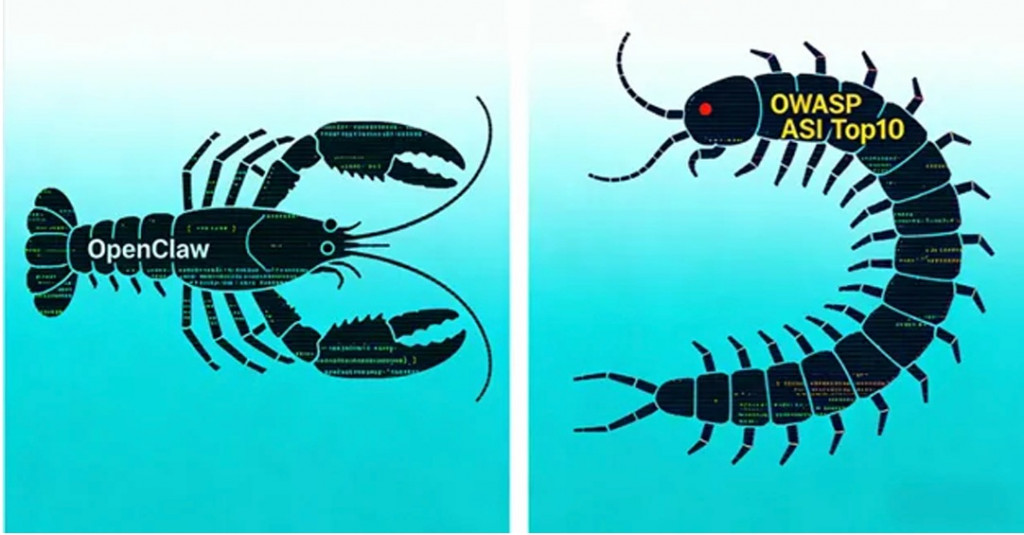
OpenAI patched a ChatGPT vulnerability that could leak user data via prompt injection and DNS queries, averting potential privacy breaches. Separately, 360's AI agents discovered critical flaws in OpenClaw, exposing over 170,000 instances globally to data theft and attacks, with actual cases of financial loss reported. Both incidents highlight significant AI security risks.[AI generated]

Why's our monitor labelling this an incident or hazard?

Langflow is an AI system development tool for large language models, thus clearly involving AI. The vulnerability allows attackers to remotely execute arbitrary code, which has been confirmed to be exploited in the wild, causing direct harm through unauthorized access and potential data breaches. This meets the criteria for an AI Incident because the AI system's malfunction (security vulnerability) has directly led to harm. The event is not merely a potential risk or a complementary update but a confirmed exploitation causing harm.[AI generated]

AI principles
Privacy & data governanceRobustness & digital security

Industries
Digital security

Affected stakeholders
ConsumersBusiness

Harm types
Human or fundamental rightsEconomic/Property

Severity
AI incident

AI system task:
Interaction support/chatbots


Articles about this incident or hazard

Thumbnail Image

2026-03-30
guancha.cn
Why's our monitor labelling this an incident or hazard?
The event involves an AI system (OpenClaw autonomous agent framework) and concerns its development and use, specifically security vulnerabilities that could potentially lead to harm if exploited. However, the article does not report any actual harm or incident resulting from these vulnerabilities, only their discovery and patching. Therefore, this is a case of plausible future harm being mitigated, fitting the definition of Complementary Information as it provides an update on AI system security and risk management without describing an AI Incident or Hazard occurring or imminent.
Thumbnail Image

【AI】螞蟻AI安全實驗室發現OpenClaw多個高危漏洞

2026-03-31
ET Net
Why's our monitor labelling this an incident or hazard?
The event involves an AI system (OpenClaw, an autonomous agent framework) and its development and use, specifically focusing on security vulnerabilities. However, there is no indication that these vulnerabilities have led to any realized harm or incident yet. The vulnerabilities represent potential risks that could plausibly lead to harm if exploited, but no actual harm or incident is reported. Therefore, this event qualifies as an AI Hazard, as it highlights plausible future harm due to security risks in an AI system.
Thumbnail Image

比亚迪旗下方程豹在湘潭成立销售公司-36氪

2026-03-30
36氪:关注互联网创业
Why's our monitor labelling this an incident or hazard?
The article involves an AI system (OpenClaw, an autonomous agent framework) and its development and maintenance process, specifically focusing on security vulnerabilities and their remediation. However, there is no indication that these vulnerabilities have caused any realized harm or incident. Instead, the event is about identifying potential risks and addressing them proactively, which fits the definition of Complementary Information as it provides updates on AI system safety and governance without describing an actual incident or hazard causing harm or plausible future harm.
Thumbnail Image

Nvidia發布2026年3月安全公告,修補多個驅動程式與AI應用套件漏洞

2026-03-31
iThome Online
Why's our monitor labelling this an incident or hazard?
The event involves AI systems explicitly, as it concerns AI software frameworks and tools used for AI model training and inference. The vulnerabilities could lead to serious harms such as unauthorized code execution and denial of service, which can cause harm to property, data, or system availability. However, the article describes the vulnerabilities and the associated risks but does not report any actual harm or incident occurring yet. Therefore, this is a plausible risk scenario where the AI systems' development or use could lead to harm if exploited, fitting the definition of an AI Hazard rather than an AI Incident. It is not merely general AI news or a product announcement, but a security advisory about potential harm, so it is not Complementary Information. Hence, the classification is AI Hazard.
Thumbnail Image

開源AI開發框架LangChain修補高風險漏洞,未更新恐導致敏感資料外洩

2026-03-30
iThome Online
Why's our monitor labelling this an incident or hazard?
The LangChain framework is an AI system used for developing large language model applications. The reported vulnerability directly relates to the AI system's development and use, creating a plausible pathway for attackers to cause harm by leaking sensitive data. Since the article warns that failure to update could lead to data breaches, this constitutes a credible risk of harm. However, no actual data breach is reported yet, so the event is best classified as an AI Hazard rather than an AI Incident.
Thumbnail Image

CISA警告大型語言模型開發工具Langflow重大漏洞已被用於攻擊,要求盡速修補

2026-03-30
iThome Online
Why's our monitor labelling this an incident or hazard?
Langflow is an AI system development tool for large language models, thus clearly involving AI. The vulnerability allows attackers to remotely execute arbitrary code, which has been confirmed to be exploited in the wild, causing direct harm through unauthorized access and potential data breaches. This meets the criteria for an AI Incident because the AI system's malfunction (security vulnerability) has directly led to harm. The event is not merely a potential risk or a complementary update but a confirmed exploitation causing harm.
Thumbnail Image

OpenAI修復ChatGPT隱蔽性數據外洩漏洞,防堵惡意濫用風險

2026-04-01
Yahoo!奇摩股市
Why's our monitor labelling this an incident or hazard?
The event explicitly involves an AI system (ChatGPT) and details a security vulnerability that could lead to unauthorized data leakage, directly impacting user privacy and data security. Although the vulnerability was patched before known malicious exploitation, the report indicates that the AI system's malfunction (security flaw) could have directly led to harm. This fits the definition of an AI Incident because the AI system's malfunction directly led to a realized or imminent harm scenario involving personal data breaches, a violation of privacy rights, and potential harm to individuals. Therefore, this event is classified as an AI Incident.
Thumbnail Image

360漏洞挖掘智能体再次发现OpenClaw高危漏洞

2026-03-31
东方财富网
Why's our monitor labelling this an incident or hazard?
The event involves an AI system (security intelligent agents) actively used in vulnerability discovery and verification, which directly relates to harm prevention in cybersecurity. The vulnerability discovered can lead to significant harm (data theft, further cyberattacks), fulfilling the harm criteria. The AI system's role is pivotal in the discovery and mitigation process, and the harm is realized as the vulnerability exists and is exploitable. Hence, this is an AI Incident rather than a hazard or complementary information.
Thumbnail Image

360漏洞挖掘智能体再次发现OpenClaw高危漏洞

2026-03-31
东方财富网
Why's our monitor labelling this an incident or hazard?
The event explicitly involves an AI system (the 360 multi-agent vulnerability detection system) used to discover and verify a critical security vulnerability that affects a widely used AI platform (OpenClaw). The vulnerability enables unauthorized access and data theft, which constitutes harm to property and digital infrastructure. The AI system's role in identifying this vulnerability and supporting its remediation is central to the event. Since the vulnerability is confirmed and affects many instances globally, the harm is realized and significant. Thus, this qualifies as an AI Incident because the AI system's use directly relates to identifying and addressing a harm caused by or related to AI systems.
Thumbnail Image

360智能体发现OpenClaw高危漏洞 将波及全球17万实例

2026-03-31
驱动之家
Why's our monitor labelling this an incident or hazard?
The event involves an AI system (OpenClaw platform with AI agents) and a vulnerability discovered by an AI-powered vulnerability detection system. The vulnerability directly enables unauthorized access to sensitive data and could lead to network attacks, which constitutes harm to property and potentially to communities or organizations relying on the system. Since the vulnerability is active and affects a large number of deployed AI systems, and the harm is realized or imminent, this qualifies as an AI Incident rather than a mere hazard or complementary information.
Thumbnail Image

360智能体发现OpenClaw高危漏洞 将波及全球17万实例

2026-03-31
凤凰网(凤凰新媒体)
Why's our monitor labelling this an incident or hazard?
The event involves an AI system (OpenClaw platform with AI agents) and a security vulnerability in its core media processing module that can be exploited to leak sensitive information and enable further attacks. This constitutes a malfunction of the AI system leading to potential harm (data breaches, network attacks) affecting a large number of instances globally. Since the vulnerability is confirmed and exploitable, and the harm is direct and significant, this qualifies as an AI Incident under the framework's criteria for harm to property, communities, or environment due to AI system malfunction.
Thumbnail Image

OpenClaw 危機:你養的是AI 龍蝦,還是助長 OWASP 漏洞的溫床 - iT 邦幫忙::一起幫忙解決難題,拯救 IT 人的一天

2026-03-28
iT 邦幫忙::一起幫忙解決難題,拯救 IT 人的一天
Why's our monitor labelling this an incident or hazard?
OpenClaw is an AI agent system capable of autonomous collaboration and tool invocation, thus qualifying as an AI system. The article reports actual incidents where exploitation of OpenClaw's security vulnerabilities has caused direct harm to users, including credit card fraud and stolen API usage leading to financial damage. This constitutes an AI Incident because the AI system's malfunction (security flaws) has directly led to harm. The discussion of mitigation and security solutions is complementary but the primary focus is on the realized harms and risks from the AI system's vulnerabilities.
Thumbnail Image

OpenAI修復ChatGPT隱蔽性數據外洩漏洞,防堵惡意濫用風險 | yam News

2026-04-01
蕃新聞
Why's our monitor labelling this an incident or hazard?
The event involves a security vulnerability in an AI system (ChatGPT) that could have directly led to harm to users' privacy and data security, which constitutes a violation of rights under the framework. Although the vulnerability was patched before known exploitation, the article describes a credible and serious risk of harm that was present. Therefore, this qualifies as an AI Hazard because the AI system's malfunction could plausibly have led to an AI Incident. It is not an AI Incident because no actual harm was reported as having occurred, and it is not merely Complementary Information since the main focus is on the vulnerability and its potential harm rather than a response to a past incident.
Thumbnail Image

蚂蚁AI安全实验室发现OpenClaw多个高危漏洞并协助快速修复_手机网易网

2026-03-30
m.163.com
Why's our monitor labelling this an incident or hazard?
The article involves an AI system (OpenClaw, an autonomous agent framework) and its development and security assessment. However, the event focuses on the identification and fixing of vulnerabilities without any reported harm or incident resulting from these vulnerabilities. Therefore, it represents a potential risk that was mitigated rather than an actual incident or harm. The main content is about the security audit and remediation, which is a governance and safety response to potential AI risks, fitting the definition of Complementary Information.
Thumbnail Image

'A hard truth for the AI era: don't assume AI tools are secure by default': OpenAI patches flaw allowing silent data leakage from ChatGPT conversations without users ever knowing

2026-03-31
TechRadar
Why's our monitor labelling this an incident or hazard?
The event explicitly involves AI systems (ChatGPT and Codex) and their vulnerabilities that could directly lead to harm by leaking sensitive user data without consent, violating privacy rights. The flaw allowed attackers to bypass AI guardrails and exfiltrate data covertly, which is a direct harm to users' data security and privacy, fitting the definition of an AI Incident under violations of rights and harm to individuals. Although the vulnerability was patched before exploitation, the risk was real and imminent, and the event reports on the actual discovery and patching of a critical security flaw, not just a potential hazard or complementary information. Therefore, this is classified as an AI Incident.
Thumbnail Image

OpenAI ChatGPT fixes DNS data smuggling flaw

2026-03-30
TheRegister.com
Why's our monitor labelling this an incident or hazard?
The event explicitly involves an AI system (ChatGPT) whose malfunction (a security vulnerability) directly led to data leakage, which constitutes harm in terms of violations of privacy and potentially applicable legal frameworks protecting personal and sensitive data. This fits the definition of an AI Incident because the AI system's malfunction directly caused harm related to breaches of obligations under applicable law protecting fundamental rights (privacy and data protection).
Thumbnail Image

ChatGPT Security Issue Enabled Data Theft via Single Prompt

2026-03-31
Infosecurity Magazine
Why's our monitor labelling this an incident or hazard?
The event involves an AI system (ChatGPT) whose malfunction (security vulnerability) directly enabled data theft and privacy violations. The harm is realized in the form of potential or actual exfiltration of sensitive data, which is a violation of user rights and privacy. The vulnerability was exploited in a proof-of-concept, demonstrating direct harm. Therefore, this qualifies as an AI Incident due to the direct link between the AI system's malfunction and harm to users' privacy and data security.
Thumbnail Image

ChatGPT Data Leakage via a Hidden Outbound Channel in the Code Execution Runtime - Check Point Research

2026-03-30
Check Point Research
Why's our monitor labelling this an incident or hazard?
The event involves an AI system (ChatGPT with code execution and GPTs) whose malfunction and design flaws allowed unauthorized data exfiltration and remote command execution. The harm is realized and direct: sensitive personal data was leaked without user knowledge or consent, violating privacy and potentially other rights. The AI system's role is pivotal as the vulnerability arises from its code execution environment and prompt processing capabilities. The incident also highlights risks from malicious use of AI features and the failure of safeguards. Therefore, it meets the criteria for an AI Incident due to violations of rights and harm to users' data privacy and security.
Thumbnail Image

ChatGPT Vulnerability Let Attackers Silently Exfiltrate User Prompts and Other Sensitive Data

2026-03-31
Cyber Security News
Why's our monitor labelling this an incident or hazard?
The event involves an AI system (ChatGPT) and details a security vulnerability in its use and operation that directly led to harm: unauthorized extraction of sensitive user data and potential remote code execution within the AI's sandbox. This constitutes a violation of user privacy and confidentiality, which falls under harm to persons/groups and breaches of rights. The harm is realized, not hypothetical, and the AI system's malfunction or design oversight is pivotal to the incident. Therefore, this qualifies as an AI Incident.
Thumbnail Image

ChatGPT data leakage vulnerability discovered and patched

2026-03-31
SC Media
Why's our monitor labelling this an incident or hazard?
The event involves an AI system (ChatGPT) whose malfunction (a security vulnerability) directly led to the risk of sensitive data leakage, which constitutes a violation of privacy and data protection rights (human rights and legal obligations). The data leakage could cause harm to individuals' privacy and compliance with laws like GDPR and HIPAA, fulfilling the criteria for an AI Incident. The fact that the vulnerability was discovered and patched does not negate the incident classification, as the harm or risk of harm was realized during the vulnerability period.