AI Surveillance Systems Prevent Drowning Incidents in German Swimming Pools

Thumbnail Image

The information displayed in the AIM should not be reported as representing the official views of the OECD or of its member countries.

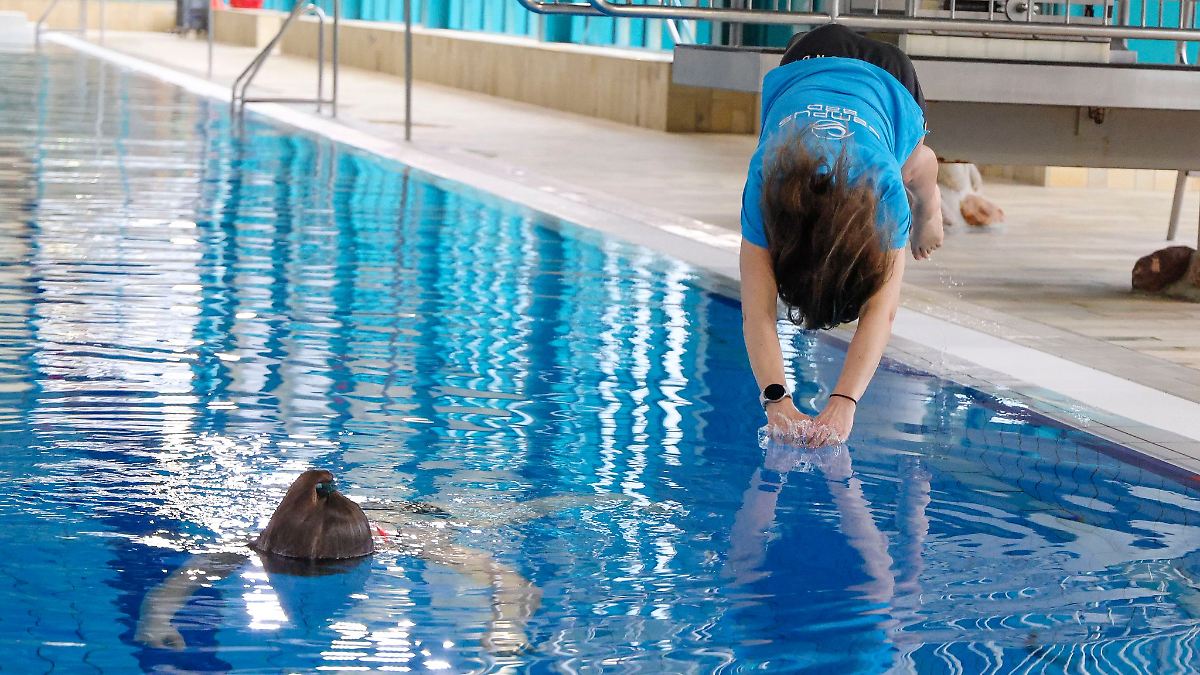
AI-powered camera systems have been deployed in swimming pools across northern Germany, including Flensburg and Osnabrück, to monitor swimmers and detect emergencies. These systems alert lifeguards via smartwatches, enabling rapid intervention and preventing drowning incidents, with at least one reported case of a life saved due to timely AI alerts.[AI generated]

Why's our monitor labelling this an incident or hazard?

The AI system is explicitly involved in real-time monitoring and detection of potential emergencies in swimming pools, which directly supports the prevention of injury or harm to persons (harm category a). The system's use has already led to alerts and interventions, demonstrating realized involvement in safety. Although no specific incident of injury is reported, the system's role in preventing harm is clear and ongoing. Therefore, this constitutes an AI Incident because the AI system's use has directly contributed to harm prevention and safety management in a real operational context, involving actual alerts and responses. The article does not merely discuss potential risks or future hazards, nor is it only about general AI developments or responses, so it is not Complementary Information or an AI Hazard. It is not unrelated as the AI system is central to the event described.[AI generated]

Industries
Travel, leisure, and hospitality

Severity
AI incident

Business function:
Monitoring and quality control

AI system task:
Recognition/object detectionEvent/anomaly detection


Articles about this incident or hazard

Thumbnail Image

Hamburg & Schleswig-Holstein: KI im Schwimmbad - ein Kollege, der nie müde wird

2026-03-29
N-tv
Why's our monitor labelling this an incident or hazard?
The AI system is explicitly involved in real-time monitoring and detection of potential emergencies in swimming pools, which directly supports the prevention of injury or harm to persons (harm category a). The system's use has already led to alerts and interventions, demonstrating realized involvement in safety. Although no specific incident of injury is reported, the system's role in preventing harm is clear and ongoing. Therefore, this constitutes an AI Incident because the AI system's use has directly contributed to harm prevention and safety management in a real operational context, involving actual alerts and responses. The article does not merely discuss potential risks or future hazards, nor is it only about general AI developments or responses, so it is not Complementary Information or an AI Hazard. It is not unrelated as the AI system is central to the event described.
Thumbnail Image

Niedersachsen & Bremen: Wie KI im Schwimmbad Leben retten kann

2026-03-29
N-tv
Why's our monitor labelling this an incident or hazard?
The event involves an AI system explicitly described as monitoring swimming pools to detect drowning risks and alert lifeguards, which is a direct use of AI for safety-critical monitoring. The AI system's outputs have already helped save lives, indicating realized harm prevention (injury or harm to persons). The AI system's development and use have directly led to harm mitigation, qualifying this as an AI Incident. There is no indication that the article is only about potential future harm or general AI news; rather, it reports on an AI system actively used to prevent harm, thus meeting the definition of an AI Incident.
Thumbnail Image

KI im Schwimmbad - ein Kollege, der nie müde wird - WELT

2026-03-29
DIE WELT
Why's our monitor labelling this an incident or hazard?
The article explicitly mentions an AI system used for monitoring swimmers and detecting potential emergencies, which qualifies as an AI system. However, there is no report of any injury, malfunction, or violation caused by the AI system. Instead, the system is described as a supportive tool that helps prevent harm by alerting lifeguards early. The article focuses on the deployment, operational use, and benefits of the AI system, as well as the human oversight that remains essential. This fits the definition of Complementary Information, as it provides context and updates on AI use in public safety without describing any realized or plausible harm.
Thumbnail Image

Wie KI im Schwimmbad Leben retten kann - WELT

2026-03-29
DIE WELT
Why's our monitor labelling this an incident or hazard?
The article explicitly mentions an AI system used for monitoring swimming pools to detect dangerous situations and alert lifeguards, indicating AI system involvement. However, there is no report of any injury, accident, or harm caused or prevented by the AI system so far. The AI system acts as an assistive tool to enhance safety and manage risks, not as a cause of harm or a direct threat. The article focuses on the deployment, potential benefits, and operational context of the AI system, including challenges like cost and privacy concerns. This fits the definition of Complementary Information, as it provides supporting context on AI use in safety without describing an AI Incident or AI Hazard.
Thumbnail Image

Smarte Sicherheit: "Ein unsichtbarer Kollege" - Warum Städte auf Künstliche Intelligenz in ihren Schwimmbädern setzen - WELT

2026-03-30
DIE WELT
Why's our monitor labelling this an incident or hazard?
An AI system is explicitly involved, analyzing movement patterns to detect potential emergencies. The system's use directly aims to prevent injury or harm to people by enabling earlier intervention in dangerous situations. Although no specific harm is reported as having occurred, the AI system's role is pivotal in preventing injury, which constitutes a direct link to harm prevention. Therefore, this event qualifies as an AI Incident because the AI system's use is directly linked to preventing injury or harm to persons in a safety-critical environment.
Thumbnail Image

Notlagen früh erkennen: KI im Schwimmbad - ein Kollege, der nie müde wird

2026-03-29
ZEIT ONLINE
Why's our monitor labelling this an incident or hazard?
The event involves an AI system explicitly described as monitoring swimmers and alerting lifeguards to potential emergencies, which fits the definition of an AI system. However, the article only reports on the system's use and its potential to prevent harm, with no actual harm or malfunction reported. The AI system's role is supportive and preventive, and the article focuses on the system's deployment, operational experience, and the human-AI collaboration. This aligns with the definition of Complementary Information, as it provides context and updates on AI use in safety without reporting an incident or hazard.
Thumbnail Image

Künstliche Intelligenz: Wie KI im Schwimmbad Leben retten kann

2026-03-29
ZEIT ONLINE
Why's our monitor labelling this an incident or hazard?
The AI system is explicitly mentioned and described as actively monitoring swimmers and sending alarms when it detects potential drowning, which directly relates to injury or harm prevention. The system's use has already helped save lives, indicating realized impact on health and safety. The AI's role is pivotal in detecting emergencies and alerting staff, thus directly influencing harm outcomes. Therefore, this event meets the criteria for an AI Incident rather than a hazard or complementary information, as the AI system's use has directly led to harm prevention and life-saving outcomes.
Thumbnail Image

Wie KI im Schwimmbad Leben retten kann

2026-03-29
Süddeutsche Zeitung
Why's our monitor labelling this an incident or hazard?
The AI system is explicitly mentioned as monitoring swimmers and detecting drowning situations, sending alerts to staff who can then intervene. This use of AI has directly led to harm prevention (injury or death by drowning), which qualifies as harm to health of persons. Therefore, this event meets the criteria of an AI Incident because the AI system's use has directly led to preventing injury or death, which is a form of harm mitigation. The article does not describe potential or future harm but actual use and realized safety benefits. Hence, it is not a hazard or complementary information but an AI Incident.
Thumbnail Image

KI im Schwimmbad - ein Kollege, der nie müde wird

2026-03-29
Süddeutsche Zeitung
Why's our monitor labelling this an incident or hazard?
The event involves an AI system explicitly described as monitoring swimming pools to detect emergencies and alert lifeguards. The AI system is in active use and has contributed to safety by early detection of potential drowning incidents, which is a positive impact preventing harm. There is no report of malfunction, misuse, or any harm caused by the AI system. The article focuses on the operational deployment, benefits, and challenges of the AI system, including its role as an assistive tool and the need for human oversight. This fits the definition of Complementary Information, as it provides supporting data and context about AI use and its societal implications without describing an AI Incident or AI Hazard.
Thumbnail Image

KI im Schwimmbad meldet Notfälle: "Unsichtbarer Kollege, der nie müde wird"

2026-03-30
rnd.de
Why's our monitor labelling this an incident or hazard?
The AI system is explicitly mentioned as analyzing swimmer movements and alerting lifeguards to potential emergencies, which qualifies as AI system involvement. However, the article only reports on the system's operation and its role in preventing harm, with no actual incidents of injury or harm caused by or involving the AI system. The system is described as an assistive safety measure, and no malfunction or misuse is reported. Thus, the event represents a plausible future harm prevention scenario rather than an incident or harm caused by AI. It is not merely general AI news but a concrete deployment with safety implications, so it is best classified as an AI Hazard, reflecting the plausible potential for harm prevention and the system's critical safety role.