AI Data Centers Cause Global Heat Islands, Impacting Millions

Thumbnail Image

The information displayed in the AIM should not be reported as representing the official views of the OECD or of its member countries.

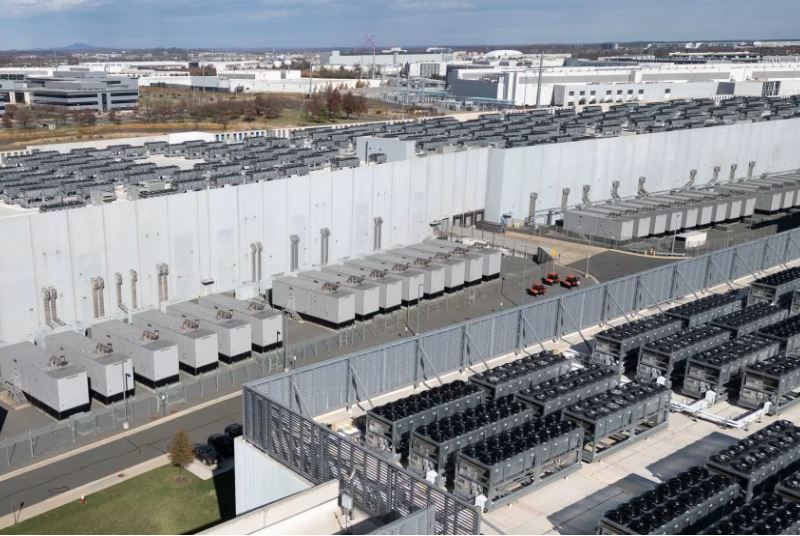
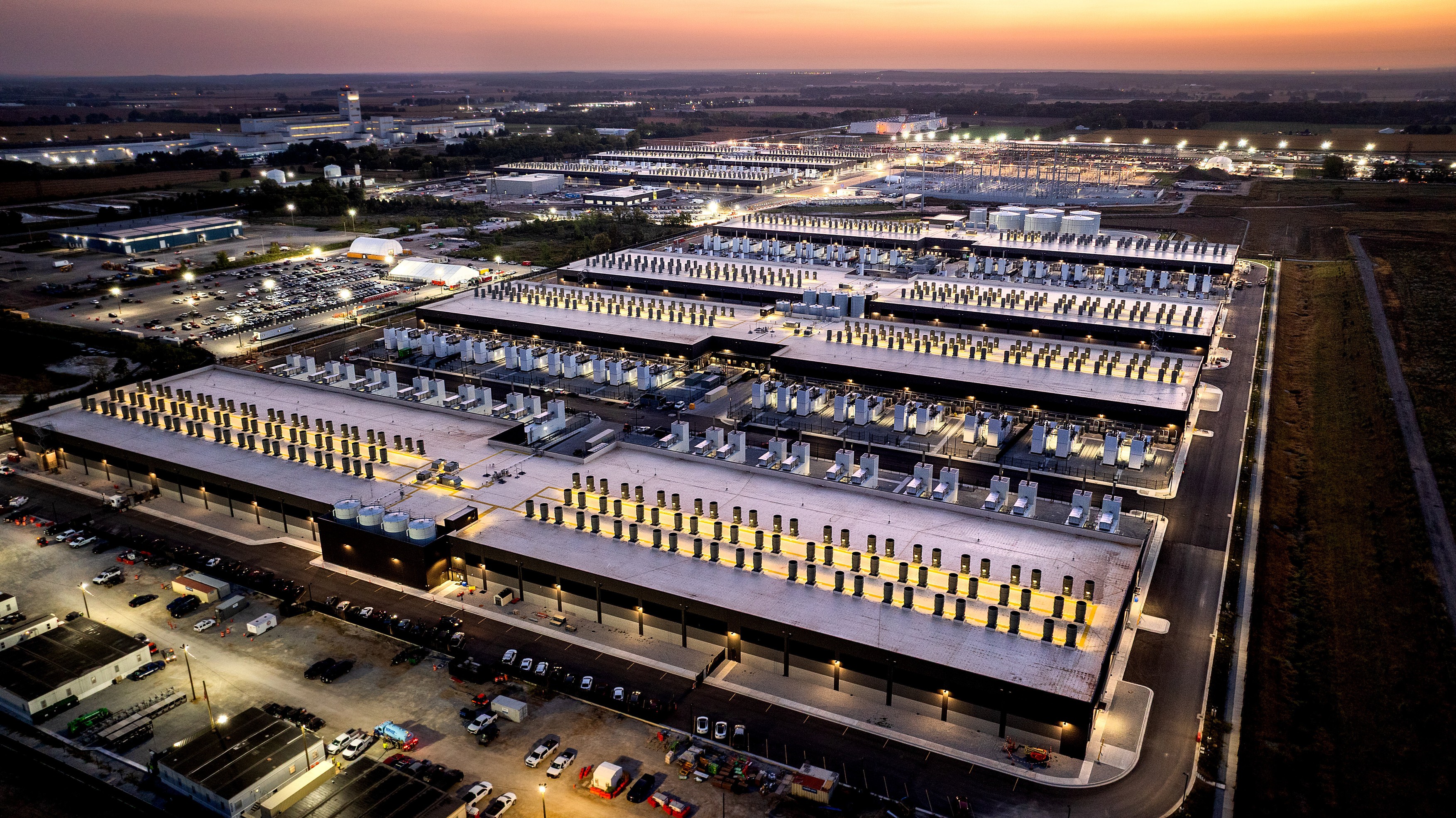
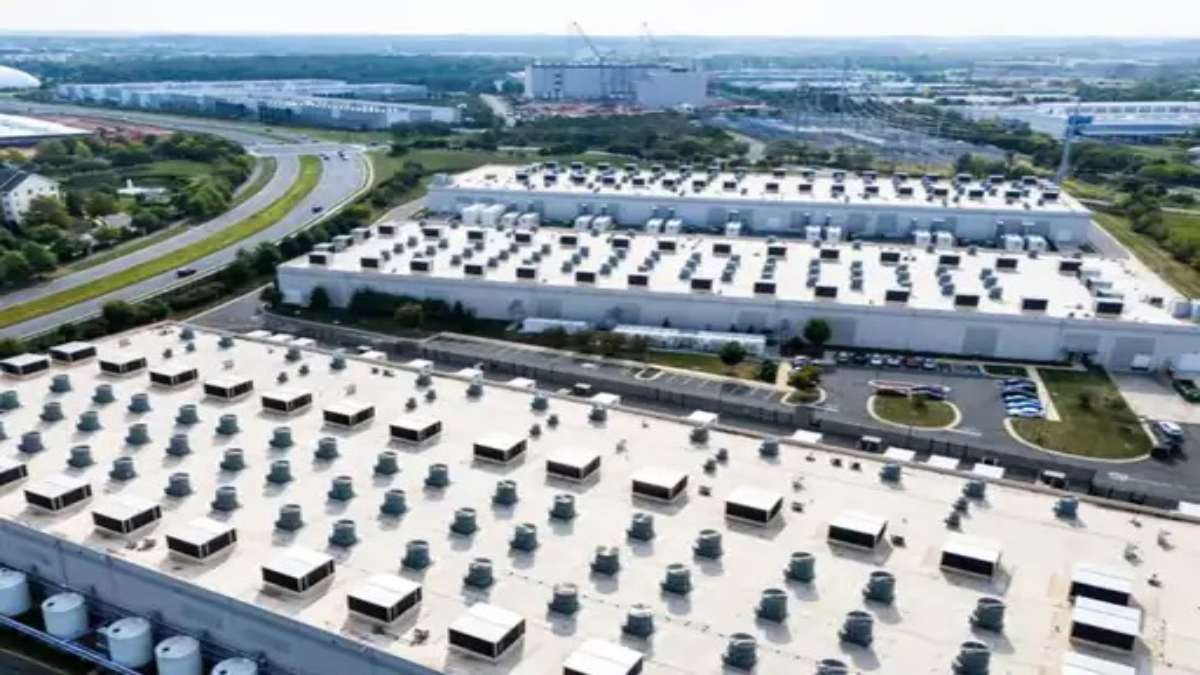
Research led by the University of Cambridge finds that AI data centers worldwide are creating 'heat islands,' raising local temperatures by up to 9°C (16°F) and affecting over 340 million people. The energy-intensive operation of these centers is causing significant environmental harm and community impact.[AI generated]

Why's our monitor labelling this an incident or hazard?

The article explicitly links the expansion of AI data centers to increased local temperatures, which constitutes harm to the environment and communities. The AI systems' development and use (data centers for AI computing) are directly causing this environmental harm. Therefore, this qualifies as an AI Incident under harm category (d) - harm to property, communities, or the environment.[AI generated]
AI principles
Sustainability

Industries
IT infrastructure and hosting

Affected stakeholders
General public

Harm types
Environmental

Severity
AI incident

AI system task:
Other


Articles about this incident or hazard

Thumbnail Image

AI - No2NuclearPower

2026-04-01
No2NuclearPower
Why's our monitor labelling this an incident or hazard?
The article explicitly links the expansion of AI data centers to increased local temperatures, which constitutes harm to the environment and communities. The AI systems' development and use (data centers for AI computing) are directly causing this environmental harm. Therefore, this qualifies as an AI Incident under harm category (d) - harm to property, communities, or the environment.
Thumbnail Image

Centros de dados criam "ilhas de calor": impacto ambiental da IA vai para além do consumo de energia

2026-03-31
RTP - Rádio Televisão Portuguesa
Why's our monitor labelling this an incident or hazard?
The article identifies an environmental effect (heat islands) caused by the operation of AI data centers, which are integral to AI systems. While this represents a significant environmental impact, the article does not report any realized harm such as injury, disruption, or rights violations, nor does it describe a specific event or incident. The information serves to enhance understanding of AI's environmental footprint and thus fits the definition of Complementary Information rather than an Incident or Hazard.
Thumbnail Image

AI data centres may be heating nearby areas, new study warns- Moneycontrol.com

2026-04-01
MoneyControl
Why's our monitor labelling this an incident or hazard?
The event involves AI systems indirectly through the infrastructure (data centres) required for AI computing. The heat generation and resulting local temperature increases represent an environmental impact that could plausibly lead to harm to communities and the environment in the future. However, the article does not report any direct injury, disruption, or violation caused by AI systems at this time, only a potential environmental hazard linked to AI data centre operations. Therefore, this qualifies as an AI Hazard due to the plausible future harm from AI infrastructure's environmental effects.
Thumbnail Image

Data centers create 'heat islands,' warming local land by up to 16 degrees

2026-03-31
The Independent
Why's our monitor labelling this an incident or hazard?
The event involves AI systems (data centers used to power AI) whose operation has directly led to environmental harm (localized warming affecting land and communities). This fits the definition of an AI Incident as the use of AI systems has caused harm to communities and the environment. The article provides concrete research data showing temperature increases attributable to AI data centers, indicating realized harm rather than just potential. Although the article discusses possible mitigation, the main focus is on the harm caused, not on responses or governance measures, so it is not Complementary Information. It is not an AI Hazard because harm is already occurring, and it is not Unrelated as the AI system's role is central.
Thumbnail Image

Data centers cause huge temperature spikes.

2026-04-01
lite.cnn.com
Why's our monitor labelling this an incident or hazard?
The event involves AI systems explicitly, namely AI hyperscale data centers. The research documents direct environmental harm—temperature spikes affecting large populations—caused by the energy-intensive operation of these AI data centers. This constitutes harm to communities and the environment (definition d). The harm is realized and measurable, not merely potential. Hence, it meets the criteria for an AI Incident rather than a hazard or complementary information. The article does not focus on responses or governance but on the harm itself.
Thumbnail Image

Data centers are so hot, their 'heat island' effect is raising temperatures up to 6 miles away and impacting 343 million people worldwide, study finds | Fortune

2026-04-01
Fortune
Why's our monitor labelling this an incident or hazard?
The event involves AI systems indirectly through the infrastructure supporting AI (data centers), which cause environmental and social impacts. While these impacts are significant and affect communities, they represent ongoing or potential harms rather than a discrete incident caused by AI system malfunction or misuse. The article primarily provides an analysis of risks and challenges related to AI infrastructure's energy consumption and environmental footprint, along with proposed mitigation approaches. Therefore, it fits best as Complementary Information, providing context and understanding of AI's broader ecosystem impacts rather than reporting a specific AI Incident or AI Hazard.
Thumbnail Image

Além da energia: data centers criam "ilhas de calor" e aumentam temperatura em até 9 °C

2026-03-31
Olhar Digital - O futuro passa primeiro aqui
Why's our monitor labelling this an incident or hazard?
The event involves AI systems indirectly through the data centers that support AI processing. The heat generated by these centers is a consequence of AI infrastructure use. While no direct harm has been reported yet, the study suggests a credible risk of environmental and community harm due to increased local temperatures. This fits the definition of an AI Hazard, as the development and use of AI systems could plausibly lead to significant environmental harm. The article does not report an actual incident or harm, nor does it focus on responses or updates, so it is not an AI Incident or Complementary Information. It is not unrelated because the AI infrastructure is central to the issue.
Thumbnail Image

Data Centers Causing Huge Temperature Spikes for Miles Around Them, Study Suggests

2026-04-01
Futurism
Why's our monitor labelling this an incident or hazard?
The event involves the use of AI systems (data centers providing AI services) whose operation has directly led to environmental harm in the form of significant local temperature increases affecting large populations. This meets the criteria for an AI Incident because the harm is realized (temperature spikes impacting communities and environment). Although the exact mechanism is debated, the connection to AI-related data centers is clear, and the harm is significant and ongoing. Therefore, this is not merely a potential hazard or complementary information but an AI Incident.
Thumbnail Image

Data centers are creating 'heat islands' on land around them - warming them by up to 16 degrees, researchers warn

2026-04-01
Democratic Underground
Why's our monitor labelling this an incident or hazard?
The event involves AI systems in the form of data centers powering AI workloads, whose operation is causing environmental harm through localized warming. This fits the definition of an AI Incident because the development and use of AI systems have directly led to harm to the environment and communities (harm category d). The article does not describe potential or future harm but reports on current measurable warming effects, so it is not an AI Hazard. It is not merely complementary information because the harm is clearly articulated and ongoing. Therefore, the classification is AI Incident.
Thumbnail Image

Data Centers create heat islands around themselves where temperatures go up up to 16 degrees farenheight.

2026-04-01
Democratic Underground
Why's our monitor labelling this an incident or hazard?
The event involves AI-related infrastructure (data centers powering AI) causing environmental warming effects, but this is an indirect consequence of energy use rather than a malfunction or misuse of an AI system itself. The article does not report any realized harm directly caused by AI system outputs or decisions, nor does it describe a plausible future harm from AI system behavior. Instead, it highlights a broader environmental impact associated with AI's energy demands, which is important contextual information but does not meet the criteria for AI Incident or AI Hazard. Hence, it fits the definition of Complementary Information.
Thumbnail Image

AI datacenters create heat islands around them, paper finds

2026-04-01
TheRegister.com
Why's our monitor labelling this an incident or hazard?
The event involves AI systems indirectly through the operation of AI datacenters, which consume large amounts of energy and generate heat, potentially causing environmental harm such as localized warming affecting communities. Although no direct harm has yet been reported, the plausible future harm from increased temperatures and emissions linked to AI datacenters' energy use fits the definition of an AI Hazard. The article primarily presents research findings and expert commentary on potential environmental impacts rather than reporting an actual incident or harm caused by AI systems. Therefore, it is best classified as an AI Hazard due to the credible risk of environmental harm from AI datacenter operations.
Thumbnail Image

Data Centers Make Life Even Hotter For The People Around Them

2026-04-01
Crooks and Liars
Why's our monitor labelling this an incident or hazard?
The event involves AI systems because the data centers power AI computations. The harm is environmental warming affecting large populations, which fits harm to communities and environment. The harm is realized, not hypothetical, as temperature increases have been measured and mapped. The AI systems' development and use (energy-intensive AI computations) directly contribute to this harm. Hence, this is an AI Incident.
Thumbnail Image

Centros de dados de IA geram ilhas de calor e elevam temperaturas em até 10 km - Jornal de Brasília

2026-03-31
Jornal de Brasília
Why's our monitor labelling this an incident or hazard?
The event involves AI systems insofar as the data centers support AI operations, and their energy consumption leads to environmental temperature increases. However, no direct or indirect harm from AI system malfunction or misuse is reported. The article focuses on potential environmental and societal impacts that could plausibly lead to harm in the future, such as worsening heat waves and climate effects. This fits the definition of an AI Hazard, as the development and use of AI infrastructure could plausibly lead to significant environmental and societal harm, but no specific AI Incident has occurred yet.
Thumbnail Image

AI data centers raise nearby land temps by up to 9.1°C

2026-04-01
BetaNews
Why's our monitor labelling this an incident or hazard?
The event involves AI systems explicitly, namely AI data centers with large computing clusters supporting AI operations. The research demonstrates that the operation of these AI data centers has directly led to measurable warming of surrounding land areas, which affects local populations and ecosystems, thus causing harm to communities and the environment. This fits the definition of an AI Incident because the AI systems' use has directly led to harm (environmental warming impacting communities). The article also discusses legislative and policy responses, but the main focus is on the realized environmental harm from AI data centers, not just potential or complementary information.
Thumbnail Image

Data Centers Causing Huge Temperature Spikes for Miles Around Them, Study Suggests

2026-04-01
End Time Headlines
Why's our monitor labelling this an incident or hazard?
The event involves AI systems indirectly through the data centers that provide cloud computing and AI services. The heat generation and resulting temperature spikes constitute harm to the environment and communities (harm category d). Although the harm is indirect and environmental rather than physical injury, it is significant and clearly articulated. The AI systems themselves are not malfunctioning or causing direct harm, but their operation requires massive data centers whose energy consumption and heat output cause environmental harm. Therefore, this qualifies as an AI Incident due to indirect harm caused by AI system infrastructure.
Thumbnail Image

New Study Reveals the Area Surrounding Data Centers Is 16 Degrees Warmer Than Normal - RELEVANT

2026-03-31
RELEVANT
Why's our monitor labelling this an incident or hazard?
The event involves AI systems indirectly through the operation of data centers that power AI. The study identifies a harm—localized environmental warming affecting communities—which falls under harm to communities and the environment. Although the harm is indirect and environmental rather than physical injury, it is a significant, clearly articulated harm where AI systems' development and use play a pivotal role. Therefore, this qualifies as an AI Incident due to realized harm linked to AI system infrastructure.
Thumbnail Image

Study: AI Data Centers Raise Local Temperatures by 2-9 Degrees Celsius

2026-04-01
TEMPO.CO
Why's our monitor labelling this an incident or hazard?
The event involves AI systems (AI data centers) whose operation leads to increased local temperatures, which constitutes harm to the environment and communities. However, the article presents this as a research finding and ongoing impact rather than a discrete incident or accident. There is no description of a sudden or discrete event causing injury or damage, but rather a chronic environmental effect. Therefore, this qualifies as Complementary Information, providing important context and evidence about AI's environmental impact, but not describing a specific AI Incident or an immediate AI Hazard.
Thumbnail Image

Study find AI data centres drive localised heat surge, raising energy and climate concerns

2026-03-30
Green Building Africa
Why's our monitor labelling this an incident or hazard?
The event involves the use of AI systems (AI data centres with advanced AI chips) and their operation leading to environmental harm (localized temperature increases affecting communities). However, the article describes the harm as ongoing and realized (temperature increases up to 9.1°C affecting 340 million people), which constitutes harm to communities and the environment. Since the harm is occurring and directly linked to the use of AI systems, this qualifies as an AI Incident. The article does not merely discuss potential future harm or general AI developments but reports on a concrete environmental impact caused by AI infrastructure.
Thumbnail Image

No joke: data centers are warming the planet

2026-04-02
Network World
Why's our monitor labelling this an incident or hazard?
The event involves AI-related infrastructure (data centers supporting AI hyperscalers) and their environmental impact, which is a plausible concern for harm to the environment. However, the article presents research findings and expert opinions without describing any realized harm or incident caused by AI systems. There is no direct or indirect harm reported, nor a specific event of malfunction or misuse. The focus is on understanding and interpreting environmental data and implications for future sustainability strategies. Therefore, this qualifies as Complementary Information, as it provides important context and analysis about AI infrastructure's environmental impact without reporting an AI Incident or AI Hazard.
Thumbnail Image

Centros de dados de IA criam "ilhas de calor" e elevam temperatura regional - News Rondônia

2026-04-01
News Rondonia
Why's our monitor labelling this an incident or hazard?
The event involves the use of AI systems, specifically large data centers that support AI operations. The study documents direct environmental harm—significant local temperature increases affecting millions of people and ecosystems—caused by the heat output of these AI data centers. This constitutes harm to communities and the environment, fulfilling the criteria for an AI Incident. The harm is realized, not just potential, and the AI system's operation is a direct contributing factor. Hence, the classification as AI Incident is appropriate.
Thumbnail Image

Impacto ambiental da IA: centros de dados criam "ilhas de calor"

2026-03-31
Agência Brasil
Why's our monitor labelling this an incident or hazard?
The event involves AI systems indirectly through the data centers that power them, which consume large amounts of energy and generate heat, causing environmental harm (heat islands). However, the article does not describe a direct AI Incident (no immediate injury, rights violation, or operational disruption caused by AI malfunction or misuse). Nor does it describe a specific AI Hazard event where harm is plausible but not realized in a particular incident. Instead, it presents research findings and expert commentary on the environmental impact of AI infrastructure, which is a broader contextual and governance issue. Therefore, this fits best as Complementary Information, providing important context and raising awareness about AI's environmental footprint and the need for sustainable development practices.
Thumbnail Image

Datacenters Are Creating 'Heat Islands' Around Them - And Things Are Looking Dire

2026-04-01
Wonderful Engineering
Why's our monitor labelling this an incident or hazard?
The event involves AI systems indirectly through the infrastructure supporting AI computation (data centers). The research suggests that the operation of these AI-related data centers could plausibly lead to environmental harm (localized temperature increases affecting communities and ecosystems). No direct harm has been reported yet, and the findings are preliminary, indicating a credible risk rather than a realized incident. The article focuses on potential environmental impacts linked to AI infrastructure growth, which aligns with the definition of an AI Hazard. It is not Complementary Information because it introduces new potential harm rather than updates or responses to existing incidents. It is not Unrelated because AI infrastructure is central to the discussion.
Thumbnail Image

AI data centres can warm surrounding areas by up to 9.1°C · EMSNow

2026-03-29
EMSNow
Why's our monitor labelling this an incident or hazard?
The event involves AI systems (AI-powered data centres) whose operation produces heat that affects surrounding environments. This heat generation and its impact on local temperatures could plausibly lead to harm to communities and the environment, fitting the definition of an AI Hazard. There is no specific reported incident of realized harm or injury, only a forecasted or ongoing environmental effect that poses a risk. Therefore, the classification is AI Hazard rather than AI Incident. It is not Complementary Information because the article is not updating or responding to a prior incident but rather highlighting a new environmental risk. It is not Unrelated because AI systems are central to the described effect.
Thumbnail Image

Data centers are so hot, their 'heat island' effect is raising temperatures up to 6 miles away and impacting 343 million people worldwide, study finds

2026-04-01
DNYUZ
Why's our monitor labelling this an incident or hazard?
The event involves AI systems (data centers running AI workloads) whose use has directly led to environmental and social harms (heat island effect, noise pollution, water usage, increased energy costs impacting communities). These harms fall under harm to communities and environment. Since the harms are ongoing and realized, this qualifies as an AI Incident rather than a hazard or complementary information. The article does not focus on a response or update to a prior incident but reports on a new, significant harm caused by AI infrastructure use. Therefore, the classification is AI Incident.
Thumbnail Image

Study Reveals Data Centers Dramatically Increase Local Temperature

2026-04-01
El-Balad.com
Why's our monitor labelling this an incident or hazard?
The event involves AI systems indirectly through the data centers that support AI computing, but the reported harm is environmental temperature increase, which is a broader environmental impact rather than a direct or indirect AI Incident as defined. There is no indication that the AI systems themselves malfunctioned or were misused to cause harm, nor is there a plausible immediate future harm from AI system operation described. The article focuses on research findings and expert commentary, emphasizing the need for further study and understanding. This aligns with the definition of Complementary Information, providing supporting context about AI's environmental footprint without describing a specific incident or hazard.
Thumbnail Image

Scientists have found an alarming environmental impact of vast data centers - The Financial Gazette

2026-04-01
The Financial Gazette
Why's our monitor labelling this an incident or hazard?
The event involves AI systems in the form of AI hyperscale data centers whose operation has directly led to increased local temperatures, harming the environment and communities by creating heat islands. The harm is realized and documented by research, not merely potential. The AI system's use (operation of data centers for AI computation) is the cause of the environmental harm. Hence, this qualifies as an AI Incident rather than a hazard or complementary information.
Thumbnail Image

Scientists sound alarm over growing 'heat islands' surrounding data centers

2026-04-01
The Cool Down
Why's our monitor labelling this an incident or hazard?
The event involves AI systems insofar as the data centers support AI workloads, and their operation leads to increased local temperatures, which can harm communities and public health. This fits the definition of harm to communities and the environment (d). Since the harm is ongoing and has materialized (temperature rises affecting millions), it qualifies as an AI Incident. The AI system's development and use (the data centers running AI workloads) have directly or indirectly led to environmental harm. Although the research is preliminary, the temperature increases are observed and linked to data center operation, so this is not merely a plausible future harm but an actual ongoing harm. Therefore, the event is best classified as an AI Incident.
Thumbnail Image

Overlooked heat footprint of AI data centers revealed

2026-03-31
Qazinform.com
Why's our monitor labelling this an incident or hazard?
The event involves AI systems (AI data centers running AI workloads) whose operation has directly led to environmental harm (local temperature increases affecting communities). This fits the definition of an AI Incident because the AI systems' use (operation of AI data centers) has directly caused harm to communities and the environment. The article does not merely warn of potential future harm but documents realized environmental impact. Therefore, the classification is AI Incident.
Thumbnail Image

Impacto ambiental da IA: centros de dados criam "ilhas de calor"

2026-03-31
TDTNEWS
Why's our monitor labelling this an incident or hazard?
The article focuses on the potential environmental harm from the expansion of AI data centers, which are integral to AI system operation. While no direct harm has yet occurred or been reported, the described scenario plausibly could lead to significant environmental and societal harm in the future, fitting the definition of an AI Hazard. There is no indication of a current incident or harm, nor is the article primarily about responses or updates to past incidents, so it is not Complementary Information. Therefore, the event is best classified as an AI Hazard due to the credible risk of future harm from AI infrastructure expansion.
Thumbnail Image

Is AI heating Earth? Scientists find data centers creating heat islands, raising temp by 9 degrees Celsius

2026-04-02
WION
Why's our monitor labelling this an incident or hazard?
The event involves AI systems in the form of data centres running AI workloads, whose operation leads to increased local temperatures, a form of environmental harm affecting communities. Although the harm is indirect and environmental rather than immediate physical injury, it fits the definition of an AI Incident because the AI system's use has directly led to harm to communities and the environment (harm category d). The article reports realized harm (temperature increases and associated environmental effects), not just potential harm, so this is not merely a hazard. Therefore, the event qualifies as an AI Incident.
Thumbnail Image

Estudo aponta que centros de dados de IA podem elevar temperatura em até 10 km ao redor

2026-04-02
Jornal Panorama Minas
Why's our monitor labelling this an incident or hazard?
The event involves AI systems indirectly through the operation of AI data centers, which are essential infrastructure for AI development and deployment. The reported temperature increases represent environmental harm (harm to communities and environment) potentially caused by these AI-related facilities. Since the harm is not yet fully confirmed and the study is preliminary, this constitutes a plausible future harm scenario rather than a confirmed incident. Therefore, this qualifies as an AI Hazard, as the development and use of AI systems (via data centers) could plausibly lead to significant environmental harm.
Thumbnail Image

Scientists have found an alarming environmental impact of vast data centers

2026-03-30
Aol
Why's our monitor labelling this an incident or hazard?
The event involves AI systems indirectly through the operation of AI data centers (hyperscalers) that power AI applications. The research shows these data centers cause significant local warming, an environmental harm affecting communities and potentially human welfare. Although no direct injury or immediate harm is documented, the plausible future harm from expanding AI data centers' heat emissions and their contribution to climate-related risks is credible. The article focuses on the potential environmental and societal impacts of AI infrastructure, fitting the definition of an AI Hazard rather than an Incident or Complementary Information.
Thumbnail Image

AI Data Centres Raise Local Temperatures By 2 Degrees Celsius, Impacting 34 Crore People: Study

2026-03-31
NDTV
Why's our monitor labelling this an incident or hazard?
The event involves AI systems in the form of data centres supporting AI operations. The study documents a direct environmental harm—temperature increases and heat island effects—that affect millions of people, which fits the definition of harm to communities and the environment. The harm is realized, not just potential, as the temperature rise is already occurring. The AI systems' use (data centres running AI workloads) is the cause of this harm. Hence, this is an AI Incident rather than a hazard or complementary information.
Thumbnail Image

AI Data centres creating heat islands, raising temp by 9°C, scientists confirm

2026-03-31
India Today
Why's our monitor labelling this an incident or hazard?
The event involves AI systems explicitly through the operation of AI data centres. The study confirms that these centres cause measurable temperature increases (heat islands) affecting over 340 million people, which constitutes harm to communities and the environment (harm categories d). The harm is realized and ongoing, not merely potential. The AI systems' use (operation of data centres running AI workloads) is the direct cause of the heat island effect. This fits the definition of an AI Incident because the development and use of AI systems have directly led to environmental and community harm. The article does not focus on mitigation or policy responses, so it is not Complementary Information. It is not an AI Hazard because harm is already occurring. Therefore, the correct classification is AI Incident.
Thumbnail Image

Scientists have found an alarming environmental impact of vast data centres

2026-03-30
Pulse24.com
Why's our monitor labelling this an incident or hazard?
The event involves AI systems explicitly, namely AI hyperscale data centres that power AI computations. The research shows these data centres cause measurable temperature increases affecting large populations, which constitutes harm to communities and the environment. The harm is directly linked to the use of AI systems (their energy-intensive operation). This is not merely a potential or future risk but an observed impact, so it is an AI Incident rather than a hazard. The article does not focus on responses or policy but on the harm itself, so it is not Complementary Information. It is not unrelated because the AI system's operation is central to the harm described.
Thumbnail Image

AI data centres can warm surrounding areas by up to 9.1°C

2026-03-27
New Scientist
Why's our monitor labelling this an incident or hazard?
The event involves AI systems because the data centres power AI workloads, and their operation leads to increased heat emissions. The harm is environmental warming affecting communities, which fits the definition of harm to communities or the environment. The article describes realized warming effects but does not report an acute incident causing injury or disruption; rather, it highlights a gradual environmental impact and potential future risks. Thus, it is best classified as an AI Hazard, reflecting plausible and ongoing environmental harm from AI system operation rather than a discrete AI Incident.
Thumbnail Image

AI data centres can warm surrounding areas by up to 9.1degrees C (New Scientist, March 27 - and that's 16.4 degrees F)

2026-03-29
Democratic Underground
Why's our monitor labelling this an incident or hazard?
The event involves AI systems insofar as it concerns AI data centres whose operation requires substantial energy, causing measurable environmental warming. This warming constitutes harm to the environment, which fits the definition of harm (d) under AI Incident. The harm is realized and documented through satellite data, not merely potential. Therefore, this qualifies as an AI Incident due to the direct link between AI system operation and environmental harm.
Thumbnail Image

AI data centers could make your neighborhood hotter by 9°C

2026-03-31
NewsBytes
Why's our monitor labelling this an incident or hazard?
The event involves AI systems insofar as it concerns AI data centers (infrastructure supporting AI operations), but the article only reports on environmental temperature changes correlated with these centers. There is no indication of harm caused by AI system malfunction, misuse, or development leading to injury, rights violations, or other harms. The potential environmental impact is a broader systemic effect rather than a direct or plausible immediate AI hazard or incident. Therefore, this is best classified as Complementary Information, providing context on AI's environmental impact without describing a specific AI Incident or Hazard.
Thumbnail Image

Scientists have found an alarming environmental impact of vast data centers

2026-03-30
WAOW
Why's our monitor labelling this an incident or hazard?
The event involves AI systems in the form of hyperscale data centers that power AI, which are explicitly mentioned. The research documents a direct environmental harm (heat island effect) caused by these data centers, which affects the environment and communities (over 340 million people). This fits the definition of an AI Incident because the AI systems' use has directly led to harm to communities and the environment. Although the article also discusses potential future impacts, the current realized harm is sufficient to classify this as an AI Incident rather than a hazard or complementary information.
Thumbnail Image

AI data centres create heat islands, raise temperatures up to 16.4°F, study warns

2026-03-31
storyboard18.com
Why's our monitor labelling this an incident or hazard?
The study links the operation of AI data centres (AI systems) to increased local temperatures, which could plausibly lead to harm to communities and the environment (harm category d). Although no direct injury or damage is reported yet, the environmental warming effect is a credible risk that could escalate as AI infrastructure grows. The article focuses on the potential and observed environmental impact rather than a response or remediation, so it is not Complementary Information. It is not unrelated because AI data centres are explicitly involved and the environmental impact is a plausible harm. Hence, the classification is AI Hazard.
Thumbnail Image

Centrele de date creează "insule de căldură"

2026-03-31
B1TV.ro
Why's our monitor labelling this an incident or hazard?
The article involves AI systems indirectly through the data centers that power AI, which are causing environmental harm by increasing local temperatures. This constitutes a significant, clearly articulated harm (environmental harm) linked to AI infrastructure. However, the harm is described as ongoing and systemic rather than a discrete incident caused by a specific AI system malfunction or misuse. There is no direct causal event or incident described, only a broad environmental impact and potential future risks. Therefore, this fits best as Complementary Information, providing context and understanding about AI's environmental footprint and its broader societal implications, rather than reporting a discrete AI Incident or AI Hazard.
Thumbnail Image

Cercetătorii au descoperit un efect alarmant al centrelor de date masive necesare pentru AI - HotNews.ro

2026-04-01
HotNews.ro
Why's our monitor labelling this an incident or hazard?
The event involves AI systems indirectly through the operation of large data centers that support AI. The research shows these centers cause measurable environmental warming, which can harm communities and the environment. However, the harm is currently observed as an environmental effect without direct injury or legal rights violations. The article emphasizes the potential for future harm as AI data centers grow, fitting the definition of an AI Hazard (plausible future harm). There is no indication of a direct AI Incident (realized harm) or a governance or response update that would classify this as Complementary Information. It is not unrelated since AI data centers are central to the report.
Thumbnail Image

Cercetătorii au descoperit un impact asupra mediului al centrelor de date de mari dimensiuni

2026-03-31
Stiri pe surse
Why's our monitor labelling this an incident or hazard?
The event involves AI systems indirectly through the operation of large AI data centers (AI infrastructure) that consume massive energy and cause measurable environmental harm by increasing local temperatures. This environmental impact affects large populations and is a form of harm to communities and the environment as defined. The harm is realized, not just potential, as temperature increases have been measured and correlated with AI data center activity. Hence, this qualifies as an AI Incident due to harm (d) to the environment and communities caused by AI system operation.
Thumbnail Image

Oamenii de știință au descoperit un impact alarmant al marilor centre de date pentru AI

2026-03-31
spotmedia.ro
Why's our monitor labelling this an incident or hazard?
The event involves AI systems indirectly through the operation of large AI data centers that support AI computations. The research identifies a significant environmental effect—localized temperature increases—that could plausibly lead to harm affecting communities and the environment. However, the article does not report any direct or realized harm such as injury, rights violations, or operational disruption caused by AI systems. Instead, it highlights a credible risk of future harm due to the expansion of AI infrastructure. Thus, the event fits the definition of an AI Hazard, as it plausibly could lead to an AI Incident but has not yet done so.
Thumbnail Image

Oamenii de știință au descoperit un impact alarmant asupra mediului al uriașelor centre de date - Aktual24

2026-03-31
Aktual24
Why's our monitor labelling this an incident or hazard?
The event involves AI systems insofar as the data centers are described as "hyperscale" centers supporting AI workloads, implying the presence and use of AI systems. The harm is environmental (heat island effect and increased local temperatures), affecting communities and ecosystems, which fits the definition of harm to property, communities, or the environment. Since the harm is occurring and linked to the AI system's operation, this qualifies as an AI Incident rather than a hazard or complementary information. The article does not merely discuss potential or future harm but documents actual measured impacts.
Thumbnail Image

AI डेटा सेंटर से बढ़ रहा तापमान, करोड़ों लोग प्रभावित, कैम्ब्रिज यूनिवर्सिटी ने किया विश्लेषण

2026-04-02
Patrika News
Why's our monitor labelling this an incident or hazard?
The study highlights a clear harm to the environment and communities due to the heat generated by AI data centers, which are integral to AI system operations. Although the harm is indirect (environmental temperature rise affecting populations), it fits the definition of harm to communities and the environment caused by AI system use. Therefore, this qualifies as an AI Incident because the AI systems' operation has directly led to environmental harm affecting large populations.
Thumbnail Image

AI Data Centres Heat Island Effect : AI डेटा सेंटर्स से बढ़ रहा धरती का तापमान, जानिए भारत में कहां कितने सेंटर ? - Lalluram

2026-04-01
लल्लूराम
Why's our monitor labelling this an incident or hazard?
The event involves AI systems explicitly (AI data centers running AI models) whose operation has directly led to increased local temperatures and environmental harm, affecting millions of people. The heat island effect and associated increased energy consumption and pollution represent realized harm to communities and health. Therefore, this is an AI Incident rather than a hazard or complementary information, as the harm is materialized and directly linked to AI system use.
Thumbnail Image

AI Data Centers Raising City Temperatures | Study Warns of 2°C Heat Increase | चेतावनी! AI की रफ्तार से बढ़ी गर्मी! डेटा सेंटर से बढ़ रहा शहरों का तापमान

2026-04-03
Newstrack
Why's our monitor labelling this an incident or hazard?
The event involves AI systems explicitly (AI data centers running AI workloads) whose operation directly leads to increased local temperatures, causing environmental harm and health risks. The study provides evidence of realized harm (temperature rise affecting communities and health), not just potential harm. Therefore, this qualifies as an AI Incident under the framework, as the AI system's use has directly led to harm to communities and health.
Thumbnail Image

AI डेटा-सेंटर्स से बढ़ रहा है धरती का तापमान: आस-पास के इलाकों में 2 डिग्री तक गर्मी बढ़ी, 34 करोड़ लोगों पर असर; स्टडी में खुलासा

2026-03-31
Money Bhaskar
Why's our monitor labelling this an incident or hazard?
The event describes realized harm caused by the operation of AI data centers, which are AI systems or infrastructure supporting AI systems. The harm includes increased local temperatures (environmental harm) and potential health impacts on millions of people, which aligns with harm to communities and the environment. The AI systems' use (data centers running AI workloads) is directly linked to this harm. Hence, this qualifies as an AI Incident rather than a hazard or complementary information.
Thumbnail Image

रिसर्च-AI डेटा सेंटर्स से बढ़ रहा धरती का टेम्परेचर: सेंटर्स के आसपास के 2 डिग्री तक गर्मी बढ़ी, 34 करोड़ लोगों पर असर

2026-03-31
Money Bhaskar
Why's our monitor labelling this an incident or hazard?
The event involves AI systems in the form of AI data centers whose operation leads to increased local temperatures and associated environmental and health harms. The harms are realized and documented by scientific research, including effects on millions of people and increased carbon emissions. This fits the definition of an AI Incident because the use of AI infrastructure has directly led to harm to communities and the environment (harm categories d). Although the article also discusses potential future risks related to energy consumption, the primary focus is on realized harm from current AI data center operations.
Thumbnail Image

भारत समेत दुनियाभर में इंटरनेट ठप होने का खतरा: रिसर्च-AI डेटा सेंटर्स से बढ़ रहा धरती का तापमान, TVS अपाचे RTR 160 4V लॉन्च

2026-04-01
Money Bhaskar
Why's our monitor labelling this an incident or hazard?
The research about AI data centers causing local temperature increases involves the use of AI systems and their environmental impact, which fits the definition of an AI Hazard as it could plausibly lead to harm to the environment. There is no indication of actual injury, disruption, or violation caused yet, so it is not an AI Incident. The rest of the article's content is unrelated to AI or AI harms. Hence, the classification is AI Hazard.
Thumbnail Image

AI Data Centres बढ़ा रहे हैं धरती का तापमान, 34 करोड़ लोगों पर पड़ रहा असर

2026-04-01
TV9 Bharatvarsh
Why's our monitor labelling this an incident or hazard?
The event involves AI systems because the data centers are built to support AI tools and their operations. The harm is environmental, with increased local temperatures and water usage affecting millions of people, which fits the definition of harm to communities and the environment. The harm is realized and ongoing, not just potential. Therefore, this qualifies as an AI Incident due to indirect harm caused by the use of AI systems (data centers running AI workloads) leading to environmental harm affecting a large population.
Thumbnail Image

हजार घरों का पानी पी जाता है एक AI Data Centre, 1 साल में इतना गैलन हो रहा बर्बाद

2026-04-03
TV9 Bharatvarsh
Why's our monitor labelling this an incident or hazard?
The article focuses on the environmental resource consumption (water usage) by AI data centers, which is a contextual and ecosystem-level concern. However, it does not describe any realized harm or incident caused by AI systems, nor does it indicate a specific event where AI use or malfunction led to harm or plausible future harm. Therefore, it does not qualify as an AI Incident or AI Hazard. It is best classified as Complementary Information because it provides important contextual information about AI's environmental impact and sustainability challenges, aiding understanding of broader AI ecosystem implications.
Thumbnail Image

AI डेटा सेंटर की वजह से बर्बाद हो रहा है अरबों गैलन पानी, पर्यावरण को खतरा

2026-04-03
Yashbharat.com
Why's our monitor labelling this an incident or hazard?
While AI systems are involved as the data centers support AI model training and operation, the article focuses on the environmental impact of water consumption, which is a plausible future harm rather than a realized harm. There is no direct or indirect harm reported yet, only a warning about potential environmental consequences. Therefore, this qualifies as an AI Hazard, as the AI system's use could plausibly lead to harm to the environment in the future.
Thumbnail Image

Stiamo costruendo troppi data center per l'intelligenza artificiale?

2026-03-31
Il Post
Why's our monitor labelling this an incident or hazard?
The article does not mention any AI system causing harm or malfunction, nor does it describe any event where AI use or development has led or could plausibly lead to injury, rights violations, disruption, or other harms. Instead, it provides a broad overview of the AI infrastructure expansion and financial speculation risks, which are contextual and forward-looking but do not constitute an AI Incident or AI Hazard. Therefore, it fits best as Complementary Information, providing important context and understanding of the AI ecosystem and its economic and environmental challenges.
Thumbnail Image

Il calore dei data center AI si sente a 10 km di distanza

2026-04-02
Punto Informatico
Why's our monitor labelling this an incident or hazard?
The article clearly involves AI systems because it focuses on data centers that power AI computations. The heat generated is a direct consequence of AI system operation. However, the article does not describe any realized harm or incident caused by this heat increase, only potential environmental concerns and ongoing research. There is no indication of injury, rights violations, or other harms occurring or imminent. The discussion is about environmental impact and energy consumption, which is a broader ecosystem context rather than a specific incident or hazard. Thus, it fits the definition of Complementary Information, enhancing understanding of AI's environmental effects without reporting an AI Incident or AI Hazard.
Thumbnail Image

Cosa sapere sui piani per uno dei maggiori data center IA d'Europa

2026-03-31
euronews
Why's our monitor labelling this an incident or hazard?
The article focuses on the development and expansion of AI data center infrastructure, which is essential for AI system operation but does not itself constitute an AI Incident or AI Hazard. There is no mention of harm caused or plausible harm that could arise from these data centers. The information is about the AI ecosystem's growth and capacity, which fits the definition of Complementary Information as it provides context and background on AI infrastructure without describing specific harms or risks.
Thumbnail Image

AI. I grandi data center creano nuove 'isole di calore'

2026-04-02
Key4biz
Why's our monitor labelling this an incident or hazard?
The event involves AI systems indirectly through the operation of large AI data centers, which generate heat as a byproduct of their energy consumption. The study shows measurable temperature increases around these centers, which could plausibly lead to harm to communities and the environment (heat stress, ecosystem impact). Since no direct harm or incident has occurred yet, and the article focuses on research findings highlighting potential environmental risks, this fits the definition of an AI Hazard rather than an AI Incident. It is not merely complementary information because the study reveals a new plausible risk linked to AI infrastructure, not just background or response information.