OpenAI Codex Flaw Exposed GitHub Credentials via Command Injection

Thumbnail Image

The information displayed in the AIM should not be reported as representing the official views of the OECD or of its member countries.

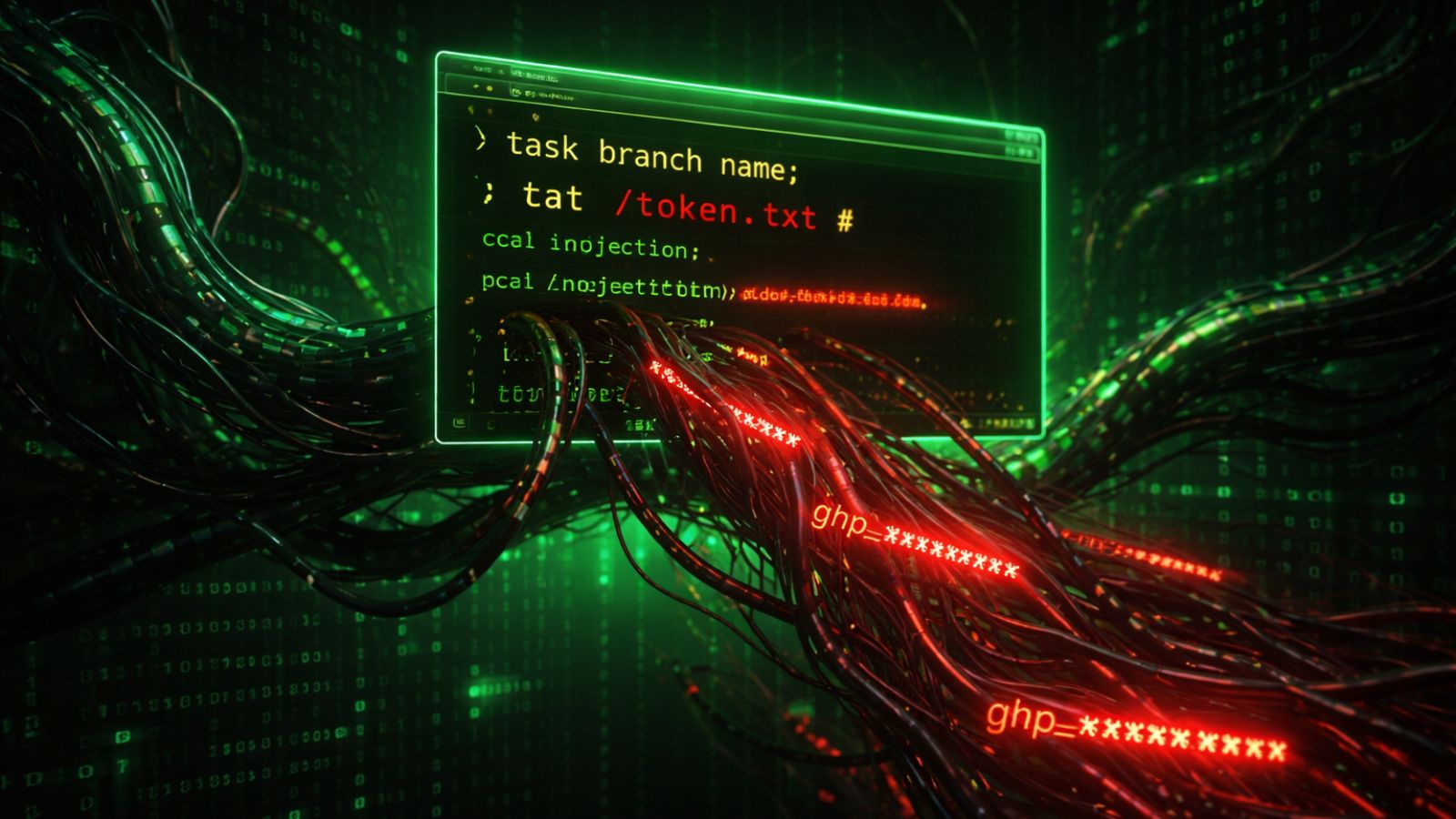
A critical vulnerability in OpenAI's Codex coding agent allowed attackers to exploit unsanitized branch names, enabling command injection and theft of GitHub OAuth tokens. This flaw exposed developers' credentials and private repositories, risking unauthorized access and enterprise security breaches. OpenAI has since patched the vulnerability after researchers demonstrated its exploitability.[AI generated]

Why's our monitor labelling this an incident or hazard?

The article explicitly identifies OpenAI's Codex, an AI system, as having a critical command injection flaw that could be exploited to steal authentication tokens, enabling unauthorized access and lateral movement within GitHub projects. This represents a direct security harm linked to the AI system's malfunction. Although the flaw has been patched, the incident of the vulnerability existing and being exploitable meets the criteria for an AI Incident due to realized harm or risk of harm to organizational property and security. The involvement of the AI system in the vulnerability and the resulting security implications justify classification as an AI Incident rather than a hazard or complementary information.[AI generated]
AI principles
Privacy & data governanceRobustness & digital security

Industries
Digital securityIT infrastructure and hosting

Affected stakeholders
ConsumersBusiness

Harm types
Economic/PropertyReputational

Severity
AI incident

Business function:
Research and development

AI system task:
Content generation


Articles about this incident or hazard

Thumbnail Image

'Not just development tools': Security experts discover critical flaw in OpenAI's Codex which could compromise entire enterprise organizations

2026-03-31
TechRadar
Why's our monitor labelling this an incident or hazard?
The article explicitly identifies OpenAI's Codex, an AI system, as having a critical command injection flaw that could be exploited to steal authentication tokens, enabling unauthorized access and lateral movement within GitHub projects. This represents a direct security harm linked to the AI system's malfunction. Although the flaw has been patched, the incident of the vulnerability existing and being exploitable meets the criteria for an AI Incident due to realized harm or risk of harm to organizational property and security. The involvement of the AI system in the vulnerability and the resulting security implications justify classification as an AI Incident rather than a hazard or complementary information.
Thumbnail Image

OpenAI Codex Command Injection Flaw Exposes GitHub Tokens

2026-03-30
TechNadu
Why's our monitor labelling this an incident or hazard?
The event explicitly involves an AI system (OpenAI Codex) whose malfunction (lack of input sanitization leading to command injection) directly caused harm by exposing sensitive credentials (GitHub tokens, API keys). This exposure enables unauthorized access and potential further harm to property and organizational security. The harm is realized, not just potential, and the AI system's role is pivotal in the incident. Therefore, this qualifies as an AI Incident under the framework definitions.
Thumbnail Image

OpenAI Codex vulnerability enabled GitHub token theft via command injection, report finds - SiliconANGLE

2026-03-30
SiliconANGLE
Why's our monitor labelling this an incident or hazard?
The event involves an AI system (OpenAI Codex) whose malfunction (improper input handling leading to command injection) directly led to a security breach risk involving theft of authentication tokens. This constitutes a violation of security and potentially intellectual property rights, as well as harm to organizational resources. The harm is realized or at least directly demonstrated by the researchers' successful extraction of tokens and the plausible exploitation scenarios described. Therefore, this qualifies as an AI Incident due to direct harm caused by the AI system's vulnerability and its exploitation potential.
Thumbnail Image

OpenAI's Codex Has a Security Hole That Could Hand Attackers the Keys to Your Enterprise

2026-03-31
WebProNews
Why's our monitor labelling this an incident or hazard?
The event explicitly involves an AI system (OpenAI's Codex) and details a demonstrated vulnerability that allows malicious actors to manipulate the AI to execute harmful commands. This leads directly to potential harm to enterprise property and security, fulfilling the criteria for an AI Incident. The harm is realized in the form of a security breach risk, not merely a theoretical hazard. The article also discusses the broader implications and responses but the core event is a concrete AI Incident involving malfunction and misuse of an AI system causing harm.
Thumbnail Image

OpenAI's Coding Agent Flaw Exposed GitHub Passwords

2026-03-31
DataBreachToday
Why's our monitor labelling this an incident or hazard?
The event involves an AI system (OpenAI's Codex) whose malfunction (a security flaw in input validation and command execution) directly led to harm by exposing developers' GitHub credentials and enabling unauthorized access to private repositories. This constitutes a breach of intellectual property rights and unauthorized access to private data, fitting the definition of an AI Incident. The harm is realized, not just potential, and the AI system's role is pivotal in enabling the attack. Therefore, this event qualifies as an AI Incident.
Thumbnail Image

OpenAI fixes Codex flaw that could lead to GitHub token theft

2026-03-31
SC Media
Why's our monitor labelling this an incident or hazard?
The event involves an AI system (OpenAI's Codex) whose malfunction (failure to sanitize input) directly led to a critical security vulnerability that could cause harm to users by enabling theft of authentication tokens and unauthorized access to accounts. This constitutes a violation of security and privacy rights, fitting the definition of an AI Incident. The harm is realized as the vulnerability existed and could be exploited, and a proof-of-concept attack was demonstrated. Therefore, this is classified as an AI Incident.