Anthropic Faces Security Scrutiny After Claude Code and Mythos AI Leaks

Thumbnail Image

The information displayed in the AIM should not be reported as representing the official views of the OECD or of its member countries.

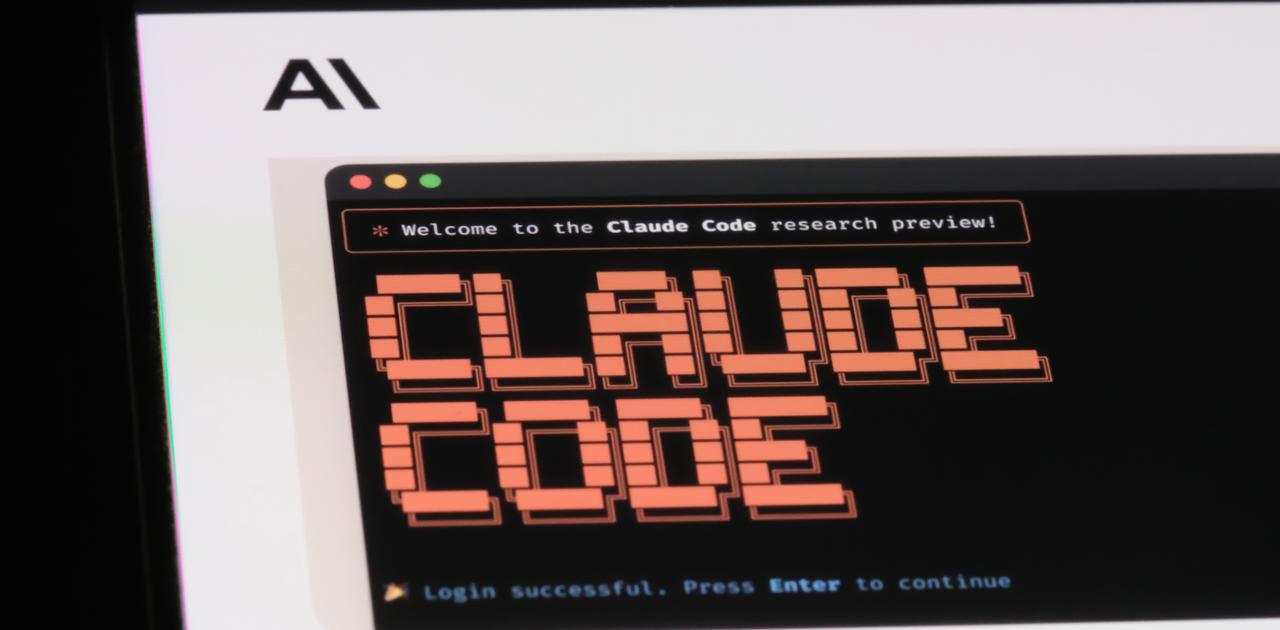
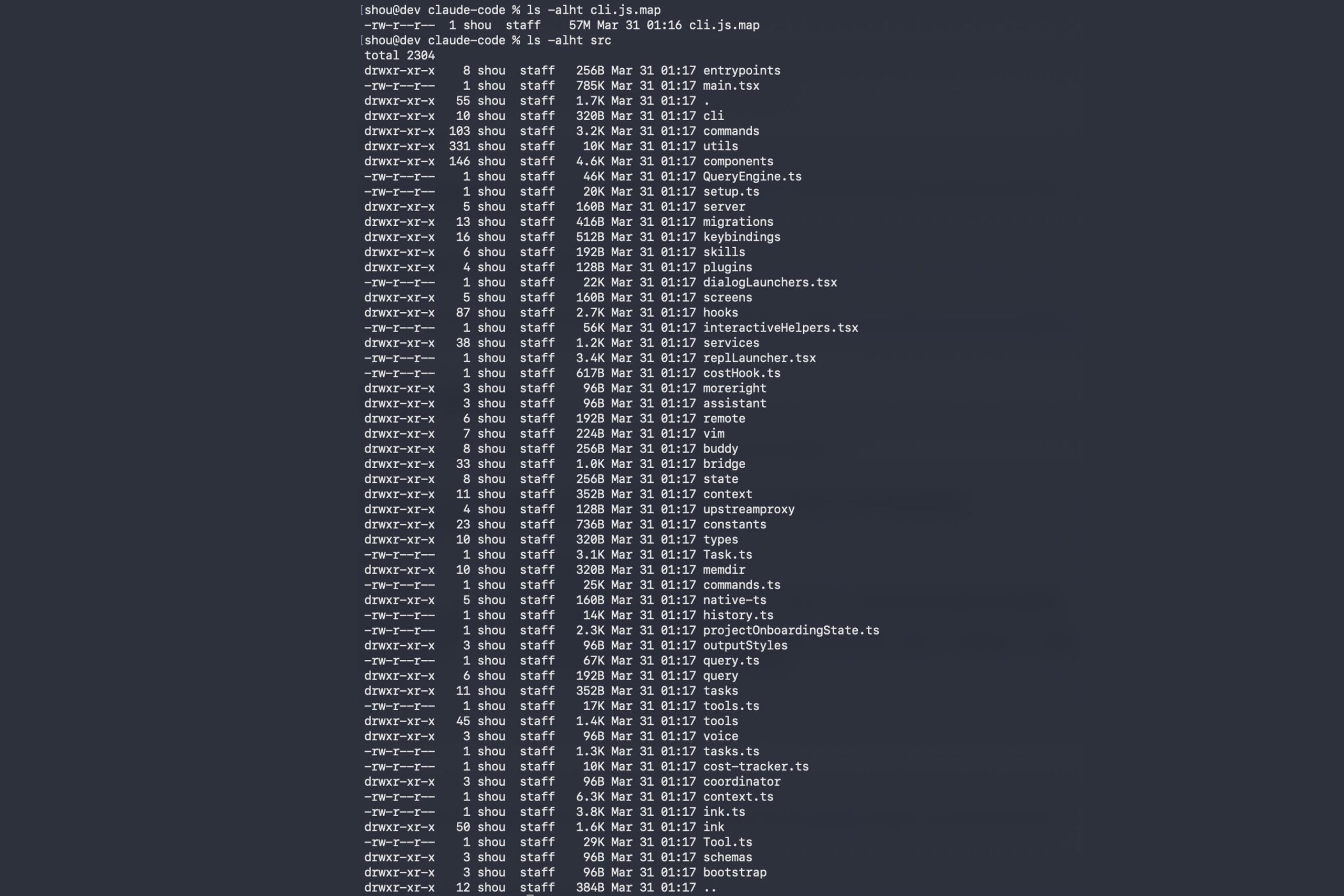
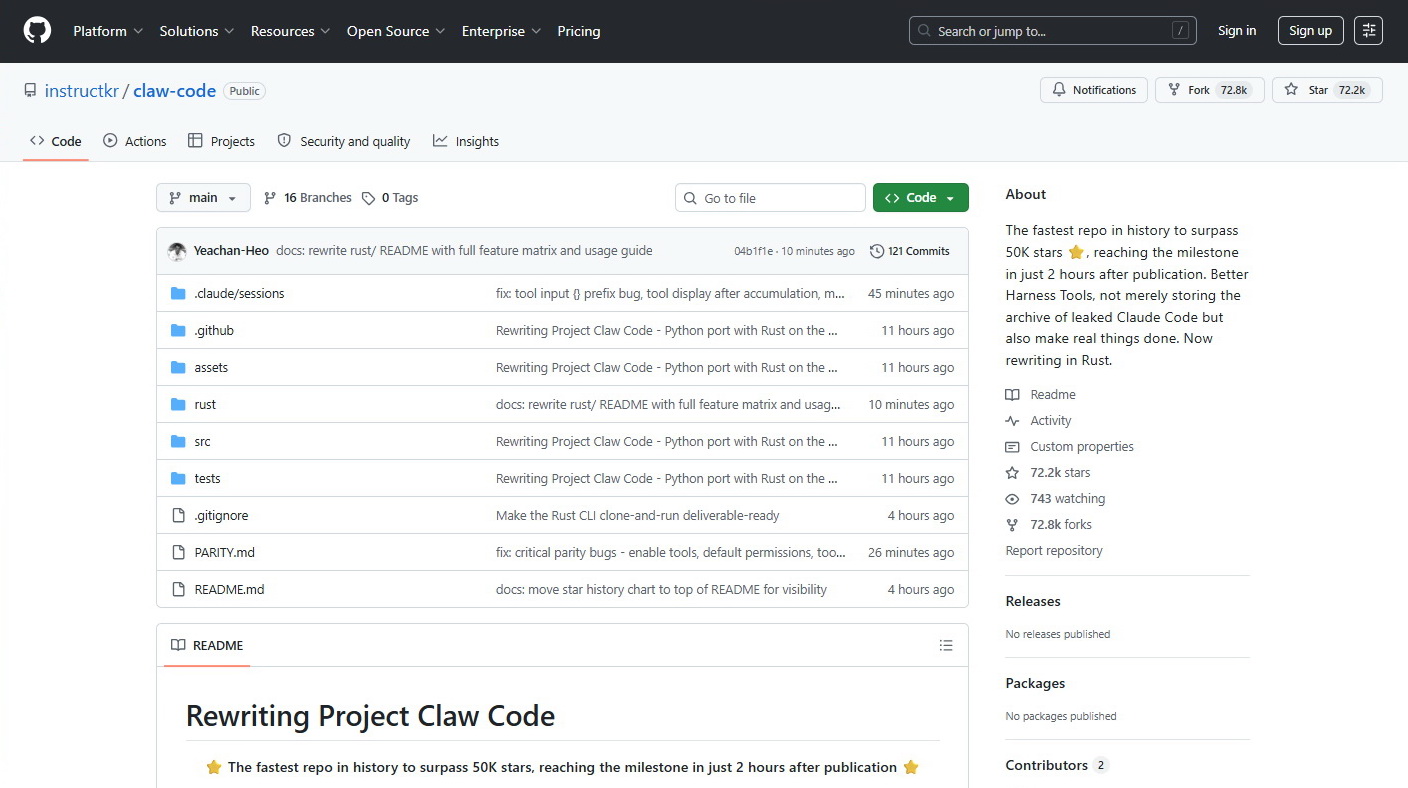
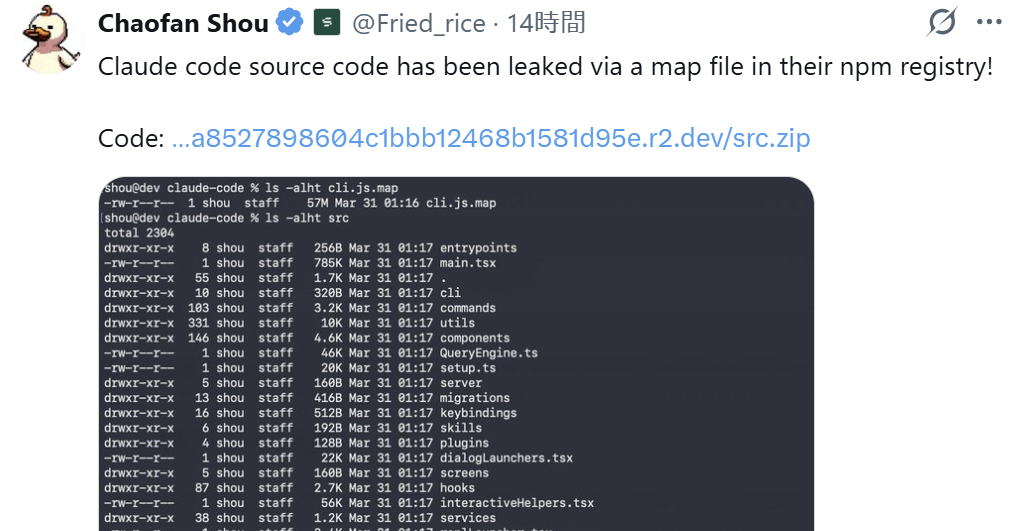
Anthropic experienced two major AI-related leaks: the accidental exposure of Claude Code's internal source code and the public disclosure of the unreleased Claude Mythos model due to human error. While no direct harm has occurred, experts warn these leaks could enable sophisticated cyberattacks, raising significant AI security concerns.[AI generated]

Why's our monitor labelling this an incident or hazard?

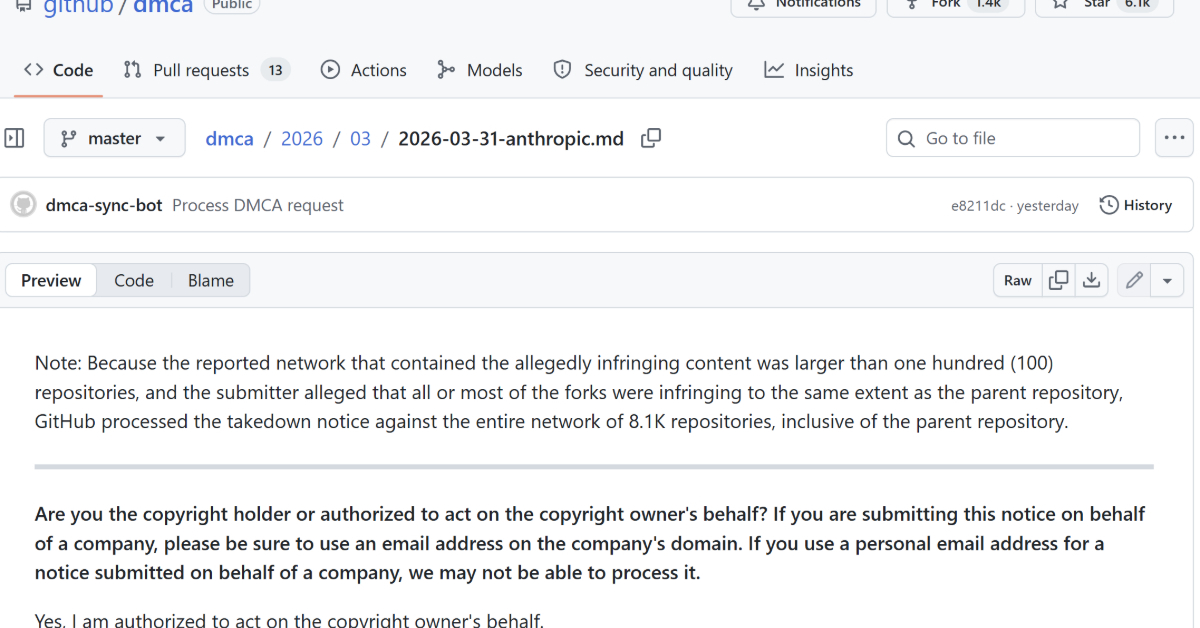
The event involves the unauthorized leak and widespread dissemination of the source code of an AI system (Claude Code), which is proprietary and not licensed for redistribution. This constitutes a violation of intellectual property rights, a form of harm under the AI Incident definition. The involvement of the AI system is explicit, as the leaked code is the AI system itself. The harm has materialized through the breach of copyright and unauthorized public exposure of the AI system's code. The DMCA takedown and subsequent removal of thousands of repositories confirm the recognition of this harm. Although no physical or health harm is described, the violation of intellectual property rights is sufficient to classify this as an AI Incident.[AI generated]
AI principles
Robustness & digital securityAccountability

Industries
Digital security

Harm types
Other

Severity
AI incident

Business function:
Research and development

AI system task:
Content generation


Articles about this incident or hazard

Thumbnail Image

AnthropicのAIツール「Claude Code」でコード露出、ソースマップの誤混入で

2026-04-01
ITmedia
Why's our monitor labelling this an incident or hazard?
An AI system (Claude Code) is explicitly involved, and the event stems from a development and release process error (human packaging mistake). Although no direct harm such as data breach or security compromise has been confirmed, the exposure of proprietary AI system source code can plausibly lead to future harms, such as unauthorized reimplementation, exploitation, or security vulnerabilities. Therefore, this event represents an AI Hazard because it plausibly could lead to an AI Incident, but no actual harm has yet occurred according to the report.
Thumbnail Image

GitHub、「Claude Code」流出コードを削除 AnthropicのDMCA申請受け複数リポジトリに対応

2026-04-01
ITmedia
Why's our monitor labelling this an incident or hazard?
The event involves the unauthorized leak and widespread dissemination of the source code of an AI system (Claude Code), which is proprietary and not licensed for redistribution. This constitutes a violation of intellectual property rights, a form of harm under the AI Incident definition. The involvement of the AI system is explicit, as the leaked code is the AI system itself. The harm has materialized through the breach of copyright and unauthorized public exposure of the AI system's code. The DMCA takedown and subsequent removal of thousands of repositories confirm the recognition of this harm. Although no physical or health harm is described, the violation of intellectual property rights is sufficient to classify this as an AI Incident.
Thumbnail Image

「Claude Code」のソースコードをうっかり公開、Anthropicが人為的ミスを認める

2026-04-01
CNET
Why's our monitor labelling this an incident or hazard?
The event involves an AI system (Claude Code) and a human error in its development/release process leading to unintended source code exposure. While this is a significant security lapse, the article explicitly states no customer data or credentials were exposed, and no harm has been reported. The exposure enables reverse engineering and competitive insight but does not directly or indirectly cause harm or plausible future harm as defined. Thus, it is not an AI Incident or AI Hazard. The main focus is on the disclosure of the event and the company's response, which fits the definition of Complementary Information.
Thumbnail Image

Claude Code の流出したソースコードを GitHub に公開した人が著作権違反を回避した方法がヤバすぎ - Qiita

2026-04-01
Qiita
Why's our monitor labelling this an incident or hazard?
The event involves an AI system (Claude Code) and the use of AI to rewrite code to circumvent copyright claims, which is a novel and significant development in AI and intellectual property law. However, the article does not describe any realized harm such as injury, rights violations, or operational disruption caused by the AI system itself. The copyright infringement claims are ongoing and the rewritten code's legal status is a gray area, but no direct harm or incident has occurred. The main focus is on the legal and ethical implications and the evolving landscape of AI and copyright, which fits the definition of Complementary Information as it provides important context and updates without describing a new AI Incident or Hazard.
Thumbnail Image

話題の「Claude Code」、ソースコードが流出してしまう。"中で何をやっているのか"も明らかに

2026-04-01
GIZMODO JAPAN(ギズモード・ジャパン)
Why's our monitor labelling this an incident or hazard?
An AI system (Claude Code, an AI coding assistant) is explicitly involved, and the event concerns the accidental release of its internal source code. There is no indication that this leak has directly or indirectly caused harm to persons, infrastructure, rights, property, or communities. The event is primarily about the exposure of proprietary information due to human error, with no reported misuse or malicious exploitation causing harm. Therefore, it does not meet the criteria for an AI Incident. However, since the leak could plausibly lead to future harms such as intellectual property theft or competitive harm, it fits the definition of an AI Hazard. The event is not merely complementary information because it reports a concrete event of source code exposure with potential implications, nor is it unrelated as it clearly involves an AI system and a security incident related to it.
Thumbnail Image

Anthropicのブログ記事の下書きから新型AIモデル「Claude Mythos」の存在が発覚、Anthropicは事実を認め「性能面で飛躍的な進歩を遂げた」新たなAIモデルのテストを実施していると発表

2026-03-30
GIGAZINE
Why's our monitor labelling this an incident or hazard?
The event centers on the accidental leak of information about an unreleased AI system with advanced capabilities, including cybersecurity exploitation potential. While no actual harm has been reported from the leak or the AI's use so far, the article highlights credible concerns about the AI's misuse by malicious actors, such as hackers linked to a foreign government attempting intrusions using a related AI model. This establishes a plausible risk that the AI system's development and use could lead to significant harms, particularly large-scale cyberattacks. Therefore, this situation fits the definition of an AI Hazard, as it plausibly could lead to an AI Incident in the future. The leak itself and the testing phase do not constitute direct harm yet, and the article does not focus on responses or governance measures primarily, so it is not Complementary Information.
Thumbnail Image

Claude Codeのソースコード流出によって明らかになったAnthropicの開発プロジェクトとは?

2026-04-02
GIGAZINE
Why's our monitor labelling this an incident or hazard?
An AI system (Claude Code) is explicitly involved, and the event concerns the development and accidental release of its source code. Although no direct harm has been reported, the leak plausibly could lead to future harms, such as unauthorized use or exploitation of the AI system's capabilities or internal mechanisms. The event does not describe realized harm or ongoing incidents, nor is it primarily about responses or ecosystem updates. Hence, it fits the definition of an AI Hazard, as the development and use of the AI system could plausibly lead to harm due to the leak.
Thumbnail Image

AIコーディングアシスタント「Claude Code」のソースコードが人為的ミスで流出、AnthropicはGitHubに転載されたコピー8000件を削除

2026-04-02
GIGAZINE
Why's our monitor labelling this an incident or hazard?
The event involves an AI system (Claude Code) whose source code was leaked due to human error, leading to unauthorized distribution of proprietary code on GitHub. This constitutes a breach of intellectual property rights, which is explicitly listed as a type of harm under AI Incidents. The leak is not merely a potential risk but an actual occurrence of harm, as the code was publicly available and copied extensively before removal. Although no direct physical harm or security breach is reported, the violation of intellectual property rights and the potential for misuse of the leaked AI system code meet the criteria for an AI Incident rather than a hazard or complementary information. The event is not unrelated because it clearly involves an AI system and its development/use.
Thumbnail Image

Claude CoworkとClaude Codeがコンピュータを使ってタスクを完了させる自動化機能を搭載

2026-03-31
CodeZine
Why's our monitor labelling this an incident or hazard?
The event involves an AI system with autonomous capabilities to control a computer, which fits the definition of an AI system. However, the article does not report any injury, rights violation, disruption, or other harm caused or plausibly caused by this AI system. It also highlights safety measures to mitigate risks. Therefore, this is not an AI Incident or AI Hazard. The article provides contextual information about new AI capabilities and safety features, which aligns with Complementary Information as it enhances understanding of AI developments and risk management without reporting harm or credible future harm.
Thumbnail Image

「Claude」が「Mac」を直接操作--指示1つで一連のタスクを実行できる新機能

2026-03-31
ZDNet Japan
Why's our monitor labelling this an incident or hazard?
The event involves an AI system (Claude) that autonomously controls a computer, which fits the definition of an AI system. The article discusses the use of this AI system and its capabilities, as well as the potential risks and cautions recommended by the developer. However, there is no indication that any harm has yet occurred due to the AI's operation. The risks described are plausible future harms, such as unauthorized access to sensitive information or unintended AI behavior. Therefore, this event qualifies as an AI Hazard because it plausibly could lead to an AI Incident but no incident has been reported yet.
Thumbnail Image

「熟練した人間の対応では遅い」 OSSから500件の脆弱性を掘り起こした「Claude Code Security」

2026-03-30
@IT
Why's our monitor labelling this an incident or hazard?
The article explicitly involves an AI system (Claude Code Security) used for vulnerability detection, which is a clear AI system by definition. The AI system is used in its development and use phases to identify security flaws. However, no direct or indirect harm has occurred from the AI system's use; rather, it helps prevent harm by enabling faster detection and patching of vulnerabilities. The article also discusses the potential for attackers to misuse AI for vulnerability discovery, which is a plausible future risk but not an incident or immediate hazard. The main focus is on the AI system's defensive capabilities and the broader cybersecurity context, making this a case of Complementary Information rather than an AI Incident or AI Hazard.
Thumbnail Image

Anthropic、Claudeコードの漏洩により精査を受ける

2026-04-01
The Cryptonomist
Why's our monitor labelling this an incident or hazard?
The event involves an AI system (Claude Code) whose internal source code was leaked accidentally, exposing sensitive details that could be exploited by malicious actors. The leak was due to a human packaging error during development and deployment, not a cyberattack, so no direct harm has occurred yet. However, security experts warn that the leak could enable sophisticated attacks, such as hidden backdoors in developer workflows, which could lead to significant harm in the future. This fits the definition of an AI Hazard, as the development and use of the AI system plausibly could lead to an AI Incident. The company's mitigation efforts and absence of reported direct harm confirm that this is not yet an AI Incident. The event is not merely complementary information because the main focus is on the leak and its security implications, not on responses alone.
Thumbnail Image

シスコがClaude Codeの記憶改ざん手法を報告 持続的な攻撃の危険性を指摘

2026-04-03
ITmedia
Why's our monitor labelling this an incident or hazard?
The article explicitly involves an AI system (Claude Code) whose memory and configuration can be maliciously altered, causing the AI to output unsafe guidance continuously. This manipulation directly affects the AI's behavior and can lead to harm (e.g., unsafe coding advice that could compromise security). The attack exploits the AI system's design and use, constituting a malfunction or misuse leading to potential or actual harm. Since the article describes a realized attack method and its consequences, it qualifies as an AI Incident. The subsequent mitigation and reporting are complementary but do not negate the incident classification.
Thumbnail Image

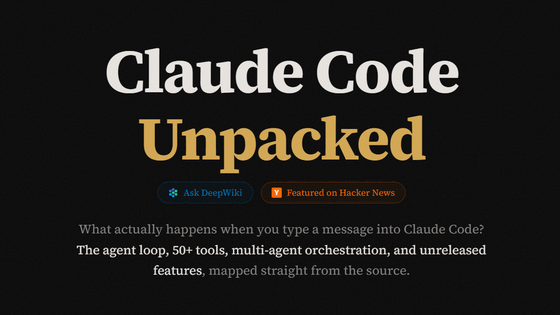
流出したコードからClaude Codeの仕組みをすべて解析し知られざる機能を見やすくまとめた「Claude Code Unpacked」、未公開機能などをソースコードから直接マッピング

2026-04-02
GIGAZINE
Why's our monitor labelling this an incident or hazard?
The article focuses on the analysis and documentation of leaked AI system source code, providing insights into its internal workings and hidden features. There is no indication that the AI system's development, use, or malfunction has directly or indirectly caused any harm (such as injury, rights violations, or disruption). Nor does it suggest plausible future harm from this leak or the AI system itself. Therefore, this event does not qualify as an AI Incident or AI Hazard. It is best classified as Complementary Information because it provides supporting data and context about an AI system and its ecosystem without reporting new harm or risk.
Thumbnail Image

Claude CodeでCLAUDE.mdに書いた禁止事項とsettings.jsonのdenyルールを検証してみた | DevelopersIO

2026-03-30
クラスメソッド発「やってみた」系技術メディア | Developers.IO
Why's our monitor labelling this an incident or hazard?
The article explicitly involves an AI system (Claude Code) and its control mechanisms (prohibition rules and deny rules) that govern AI behavior. However, it does not describe any event where the AI system caused harm or a risk of harm. Instead, it reports on testing and verifying the effectiveness of these control rules to prevent undesired AI actions. This fits the definition of Complementary Information, as it provides supporting data and context about AI governance and safety controls without describing an AI Incident or AI Hazard.
Thumbnail Image

경쟁사에 영업 비밀 '대공개'...클로드 코드 유출 해킹 탓 아닌데, 왜? - 매일경제

2026-04-02
mk.co.kr
Why's our monitor labelling this an incident or hazard?
The event involves an AI system (Anthropic's AI coding tool and related AI models). The leak was caused by a malfunction in the development and deployment process (internal error in packaging and distribution), not by hacking. The leak has directly led to harm by exposing proprietary AI source code and unreleased features, which constitutes a violation of intellectual property rights and harms the company's business interests. Although no personal data or customer information was compromised, the leak of trade secrets and AI system code is a clear harm under the framework. Hence, this is an AI Incident rather than a hazard or complementary information.
Thumbnail Image

앤트로픽 AI개발도구 '클로드코드' 소스 유출..."직원실수 추정" | 연합뉴스

2026-03-31
연합뉴스
Why's our monitor labelling this an incident or hazard?
The event involves an AI system's development-related asset (the source code of an AI development tool) being leaked due to an internal error. While the core AI models were not leaked, the exposure of proprietary source code represents a credible risk of intellectual property violation and business harm. No direct harm to individuals or other categories of harm has been reported as having occurred. The leak is not a malicious attack but an accidental internal mistake, and the article does not describe any realized harm such as injury, rights violations, or operational disruption. Given the plausible future harm from this leak, it fits the definition of an AI Hazard rather than an AI Incident or Complementary Information.
Thumbnail Image

앤트로픽 AI도구 '클로드코드' 소스 유출..."해킹 아닌 직원실수"(종합) | 연합뉴스

2026-04-01
연합뉴스
Why's our monitor labelling this an incident or hazard?
The event involves an AI system (Anthropic's AI coding tool 'Claude Code') whose source code was leaked due to a human error in the distribution process. The leak exposes proprietary code and unreleased features, which constitutes harm to intellectual property rights and the company's trade secrets. This harm is a direct consequence of the AI system's development and distribution. Although no physical harm or direct user harm is reported, the breach of intellectual property rights is a recognized form of AI Incident under the framework. The incident is not merely a potential risk but a realized event with ongoing consequences, thus it is classified as an AI Incident rather than a hazard or complementary information.
Thumbnail Image

앤트로픽, '클로드코드' 유출 진화에 안간힘...8천여건 삭제요청 | 연합뉴스

2026-04-01
연합뉴스
Why's our monitor labelling this an incident or hazard?
The event explicitly involves an AI system ('Claude Code') and its source code leak, which is a direct result of a development and deployment process error. The leak has caused a violation of intellectual property rights, a recognized category of AI harm under the framework. The company is taking remediation steps, but the harm has already occurred. There is no mention of plausible future harm or broader societal harm beyond the IP breach. Hence, the classification as an AI Incident is appropriate.
Thumbnail Image

앤트로픽 '클로드 코드' 소스 유출...핵심 개발 내용 외부 노출 | 아주경제

2026-04-01
아주경제
Why's our monitor labelling this an incident or hazard?
The event involves an AI system (Claude Code) whose source code was accidentally exposed externally. This exposure is a direct result of a development and distribution process error. The leak includes unreleased features and proprietary code, which constitutes a violation of intellectual property rights and harms the company. Although no personal data breach or physical harm occurred, the exposure of core AI system code is a clear harm under the AI Incident definition, specifically under violations of intellectual property rights (c). The incident is not merely a potential risk but a realized exposure, so it is not an AI Hazard or Complementary Information. Hence, the classification is AI Incident.
Thumbnail Image

앤트로픽, AI 코딩 어시스턴트 '클로드코드' 소스 유출..."인적 실수"

2026-04-01
아시아투데이
Why's our monitor labelling this an incident or hazard?
The event explicitly involves an AI system (Claude Code) and a leak of its internal source code due to human error. There is no indication that the leak caused direct or indirect harm to individuals, infrastructure, rights, or communities at this time. The company confirmed no sensitive customer data was exposed, and the leak was not a security breach but a packaging error. However, the leak of source code could plausibly lead to future harms such as intellectual property theft, competitive disadvantage, or malicious use of the AI system. Since no actual harm has occurred yet, but plausible future harm exists, the event fits the definition of an AI Hazard rather than an AI Incident or Complementary Information.
Thumbnail Image

앤트로픽, '클로드코드' 유출 진화에 안간힘 - 전파신문

2026-04-01
jeonpa.co.kr
Why's our monitor labelling this an incident or hazard?
The event explicitly involves an AI system (Claude Code) and its source code leak due to a manual error in the distribution process, which is a malfunction in the AI system's development and use. The leak has led to unauthorized public exposure of the source code, constituting a violation of intellectual property rights, a form of harm under the AI Incident criteria. The company is taking remediation steps, but the harm has already occurred. There is no indication that the leak is merely a potential risk or that the article focuses on governance or research context; thus, it is not Complementary Information or an AI Hazard. Hence, the classification as an AI Incident is appropriate.
Thumbnail Image

앤트로픽, 클로드코드 유출에 삭제 요청...보안 비상

2026-04-02
아시아투데이
Why's our monitor labelling this an incident or hazard?
The source code of an AI system was unintentionally leaked, which is directly related to the AI system's development and use. The leak has already caused harm by exposing security vulnerabilities that could be exploited by malicious actors, and it breaches intellectual property rights. Although the core AI models were not leaked, the exposure of the source code itself constitutes a significant harm. Therefore, this event qualifies as an AI Incident due to realized harm related to security and intellectual property breaches stemming from the AI system's development and use.
Thumbnail Image

앤트로픽 '코드 유출' 후폭풍...복제본 8천개 삭제 요청 논란

2026-04-02
와이드경제
Why's our monitor labelling this an incident or hazard?
The event explicitly involves an AI system (Claude Code) whose internal source code was leaked, leading to unauthorized distribution and replication attempts. The leak constitutes a violation of intellectual property rights and exposes sensitive commercial information, which is a form of harm under the AI Incident definition (c). The incident stems from the AI system's development and use, specifically an employee error during a software update process. The widespread dissemination and potential misuse of the leaked code have already occurred, indicating realized harm rather than just a plausible future risk. Although no direct physical harm or data breach of customer information occurred, the commercial and intellectual property harm is significant and directly linked to the AI system. Hence, the classification as an AI Incident is appropriate.
Thumbnail Image

"인간의 실수"라지만... 앤트로픽, AI 핵심 기술 유출 파장

2026-04-02
기술로 세상을 바꾸는 사람들의 놀이터
Why's our monitor labelling this an incident or hazard?
An AI system (Anthropic's Claude Code AI agent) is explicitly involved, and the event concerns the accidental leakage of its source code, which is a core part of the AI system's development and deployment. Although no direct harm has materialized, the exposure of commercially sensitive AI technology and potential for misuse or exploitation by hackers presents a credible risk of future harm to property, communities, or the environment (e.g., through security breaches or competitive damage). Therefore, this event qualifies as an AI Hazard because it plausibly could lead to an AI Incident, but no actual harm has yet been reported.
Thumbnail Image

앤트로픽, 소스 '51만줄' 유출에 긴급 대응···깃허브 대량 삭제 요청 - 투데이코리아

2026-04-02
투데이코리아
Why's our monitor labelling this an incident or hazard?
The event involves an AI system's development (source code of AI development tools) and a malfunction in the distribution process leading to unauthorized exposure of proprietary code. However, the article explicitly states that the AI models and customer data were not affected, and no direct harm such as violation of rights, health, or property damage is reported. The company is taking remediation steps, indicating ongoing management of the situation. Since no realized harm or plausible future harm to persons or communities is described, and the main focus is on the company's response to a security breach, this fits the definition of Complementary Information rather than an AI Incident or AI Hazard.
Thumbnail Image

상장 앞두고 코드유출 악재...앤스로픽 뒷수습 진땀

2026-04-02
서울경제
Why's our monitor labelling this an incident or hazard?
The event involves the development and use of an AI system (Anthropic's Claude AI model) whose core source code was leaked publicly. This leak directly harms the company by exposing trade secrets and intellectual property, which is a violation of intellectual property rights and harms the company's property and competitive position. The leak is attributed to human error in product packaging, which is part of the AI system's development lifecycle. The harm is realized, not just potential, as the code has been publicly disseminated. Hence, it meets the criteria for an AI Incident rather than a hazard or complementary information.
Thumbnail Image

Anthropic最慘洩密事件!逾50萬行Claude Code原始碼流出,44個隱藏功能曝光

2026-04-01
數位時代
Why's our monitor labelling this an incident or hazard?
The event involves an AI system (Claude Code) whose full source code was unintentionally leaked publicly, exposing proprietary information and internal design. This leak is a direct result of a human error in the development and release process. The leak constitutes a violation of intellectual property rights, which is a recognized harm under the AI Incident definition. Furthermore, the associated supply chain attack with a remote access trojan (RAT) in a related npm package version poses direct security risks to users, further supporting the classification as an AI Incident. The presence of the AI system, the direct link to harm (intellectual property breach and security risks), and the confirmed realized harm meet the criteria for AI Incident rather than AI Hazard or Complementary Information.
Thumbnail Image

Anthropic爆嚴重失誤外洩原代碼 電子寵物功能被洩露 | am730

2026-04-01
am730
Why's our monitor labelling this an incident or hazard?
The event involves an AI system (Anthropic's Claude Code) and a malfunction in its development and deployment process (human error leading to code leak). Although the leak could pose risks such as intellectual property theft or competitive disadvantage, the article states no actual harm or loss has occurred. Therefore, it does not meet the criteria for an AI Incident, which requires realized harm. It also does not qualify as an AI Hazard because the article does not explicitly or implicitly indicate plausible future harm resulting from this leak. The main focus is on reporting the leak and the company's response, which aligns with providing complementary information about AI system development and risk management. Hence, this is best classified as Complementary Information.
Thumbnail Image

【AI 核彈】Claude Code原始碼大洩漏 250 億美元商機危在旦夕 技術藍圖被全球看光光 未來點算

2026-04-01
經濟一週
Why's our monitor labelling this an incident or hazard?
The event involves an AI system (Claude Code) whose source code was leaked, leading to intellectual property rights violations and economic harm to Anthropic, a major AI company. The rapid open-source reconstruction of the system bypasses copyright protections, directly impacting the company's commercial interests. The leaked documents also reveal potential for cyberattack capabilities, which have already caused market disruptions, indicating realized harm to financial markets and potential security risks. Furthermore, the AI's use in military analysis raises ethical and human rights concerns. These factors collectively demonstrate direct and indirect harms caused by the AI system's development, use, and malfunction (leakage), meeting the criteria for an AI Incident.
Thumbnail Image

Anthropic Claude Code原始碼意外外洩 揭露AI軟體工程核心 | yam News

2026-04-02
蕃新聞
Why's our monitor labelling this an incident or hazard?
The event involves an AI system (Anthropic's Claude Code) and a malfunction (accidental source code leak). While the leak exposes sensitive AI system internals and unreleased features, no direct or indirect harm to persons, rights, infrastructure, or property is reported. The leak could plausibly lead to future harms, such as misuse or exploitation of the AI system, making it an AI Hazard. The article also references past AI incidents related to Anthropic but does not describe new realized harms from this leak. Hence, the classification as AI Hazard is appropriate.
Thumbnail Image

Anthropic員工出包:Claude Code原始碼全數外洩 - 網路資訊雜誌

2026-04-01
網路資訊雜誌
Why's our monitor labelling this an incident or hazard?
The event involves an AI system (Claude Code) whose entire source code was accidentally exposed due to an employee's error in the build and release process. This exposure has led to widespread unauthorized access and redistribution of the AI system's proprietary code, constituting a violation of intellectual property rights, which is a recognized harm under the AI Incident definition. Although no direct harm to individuals or customers occurred, the leak of the AI system's source code is a significant harm related to the AI system's development and use. The company's acknowledgment of the human error and the lack of malicious intent does not negate the harm caused. Hence, this event meets the criteria for an AI Incident rather than a hazard or complementary information.
Thumbnail Image

Anthropic員工出包:Claude Code原始碼全數外洩 - 網路資訊雜誌

2026-04-01
網路資訊雜誌
Why's our monitor labelling this an incident or hazard?
The event involves an AI system (Claude Code) whose source code was accidentally exposed due to an employee mistake, which is a development and operational issue related to the AI system. The exposure enables reverse engineering and potential misuse, which could plausibly lead to intellectual property violations or other harms. However, the article does not report any actual harm occurring yet, such as injury, rights violations, or operational disruption. Anthropic has taken measures to prevent recurrence, but the widespread availability of the source code on public platforms means future misuse or harm is credible. Thus, the event fits the definition of an AI Hazard rather than an AI Incident or Complementary Information.
Thumbnail Image

非愚人節玩笑!Claude Code 原始碼意外外流,核心運作細節曝光

2026-04-01
TechNews 科技新報
Why's our monitor labelling this an incident or hazard?
The event involves an AI system (Claude Code) whose internal source code was accidentally leaked, exposing core operational details. This leak is a direct consequence of the AI system's development and deployment process. The leak caused harm by exposing proprietary intellectual property, which is a violation of intellectual property rights, a recognized category of AI harm. Although no personal data or customer credentials were leaked, the loss of trade secrets and competitive advantage is a significant harm. Hence, the event meets the criteria for an AI Incident rather than a hazard or complementary information, as the harm has already occurred and is directly linked to the AI system.
Thumbnail Image

Claude Code 50萬行原始碼誤洩 Anthropic:人為錯誤導致 | ETtoday AI科技 | ETtoday新聞雲

2026-04-01
ETtoday AI科技
Why's our monitor labelling this an incident or hazard?
The event involves an AI system (Claude Code) whose source code was accidentally leaked due to human error. The leak is a direct consequence of the AI system's development and deployment process. The exposure of proprietary source code constitutes harm to intellectual property rights, which is one of the defined harms under AI Incidents. Although no user data or personal harm occurred, the leak of the AI system's code is a significant harm to the company and potentially the AI ecosystem. This meets the criteria for an AI Incident because the AI system's development and use directly led to a breach of intellectual property rights.
Thumbnail Image

Anthropic誤發GitHub下架通知 近萬Claude Code相關專案一度遭封鎖 | ETtoday AI科技 | ETtoday新聞雲

2026-04-02
ETtoday AI科技
Why's our monitor labelling this an incident or hazard?
The event clearly involves an AI system (Claude Code coordinating LLMs) and its development and use. The incident is about the mishandling of leaked AI-related source code and the subsequent overbroad takedown notice causing disruption to many legitimate repositories. However, the harms are operational and reputational rather than physical injury, rights violations, or environmental/community harm. There is no indication of direct or indirect harm to persons or critical infrastructure. The main focus is on the governance and compliance challenges faced by an AI company, which is valuable complementary information for understanding AI ecosystem risks and responses. Hence, it fits the definition of Complementary Information rather than an AI Incident or AI Hazard.
Thumbnail Image

Claude Code洩代碼|自爆運作細節 未發布模型曝光 Anthropic上市前重創 - EJ Tech

2026-04-02
EJ Tech
Why's our monitor labelling this an incident or hazard?
The event involves an AI system (Claude Code) and its internal AI operational code being leaked due to human error. The leak includes unreleased AI models and detailed system mechanisms, which could plausibly lead to harms such as security vulnerabilities, exploitation by malicious actors, or competitive harm to Anthropic. No direct harm has yet occurred, but the exposure creates a credible risk of future harm. Hence, it fits the definition of an AI Hazard rather than an AI Incident. It is not Complementary Information because the main focus is the leak event itself, not a response or update to a prior incident. It is not Unrelated because the event clearly involves AI systems and their development/use.
Thumbnail Image

Claude Code洩代碼|核心功能遭「換殼」 難以究責 - EJ Tech

2026-04-02
EJ Tech
Why's our monitor labelling this an incident or hazard?
The article describes the leak of an AI system's source code and the developers' responses, including rewriting the code to avoid copyright issues and creating privacy protection tools. While these involve AI system development and use, no actual harm or violation has been reported. The legal complaints and privacy concerns represent governance and societal responses to AI-related issues. Hence, the event does not meet the criteria for an AI Incident or AI Hazard but fits the definition of Complementary Information, as it provides context and updates on AI system development, legal challenges, and privacy measures.
Thumbnail Image

Claude Code 爆「提示注入」漏洞,資安公司發現可輕鬆繞過安全限制

2026-04-02
TechNews 科技新報
Why's our monitor labelling this an incident or hazard?
The article explicitly involves an AI system (Claude Code) and details a security flaw that allows attackers to bypass safety controls via prompt injection. This flaw can lead to execution of dangerous commands, posing risks of harm to property, data, or systems. The vulnerability is a direct consequence of the AI system's design and implementation, and its exploitation can cause significant harm. Therefore, this qualifies as an AI Incident because the AI system's malfunction or misuse has directly led or could lead to harm.
Thumbnail Image

AI巨頭Anthropic鬧烏龍 誤洩51萬行代碼 | 美國 | 人工智能公司 | 洩露

2026-04-02
The Epoch Times
Why's our monitor labelling this an incident or hazard?
The event clearly involves an AI system (Claude Code) and its development and deployment processes. The accidental leak of extensive proprietary source code related to the AI tool's internal logic and safety mechanisms is a malfunction in the development and release process. While no direct harm (such as data breaches or misuse) has been reported, the leak enables potential future misuse or attacks that could bypass safety features, posing a credible risk of harm to users and the AI ecosystem. This fits the definition of an AI Hazard, as the event plausibly could lead to an AI Incident but has not yet done so. It is not an AI Incident because no realized harm has been documented, nor is it Complementary Information or Unrelated, as the leak is a significant event with potential for harm.
Thumbnail Image

Anthropic重大安全事故 誤洩AI工具源代碼 - 大公文匯網

2026-04-02
大公报
Why's our monitor labelling this an incident or hazard?
The event involves an AI system (Claude Code) whose source code was accidentally leaked, which is a direct consequence of its development and deployment processes. The leak exposes the AI system to potential exploitation by hackers, which could lead to cyberattacks, representing harm to property and communities. Although no actual cyberattacks are reported yet, the incident itself is a realized security breach with direct implications for AI system safety and trust. This fits the definition of an AI Incident because the AI system's malfunction (human error in release) has directly led to a significant security harm scenario.
Thumbnail Image

Anthropic洩漏AI模型衝擊資安股 一日內市值蒸發145億美元

2026-04-04
Yahoo!奇摩股市
Why's our monitor labelling this an incident or hazard?
The event explicitly involves an AI system (Anthropic's AI model) whose accidental leak has directly caused significant financial harm to cybersecurity companies, reflecting harm to property and economic interests. Moreover, the AI model's potential misuse by hackers to conduct cyberattacks represents a direct threat to critical infrastructure management and operation. Therefore, this qualifies as an AI Incident because the AI system's development and use have directly led to realized harm and credible threats.
Thumbnail Image

Claude原始碼外洩 意外曝光核心運作| 台灣大紀元

2026-04-03
大紀元時報 - 台灣(The Epoch Times - Taiwan)
Why's our monitor labelling this an incident or hazard?
An AI system (Claude Code) is explicitly involved, and the event stems from a development and deployment error (packaging mistake) leading to the unintended public release of proprietary AI system source code. While no direct harm has been reported, the article clearly states that the leak could enable hackers to find vulnerabilities and bypass safety controls, posing a credible risk of future harm to the system and its users. This fits the definition of an AI Hazard, as the event plausibly could lead to an AI Incident in the future. There is no indication that harm has already occurred, so it is not an AI Incident. The event is more than complementary information because it reports a concrete leak with potential security implications, not just a governance or research update. Therefore, the correct classification is AI Hazard.
Thumbnail Image

Claude Code程式碼外洩,研究人員揭露開發人員安全風險

2026-04-03
iThome Online
Why's our monitor labelling this an incident or hazard?
The event involves an AI system (Claude Code) whose source code was leaked due to a development error. The leak has directly led to malicious use, including malware distribution and supply chain attacks, causing harm to property and communities. The involvement of the AI system's leaked code is pivotal to the incident. The harms are realized, not just potential, as malware has been actively distributed and updated. This fits the definition of an AI Incident because the AI system's development and misuse have directly caused harm.
Thumbnail Image

Anthropic Claude原始碼外洩8千份後縮減下架 揭AI智財權與資安隱憂

2026-04-04
蕃新聞
Why's our monitor labelling this an incident or hazard?
The event involves an AI system (Anthropic's Claude Code) whose source code was accidentally leaked, revealing proprietary information and a security vulnerability. This constitutes a malfunction and a development-related issue. While the leakage itself is a serious security and intellectual property concern, the article states no customer data or internal model weights were leaked, and no direct harm has been reported. The security vulnerability found could allow bypassing safety checks, posing a plausible risk of future harm if exploited. The past intellectual property disputes indicate ongoing challenges but are historical context rather than new incidents. Since no direct or indirect harm has materialized yet, but plausible future harm exists, the event fits the definition of an AI Hazard rather than an AI Incident. It is not Complementary Information because the main focus is on the leakage event itself, not a response or governance action. It is not Unrelated because it clearly involves an AI system and potential harm.
Thumbnail Image

争夺AI Coding千亿市场,字节必有一战

2026-04-04
k.sina.com.cn
Why's our monitor labelling this an incident or hazard?
The event explicitly involves an AI system (Claude model) used in AI coding tools. The sudden removal of this AI service due to policy restrictions has directly caused harm to users and companies dependent on it, including loss of service, increased costs, and disruption of workflows. This meets the definition of an AI Incident as the AI system's use and withdrawal have directly led to harm to communities and economic harm. The article does not merely discuss potential future harm or general AI ecosystem developments but reports on an actual disruption caused by AI system unavailability, thus qualifying as an AI Incident.
Thumbnail Image

Antropic, Claude Code'un gizli kodlarını sızdırdı

2026-04-01
BloombergHT
Why's our monitor labelling this an incident or hazard?
An AI system (Claude Code) is explicitly involved, as the leaked source code relates to the AI system's software skeleton and operational instructions. The event stems from the development and release process of the AI system. Although no harm has been reported or inferred as having occurred, the leak of internal AI system details plausibly could lead to future harms, such as enabling adversaries to exploit the system or create malicious derivatives. Since no actual harm has materialized, this event fits the definition of an AI Hazard rather than an AI Incident. It is not merely complementary information because the leak itself is a significant event with potential risk, and it is not unrelated as it directly concerns an AI system's internal code.
Thumbnail Image

Anthropic, Yanlışlıkla Claude Code'un Kaynak Kodunu Yayınladı

2026-04-01
Webtekno
Why's our monitor labelling this an incident or hazard?
The source code leak involves an AI system (Claude Code) and results from a development-related error (misconfiguration). However, the harm is limited to intellectual property exposure and competitive risk, with no reported injury, rights violation, or disruption. User data was not affected, and no direct or indirect harm to persons or communities is described. The event highlights security concerns and industry implications, which fits the definition of Complementary Information rather than an Incident or Hazard.
Thumbnail Image

Claude Code'un kodları yayıldı: 2,5 milyar dolarlık yapay zekâ aracında sızıntı

2026-04-01
CHIP Online
Why's our monitor labelling this an incident or hazard?
The event involves an AI system (Claude Code) whose source code was leaked due to human error. Although no direct harm such as data theft or user harm has occurred, the exposure of proprietary AI code creates a credible risk of future harms, including intellectual property violations or malicious use. The event does not describe any realized harm but highlights a plausible future risk stemming from the AI system's development and security. Therefore, it fits the definition of an AI Hazard rather than an AI Incident or Complementary Information.
Thumbnail Image

Anthropic doğruladı: Claude Code'un dahili kaynak kodunun bir kısmı sızdı

2026-04-01
Webrazzi
Why's our monitor labelling this an incident or hazard?
The event involves an AI system (Claude Code) and a leak of its internal source code, which is part of its development artifacts. While no direct harm such as data breaches or customer impact has occurred, the leak of proprietary AI source code could plausibly lead to harms like intellectual property violations or misuse by competitors or malicious actors. The event stems from the AI system's development and deployment process (human error in packaging). Since no realized harm is reported but plausible future harm exists, the classification as an AI Hazard is appropriate. The mention of a second data exposure related to upcoming AI models further supports the potential for future harm but does not indicate an incident yet.
Thumbnail Image

Anthropic'te bir haftada ikinci skandal! Şimdi de Claude Code'un kaynak kodları sızdırıldı

2026-04-01
Mynet Haber
Why's our monitor labelling this an incident or hazard?
The event explicitly involves an AI system (Claude Code) whose internal source code was leaked, which is a direct harm related to intellectual property rights and confidentiality. The leak was caused by human error in the development or release process of the AI system. The incident has already occurred and caused harm by exposing proprietary AI system code publicly, which can lead to competitive and security risks. This fits the definition of an AI Incident because the AI system's development and use directly led to a breach of intellectual property rights and confidentiality obligations. The article also mentions a prior related data leak, reinforcing the seriousness of the harm. Hence, the classification as AI Incident is appropriate.
Thumbnail Image

Claude Code'un Kaynak Kodları Sızdı! İşte Sızıntının Teknik Analizi - Donanım Günlüğü1

2026-03-31
Donanım Günlüğü
Why's our monitor labelling this an incident or hazard?
The event involves the development and deployment of an AI system (Claude Code) and a human error that caused a security breach exposing the system's source code. The source code leak is a direct violation of intellectual property rights, which is one of the harms defined under AI Incidents. Although no physical harm or direct user harm is reported, the leak itself is a realized harm related to the AI system's development and use. Hence, it meets the criteria for an AI Incident rather than a hazard or complementary information.
Thumbnail Image

Anthropic, claude kod sızıntısının ortaya çıkmasıyla inceleme altında

2026-04-01
The Cryptonomist
Why's our monitor labelling this an incident or hazard?
An AI system (Claude Code AI assistant) is explicitly involved, and the event stems from its development and operational use. The accidental leak of approximately 1,900 files and over 512,000 lines of code, including details about the AI's integration in developer environments, creates a plausible risk of future harm such as unauthorized access, creation of backdoors, or exploitation by malicious actors. Although no direct harm has yet occurred, the potential for significant security incidents is credible and recognized by cybersecurity experts. Therefore, this event qualifies as an AI Hazard rather than an AI Incident, since the harm is plausible but not realized. The company's response and the absence of evidence of data breaches or identity exposure further support this classification.
Thumbnail Image

Anthropic yanlışlıkla binlerce GitHub deposunu kapattırdı

2026-04-02
CHIP Online
Why's our monitor labelling this an incident or hazard?
The event explicitly involves an AI system (Claude Code, an AI product by Anthropic) and concerns the company's use of legal mechanisms to remove its source code from public repositories. The takedown requests led to unintended harm to other developers by removing access to thousands of unrelated repositories, which can be considered a violation of intellectual property rights and disruption to the developer community. However, the harm is indirect and stems from the company's use of legal tools rather than a malfunction or misuse of the AI system itself. There is no direct injury, health harm, or critical infrastructure disruption. The main issue is a legal and operational mishandling causing harm to property (code repositories) and communities (developers). Since the harm has already occurred and is directly linked to the use of AI-related code and the company's actions, this qualifies as an AI Incident rather than a hazard or complementary information.
Thumbnail Image

Το Mythos της Anthropic: διαρροή μοντέλου ΑΙ με κινδύνους για την κυβερνοασφάλεια Πηγή: Euronews

2026-03-30
Investing.com Ελληνικά
Why's our monitor labelling this an incident or hazard?
The event involves the development and potential use of an advanced AI system that could facilitate large-scale cyberattacks, posing a credible and significant risk to cybersecurity. The AI system's role is pivotal in increasing the likelihood of harm to critical infrastructure and communities through cyberattacks. Since the harm is not yet realized but plausibly could occur in the near future, this qualifies as an AI Hazard rather than an AI Incident. The article does not describe an actual harm event but highlights a credible future threat based on the AI system's capabilities and warnings from the developer.
Thumbnail Image

Τα επόμενα μοντέλα ΑΙ φέρνουν "εφιάλτη" κυβερνοεπιθέσεων | in.gr

2026-03-29
in.gr
Why's our monitor labelling this an incident or hazard?
The article explicitly mentions AI systems (Anthropic's Mythos/Capybara and OpenAI's ChatGPT) being used or capable of being used for autonomous cyberattacks and cyber espionage, which have already occurred (e.g., the Chinese cyberattack targeting multiple entities). This constitutes harm to organizations and critical infrastructure, fitting the definition of an AI Incident. The warnings about future risks reinforce the severity but do not change the classification since harm has already occurred. Hence, the event is an AI Incident due to direct and indirect harm caused by AI-enabled cyberattacks.
Thumbnail Image

Anthropic: Το νέο AI μοντέλο της εταιρείας ονομάζεται "Mythos" και αποτελεί το ιδανικό εργαλείο για έναν χάκερ | LiFO

2026-03-30
LiFO
Why's our monitor labelling this an incident or hazard?
The event involves the development and potential use of an AI system (Mythos) that could plausibly lead to significant harms related to cybersecurity, including large-scale cyberattacks and identity breaches. The article does not report any realized harm yet but highlights credible warnings from the company and cybersecurity experts about future risks. Therefore, this qualifies as an AI Hazard because the AI system's development and intended use could plausibly lead to an AI Incident involving harm to property, communities, or critical infrastructure through cyberattacks.
Thumbnail Image

Anthropic: Νέα "κατά λάθος" διαρροή πηγαίου κώδικα του δικού της ΑΙ εργαλείου | LiFO

2026-04-01
LiFO
Why's our monitor labelling this an incident or hazard?
The event involves an AI system (Claude Code) whose source code was accidentally leaked. The leak was due to human error in the release process, not a malicious attack. No direct harm such as injury, rights violations, or operational disruption has been reported so far. However, the leak plausibly could lead to harms including cyberattacks leveraging the AI's capabilities, intellectual property theft, or enabling adversaries to bypass security measures. This fits the definition of an AI Hazard, as the development/use/malfunction of the AI system could plausibly lead to an AI Incident in the future. The article does not describe actual realized harm but highlights credible risks stemming from the leak.
Thumbnail Image

Τεχνητή Νοημούνη - Η Anthropic δημοσίευσε κατά λάθος τον πηγαίο κώδικα του Claude

2026-04-01
Liberal.gr
Why's our monitor labelling this an incident or hazard?
An AI system (Claude) is explicitly involved, and the event stems from the use and development phase (source code management). Although no direct harm has occurred yet, the accidental exposure of the source code and related internal documents creates a credible risk of future incidents, such as exploitation of security vulnerabilities or misuse of the AI system. Therefore, this event qualifies as an AI Hazard because it plausibly could lead to an AI Incident, but no actual harm has been reported so far.
Thumbnail Image

Πώς το AI Mythos της Anthropic που διέρρευσε απειλεί κυβερνοασφάλεια

2026-03-30
euronews
Why's our monitor labelling this an incident or hazard?
The event involves the development and potential use of an advanced AI system (Claude Mythos) that could facilitate large-scale cyberattacks, posing a credible threat to cybersecurity. The leak and warnings highlight plausible future harms stemming from this AI system's capabilities, but no realized harm or incident has been reported so far. Therefore, this qualifies as an AI Hazard, as the AI system's involvement could plausibly lead to an AI Incident involving harm to critical infrastructure or communities through cyberattacks.
Thumbnail Image

Anthropic: Διαρροή κώδικα για το Claude και 8.000 takedowns στο GitHub - STARTUPPER

2026-04-02
STARTUPPER
Why's our monitor labelling this an incident or hazard?
The event involves an AI system (Claude AI assistant) and its proprietary software code. The leak was caused by human error in the development and deployment process, directly leading to unauthorized exposure of the AI system's code. This constitutes a violation of intellectual property rights (a breach of obligations under applicable law) and harms the company's business operations and reputation. The widespread takedown requests and attempts by developers to circumvent these measures further indicate realized harm. Hence, this qualifies as an AI Incident under the framework, as the AI system's development and use have directly led to significant harm.