AI-Enabled Military Drones Cause Civilian Harm and Proliferate Through Strategic Partnerships in Ukraine

Thumbnail Image

The information displayed in the AIM should not be reported as representing the official views of the OECD or of its member countries.

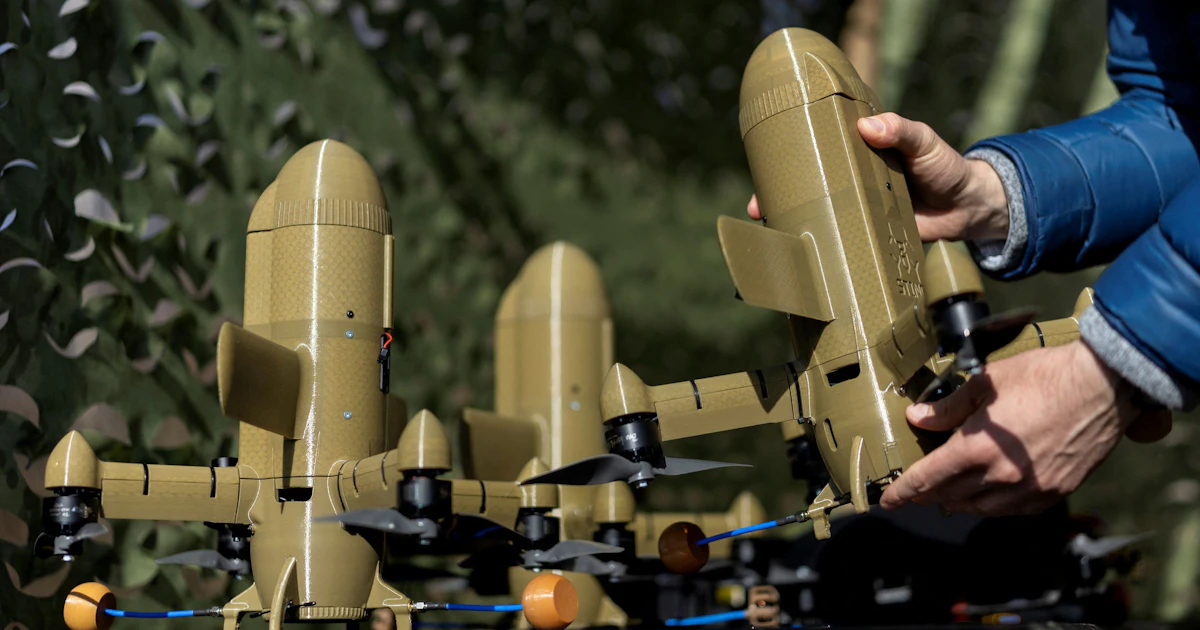
AI-powered military drones have been widely used in the Ukraine conflict, causing civilian casualties and property damage. Japanese company Terra Drone invested in Ukraine's Amazing Drones to develop and export AI-enabled interceptor drones, accelerating their deployment and global spread. These actions highlight the direct and indirect harm caused by AI systems in warfare.[AI generated]

Why's our monitor labelling this an incident or hazard?

The article involves AI systems in the form of advanced drones with likely autonomous capabilities used for military interception. While no harm has yet occurred, the production and export of such AI-enabled military drones could plausibly lead to AI incidents involving injury, disruption, or other harms. Therefore, this event fits the definition of an AI Hazard rather than an AI Incident or Complementary Information. It is not unrelated because the AI system's development and use are central to the event.[AI generated]
AI principles
Respect of human rightsSafety

Industries
Government, security, and defenceRobots, sensors, and IT hardware

Affected stakeholders
General public

Harm types
Physical (death)Physical (injury)Economic/Property

Severity
AI hazard

Business function:
Other

AI system task:
Recognition/object detectionGoal-driven organisation


Articles about this incident or hazard

Thumbnail Image

テラドローン、ウクライナ企業に出資 迎撃ドローンを日本向け輸出

2026-03-31
日本経済新聞
Why's our monitor labelling this an incident or hazard?
The article involves AI systems in the form of advanced drones with likely autonomous capabilities used for military interception. While no harm has yet occurred, the production and export of such AI-enabled military drones could plausibly lead to AI incidents involving injury, disruption, or other harms. Therefore, this event fits the definition of an AI Hazard rather than an AI Incident or Complementary Information. It is not unrelated because the AI system's development and use are central to the event.
Thumbnail Image

テラドローン、ウクライナの迎撃ドローン企業アメイジング・ドローンズ社に戦略的出資と迎撃ドローン「Terra A1」を新たに発売

2026-03-31
CNET
Why's our monitor labelling this an incident or hazard?
The article explicitly discusses AI-enabled interceptor drones developed and deployed in an active war zone (Ukraine), where their use is directly linked to harm through military conflict. The drones perform autonomous or semi-autonomous functions such as detection and neutralization of hostile drones, which are AI system capabilities. The strategic investment and product launch facilitate the proliferation of these AI systems in warfare, which inherently causes injury, disruption, and harm. Hence, this is not merely a potential hazard or complementary information but an AI Incident due to the direct link to harm caused by the AI system's use in conflict.
Thumbnail Image

"日の丸ドローン"防衛産業へ本格参入! 米国拠点に世界各国で無人装備の展開を目指す | 乗りものニュース

2026-03-31
乗りものニュース
Why's our monitor labelling this an incident or hazard?
The event involves the development and planned deployment of AI-enabled unmanned defense systems, which are AI systems by definition due to their autonomous or semi-autonomous capabilities. While no actual harm or incident is reported, the nature of these systems and their military use imply a credible risk of future harm, including injury, disruption, or violations of rights. The article focuses on the company's strategic entry into the defense market and the expansion of AI-enabled unmanned assets, which aligns with the definition of an AI Hazard as it plausibly could lead to AI Incidents in the future. There is no indication of realized harm or ongoing incidents, so it is not an AI Incident. It is not merely complementary information because the main focus is on the development and deployment plans with inherent risk, not on responses or updates to past incidents. Therefore, the correct classification is AI Hazard.
Thumbnail Image

中国"多連装ドローンランチャー"公開! 最大96機を同時運用可能!? 脅威のシステムとは | 乗りものニュース

2026-03-31
乗りものニュース
Why's our monitor labelling this an incident or hazard?
The event involves an AI system explicitly described as using AI and autonomous flight capabilities to control a large number of drones for military reconnaissance and attack missions. The system's development and intended use directly relate to potential harm (injury or death in warfare, harm to communities) through autonomous lethal operations. Although no harm is reported as having occurred yet, the plausible future harm from such a system is significant and credible, qualifying this as an AI Hazard. There is no indication that harm has already materialized, so it is not an AI Incident. The article is not merely complementary information or unrelated, as it focuses on the unveiling and capabilities of a potentially harmful AI-enabled military system.
Thumbnail Image

宅配ドライバー不足の救世主に...ならない!?「配送ドローン」都心を飛べない"最大の壁" 離島では活躍しているのに(1/2 ページ) | 乗りものニュース

2026-03-31
乗りものニュース
Why's our monitor labelling this an incident or hazard?
The article describes AI systems (delivery drones) in use and their potential benefits and limitations. However, it does not describe any event where the AI system's development, use, or malfunction has directly or indirectly caused harm (injury, rights violations, disruption, or other harms). Nor does it describe a specific plausible risk event or near miss that could lead to harm. Instead, it provides contextual information about the current status and challenges of drone delivery technology. Therefore, it fits the definition of Complementary Information, as it enhances understanding of AI deployment and challenges without reporting an incident or hazard.
Thumbnail Image

焦点:ウクライナ、ドローン迎撃技術輸出の好機 中東紛争で需要

2026-03-31
ニューズウィーク日本版 オフィシャルサイト
Why's our monitor labelling this an incident or hazard?
The article clearly involves AI systems in the form of drone interception technology, which is used in active defense against hostile drones. The technology has been deployed and tested in combat, indicating AI system involvement in harm prevention. However, there is no indication of any harm caused by the AI systems themselves, nor any malfunction or misuse leading to harm. The focus is on export opportunities, strategic partnerships, and the challenges of training and deployment. This aligns with the definition of Complementary Information, as it provides supporting context and updates on AI system use and governance without describing a new AI Incident or AI Hazard.
Thumbnail Image

新しい軍事技術は勝利への魔法の杖となり得るか?

2026-04-01
Arab News
Why's our monitor labelling this an incident or hazard?
The article explicitly describes AI-enabled military drones being used in active conflicts, causing physical harm to civilians and damage to property, which constitutes harm to persons and communities. The drones' AI capabilities in navigation, targeting, and attack are central to their function and the resulting harm. The ongoing use of these systems in warfare directly links AI system use to realized harm, fulfilling the criteria for an AI Incident rather than a hazard or complementary information. The article does not merely discuss potential future risks or responses but details actual harm caused by AI systems in military contexts.